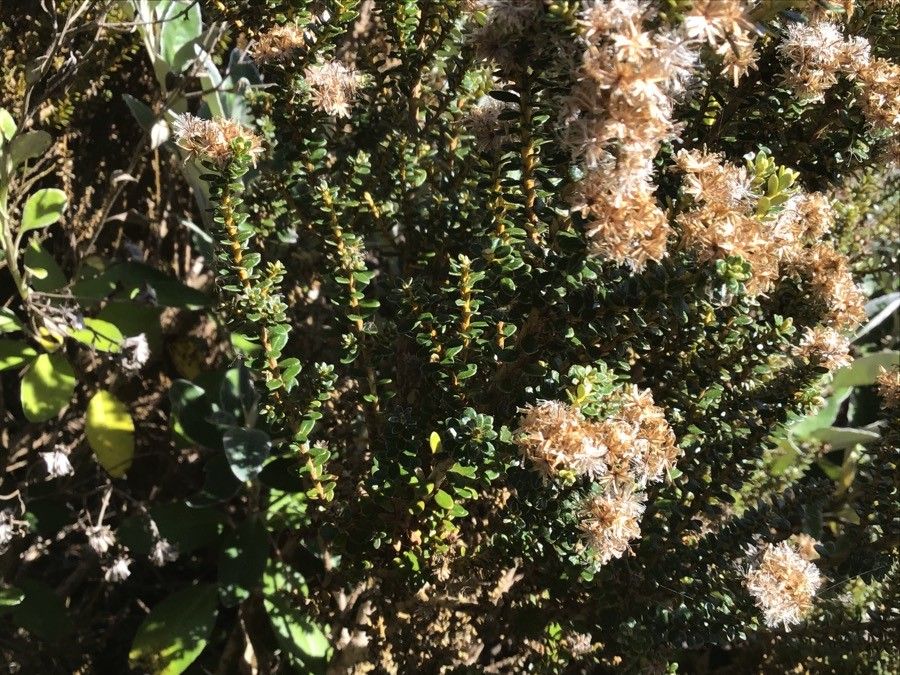
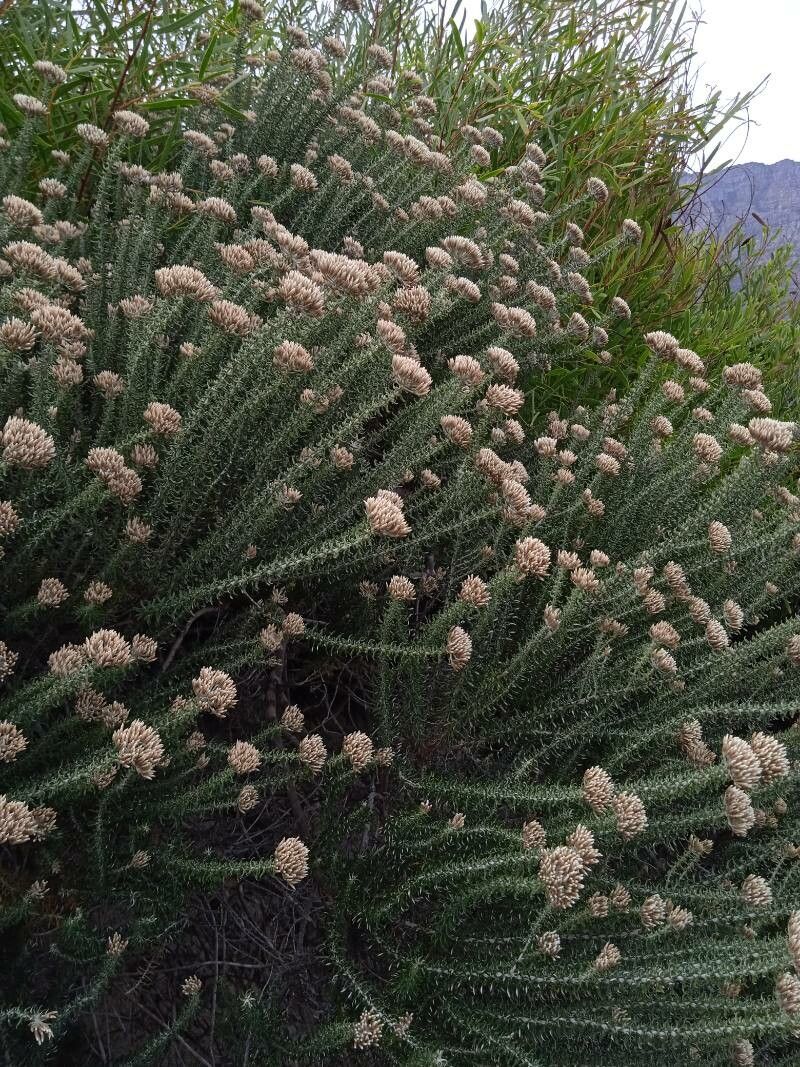
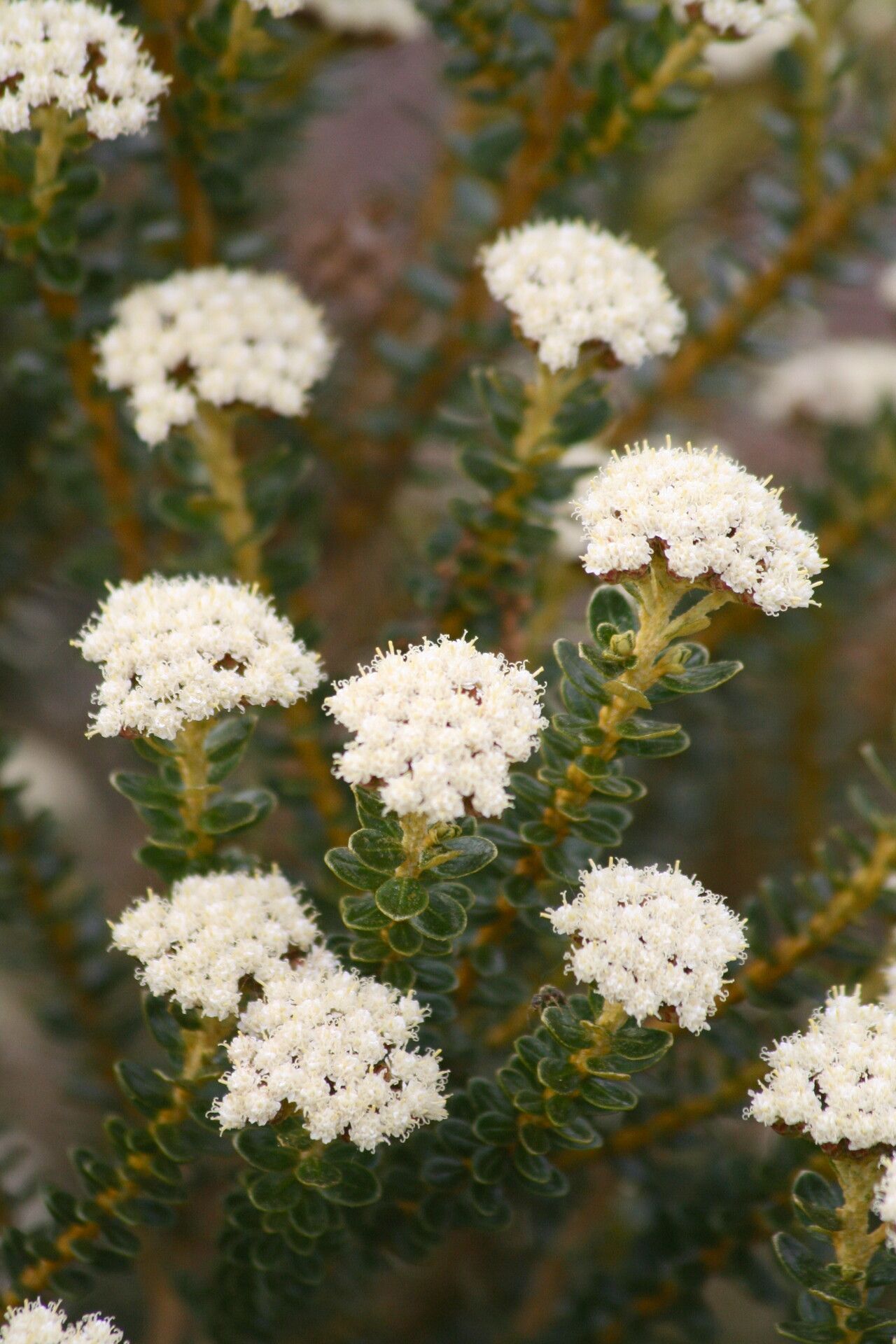
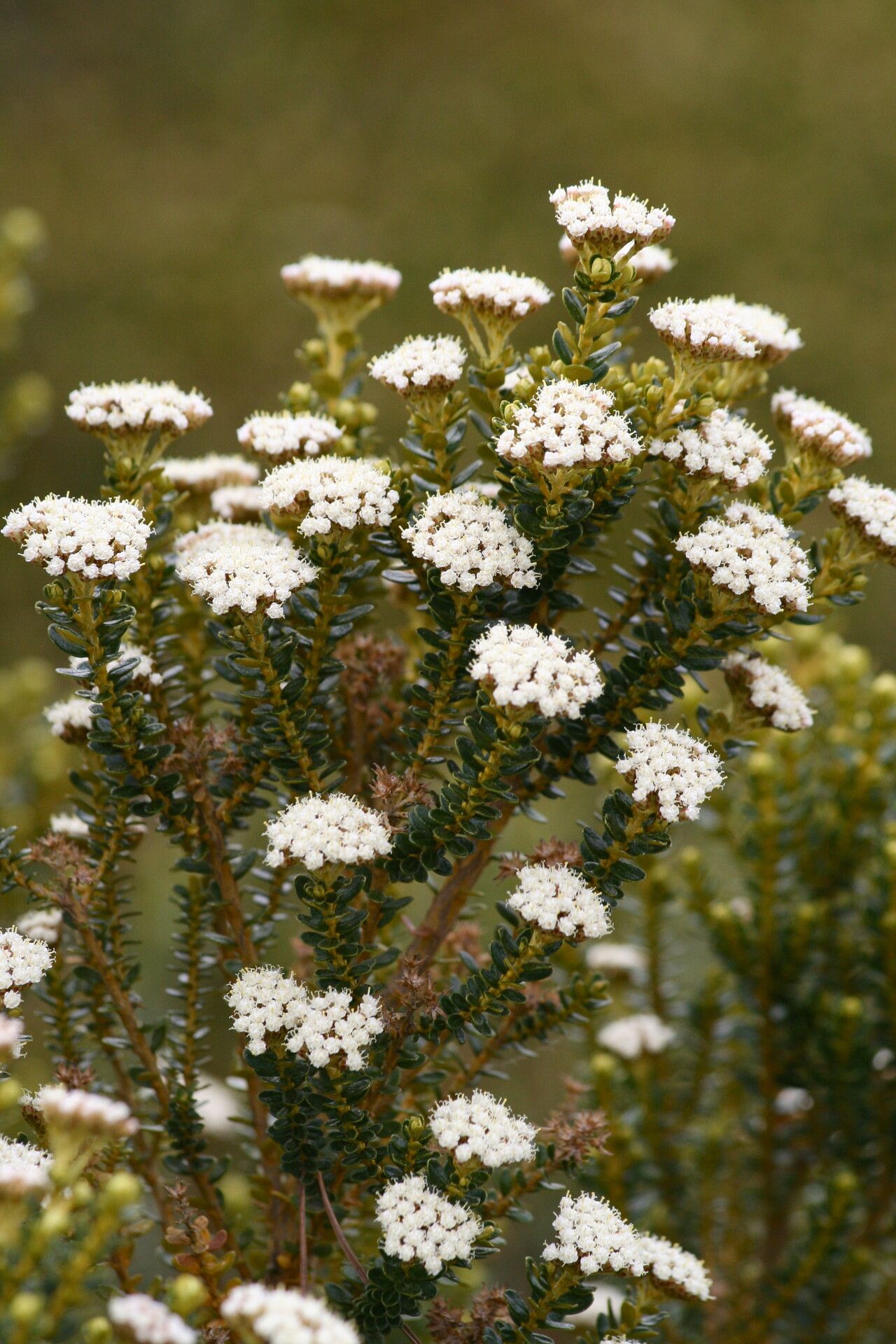
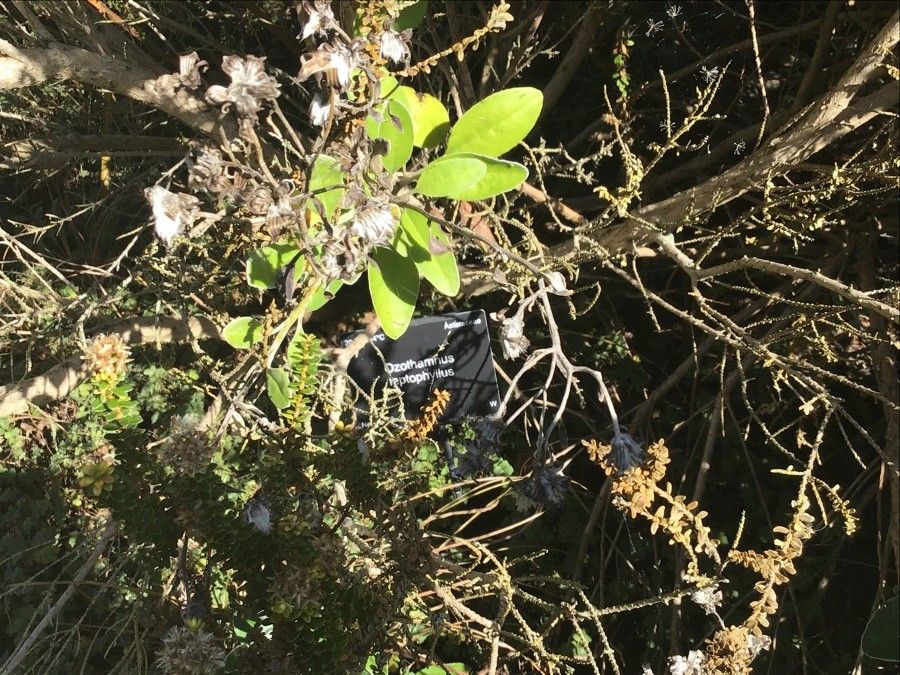
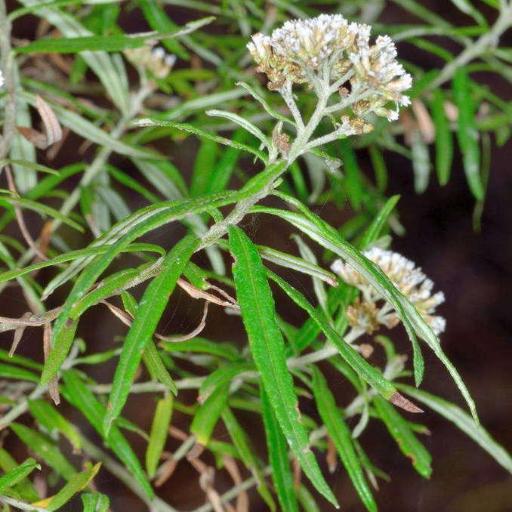
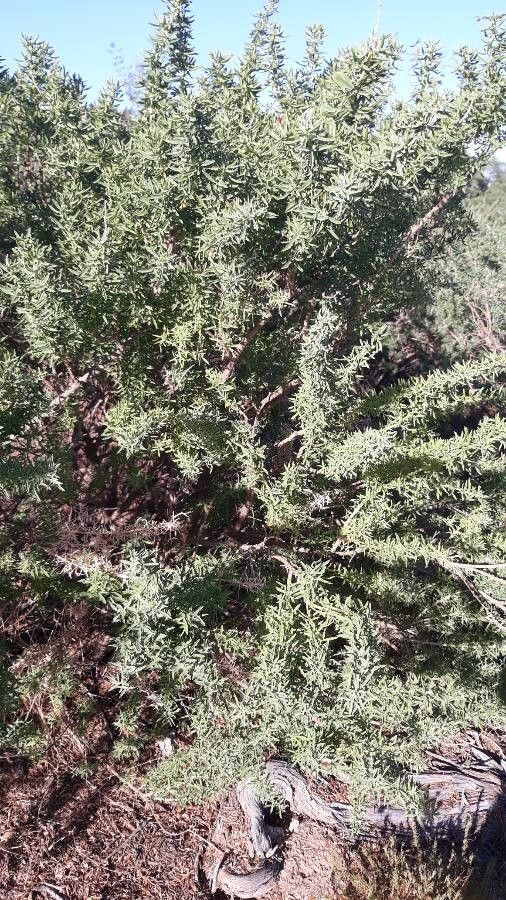
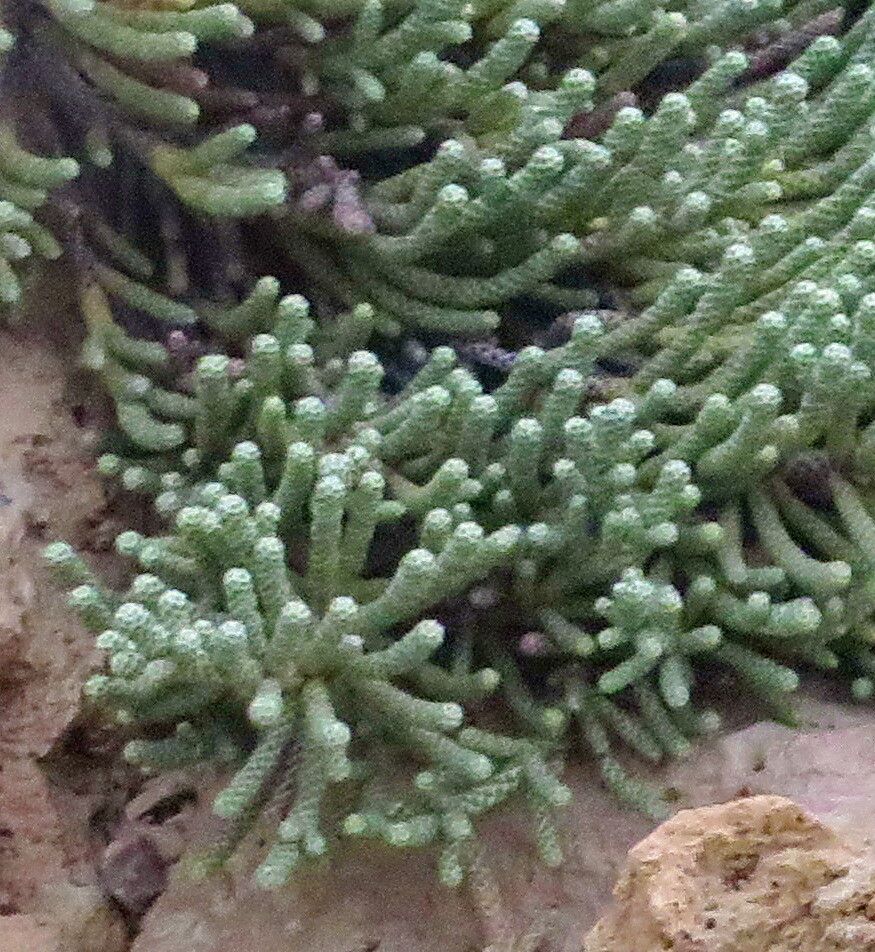
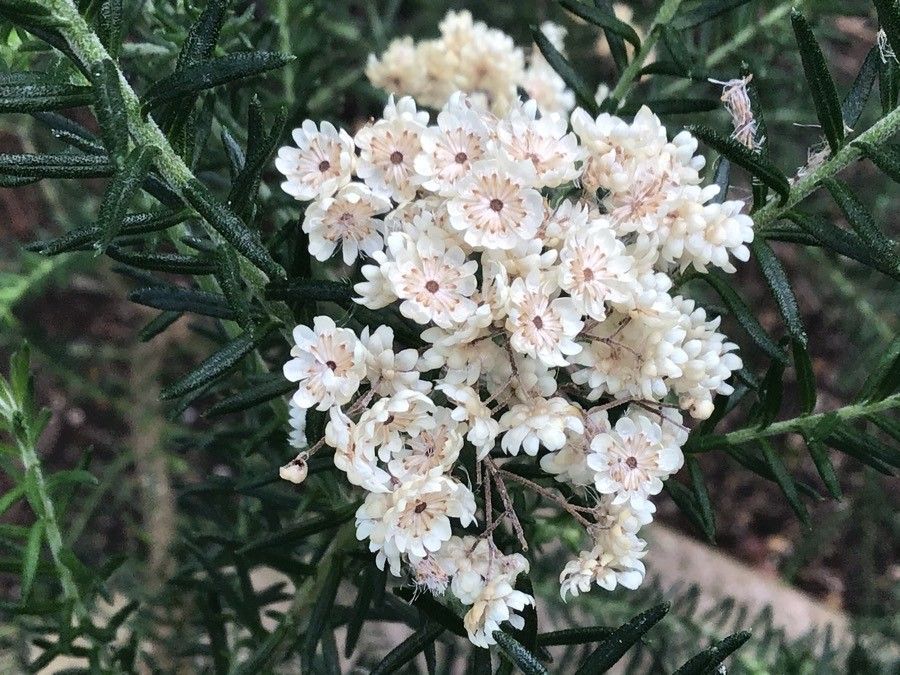
Ozothamnus leptophyllus, commonly known as tauhinu or cottonwood, is an endemic shrub of New Zealand. Tauhinu is fast-growing, reaching 2 metres in height and is a common plant of coastal farmland. This species is host to the larvae of the New Zealand endemic moth Homoeosoma anaspila.
Cottonwood shows strong resistance to disease and is generally not prone to illnesses. In terms of care, this plant is fairly low-maintenance. When grown outdoors it needs minimal watering, and larger plants usually do not require pruning. Smaller plants, however, should be pruned after they finish blooming. Cottonwood is suitable for anyone with an outdoor area, such as a garden or a deck, and does not demand extensive plant-care experience.
How to keep Ozothamnus Leptophyllus.
Light
Cottonwood grows best with plenty of sunlight, which is crucial for its development and wellbeing. It can tolerate reduced light levels, but that may limit its ability to reach its full potential. Its native habitat is characterized by full sun exposure, which corresponds to its light requirements. Both too much and too little sunlight can affect its vigor, so maintaining a proper balance of light is important.
Water
Cottonwood trees flourish in environments with sporadic rainfall, making them drought-tolerant and in need of watering only every 2-3 weeks. They thrive in well-draining soil, which prevents waterlogging and supports healthy root growth, closely resembling their natural habitat.
Temperature
Cottonwood is highly adaptable to a wide range of climate conditions, from blistering summers to frigid winters. That said, it does have an ideal temperature range for growth. If temperatures climb too high, the plant can suffer from heat and humidity stress, which may kill it. In areas where temperatures get close to the lower end of its cold tolerance, it's necessary to provide insulation to protect the plant.
Fertilizer
The timing of fertilizing Cottonwood is important. Apply fertilizer in early spring and continue once a month through early summer. Fertilizer encourages attractive blooms and gives energy during both dormant and active growth periods.
Pruning
Pruning cottonwood trees in late spring offers several benefits, such as removing dead branches and thinning the foliage for better airflow. This process promotes healthy growth, produces vibrant blooms, and increases resistance to pests. For the best results, use clean, sharp tools and adhere to local horticultural guidelines.
Botanical profile.
- Plant Type
- Shrub
- Life Cycle
- Perennial
- Genus
- Ozothamnus
- Family
- Asteraceae
- Hardiness Zone
- 8-11
- Mature Height
- 2.13 m
- Mature Spread
- 2.13 m
- Leaf Color
- Green, Blue
- Leaf Type
- Evergreen
- Flower Color
- White
- Flower Size
- 0.20 cm to 0.25 cm
- Bloom Time
- Winter
- Planting Time
- Spring, Summer, Autumn
- Harvest Time
- Late winter, Early spring, Mid spring
- Native Area
- New Zealand
Other names.
Reader questions.
What are the sunlight requirements for Cottonwood?
Cottonwood thrives under ample sunlight and requires full sun, meaning it needs above 6 hours of sunlight daily, to maintain its growth and health optimally. It can tolerate partial sun conditions, about 3-6 hours of sunlight, but this might inhibit its full potential. Finding the perfect balance of light and shade is crucial for ensuring the plant's happiness, as both overexposure and scarcity of sunlight may impact its vitality.
How can artificial lighting benefit indoor Cottonwood plants?
Indoor Cottonwood plants require adequate lighting for optimal growth, especially in conditions where natural sunlight is insufficient, like in winter or less sunny spaces. Artificial lights, such as LED lights, are beneficial as they can be customized to provide specific wavelengths needed by the plant. For full sun plants, 30-50W/sq ft of artificial light is needed, partial sun plants require 20-30W/sq ft, and full shade plants need 10-20W/sq ft. It's crucial to place the light source 12-36 inches above the plant to mimic natural sunlight and ensure the plant receives 8-12 hours of light per day.
What are the symptoms of light deficiency in Cottonwood?
When a Cottonwood does not receive adequate sunlight, it may show several symptoms. These include smaller new leaves, leggy or sparse growth, faster leaf drop, slower or no new growth, and lighter-colored new leaves, indicating a deficiency in chlorophyll and essential nutrients. Overexposure to sunlight can also lead to issues such as chlorosis, sunscald, leaf curling, wilting, and leaf scorching, which negatively affect the plant's ability to photosynthesize and maintain its overall health.
What are some solutions to address Cottonwood's light deficiency indoors and outdoors?
To address light deficiency for indoor Cottonwood, gradually moving the plant to a sunnier location to ensure at least 6 hours of direct sunlight daily can be effective. Utilizing a south-facing window or artificial lighting such as desk or ceiling lamps for at least 8 hours daily can also provide the necessary light. For outdoor plants, slowly adapting them to brighter conditions can prevent sunburn. Removing obstructions or transplanting the plant to a sunnier spot ensures ample sunlight. Note that while affected parts may not recover, new growth will be healthy after adjusting light exposure.