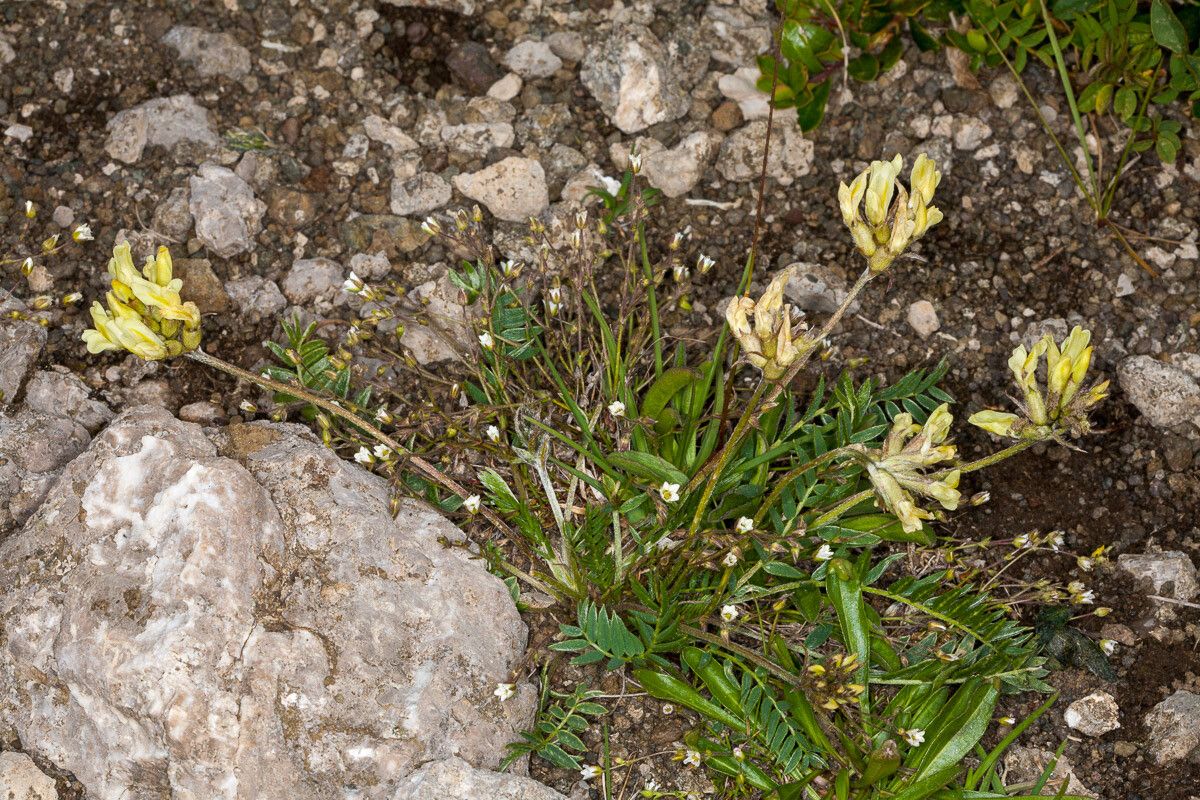
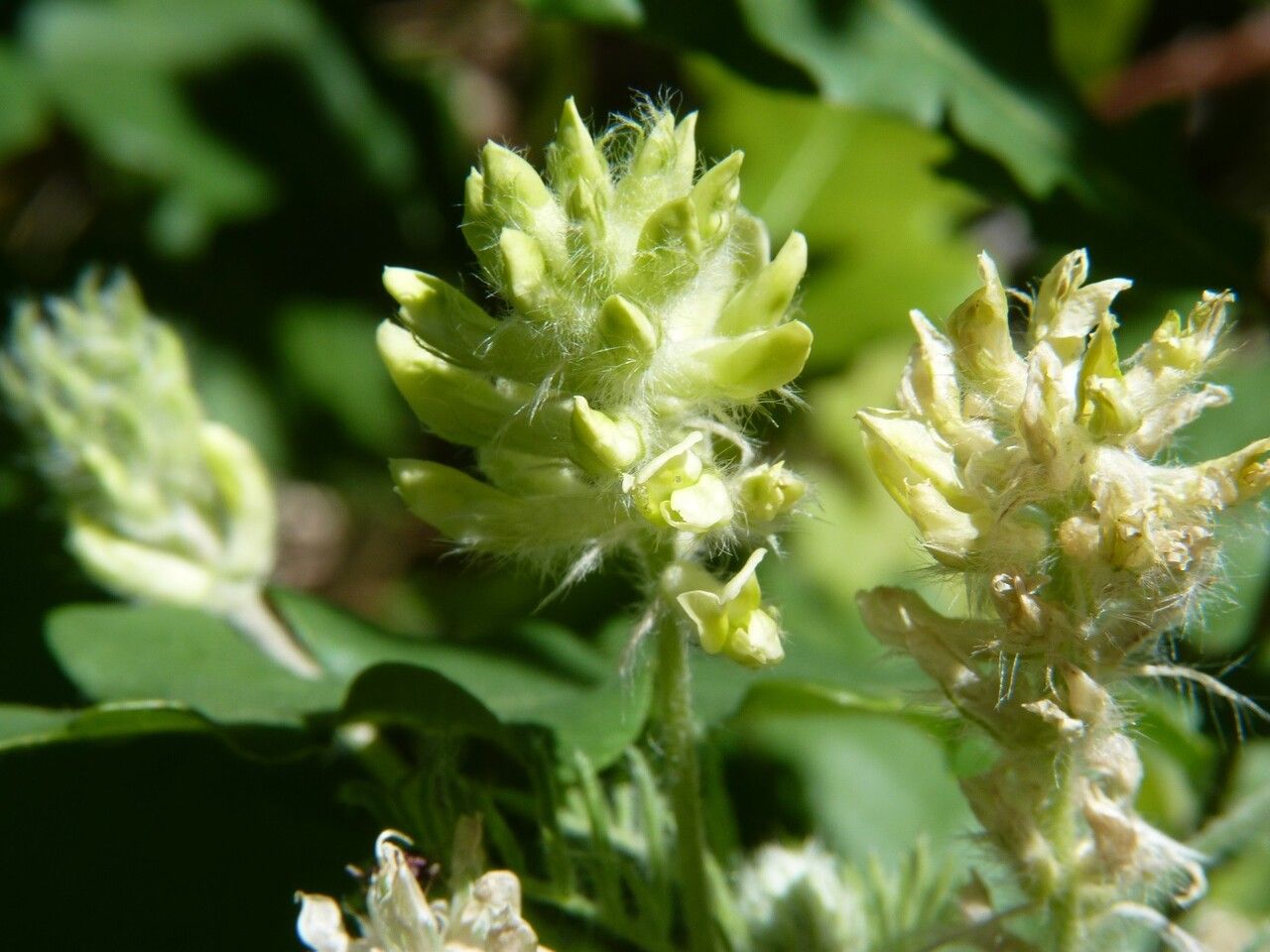
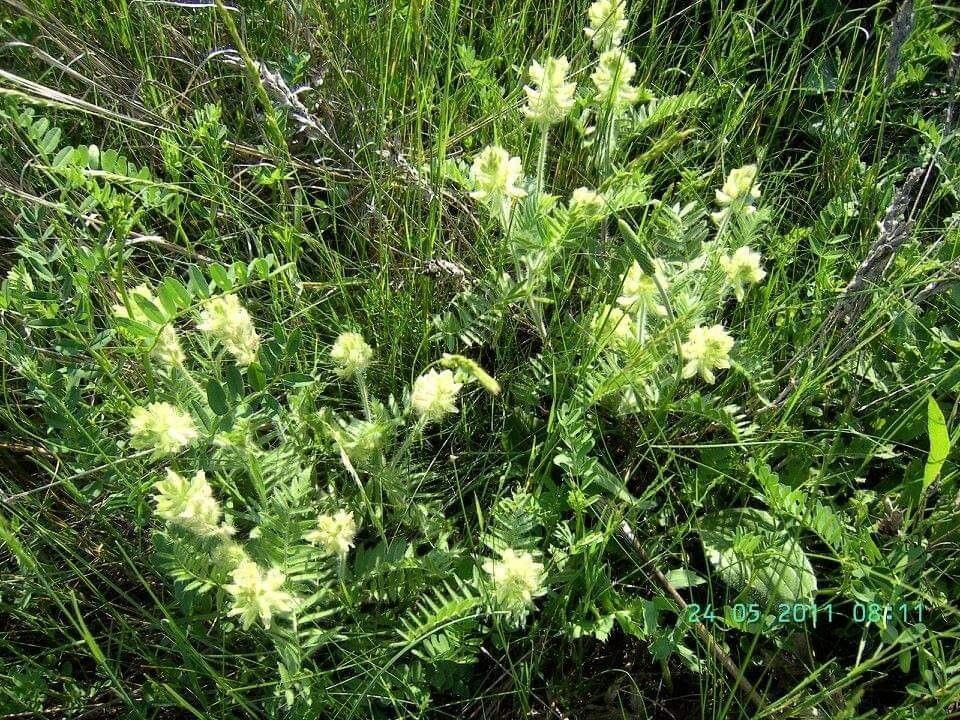
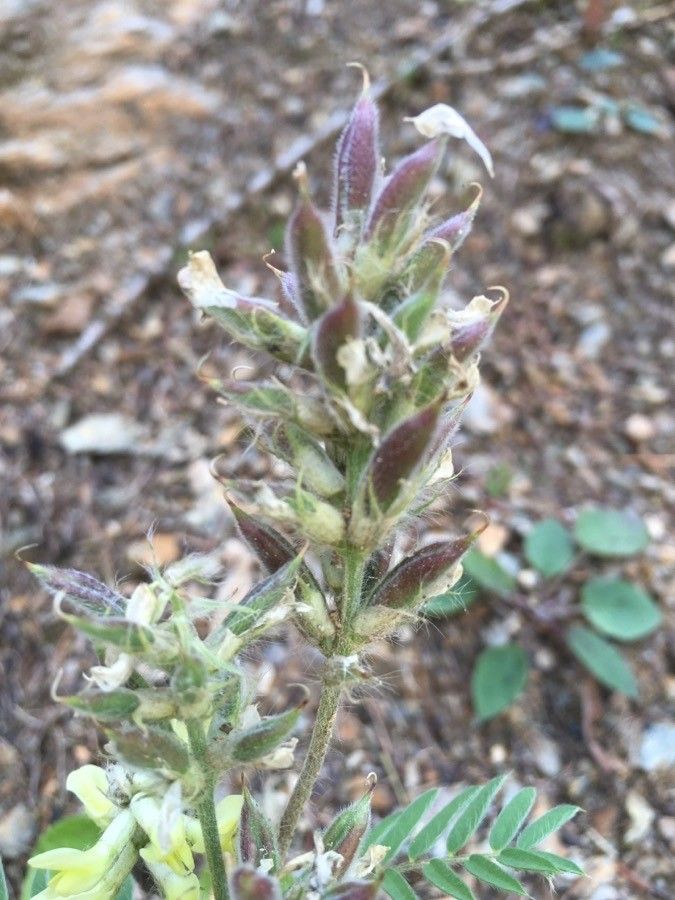
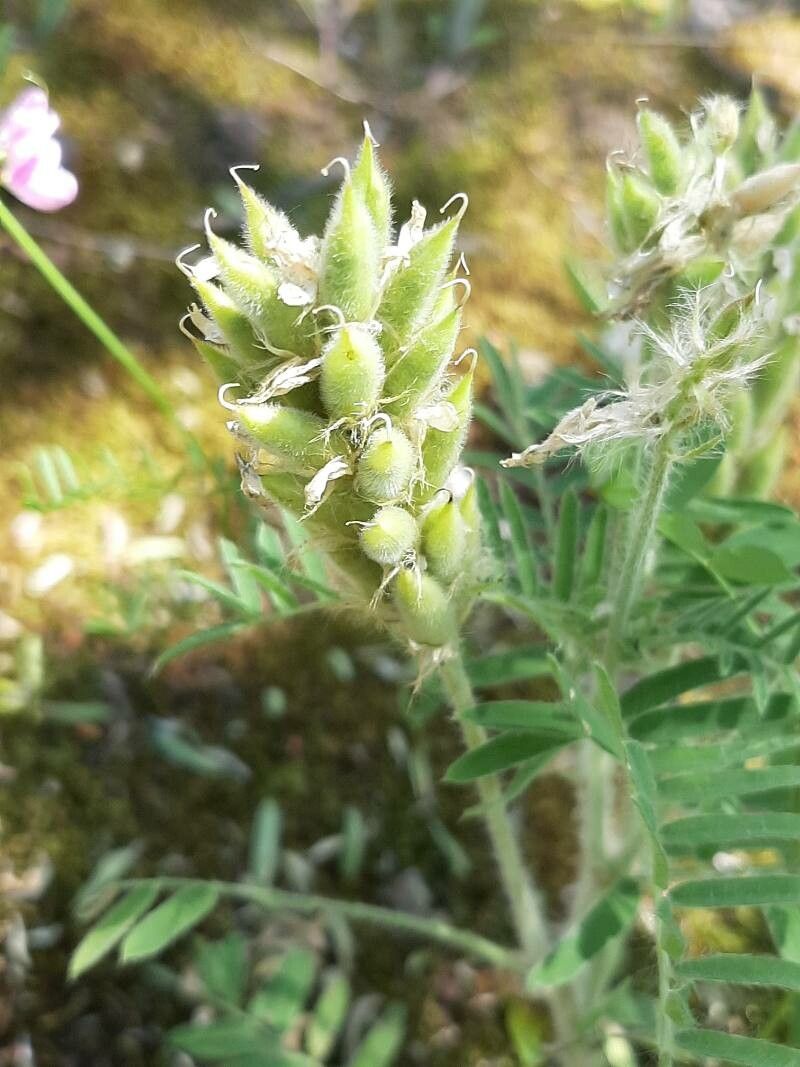
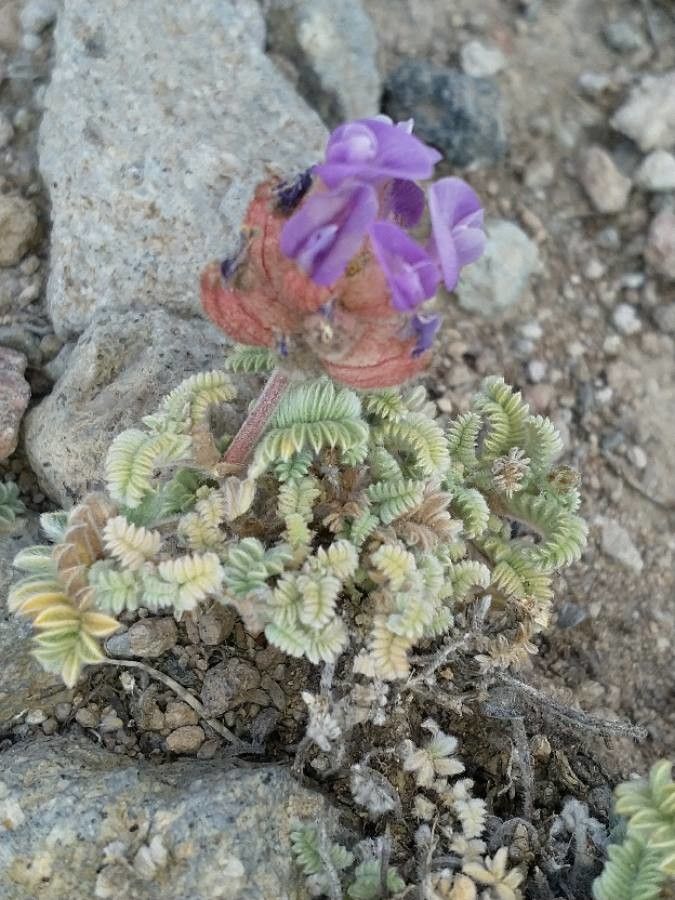
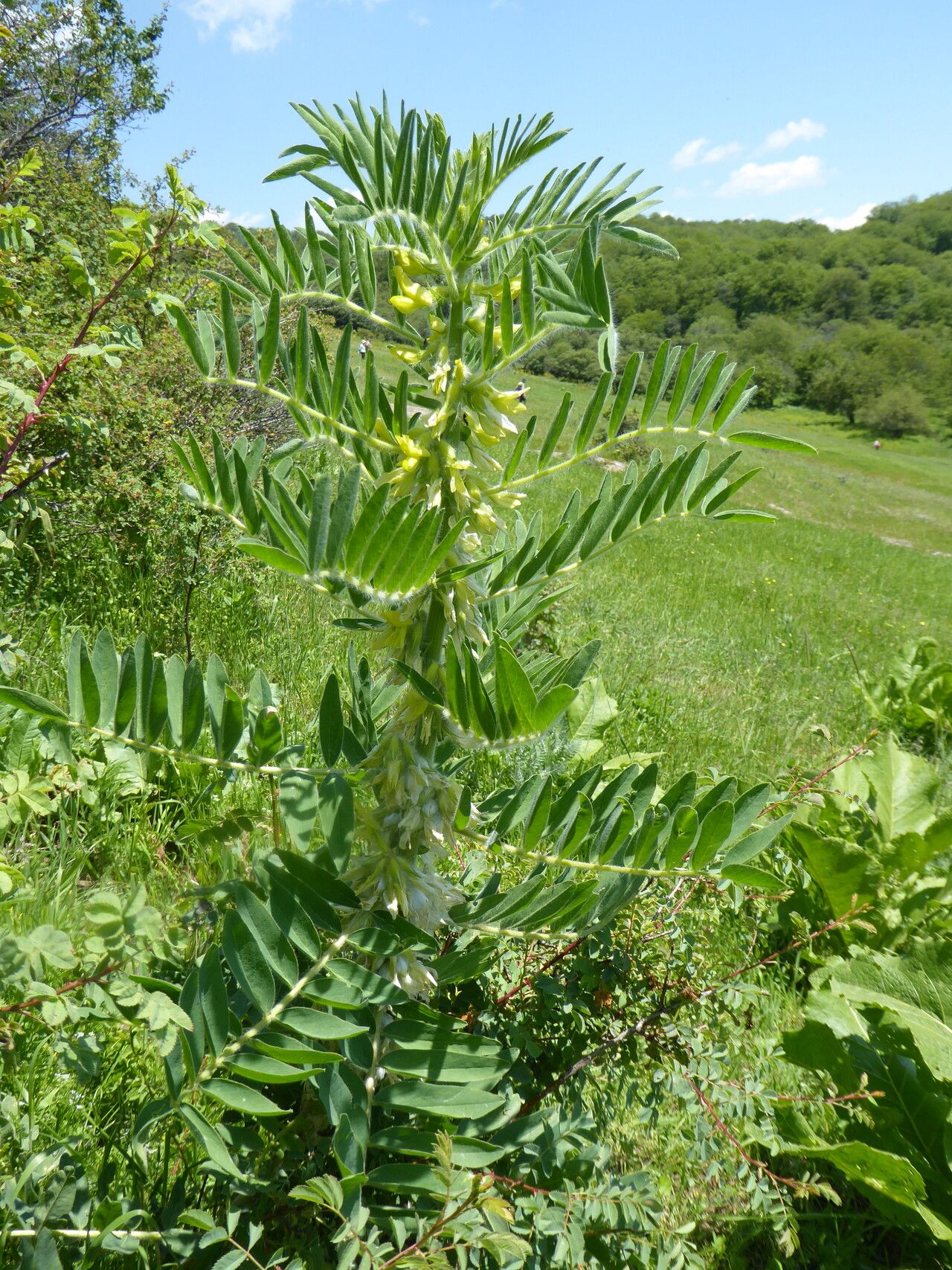
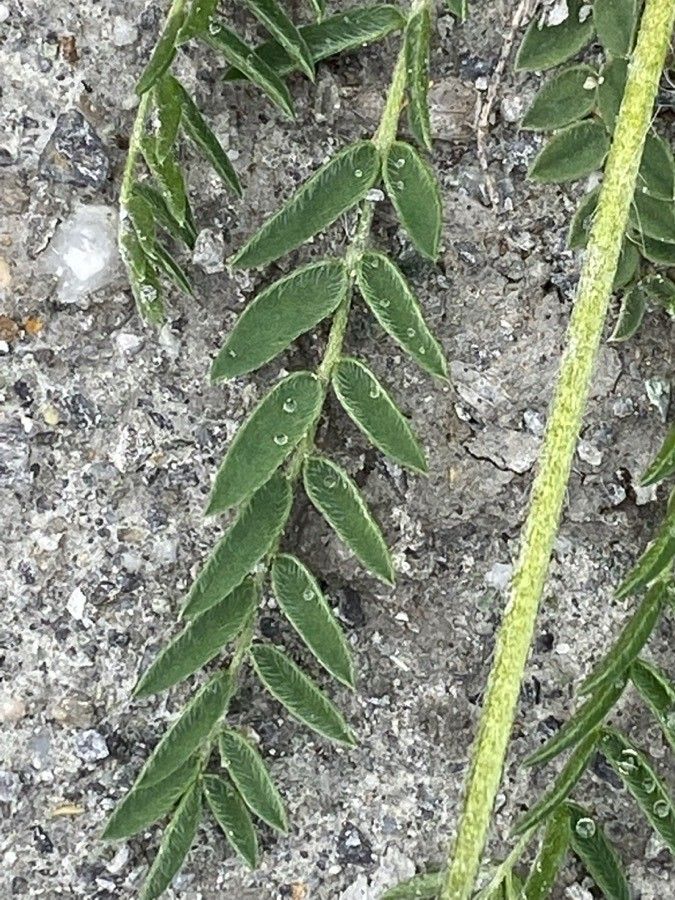
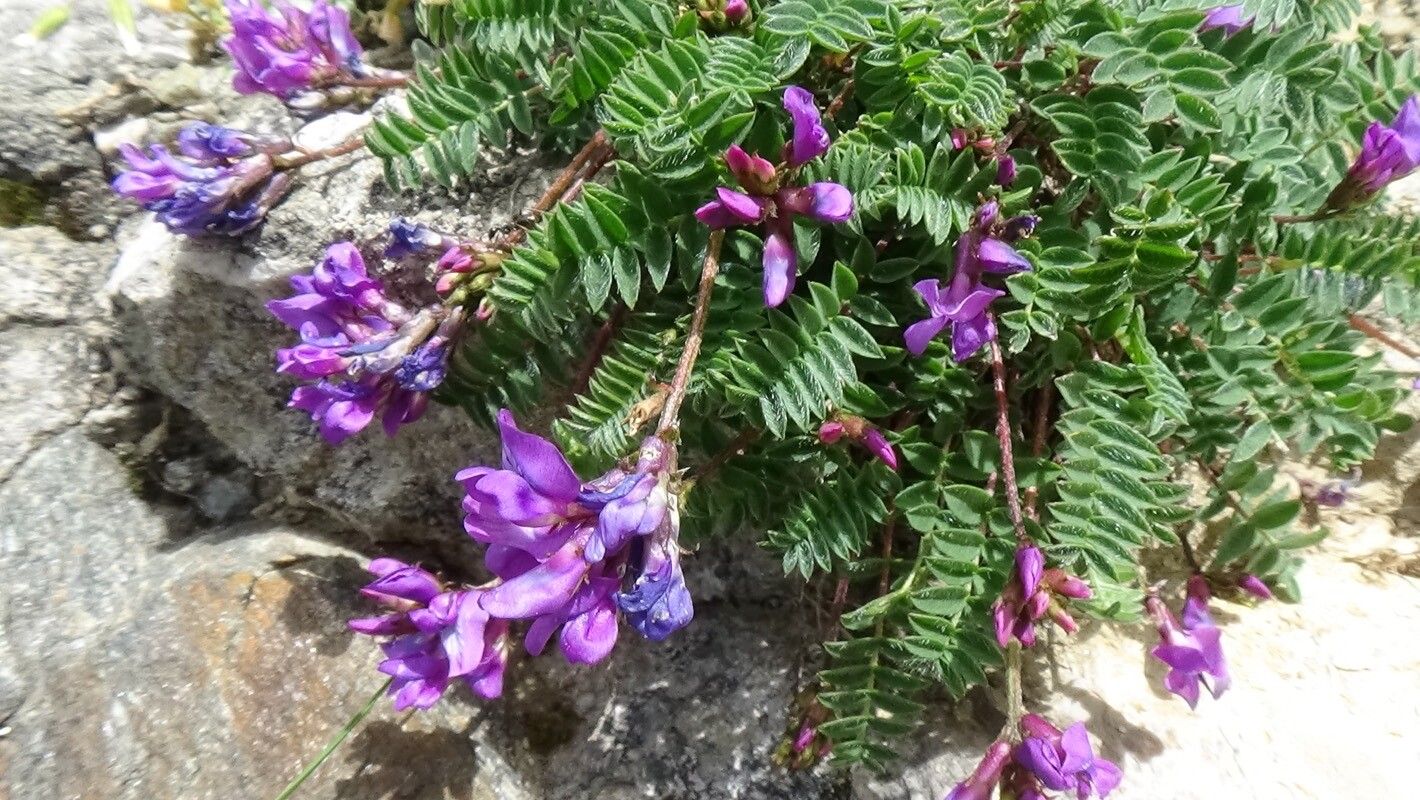
Oxytropis pilosa is a species of flowering plant in the legume family and the Faboideae subfamily, found in Central Europe and Eastern Europe as far as Russia. It is a rare and protected plant, and flowers from June to August.
Hairy milk vetch is fairly disease-resistant and typically not prone to illnesses. However, it can be susceptible to pests and diseases present in its environment. These issues are usually mild. Regarding care, this plant requires moderate maintenance. It should be pruned regularly to preserve a good appearance and support healthy growth. Fertilizing can also help encourage flowering. Hairy milk vetch is suitable for people with outdoor spaces like a garden or patio and does not demand much prior care experience. It may need more attention when grown indoors.
How to keep Oxytropis Pilosa.
Light
Hairy milk vetch is a sun-loving perennial herbaceous plant native to open habitats, frequently found in meadows and grasslands. It prefers full sun but can tolerate partial sun.
Water
Hairy milk vetch thrives in environments with moderate moisture and demonstrates a strong tolerance for drought, especially when humidity levels remain consistent. For optimal health, it should be watered weekly. Although it can adapt to natural rain patterns outdoors, it flourishes best when soil moisture is carefully regulated, particularly during its active growth periods.
Temperature
Hairy milk vetch can tolerate a wide range of temperatures, though its distribution may still be restricted by specific combinations of moisture and heat. It performs best in warm summer climates with sufficient rainfall or irrigation. Extended periods of cloudy, rainy weather or prolonged high temperatures can raise the chance of the plant dying. In winter, adequate protection from cold can increase its survival rate.
Fertilizer
One spring application of fertilizer is typically adequate for Hairy milk vetch, though several feedings can maximize growth. Apply fertilizer every one to one and a half months. Fertilization improves the leaves' appearance and function, maintaining even color and a healthy texture. It also promotes root development and nutrient uptake for the plant's long-term health.
Pruning
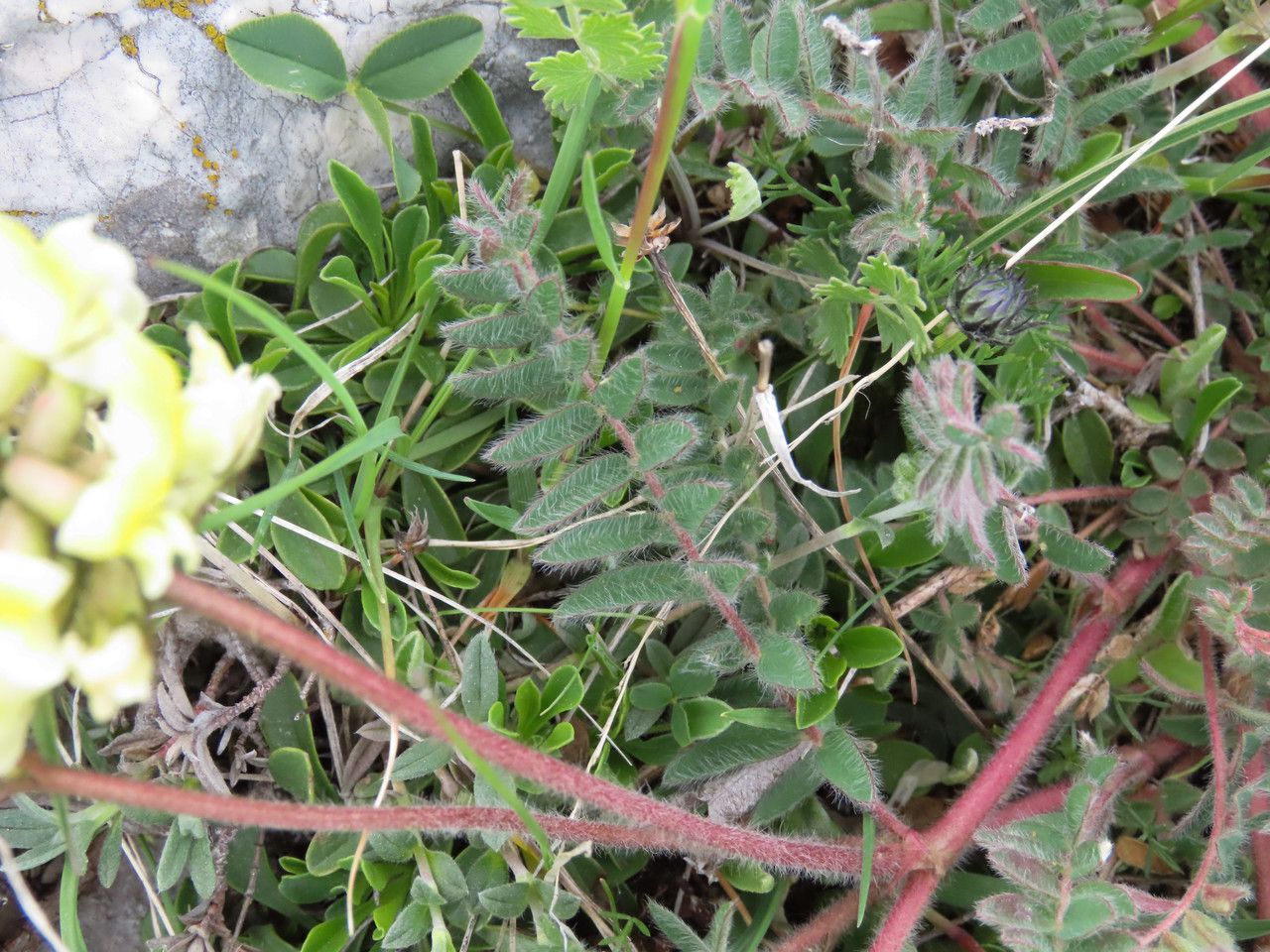
Hairy milk vetch, recognizable by its hairy stems and purple flowers, benefits from pruning in early to late spring. To encourage growth and extend the blooming period, trim away dead branches and remove spent flowers. Prune selectively to maintain the plant's vigor, and adjust your practices according to the local climate to ensure optimal health and prevent disease.
Botanical profile.
- Plant Type
- Herb
- Life Cycle
- Perennial
- Genus
- Oxytropis
- Family
- Fabaceae
- Hardiness Zone
- 4-8
- Mature Height
- 20 cm to 49 cm
- Mature Spread
- 15 cm to 30 cm
- Leaf Color
- Green, Light Green
- Leaf Type
- Semi-evergreen
- Flower Color
- Yellow
- Flower Size
- 1.02 cm to 1.52 cm
- Bloom Time
- Late spring, Early summer, Mid summer
- Planting Time
- Spring, Summer, Autumn
- Harvest Time
- Mid summer, Late summer, Early fall
Other names.