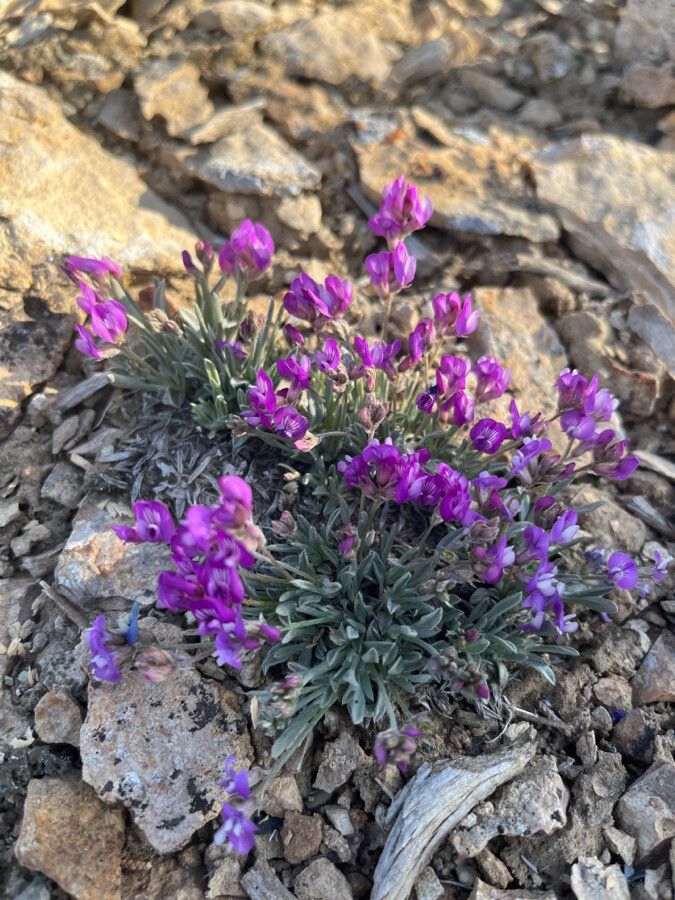
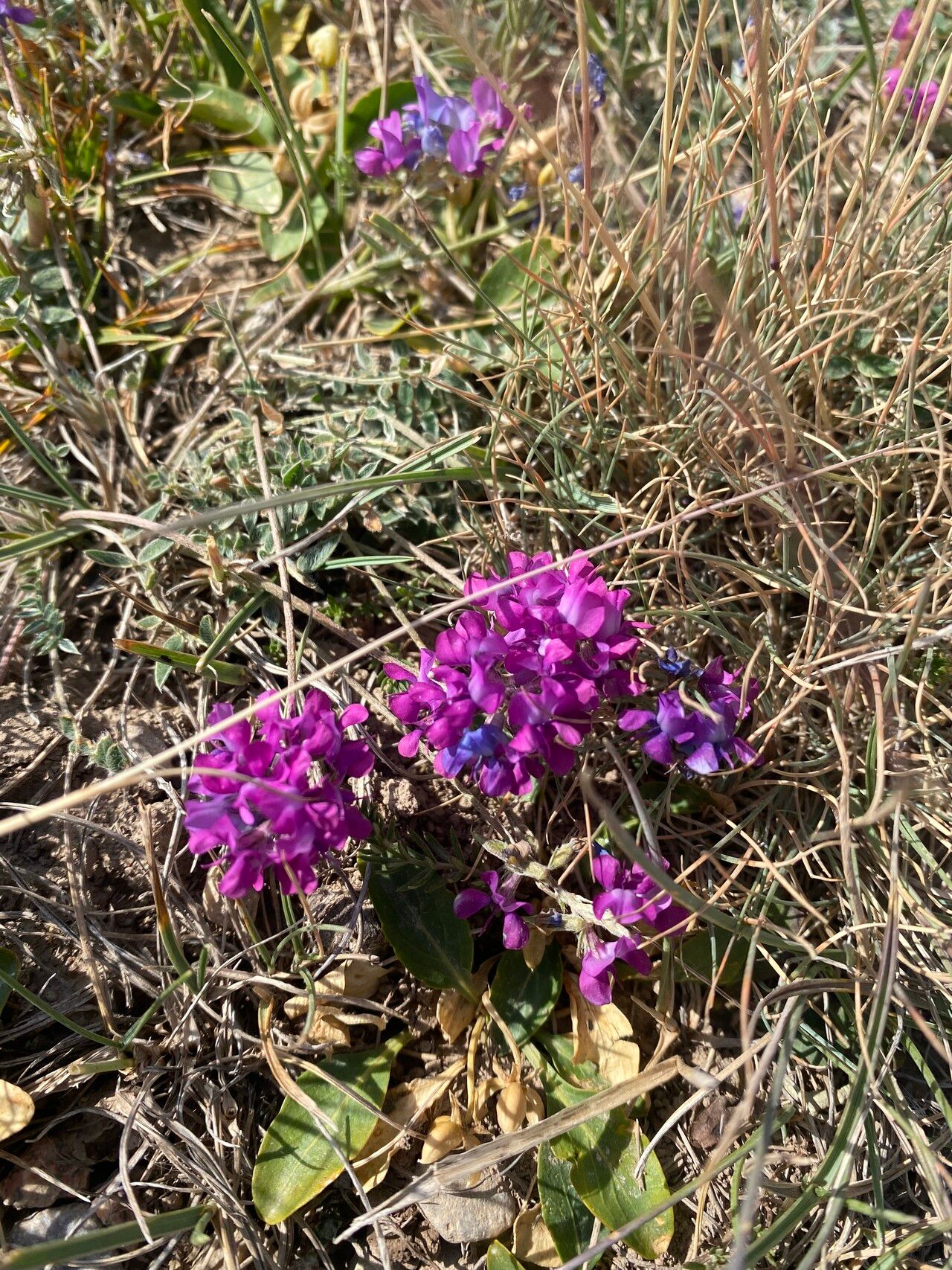
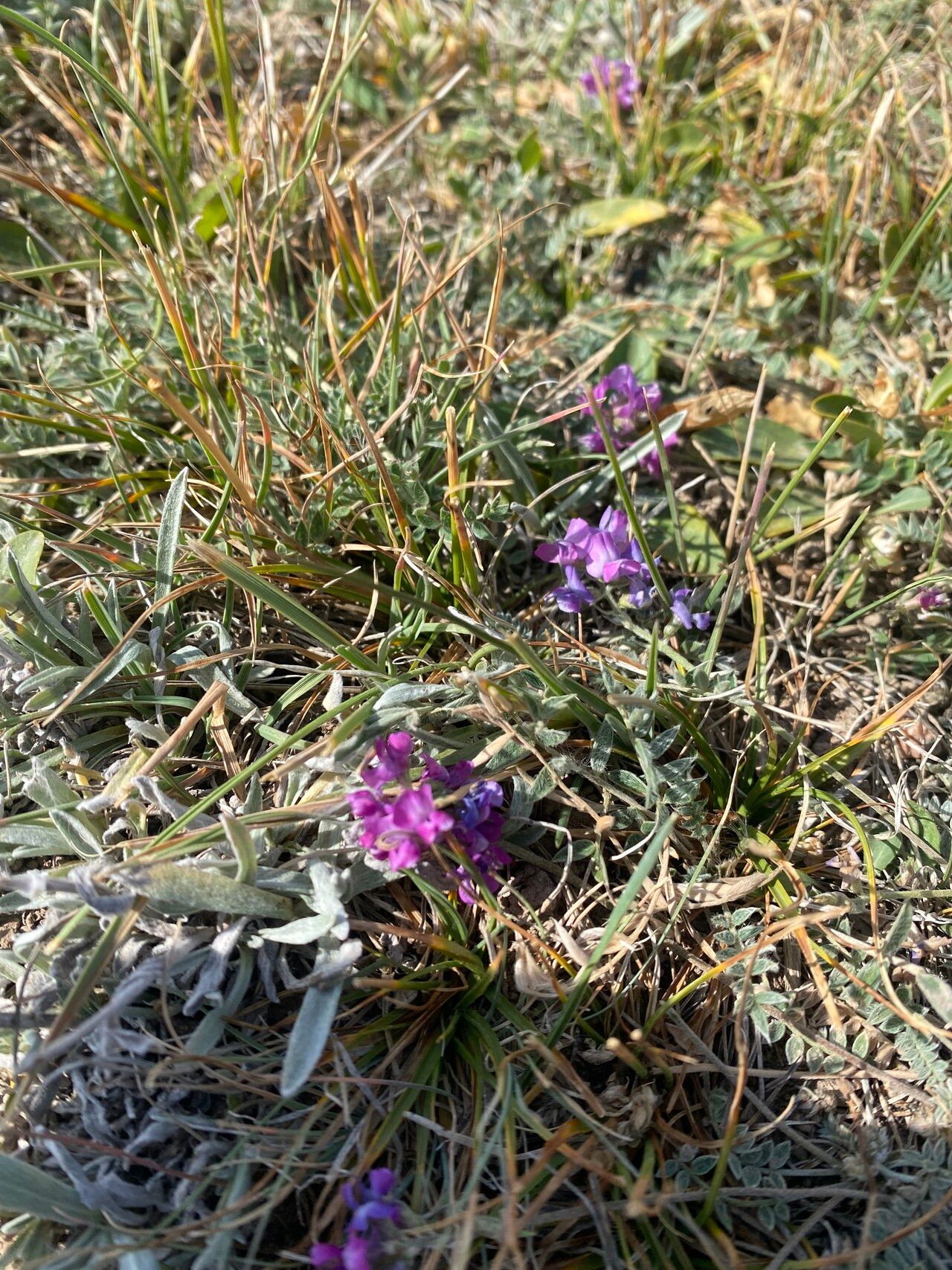
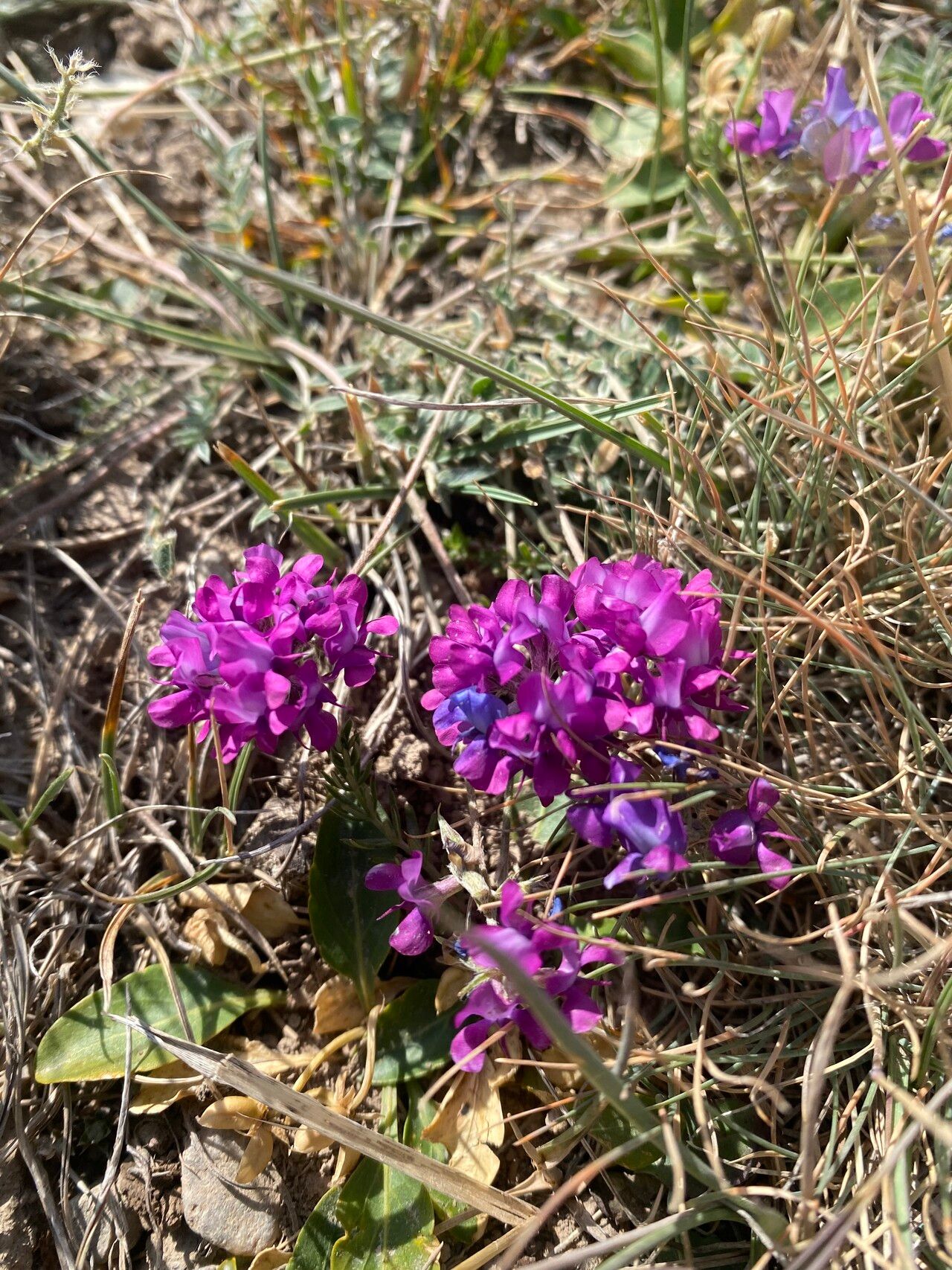
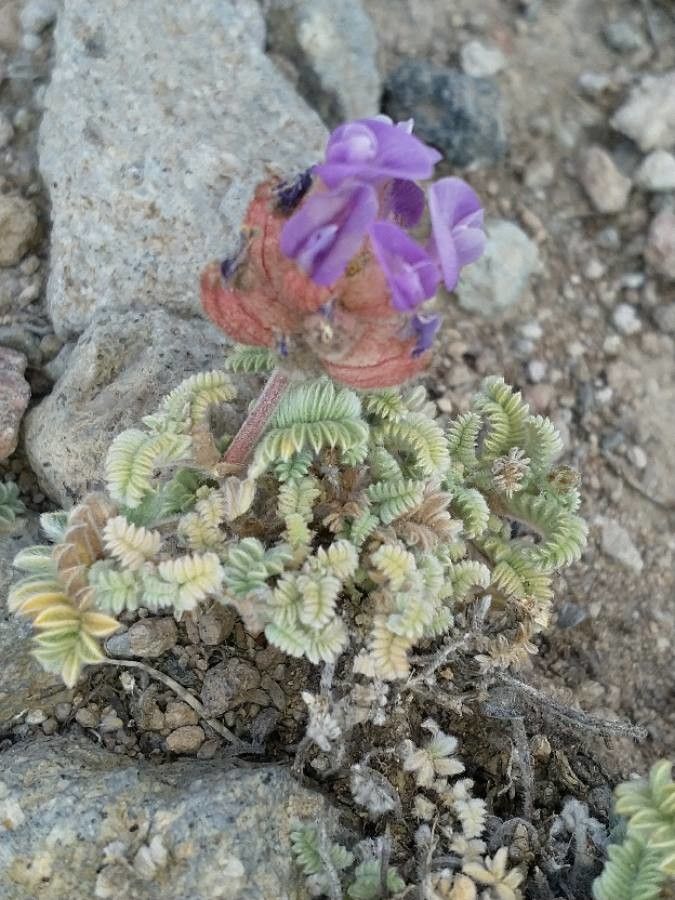
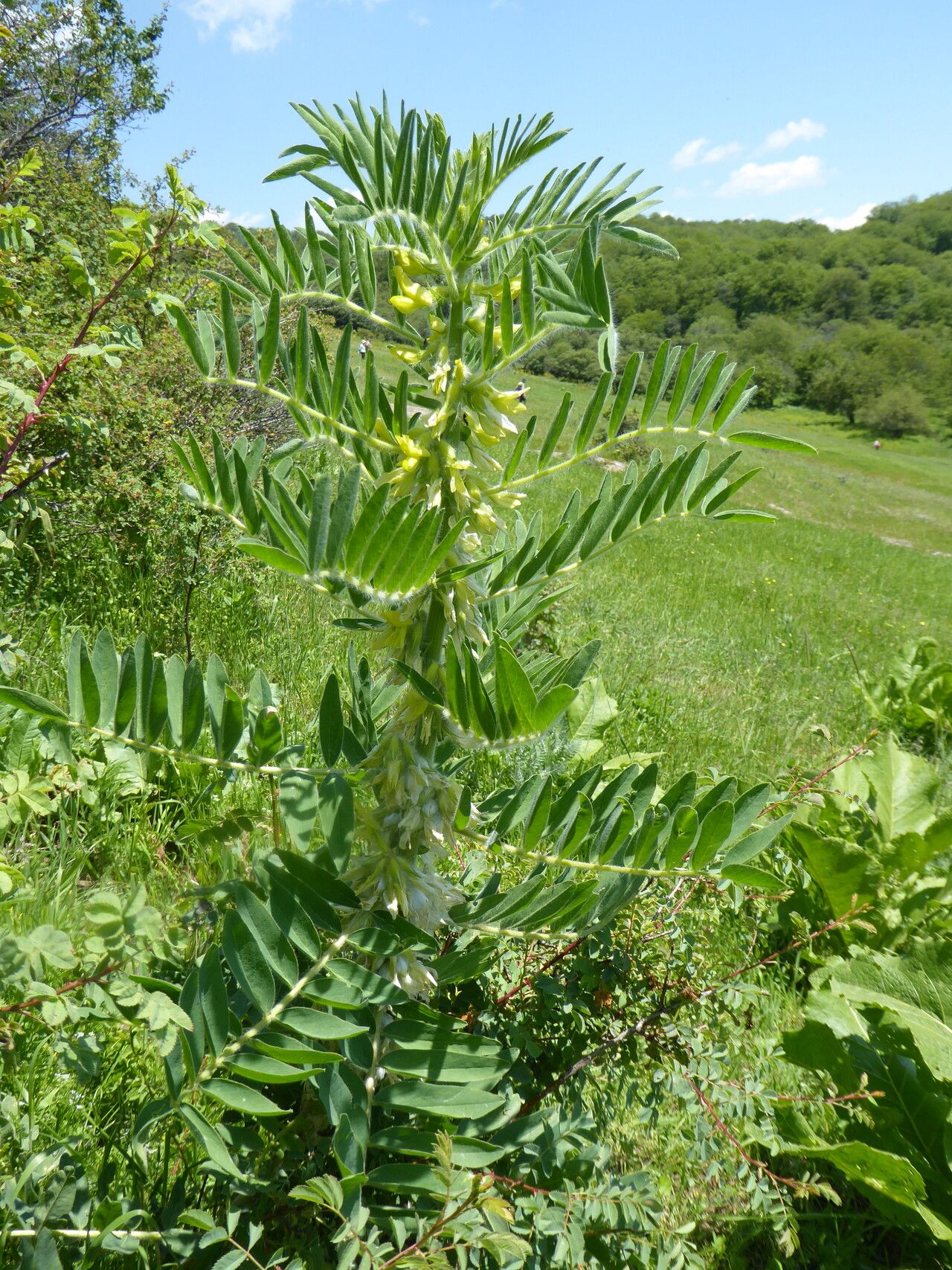
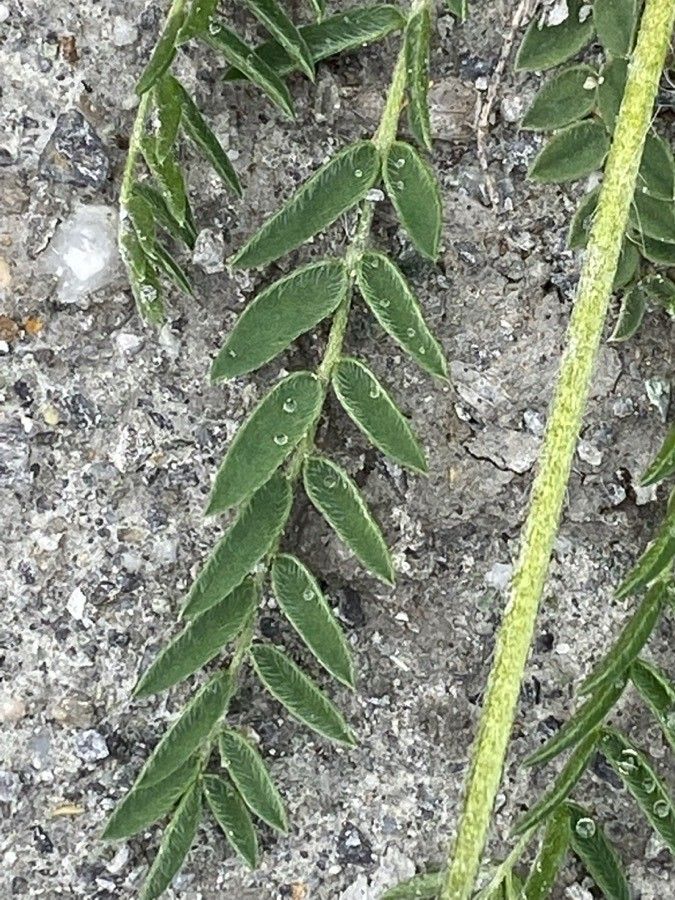
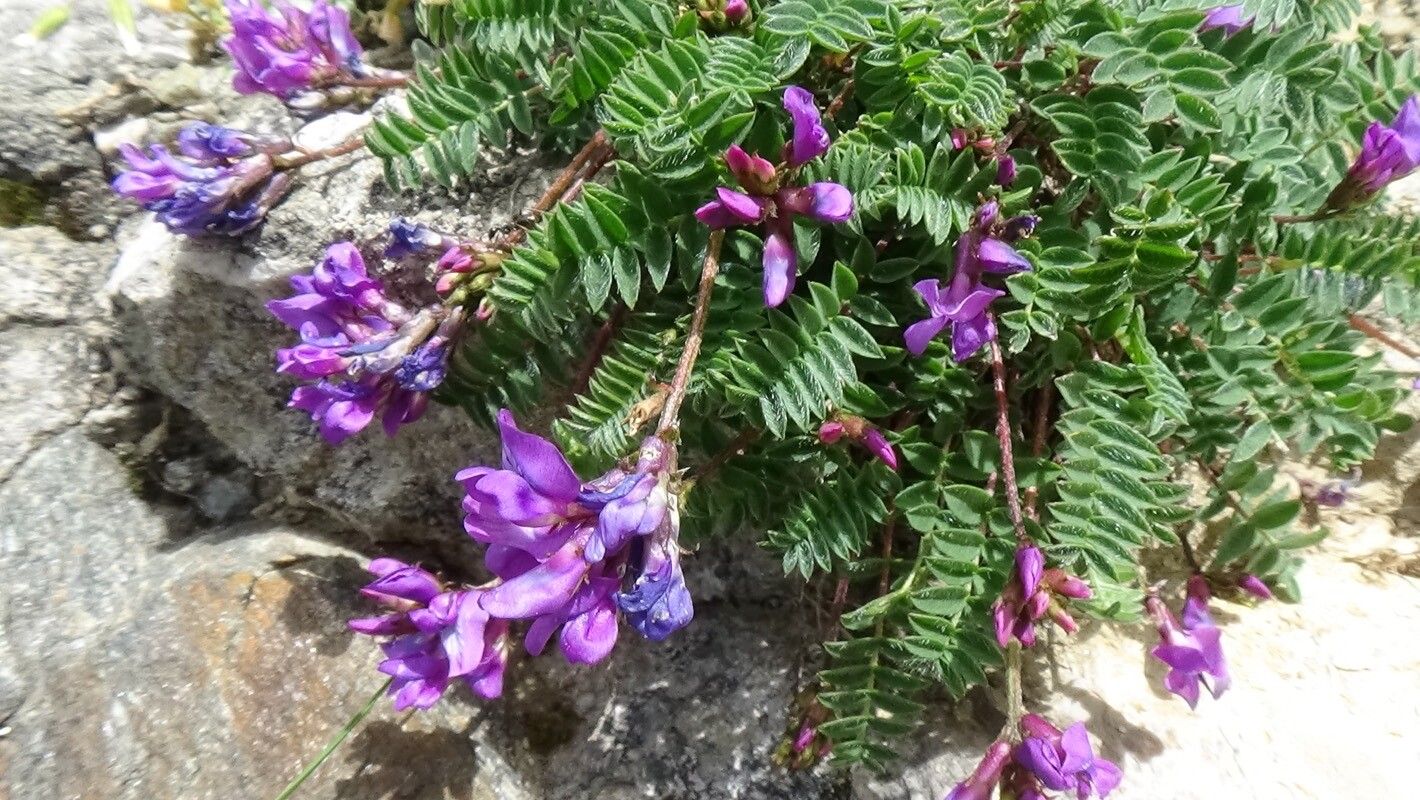
Oxytropis lambertii is a species of flowering plant in the legume family known by several common names, including purple locoweed, woolly locoweed, and Lambert crazyweed.
Purple Loco-Weed has strong disease resistance and is generally not susceptible to illnesses. However, it can be affected by pests and diseases present in its environment. These problems are typically minor. Regarding care, this plant needs moderate maintenance. It should be pruned regularly to keep a neat appearance and promote healthy growth. Fertilizing can also encourage flowering. Purple Loco-Weed is appropriate for anyone with outdoor space, such as a garden or patio, and does not demand extensive gardening experience. It may require more attention when grown indoors.
How to keep Oxytropis Lambertii.
Light
Purple Loco-Weed grows best with prolonged exposure to sunlight. Its native habitat, noted for abundant sunshine, supports this. Sun exposure is important at the various stages of its development. Still, either too much or too little light can harm its healthy growth.
Water
The purple Loco-Weed is well-suited for arid environments and can thrive with minimal watering, ideally just once a week. Its drought tolerance allows it to flourish outdoors, where it can make the most of natural rainfall. This plant's resilience is clear, as it thrives in soil conditions that mimic the infrequent rainfall of its native habitat.
Temperature
Purple Loco-Weed is native to regions where temperatures range from 32 to 90 °F (0 to 32 ℃). It adapts easily to changing seasonal temperatures, and warmer summers support its growth. Try to replicate these conditions for optimal results.
Fertilizer
Early spring, as Purple Loco-Weed exits dormancy and begins active growth, is the best time to fertilize. Fertilizing supplies essential nutrients for healthy growth. Although Purple Loco-Weed has relatively low fertilizer needs, applying fertilizer annually can enhance its survival and promote better, longer-lasting flowers.
Pruning
Purple Loco-Weed boasts vibrant purple flowers and is low-maintenance. To encourage new growth, prune between early and late spring, concentrating on dead or excessive shoots. This timing promotes optimal development, enhances airflow, and improves flowering. For detailed pruning techniques, consult horticultural guides.
Botanical profile.
- Plant Type
- Herb
- Life Cycle
- Perennial
- Genus
- Oxytropis
- Family
- Fabaceae
- Hardiness Zone
- 3-7
- Mature Height
- 10 cm to 40 cm
- Mature Spread
- 15 cm to 30 cm
- Leaf Color
- Green
- Leaf Type
- Semi-evergreen
- Flower Color
- Purple, Pink
- Flower Size
- 2.03 cm
- Bloom Time
- Mid spring, Late spring, Early summer
- Planting Time
- Spring
- Harvest Time
- Summer
Other names.
Reader questions.
How should I water my Purple Loco-Weed?
To care for the Purple Loco-Weed, use filtered water at room temperature. Tap water may harm the plant due to particles. The plant prefers room temperature or slightly warm water since it's used to warmer environments. Avoid overhead watering to prevent foliage issues. Instead, thoroughly water the soil with filtered room temperature water. This helps moisten the roots and spread them, aiding nutrient absorption.
What are the sunlight requirements for Purple Loco-Weed?
Purple Loco-Weed requires above 6 hours of sunlight daily to thrive. It's essential to observe your garden's sunlight pattern and choose locations that offer a balance of light and shade optimal for the plant's growth. This plant significantly benefits from full sun exposure, a fact validated by its origin in habitats known for abundant sunshine. However, the right amount of sunlight is crucial at different growth stages, as too much or too little sunlight can negatively affect the plant's health.
What is the indigenous climate of Purple Loco-Weed?
Purple Loco-Weed is indigenous to climates with temperatures ranging between 32 to 90 °F (0 to 32 °C). It thrives in environments that offer a spread of seasonal temperatures, with warmer summers facilitating optimal growth. To encourage successful cultivation, it is essential to replicate these conditions as closely as possible.
What should I do if I give my Purple Loco-Weed too much water or too little water?
Both overwatering and underwatering can harm your Purple Loco-Weed plant, but overwatering is the more common issue. When this plant gets too much water, its stems and leaves may wilt and turn yellow. Overwatering for a long time can cause diseases like root rot, mold, and mildew, which can be deadly for your plant. Underwatering is less likely for this plant because it can tolerate drought well. However, it's still possible, and if it happens, the leaves of your Purple Loco-Weed may become brittle and brown. It's important to be alert for signs of overwatering when caring for your Purple Loco-Weed. Some diseases caused by overwatering, like root rot, may not be fixable if you wait too long. If you notice early signs of overwatering, reduce your watering immediately. Also, check the quality of the soil the plant is growing in. If it drains poorly, replace it with a loose, well-draining potting mix. On the other hand, if you see signs of underwatering, simply water more regularly until the signs go away.
How do artificial lighting conditions affect Purple Loco-Weed growth?
When natural sunlight is insufficient, artificial lighting becomes critical for the healthy growth of Purple Loco-Weed, especially for indoor plants or during less sunny seasons. LED lights, which can be tailored to emit specific wavelengths, are recommended for indoor plant lighting. For full sun plants like Purple Loco-Weed, 30-50W/sq ft of artificial light is advisable. It's important to place the light source 12-36 inches above the plant and ensure the plant receives 8-12 hours of light daily to mimic natural sunlight conditions.
Does Purple Loco-Weed require frost protection measures?
Purple Loco-Weed is highly tolerant of cold temperatures and does not require additional measures to protect it against frost during the winter months. It is, however, recommended to water the plant generously before the first freeze of autumn. This ensures the soil remains moist and enters a frozen state which helps prevent drought and water scarcity for the plant throughout the winter and into early spring.
How frequently should I water my Purple Loco-Weed plant?
If your Purple Loco-Weed plant is in a pot, the most precise way to determine if it needs water is to check the soil moisture with your finger. If the first two to three inches of soil are dry, it's time to water. If you have the plant outdoors in the ground, you can use the same method to test the soil. Once the first few inches of soil have dried out, it needs watering. Typically, during spring and early fall, you'll need to water this plant about once a week. However, in extremely hot weather, you may need to water it two or more times per week. It's worth noting that mature, well-established Purple Loco-Weed plants have an impressive ability to survive drought.
What are the symptoms of inadequate lighting for Purple Loco-Weed?
Purple Loco-Weed shows several symptoms when it doesn't receive enough light, including smaller new leaves, leggy or sparse growth, early leaf drop to conserve resources, slower or stopped growth, and leaves with paler color or chlorosis. Conversely, symptoms of excessive sunlight exposure include sunscald, leaf curling, wilting, and leaf scorching. These symptoms highlight the delicate balance required in providing just the right amount of sunlight to keep the plant healthy.
What should be done if Purple Loco-Weed experiences low temperatures?
While extremely cold-tolerant, Purple Loco-Weed should be kept in conditions where the winter temperature remains above -35°C to prevent damage. If temperatures fall below this point, there might not be noticeable changes during the winter, but there could be a reduction in sprouting, or in some cases, no sprouting in the spring. In the spring, remove any plant parts that have failed to sprout as a solution to this problem.
How much water does my Purple Loco-Weed plant need?
To properly water your Purple Loco-Weed, don't hold back on the amount of water you give. Make sure the top two to three inches of soil are dry, and then give the plant a good, deep watering. You want to fully saturate the soil, so add enough water that it flows out of the drainage holes at the bottom of the pot. If you don't see any excess water draining, you probably haven't given enough water. Just be careful not to let water accumulate in the soil, as this can harm the plant. If you notice that water isn't draining properly, it could be a sign of poorly draining soil, which is bad for the plant's health. If the plant is outdoors, one inch of rain per week should be enough.
What solutions can help improve sunlight exposure for Purple Loco-Weed?
To ensure Purple Loco-Weed receives optimal sunlight, gradually move plants to sunnier spots, aiming for at least 6 hours of direct sunlight daily. For indoor plants, use south-facing windows or consider artificial light sources to supplement sunlight exposure, keeping lights on for at least 8 hours daily. Outdoors, avoid sudden light intensity changes to prevent sunburn. If obstructions block sunlight, prune or transplant smaller plants to sunnier locations. Remember, while parts of the plant affected by insufficient sunlight may not recover, new growth will be healthy with improved light conditions.
How does high temperature affect Purple Loco-Weed and what are the solutions?
Purple Loco-Weed does not tolerate high temperatures well. Growth halts when temperatures exceed 32°C, and the plant becomes susceptible to rot. To address this, sunburned and dried-up parts of the plant should be trimmed away. Relocate the plant to provide shade during midday and afternoon sun, or use a shade cloth to protect it. Additionally, watering in the morning and evening may help keep the soil adequately moist under these conditions.