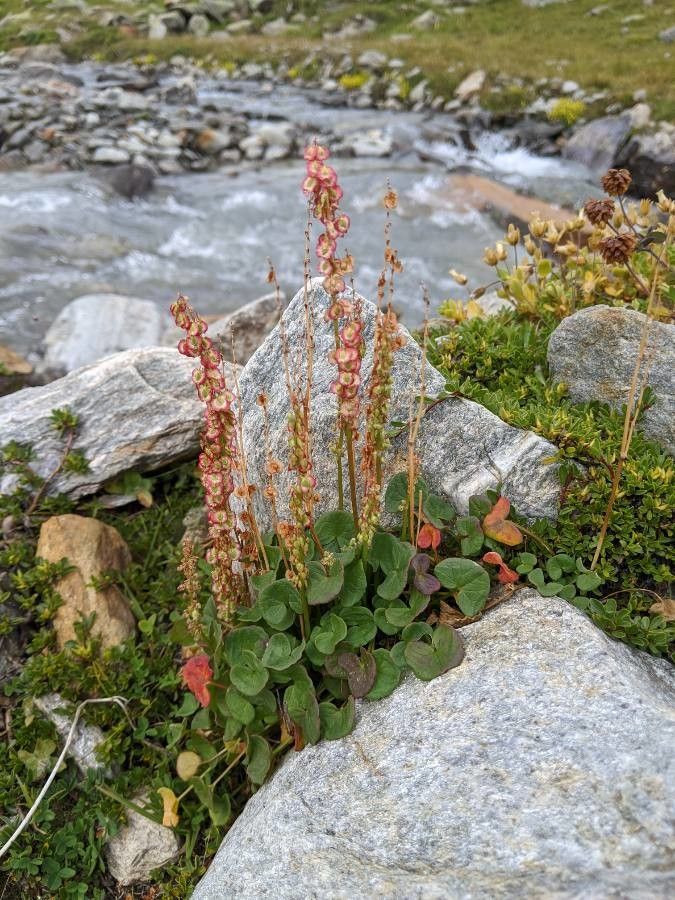
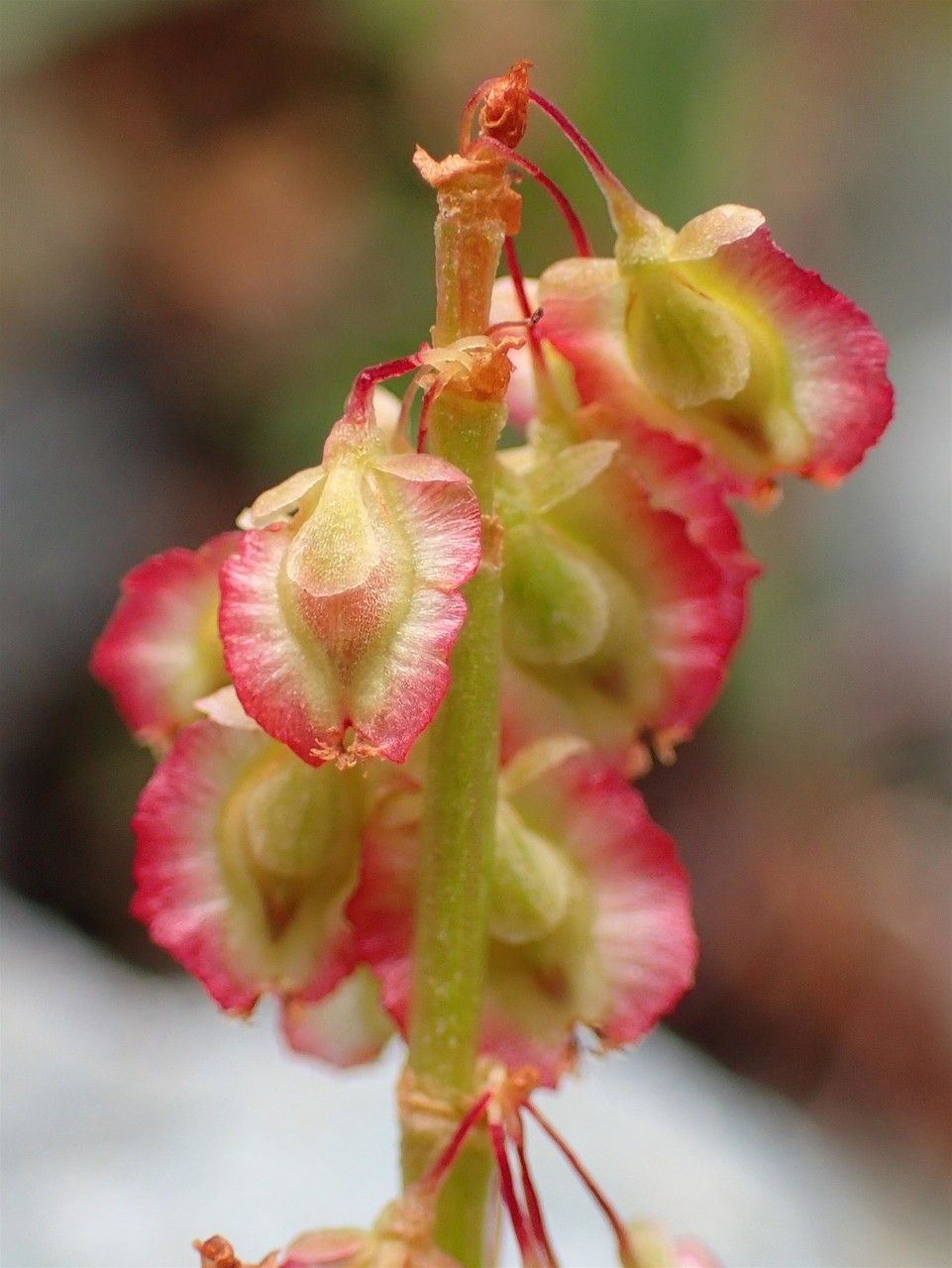
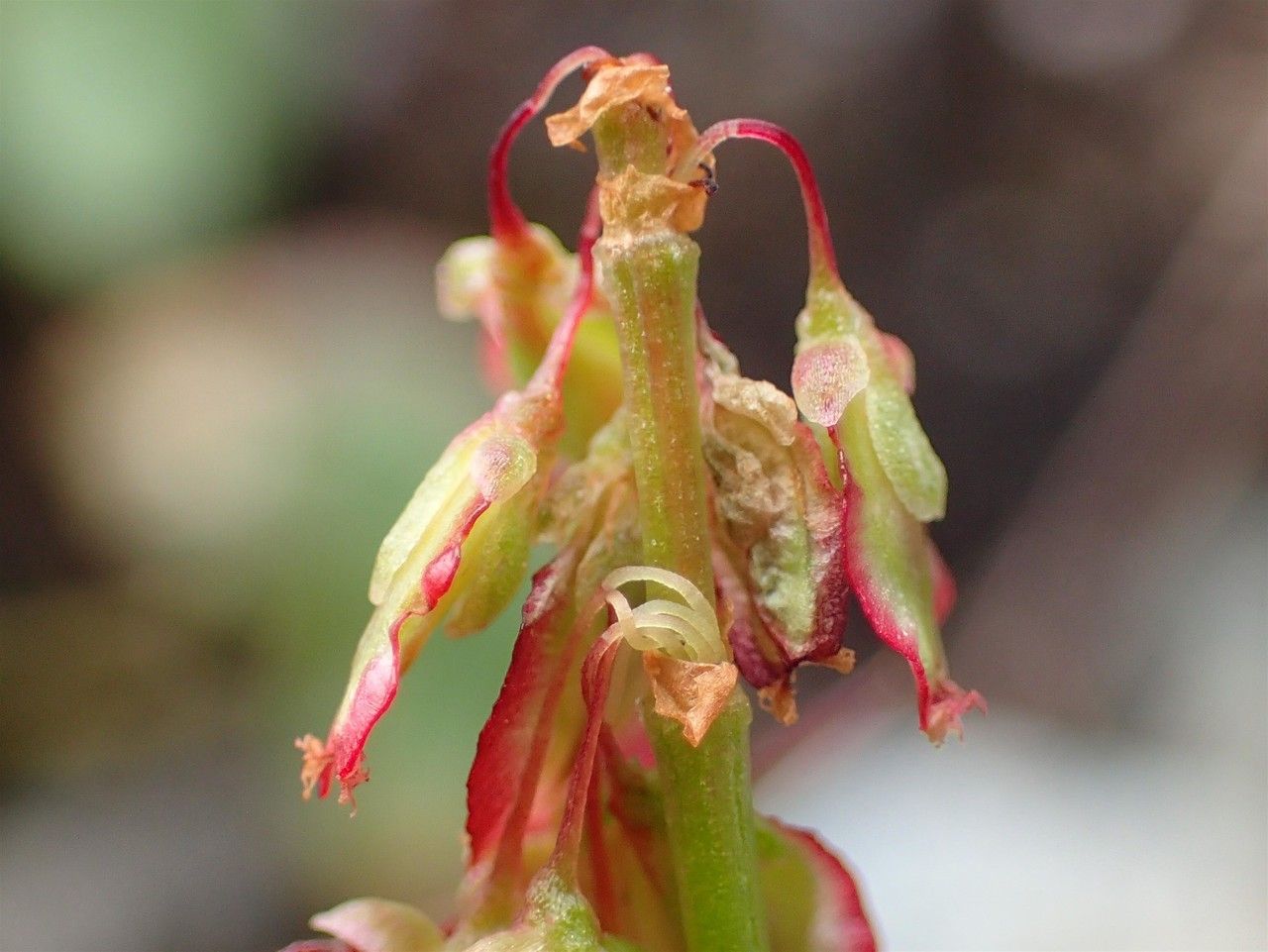
Oxyria digyna, commonly known as mountain sorrel or alpine sorrel, is a perennial herbaceous plant in the Polygonaceae family. It is native to the Arctic and alpine regions of Europe, Asia, and North America. The plant reaches up to 20 cm in height and has a creeping rhizome that produces small rosettes of leaves.
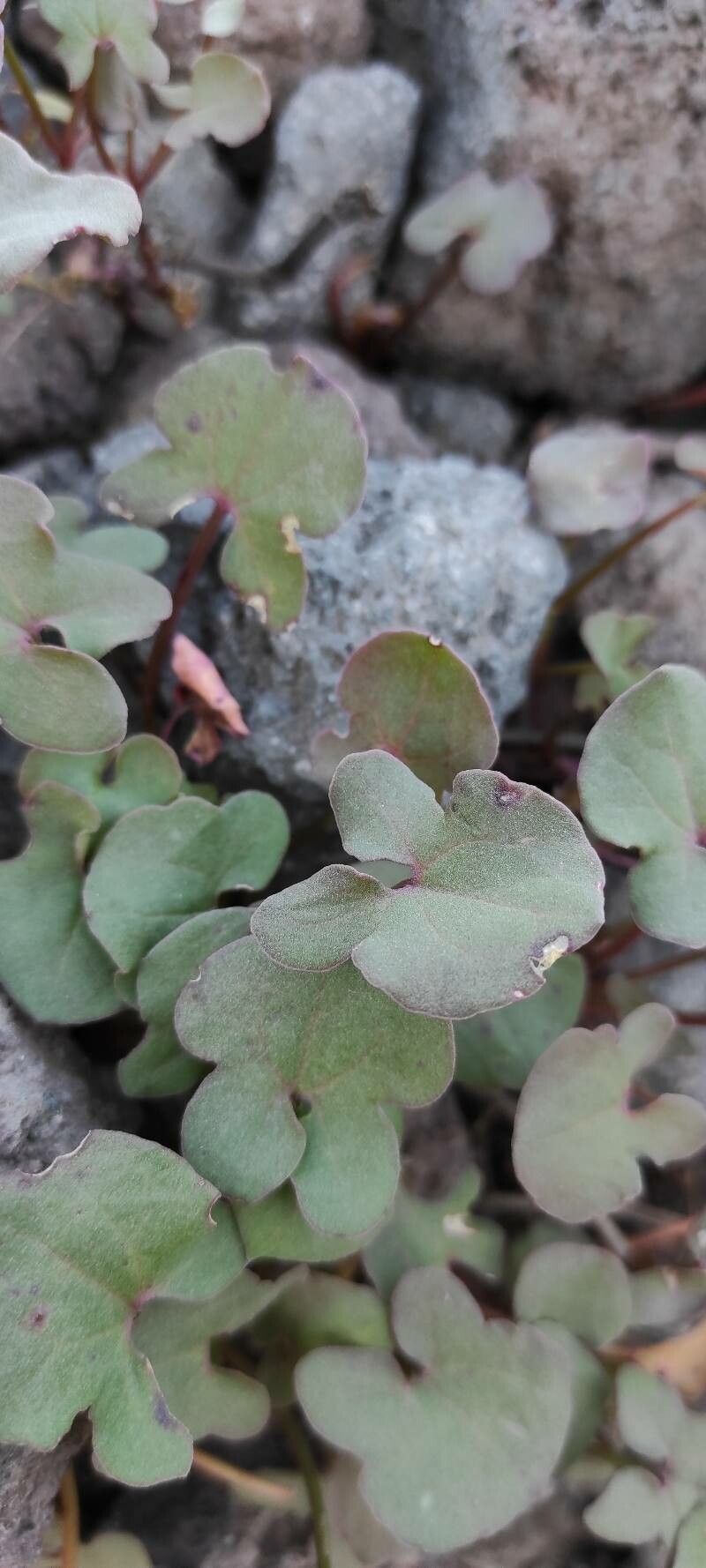
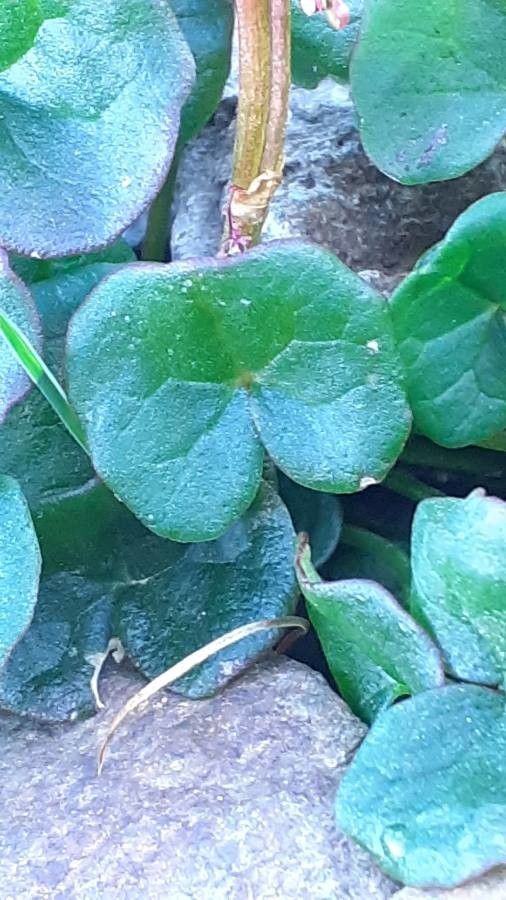
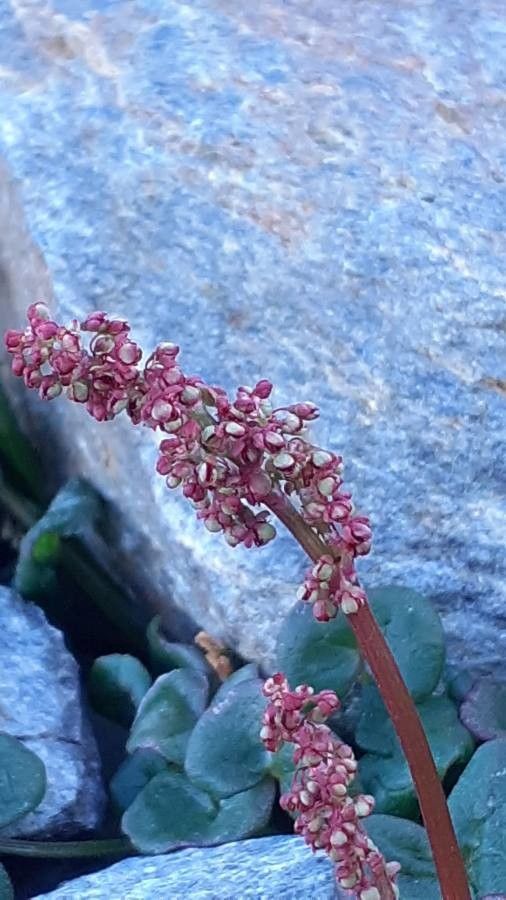
The leaves of Oxyria digyna are heart-shaped or triangular, with a distinctive red coloration on the undersides. The flowers are small, greenish-red, and consist of six petals arranged in clusters at the end of long stalks.
The plant is well-adapted to harsh environments, such as high altitudes, where it can withstand extreme cold and strong winds. It thrives in moist soils, particularly those found near streams or on rocky slopes.
Traditionally, Oxyria digyna has been used medicinally by indigenous people to treat various ailments, including diarrhea, scurvy, fever, and inflammation. The leaves are also consumed as food in some cultures, either raw or cooked.
Overall, Oxyria digyna is notable for its unique adaptations to survive in harsh environments and its traditional medicinal uses, making it an important plant in many cultures around the world.
Alpine mountainsorrel has moderate resistance to disease but can be susceptible to issues like leaf spot. Its susceptibility to insect pests varies by variety, though most varieties are comparatively less resistant to pests. For care, Alpine mountainsorrel requires regular watering and fertilizing, along with frequent removal of yellow leaves. It is important to address pests and diseases as they arise and to harvest the plant promptly. Alpine mountainsorrel is best suited to people who can dedicate some time and effort to routine care.
How to keep Oxyria Digyna.
Light
The alpine mountainsorrel prospers with abundant sunlight. In its native alpine zones, intense sun exposure is common and supports optimal growth and development. Insufficient sunlight, however, can cause wilted leaves, reduced vigor and paler coloration. Excessive light can lead to leaf scorching.
Water
Alpine mountainsorrel is a resilient plant that thrives in alpine and arctic regions. It is particularly noted for its drought tolerance and preference for well-drained soils. For optimal growth, it should be watered weekly. In cold climates, alpine mountainsorrel primarily relies on moisture from melting snow rather than rainfall, making it well-suited to its typical rocky outdoor habitat.
Temperature
Used to its chilly native habitat, alpine mountainsorrel thrives in temperatures of 32 to 90°F (0 to 32 ℃). Care must be taken not to increase the temperature significantly, as that could hinder alpine mountainsorrel's healthy growth.
Fertilizer
To maximize the yield and flavor of Alpine mountainsorrel, make sure there is plenty of nitrogen throughout the entire growth period, from before planting through harvest. Plants that are kept well watered and properly fertilized develop abundant, healthy leaves and are less bitter. Before planting, improve the soil with organic matter such as compost or manure, ideally applied 2 to 8 weeks in advance.
Pruning
Alpine mountainsorrel, known for its heart-shaped leaves and tart flavor, thrives in alpine regions. To keep the plant healthy and attractive, it's best to prune it in the spring. This involves removing any dead growth to promote the emergence of new shoots and help maintain its shape. When pruning, cut just above the leaf nodes to encourage regrowth. This not only enhances the plant's appearance but also prevents overcrowding, which allows for better air circulation.
Botanical profile.
- Plant Type
- Herb
- Life Cycle
- Perennial
- Genus
- Oxyria
- Family
- Polygonaceae
- Hardiness Zone
- 2-8
- Mature Height
- 52 cm
- Mature Spread
- 10 cm to 30 cm
- Leaf Color
- Green, Dark Green
- Leaf Type
- Deciduous
- Flower Color
- Green, Red, Brown, Orange
- Flower Size
- 2.54 cm
- Bloom Time
- Late spring, Early summer
- Planting Time
- Spring, Summer, Autumn
- Harvest Time
- Mid summer, Late summer
- Native Area
- Turkey, Sweden, India, Austria, Slovakia, Montenegro, Pakistan, Slovenia, Croatia, Uzbekistan, Russia, Iraq, Germany, Iceland, Koppen, Romania, France, Nepal, Tajikistan, Bulgaria, Armenia, Poland, Greece, Ukraine, Lebanon, China, Norway, Afghanistan, Kyrgyzstan, Kazakhstan, Italy, Spain, Switzerland, Denmark, Japan, Mongolia, Finland, Bhutan, Iran, Albania, Ireland, United Kingdom, Azerbaijan
Other names.
Reader questions.
How should I water my Alpine mountainsorrel plant?
To properly care for the Alpine mountainsorrel, it is important to consider a few factors when watering. Firstly, it is recommended to use filtered water at room temperature. This is because tap water may contain harmful particles that can negatively affect the plant's health. Additionally, the water should not be cold, as this can be a shock to the plant which is accustomed to warm environments. It is best to avoid overhead watering, as it can lead to issues with the foliage. Instead, it is suggested to apply filtered room temperature water directly to the soil until it is thoroughly soaked. This helps to moisturize the roots and enables them to continue spreading and absorbing necessary nutrients from the soil.
Why do I have to put fertilizer on my Alpine mountainsorrel?
The Alpine mountainsorrel relies heavily on its leaves for structure, so fertilization is crucial for maintaining their appearance and function. Proper fertilization promotes consistent leaf color and texture. It also benefits the plant below the surface, stimulating root growth and maintaining existing roots. This not only keeps the plant healthy in the present but also enhances its ability to absorb nutrients from the soil in the future.
What are the sunlight requirements for Alpine mountainsorrel?
Alpine mountainsorrel requires full sun, which means it needs above 6 hours of sunlight daily to thrive optimally. Originating from alpine zones known for their intensive sunlight exposure, this plant flourishes best when exposed to a generous amount of sunlight. Insufficient sunlight may lead to wilted leaves, less vigorous growth, and pale coloration, whereas too much direct sunlight without proper acclimatization can cause leaf scorching. It's important to watch how sunlight moves through your garden to select spots that offer a balance of light and shade, ensuring the plants' wellbeing.
What are the ideal temperature conditions for Alpine Mountainsorrel?
Alpine mountainsorrel thrives in temperatures ranging from 32 to 90°F (0 to 32°C), making it well-suited to its frosty homeland's climate. It is crucial not to raise the temperature significantly above this range as it could impede the plant's healthy growth. Alpine mountainsorrel has a strong resistance to cold, reducing the need for special frost protection measures during winter. Nonetheless, if temperatures are expected to plunge below -40°C, precautionary measures like covering the plant with soil or straw are advisable to protect it from the cold.
What should I do if I give my Alpine mountainsorrel too much or too little water?
Overwatering is a common issue that can harm your Alpine mountainsorrel, causing the stems and leaves to wilt and turn yellow. It can also lead to diseases like root rot, mold, and mildew, which can be fatal. Underwatering is less common, but still possible, and may cause the leaves to become brittle and brown. It's important to notice signs of overwatering early and reduce watering immediately, as some diseases may not be fixable if left untreated for too long. If the soil drains poorly, replace it with a well-draining mix. If you notice signs of underwatering, simply increase watering until the signs improve.
When should I fertilize my Alpine mountainsorrel?
If you grow your Alpine mountainsorrel outdoors each year, it will start growing new leaves in early spring. This is a sign that it's time to fertilize the plant for the year. Normally, one application of fertilizer in the spring is enough for the plant to thrive. However, if you want to maximize its growth, you can fertilize it multiple times throughout the spring and early summer. In this case, you can feed the plant once every month to a month and a half.
What role does artificial lighting play for Alpine mountainsorrel?
Artificial lighting plays a crucial role for Alpine mountainsorrel when natural sunlight is insufficient, especially during winter or in less sunny indoor spaces. Adequate lighting is essential for the plant's optimal growth, with the use of artificial lights providing a vital alternative. LED lights are recommended due to their ability to be customized for specific wavelengths needed by the plant. Full sun plants require 30-50W/sq ft of artificial light, whereas partial sun plants need 20-30W/sq ft, and full shade plants need 10-20W/sq ft. The light source should be positioned 12-36 inches above the plant and turned on for 8-12 hours per day to mimic natural daylight hours, promoting healthier and faster growth.
How should Alpine Mountainsorrel be cared for during winter?
In preparation for winter, it is recommended to water Alpine mountainsorrel abundantly before the first freeze of autumn to keep the soil moist, allowing it to enter a state of freeze. This moisture helps prevent drought and water scarcity for the plant during the colder months and early spring. While Alpine mountainsorrel is highly resistant to cold, in conditions where temperatures are anticipated to fall below -40°C, providing cold protection by covering the plant with insulating materials such as soil or straw is important.
How often should I give water to my Alpine mountainsorrel?
If your Alpine mountainsorrel plant is in a pot, the most accurate way to determine if it needs water is to stick your finger in the soil. If the top two to three inches of soil feel dry, it is time to water it. When growing Alpine mountainsorrel outdoors in the ground, you can use a similar method to test the soil. Once you notice that the first few inches of soil have dried out, it means it's time to water the plant. Typically, during the spring and early fall, watering once a week is sufficient. However, in extremely hot weather, you may need to increase watering to twice or more per week. Nevertheless, mature and well-established Alpine mountainsorrel plants have the remarkable ability to withstand drought.
When should I not put fertilizer on my Alpine mountainsorrel?
During the late fall and winter, your Alpine mountainsorrel goes into a dormant phase and stops producing new growth. It is important to avoid fertilizing it during this time. In the spring and summer, if you decide to fertilize, you should gradually decrease the amount of fertilizer as summer approaches because the growth rate of the Alpine mountainsorrel slows down. Overall, it is not a good idea to fertilize your Alpine mountainsorrel when the weather is extremely hot or the soil is excessively dry. Fertilizing in such conditions can put stress on the plant and cause it to die prematurely.
What symptoms indicate insufficient or excessive sunlight in Alpine mountainsorrel?
Symptoms of light deficiency in Alpine mountainsorrel include smaller new leaves, leggy or sparse growth, faster leaf drop, slower or no new growth, and pale or discolored new leaves indicating insufficient sunlight. Conversely, excessive sunlight can lead to chlorosis (leaves losing their green color), sunscald (damage from intense sunlight exposure), leaf curling (a defense mechanism to minimize water loss), wilting (due to increased water loss through transpiration), and leaf scorching (appearance of brown, dry patches on leaves). These symptoms highlight the plant's distress and the need for adjusting its light exposure.
What are the symptoms and solutions for Alpine Mountainsorrel exposed to low temperatures?
Alpine mountainsorrel can tolerate cold well, ideally maintaining temperatures above 0°C during winters and ensuring it does not drop below -35°C. Exposure to temperatures below -40°C might not show immediate adverse changes during winter, but it can lead to decreased sprouting or even no sprouting in spring. The recommended solution for parts of the plant that fail to sprout in spring is to remove them to promote healthier growth.