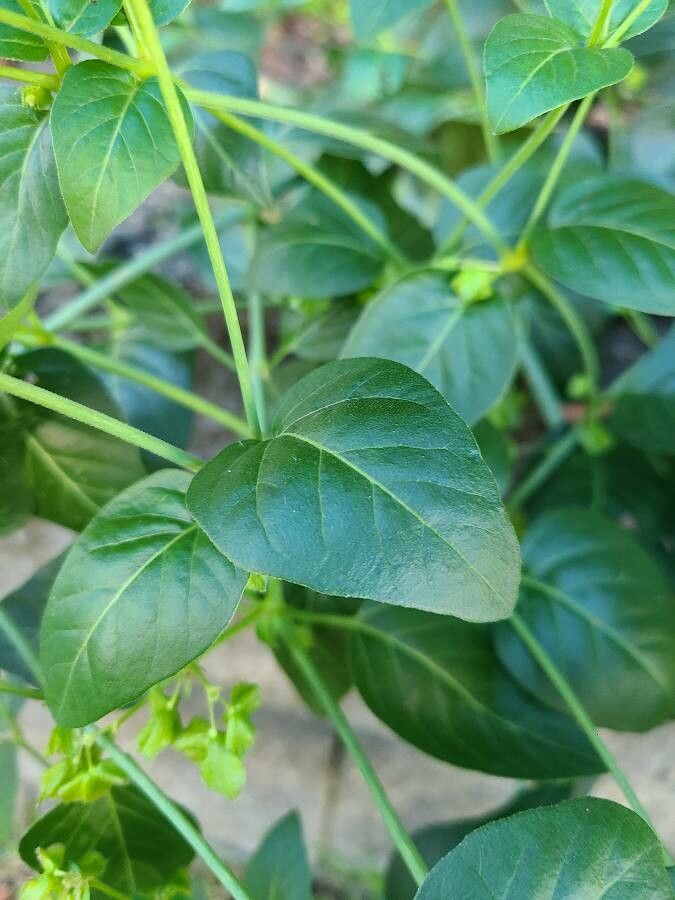
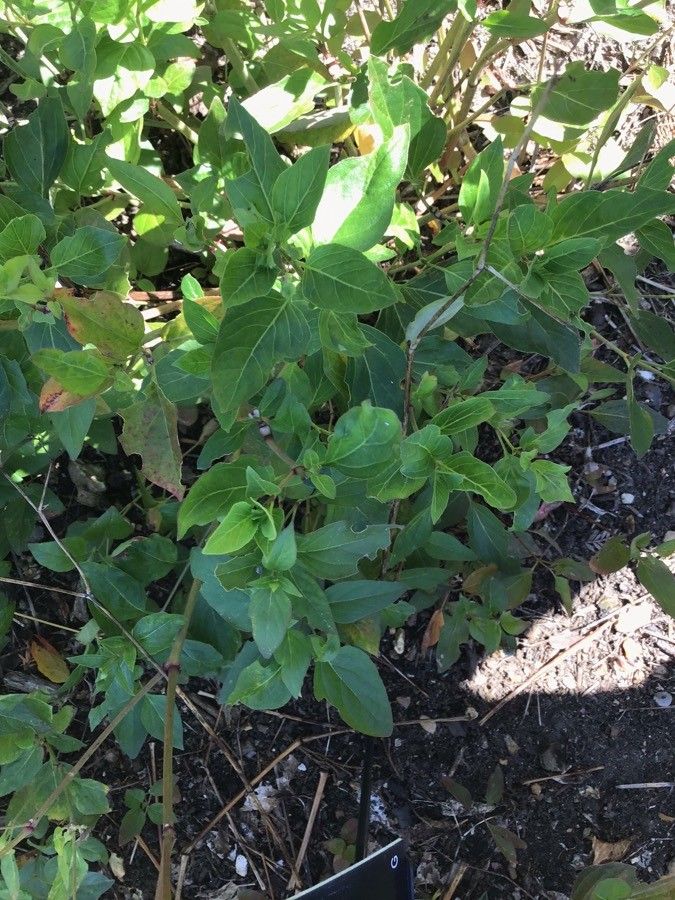
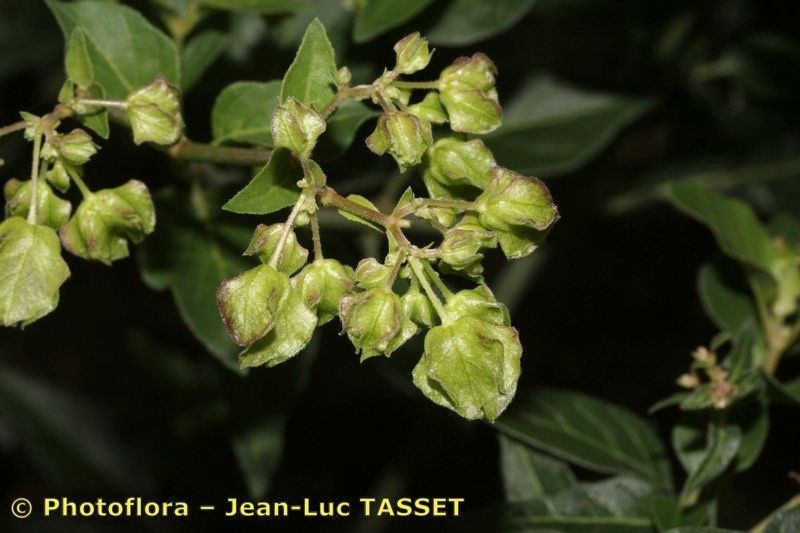
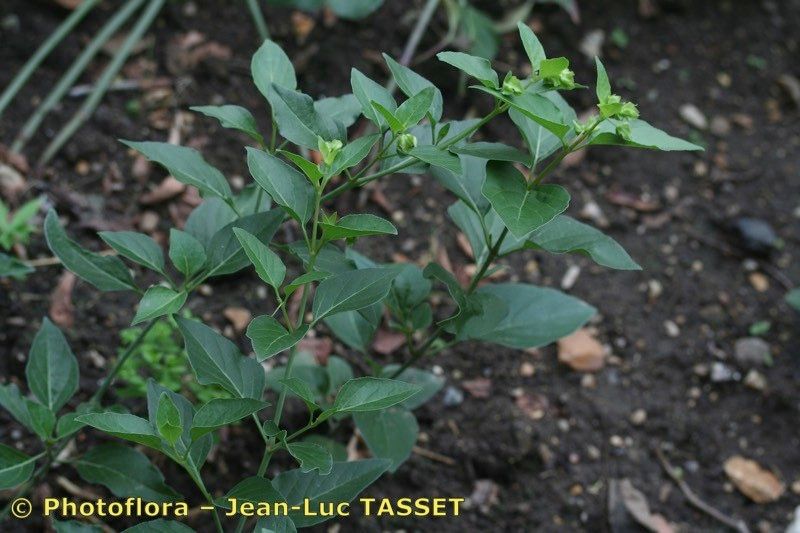
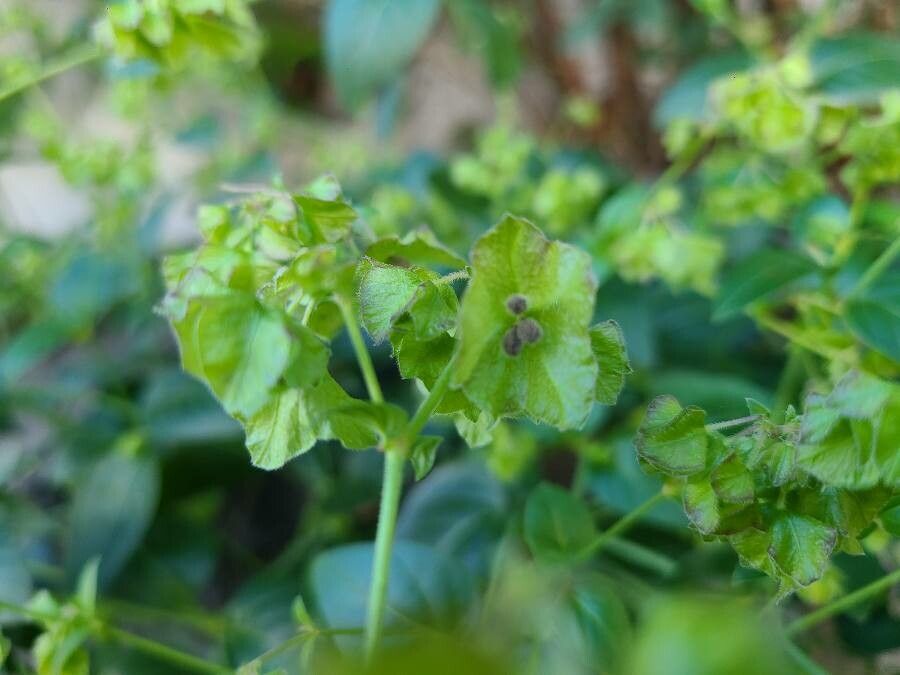
Wild four o'clock is fairly resistant to disease and generally does not suffer from many illnesses. Still, it can be vulnerable to pests and diseases found in its surroundings. Such infections are generally mild. Regarding care, this plant needs moderate maintenance. It should be pruned on a regular basis to preserve an attractive appearance and support healthy growth. Fertilizing can also encourage more flowering. Wild four o'clock is well suited for anyone who has an outdoor area, like a garden or patio, and does not require a great deal of care experience. It may demand more attention if cultivated indoors.
How to keep Oxybaphus Nyctagineus.
Light
Wild four o'clock prefers being in areas with plentiful sunlight throughout the day. In its native habitat it performs best where it gets the sun for most of the day. Still, it can tolerate locations with somewhat reduced sunlight. Excessive shade can cause the plant to perform poorly, while too much sun can result in leaf scorching.
Temperature
The wild four o'clock is native to North America and occurs in a temperature range of 0 to 38 ℃ (32 to 100 ℉). It prefers warm daytime temperatures and cooler nighttime temperatures. In the summer it may benefit from partial shade to prevent heat stress.
Fertilizer
Generally, a single fertilizer application in spring is adequate for Wild four o'clock, though repeated feedings can enhance growth. Fertilize every month to every six weeks. Feeding improves the leaves' appearance and function, helping maintain uniform color and a healthy texture. It also promotes root development and nutrient uptake, supporting the plant's long-term health.
Pot & Repot
When repotting Wild four o'clock, choose a pot 1-2 inches (2.5–5.1 cm) larger with ample drainage. Use a well-draining potting mix. Repot in spring or fall, making sure the root ball sits slightly lower than the rim of the flower pot. Water thoroughly after repotting and place it in a warm spot with indirect sunlight.
Botanical profile.
- Plant Type
- Herb
- Life Cycle
- Perennial
- Genus
- Oxybaphus
- Family
- Nyctaginaceae
- Hardiness Zone
- 3-11
- Mature Height
- 91 cm
- Mature Spread
- 49 cm
- Leaf Color
- Green
- Leaf Type
- Deciduous
- Flower Color
- Pink, White
- Flower Size
- 1.02 cm
- Bloom Time
- Late spring, Early summer, Mid summer
- Planting Time
- Spring, Summer
- Harvest Time
- Summer
- Native Area
- Mexico
Other names.