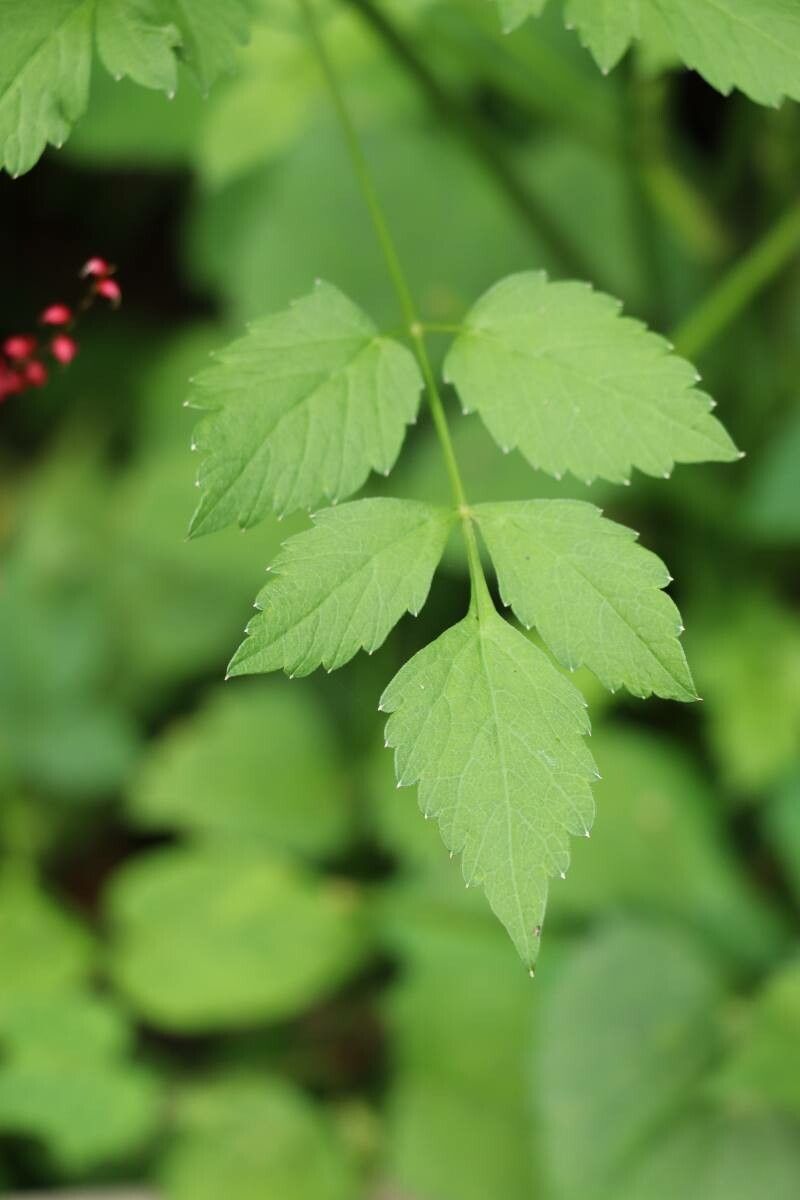
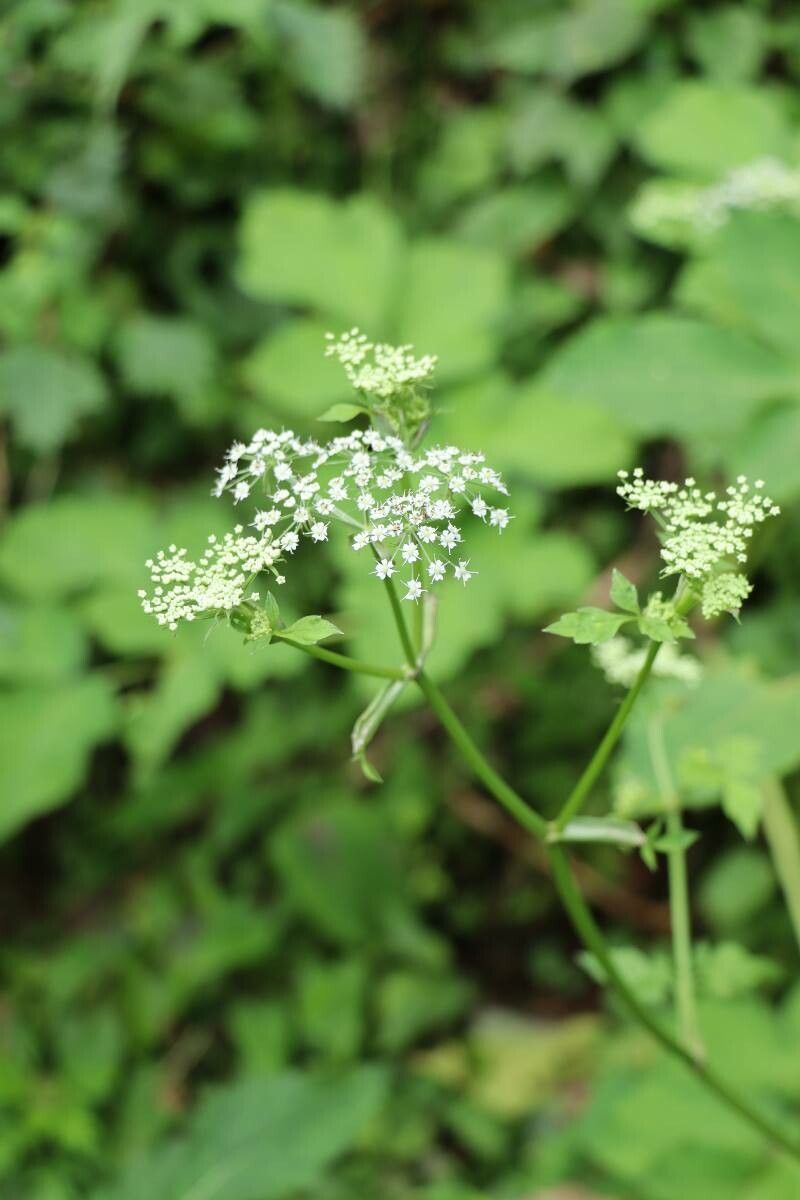
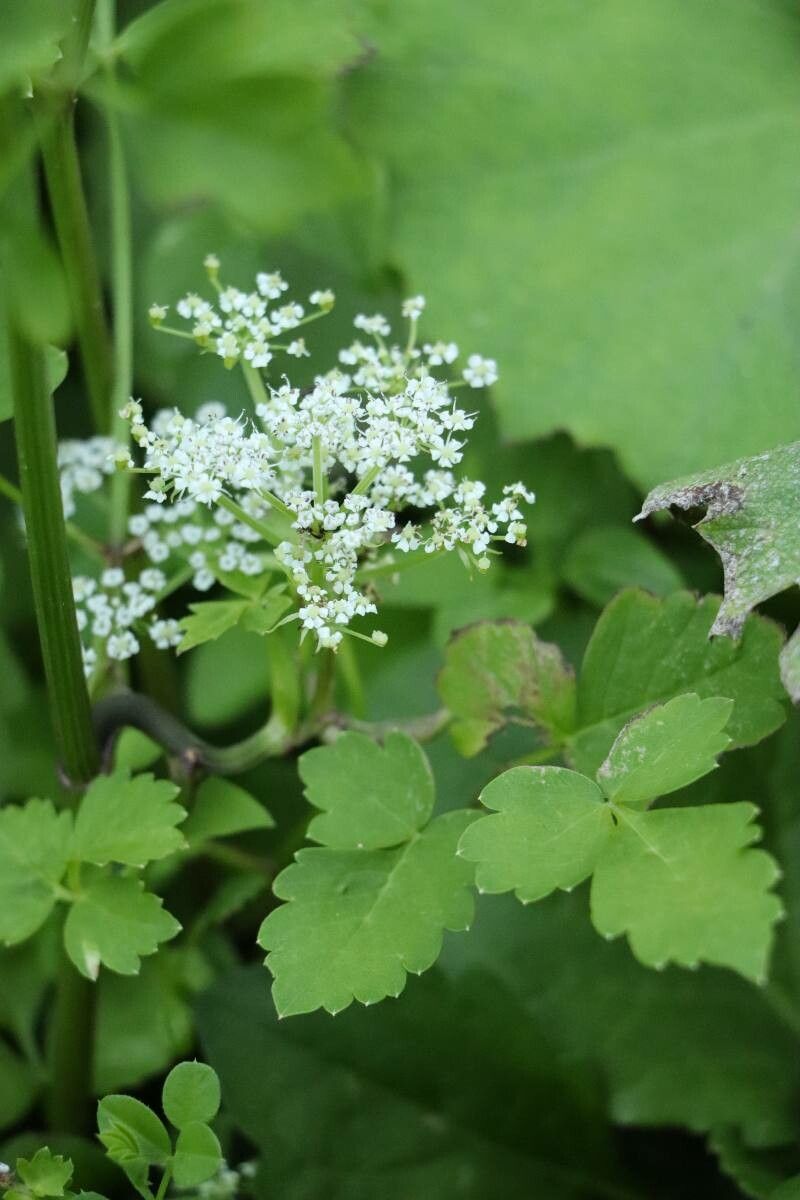
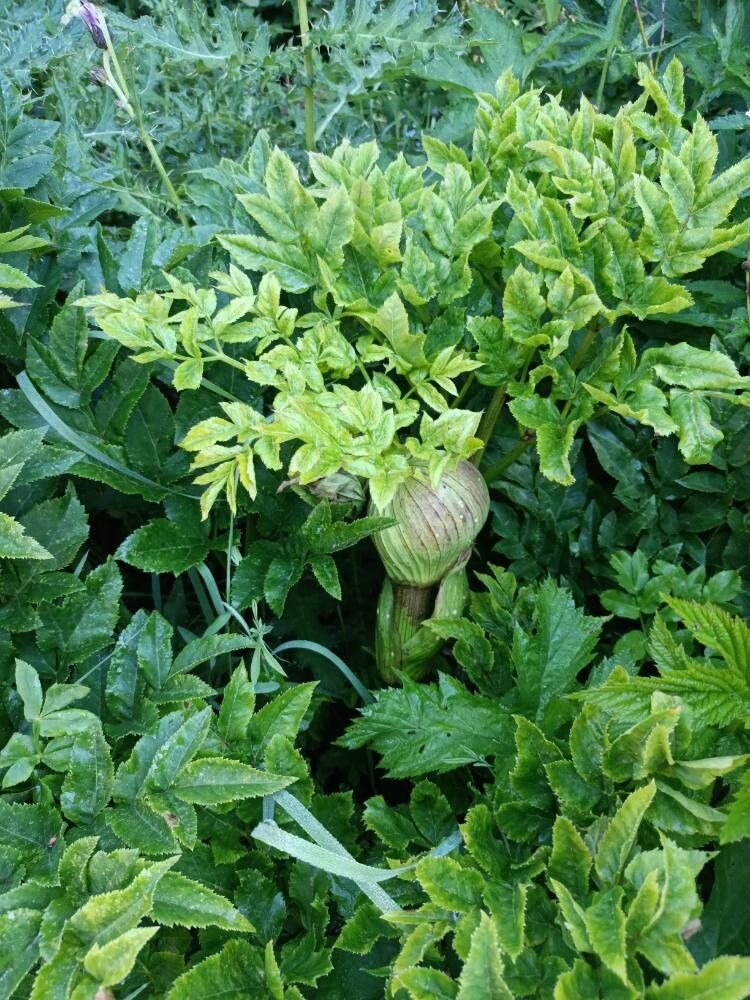
East asian ostericum has good resistance to disease and usually does not easily get sick. Nevertheless, it can be vulnerable to pests and diseases present in its environment. These infections are typically not serious. Regarding care, this plant needs moderate maintenance. It should be pruned regularly to keep a neat appearance and promote healthy growth. Fertilizing can also assist in encouraging flowering. East asian ostericum is suitable for anyone with an outdoor area, such as a garden or patio, and does not demand extensive gardening experience. It may need more attention when grown indoors.
How to keep Ostericum Sieboldii.
Light
East asian ostericum is found naturally in habitats like forest understories and rocky sites, where it exists in natural shade. It prefers partial sun but can tolerate both full sun and deep shade, showing that it is adaptable and hardy.
Water
Native to moist woodlands, East Asian Ostericum thrives best with consistent moisture and benefits from weekly watering. As a herbaceous perennial, it can tolerate moderate drought yet flourishes outdoors. It responds well to natural rainfall in temperate climates during its active growing season, provided it avoids waterlogging.
Temperature
East asian ostericum is native to climates where temperatures usually fall between 41 and 89.6 °F (5 to 32 ℃). It prefers cooler settings but can withstand mildly warm temperatures. For best growth, it is advised to keep temperatures close to this range throughout the year.
Fertilizer
A single fertilizer application in spring is generally adequate for East Asian ostericum, though repeated feedings can maximize growth. Apply fertilizer every one to one and a half months. Fertilizing improves leaf appearance and function, maintaining even color and a healthy texture. It also encourages root development and nutrient uptake, supporting the plant's long-term health.
Pruning
The East Asian ostericum is a fragrant, herbaceous perennial with vibrant green leaves. To keep it healthy and looking its best, prune the plant from early to late spring. This will help remove dead stems and encourage new growth. Regular pruning helps maintain the plant's vigor and shape, promotes good air circulation, and reduces legginess. Always use clean, sharp tools to ensure optimal plant health.
Botanical profile.
- Plant Type
- Herb
- Life Cycle
- Perennial
- Genus
- Ostericum
- Family
- Apiaceae
- Hardiness Zone
- 5-8
- Mature Height
- 49 cm to 91 cm
- Mature Spread
- 30 cm to 61 cm
- Leaf Color
- Dark Green, Forest Green
- Leaf Type
- Deciduous
- Flower Color
- White
- Flower Size
- 0.25 cm to 0.51 cm
- Bloom Time
- Mid summer, Late summer
- Planting Time
- Spring, Summer
- Harvest Time
- Early fall, Mid fall
- Native Area
- Koppen, Japan, South Korea, China
Other names.
Reader questions.
What is the ideal temperature range for growing East Asian Ostericum?
East Asian Ostericum thrives in climates where temperatures typically range between 41 to 89.6 °F (5 to 32 °C). It prefers cooler environments but can tolerate mild warm temperatures. For optimal growth, maintaining temperatures within this range throughout all seasons is recommended. The plant exhibits strong cold resistance, hence special frost protection is usually unnecessary in winter. However, if temperatures are expected to drop below -25°C, implementing cold protection by covering the plant with soil or straw is vital. To prepare for winter, abundant watering before the first freeze in autumn is advised to ensure the soil remains moist and frozen, aiding in drought and water scarcity prevention during winter and early spring.
How does East Asian Ostericum react to low temperatures?
East Asian Ostericum is cold-tolerant and performs best when temperatures stay above 5°C. During winters, it is critical to ensure the temperature remains above -20°C. Despite its resilience, if temperatures plummet below -25°C, there may not be immediate visible damage during winter, but come spring, there could be a noticeable decrease in sprouting, or the plant may not sprout at all. In spring, it's suggested to remove any parts of the plant that have failed to sprout as a solution to this issue.
What are the effects of high temperatures on East Asian Ostericum, and how can they be mitigated?
During the hot summers, it is crucial to keep East Asian Ostericum's temperature below 32°C. Exposure to temperatures above 35°C can lead to the plant's leaves becoming lighter in color, prone to curling, susceptible to sunburn, and, in severe cases, causing the entire plant to wilt and dry out. The recommended mitigation strategies include trimming away the sunburned and dried-up parts of the plant. Moreover, relocating the plant to a shaded area during the more intense midday and afternoon sun, or utilizing a shade cloth to provide adequate shade, can be beneficial. Additionally, watering the plant in the morning and evening ensures the soil stays moist, which is key to its recovery and ongoing health.