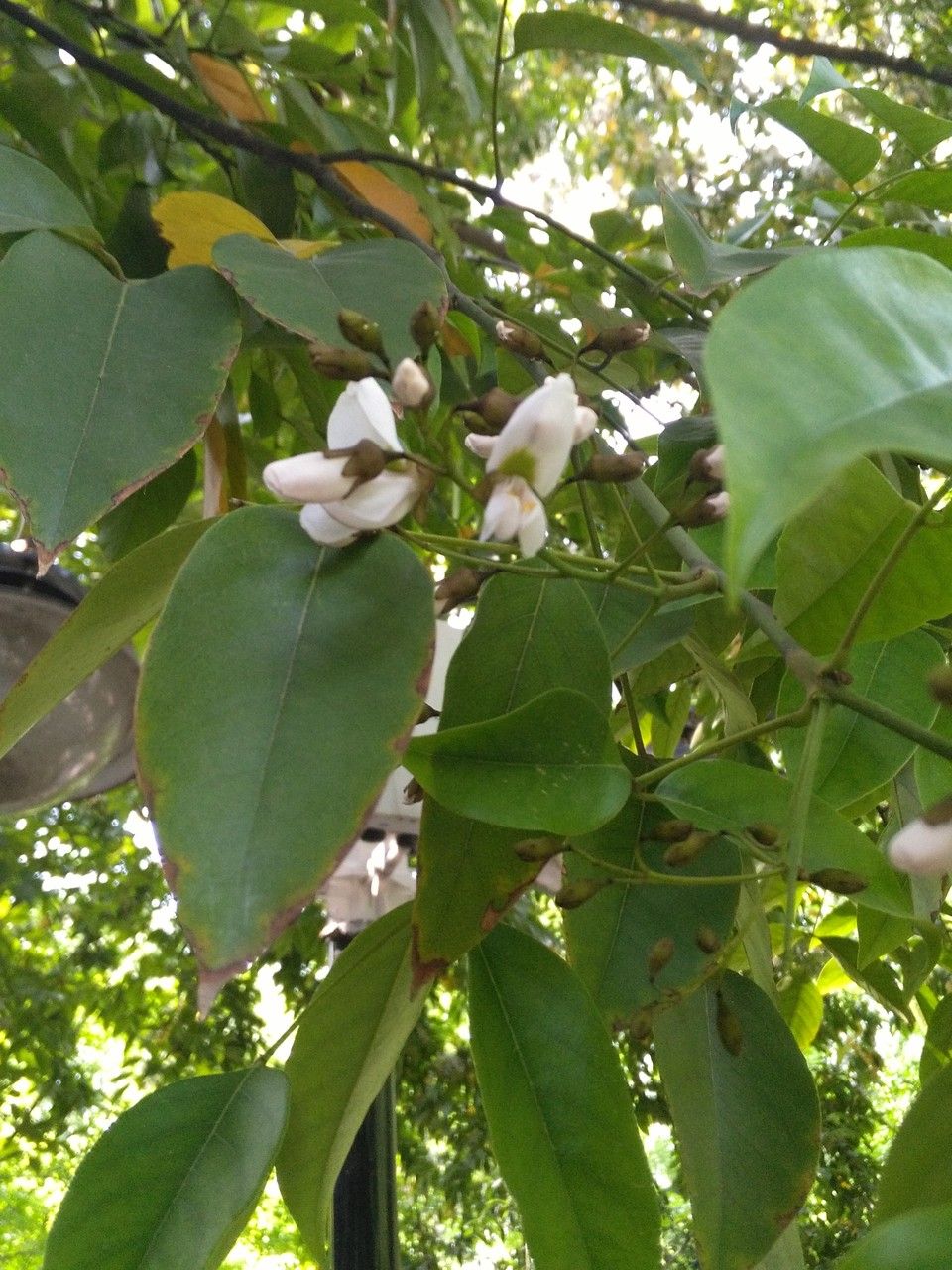
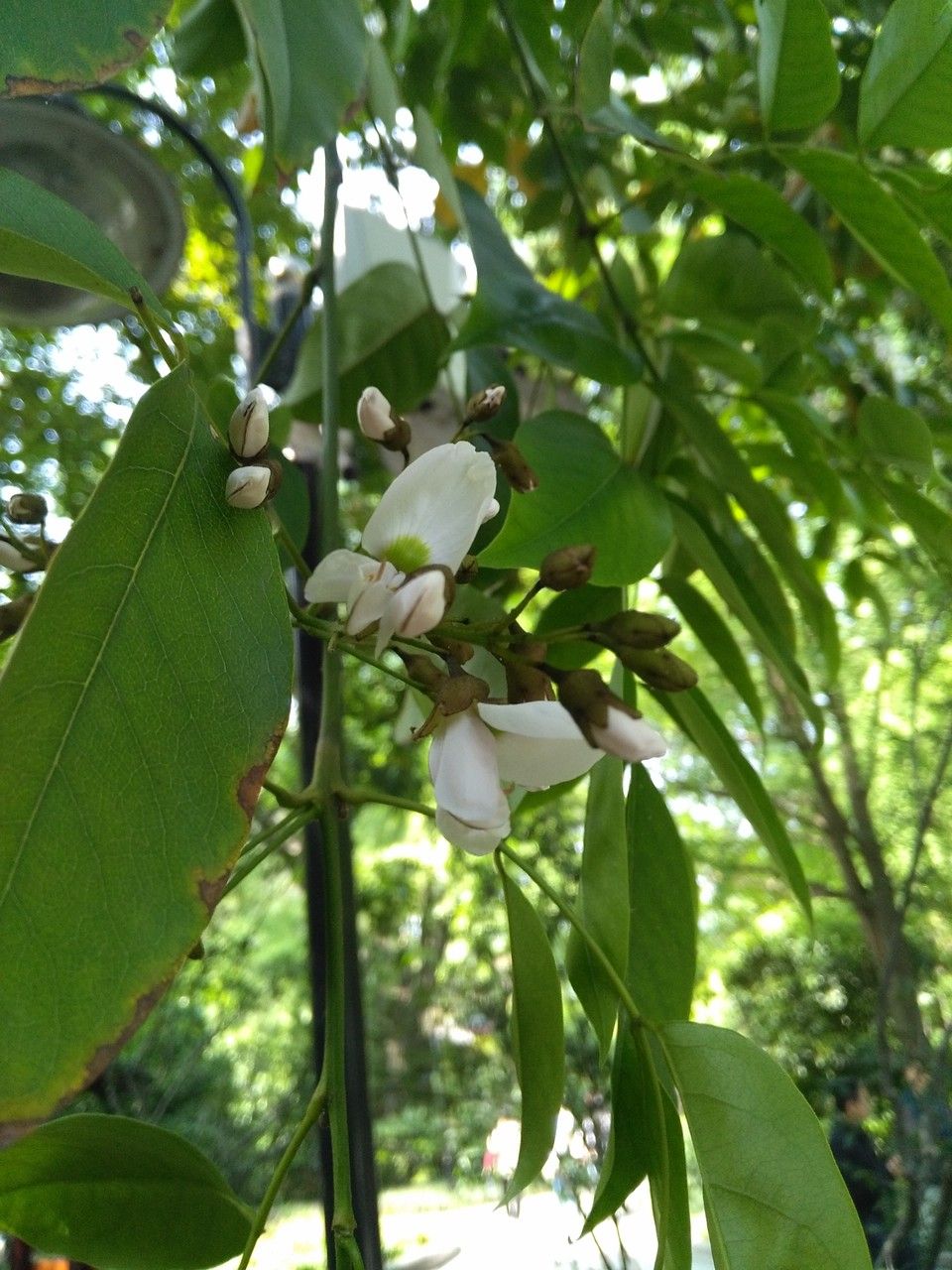
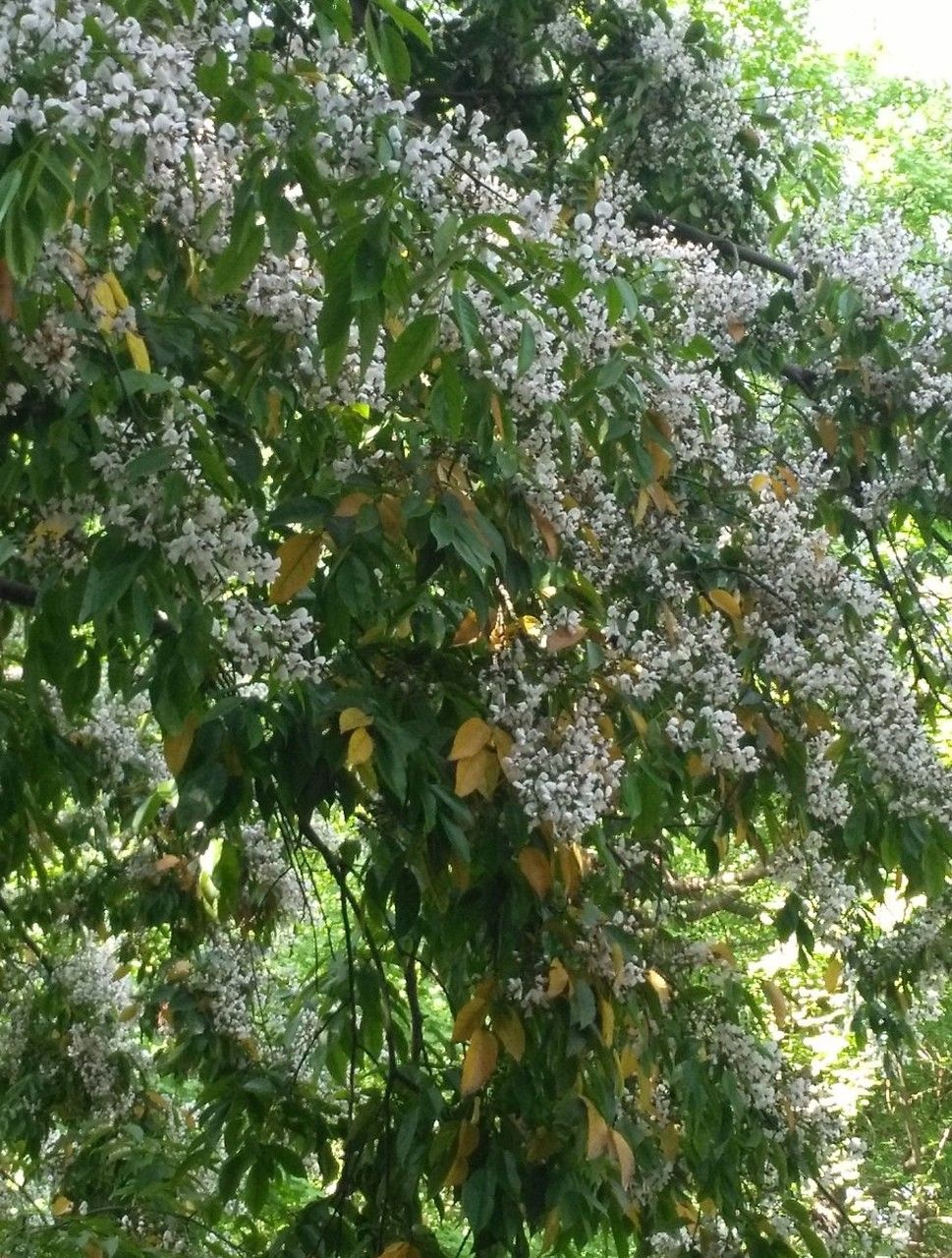
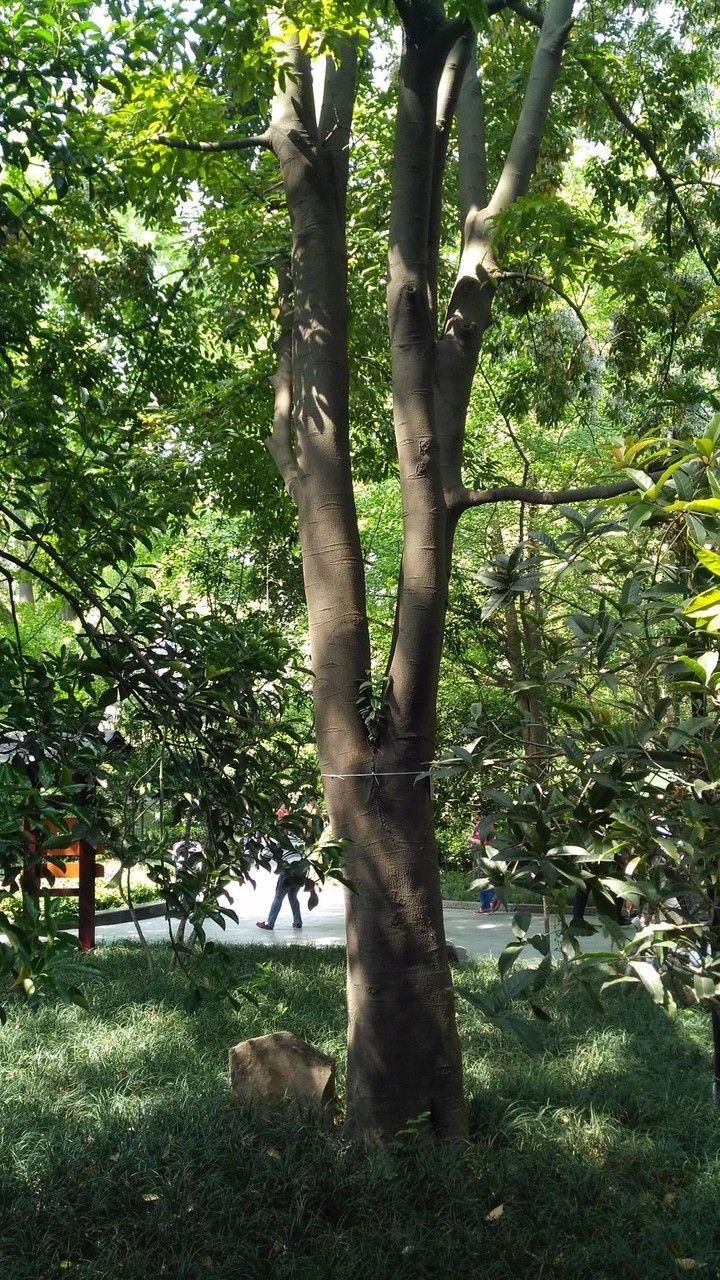
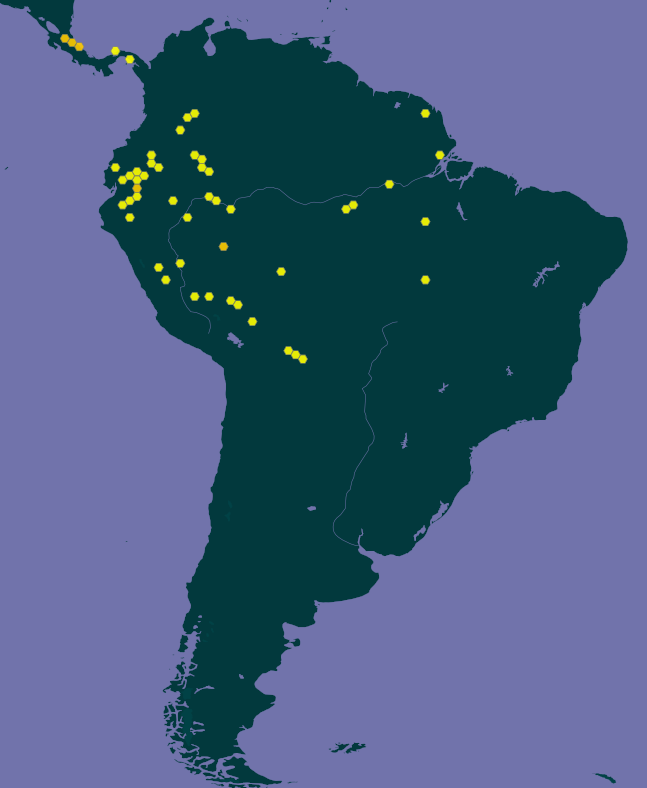
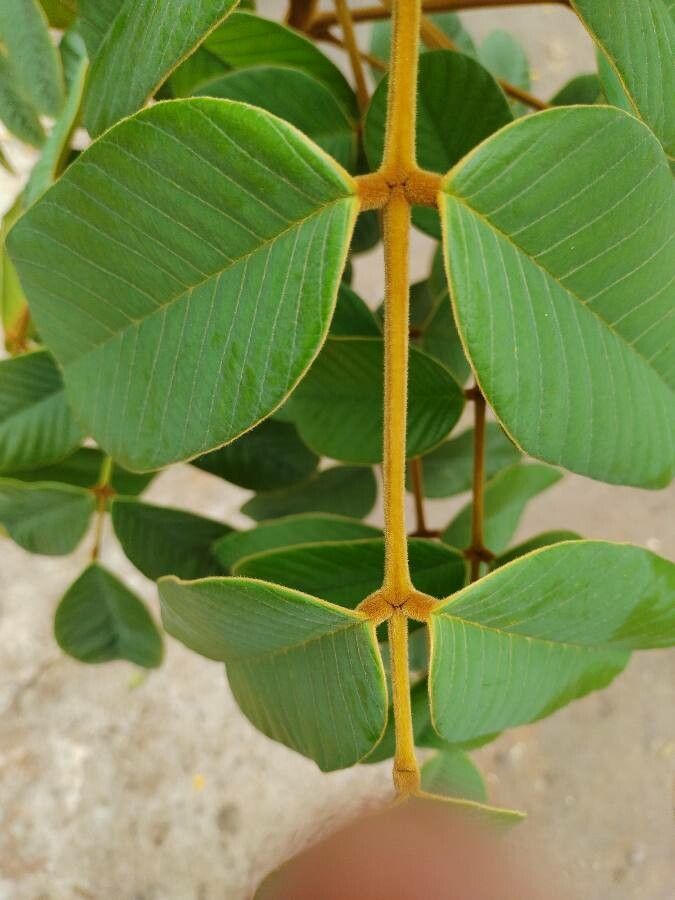
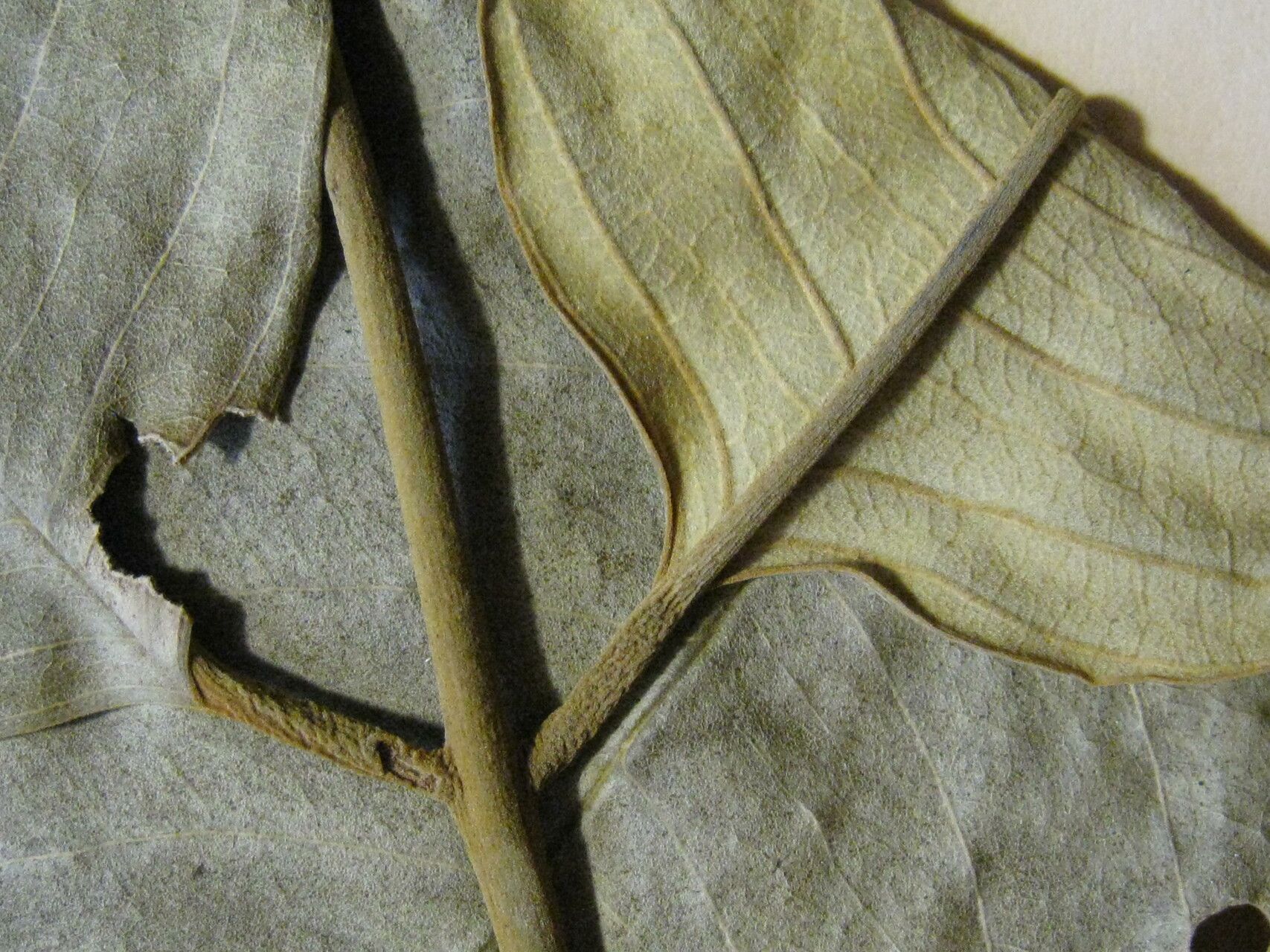
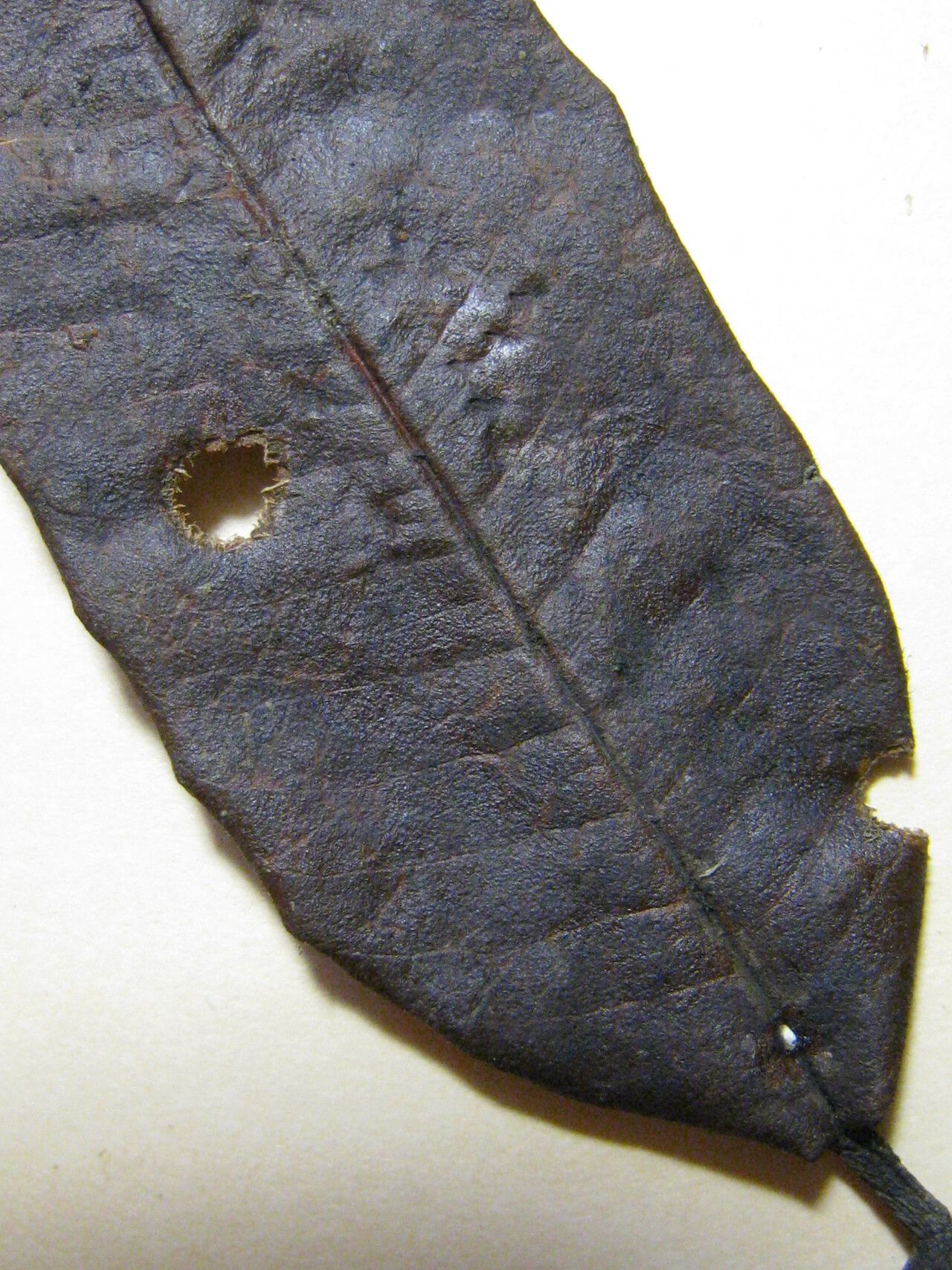
Ormosia hosiei is a species of flowering plant in the family Fabaceae.
The red bean tree is resistant to disease and is usually not prone to illnesses. In terms of care, this plant is fairly low-maintenance. When grown outdoors it needs only light watering, and larger specimens generally do not require pruning. Smaller plants, however, should be pruned after they finish blooming. The red bean tree is appropriate for anyone with an outdoor area, such as a garden or deck, and does not demand extensive care experience.
How to keep Ormosia Hosiei.
Light
The red bean tree is native to open habitats like sunny meadows and forest margins that offer abundant light. It flourishes in full sun but can also tolerate partial sun, adapting well to a range of light conditions.
Water
The red bean tree, native to areas with distinct wet and dry seasons, has a moderate tolerance for drought. It prefers to be watered every 2-3 weeks. When grown outdoors, the tree thrives in well-draining soil that mimics the drainage patterns of its natural habitat.
Temperature
Red bean tree adapts well to temperature, being able to withstand high heat and wide temperature fluctuations. In hot weather, care should be taken with watering and providing appropriate shade to avoid sunburn. However, Red bean tree has relatively low tolerance for cold. While it can endure some cold, very low temperatures can cause frost damage.
Fertilizer
Timing is essential for fertilizing the Red bean tree. Apply fertilizer in early spring and continue once a month until early summer. Fertilizer encourages attractive blooms and supplies energy during both dormant and active growth periods.
Pruning
Pruning a red bean tree in early spring is crucial for its optimal growth and health. Be sure to remove any dead or diseased branches, thin out dense areas to improve air circulation, and trim crossing branches to prevent damage. These practices enhance the tree's flowering potential, reduce the risk of pests, and promote a stronger structure.
Botanical profile.
- Plant Type
- Tree
- Life Cycle
- Perennial
- Genus
- Ormosia
- Family
- Fabaceae
- Hardiness Zone
- 9-11
- Mature Height
- 20.12 m to 29.87 m
- Mature Spread
- 1.83 m
- Leaf Color
- Dark Green
- Leaf Type
- Deciduous
- Flower Color
- Pink, White
- Flower Size
- 15.24 cm to 20.32 cm
- Bloom Time
- Late spring, Early summer
- Planting Time
- Spring, Summer
- Harvest Time
- Late summer, Early fall, Mid fall
- Native Area
- China
Reader questions.
What are the sunlight requirements for the Red bean tree?
The Red bean tree thrives in environments with Full Sun, meaning it requires above 6 hours of sunlight daily. However, it can also tolerate Partial Sun conditions, which equates to about 3-6 hours of sunlight daily. It's important to observe the movement of sunlight through your garden to choose spots that provide the right balance of light and shade, ensuring the plants' happiness.
What are the essential sunlight considerations for the Red bean tree?
Originating from open environments such as sunny meadows and forest edges, the Red bean tree adapts well to various sunlight conditions. While it prefers Full Sun, it can tolerate Partial Sun. For indoor plants, artificial lighting can be crucial when natural sunlight is insufficient. LED lights are recommended for their ability to provide specific wavelengths needed by plants. Full sun plants require 30-50W/sq ft of artificial light, Partial Sun plants need 20-30W/sq ft, and the appropriate distance and duration for artificial lighting vary based on the plant's needs.
What are the symptoms of light deficiency in the Red bean tree?
When the Red bean tree doesn't receive enough sunlight, it may show symptoms like smaller new leaves, leggy or sparse growth, faster leaf drop, slower or no new growth, lighter-colored new leaves, chlorosis (leaves turning yellow), sunscald, leaf curling, wilting, and leaf scorching. These symptoms indicate a struggle with suboptimal lighting conditions.
How can I address sunlight deficiency in my Red bean tree?
To address sunlight deficiency in Red bean trees, gradually move the plants to sunnier locations that receive at least 6 hours of direct sunlight daily. For indoor plants, consider using artificial light if moving them isn't feasible. For outdoor plants, avoid sudden changes in light exposure to prevent sunburn. Reducing obstructions and carefully transplanting smaller plants during their dormant period can also improve sunlight access. Note that parts of the plant damaged by insufficient sunlight may not recover, but new growth should be healthy with improved light exposure.