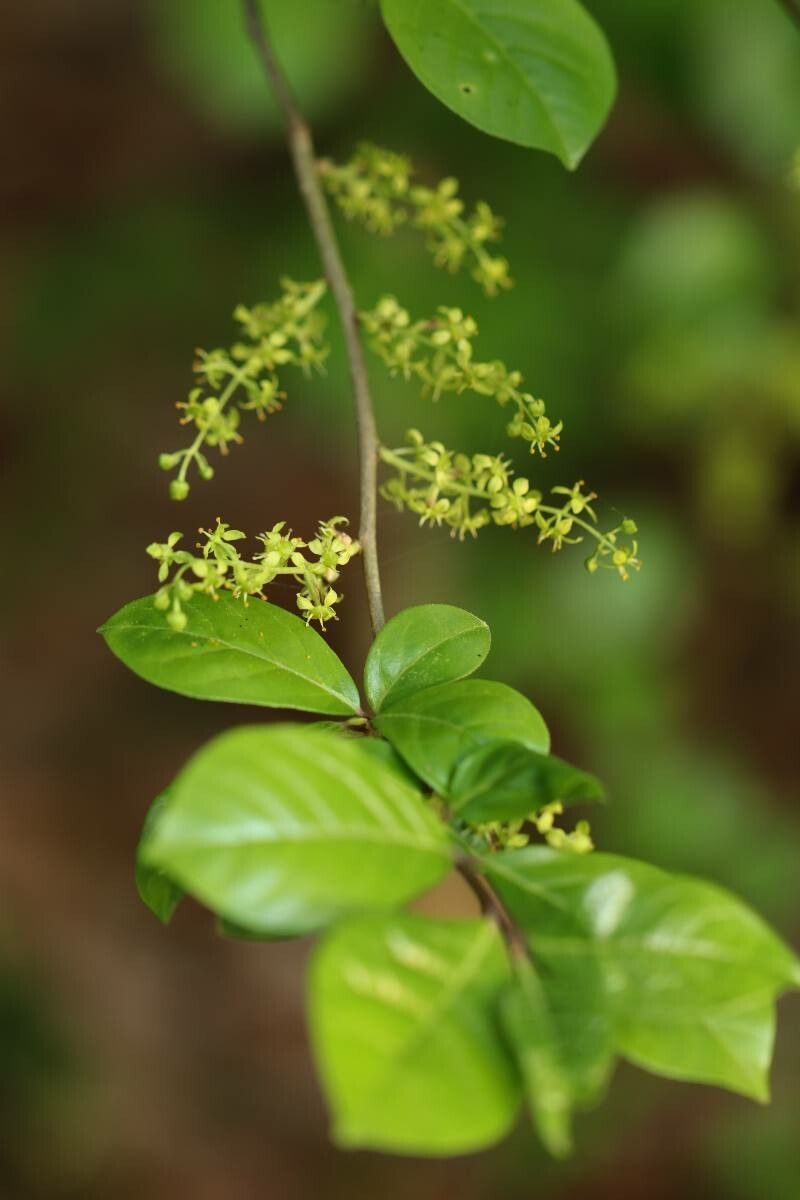
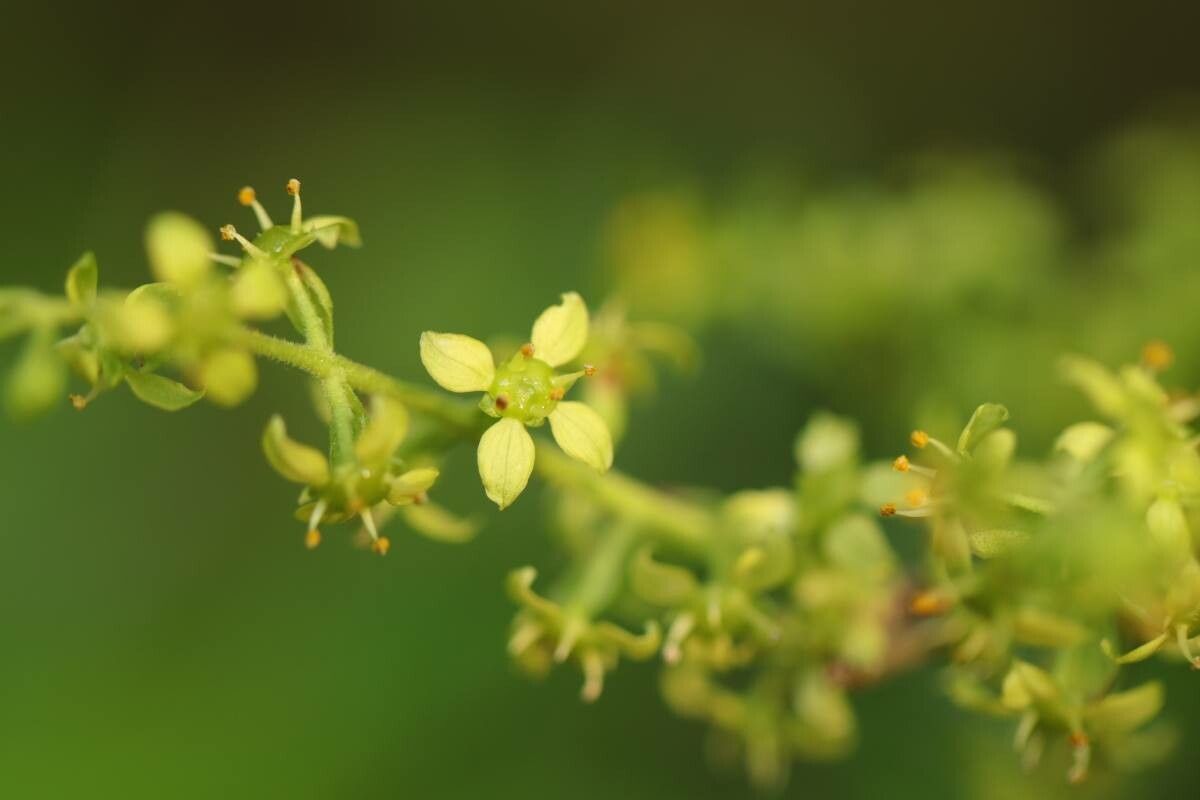
Orixa japonica, commonly called East Asian orixa or Japanese orixa, is a deciduous shrub growing to 3 metres (10 ft) with an equal spread. Native to China, Japan and South Korea, it is found on forested, sunny slopes at elevations from 500 to 1300 m. A recent scientific study found this plant to contain previously unknown alkaloids that may be effective against Plasmodium falciparum, one of the protozoan species that cause human malaria.
East asian orixa is highly disease resistant and is generally not susceptible to illness. Regarding care, this plant is fairly low-maintenance. When grown outdoors it needs little watering, and larger plants usually do not require pruning. Smaller plants, however, should be trimmed after they have finished blooming. East asian orixat is appropriate for anyone with an outdoor area, such as a garden or deck, and does not demand much gardening experience.
How to keep Orixa Japonica.
Light
East Asian orixa grows best in partly filtered sunlight but can tolerate both shade and full sun. Coming from environments with a range of light conditions, its health and growth can suffer if it gets either too little or too much sunlight. Its light needs may vary at different stages of development.
Water
The East Asian orixa thrives in conditions similar to the forest understorey of East Asia. It needs consistent moisture but can tolerate moderate drought. To avoid over-saturation, water the plant every three weeks. While it is usually grown outdoors, using mulch can help retain soil moisture during its active growing season when it requires more water.
Temperature
East asian orixa is a plant with specific temperature requirements. It is generally comfortable in its native East Asian climate when temperatures range from 41 to 95 °F (5 to 35 ℃), and it does well in moderate regions. If temperatures fall below or exceed its favored range, suitable temperature adjustments should be made.
Fertilizer
Fertilize your East asian orixa in early spring to encourage healthy growth. Regular fertilization improves the plant’s overall health, leading to vigorous development, better tolerance of harsh conditions, and increased resistance to pests and diseases. Adhere to a consistent fertilization schedule for your East asian orixa to keep foliage vibrant, richly colored, and lush.
Pruning
The East Asian Orixa is a deciduous shrub known for its aromatic leaves and small flowers. To maintain its health and appearance, prune the shrub in early spring. Focus on removing dead branches and thinning crowded areas to improve air circulation. Regular pruning enhances both the shrub's aesthetics and its overall health. However, avoid heavy pruning to ensure strong growth throughout the season.
Botanical profile.
- Plant Type
- Shrub
- Life Cycle
- Perennial
- Genus
- Orixa
- Family
- Rutaceae
- Hardiness Zone
- 5-9
- Mature Height
- 2.13 m to 3.05 m
- Mature Spread
- 0.91 m to 1.52 m
- Leaf Color
- Green, Yellow
- Leaf Type
- Deciduous
- Flower Color
- White
- Flower Size
- 0.08 cm to 0.10 cm
- Bloom Time
- Early spring, Mid spring
- Planting Time
- Spring, Autumn, Winter
- Harvest Time
- Late summer, Early fall, Mid fall
- Native Area
- Koppen, Japan, South Korea, China
Other names.
Reader questions.
What are the sunlight requirements for East Asian orixa (Orixa japonica)?
East Asian orixa, also known as Orixa japonica, thrives under partially filtered sunlight but can also endure both shade and full sun exposure. Originating from environments with varying light conditions, it is crucial to monitor these conditions closely as both insufficient and excessive sunlight can negatively impact the plant's health and growth. This versatile plant generally needs about 3-6 hours of sunlight per day, aligning with partial sun requirements. However, it's important to note that its sun requirements may change during different growth stages.
What is the ideal temperature range for East Asian orixa?
East Asian orixa, known botanically as Orixa japonica, thrives in its native East Asian climates with a comfortable temperature range between 41 to 95 °F (5 to 35 °C). This plant is well-adapted to moderate regions and has specific temperature demands to ensure its health and growth.
How can I ensure my indoor plants receive enough light?
For optimal growth, indoor plants necessitate adequate lighting, which becomes even more critical when natural sunlight is limited, especially in winter or less sunny areas. Artificial lighting serves as an essential substitute, promoting healthier and faster growth. LED lights are recommended due to their ability to be customized to specific wavelengths needed by the plants. The requirements vary from 30-50W/sq ft for full sun plants, 20-30W/sq ft for partial sun plants, to 10-20W/sq ft for full shade plants. The artificial light source should be placed 12-36 inches above the plant, and exposed to light for 8-12 hours per day to mimic natural daylight hours effectively.
Does East Asian orixa require cold protection during winter?
Despite its strong cold resistance, East Asian orixa may require special frost protection if winter temperatures are expected to drop below -25°C. Protecting the plant can be achieved by wrapping its trunk and branches with materials like non-woven fabric or cloth. Additionally, watering the plant abundantly before the first freeze in autumn to maintain moist soil can help prevent drought and water scarcity during winter and early spring.
What are the signs that East Asian orixa is not receiving the correct amount of sunlight?
When East Asian orixa does not receive the appropriate amount of sunlight, several symptoms may manifest. These include smaller new leaves compared to older ones, leggy or sparse growth indicating longer spaces between leaves or stems, premature leaf drop as a conservation mechanism under low light conditions, halted growth due to insufficient light, and lighter-colored or chlorotic (yellowing) leaves highlighting a lack of essential nutrients. Additionally, intense sunlight exposure can cause leaf scorching, curling, wilting, sunscald, and even damage to plant tissues.
How does low temperature affect East Asian orixa and what are the solutions?
East Asian orixa is cold-tolerant and thrives best when temperatures remain above 5°C. However, winter temperatures below -25°C may not immediately show noticeable changes, yet come spring, the branches could become brittle and dry, and no new shoots will emerge. In response to such damage, it's recommended to prune away any dead branches in spring that have failed to produce new leaves.
How can I adjust my plant's environment to meet its sunlight needs?
Adjusting your East Asian orixa's environment to meet its sunlight needs involves gradual adaptation and the elimination of light obstructions. If the plant is indoors and too large or inconvenient to move, consider using a desk or ceiling lamp for at least 8 hours a day or invest in professional grow lights. For outdoor plants, progressively move them to sunnier spots each week to prevent sunburn from sudden exposure changes. For plants affected by obstructions like trees, pruning can help increase sunlight penetration. When transplanting smaller plants, do so during their dormant period and select a location with sufficient sunlight and good drainage. Remember, parts of the plant that were previously damaged by insufficient sunlight may not recover, but new growth should be healthy with corrected light exposure.
What are the signs of high temperature stress in East Asian orixa and how can it be mitigated?
In the summer, East Asian orixa should ideally be in temperatures below 35°C. Exceeding 38°C, the plant's leaves may lighten in color, and the tips can become dry and withered, increasing the risk of sunburn. To mitigate high temperature stress, trim away sunburned and dried parts, move the plant to a shaded location protected from midday and afternoon sun, or use a shade cloth. Additionally, ensure to water the plant in the morning and evening to keep the soil moist.