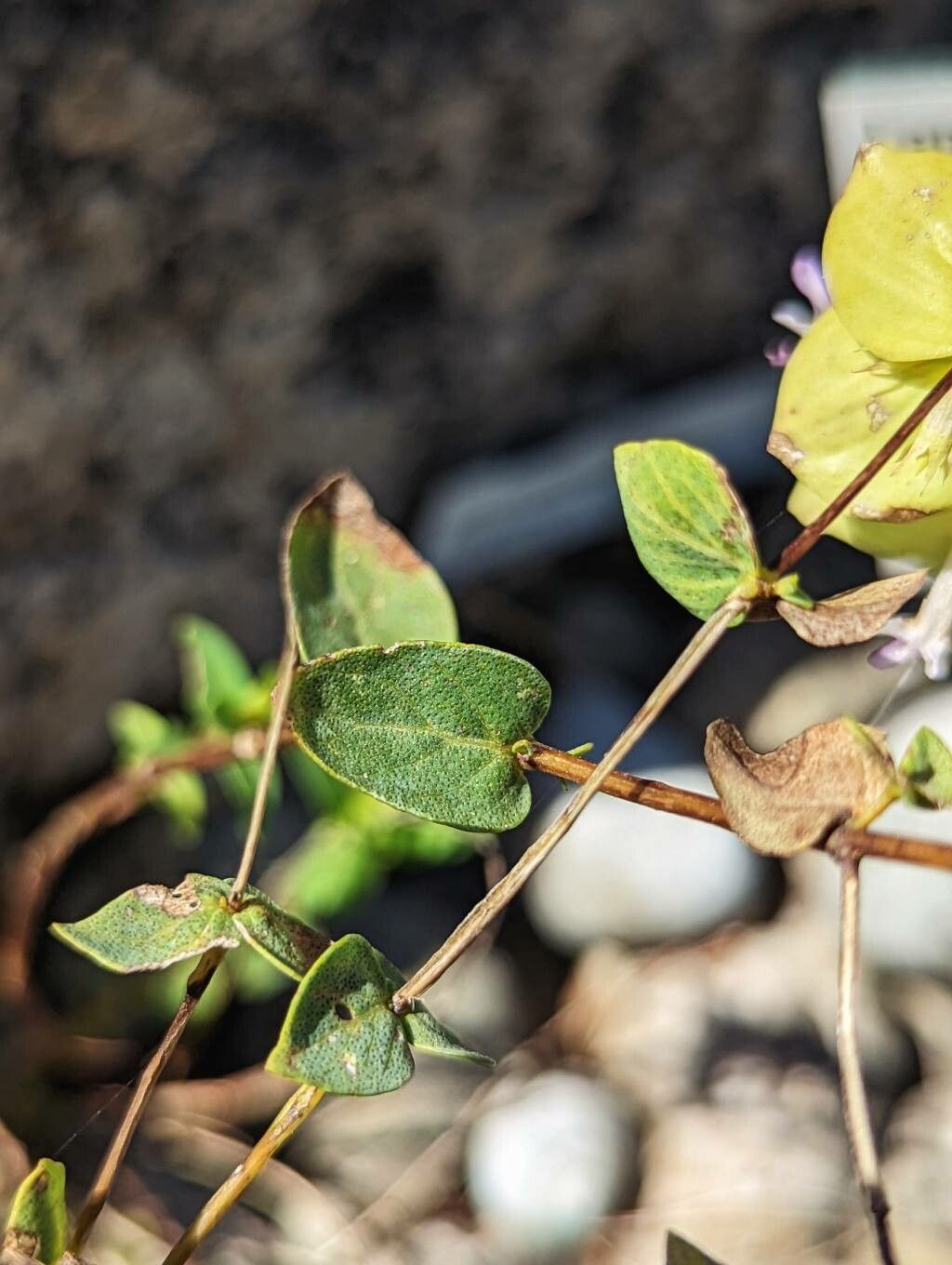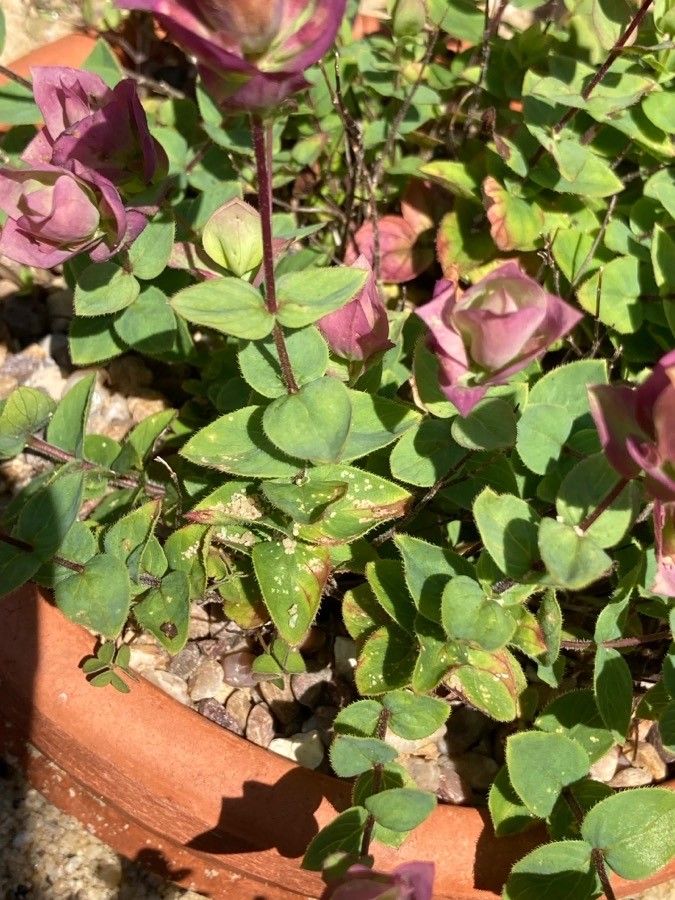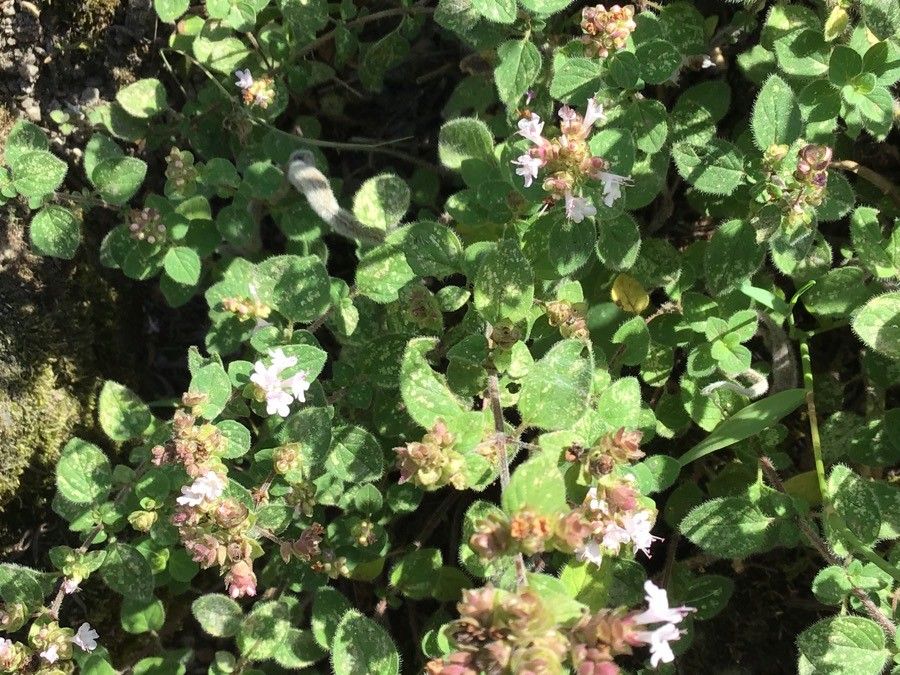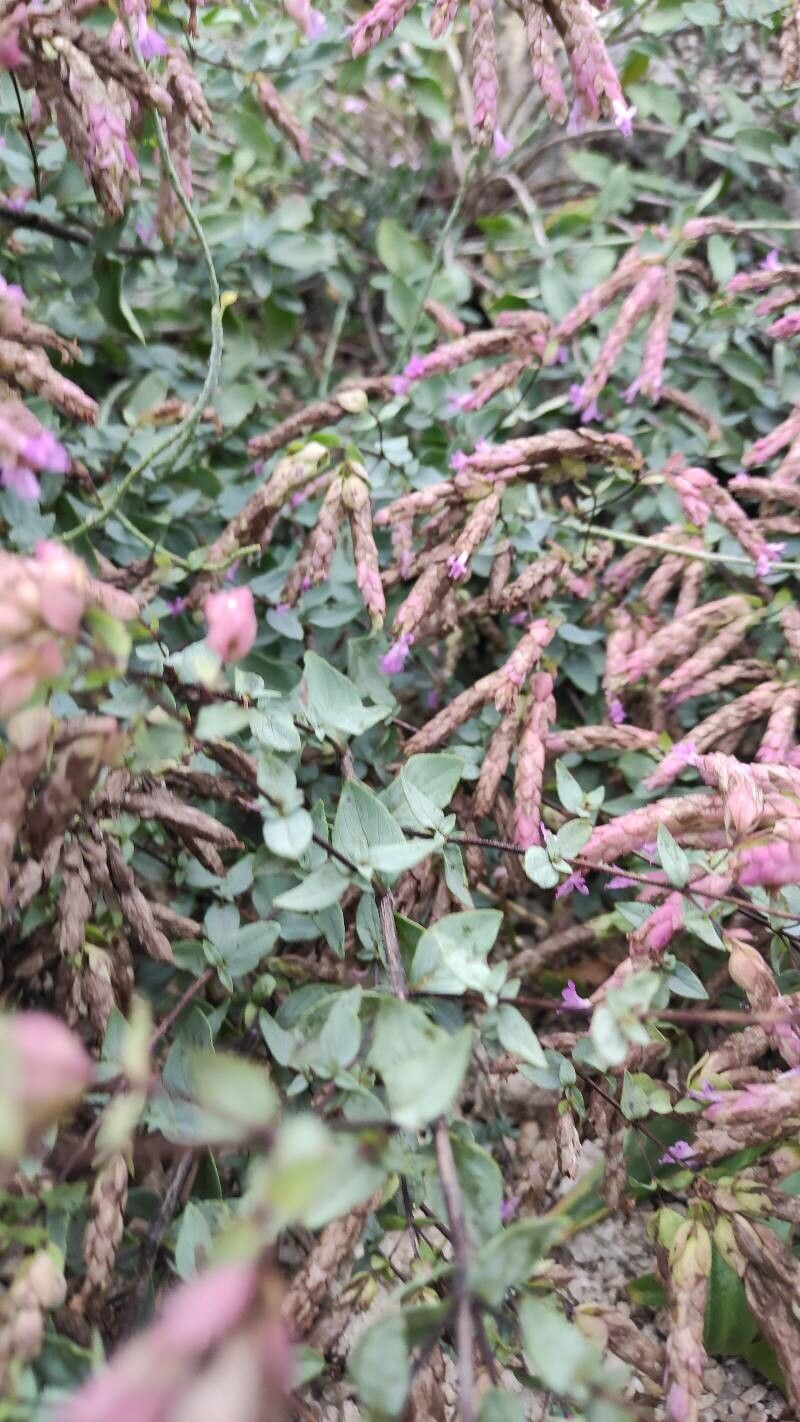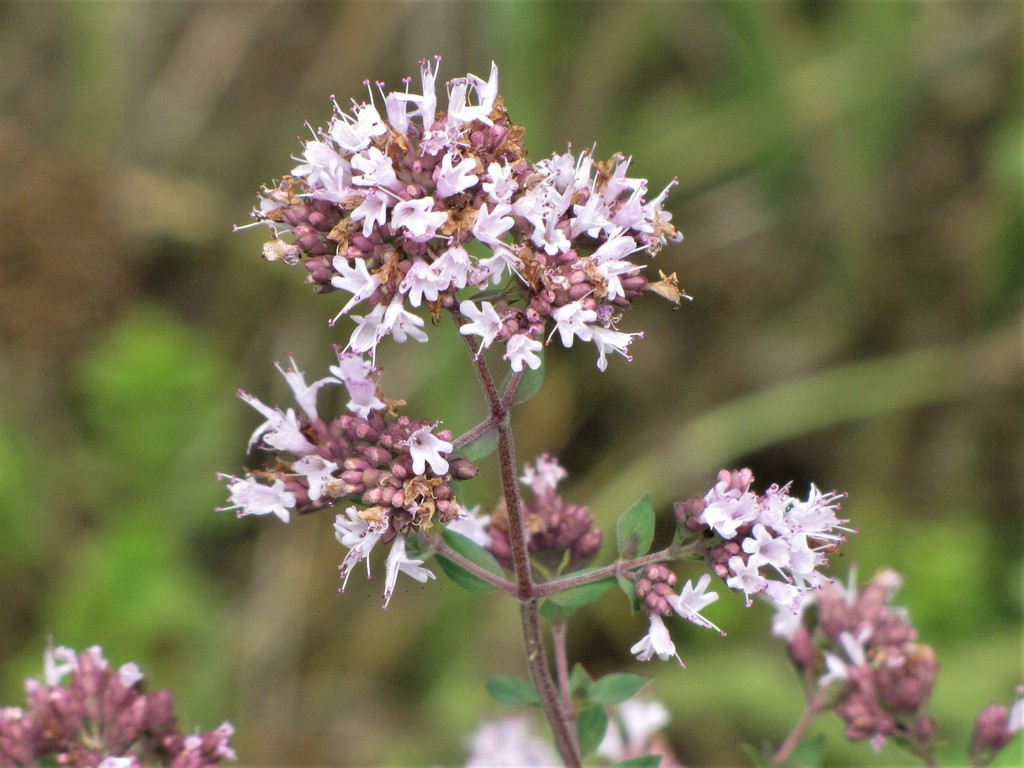
Origanum, commonly known as oregano, is a perennial herb that belongs to the mint family. Native to the Mediterranean region, it has been used for centuries in both cooking and traditional medicine. The plant features small, oval-shaped leaves that are highly aromatic with a slightly bitter taste. Oregano flowers are small and either white or pink.
Oregano is renowned for its antimicrobial properties due to its high content of essential oils such as carvacrol, thymol, and rosmarinic acid. Additionally, it contains antioxidants that help protect against oxidative stress.
In cooking, oregano is a popular seasoning for pizza sauce, pasta dishes, soups, and stews. It pairs well with other herbs such as basil and thyme.
Oregano can be easily grown in well-drained soil with full sun exposure. It can be propagated from seeds or cuttings during the spring.
Overall, the Origanum plant offers numerous culinary and health benefits, making it an essential herb in many households around the world today!
Oregano is generally resistant to disease and is usually not prone to problems. However, it can develop leaf spots if light and ventilation are poor or if it is overwatered. Its care level is considered easy, since it mainly needs regular watering and little else. Oregano is suitable for people who don't have much time or energy to spend on regular care.
How to keep Origanum Vulgare.
Light
Oregano grows best with uninterrupted sunlight all day, but it can tolerate occasional patches of shade. In its native environment it usually experiences these light conditions. Excessive shade will inhibit growth, while intense sun can make the plant overly dry.
Water
Oregano originates from a Mediterranean climate and thrives in dry, well-drained soil and plenty of sunlight. It prefers to be watered deeply but only twice a week, as it is quite drought-tolerant. As an aromatic perennial, oregano benefits from natural rainfall when grown outdoors, which enhances its flavor and boosts the concentration of essential oils during the growing season.
Humidity
This plant will thrive in moderate humidity, which is probably the level in your home. However, misting it a few times a week can be very beneficial. Make sure the room has good ventilation.
Temperature
Oregano originates from temperate regions and prefers temperatures between 68 and 95 °F (20 to 35 ℃). In colder periods, provide adequate warmth because it cannot tolerate frost.
Fertilizer
Usually one application of fertilizer in spring is enough for Oregano, but several feedings can maximize its growth. Apply fertilizer once every month to a month and a half. Fertilization improves the leaves' appearance and function, helping maintain even color and a healthy texture. It also encourages root development and nutrient uptake for the plant's long-term health.
Pruning
Oregano is a fragrant perennial herb commonly used in cooking. To encourage new growth and a bushier plant, prune oregano from early to late spring using sharp tools. Avoid heavy pruning in late fall to prevent frost damage. Regular maintenance improves both the plant's productivity and appearance.
Pot & Repot
When repotting oregano, pick a pot 1-2 inches (2.5–5.1 cm) larger with good drainage. Use a well-draining potting mix. Repot in spring or fall, making sure the root ball sits slightly below the rim of the flower pot. Water thoroughly after repotting and place the plant in a warm spot with indirect sunlight.
Botanical profile.
- Plant Type
- Herb
- Life Cycle
- Perennial, Annual, Biennial
- Genus
- Origanum
- Family
- Lamiaceae
- Hardiness Zone
- 4-10
- Mature Height
- 20 cm to 91 cm
- Mature Spread
- 30 cm to 61 cm
- Leaf Color
- Green, Yellow, Variegated
- Leaf Type
- Evergreen, Deciduous
- Flower Color
- Pink, White
- Flower Size
- 0.25 cm to 0.51 cm
- Bloom Time
- Early summer, Mid summer
- Planting Time
- Spring
- Harvest Time
- Mid summer
- Native Area
- Western and Southwestern Eurasia and the Mediterranean
Other names.
Reader questions.
When Should I Water My Oregano?
Watering your oregano ('Origanum vulgare') correctly and at the right time is essential for its health and growth. The primary indicators for watering are when the leaves start losing their vibrant green color or become dark and wilted, the top 1-2 inches of soil are dry, growth slows down or the plant is reluctant to flower, and the leaves wilt. Be cautious as both overwatering and underwatering can lead to adverse effects such as root rot or plant death due to dehydration.
When is it best to not use fertilizer on my Oregano?
During the late fall and winter, your Oregano will go into a dormant phase with no new growth. So, don't fertilize it during this time. In spring and summer, if you choose to fertilize multiple times, start reducing the rate as summer comes because the growth rate of your Oregano will slow down. In general, avoid fertilizing your Oregano when the weather is unusually hot or when the soil is extremely dry. Fertilizing in these conditions can stress your Oregano and cause it to die prematurely.
What are the sunlight requirements for growing Oregano?
Oregano requires full sun exposure, which is above 6 hours of sunlight daily, to thrive best. It can also tolerate partial sun, meaning about 3-6 hours of sunlight each day. It's essential to observe how sunlight moves through your garden to find spots that offer the perfect balance of light and shadow, ensuring your plants grow happily and healthily.
What is the native climate for Oregano, and what temperatures does it prefer?
Oregano, botanically known as Origanum vulgare, is native to temperate climates and flourishes within a temperature range of 68 to 95 °F (20 to 35 °C). It requires sufficient warmth throughout colder seasons, as it is not tolerant of frost.
How Should I Water My Oregano?
Oregano requires a balance between moisture and dry conditions, being a drought-tolerant plant that falters in waterlogged soil. The best watering technique is bottom-watering since it avoids moisture on the leaves and provides moisture directly to the roots. Utilize tools like moisture meters or a watering can with a long spout for precision. The root zone should be your focus, ensuring the soil is moistened without becoming saturated. Avoid wetting the foliage to prevent fungal diseases.
Why is it necessary to add fertilizer to my Oregano plant?
The Oregano plant relies heavily on its leaves for structure and function. Fertilization plays a crucial role in maintaining the appearance and effectiveness of these leaves. By properly fertilizing your Oregano, you can ensure that its leaves have a vibrant color and a healthy texture. Fertilization goes beyond the surface as well, benefiting the roots both in generating new ones and maintaining the existing ones. This not only keeps the plant healthy in the present but also improves its ability to absorb nutrients from the soil in the long run.
How can I ensure my Oregano plants get enough sunlight?
Ensure your Oregano gets unhindered illumination throughout the day for optimal growth, although it can also manage with some shade. In its natural habitat, it's exposed to such light conditions. Artificial lighting can be a vital solution for indoor plants or when natural sunlight is insufficient. LED lights are recommended, with requirements varying based on the type of plant: full sun plants need 30-50W/sq ft, partial sun plants 20-30W/sq ft, and full shade plants 10-20W/sq ft. Positioning the light source 12-36 inches above the plant and providing 8-12 hours of light per day can mimic natural sunlight effectively.
How does Oregano cope with winter conditions?
Despite its strong cold resistance, if winter temperatures are expected to fall below the critical growth limit, Oregano requires protection against the cold. This can be accomplished by covering the plant with a layer of soil or straw. To prepare for winter, it's advised to water the plant abundantly before the first freeze of autumn to keep the soil moist, helping to prevent drought stress during the winter and early spring.
How Much Water Does Oregano Really Need?
The amount of water oregano needs varies with pot size, root depth, and plant size. Typically, a mature oregano plant in a larger pot requires around 1 to 2 liters of water per session. The objective is to keep the soil moist without overwatering, as oregano thrives in slightly dry conditions. Signs of ideal hydration include vibrant green leaves and sturdy stems. Conversely, yellowing leaves or wilting indicate over or under-watering, which can lead to problems like root rot or nutrient deficiencies.
When should I fertilize my Oregano plant?
If you grow Oregano outdoors, it will start growing new leaves in early spring. This is when you should start fertilizing it for the year. Usually, one application of fertilizer in the spring is enough for the Oregano to grow well. However, if you want to maximize its growth, you can fertilize it multiple times throughout the spring and early summer. If you choose to do this, you can fertilize your Oregano once every month to a month and a half.
What are some common symptoms of incorrect lighting for Oregano?
Common symptoms of incorrect lighting for Oregano include leggy or sparse growth, indicating longer spaces between leaves or stems, leading to a stretched-out and weak appearance. Other symptoms include slower or no new growth, chlorosis or the yellowing of leaves, sunscald seen as pale or necrotic areas on the plant, leaf curling to reduce sunlight exposure, wilting from water loss due to transpiration, and leaf scorching characterized by brown, dry edges on leaves.
What are the symptoms of Oregano being exposed to low temperatures and how can these be addressed?
Oregano demonstrates cold tolerance, thriving best when temperatures are within its suitable growth range and maintained above its minimum tolerable growing temperature during winter. Exposure to temperatures below its growth limit may not show immediate changes in winter but could lead to decreased or no sprouting in spring. If this occurs, it's recommended to remove parts of the plant that have failed to sprout in the spring.