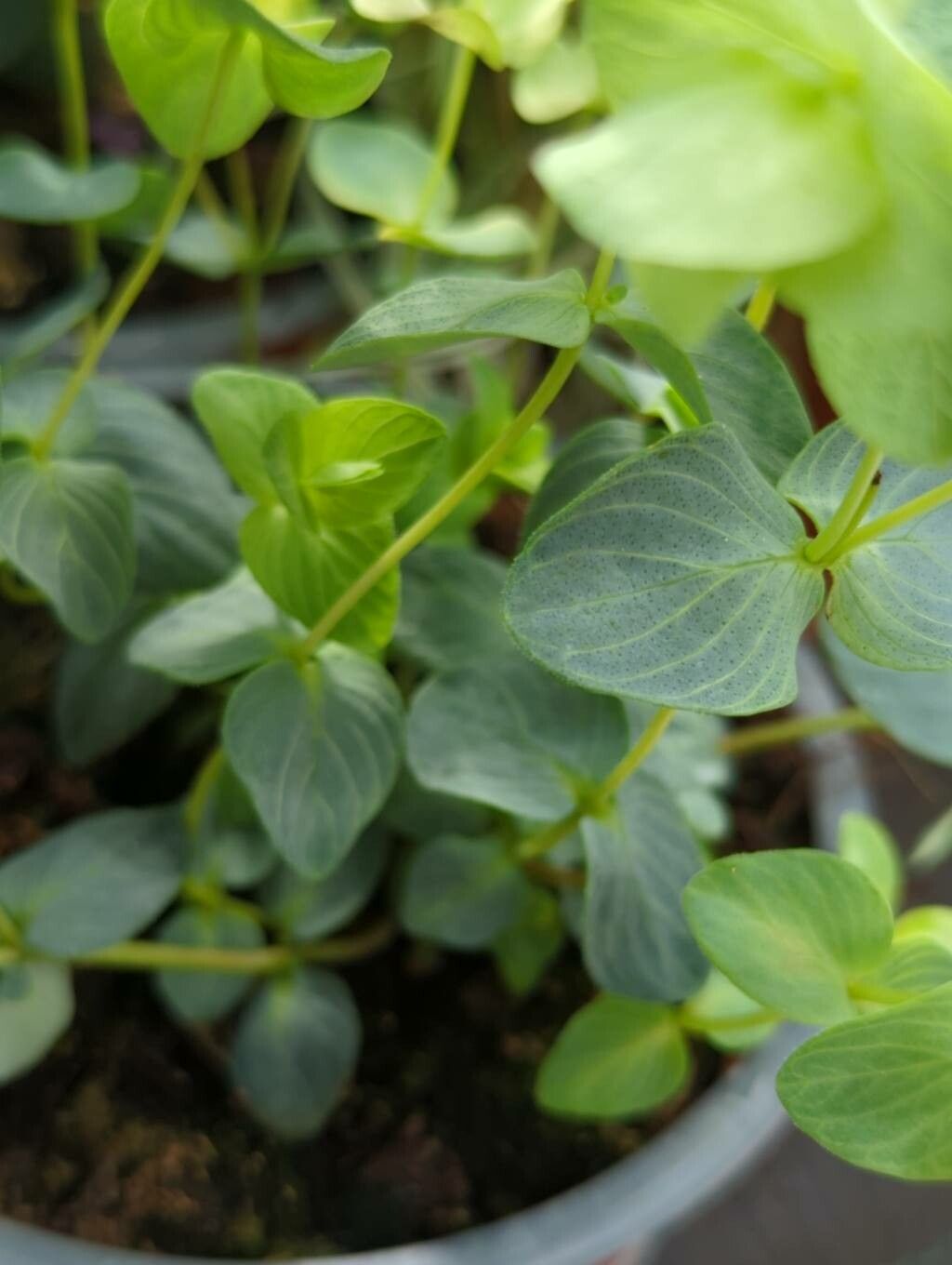
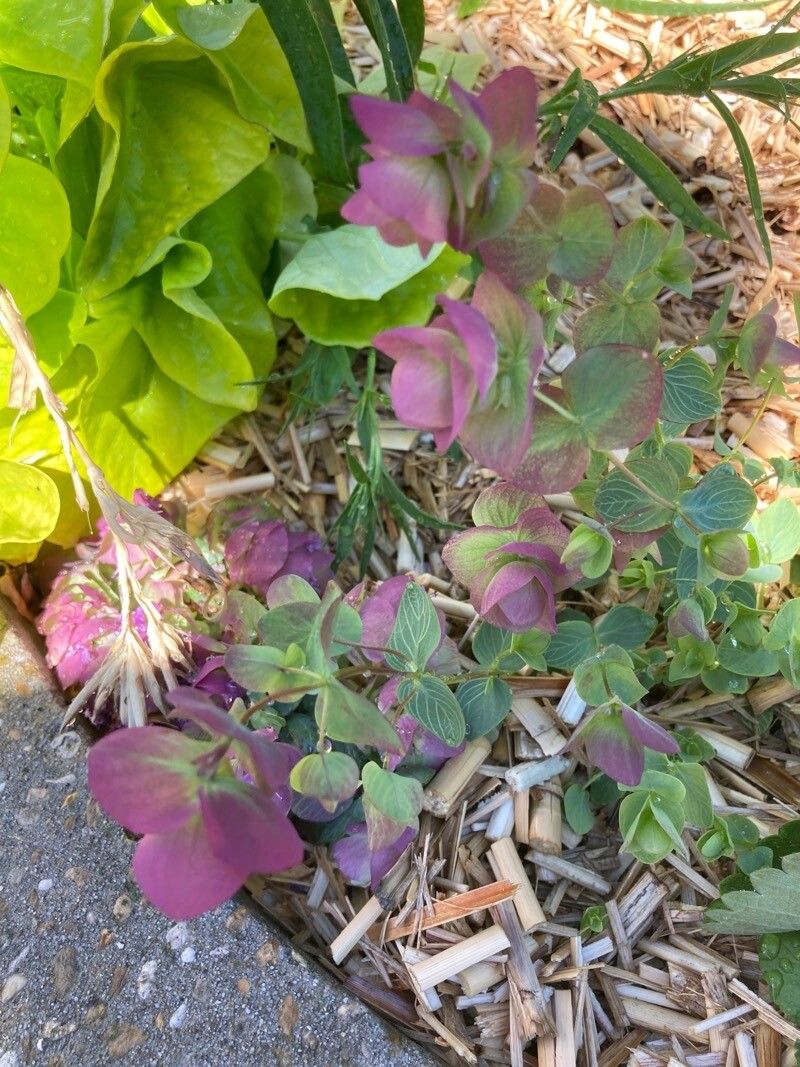
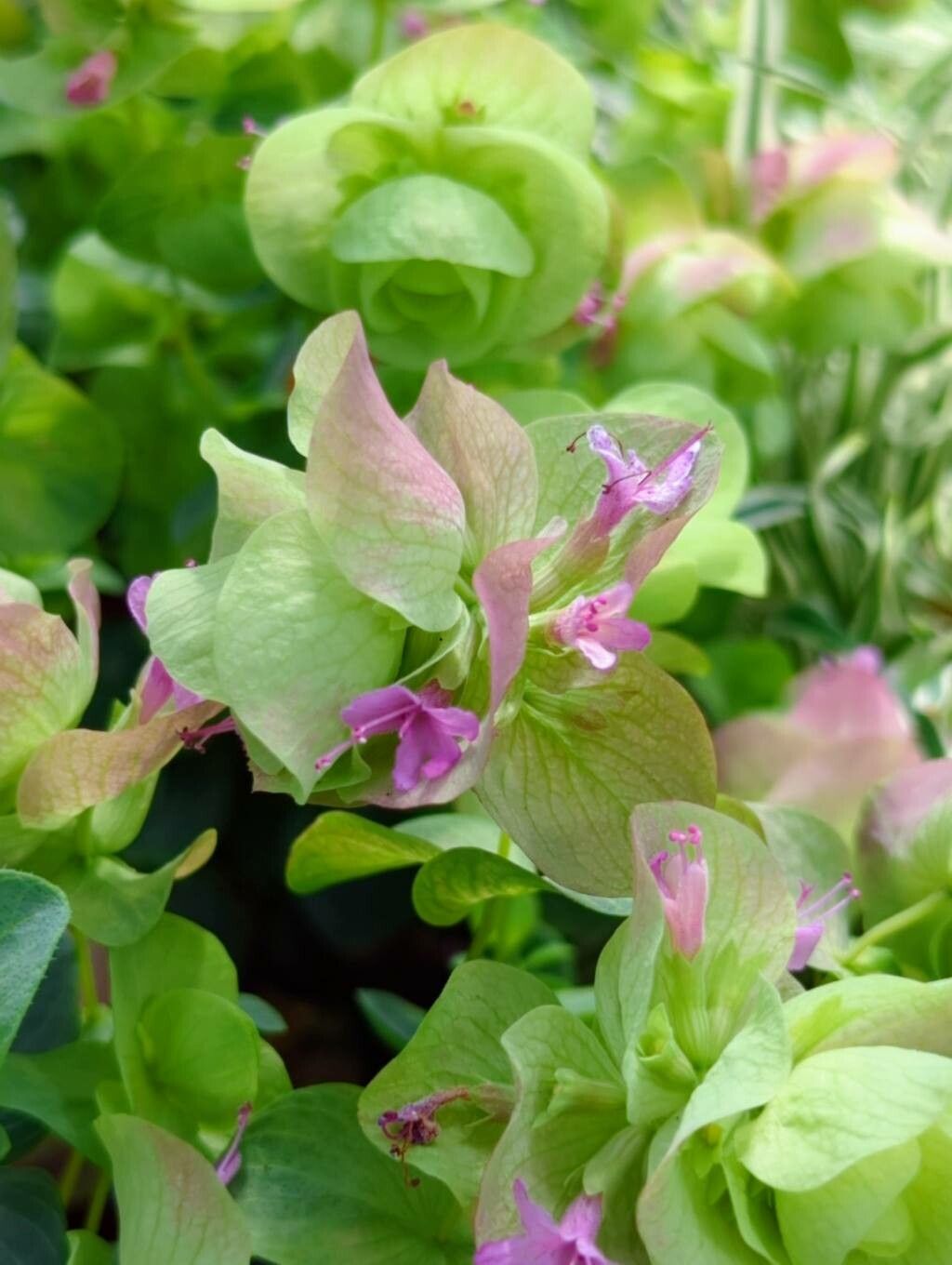
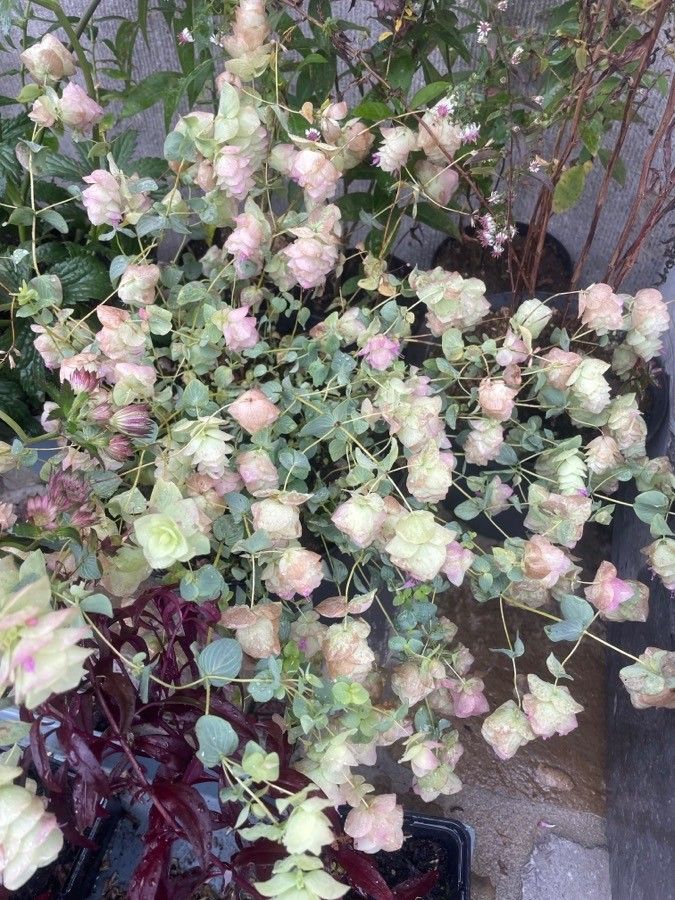
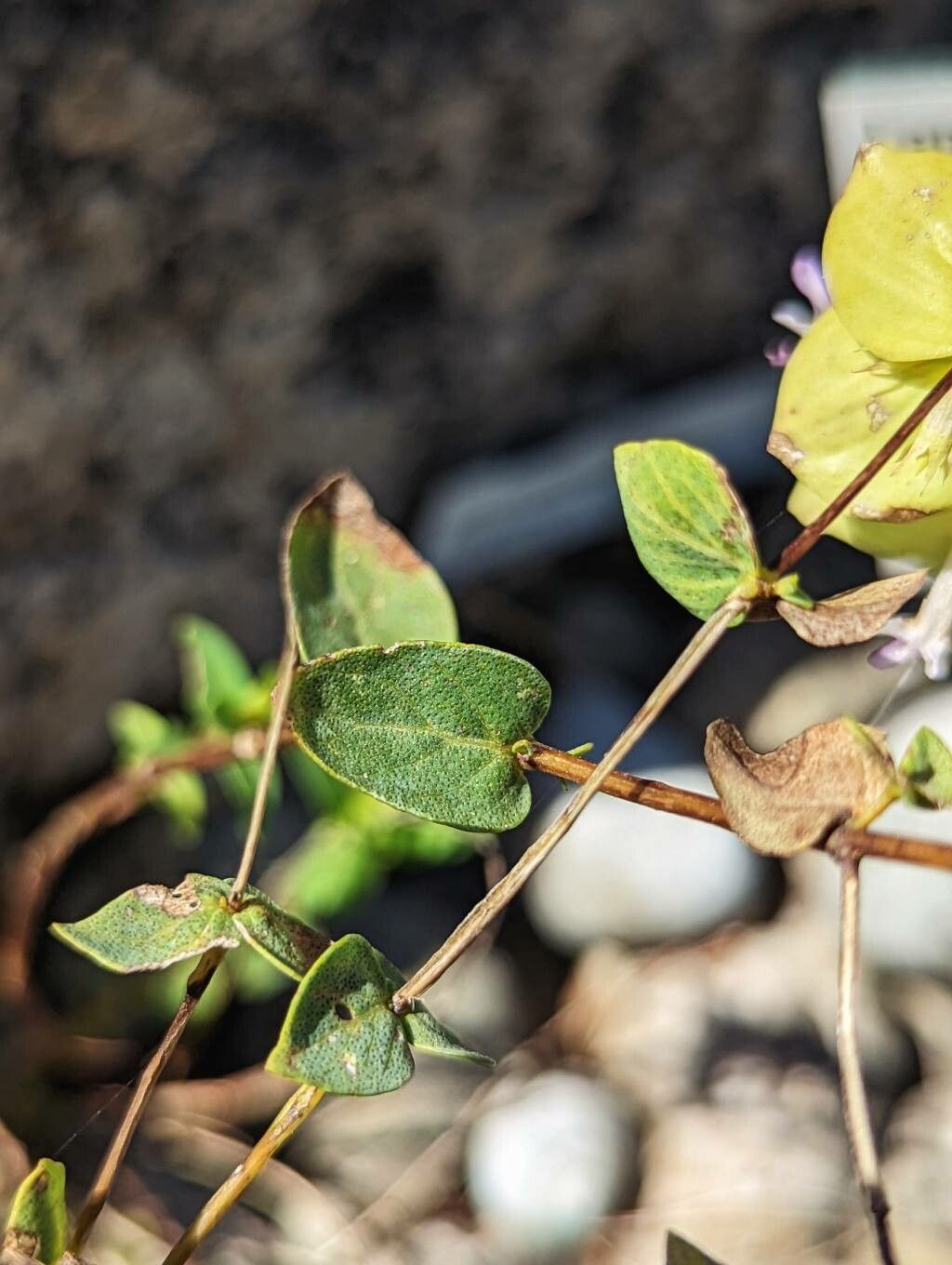
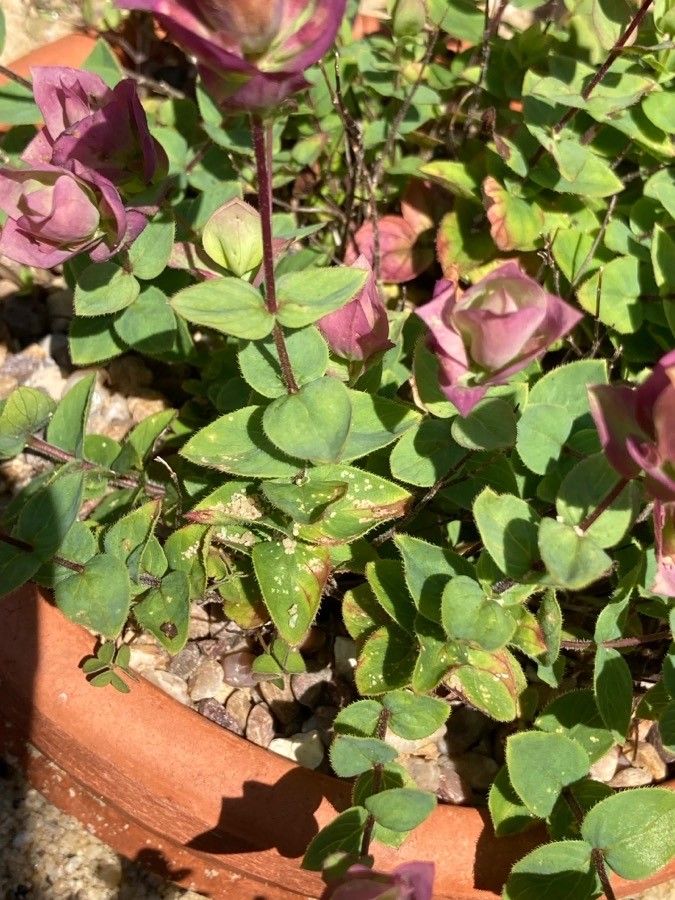
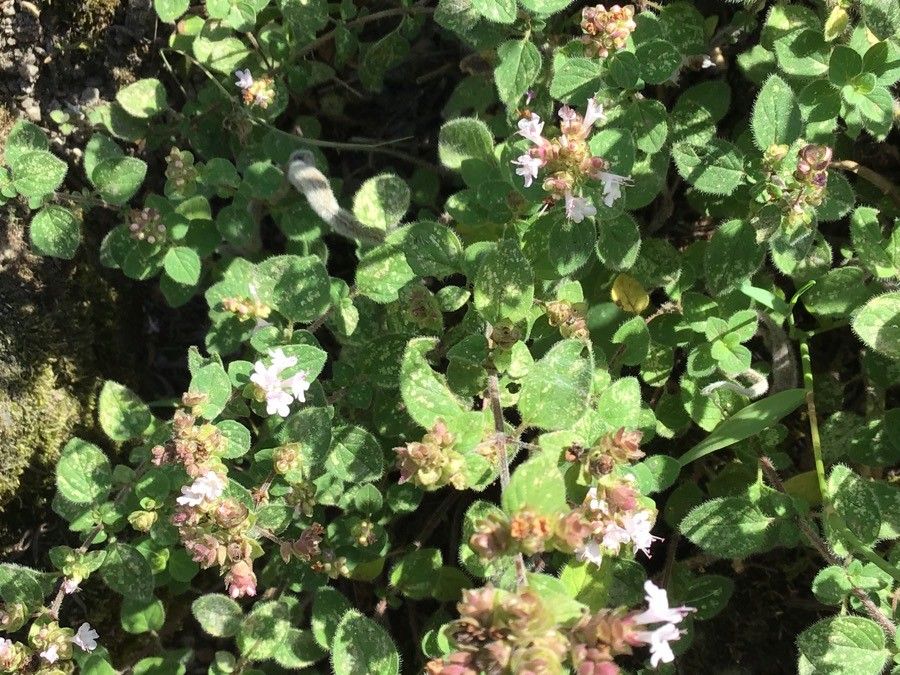
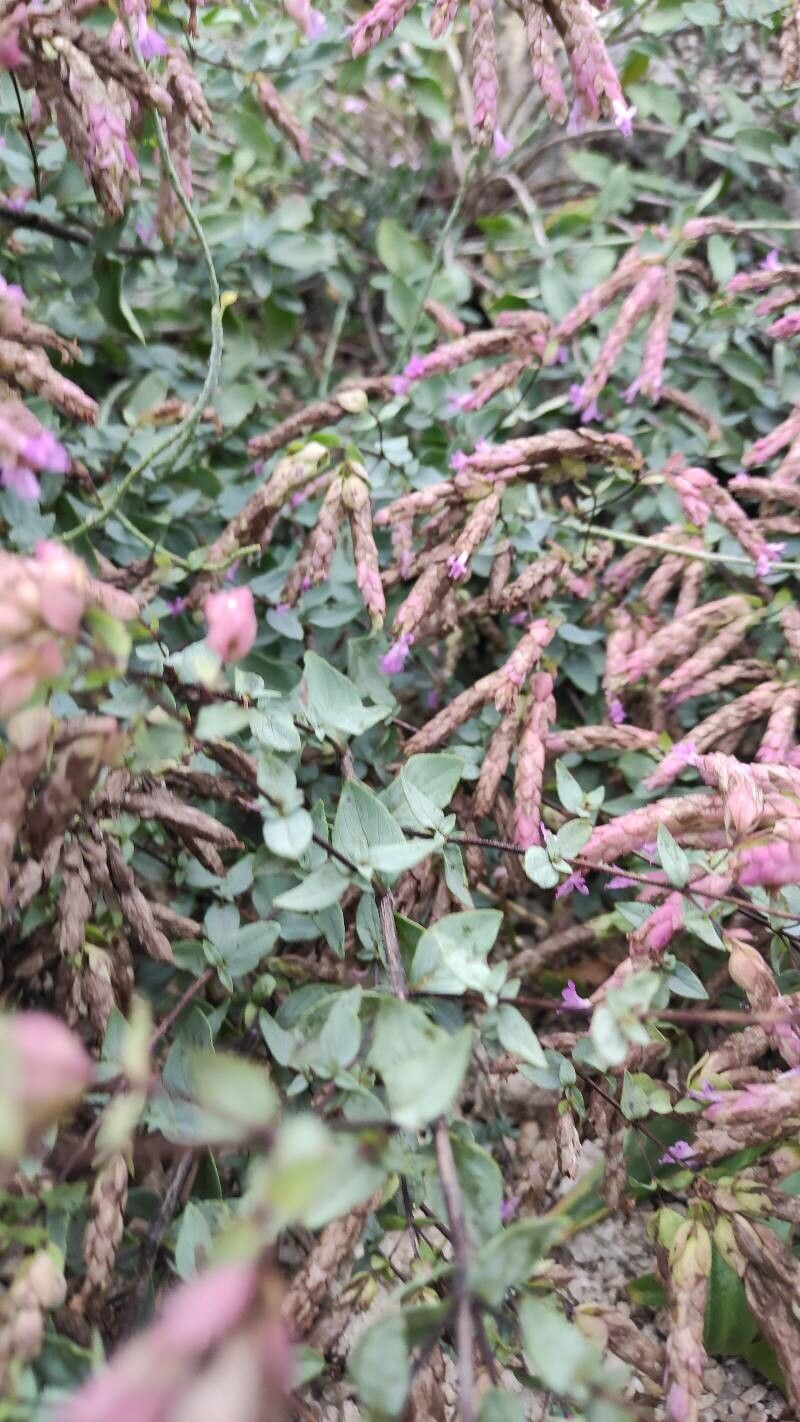
Origanum rotundifolium, the round-leaved oregano, is a species of flowering plant in the family Lamiaceae, native to Turkey, Armenia and Georgia. It is a small woody-based perennial or subshrub growing to 10–30 cm (4–12 in) tall by 30 cm (12 in) wide, with strongly aromatic leaves, and loose clusters of pink flowers with hop-like pale green bracts, throughout the summer.The specific epithet rotundifolium means "round-leaved".This plant is used as a culinary herb, as an ornamental plant in herb gardens and as groundcover in sunny, well-drained situations. It prefers alkaline soil, and dislikes winter wetness. It has gained the Royal Horticultural Society's Award of Garden Merit.
Round-leaved oregano has strong resistance to disease and is generally not prone to illnesses. Still, it can be vulnerable to pests and diseases present in its environment. Such infections are typically mild. Regarding care, this plant needs moderate maintenance. It should be pruned regularly to keep a neat appearance and encourage healthy growth. Fertilizing can also aid in promoting flowering. Round-leaved oregano is appropriate for anyone with outdoor space, like a garden or patio, and does not demand much care experience. It may need more attention when grown indoors.
How to keep Origanum Rotundifolium.
Light
Round-leaved oregano is a perennial herbaceous plant that loves sunlight and comes from open habitats, frequently occurring in meadows and grasslands. It prefers full sun but can also tolerate partial sun.
Water
Round-leaved oregano flourishes in warm, dry environments similar to the Mediterranean, and it prefers well-drained soil with a moderate tolerance for drought. To keep the plant healthy, water it once a week to maintain the right moisture balance. When grown outdoors, round-leaved oregano benefits from rain during the growing season, which means you won't need to water it as often.
Temperature
Round-leaved oregano can tolerate a wide range of temperatures, though its distribution may still be constrained by various combinations of moisture and heat. It does best in warm summer conditions with sufficient rainfall or watering. Long stretches of cloudy, rainy weather or prolonged high temperatures can raise the likelihood of Round-leaved oregano dying. In winter, protecting it from cold can increase the plant's chances of survival.
Fertilizer
The best time to fertilize Round-leaved oregano is in early spring, as it comes out of dormancy and starts active growth. Fertilization supplies essential nutrients for healthy development. While Round-leaved oregano has fairly low fertilization requirements, feeding it once a year can improve its survival and encourage better, longer-lasting flowers.
Pruning
Round-leaved oregano is a hardy and aromatic perennial with distinctive round leaves. To encourage bushy growth, prune the plant in early to late spring by trimming up to one-third of its size. Regularly remove dead flowers, a process known as deadheading, to prolong the blooming period. Be careful to avoid making severe cuts, as maintaining a balanced growth is important. Pruning not only promotes healthy shoots but also prevents the plant from becoming leggy.
Pot & Repot
To encourage optimal growth of round-leaved oregano, repot the plant every 2-3 years during the spring. Use a larger container with well-draining soil. Make sure the plant receives adequate sunlight and water it consistently, allowing the soil to dry out between waterings. This will help ensure a healthy and flavorful harvest.
Botanical profile.
- Plant Type
- Herb
- Life Cycle
- Perennial
- Genus
- Origanum
- Family
- Lamiaceae
- Hardiness Zone
- 5-9
- Mature Height
- 49 cm
- Mature Spread
- 20 cm
- Leaf Color
- Green, Gray, Silver
- Leaf Type
- Deciduous
- Flower Color
- Pink
- Flower Size
- 1.02 cm to 2.03 cm
- Bloom Time
- Summer
- Planting Time
- Spring, Summer
- Harvest Time
- Late summer, Early fall, Mid fall
- Native Area
- Turkey
Other names.
Reader questions.
What are the sunlight requirements for Round-leaved oregano?
Round-leaved oregano, also known as Origanum rotundifolium, thrives best in full sun conditions, requiring above 6 hours of sunlight daily. However, it can also tolerate partial sun, which means about 3-6 hours of sunlight. It's important to monitor the sunlight movement in your garden and select spots that offer an ideal balance of light and shade, ensuring the optimum growth of your plants.
How can indoor Round-leaved oregano plants receive adequate lighting?
For indoor Round-leaved oregano plants that don't get enough natural sunlight, especially during winter or in less sunny spaces, artificial lighting can be a crucial solution. LED lights are recommended due to their ability to be customized to provide specific wavelengths needed by plants. Full sun plants need 30-50W/sq ft, partial sun plants require 20-30W/sq ft, and full shade plants need 10-20W/sq ft of artificial light. The light source should be placed 12-36 inches above the plant, and you should aim to mimic natural daylight hours, usually between 8-12 hours per day.
What are the symptoms of inadequate light for Round-leaved oregano?
Symptoms of light deficiency in Round-leaved oregano include small and lighter-colored new leaves, leggy or sparse growth, faster leaf drop, and slower or no new growth, indicating the plant is in survival mode due to poor light conditions. Additionally, chlorosis (leaves turning yellow), sunscald, leaf curling, wilting, and leaf scorching are signs of excessive sunlight exposure, highlighting the need for proper sunlight management.
What solutions can be applied to resolve inadequate sunlight exposure for Round-leaved oregano?
To address insufficient sunlight exposure for Round-leaved oregano, gradually move the plant to a sunnier location until it receives at least 6 hours of sunlight daily. Indoors, using a south-facing window or artificial plant grow lights for a minimum of 8 hours daily is beneficial. Outdoors, the transition to a sunnier spot should be gradual to prevent sunburn. Reducing obstructions like pruning trees that block sunlight or transplanting the plant to a brighter location with good drainage can also help. Note that parts of the plant that were affected by poor light might not recover, but new growth will be healthy once the light condition improves.