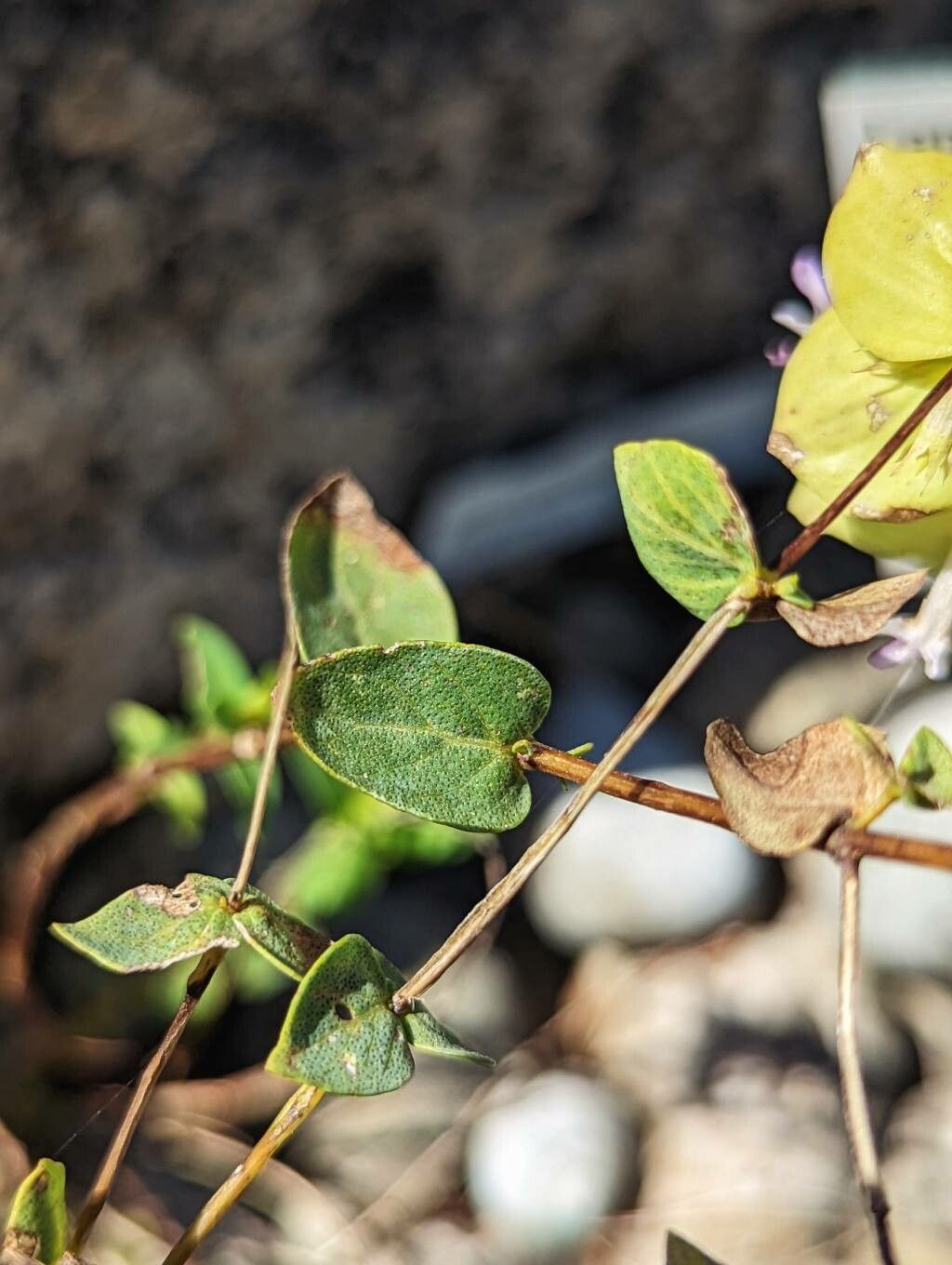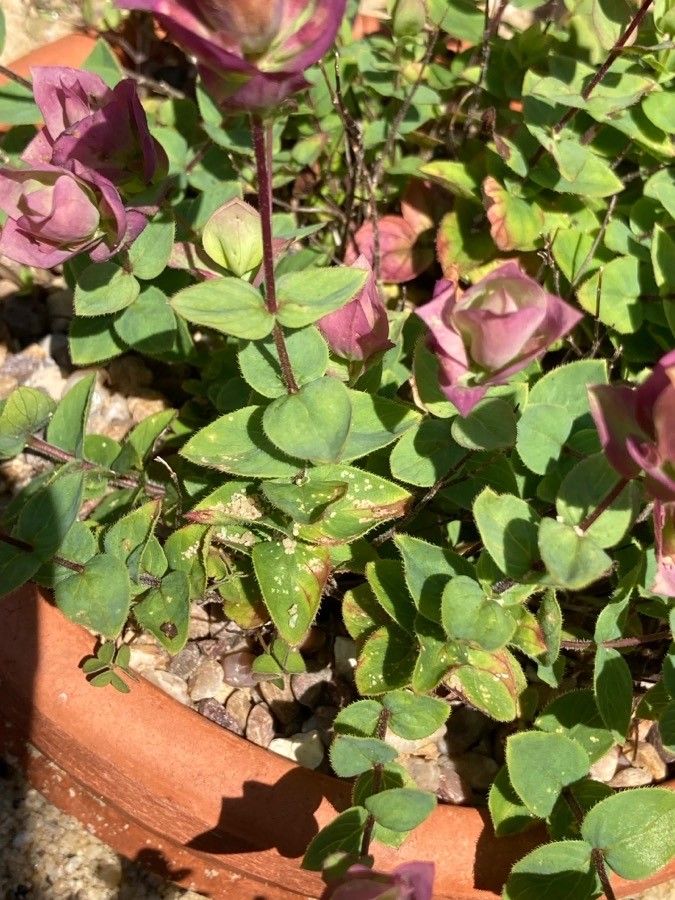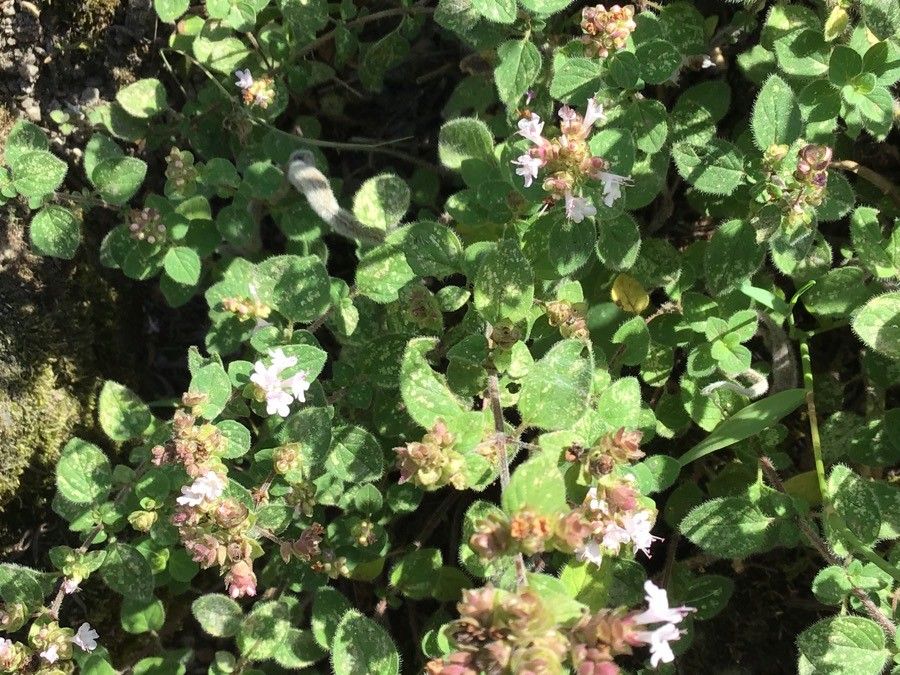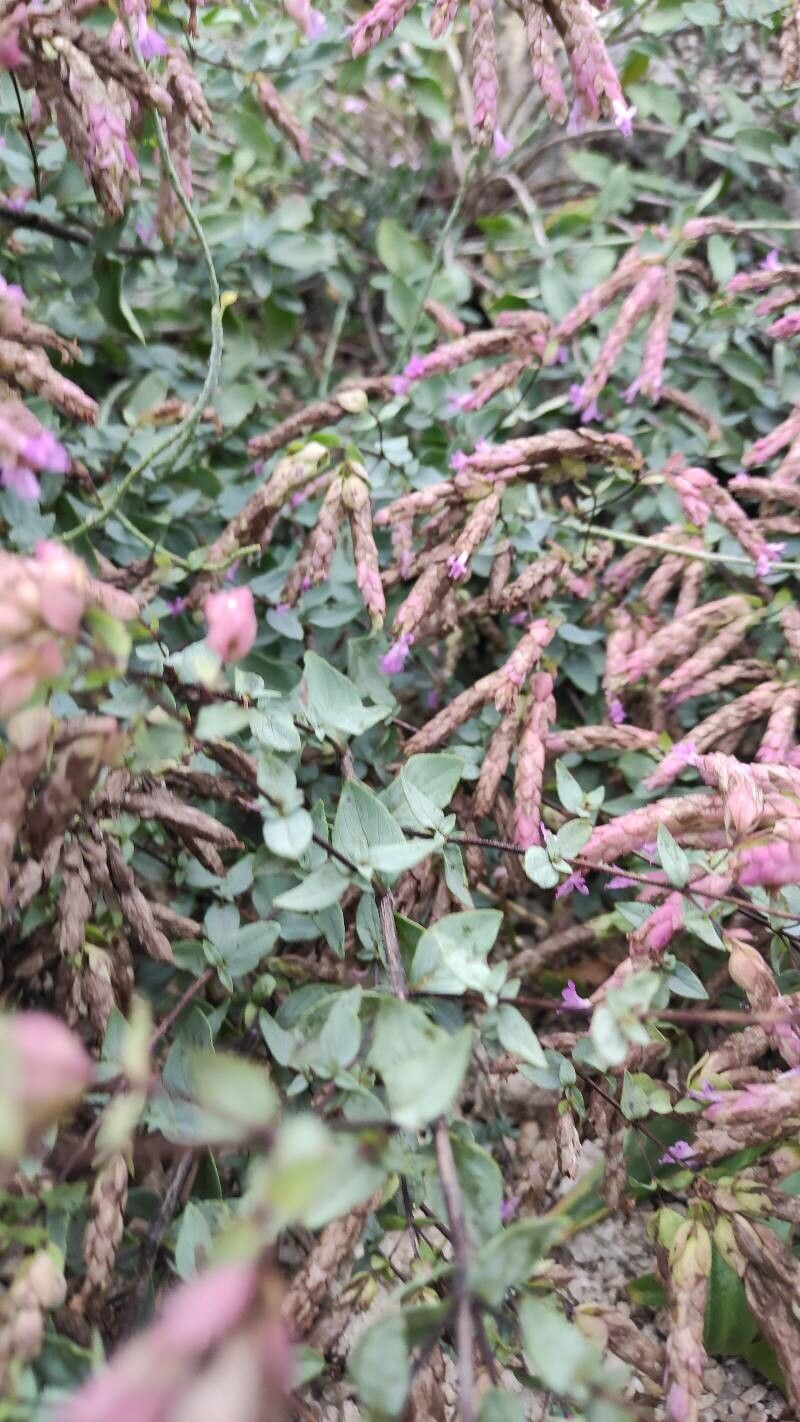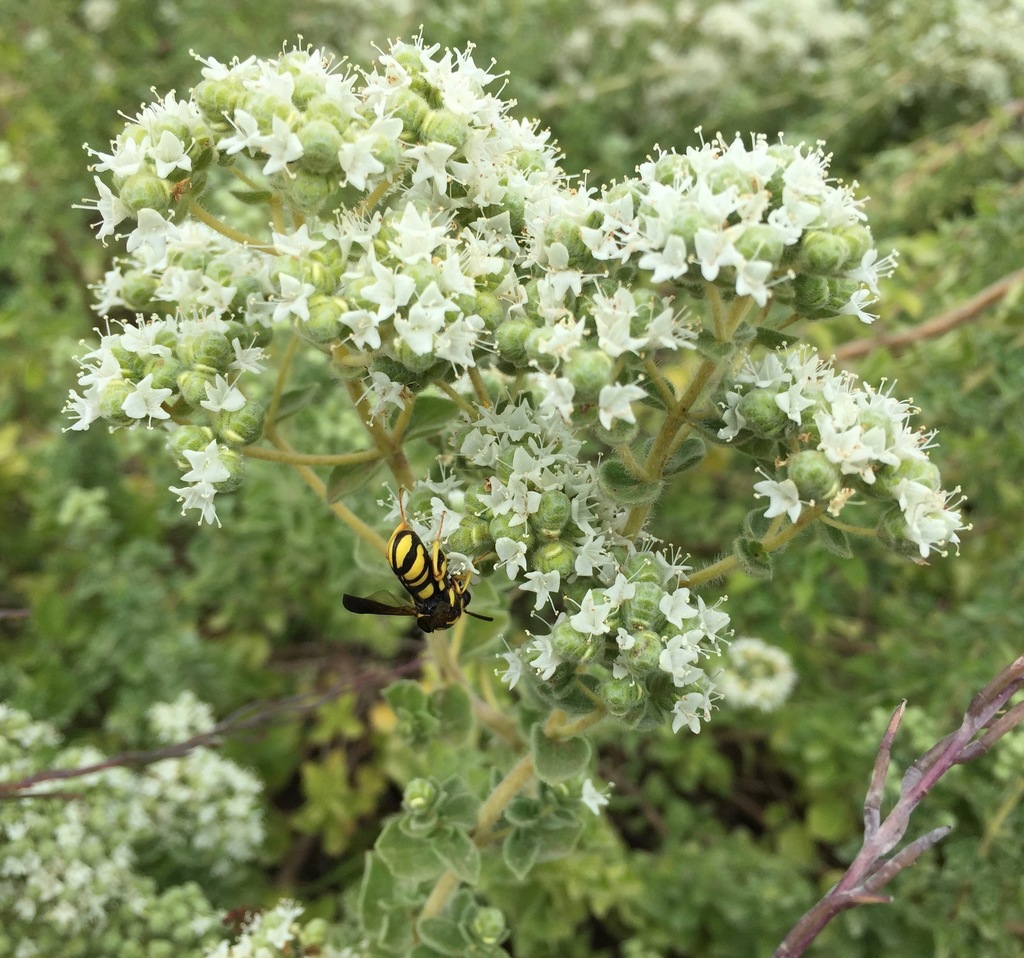
Origanum onites, the Cretan oregano, Greek oregano, pot marjoram or Ellinikí rίgani in Greek (Ελληνική ρίγανη), is a plant species in the genus Origanum found in Sicily, Greece and Turkey. It has similar flavors as oregano. Its essential oil can be distinguished from other species such as Greek oregano (Origanum vulgare ssp. hirtum). It has antimicrobial activities.
Greek oregano shows moderate resistance to disease but can be prone to problems like leaf spot. Its vulnerability to insect pests varies by variety, although most varieties are fairly susceptible to pests. For care, Greek oregano requires regular watering and fertilizing, along with frequent removal of yellow leaves. It is important to address pests and diseases as soon as they appear and to harvest the plant at the appropriate time. Greek oregano is best for people who can commit some time and energy to ongoing care.
How to keep Origanum Onites.
Light
Greek oregano hails from sun-drenched habitats, like open fields and sunny meadows. It thrives best in full sunlight but can also withstand areas of partial sun.
Water
Greek oregano, native to a Mediterranean climate, flourishes in dry, sunny conditions. It is drought-tolerant and thrives best in well-drained soil, requiring only weekly watering to maintain adequate moisture. When grown outdoors, Greek oregano benefits from ample sunlight and good air circulation, which optimize its growth. Proper balance of water and light exposure further enhance its development.
Temperature
Greek oregano prefers temperate climates, much like conditions humans typically find agreeable. It performs best in environments that are not excessively hot or cold. Exposure to excessive heat increases the plant's susceptibility to sunburn, hence during summer periods, it's recommended to shield it from extreme heat by providing some shade. When the temperatures decrease, Greek oregano goes into dormancy. If the aim is to keep the plant growing throughout the year, warmer temperatures must be ensured during the winter months. The plant can be harmed by frost, so it's essential to steer clear of it.
Fertilizer
For optimal yield and taste of Greek oregano, make sure there's plenty of nitrogen present throughout the growing phase, including before planting and during harvest. Plants that are well-hydrated and properly fertilized yield plentiful, robust leaves and help reduce bitterness. Before planting, enhance the soil with organic substances such as compost or manure, preferably 2 to 8 weeks ahead.
Pruning
Greek oregano is known for its aromatic leaves and woody stems, and it benefits from regular pruning. In the spring, cut back up to one-third of the plant to encourage bushiness. Be sure to promptly remove any dead stems. Proper pruning not only enhances the plant’s health and flavor but also supports robust regrowth and prolongs the harvest. Always use sanitized tools to prevent disease.
Pot & Repot
Greek oregano should be repotted every 2-3 years in the spring to ensure optimal growth. When you repot it, choose a slightly larger container that provides good drainage. After repotting, place the plant in a sunny spot and water it moderately. This will help the oregano recover and maintain healthy foliage, perfect for culinary use.
Botanical profile.
- Plant Type
- Herb
- Life Cycle
- Perennial
- Genus
- Origanum
- Family
- Lamiaceae
- Hardiness Zone
- 5-11
- Mature Height
- 15 cm
- Mature Spread
- 30 cm
- Leaf Color
- Green
- Leaf Type
- Semi-evergreen
- Flower Color
- White
- Flower Size
- 0.51 cm to 0.76 cm
- Bloom Time
- Summer, Early fall
- Planting Time
- Spring, Summer, Autumn
- Harvest Time
- Late summer, Fall
- Native Area
- Italy, Turkey, Greece