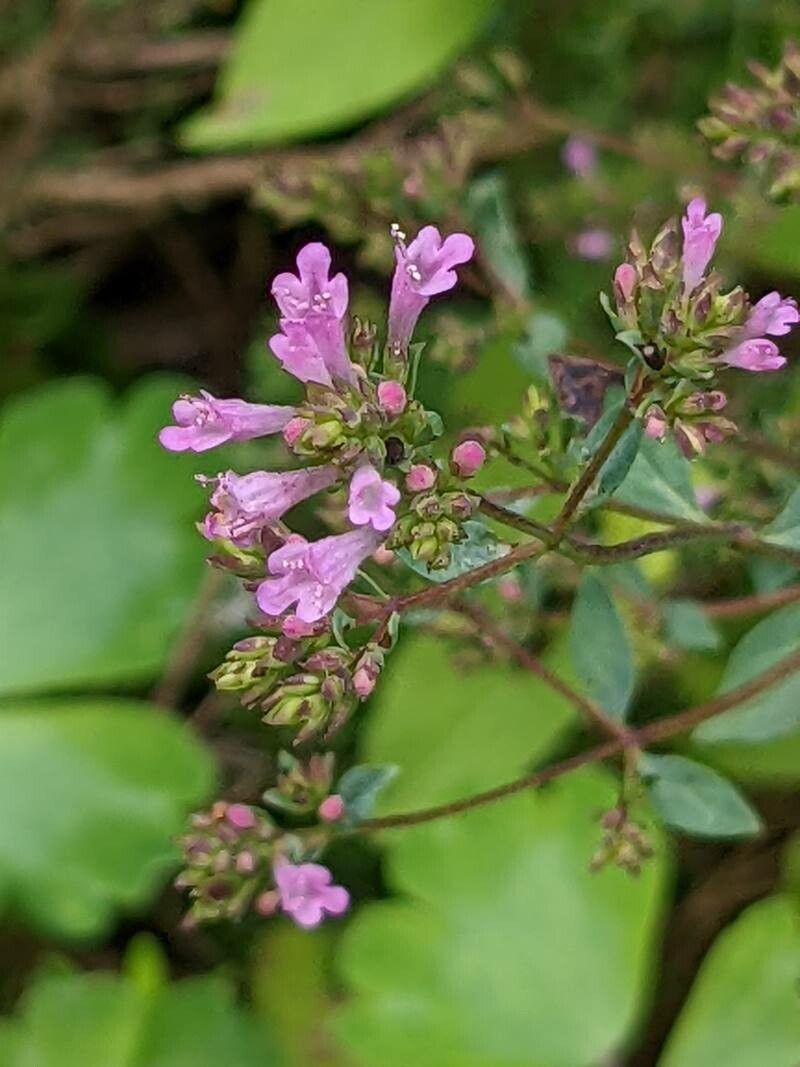
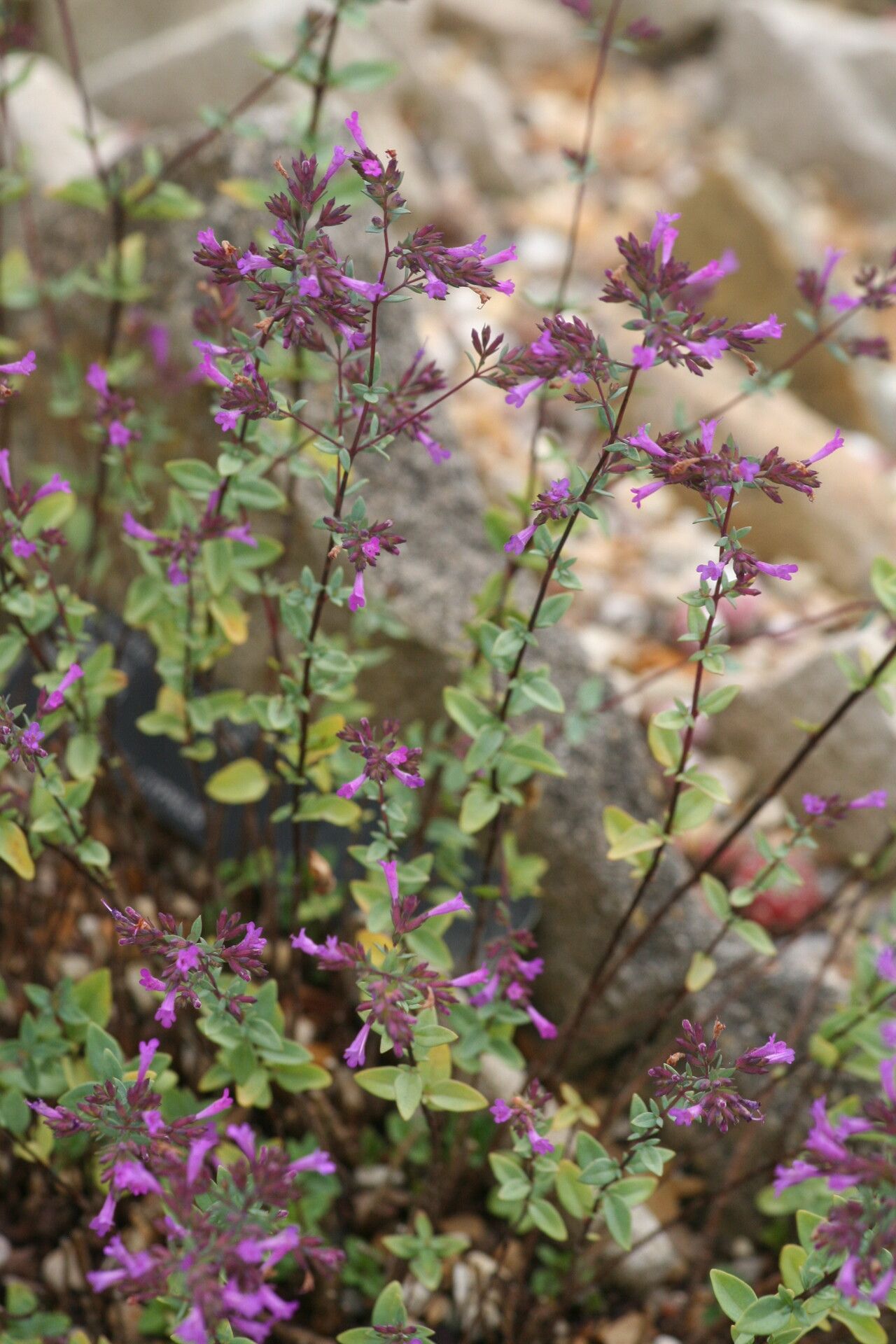
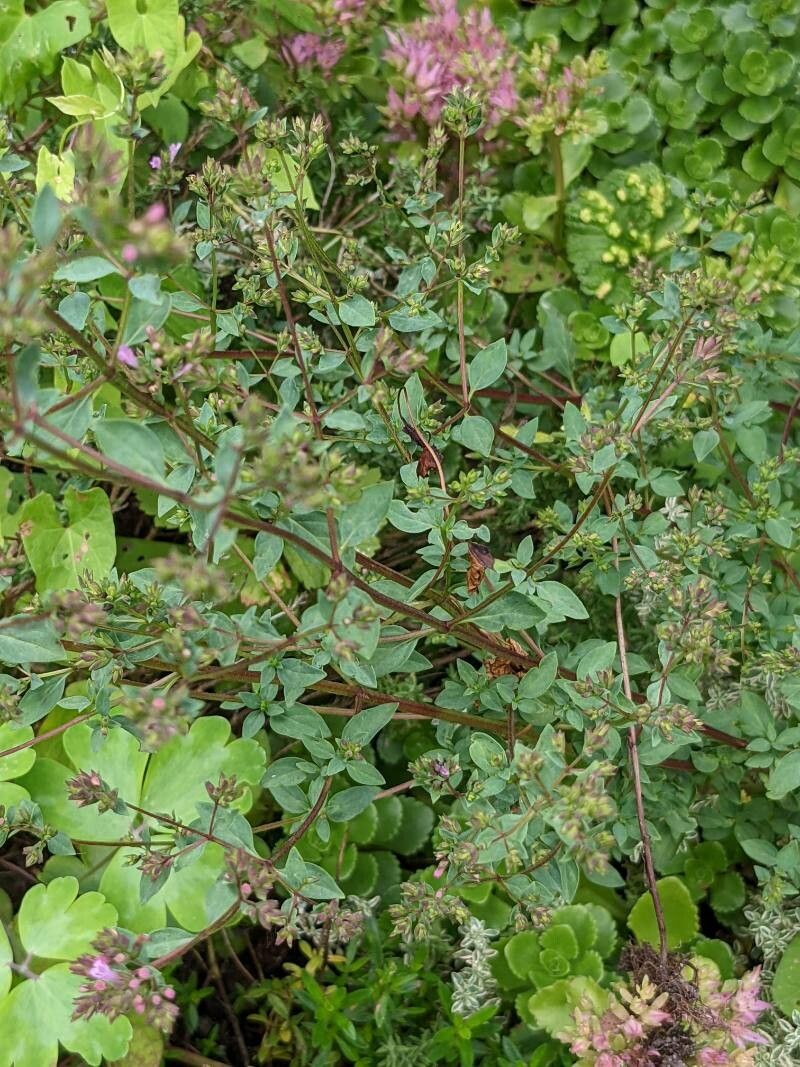
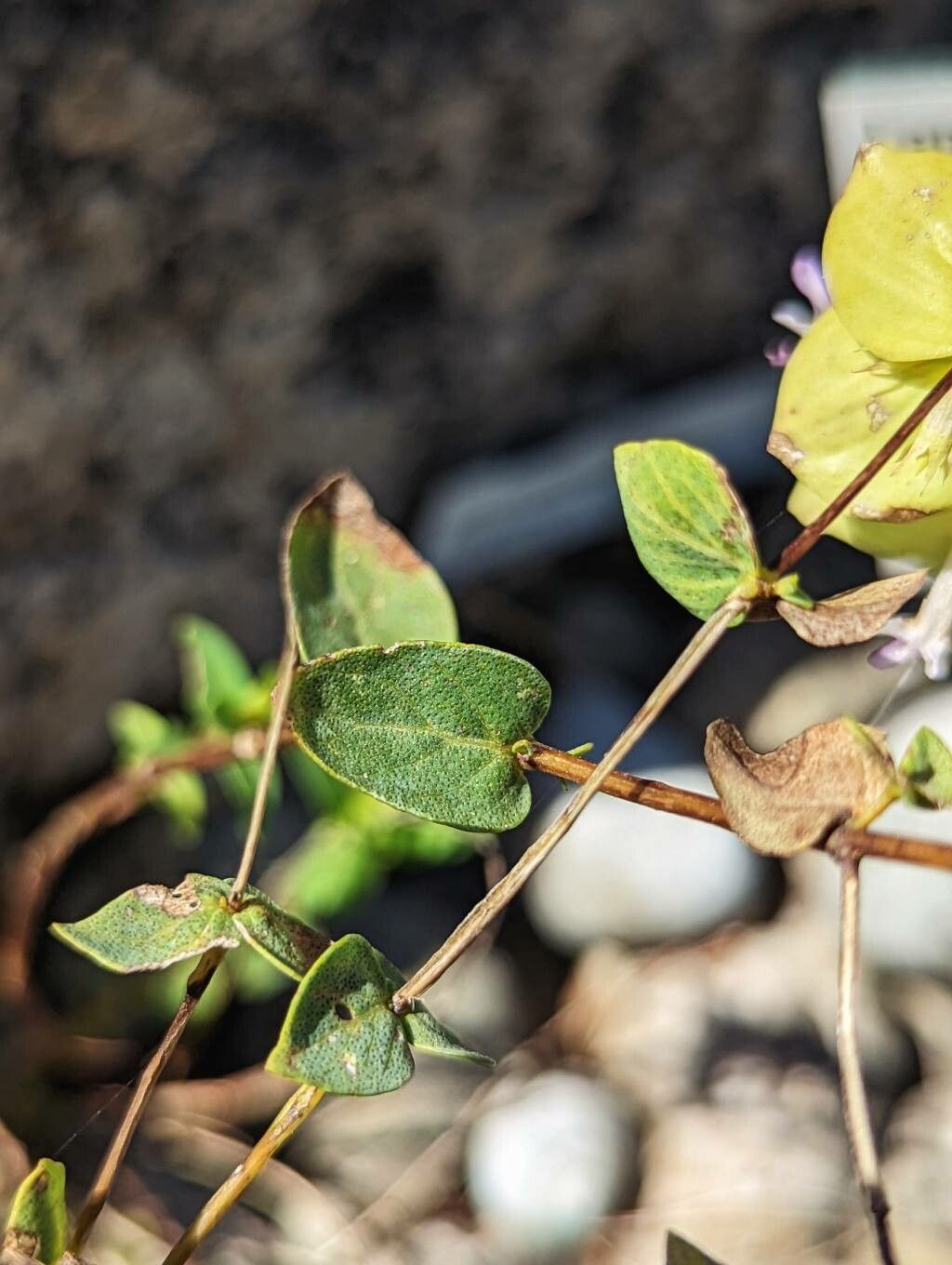
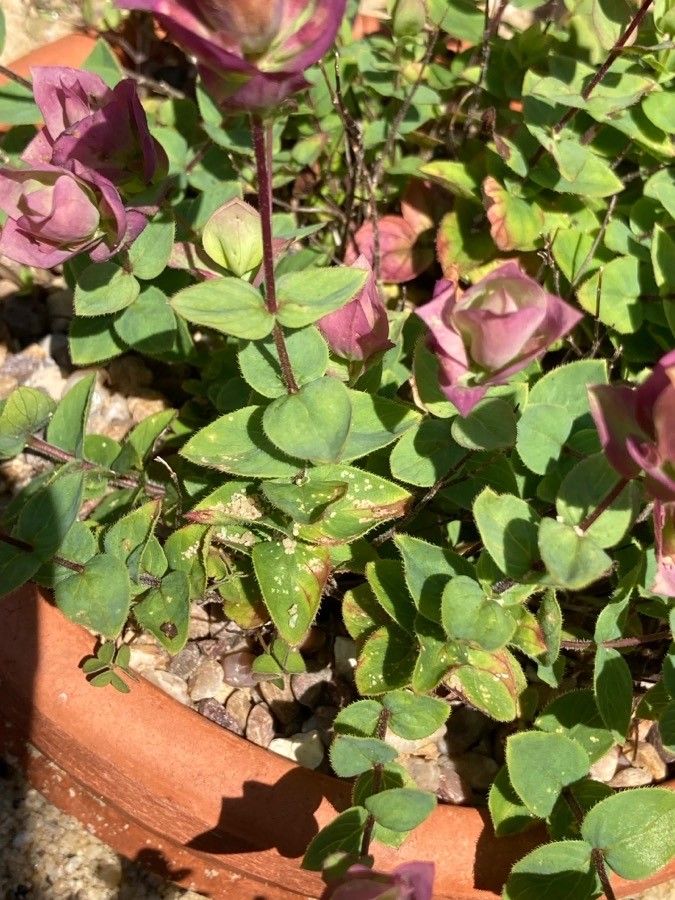
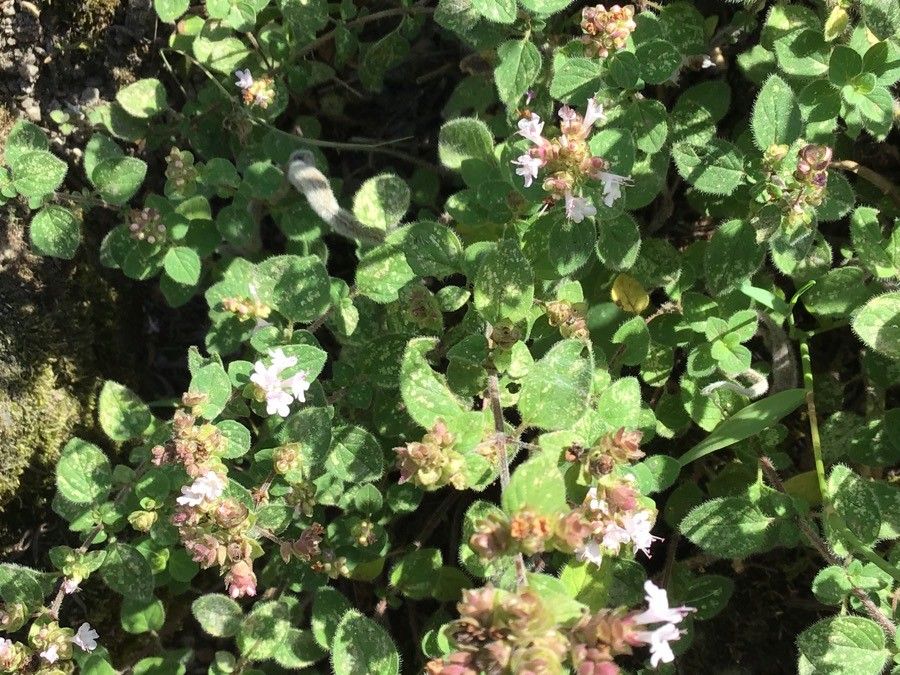
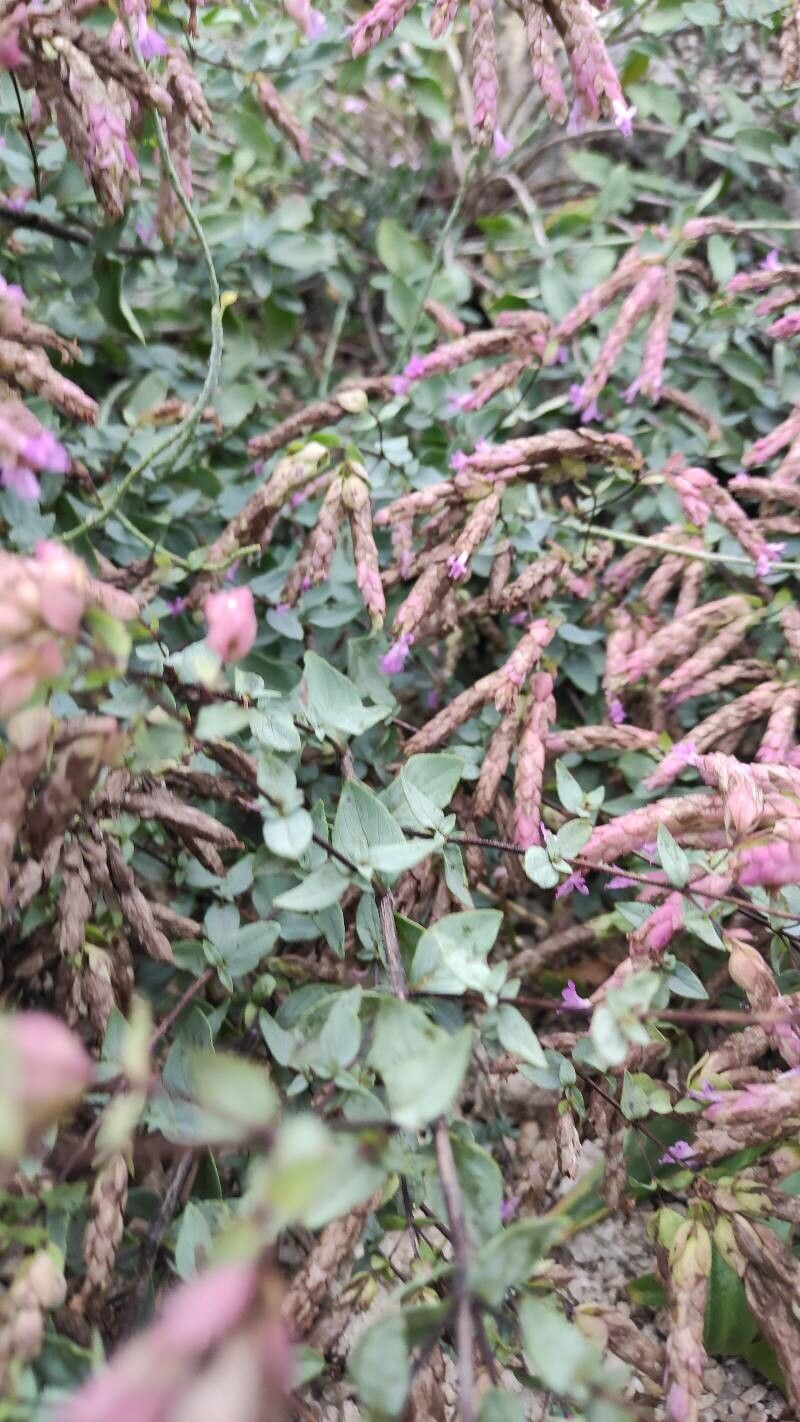
Origanum laevigatum is a species of flowering plant in the family Lamiaceae, native to Cyprus, Syria, and Turkey. Growing to 50–60 cm (20–24 in) tall by 45 cm (18 in) wide, it is a woody-based perennial, with strongly aromatic leaves, and loose clusters of pink funnel-shaped flowers with persistent purple bracts, throughout the summer.This plant is used as a culinary herb, as an ornamental plant in herb gardens, and as groundcover in sunny, well-drained situations. It tolerates poor soil, but dislikes winter wetness. The species, and the cultivars ‘Rosenkuppel’ and 'Herrenhausen' have gained the Royal Horticultural Society's Award of Garden Merit.
Ornamental oregano is fairly resistant to diseases and generally does not suffer from many ailments. However, it can be vulnerable to pests and diseases present in its surroundings. These problems are usually not serious. In terms of care, this plant needs moderate maintenance. It should be pruned regularly to maintain a neat appearance and encourage healthy growth. Fertilizing can also help increase flowering. Ornamental oregano is suitable for anyone with outdoor space, such as a garden or patio, and does not require extensive gardening experience. When grown indoors, it may need more attentive care.
How to keep Origanum Laevigatum.
Light
Ornamental oregano is a sun-loving, perennial herbaceous plant that comes from open habitats and is commonly found in meadows and grasslands. It prefers full sun but can also tolerate partial sun.
Water
Ornamental oregano thrives in well-drained soil with minimal water, reminiscent of its native Mediterranean environment. It should be watered every 1 to 2 weeks, allowing the soil to dry out slightly between waterings. Preferring full sun, ornamental oregano is adapted to grow during periods of natural infrequent rainfall, demonstrating its drought tolerance.
Temperature
Ornamental oregano can tolerate a wide range of temperatures, but its distribution may still be constrained by different combinations of water and heat. It does best in warm summer climates with sufficient rainfall or watering. Extended periods of cloudy, rainy weather or persistently high temperatures increase the chance that ornamental oregano will die. In winter, adequate protection from cold improves the plant’s chances of survival.
Fertilizer
The best time to fertilize ornamental oregano is in early spring, when it is coming out of dormancy and beginning active growth. Fertilizing supplies essential nutrients needed for healthy development. Although ornamental oregano requires relatively little fertilization, feeding it once a year can improve its survival and encourage better, longer-lasting flowers.
Pruning
Ornamental oregano is known for its fragrant leaves and bright blooms. To encourage new growth, prune old stems in early spring, and do a light trim after the plant flowers to keep its shape. Regularly remove spent flowers to boost the plant's vitality. When pruning, make cuts just above the leaf nodes to improve air circulation and maintain overall plant health.
Pot & Repot
Repot ornamental oregano every 2-3 years in early spring, choosing a slightly larger pot each time. Use well-draining soil and water it daily for the first week. Ensure the plant receives full sunlight and trim it regularly to encourage dense growth.
Botanical profile.
- Plant Type
- Herb
- Life Cycle
- Perennial
- Genus
- Origanum
- Family
- Lamiaceae
- Hardiness Zone
- 5-9
- Mature Height
- 30 cm to 61 cm
- Mature Spread
- 46 cm to 61 cm
- Leaf Color
- Purple, Green
- Leaf Type
- Semi-evergreen
- Flower Color
- Pink, Purple
- Flower Size
- 0.51 cm to 1.02 cm
- Bloom Time
- Summer, Early fall
- Planting Time
- Spring, Autumn
- Harvest Time
- Late summer, Fall
- Native Area
- Cyprus, Turkey
Reader questions.
What are the sunlight requirements for Ornamental Oregano (Origanum laevigatum)?
Ornamental Oregano, or Origanum laevigatum, thrives in conditions that meet its sunlight requirements, which are categorized into two. The plant needs 'full sun' for optimal growth, defined as receiving above 6 hours of sunlight daily. Alternatively, 'partial sun' is also suitable for this plant, meaning it can grow with about 3-6 hours of sunlight each day. It's essential to observe the patterns of sunlight movement throughout your garden to select the best spots that offer a healthy balance of light and shade, ensuring the plants' well-being.