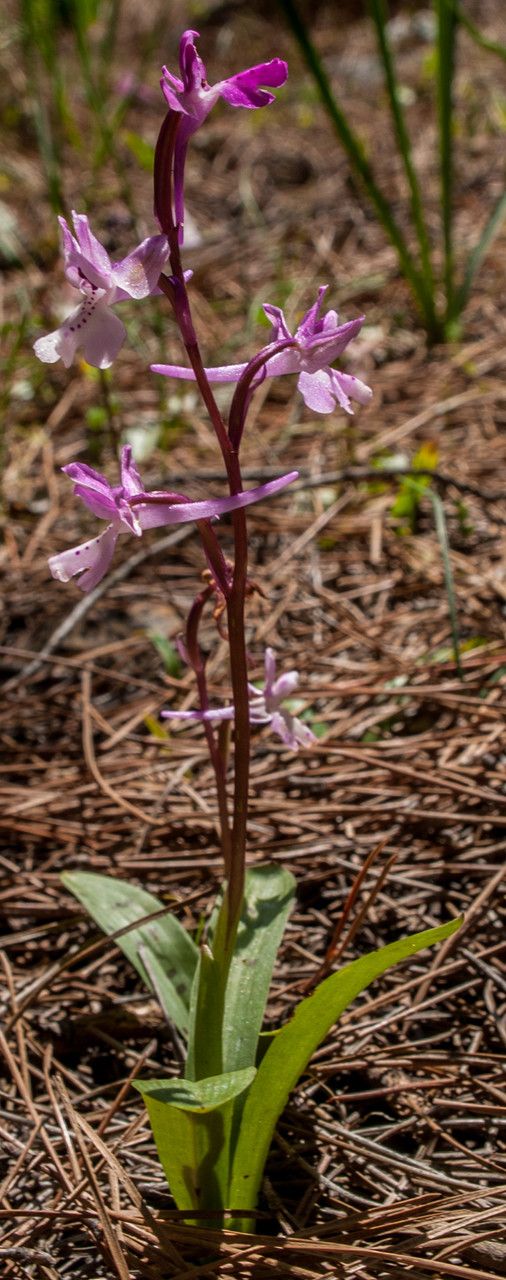
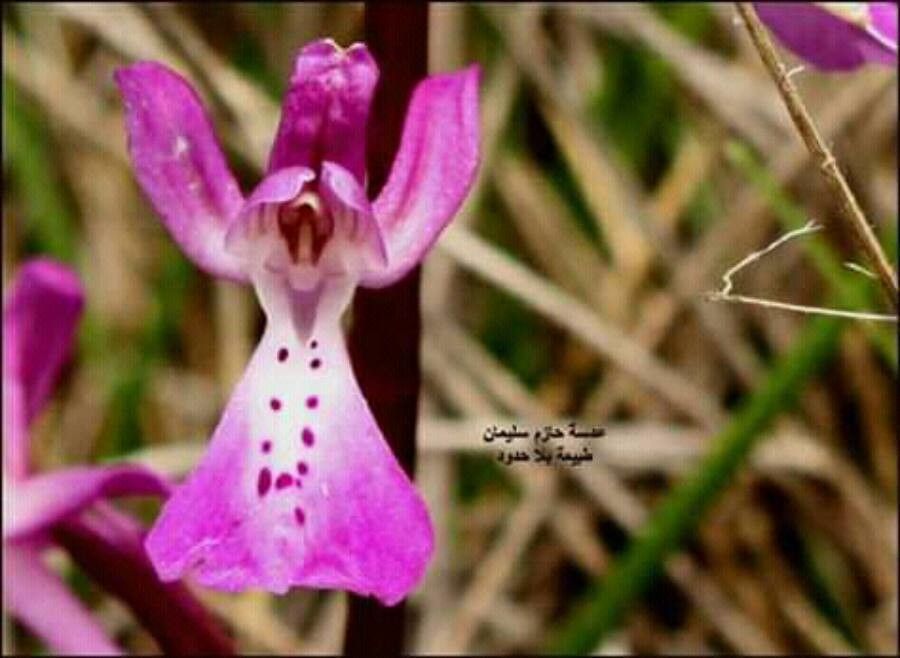
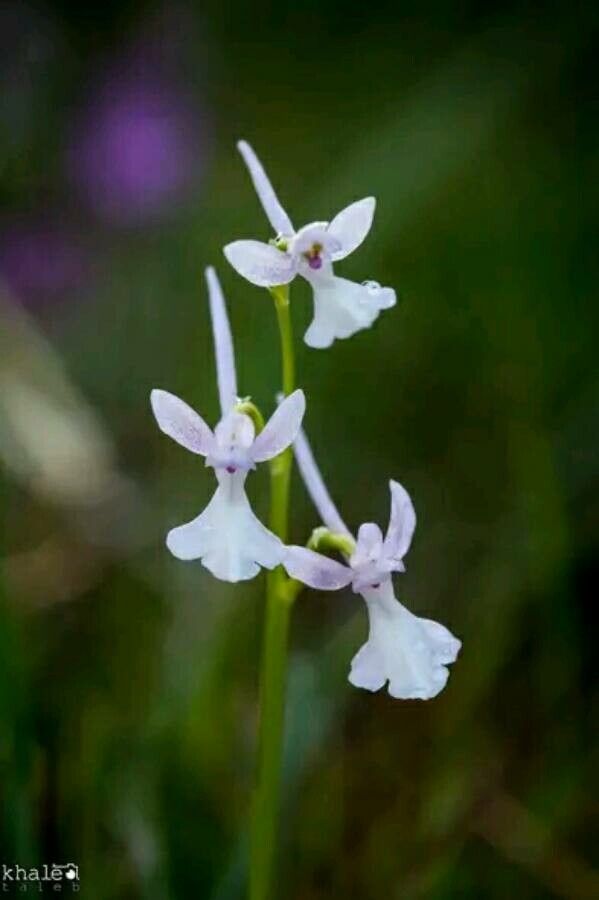
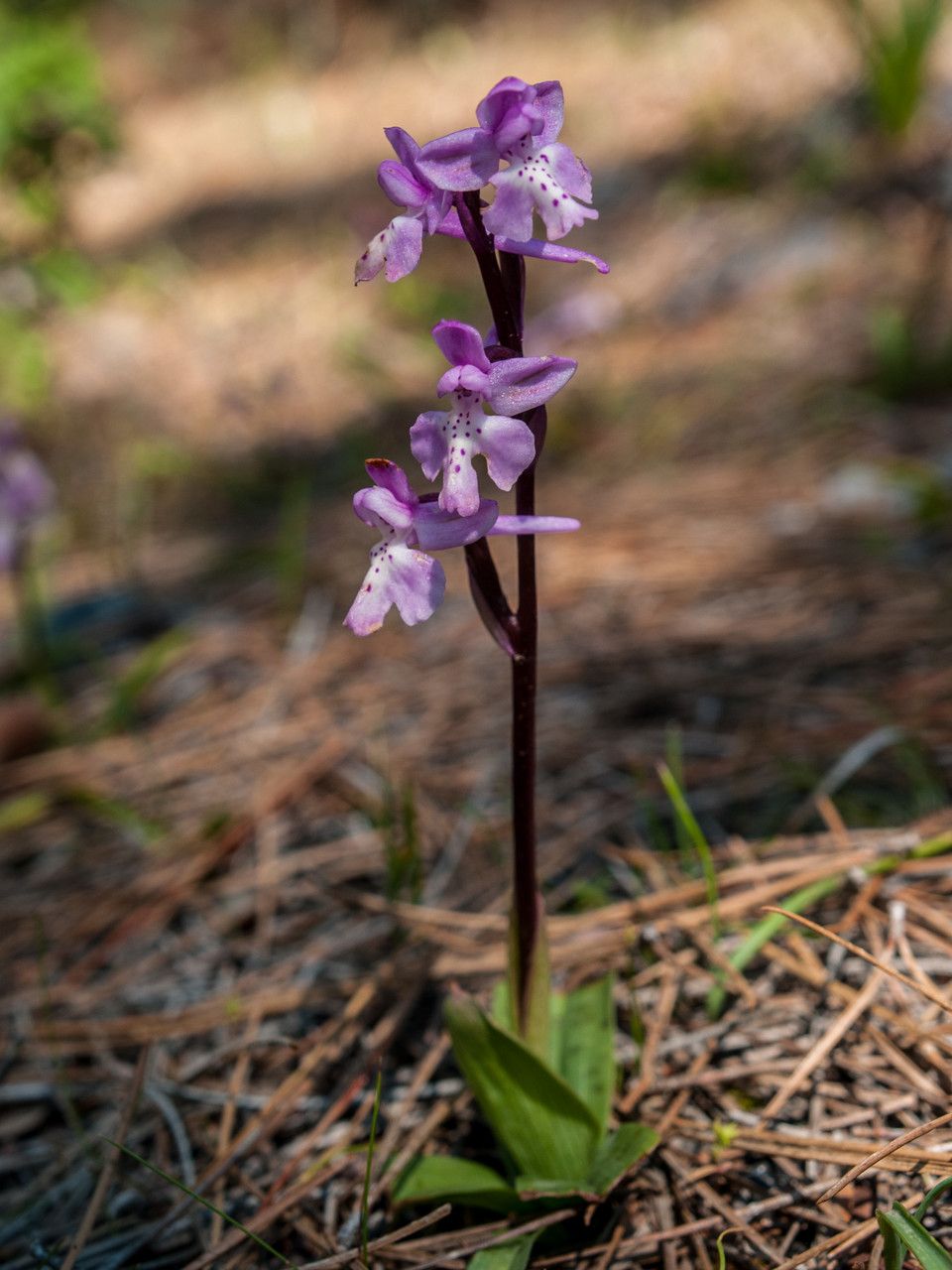
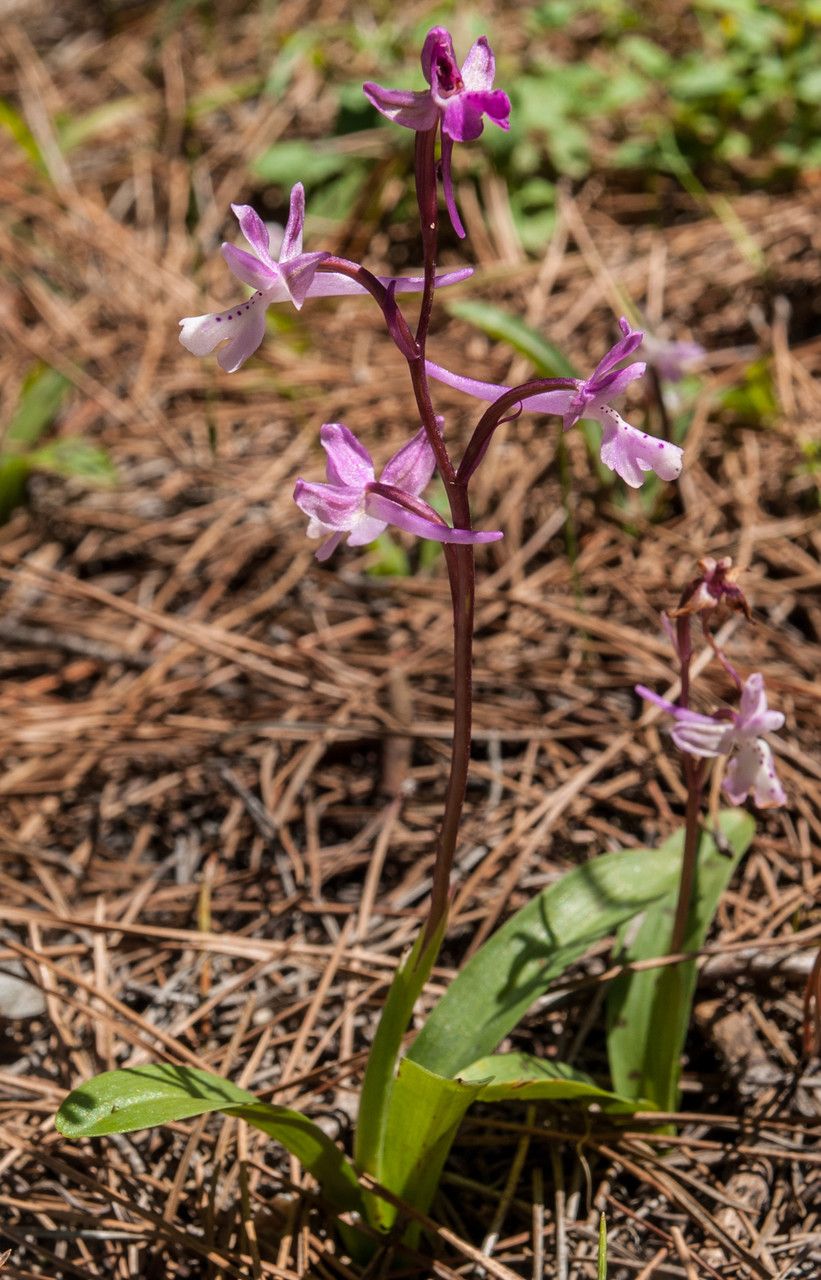
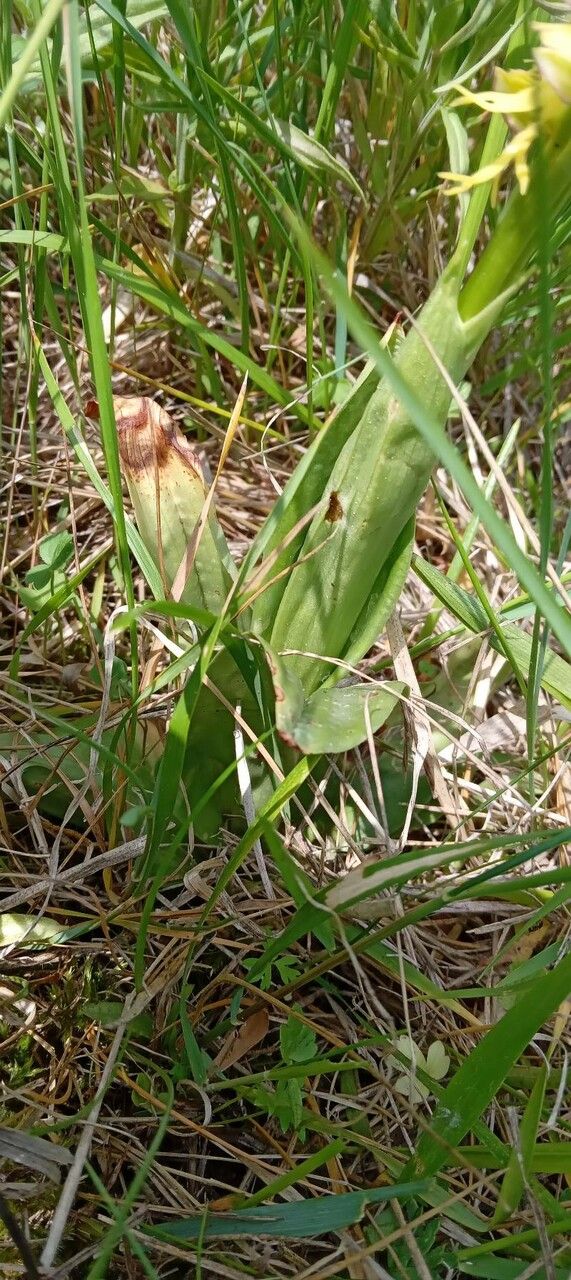
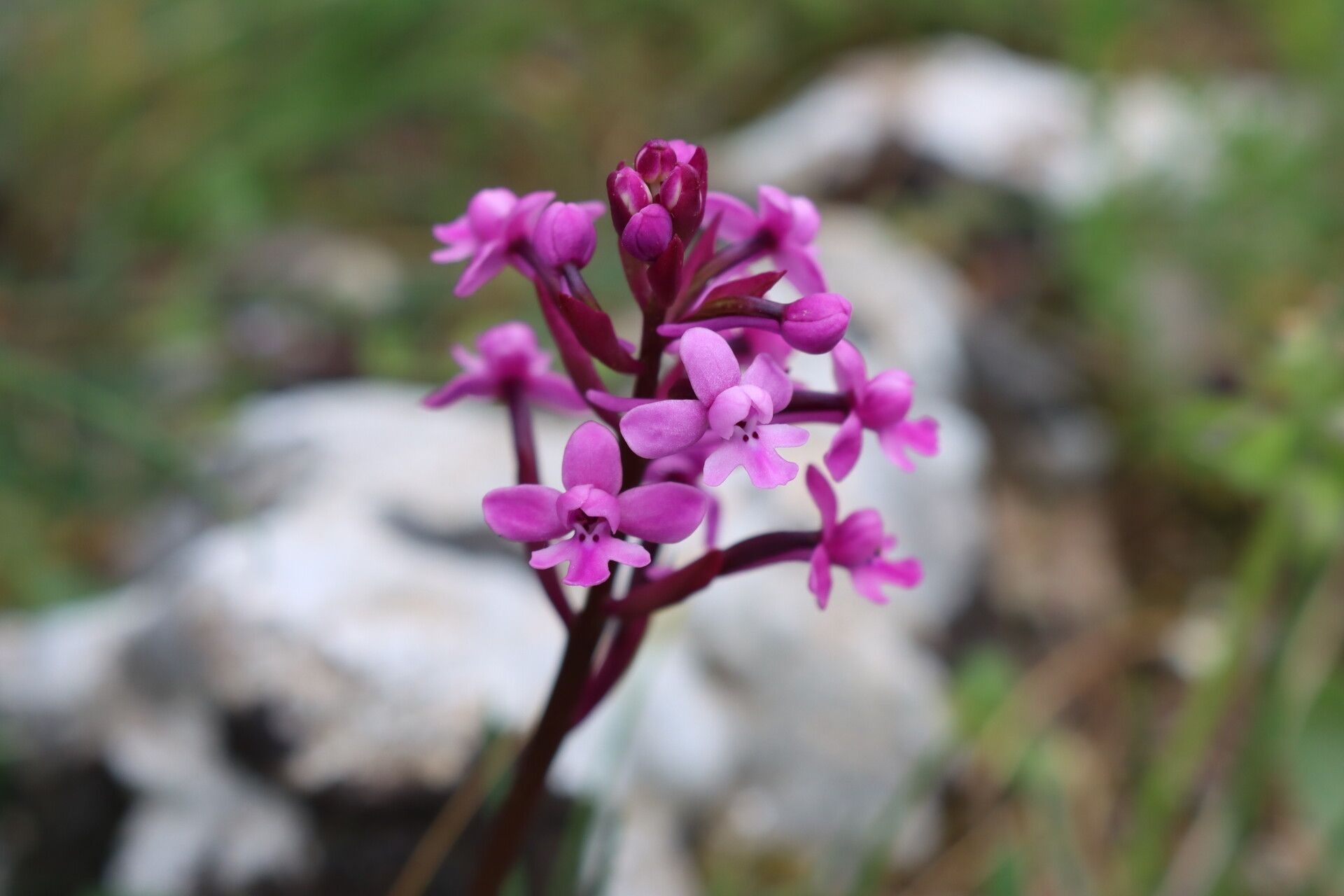
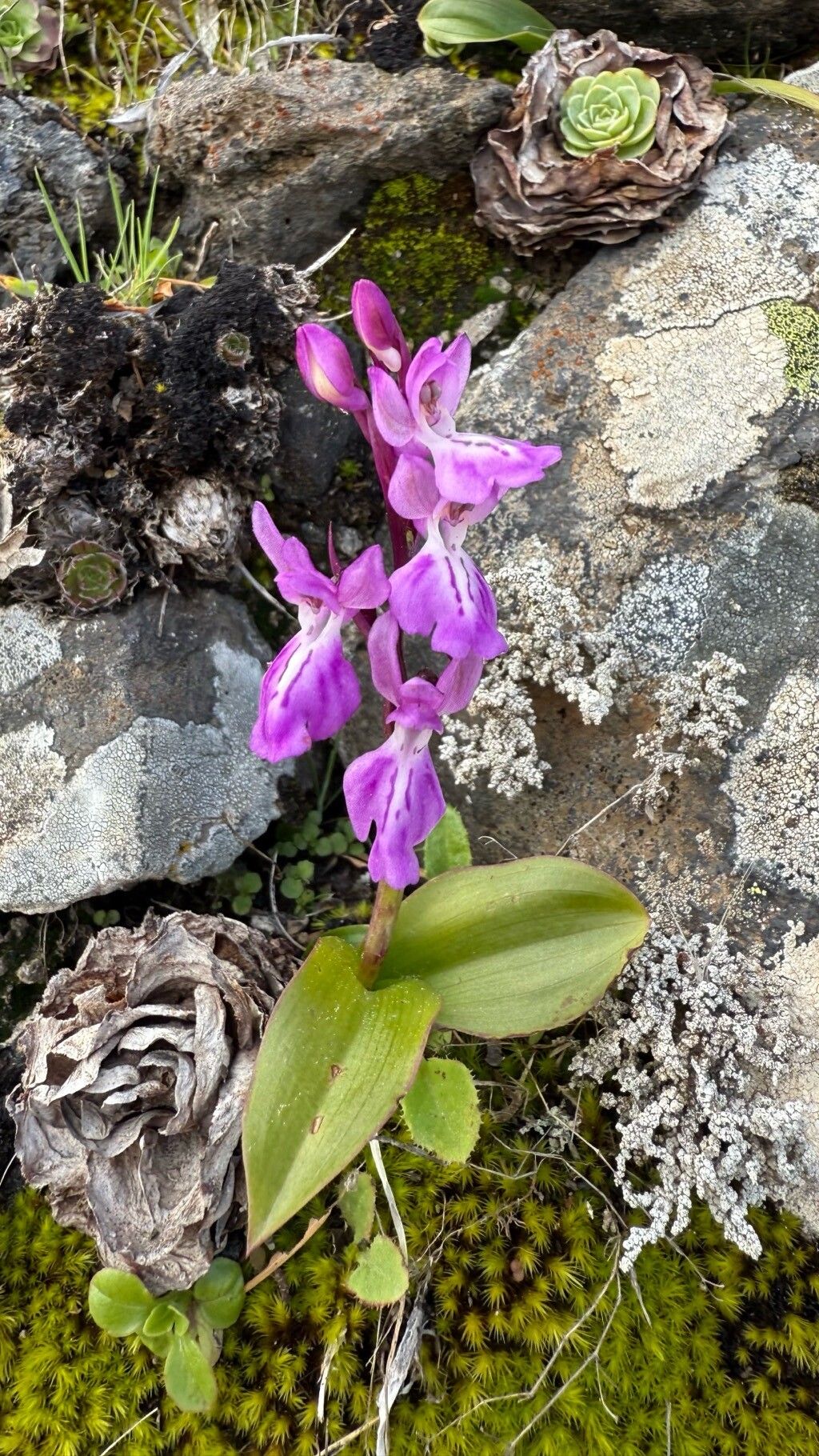
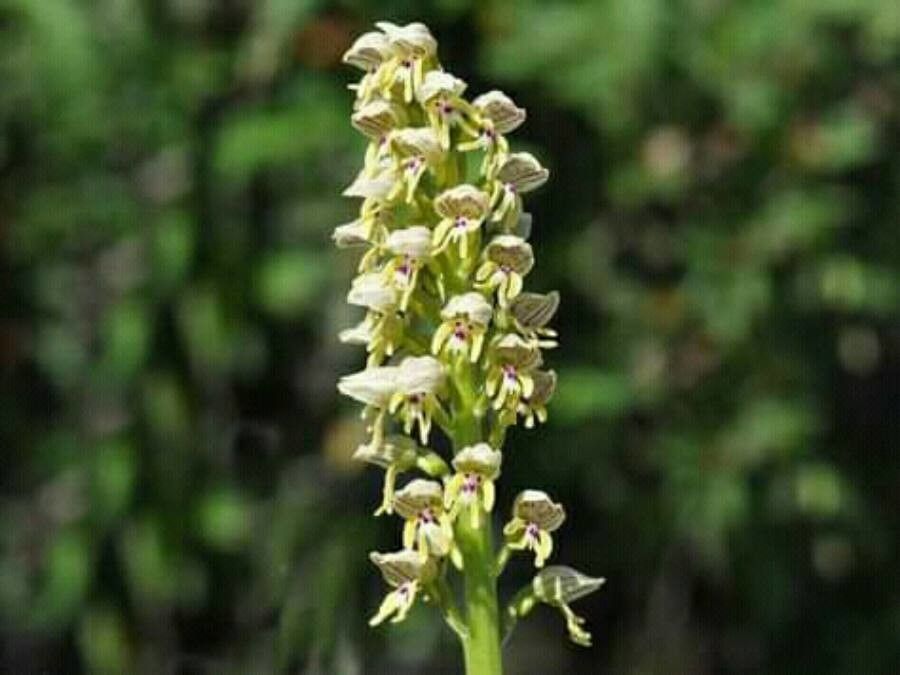
Orchis anatolica is a species of flowering plant in the Orchidaceae family. It is native to Crete, Cyprus, the East Aegean Islands, Greece, Iran, Iraq, Lebanon, Israel, Syria, and Turkey.
The Anatolian orchid typically shows strong resistance to disease and is affected by relatively few insect pests. Its care is considered difficult because it requires high humidity combined with good ventilation and a low presence of harmful pathogens. Overwatering can cause root rot. While anyone can grow the Anatolian orchid, keeping it healthy and getting it to bloom again requires more growing experience.
How to keep Orchis Anatolica.
Light
The Anatolian orchid naturally grows in habitats like forest understories or rocky areas, where it is exposed to natural shade. It prefers partial sun but can adapt to full sun or full shade, demonstrating its versatile and hardy nature.
Water
The Anatolian orchid thrives in environments with adequate moisture, but it can withstand brief periods of drought. During summer, water the plant weekly; in fall and winter, adjust to every 10 days. To maintain humidity, especially in dry conditions, regularly mist the orchid. Use water with a neutral pH by allowing tap or rainwater to sit for a while, which helps release dissolved substances.
Temperature
The Anatolian orchid can tolerate a wide range of temperatures, though its distribution may still be restricted by particular combinations of moisture and heat. It performs best in warm summer conditions with sufficient rainfall or watering. Long periods of cloudy, rainy weather, as well as extended high temperatures, can raise the likelihood of the Anatolian orchid dying. In winter, adequate protection from cold can enhance the plant's survival.
Fertilizer
The best time to fertilize an Anatolian orchid is in early spring, when it is coming out of dormancy and beginning active growth. Fertilization supplies essential nutrients for healthy development. Although the Anatolian orchid has relatively low fertilizer needs, giving it fertilizer once a year can boost its survival and encourage better, longer-lasting blooms.
Pruning
The Anatolian orchid thrives with minimal pruning, which is best done in early spring before new growth begins. To encourage healthy growth, remove any dead nodes and spent spikes. Ensure good air circulation to help prevent fungal issues. Be cautious not to over-prune, as this can hinder blooming and overall growth, as confirmed by horticultural experts.
Botanical profile.
- Plant Type
- Herb
- Life Cycle
- Perennial
- Genus
- Orchis
- Family
- Orchidaceae
- Hardiness Zone
- 7-10
- Mature Height
- 10 cm to 49 cm
- Mature Spread
- 10 cm to 15 cm
- Leaf Color
- Green
- Leaf Type
- Deciduous
- Flower Color
- Purple, Pink
- Flower Size
- 15.24 cm
- Bloom Time
- Early spring, Mid spring
- Planting Time
- Spring
- Harvest Time
- Late spring, Early summer
Other names.
Reader questions.
What is the Anatolian orchid?
The Anatolian orchid, known botanically as Orchis anatolica, is a species of plant. Unfortunately, there's no further information provided on its essentials or symptoms related to it.