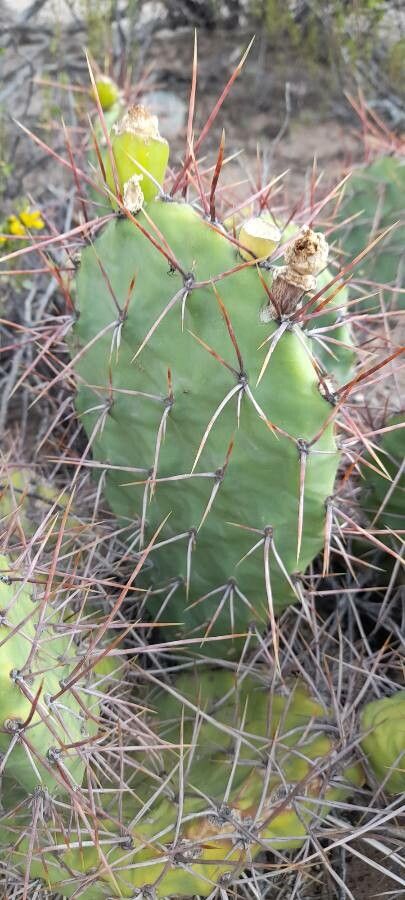
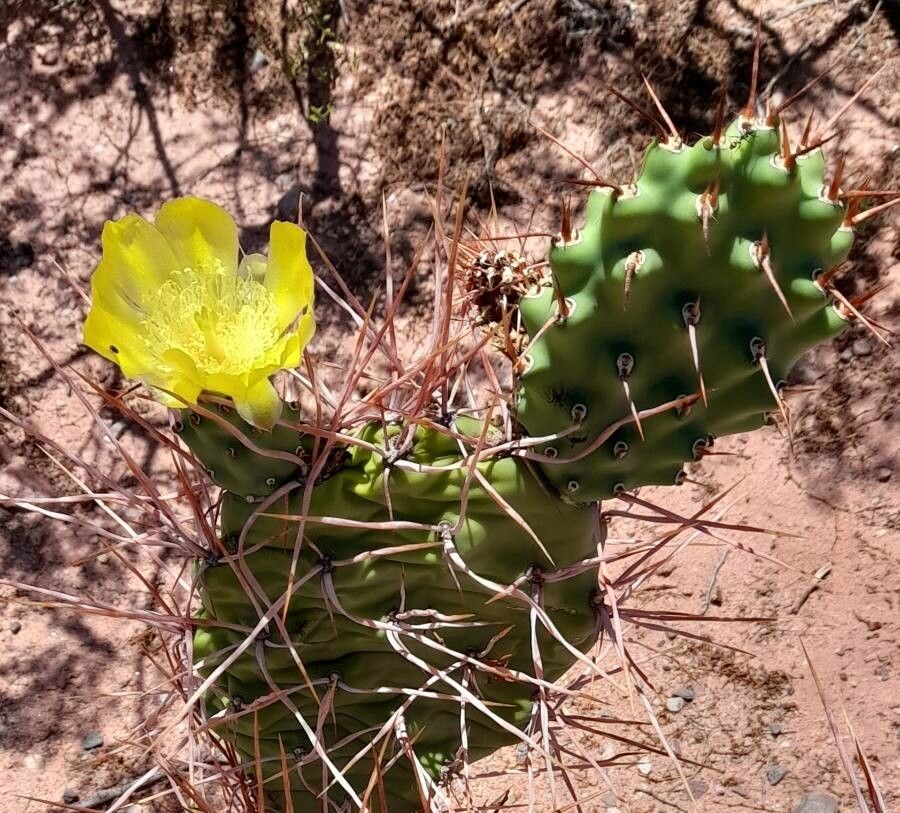
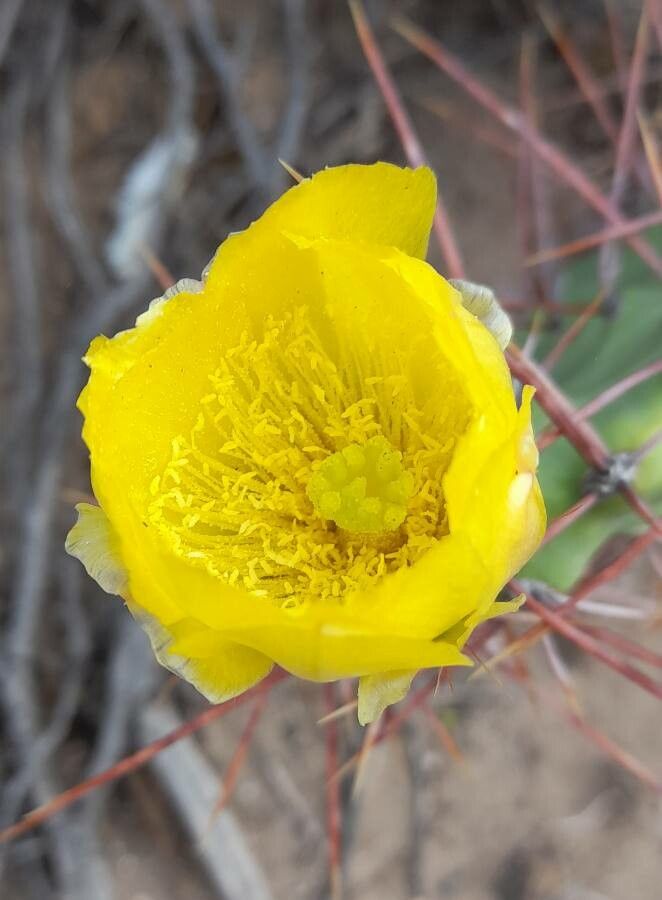
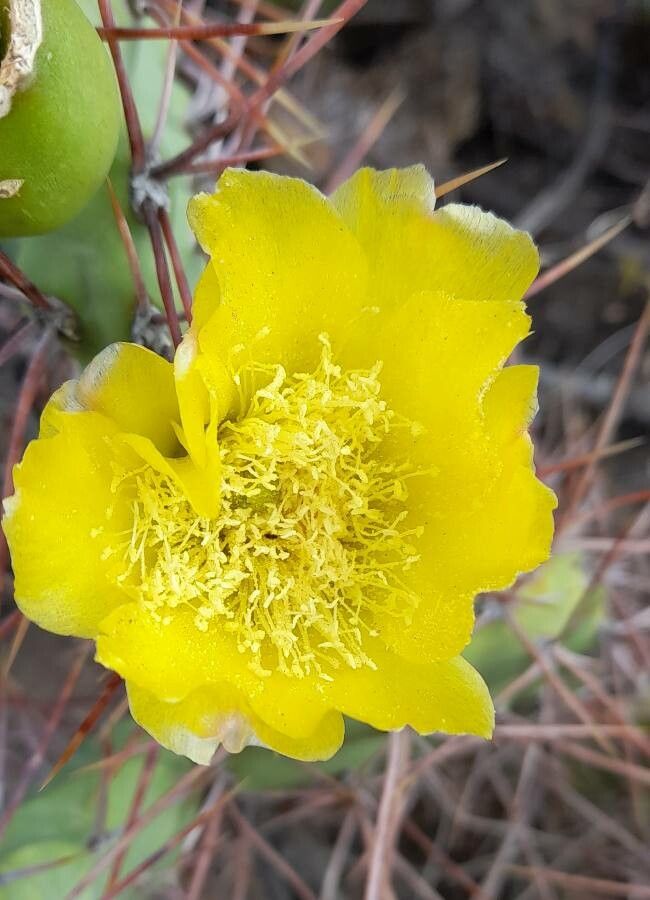
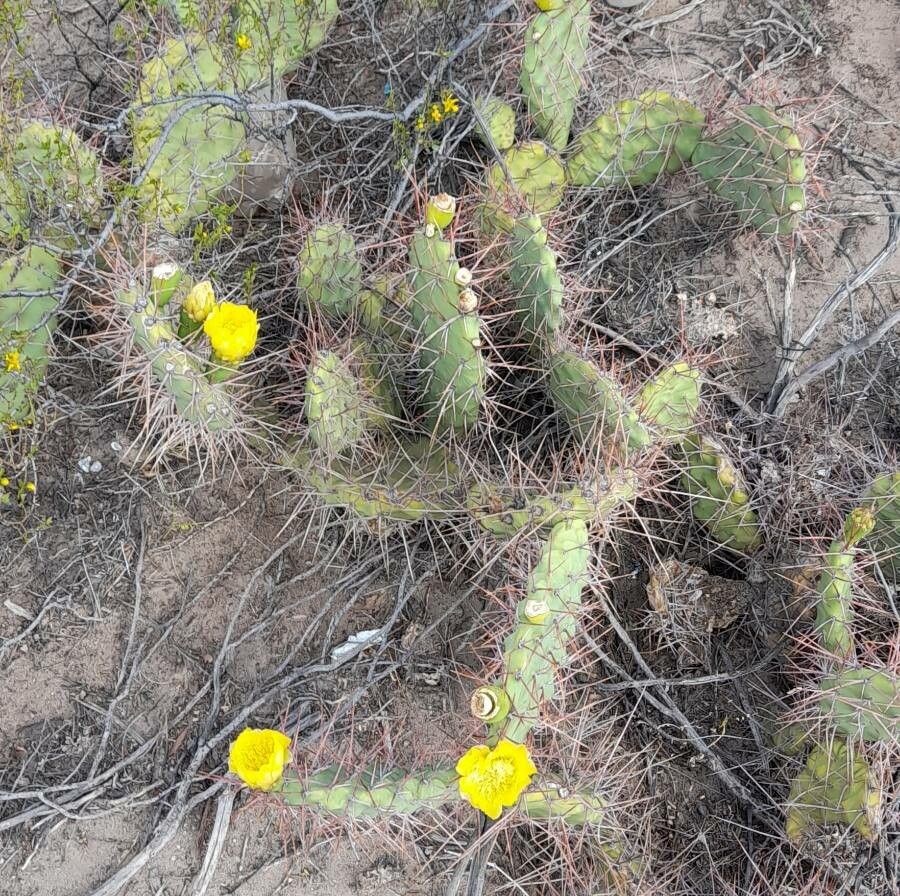
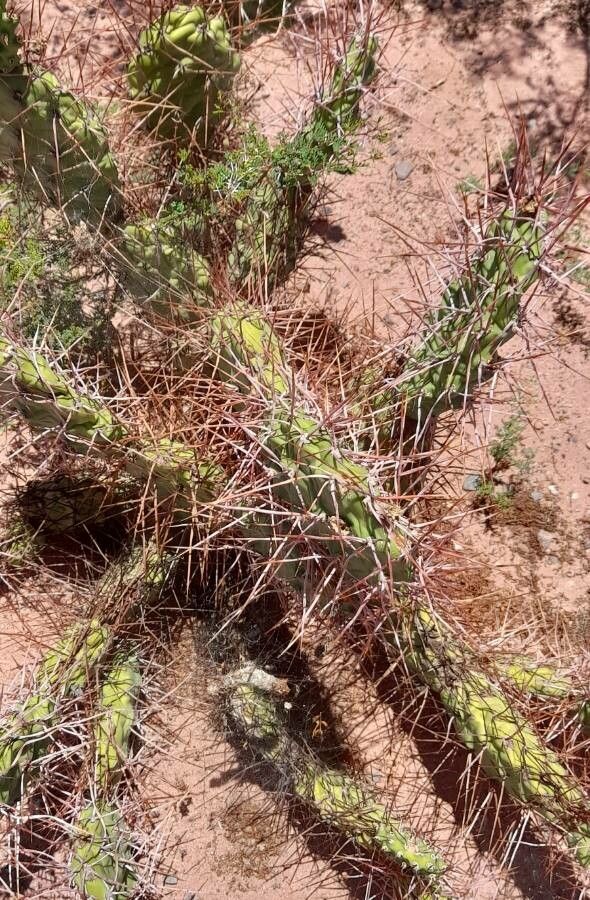
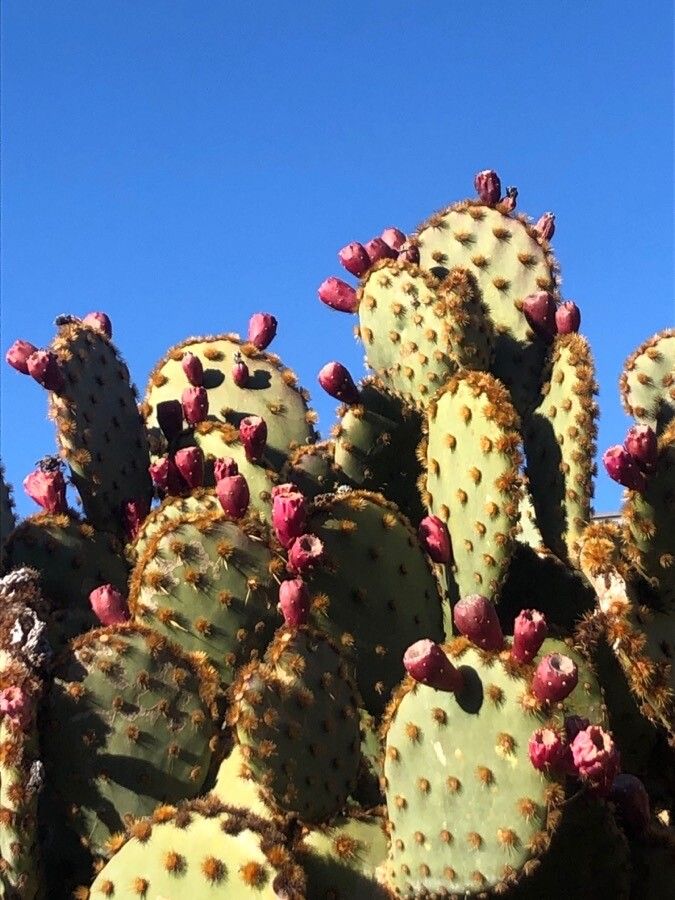
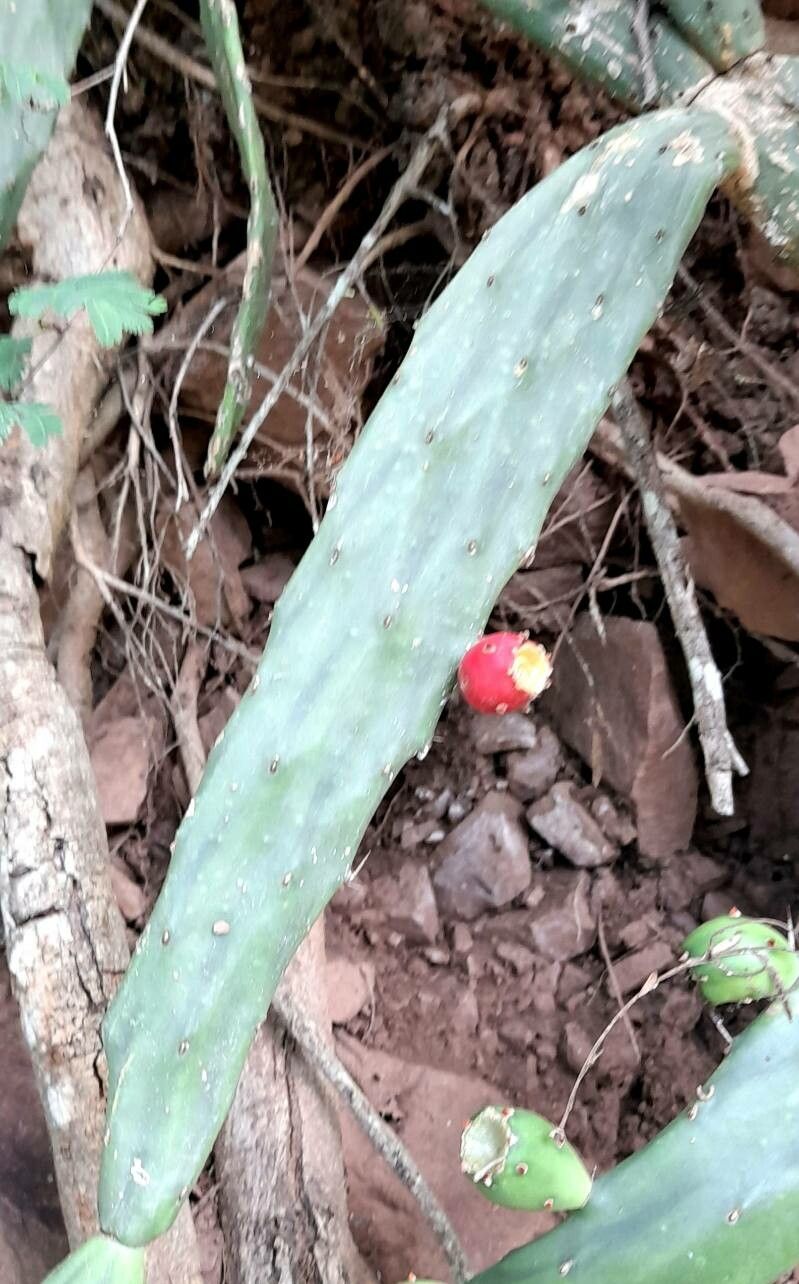
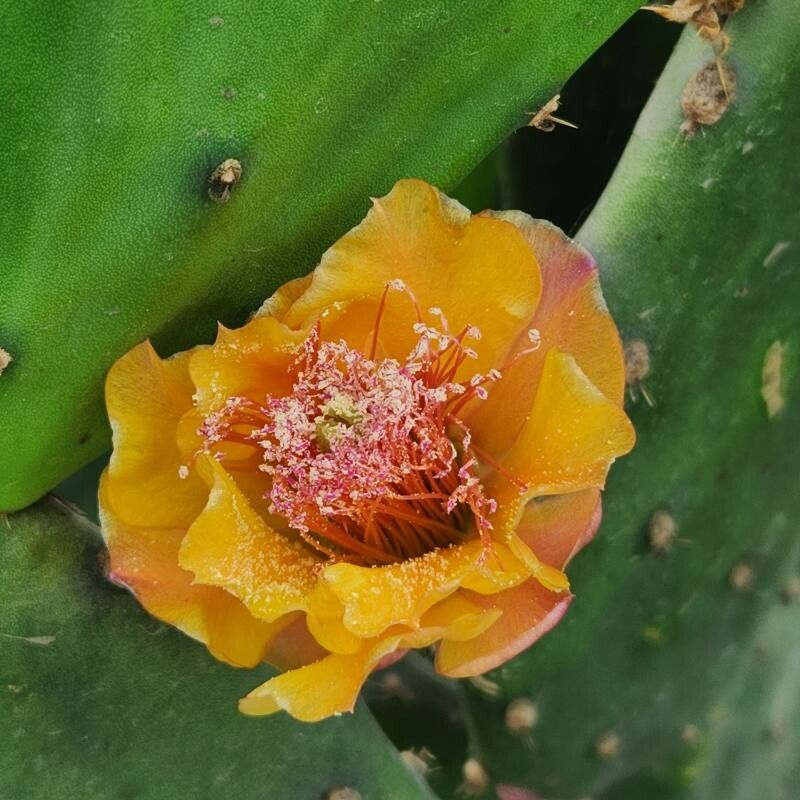
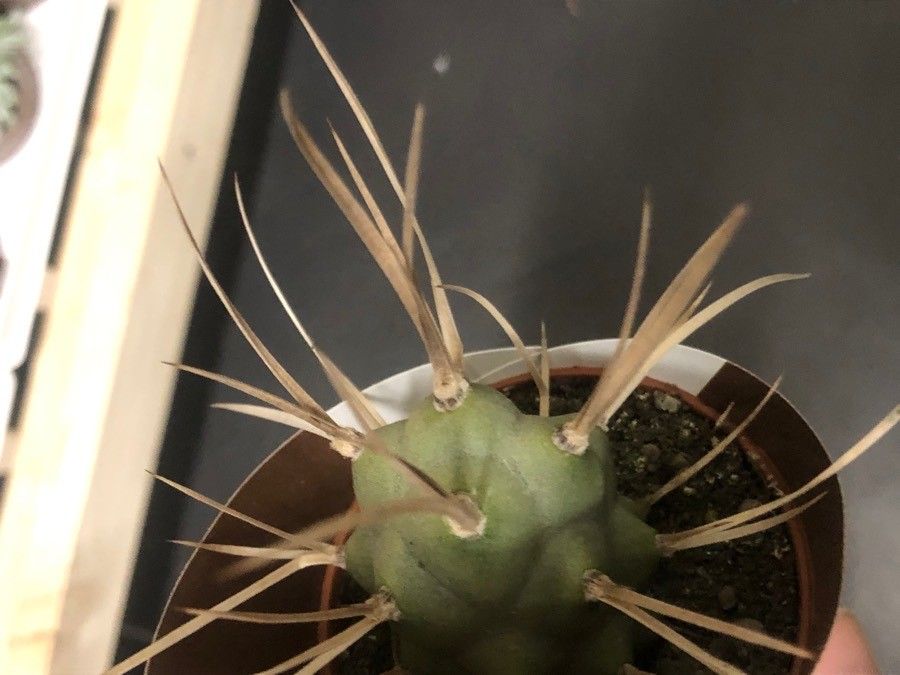
Opuntia sulpurea falls under the Opuntia, or prickly pear, genus within the family Cacataceae named such because of their round shape, green color, and long thick spines. Opuntia sulphurea is the widest spread of the Opuntia that can be found in and around Argentina, occupying mostly arid areas of the region from the plains in the Western portion of Argentina up to much higher altitudes on the Eastern side of the Andes mountain range. As a result of its ability to survive in such a diverse array of environments there are several subspecies of O. sulphurea that are identifiable based on the number of spine per areole, for example. A commonality across the three is a bright yellow flower, often considered to be the color of sulfur, from which the species name is derived. As with several other species of Opuntia, these prickly pears tend to grow in groups, forming clumps that can reach one to two meters in diameter, but while other species within the genus grow upwards as well O. sulphurea tend to stay low to the ground. As a result of its tendency to grow in dry, arid, and rocky areas this cactus has evolved to be very resilient, not even suffering from the effects of agriculture, i.e. cattle grazing, on lower altitude subpopulations. Other common names for the species in Spanish include "penca, penquilla, penca chica", "penca" referring to the "main rib" of a plant.
Botanical profile.