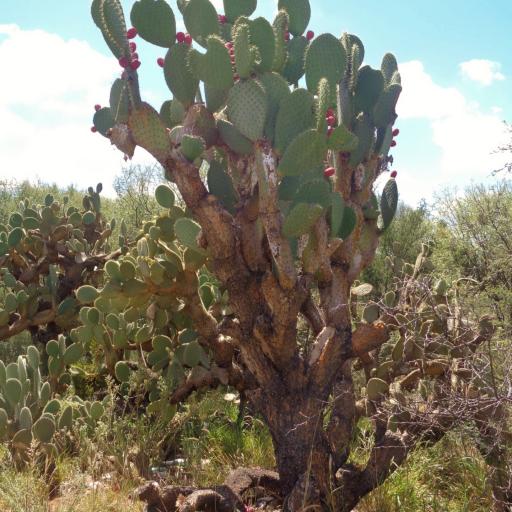
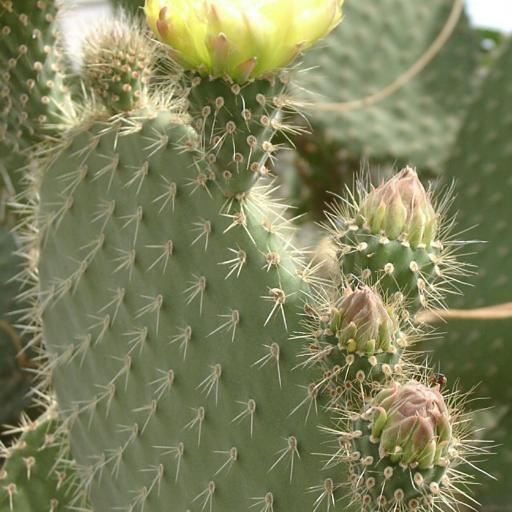
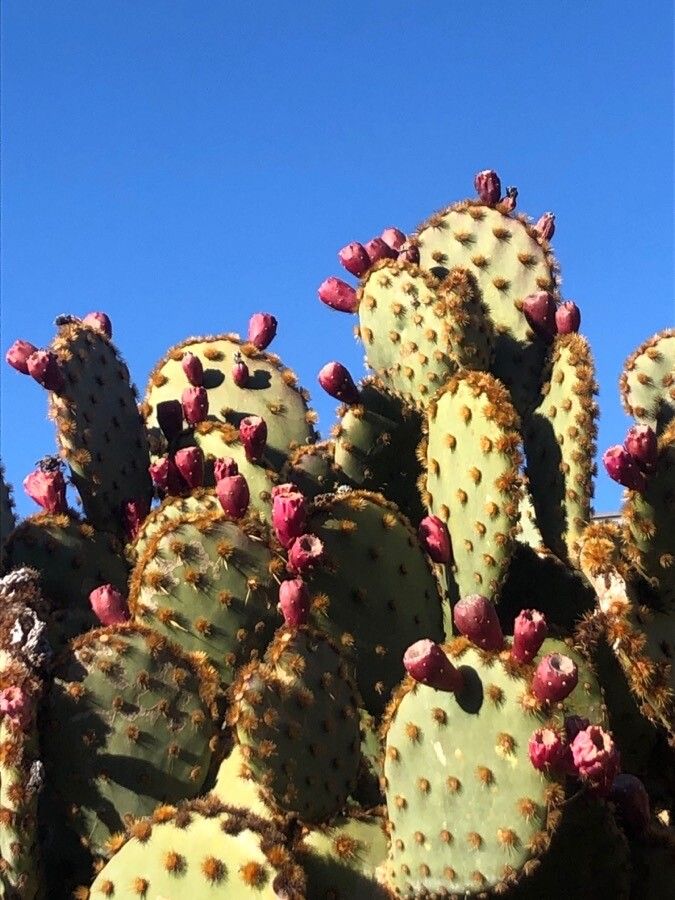
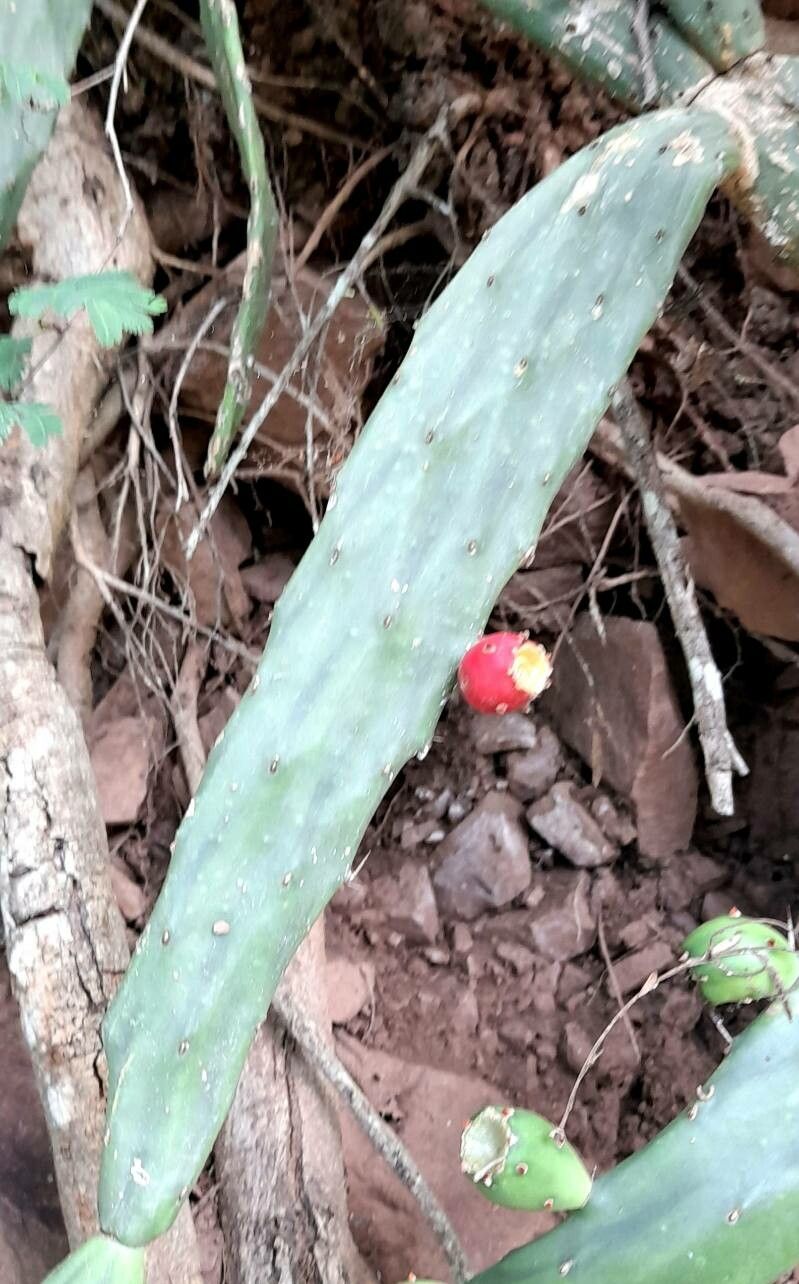
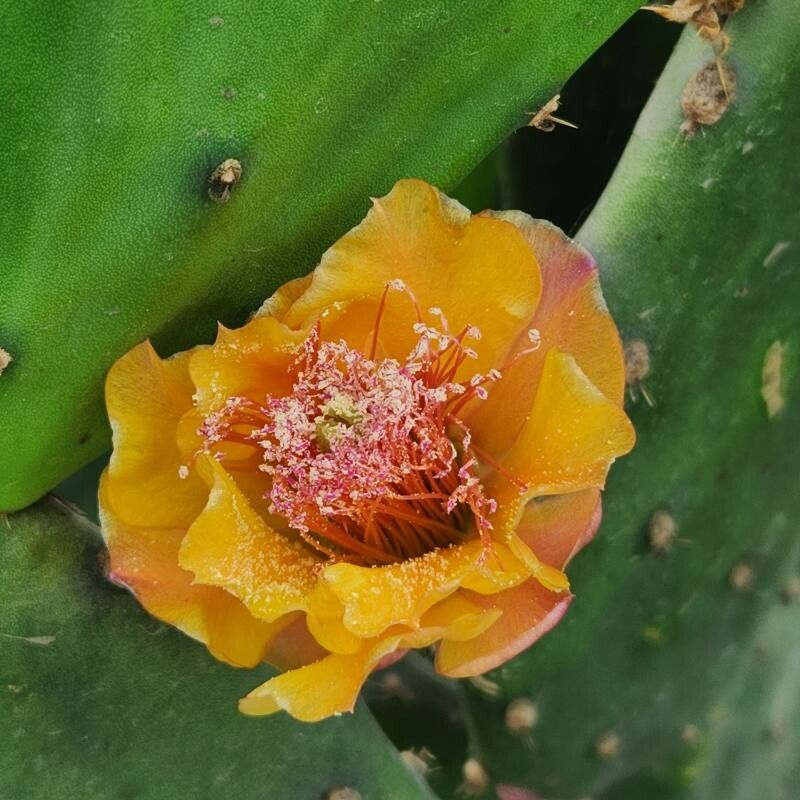
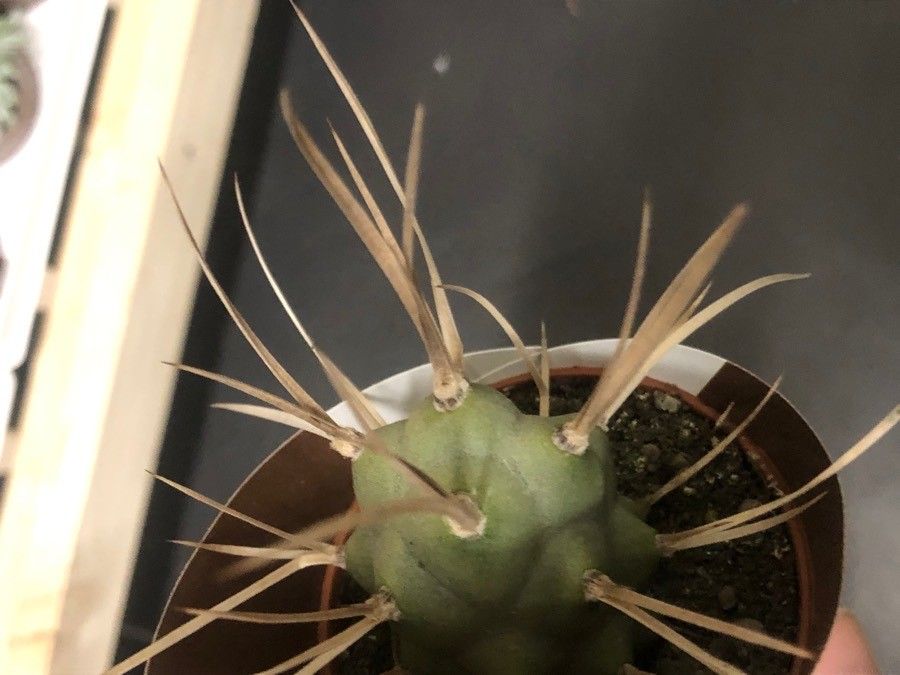
White-spine prickly pear shows strong resistance to diseases and generally tolerates routine care without becoming ill easily. That said, it can be vulnerable to mealybugs; these pests may inflict some damage but typically do not pose a major risk. Regarding maintenance, White-spine prickly pear is drought-resistant and does not need frequent watering. It can endure extended stretches without water and requires little fertilizer. Conversely, if kept in poor light and watered excessively, it is very prone to root rot. In general, White-spine prickly pear is a good choice for people who prefer low-maintenance plants, though it remains important to meet its basic requirements. It is especially appropriate for those who are away for long periods and might forget regular watering.
How to keep Opuntia Streptacantha.
Light
Native to dry regions, the White-spine prickly pear performs best in full sun, since its natural habitat has intense light and very little shade. It can also tolerate partial sun, providing some flexibility in its growth.
Water
The white-spine prickly pear is a drought-tolerant plant, which means it only needs to be watered thoroughly when the soil feels dry. During the growing seasons—spring, summer, and fall—water the plant 1 to 2 times per week. In winter, you can reduce this to about once a week. It’s best to use rainwater or distilled water for watering, as this helps to minimize mineral buildup. Be careful not to get the stem wet, as this can lead to rot.
Temperature
White-spine prickly pear performs best in warm conditions and needs elevated temperatures during the growing season to support growth and metabolic processes. It prefers plenty of sunlight, proper moisture, and good airflow. It is vulnerable to harm from very low temperatures and from overwatering. Maintaining a balance is crucial—both excessive heat and overly dry conditions should be avoided.
Fertilizer
For White-spine prickly pear, light applications of fertilizer once or twice a year during the growing season are adequate. Do not fertilize in winter or in summer when the plant is dormant. Use less fertilizer for plants that have been repotted, and wait a couple of months after repotting before applying fertilizer. Fertilizing promotes healthy growth and helps encourage blooms.
Pruning
The white-spine prickly pear is a resilient cactus known for its segmented pads and distinctive white spines. To maintain healthy growth and improve air circulation, prune the plant in early spring using sterilized tools. Pruning helps control the cactus's size, prevents overcrowding, and encourages abundant blooming. Remember to always wear gloves as protection against the spines.
Botanical profile.
- Plant Type
- Succulent
- Life Cycle
- Perennial
- Genus
- Opuntia
- Family
- Cactaceae
- Hardiness Zone
- 8-11
- Mature Height
- 3.05 m to 4.88 m
- Mature Spread
- 2.13 m to 3.05 m
- Leaf Color
- Dark Green
- Leaf Type
- Evergreen
- Flower Color
- Yellow, Orange
- Flower Size
- 6.35 cm to 10.16 cm
- Bloom Time
- Late spring, Early summer, Mid summer
- Planting Time
- Spring, Summer, Autumn
- Harvest Time
- Late summer, Early fall, Mid fall
Other names.