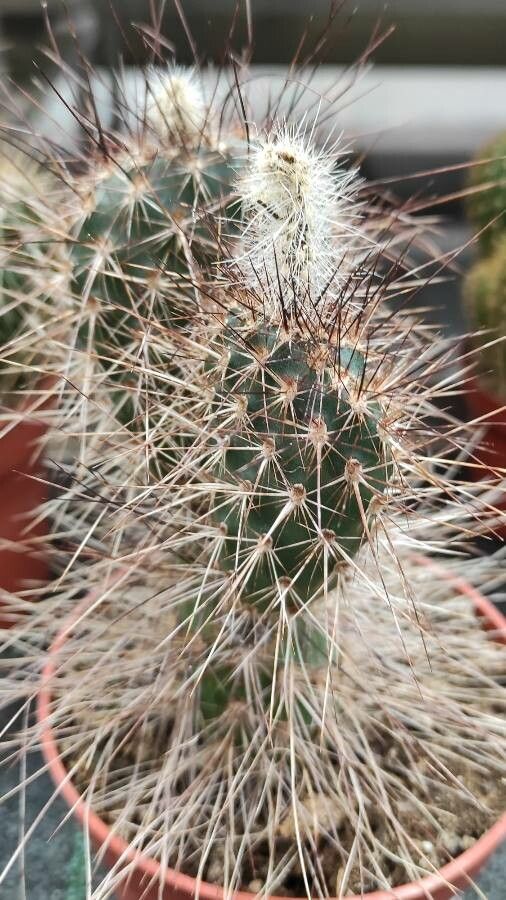
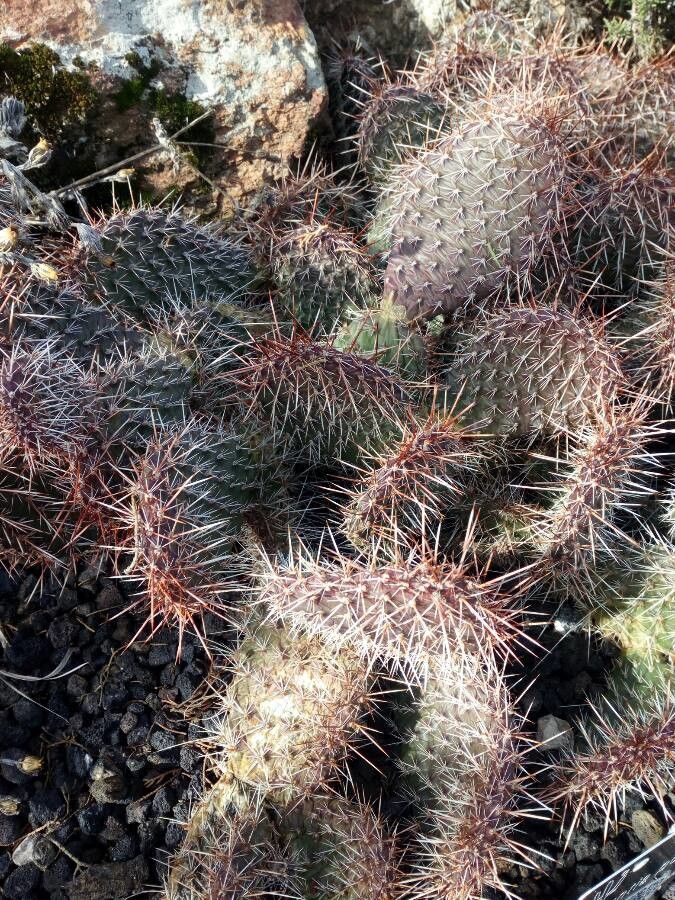
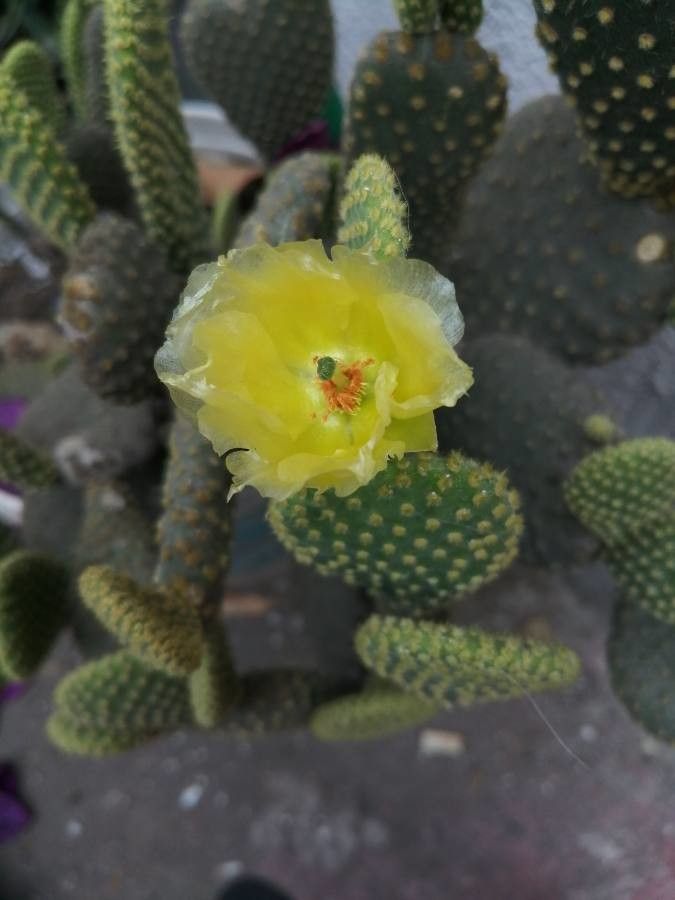
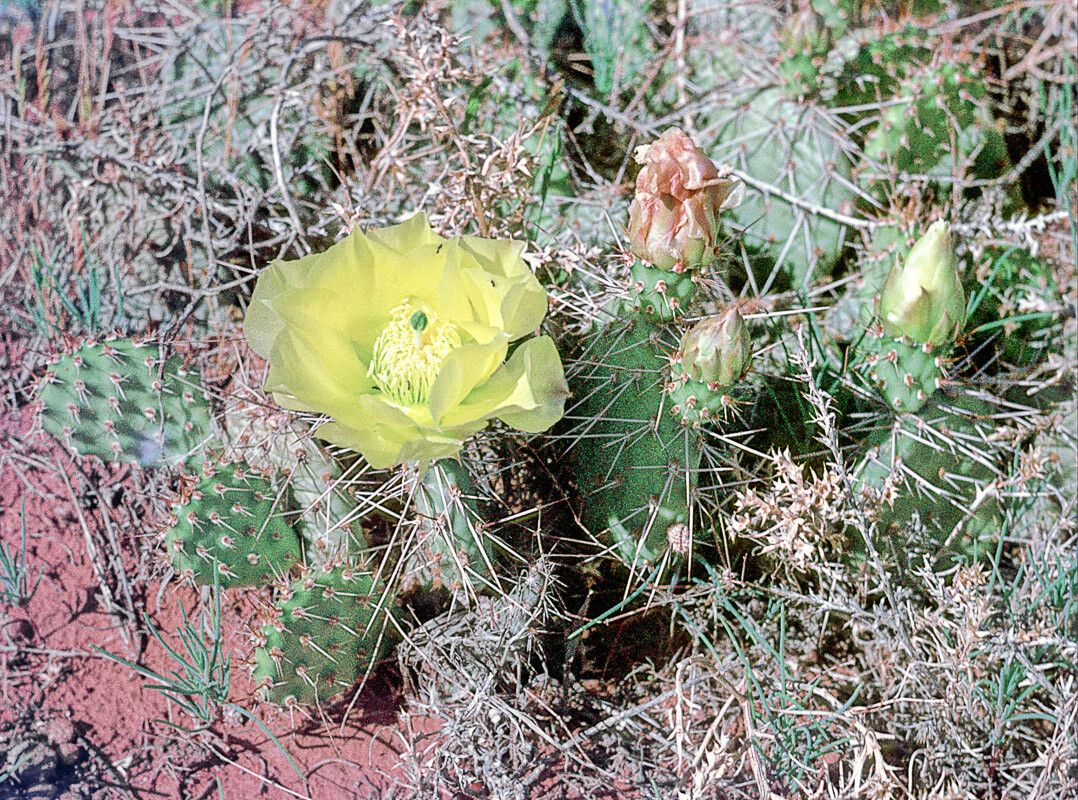
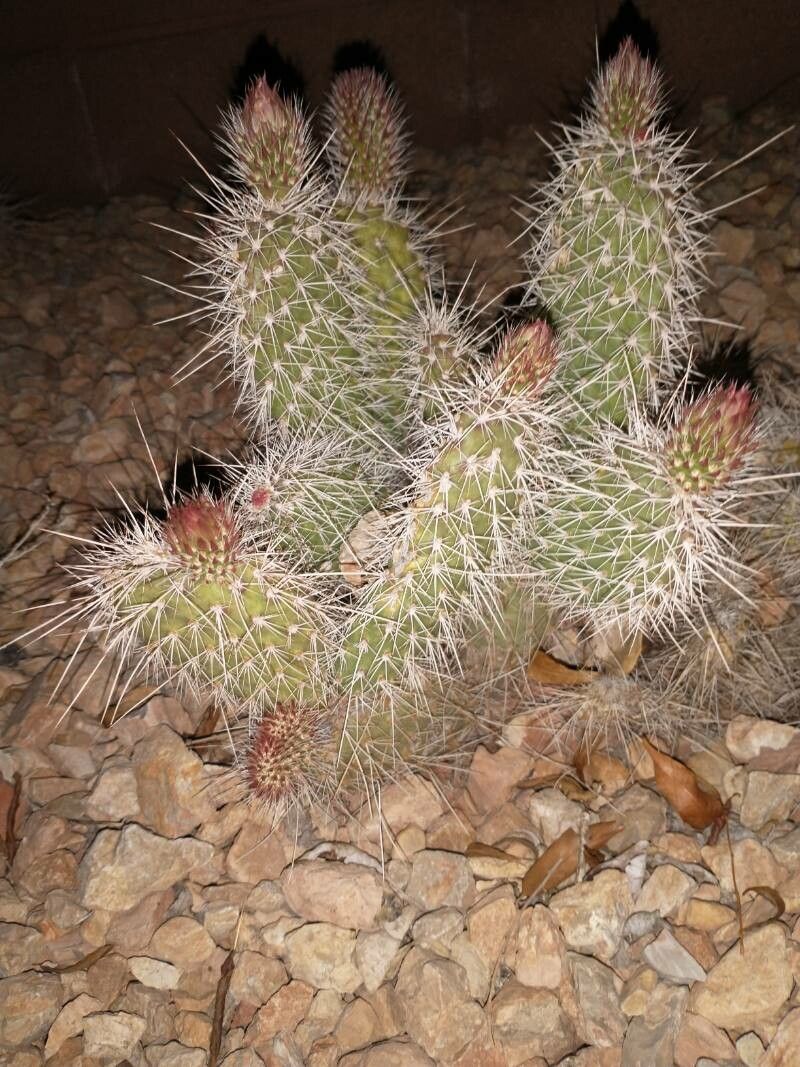
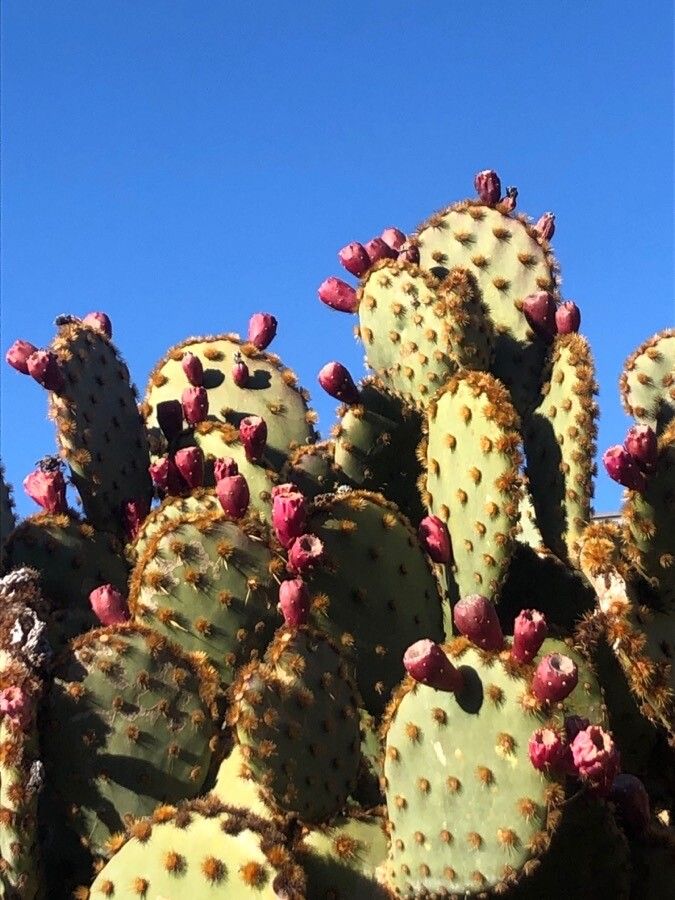
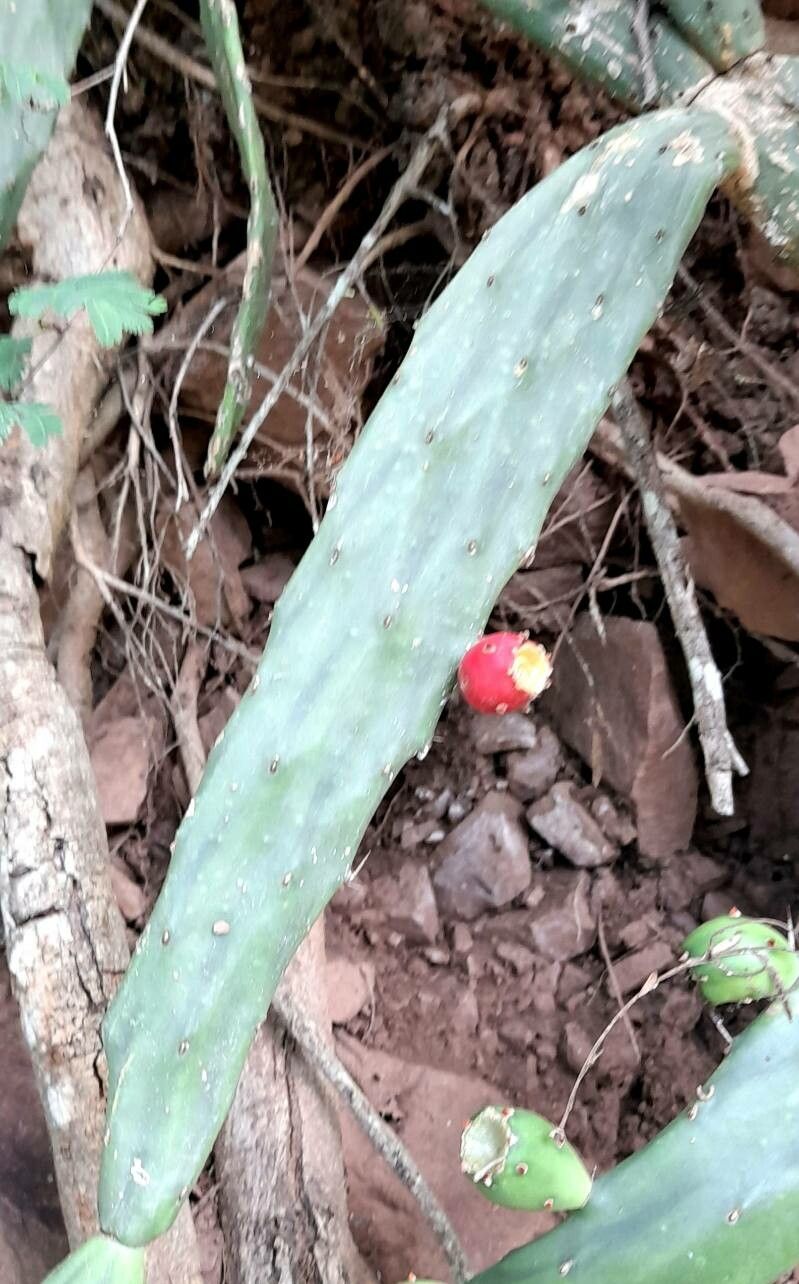
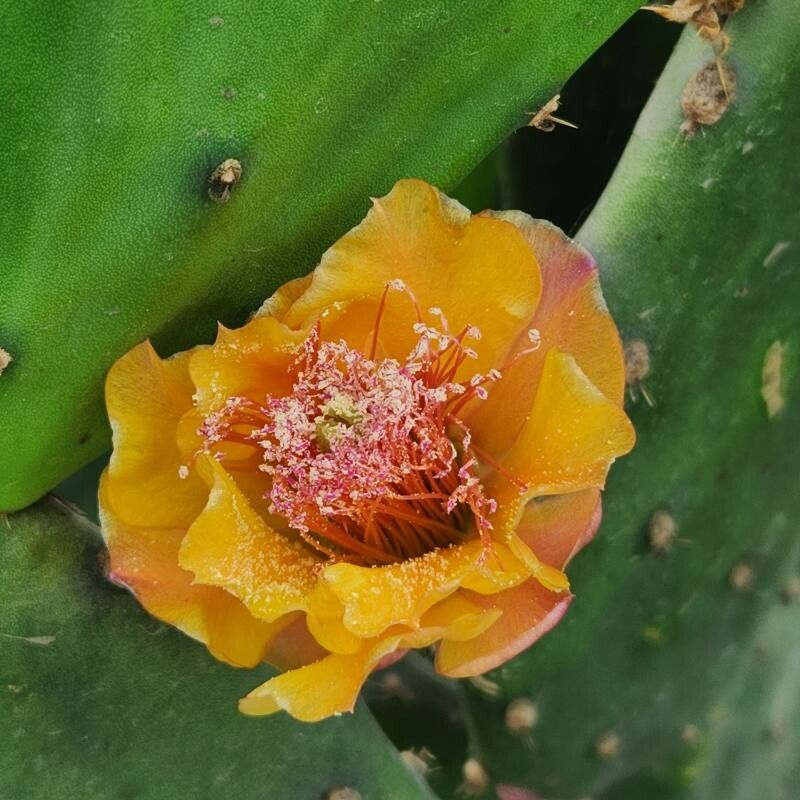
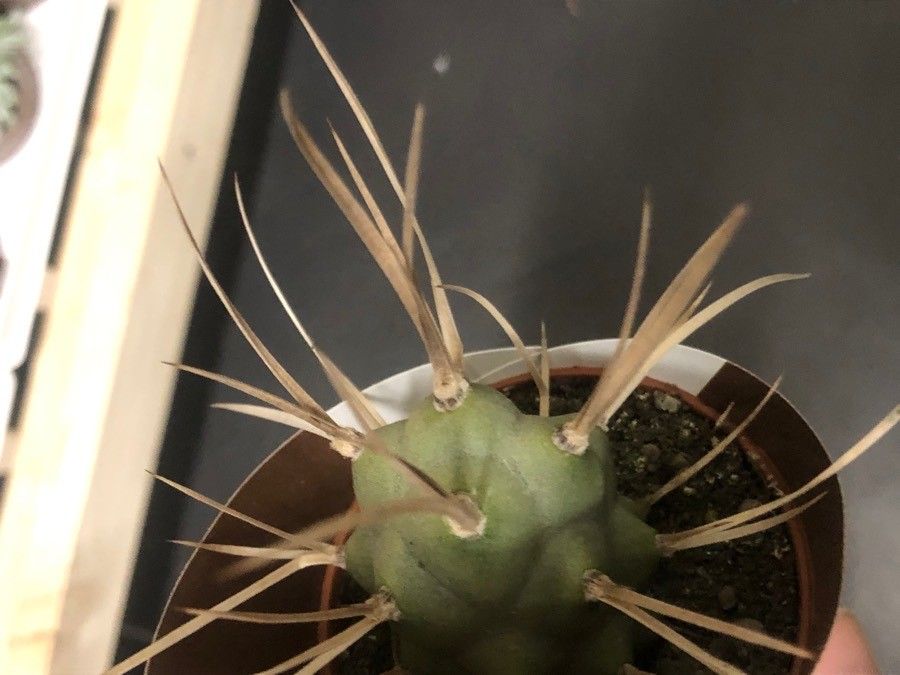
Opuntia polyacantha, commonly known as the Plains Prickly Pear, is a species of cactus native to North America. It is a low-growing, spreading plant that can reach up to 60 cm in height and 1.5 m in width. The plant features flat, oval-shaped pads covered with spines and small hairs called glochids.
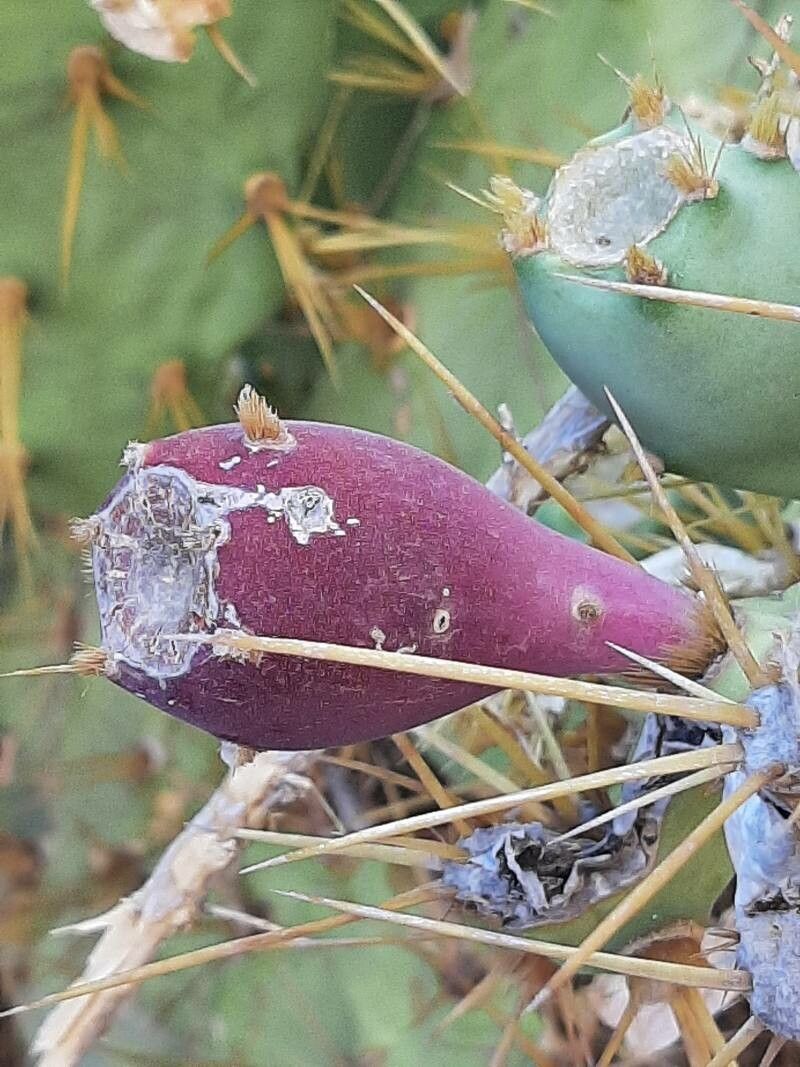
From May to July, the Plains Prickly Pear produces bright yellow flowers, which are followed by edible red fruits known as tunas. The fruits are sweet and juicy with a slightly tart flavor.
This cactus species is incredibly resilient, adapting well to harsh environments such as deserts, prairies, and rocky slopes. It can tolerate extreme temperatures ranging from -40°C to 50°C.
For centuries, Native American tribes have utilized Opuntia polyacantha for its medicinal properties. The pads have been used as poultices for wounds or burns, while the fruit has been consumed for its high vitamin C content.
Overall, Opuntia polyacantha is a fascinating plant with unique adaptations that allow it to thrive in harsh environments. It also offers medicinal benefits and produces edible fruit.
Plains Pricklypear shows strong resistance to diseases and can tolerate normal care routines without becoming ill easily. It can, however, be vulnerable to mealybugs; these pests can cause some harm but typically do not pose a major threat. Regarding its care needs, Plains Pricklypear is drought-tolerant and does not require frequent watering. It can endure extended stretches without water and needs little fertilizer. That said, it is highly prone to root rot if it is overwatered while receiving inadequate light. In general, Plains Pricklypear is a good choice for people who prefer low-maintenance plants, though it remains important to meet its basic requirements. It is especially appropriate for those who are away for long periods and might often forget to water their plants.
How to keep Opuntia Polyacantha.
Light
The plains Pricklypear requires abundant sunlight to thrive. Originally occurring in habitats with plenty of light, the plant performs best with generous sun exposure. Too little light can impede its healthy growth, while too much can cause damage. Its sunlight needs remain largely unchanged across the different stages of growth.
Water
The plains prickly pear is well-adapted to arid conditions and thrives with minimal moisture. It only needs watering every three weeks. Known for its drought tolerance, this plant is perfect for xeriscaping. During the growing season, it efficiently stores water in its fleshy pads. To avoid overwatering, it's important to mimic its natural dry climate.
Temperature
Plains Pricklypear is native to areas with mild temperatures, ranging from 32 to 95 °F (0 to 35 °C). It prefers warmer conditions but can adapt to seasonal shifts. To keep Plains Pricklypear healthy, it needs care during periods of extreme cold or heat.
Fertilizer
Plains Pricklypear only needs light fertilizer applications once or twice a year during the growing season. Do not fertilize in winter or in summer when the plant is dormant. Reduce fertilizer for repotted plants and wait a couple of months after repotting before feeding. Fertilizing helps maintain healthy growth and encourages blooms.
Pruning
The Plains Pricklypear requires minimal pruning. It's a good idea to remove withered flowers and branches to help the plant focus its nutrients on healthier growth.
Pot & Repot
Repot your plains prickly pear cactus every 2 to 3 years in the spring to ensure optimal growth. Choose a slightly larger pot with excellent drainage. After repotting, water sparingly and allow the soil to dry out completely between waterings. Place the plant in a location with bright, indirect light to help it recover. This is important for maintaining the health of this drought-resistant succulent.
Botanical profile.
- Plant Type
- Succulent
- Life Cycle
- Perennial
- Genus
- Opuntia
- Family
- Cactaceae
- Hardiness Zone
- 3-9
- Mature Height
- 10 cm to 30 cm
- Mature Spread
- 1.52 m
- Leaf Color
- Green, Blue, Gray
- Leaf Type
- Evergreen
- Flower Color
- Yellow, Pink
- Flower Size
- 2.54 cm to 5.08 cm
- Bloom Time
- Early summer, Mid summer
- Planting Time
- Spring
- Harvest Time
- Mid summer
- Native Area
- Mexico, Canada
Other names.
Reader questions.
How frequently should I water my Plains Pricklypear?
Determining how often to water Plains Pricklypear is not an exact science. The best approach is to check the soil and only water when it is completely dry. To check the soil moisture, you can either stick your finger in the pot or use a moisture meter to test the soil beneath the surface. If you have planted it in a deep pot, you can use a stick or chopstick to do the same. If the soil feels even slightly damp, wait a few days and check it again. In general, most people will need to water Plains Pricklypear every two weeks during summer and once a month during winter. However, there are several factors that can affect the frequency of watering. The following section outlines these considerations to help you determine the appropriate watering schedule.
Why should I use plant food on my Plains Pricklypear?
Fertilizing Plains Pricklypear adds nutrients to the growing medium, supporting healthy growth. Even though this plant stores water and nutrients, applying plant food during the growing season can further enhance its growth and encourage blooming.
How much sunlight does Plains Pricklypear need to be able to grow?
Plains Pricklypear needs a minimum of 6 hours of sunlight each day, and ideally, even more. The actual required hours may differ based on sunlight intensity and other environmental elements, but it is uncommon for Plains Pricklypear to receive excessive sunlight. In fact, they can thrive with up to 14 hours of sun each day.
What is the native environment of Plains Pricklypear?
Plains Pricklypear, with its botanical name Opuntia polyacantha, is indigenous to environments that experience moderate temperatures, ranging from 32 to 95 °F (0 to 35 °C). It is a plant that prefers warmer climates yet has the capability to adjust to seasonal changes, showcasing adaptability to both the heat and colder periods, albeit requiring specific care during extreme weather conditions.
What do I need to think about when watering my Plains Pricklypear plant?
To properly water your Plains Pricklypear, there are a few key environmental factors to consider. These include the size of the container, type of soil, temperature, and humidity. Firstly, the container and soil you choose will dictate how often and how much water your plant needs. It's important to use a container with sufficient drainage holes so that excess water can escape. A smaller container will hold less soil and therefore less moisture, requiring more frequent watering. On the other hand, a larger pot will retain water for longer periods and require less frequent watering. It's crucial to avoid using an oversized pot, as this can lead to overwatering. When repotting, opt for a container that is just one size larger than the current one. Additionally, a shallow container is preferable, as Plains Pricklypear has shallow root systems. During the winter, the plant's growth significantly slows down, and it requires less water. Cooler winter air leads to less evaporation, meaning the soil retains moisture for a longer time compared to the summer season. Your local climate also plays a role in watering frequency. If you live in a humid area with ample rainfall, you will need to water your plant less frequently than if you reside in a dry, arid environment. Remember that conditions can vary even within the same geographic location, depending on the season and indoor heating and air conditioning usage. If you plant your Plains Pricklypear in the ground, once the roots are established, it typically won't need additional watering beyond natural precipitation. However, if there is an extended dry period, occasional watering may be necessary. For areas where Plains Pricklypear can only be grown in a container, you can move the plant outside during the spring and summer months when the temperature is suitable, and then bring it indoors as temperatures start to drop. Keep in mind that a potted Plains Pricklypear kept outside will generally require more water than the same plant kept indoors due to increased sun exposure, even when placed on a shaded porch.
When should I fertilize my Plains Pricklypear?
Plains Pricklypear plants require a small amount of fertilizer during the growing season. It is best to fertilize them 1-2 times a year, specifically in spring and autumn. Avoid fertilizing in winter and summer, when the plant is dormant. When repotting, use less fertilizer and wait a few months before beginning to fertilize again.
What kind of sunlight does Plains Pricklypear require?
Plains Pricklypear thrives in bright sunlight. It can do well with direct light or bright indirect sun as full-sun plants. While some types may tolerate partial sun, they generally benefit from more sunlight for better growth.
How should Plains Pricklypear be cared for during winter?
During winter, when temperatures start to plummet, Plains Pricklypear goes into a dormant state and growth halts. If temperatures are forecasted to drop below -30°C, it is crucial to move the plant indoors, preferably near a south-facing window to ensure it receives ample sunlight. Should natural light not suffice, supplemental lighting may be employed. It's also important to reduce or completely stop watering the plant when the temperature falls below 0°C to prevent root rot, a common issue during colder months.
How do I water Plains Pricklypear?
To properly water your Plains Pricklypear, soak it thoroughly and let it dry out before watering again. This type of plant can tolerate drought, so it's better to underwater it than to overwater it. When you water, make sure to thoroughly soak the soil throughout the whole pot, not just in one spot. The amount of water needed will depend on the size of your container and how well the soil absorbs water. Allow the water to drain out from the drainage holes and leave it in the saucer for 20-30 minutes to absorb into dry pockets of soil, then discard any excess water. Bottom-watering is also effective, where you place the pot in a saucer of water and allow the soil to absorb moisture through the drainage holes. You'll know the soil has absorbed enough water when the top layer is moist. Plains Pricklypear thrives in a relatively dry habitat, so mimic this by bottom-watering when the soil is dry. It's better to deep soak the soil than to frequently water lightly.
When is it not a good idea to fertilize my Plains Pricklypear?
Plains Pricklypear, like other plants, goes through a period of dormancy. During this time, which occurs in both summer and winter, it is advised to refrain from applying fertilizer. It is also recommended to avoid fertilizing for the first few months after repotting in the spring.
Do I need to shield Plains Pricklypear from the sun?
Plains Pricklypear is a plant that thrives in hot, sunny climates and doesn't require sun protection. However, if you're planning to move it to a sunnier location, it's important to do so gradually. Start by exposing the plant to a couple of hours of sunlight each day and gradually increase the duration. Once the plant has adapted, it will be able to handle full sun without any issues.
What should be done if a Plains Pricklypear is exposed to temperatures below its tolerance?
If Plains Pricklypear is subjected to temperatures below its tolerance threshold, especially during winter where it should remain above -30°C, immediate action is necessary if symptoms of weakening, wilting, or frost damage appear. Frostbitten areas should be trimmed off, with careful inspection and removal of any rotted roots. Subsequent propagation through cuttings may be considered. Ensuring the plant is moved to a warmer indoor setting near a south-facing window can help it recover, with supplemental lighting as an aid if natural sunlight is insufficient.