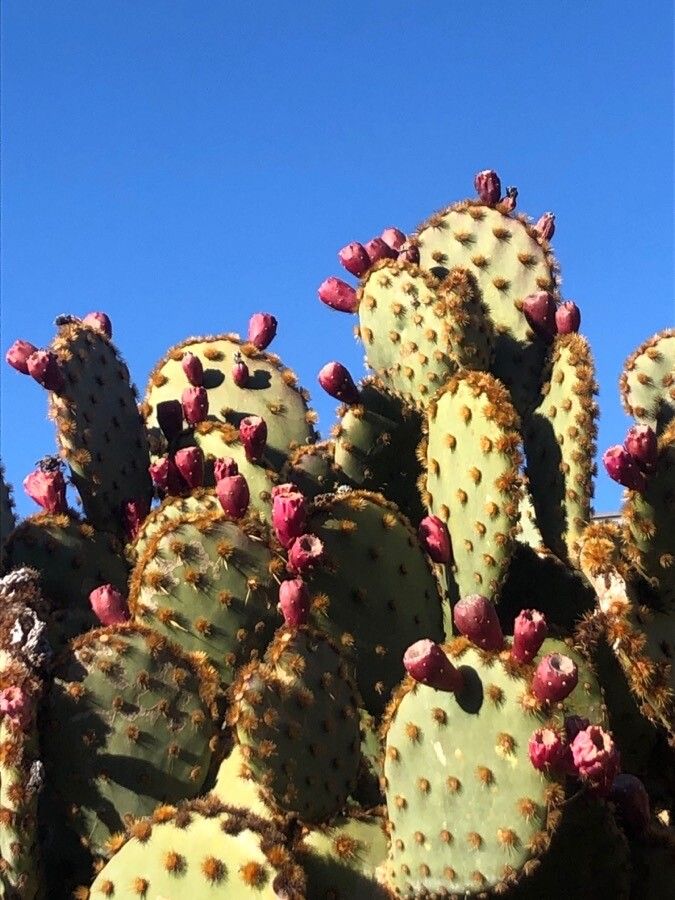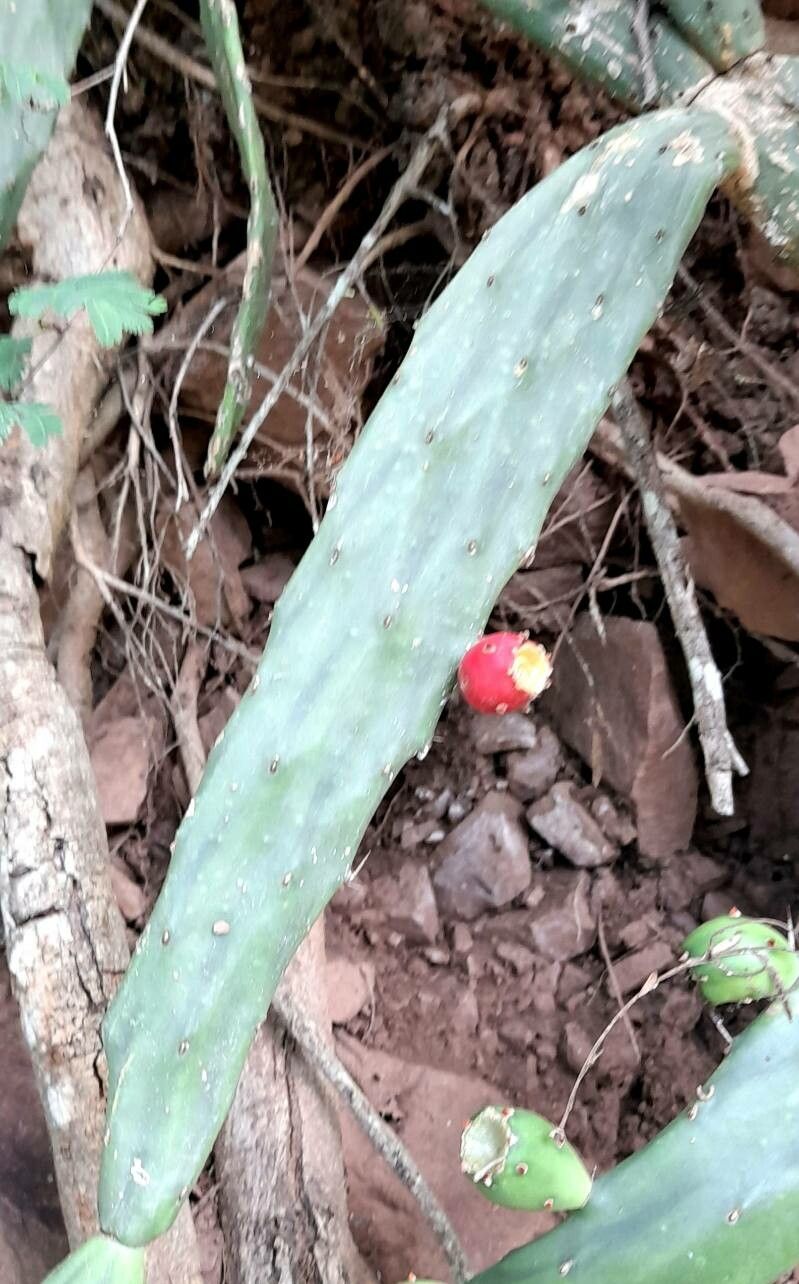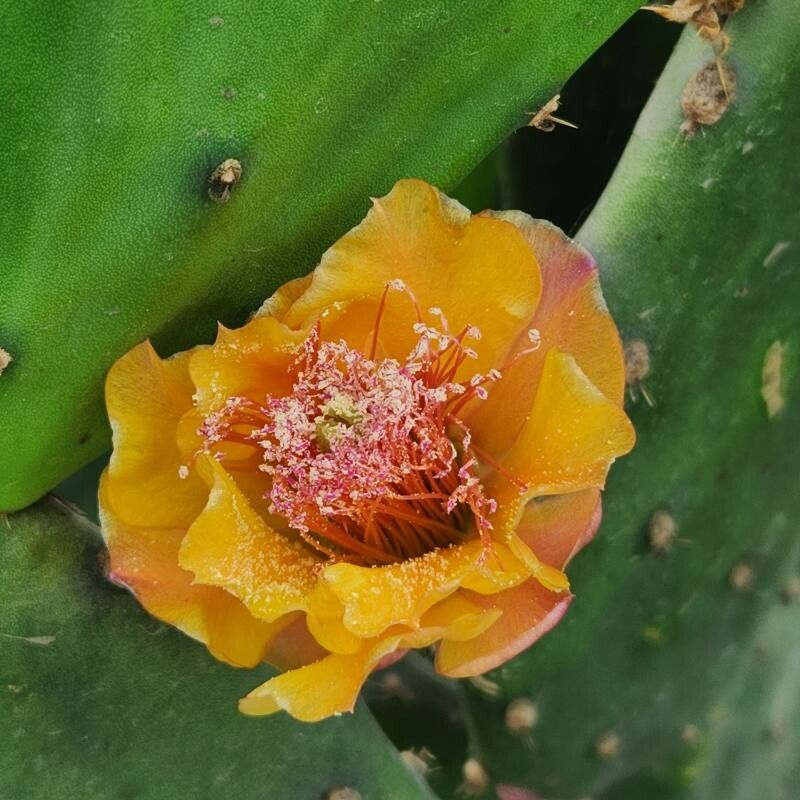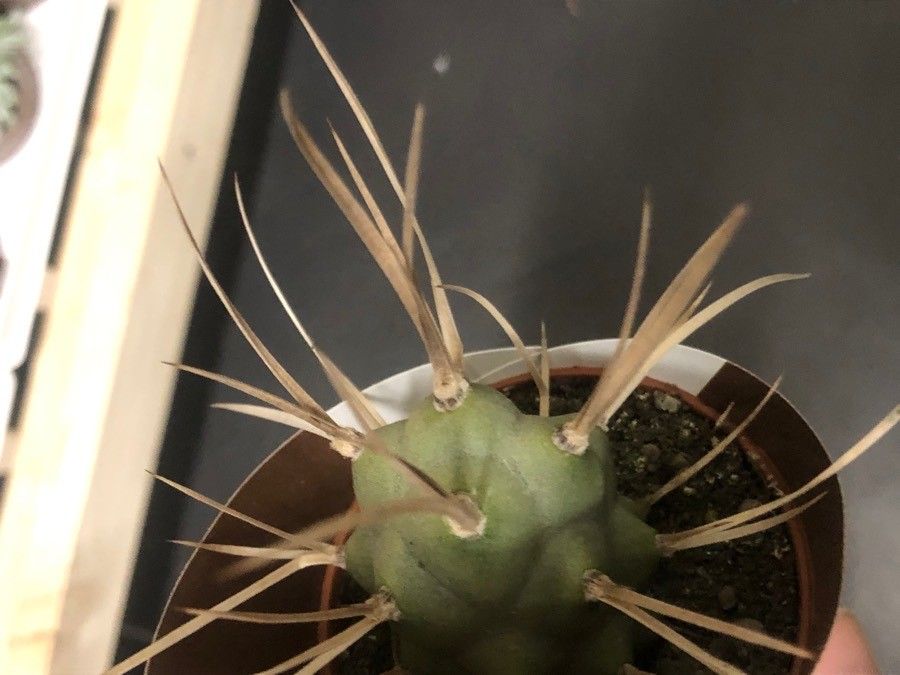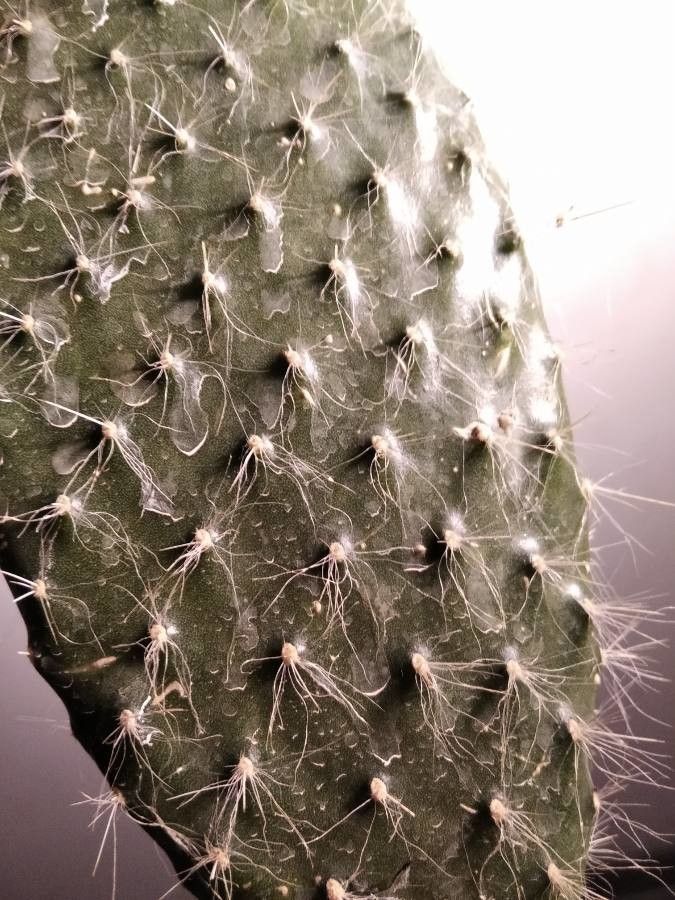
Opuntia pailana is a species of the genus Opuntia in the family Cactaceae. The name pailana comes from the sierra de la Paila in the state of Coahuila Mexico where it was discovered.
Arborescent pricklypear has strong disease resistance and usually stays healthy under normal care. However, it can be vulnerable to mealybugs; these pests may cause some harm but are typically not a major concern. Regarding care, Arborescent pricklypear is drought-tolerant and does not need frequent watering. It can endure long stretches without water and requires little fertilizer. That said, it is very prone to root rot if kept in poor light and overwatered. Overall, Arborescent pricklypear is a good choice for people who prefer low-maintenance plants, though it's important to meet its basic needs. It is especially appropriate for those who are away for extended periods and might forget to water regularly.
How to keep Opuntia Pailana.
Light
The arborescent pricklypear flourishes in locations with ample sunlight, although it can survive in moderately sunny regions. Its well-being and expansion might be jeopardized in environments devoid of sufficient light. Although it is adaptable, excessive or insufficient light might result in stunted growth or sunburn.
Temperature
The arborescent pricklypear is native to a climate where the temperature varies between 68 and 100 °F (20 to 38 ℃). As such, it flourishes in moderate conditions. During chillier seasons, modifications may be required to keep within this temperature spectrum.
Fertilizer
Arborescent pricklypear requires minimal fertilization, perhaps 1-2 applications yearly during the growth phase. It is advisable not to fertilize during winter and summer when the plant is dormant. Upon repotting, lessen the amount of fertilizer used and allow a gap of few months before the next fertilizer application. The act of fertilizing aids in ensuring robust growth and stimulating flower production.
Botanical profile.
- Plant Type
- Succulent
- Life Cycle
- Perennial
- Genus
- Opuntia
- Family
- Cactaceae
- Hardiness Zone
- 9-11
- Mature Height
- 4.88 m
- Mature Spread
- 15 cm to 30 cm
- Leaf Color
- Green Yellow, Yellow
- Leaf Type
- Evergreen
- Flower Color
- Yellow
- Flower Size
- 5.08 cm to 6.35 cm
- Bloom Time
- Late spring, Early summer, Mid summer
- Planting Time
- Spring, Summer, Autumn
- Harvest Time
- Mid summer, Late summer, Early fall
- Native Area
- Mexico