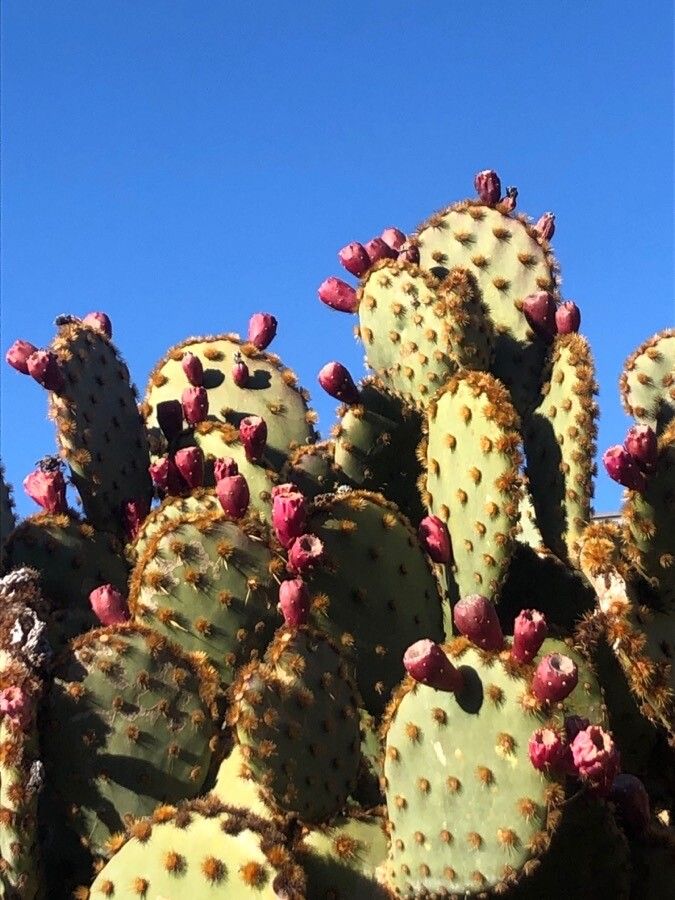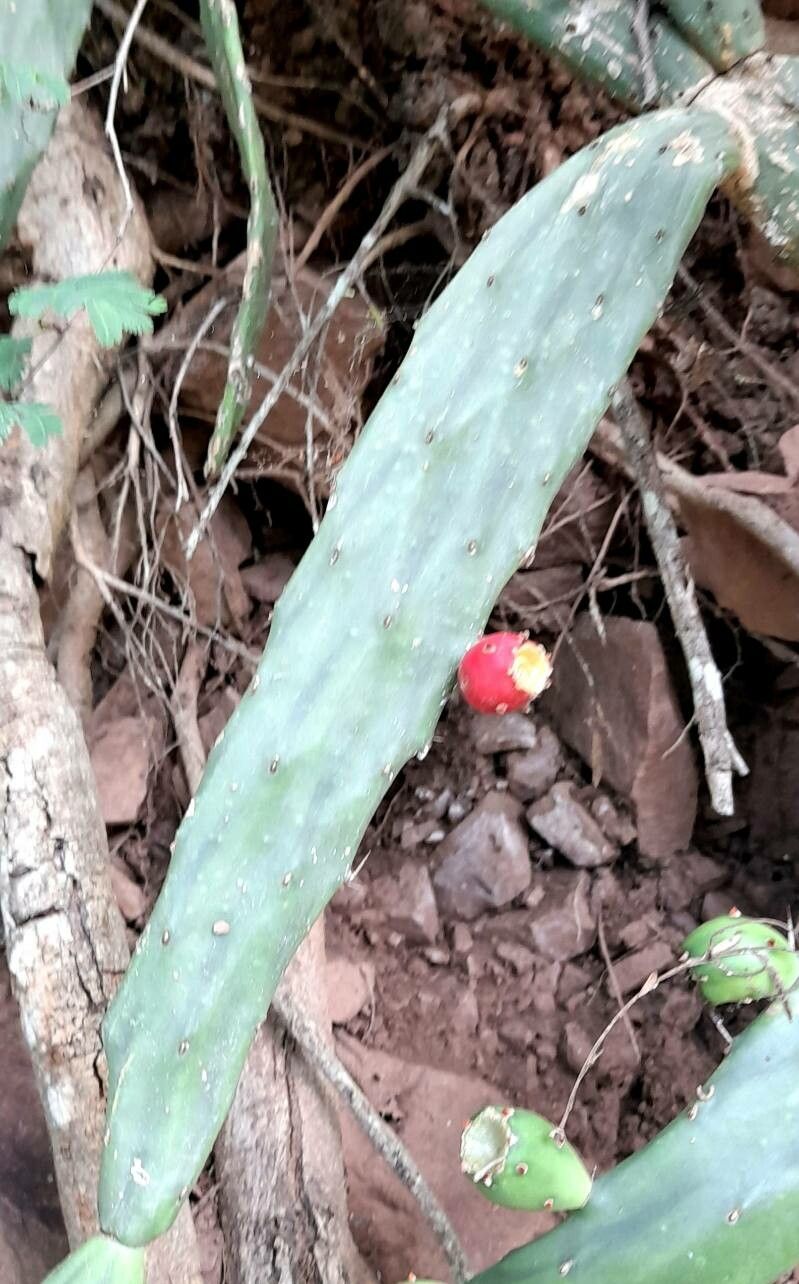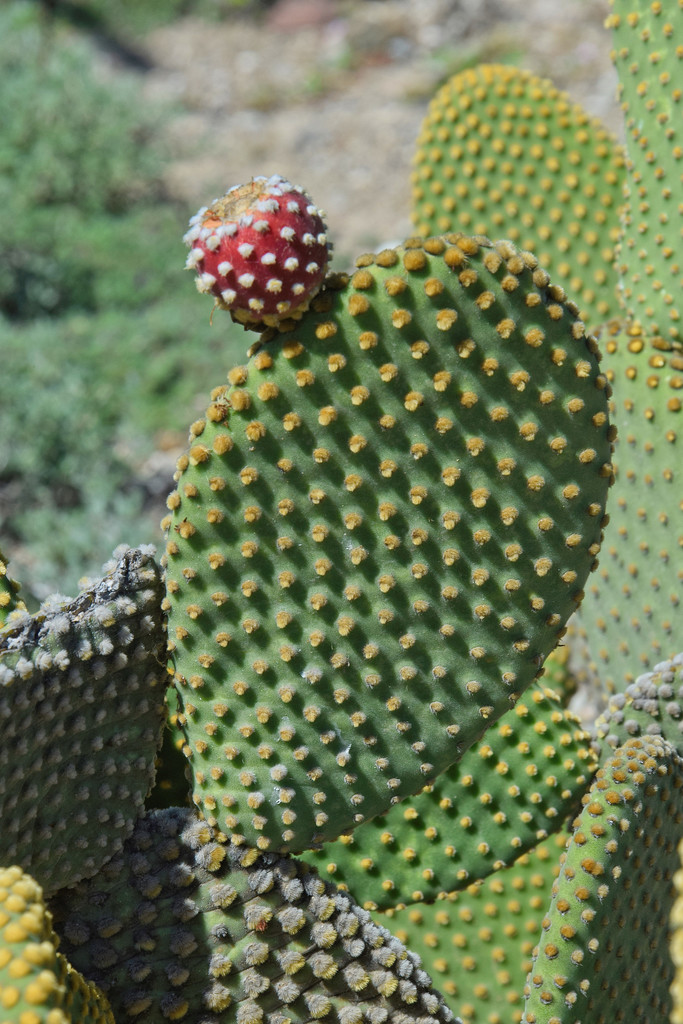
Opuntia microdasys, commonly known as the Bunny Ears cactus, is a species of cactus native to Mexico. This plant is favored as an ornamental addition to gardens and homes due to its distinctive appearance and ease of care. The Bunny Ears cactus features flat, oval-shaped pads adorned with small, spine-like glochids that resemble bunny ears. These green pads can grow up to 6 inches long and 4 inches wide.
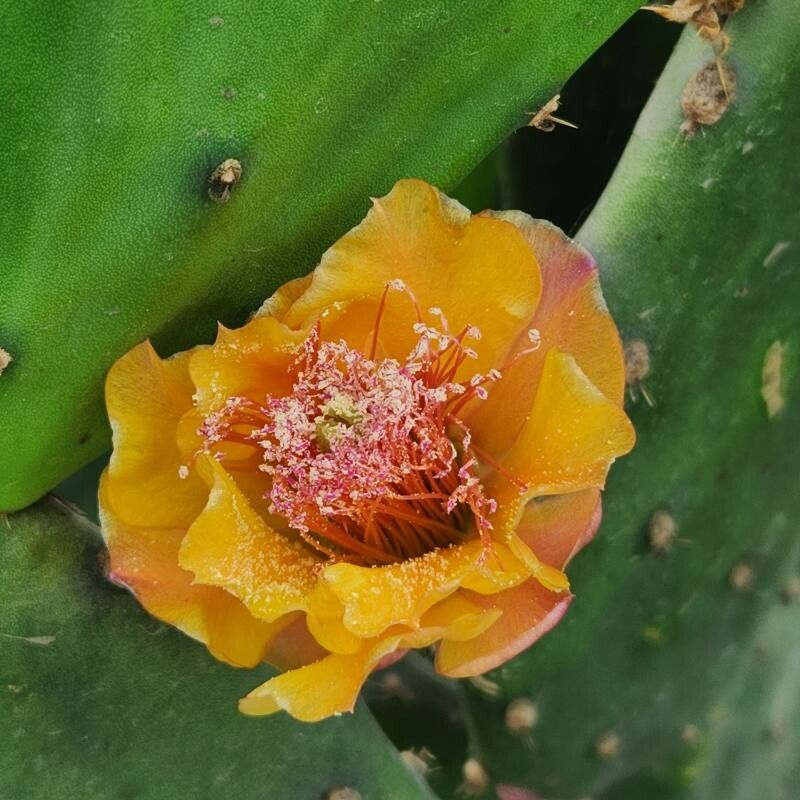
During the spring and summer months, the Bunny Ears cactus produces bright yellow flowers that bloom at the tips of its pads. These blossoms are followed by small, edible fruits that resemble tiny red or yellow berries.
The Bunny Ears cactus thrives in well-draining soil with plenty of sunlight, though it can tolerate partial shade. It is drought-tolerant but should be watered occasionally during its growing season.
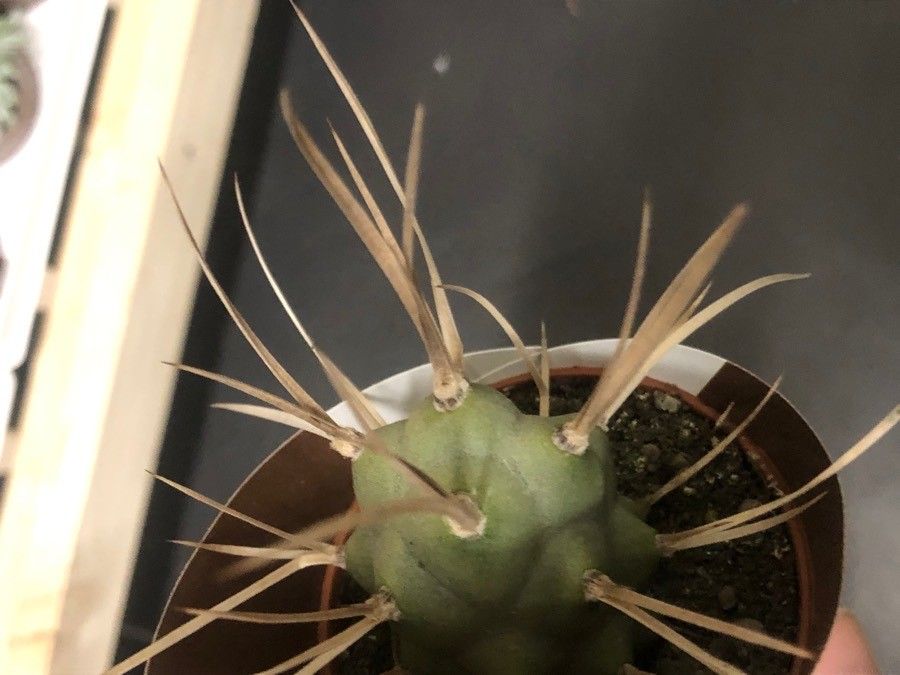
Despite its cute and harmless appearance, it's important to handle the Bunny Ears cactus with care. Its glochids can cause skin irritation or become embedded in clothing or skin if not handled properly.
Overall, Opuntia microdasys is an intriguing addition to any succulent collection, thanks to its unique look and low maintenance requirements.
The Bunny Ears Cactus has become a popular houseplant due to its easy care requirements and charming appearance. While it occasionally produces yellow flowers, which are quite rare, its popularity mainly stems from its whimsical resemblance to a rabbit's head, earning it the name "Bunny Ears Cactus."
Bunny ears cactus has strong resistance to disease and generally stays healthy under normal care without becoming ill easily. That said, it can be prone to mealybugs, which may cause some damage but usually do not pose a serious risk. For care needs, Bunny ears cactus is drought-tolerant and does not require frequent watering. It can endure long stretches without water and needs little fertilizer. However, it is highly susceptible to root rot if kept in poor lighting and overwatered. Overall, Bunny ears cactus is a good choice for people who want to spend less time on plant care, though it is important to know and meet its basic needs. It is particularly suitable for those who are away for long periods and might forget to water regularly.
How to keep Opuntia Microdasys.
Light
Bunny ears cactus prefers abundant sunlight but can also survive with moderate sun. The conditions of its native habitat have shaped this need for light. Too much or too little light can noticeably affect its healthy growth.
Water
Angel's-wings is a plant that thrives in arid environments, demonstrating excellent drought tolerance thanks to its moisture-retaining pads. To care for it indoors, water the plant once every three weeks and ensure it is planted in well-draining soil. Occasionally misting the plant can help mimic its native humidity. During the growing season, Angel's-wings efficiently conserves water.
Humidity
This plant prefers dry conditions, so don't mist it. However, watering it less often can also thrive in higher humidity.
Temperature
The bunny ears cactus favors a temperature range of 68 to 100 ℉ (20 to 38 ℃). In its natural habitat it does best in warm to hot conditions. During colder months it can benefit from somewhat cooler temperatures around 60 to 75 ℉ (15 to 24 ℃) to promote dormancy and prepare for new growth in the spring.
Fertilizer
For the Bunny Ears cactus, light applications of fertilizer once or twice a year during the growing season are sufficient. Do not fertilize in winter or summer when the plant is dormant. Reduce feeding for repotted plants and wait a couple of months after repotting before applying fertilizer. Fertilizing promotes healthy growth and helps encourage blooms.
Pruning
Angel's-wings needs minimal pruning. To help the plant direct its nutrients towards healthy growth, it's best to remove spent flowers and dead branches.
Pot & Repot
Repot the Bunny ears cactus in spring or summer, picking a pot slightly larger than the current one that has good drainage. Use a sandy or gritty cactus mix that drains well. Handle it carefully to avoid the spines. Let the cactus dry out before repotting to help prevent root rot. After repotting, wait about a week before watering so the roots can heal.
Toxicity
The bunny ear cactus is completely non-toxic to people and pets. However, the glochids are easily dislodged and will prick your skin causing mild irritation. It’s best to keep these cacti away from curious children and pets to minimize the risk of harm. Always use protective gloves and long sleeves when handling this plant.
Further reading →
The toxicity and danger assessments provided are for reference only. We do not assure their accuracy, so it's crucial not to depend on them. Seek professional advice when necessary for accurate guidance.
Botanical profile.
- Plant Type
- Succulent, Shrub
- Life Cycle
- Perennial
- Genus
- Opuntia
- Family
- Cactaceae
- Hardiness Zone
- 9-12
- Mature Height
- 30 cm to 91 cm
- Mature Spread
- 61 cm
- Leaf Color
- Green
- Leaf Type
- Evergreen
- Flower Color
- Yellow
- Flower Size
- 2.54 cm to 5.08 cm
- Bloom Time
- Late spring, Early summer, Mid summer
- Planting Time
- Spring, Summer, Autumn, Winter
- Harvest Time
- Mid summer
- Native Area
- Mexico
Other names.
Reader questions.
When Should I Water My Angel's-wings?
Timely watering is crucial for the health and growth of angel's-wings, a cactus species that thrives in arid conditions. The plant requires watering when the soil in the pot is completely dry, indicated by shriveled or deflated-looking pads, softness to the touch, or discoloration to yellow or brown. It's important to allow the soil to dry thoroughly to avoid overwatering, which can lead to root rot. Waiting too long to water after these signs can weaken the plant and potentially cause it to die from dehydration.
Why should I add fertilizer to my Angel's-wings?
Fertilizing Angel's-wings is beneficial for the growing medium as it adds nutrients. While it already stores water and nutrients, applying plant food during the growing season contributes to healthy growth. Additionally, fertilizing can stimulate mature specimens to produce blooms in the same season.
What are the sunlight requirements for Angel's-wings plants?
Angel's-wings plants thrive in full sun, requiring above 6 hours of sunlight daily, but they can also tolerate partial sun, which is about 3-6 hours of sunlight. It's important to watch how sunlight moves through your garden to find spots that offer a good balance of light and shade, ensuring your plants grow happily and healthily.
What is the ideal temperature range for Angel's-wings?
Angel's-wings thrives in a temperature range of 68 to 100°F (20 to 38°C), which suits its preference for warm to hot climates. During the colder months, a slightly cooler temperature of 60 to 75°F (15 to 24°C) is beneficial to encourage dormancy and prepare for new growth in the spring. This plant is a heat-loving species that enters a dormant state in winter, and when the outdoor temperature drops below 32°F (0°C), it should be moved indoors. To foster growth, ensure the plant is near a south-facing window for sunlight or use supplemental lighting if natural light is insufficient.
How Should I Water My Angel's-wings?
Angel's-wings should be watered using the soak and dry method, which involves thoroughly watering the plant until water drains out of the bottom, mimicking natural rainfall patterns in desert environments. Use a watering can with a narrow spout to direct water to the base of the plant and avoid wetting the foliage to prevent rot and fungal diseases. A moisture meter can help assess when the soil is dry enough for watering. Additionally, bottom-watering, where the plant pot sits in a tray of water allowing roots to absorb moisture from below, is an effective method to ensure adequate hydration.
When should I fertilize my Angel's-wings?
Angel's-wings, a type of plant, only requires a small amount of fertilizer during its active growing season. It is recommended to fertilize the plant 1-2 times per year, specifically in the spring and autumn. Avoid fertilizing in the winter and summer when the plant is dormant. Take caution when dealing with repotted plants, as the amount of fertilizer should be reduced. It is also advised to wait a few months after repotting before applying any fertilizer.
What are some essential care tips for Angel's-wings regarding sunlight?
Angel's-wings, or Opuntia microdasys, display a preference for abundant sun exposure, a trait inherited from their native habitat conditions. They can survive in moderate sun but for optimal growth, ensuring adequate light is crucial. Conditions of either too much or too little light can have a noticeable impact on their health. For indoor plants, artificial lighting can be critical in winter or less sunny spaces to promote healthier, faster growth. LED lights are recommended for their ability to simulate the wavelengths needed by plants.
How does low temperature affect Angel's-wings and what are the solutions?
Angel's-wings is sensitive to low temperatures and thrives best above 68°F (20°C). During winter, ensuring the temperature remains above 32°F (0°C) is crucial. Exposure to temperatures below 23°F (-5°C) can cause weakness, wilting, and root rot. If frostbite occurs, trim off the affected areas and check for root rot. If roots have rotted, they need to be removed, and the plant may be propagated from cuttings. Move the plant indoors to a warmer environment and place it near a south-facing window for adequate sunlight. Use supplemental lighting if necessary.
How Much Water Does Angel's-wings Really Need?
Originate from arid regions, angel's-wings requires minimal watering adhering to a 'less is more' principle. The exact amount of water needed depends on the pot size and plant size, but generally, a good soaking until water reaches the bottom of the pot every few weeks is adequate. The soil should completely dry out between waterings. Proper watering is evidenced by healthy, full pads, while shriveling or discoloration indicates underwatering and swelling or rot indicates overwatering. Striking the right balance is crucial to avoid root rot or dehydration.
When is the best time to not fertilize Angel's-wings?
Angel's-wings, like other plants, has a dormancy period when it stops growing and fertilizer applications should be halted. This occurs during the summer and winter. It is also advised to refrain from fertilizing for the first few months after repotting in the spring.
What symptoms indicate poor lighting conditions for Angel's-wings?
When Angel's-wings are exposed to suboptimal lighting, several symptoms can emerge. These include leggy or sparse growth, indicating the plant is stretching for light; slower or halted growth due to survival mode activation; chlorosis, where leaves lose their green color and turn yellow; sunscald, with leaves showing damage from intense light; leaf curling as a defense mechanism against too much light; wilting from excessive water loss; and leaf scorching, evident from brown, dry edges on leaves. These symptoms highlight the plant's struggle in inadequate light conditions.
What should be done if Angel's-wings is exposed to high temperatures?
Angel's-wings should ideally be kept below 100°F (38°C). Excessive heat above 109°F (43°C) halts growth, causes water loss, wilting, and increases susceptibility to sunburn. To manage heat damage, remove sunburned and rotten parts and shade the plant from the intense afternoon sun until growth resumes. In the case of root rot due to overwatering or heat, cease watering until new roots develop.