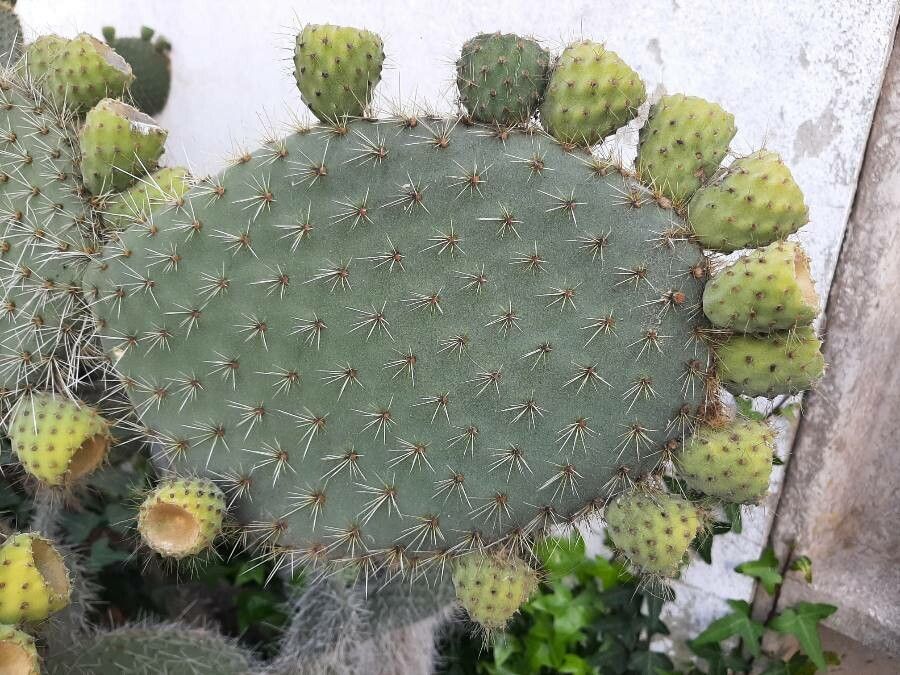
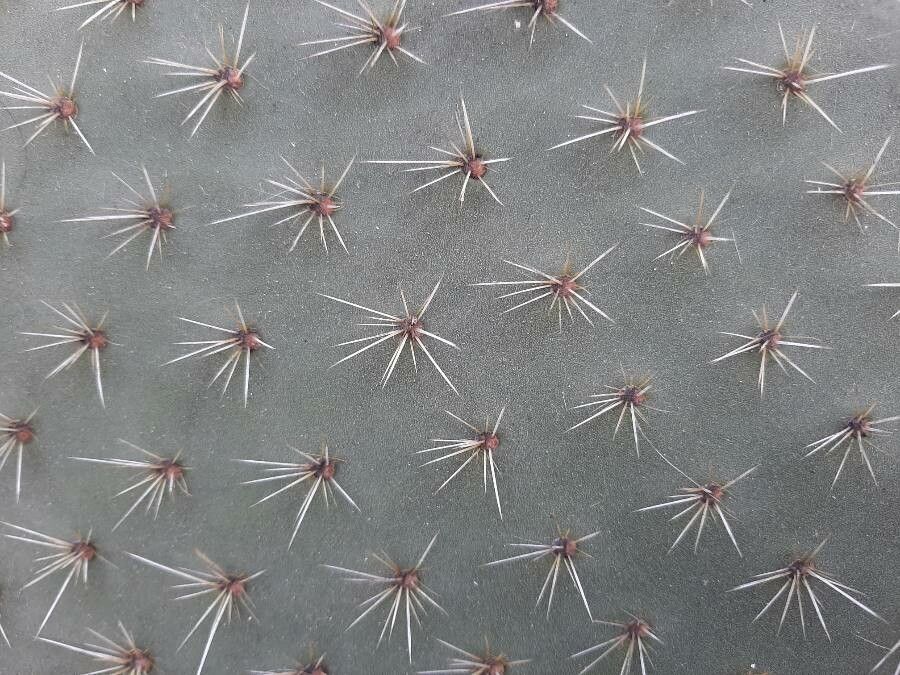
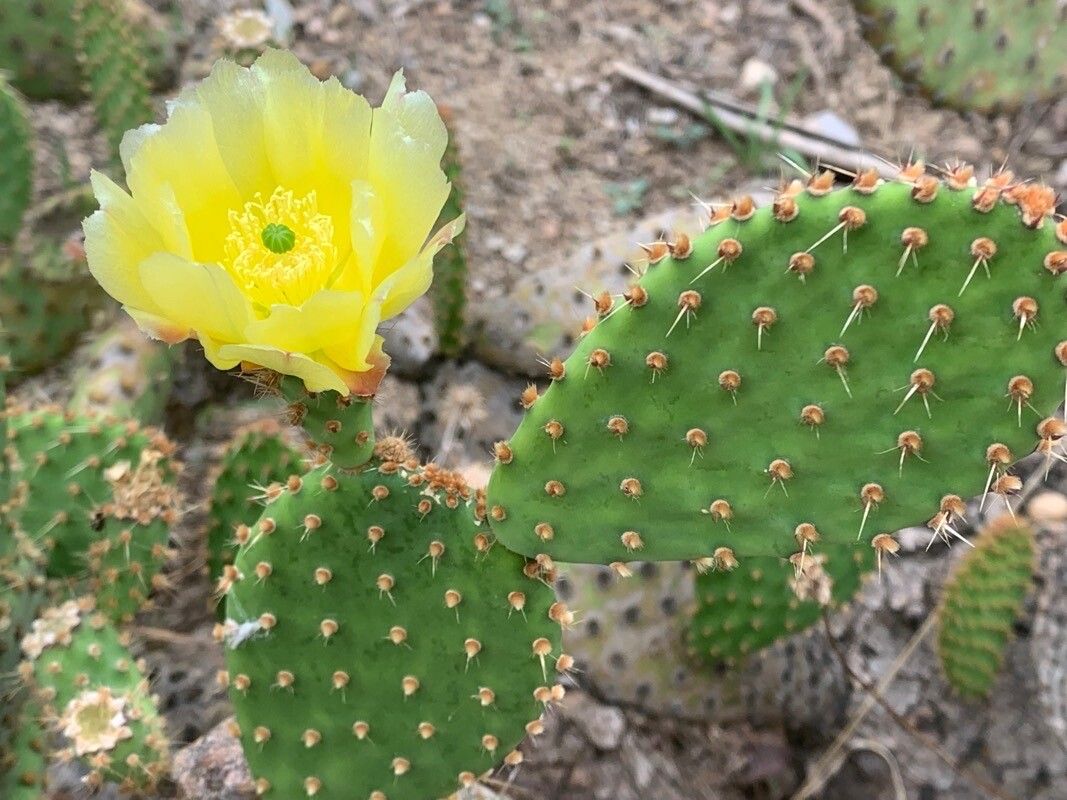
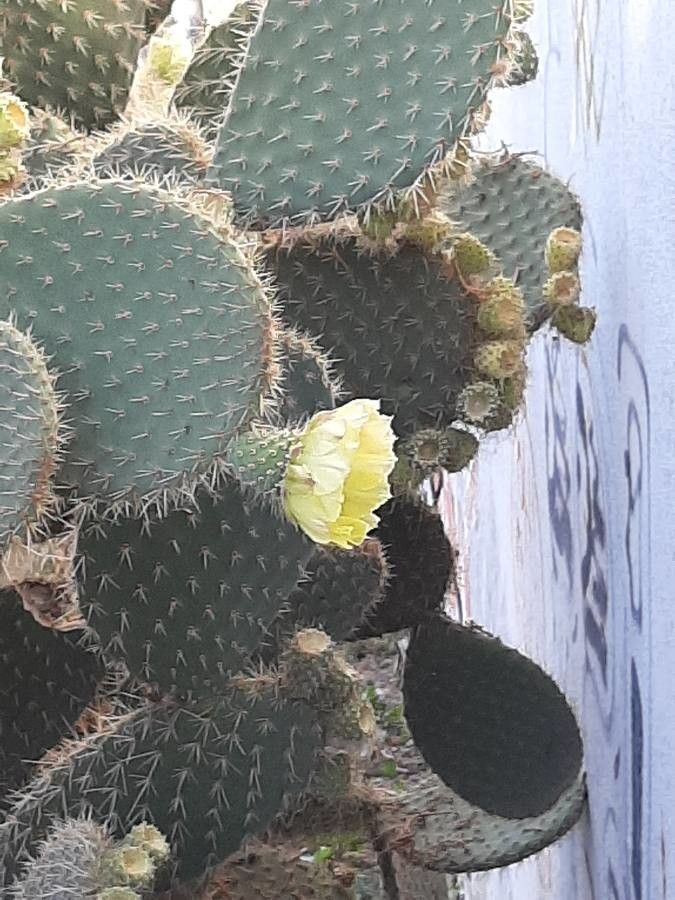
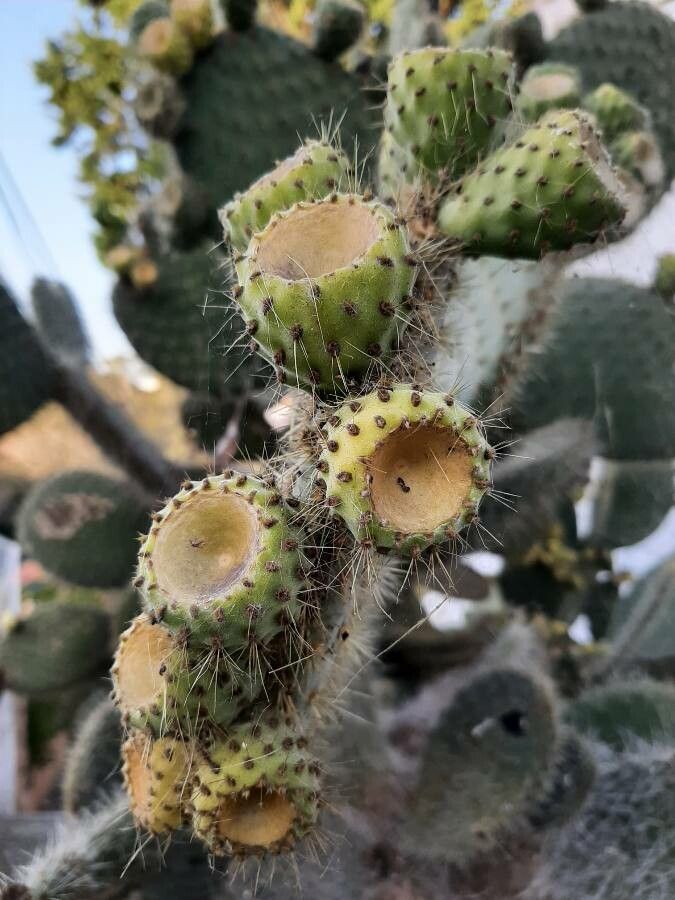
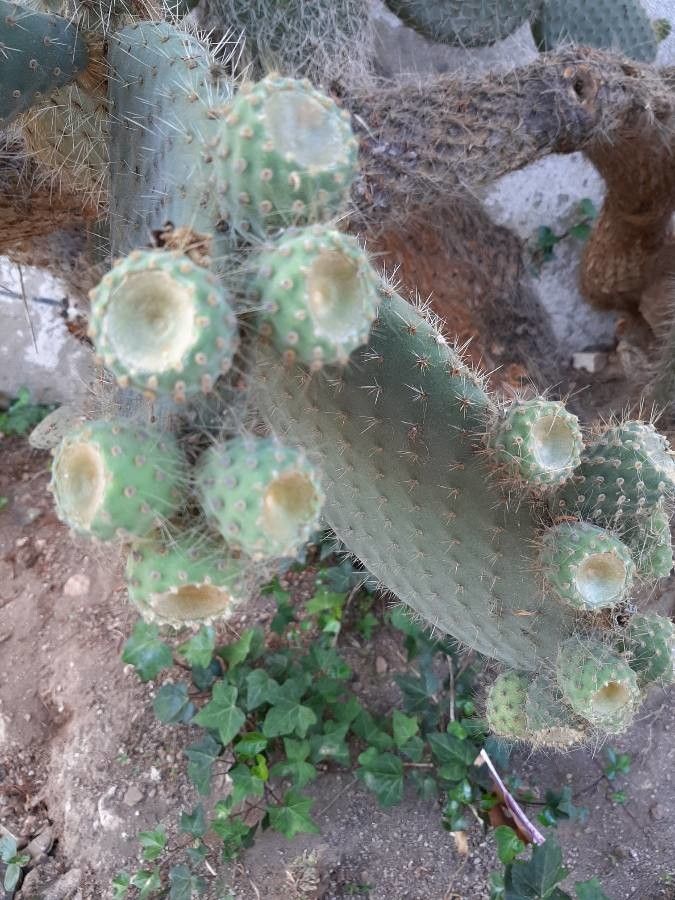
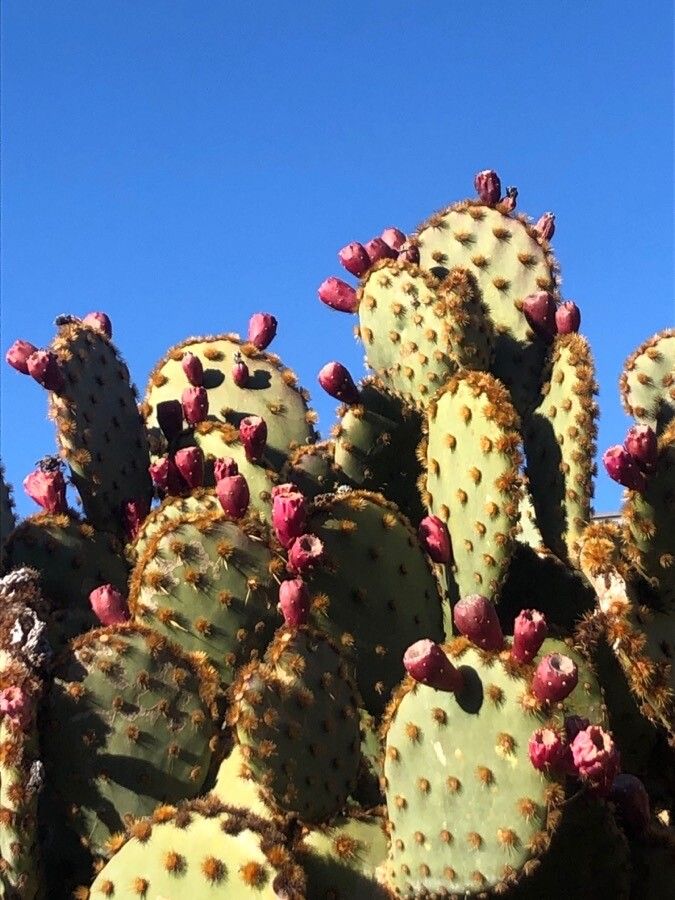
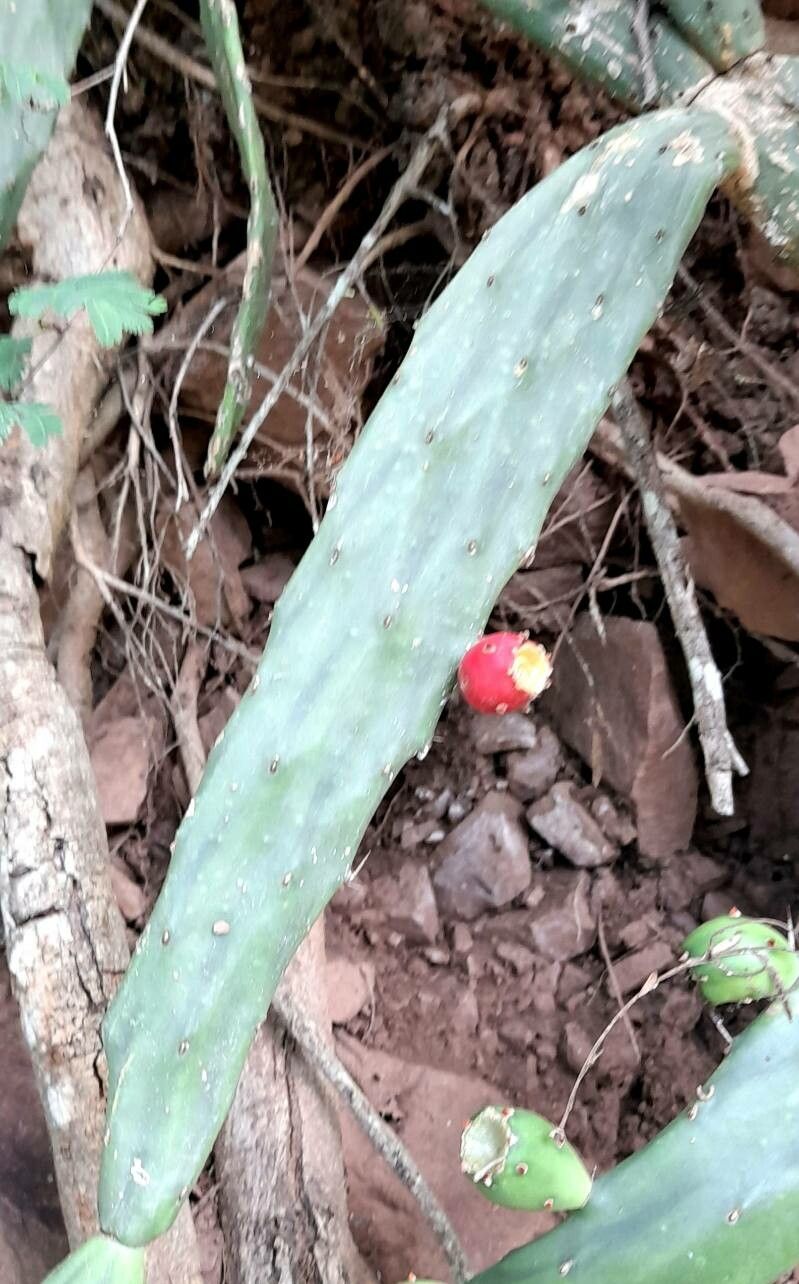
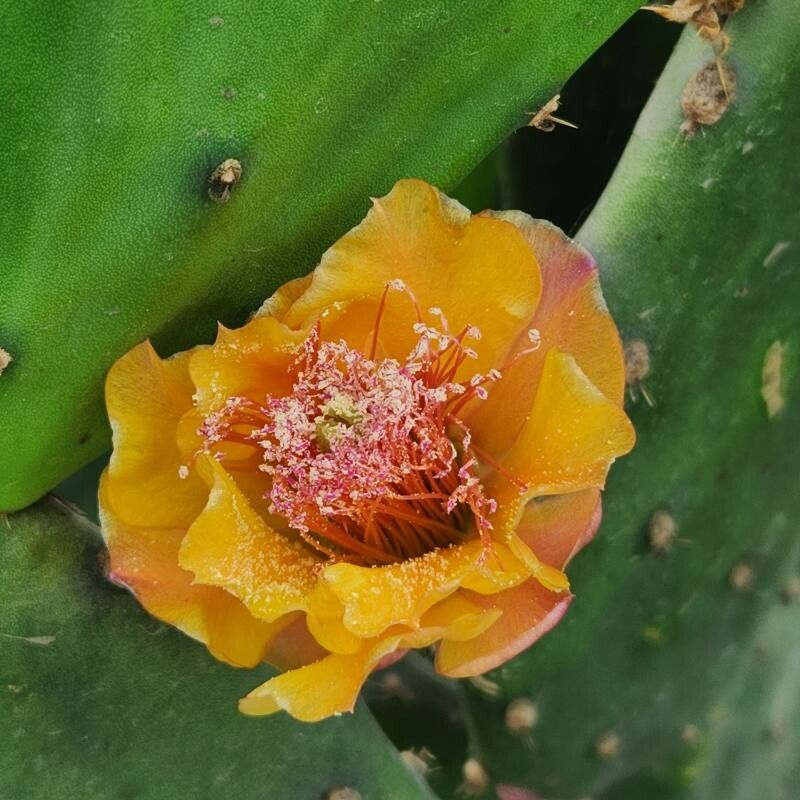
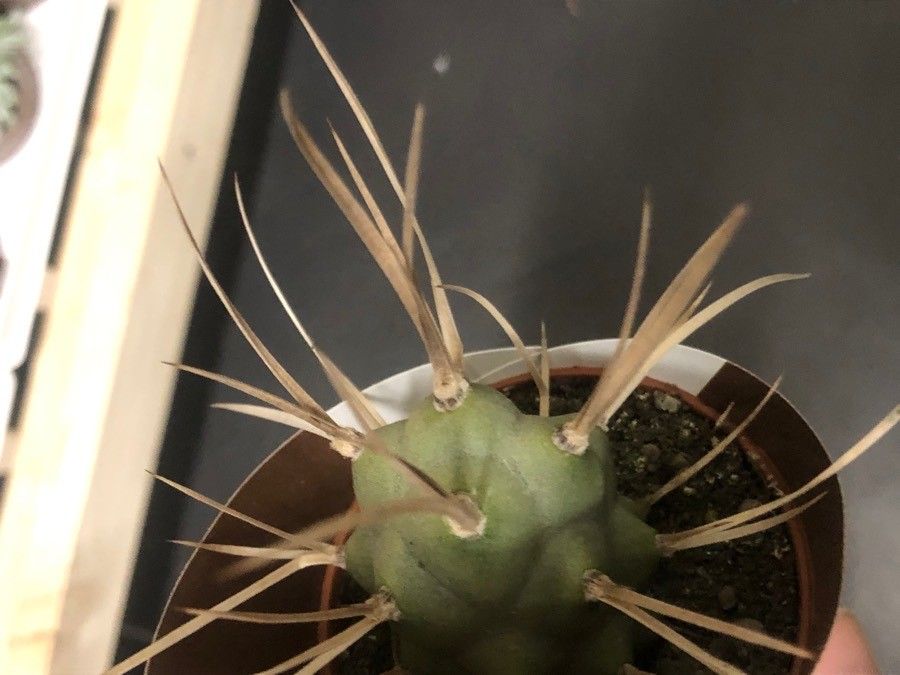
Opuntia leucotricha, commonly known as the Old Man Cactus or Bunny Ears Cactus, is a cactus species native to Mexico. This slow-growing plant can reach up to 2 meters in height and 1 meter in width. It features thick, fleshy pads covered in white hairs and sharp spines, necessitating careful handling due to the spines' long and sharp nature. In late spring or early summer, the Old Man Cactus produces beautiful yellow flowers. These blossoms are followed by edible fruits that resemble small figs. This cactus is easy to care for and can thrive both indoors and outdoors, provided it receives ample sunlight and is planted in well-draining soil. Although it is drought-tolerant, it should be watered sparingly during the winter months when it goes into dormancy. For centuries, indigenous people have utilized Opuntia leucotricha for its medicinal properties, particularly its anti-inflammatory benefits. Additionally, its fruits have been a staple in traditional Mexican cuisine. Overall, Opuntia leucotricha is a distinctive cactus with intriguing features, making it an excellent addition to any garden or indoor plant collection.
Arborescent pricklypear has strong disease resistance and usually stays healthy under normal care. However, it can be vulnerable to mealybugs; these pests may cause some harm but are typically not a major concern. Regarding care, Arborescent pricklypear is drought-tolerant and does not need frequent watering. It can endure long stretches without water and requires little fertilizer. That said, it is very prone to root rot if kept in poor light and overwatered. Overall, Arborescent pricklypear is a good choice for people who prefer low-maintenance plants, though it's important to meet its basic needs. It is especially appropriate for those who are away for extended periods and might forget to water regularly.
How to keep Opuntia Leucotricha.
Light
The arborescent pricklypear flourishes in locations with ample sunlight, although it can survive in moderately sunny regions. Its well-being and expansion might be jeopardized in environments devoid of sufficient light. Although it is adaptable, excessive or insufficient light might result in stunted growth or sunburn.
Water
The arborescent prickly pear is highly drought-tolerant, flourishing with minimal moisture by storing water in its fleshy pads. Water the plant roughly once every three weeks, making sure the soil is completely dry between waterings. To prevent root rot and mimic its natural desert habitat, use well-draining soil.
Temperature
The arborescent pricklypear is native to a climate where the temperature varies between 68 and 100 °F (20 to 38 ℃). As such, it flourishes in moderate conditions. During chillier seasons, modifications may be required to keep within this temperature spectrum.
Fertilizer
Arborescent pricklypear requires minimal fertilization, perhaps 1-2 applications yearly during the growth phase. It is advisable not to fertilize during winter and summer when the plant is dormant. Upon repotting, lessen the amount of fertilizer used and allow a gap of few months before the next fertilizer application. The act of fertilizing aids in ensuring robust growth and stimulating flower production.
Pruning
Arborescent pricklypear needs very little pruning. Focus primarily on removing wilted flowers and branches to help the plant direct nutrients towards healthy growth.
Pot & Repot
Repot the arborescent pricklypear every 2 to 3 years in the spring. Use a pot that is 20% larger than the current one. Make sure to use well-draining soil, and carefully monitor watering to prevent root rot. Additionally, protect the plant from intense sunlight to promote healthy new growth.
Botanical profile.
- Plant Type
- Succulent
- Life Cycle
- Perennial
- Genus
- Opuntia
- Family
- Cactaceae
- Hardiness Zone
- 9-11
- Mature Height
- 4.88 m
- Mature Spread
- 15 cm to 30 cm
- Leaf Color
- Green Yellow, Yellow
- Leaf Type
- Evergreen
- Flower Color
- Yellow
- Flower Size
- 5.08 cm to 6.35 cm
- Bloom Time
- Late spring, Early summer, Mid summer
- Planting Time
- Spring, Summer, Autumn
- Harvest Time
- Mid summer, Late summer, Early fall
- Native Area
- Mexico
Other names.
Reader questions.
What should I do if I give my Arborescent pricklypear plant too much or too little water?
Arborescent pricklypear and other succulents are able to survive for long periods without water, so it's unusual for them to suffer from underwatering. However, if you forget to water your Arborescent pricklypear for a month or more, you may notice that it appears thirsty or damaged due to lack of water. Signs of an underwatered Arborescent pricklypear include a lackluster and wrinkled appearance, dried up and brown or crispy sections, and dropped leaves. The soil will also be completely dry. To address this, thoroughly water the plant by submerging the pot in water for 5-10 minutes until the soil feels moist on the surface. Overwatering is dangerous for Arborescent pricklypear and can be fatal if not addressed. Too much moisture leads to root rot, which prevents the roots from absorbing nutrients and water from the soil. This occurs when fungi and bacteria thrive in the wet soil and attack the roots. Symptoms of overwatering include yellow, swollen, and translucent organs that may burst open. If left untreated, the plant may turn brown or black and easily fall off. Check the soil to confirm overwatering as the cause of these symptoms. Improving air ventilation and adjusting the frequency of watering can help resolve overwatering issues. Saving an overwatered plant is challenging but not impossible. Early detection is the key before significant damage occurs. If the roots are rotten, it may result in the death of the entire plant. To address overwatering, remove the plant from the pot and inspect the roots and soil. Remove wet soil from around the roots and rinse them with room-temperature water to remove any lurking fungus. Rotten roots will appear dark brown or black, soft, mushy, or slimy. If most of the roots are affected by root rot, saving the plant may not be possible. In such cases, it's best to remove healthy stems and propagate a new Arborescent pricklypear. However, if only a portion of the roots are affected, there's a chance the plant can be saved. Remove unhealthy-looking roots using sterilized cutting tools, dip the remaining firm and pale roots in fungicide, and then repot the plant in fresh, well-draining soil. Although not always successful in treating root rot, most plants will recover and start growing new shoots in the next growing season.
Why should I put fertilizer on my Arborescent pricklypear?
Applying plant food to Arborescent pricklypear during the growing season helps support healthy growth and adds nutrients to the soil. Despite its ability to store water and nutrients, fertilizing can also promote blooming in mature specimens during the growing season.
What are the sunlight requirements for Arborescent pricklypear?
Arborescent pricklypear requires full sun, which means more than 6 hours of direct sunlight daily, but it can also manage in partial sun, receiving about 3-6 hours of sunlight. It's important to observe how sunlight moves through your garden to ensure you find a location that offers a balance of light and shade suited for the plant, fostering optimal growth and health.
What is the ideal temperature range for Arborescent pricklypear?
The Arborescent pricklypear thrives in a temperature range from 68 to 100 °F (20 to 38 °C), favoring temperate conditions. During the colder seasons, it is essential to make necessary adjustments to maintain this optimal temperature range. For example, when temperatures drop below 68°F (20°C), the plant's growth slows, necessitating a reduction or complete halt in watering to prevent root rot.
How often should I give water to my pricklypear plant?
To determine how often to water Arborescent pricklypear, there are a few simple steps. First, check the soil by either sticking your finger in the pot or using a moisture meter to gauge its dryness. If the soil feels even slightly moist, wait a few days and check again. When planting in a deep pot, you can use a stick or chopstick to check the soil below the surface. Generally, watering every two weeks in summer and once a month in winter works for most people. However, there are some considerations that may change the frequency. These factors are listed below to help you determine the best watering schedule.
When should I fertilize my Arborescent pricklypear plant?
Arborescent pricklypear, like all plants, benefits from extra nutrients. However, it only requires a small amount of fertilizer during its growing season. It is recommended to fertilize the plant 1-2 times per year, specifically in the spring and autumn. Avoid fertilizing during winter and summer when the plant is dormant. Take caution with repotted plants as you should decrease the fertilizer amount. Additionally, it is best to wait a couple of months after repotting before applying any fertilizer.
How does insufficient light affect Arborescent pricklypear and what are the symptoms?
Insufficient light can significantly impact the health of an Arborescent pricklypear. Symptoms of light deficiency include smaller new leaves, leggy or sparse growth, faster leaf drop, slower or no new growth, lighter-colored new leaves, chlorosis (yellowing of leaves), sunscald, leaf curling, wilting, and leaf scorching. Each of these symptoms indicates the plant is struggling with the light conditions, either receiving too little light or being affected by excessive direct sunlight.
What should I do with my Arborescent pricklypear in winter?
In winter, when outdoor temperatures fall below 32°F (0°C), the Arborescent pricklypear should be moved indoors to continue its cultivation in a warm environment. It is best placed near a south-facing window to ensure it receives as much sunlight as possible. If natural light is insufficient, supplemental lighting can be used to support its growth. Additionally, if the plant is kept outdoors and temperatures are expected to drop significantly, consider using insulative measures such as a temporary greenhouse or wrapping the plant with plastic film or fabric.
What should I think about when watering my Arborescent pricklypear?
Proper watering for your Arborescent pricklypear depends on various environmental factors such as container size, soil type, temperature, and humidity. The container and soil used determine the frequency and amount of watering required. It is important to choose a container with drainage holes to prevent excess water from accumulating. A smaller container holds less moisture, while a larger one retains moisture for longer and requires less frequent watering. Avoid using an oversized pot, as it can lead to overwatering. When repotting, choose a container just one size larger than the current one, and opt for a shallow container since Arborescent pricklypear has shallow roots. In terms of watering schedule, the Arborescent pricklypear needs less water during winter when its growth slows down, and more water during the active growing seasons of spring and autumn. In winter, the cooler air reduces evaporation, resulting in the soil staying wet for a longer time than in summer. The climate in your location also plays a role. If you live in a humid and rainy area, you'll need to water less frequently compared to a dry and arid climate. Keep in mind that conditions can vary within the same geographic location due to seasonal changes and indoor heating/cooling. If you've planted the Arborescent pricklypear in the ground and it has established a root system, it usually doesn't need additional watering beyond natural precipitation and dew. However, during extended dry periods, occasional watering may be necessary. If you're growing the plant in a container, it can be moved outside during suitable temperatures in spring and summer, then brought indoors when temperatures drop. A potted Arborescent pricklypear kept outside generally requires more water than one kept indoors, as it receives more sun exposure, even on a shaded porch.
When is not a good time to fertilize my Arborescent pricklypear plant?
Arborescent pricklypear, like other plants, goes through a dormancy period. During this time, it is best to avoid applying fertilizer. This period occurs in both the summer and winter when the plant stops growing. Additionally, it is recommended to stop fertilizing for the first few months after repotting in the spring.
What are the essentials for maintaining healthy growth in Arborescent pricklypear?
For healthy growth, Arborescent pricklypear needs ample sun exposure but can adapt to moderate sunlight. When natural sunlight is insufficient, especially in indoor conditions, artificial lighting becomes essential. Using artificial light, such as LED lights, helps in providing the specific wavelengths of light required by the plant. Full sun plants need 30-50W/sq ft, partial sun plants 20-30W/sq ft, and full shade plants 10-20W/sq ft of artificial light. The light source should be placed 12-36 inches above the plant for 8-12 hours per day to mimic natural sunlight conditions.
How does low temperature affect Arborescent pricklypear and what are the solutions?
Arborescent pricklypear is sensitive to low temperatures and performs best when the temperature is above 68°F (20°C). Exposure to temperatures below 32°F (0°C) during winter can halt its growth, and if temperatures fall below 23°F (-5°C), the plant may wilt, weaken, and become prone to root rot. In the event of mild frost damage, symptoms might not appear immediately, but the plant will likely wither within a week. To address frost damage, trim off frostbitten areas, check for root rot and if present, remove the affected roots. The plant can then be propagated from cuttings. Move the plant to a warmer environment indoors and ensure it has access to plenty of sunlight, using supplemental lighting if needed.