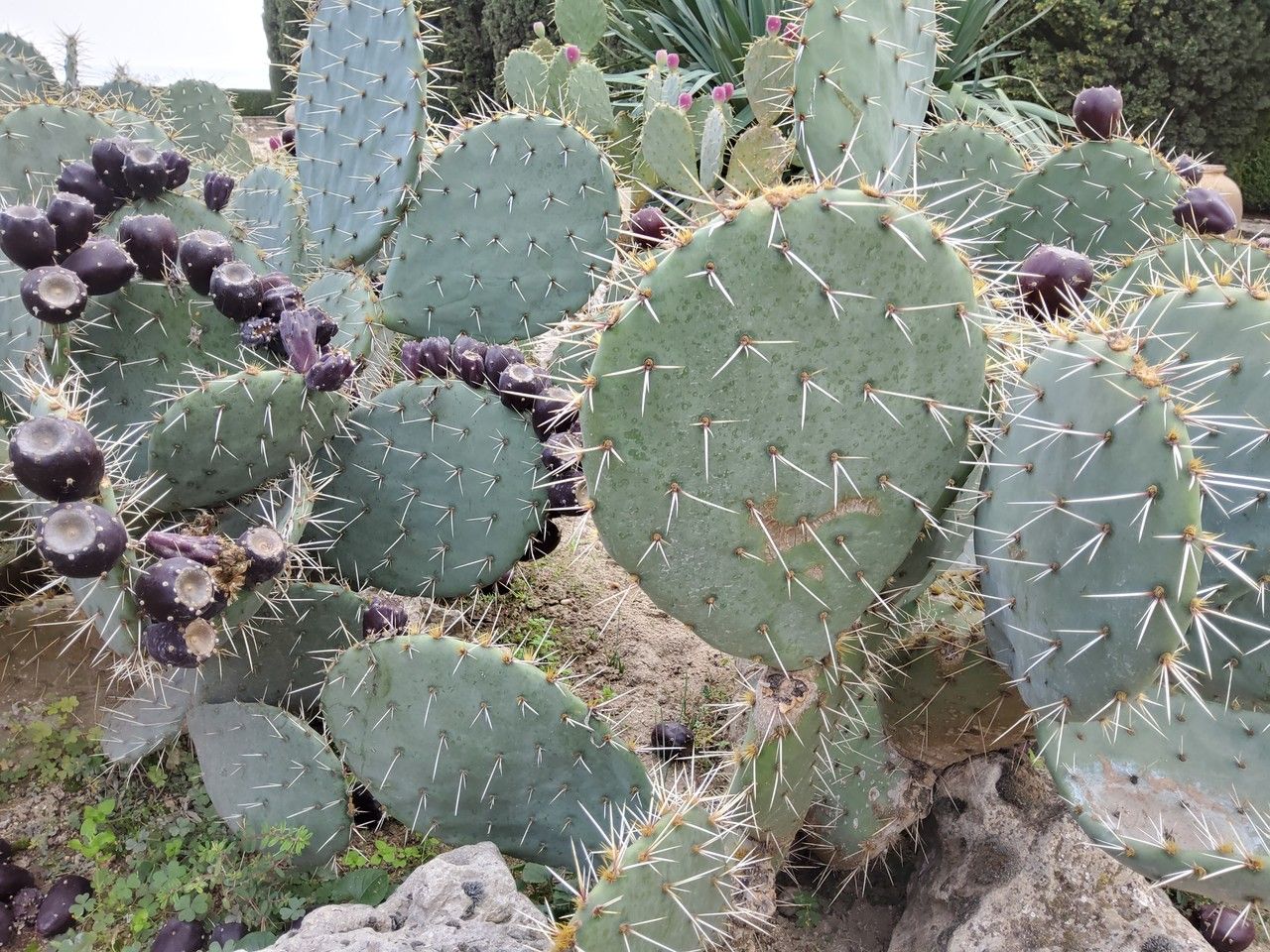
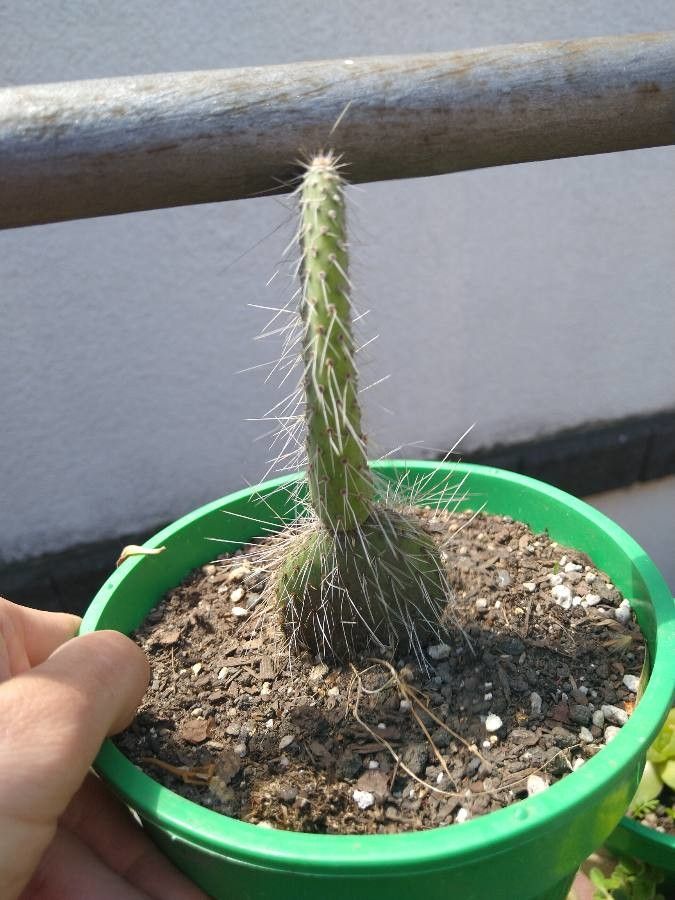
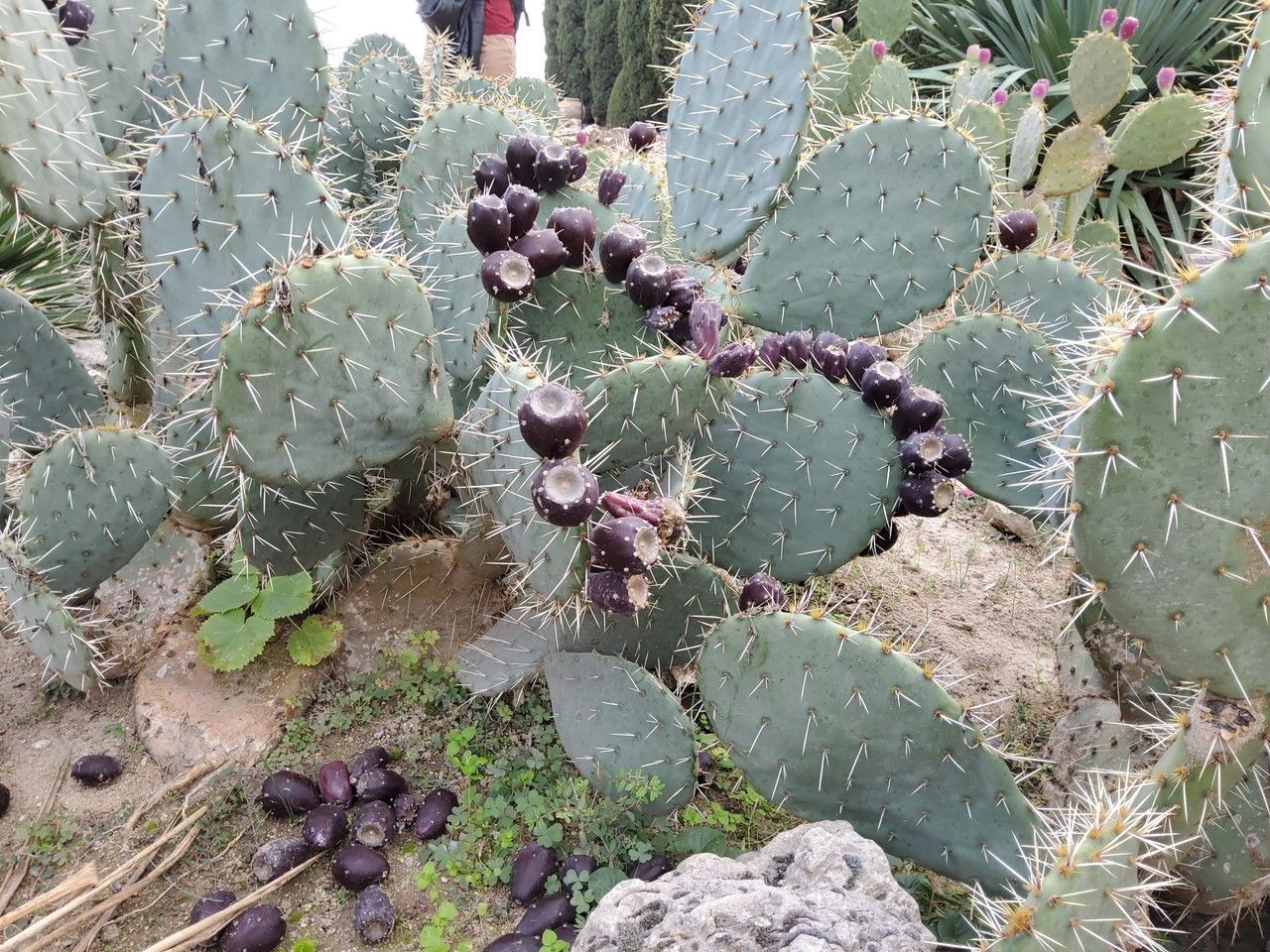
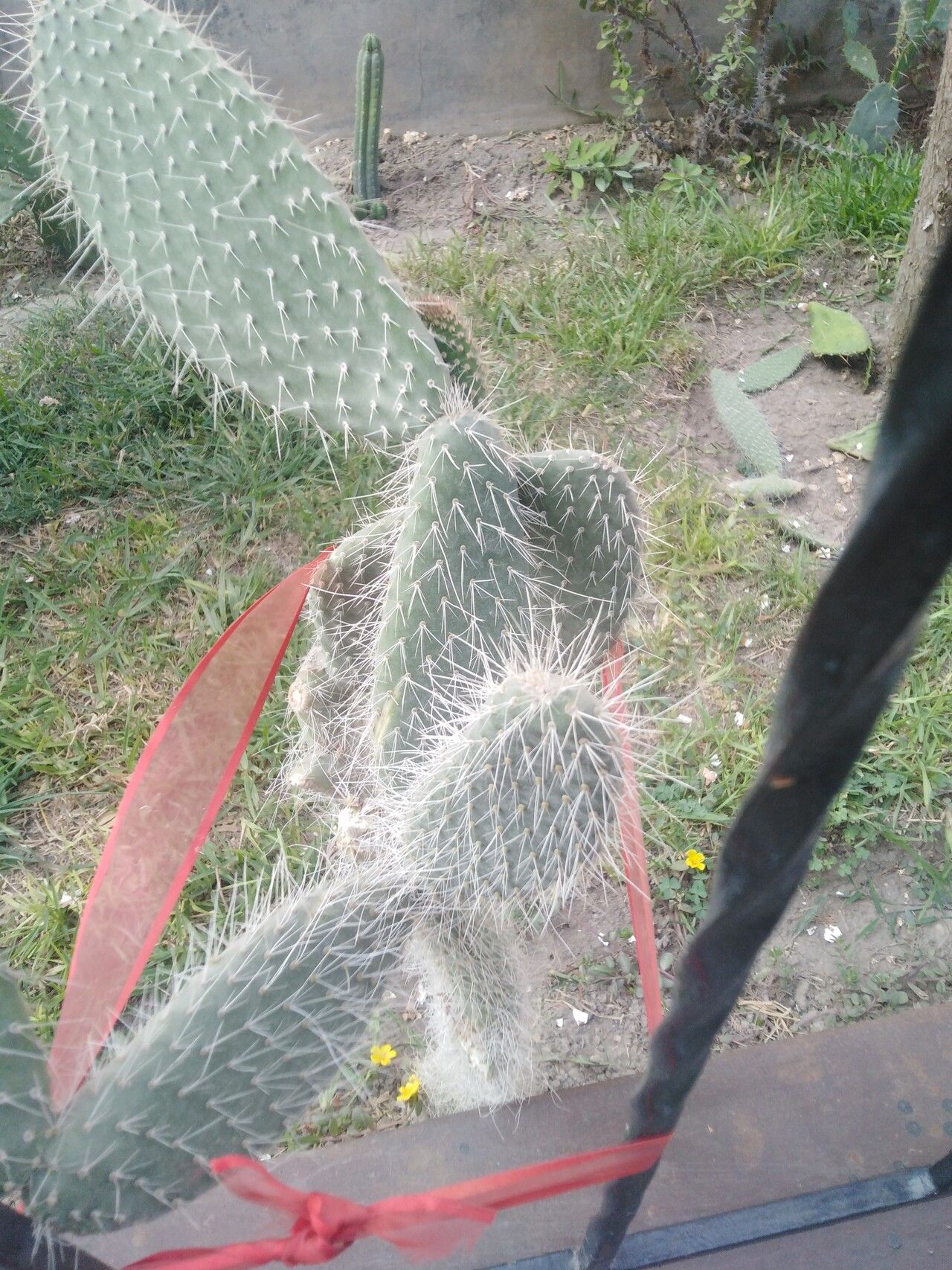
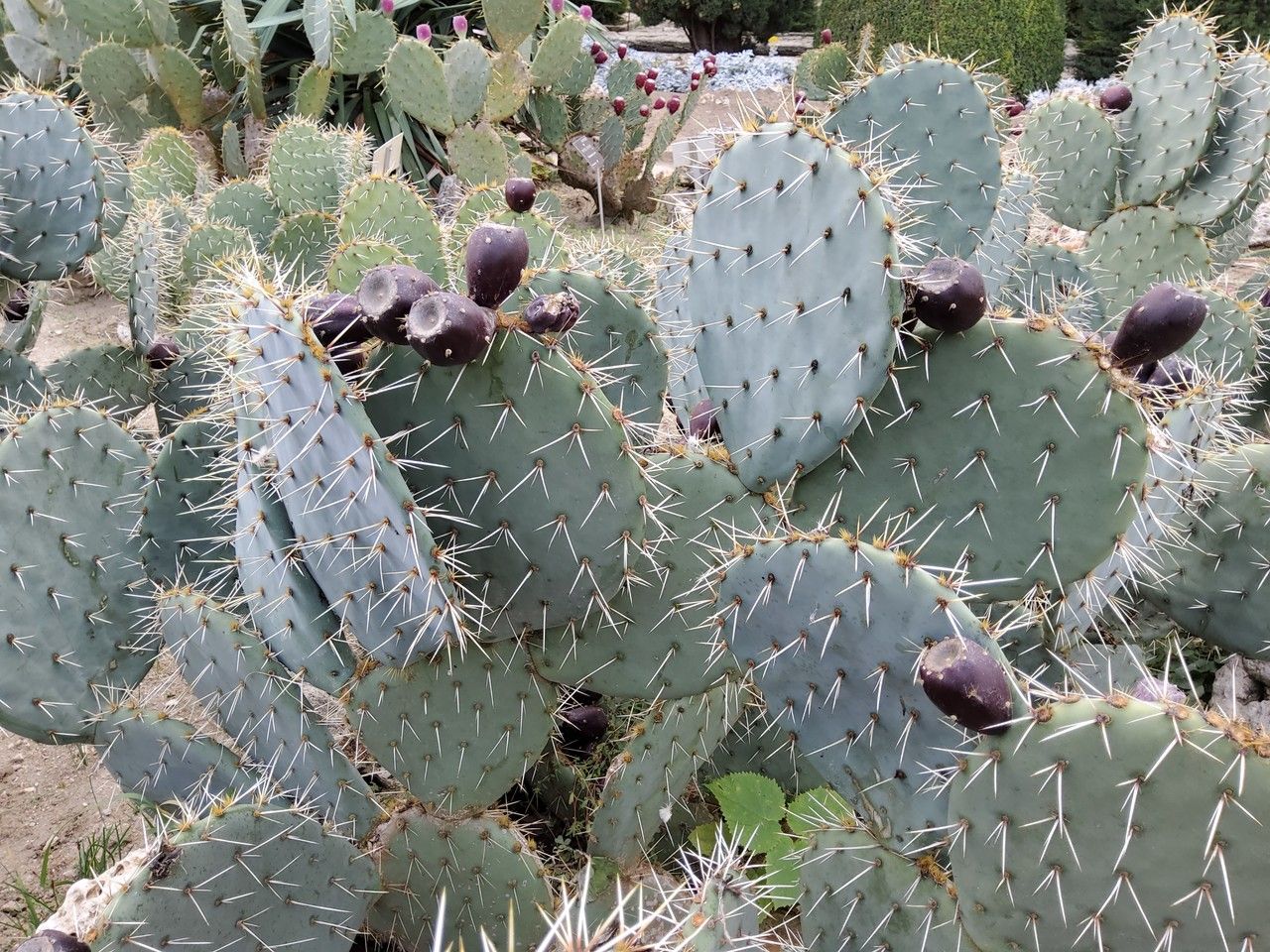
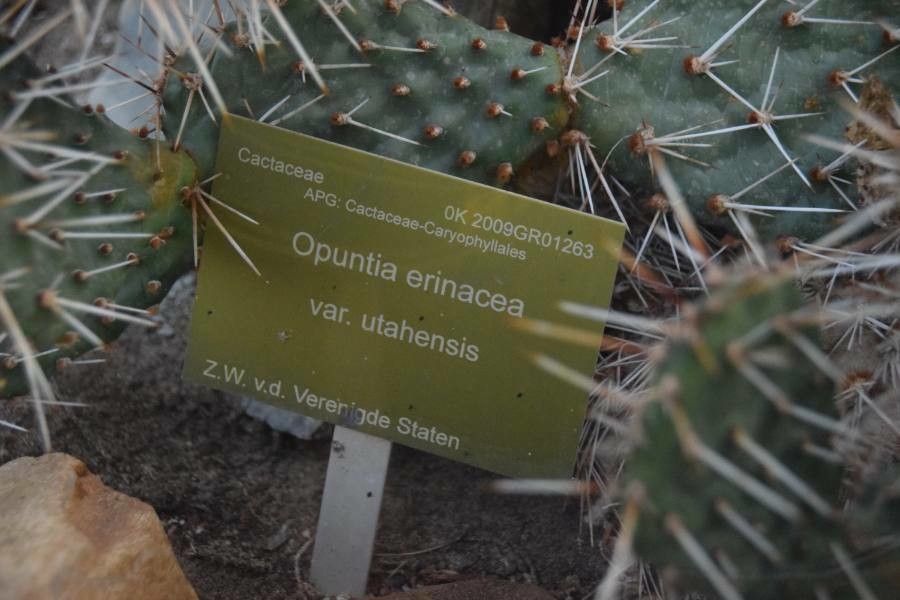
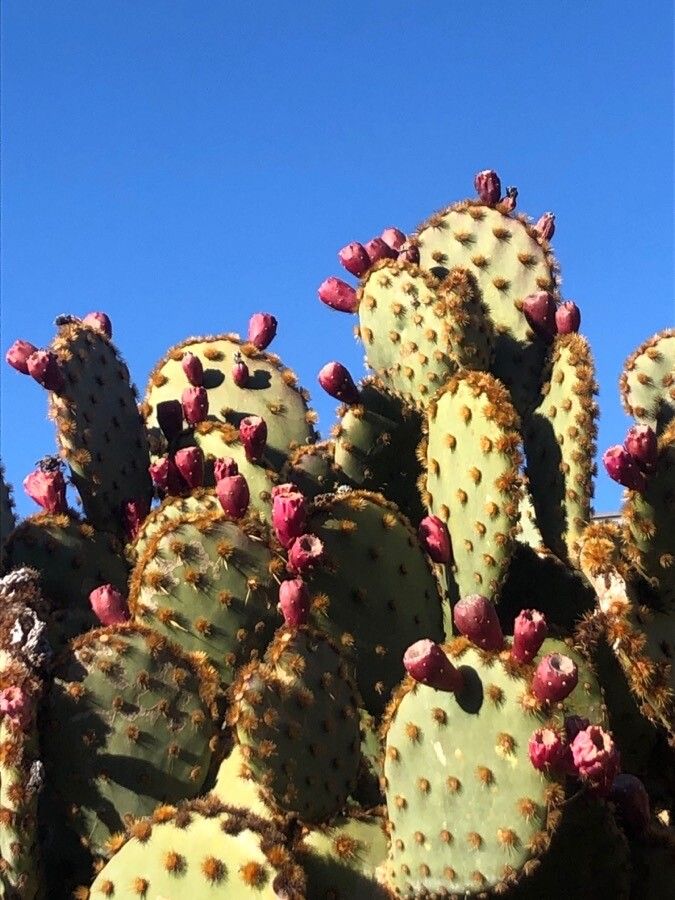
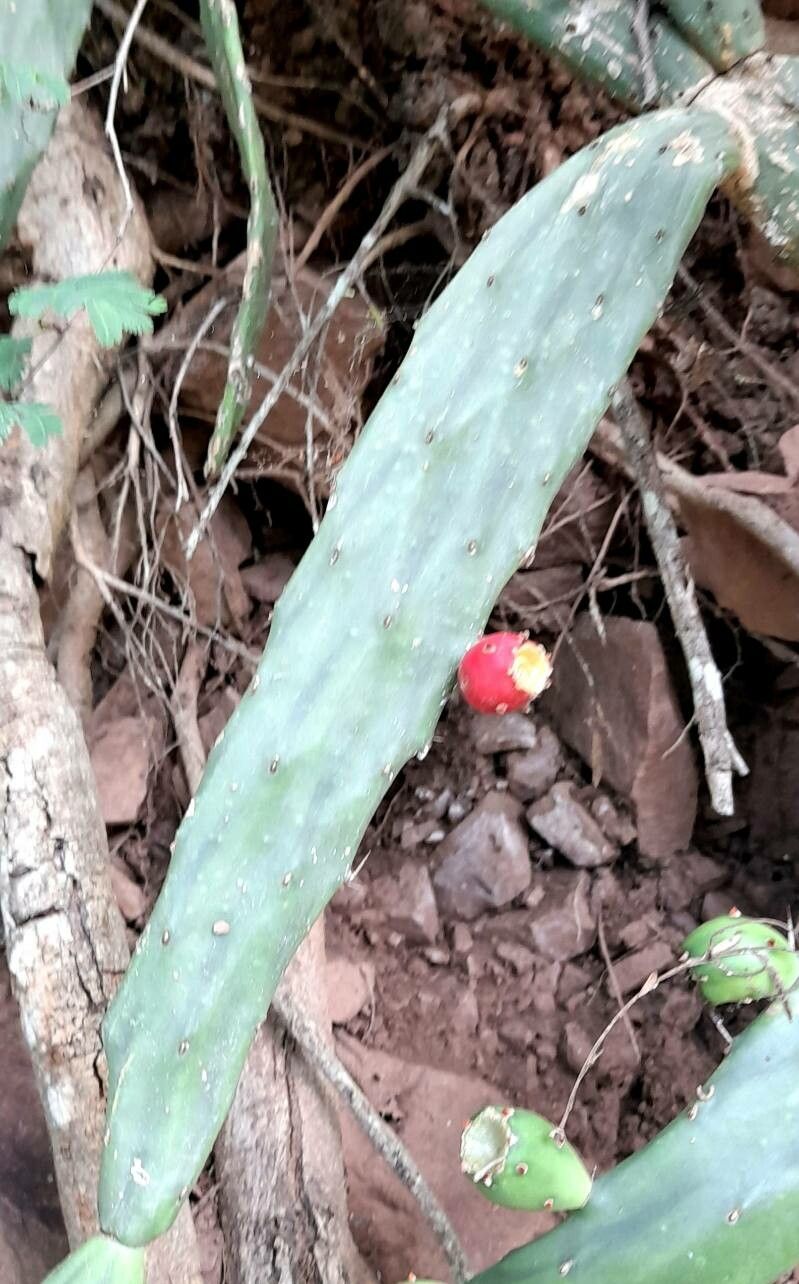
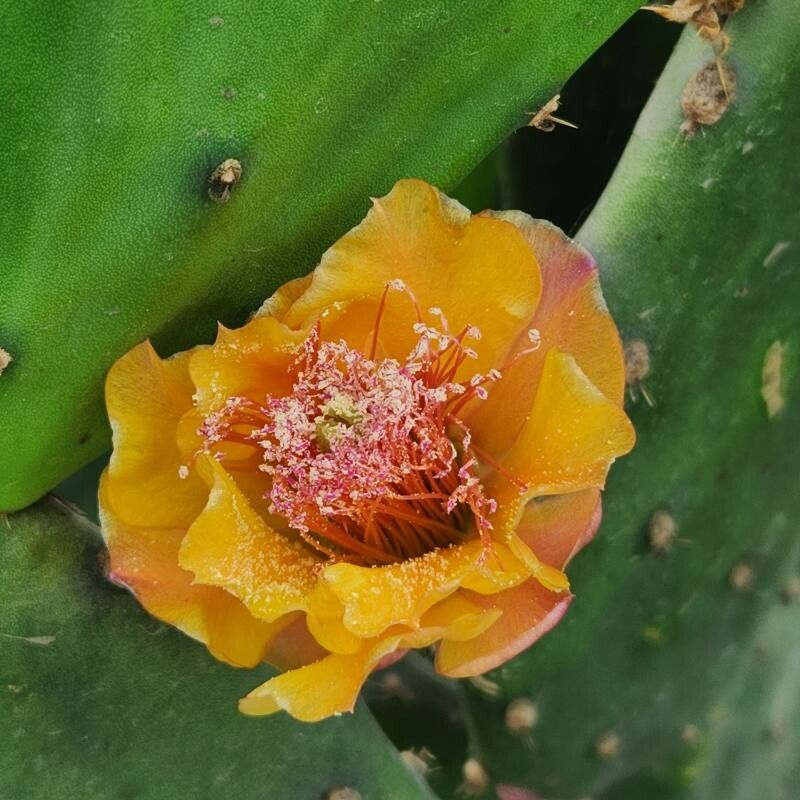
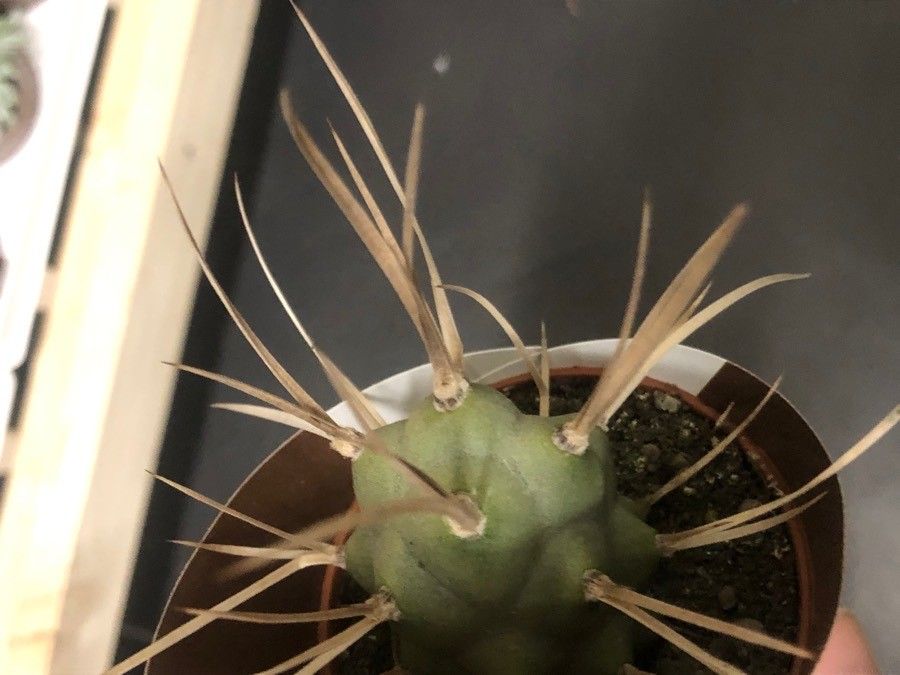
Opuntia erinacea, commonly known as the Mojave prickly pear or hedgehog cactus, is a cactus species native to North America's Mojave Desert. It is a low-growing plant that typically reaches heights of 1-2 feet and spreads out to form dense clumps. The plant is characterized by its distinctive flattened pads covered in spines and small clusters of yellow flowers that bloom in the spring.
Opuntia erinacea is well adapted to survive in harsh desert conditions due to its ability to store water and tolerate extreme temperatures. The plant plays a crucial role as a food source for wildlife such as desert tortoises, jackrabbits, and birds.
Beyond its ecological importance, Opuntia erinacea has been used by humans for centuries for medicinal purposes. The pads are rich in vitamins A and C and have been used by indigenous peoples to treat various ailments, including diabetes.
Overall, Opuntia erinacea is an essential species within its ecosystem, offering both ecological significance and potential medicinal value.
Grizzlybear pricklypear resists disease well and tolerates normal care conditions without becoming sick easily. It can, however, be vulnerable to mealybugs; these pests may cause some damage but are generally not a serious threat. Regarding care, Grizzlybear pricklypear is drought-tolerant and does not need frequent watering. It can withstand long periods without water and requires little fertilizer. But it is highly susceptible to root rot if light is poor and it is overwatered. Overall, Grizzlybear pricklypear is suitable for people who want to spend less time tending their plants, though it is important to understand and meet its basic needs. It is particularly well suited to people who are often away for long stretches and may forget to water regularly.
How to keep Opuntia Erinacea.
Light
Hailing from dry regions, the Grizzlybear pricklypear flourishes under full sunlight, given that its natural habitat features intense sun and scarce shade. It can also tolerate partial sunlight, exhibiting some versatility in its growth.
Temperature
The Grizzlybear pricklypear prospers in hot climates and needs elevated temperatures during the growth period to boost its growth and metabolism. It prefers plenty of sunlight, suitable humidity, and adequate air movement. Nonetheless, extremely cold temperatures and too much water can harm it. It is crucial to maintain a steady balance to prevent overly high temperatures and excessively dry conditions.
Fertilizer
For the Grizzlybear pricklypear, nominal applications of fertilizer 1-2 times per annum during the growth phase are adequate. Steer clear of fertilizing in the winter and summer seasons when it is in a dormant state. Lower the amount of fertilizer for plants that have been repotted and allow for a few months to pass after repotting prior to recommencing fertilization. The act of fertilizing aids in robust growth and promotes flowering.
Botanical profile.
- Plant Type
- Succulent
- Life Cycle
- Perennial
- Genus
- Opuntia
- Family
- Cactaceae
- Hardiness Zone
- 4-9
- Mature Height
- 49 cm
- Mature Spread
- 30 cm
- Leaf Color
- Green, Dark Green
- Leaf Type
- Evergreen
- Flower Color
- Yellow, Pink
- Flower Size
- 5.08 cm to 6.35 cm
- Bloom Time
- Late spring, Early summer
- Planting Time
- Spring, Summer
- Harvest Time
- Mid summer, Late summer, Early fall
Other names.