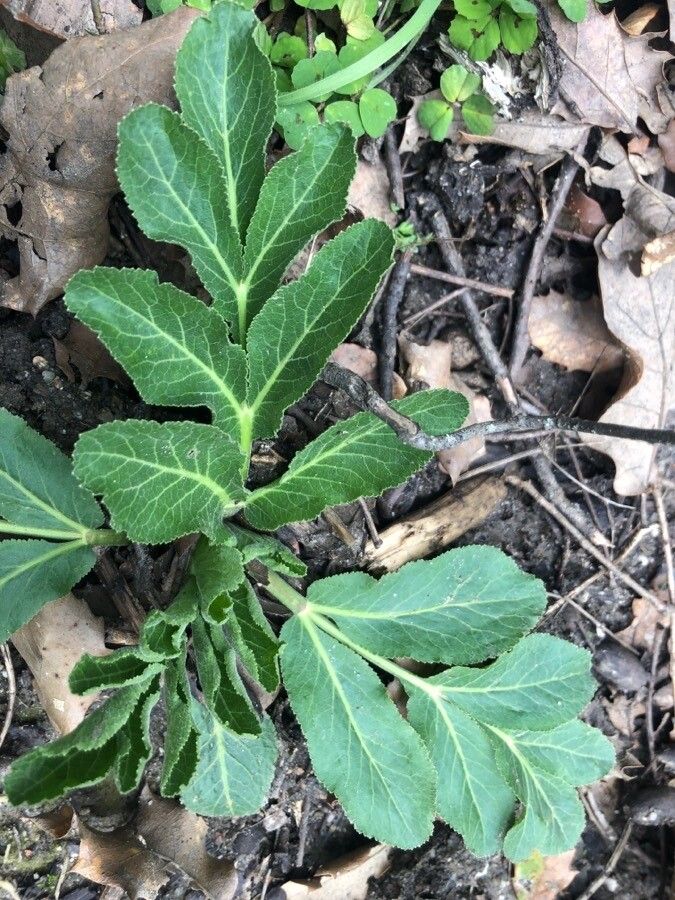
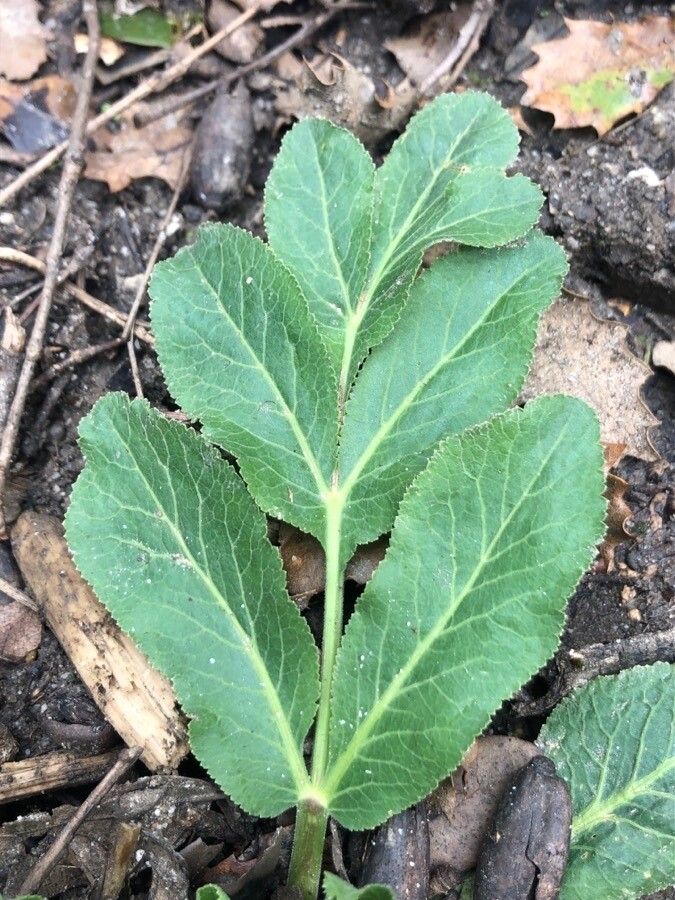
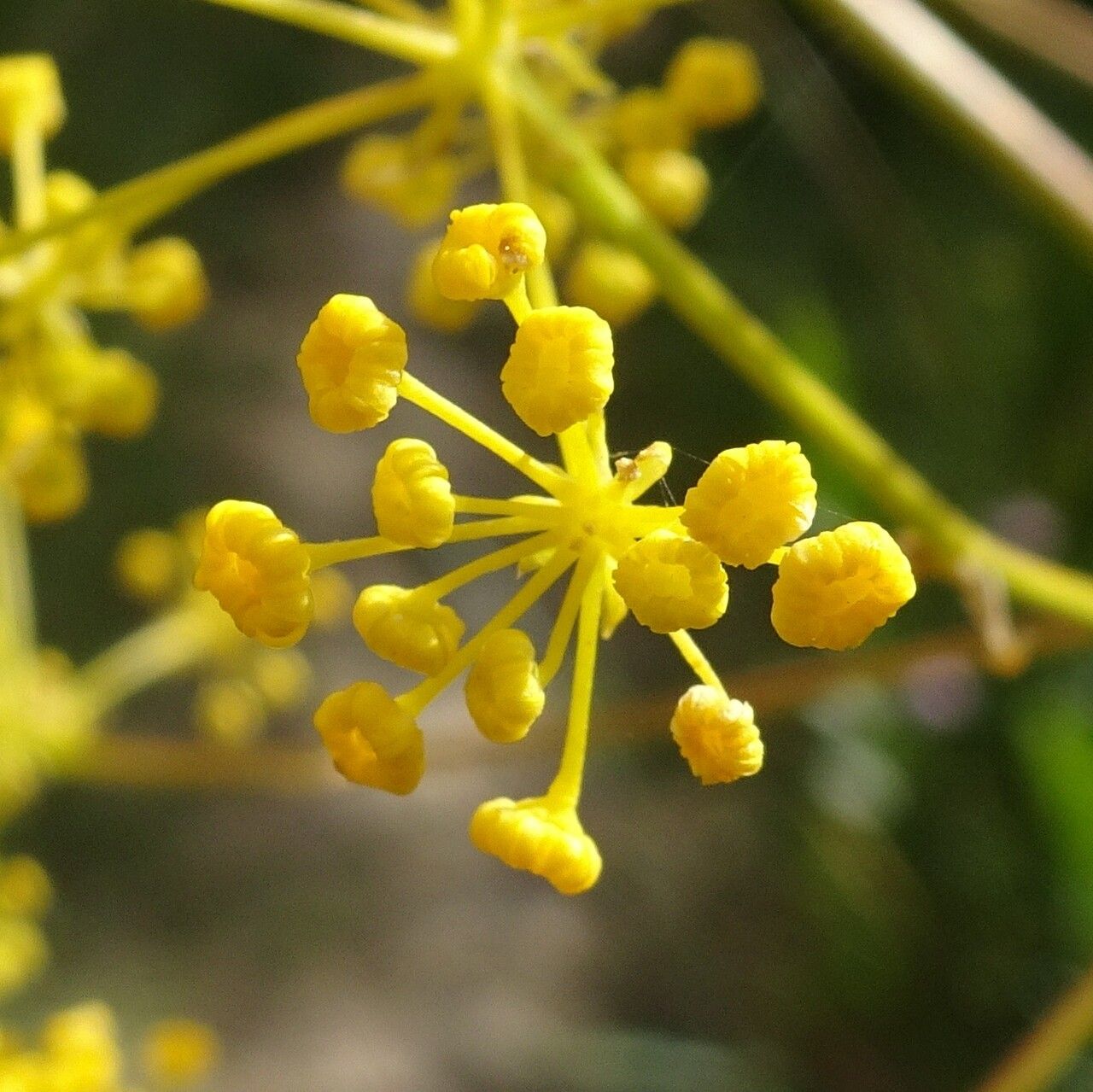
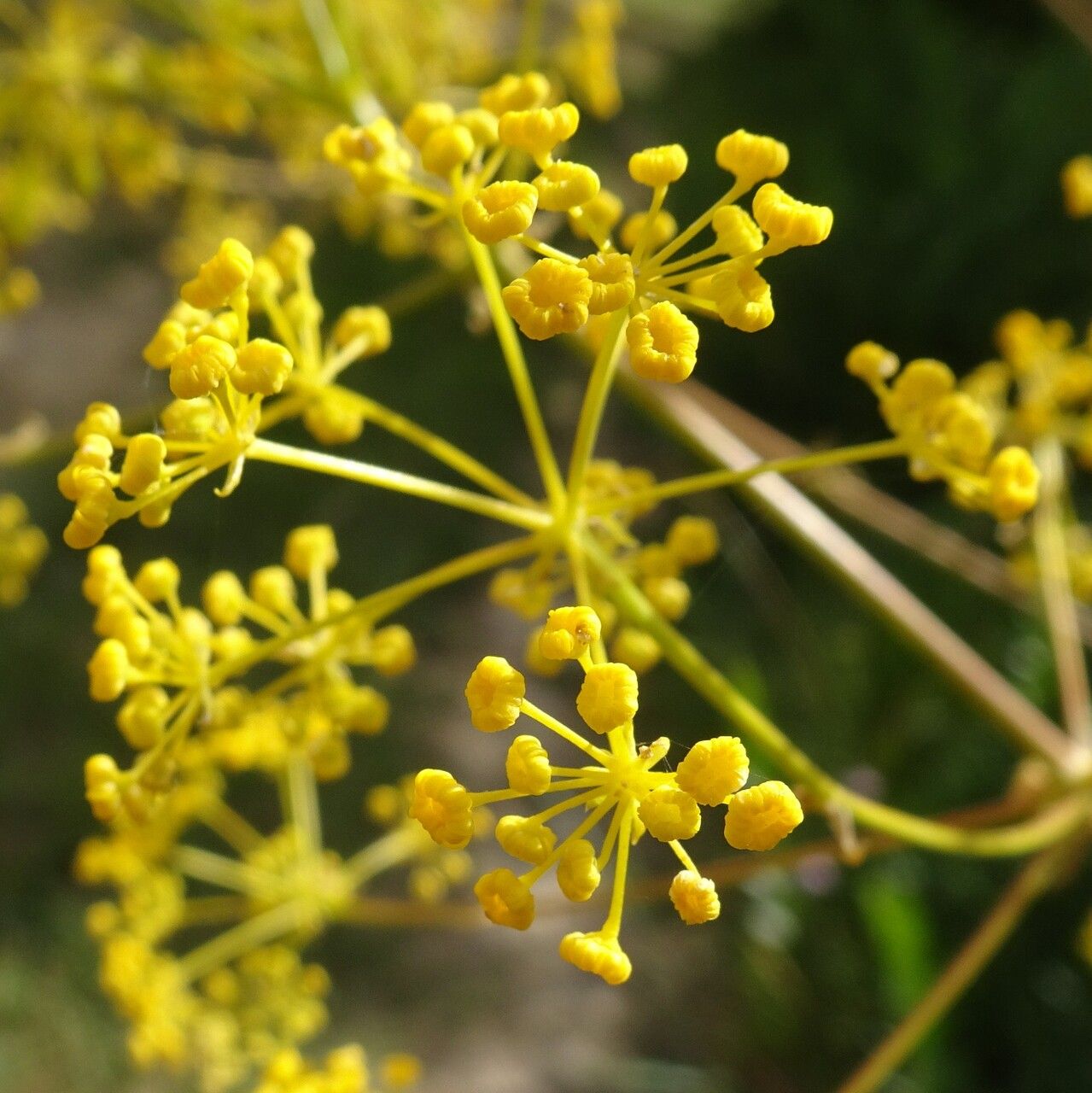
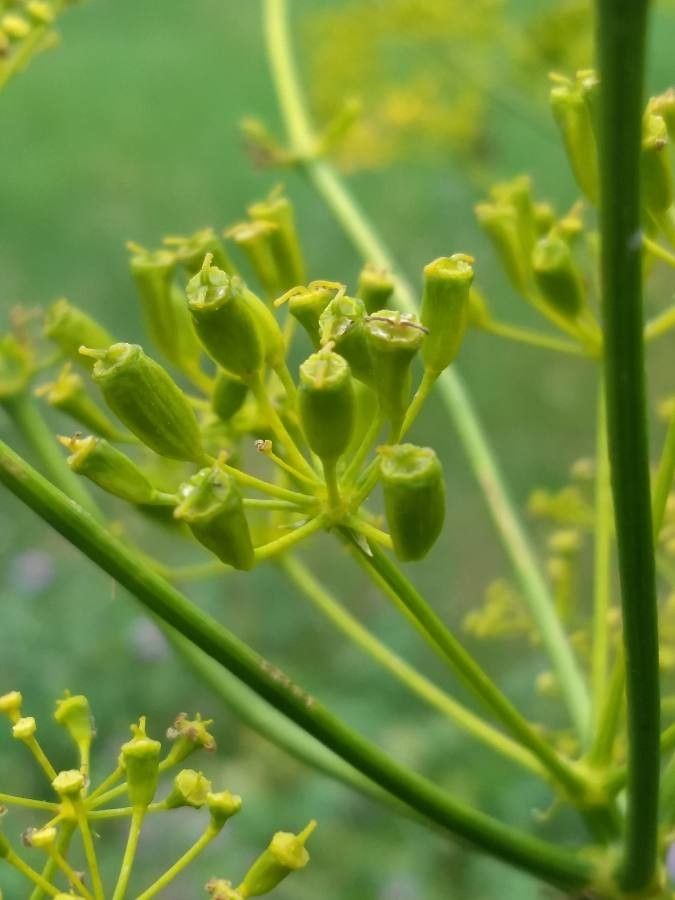
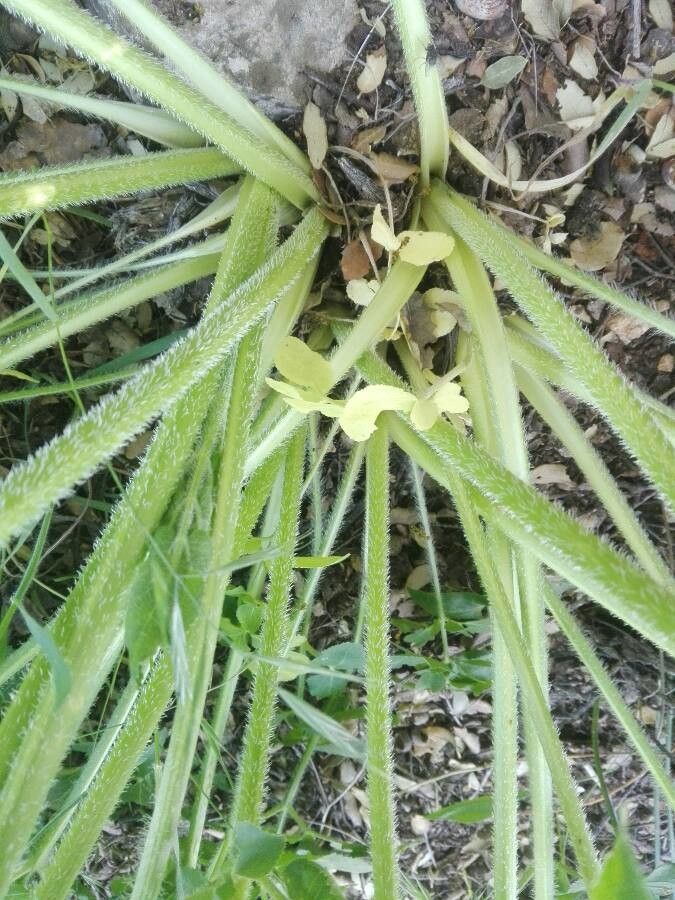
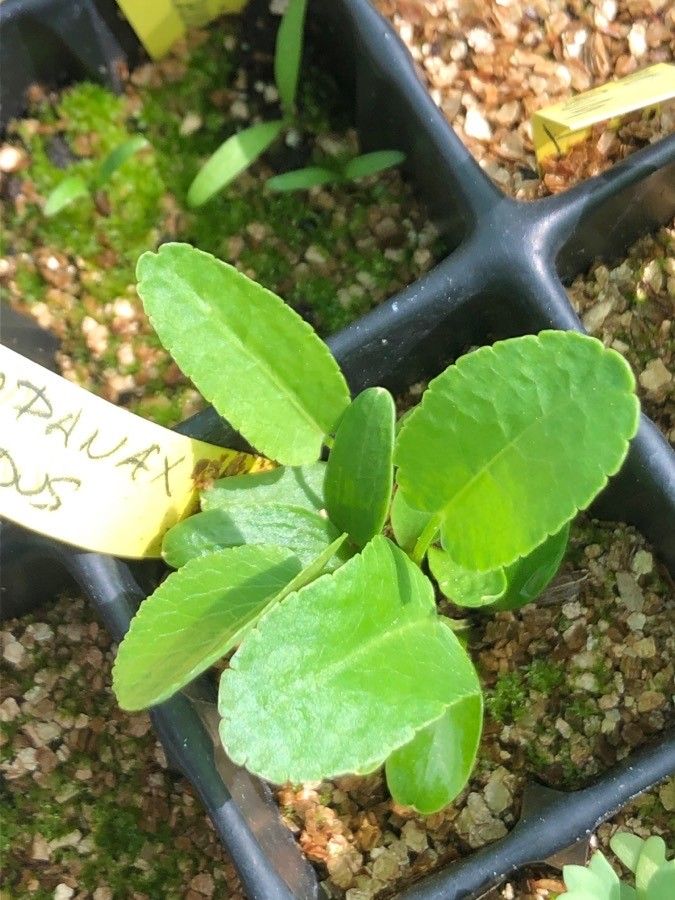
Opopanax chironium, commonly known as sweet myrrh or bisabol myrrh, is a perennial herb in the Apiaceae family. Native to the Mediterranean region, it is found in countries such as Greece, Turkey, and Iran. The plant can grow up to 1 meter in height and features a woody stem with clusters of small white flowers.
The resin of Opopanax chironium has been valued for centuries for its medicinal properties. It contains essential oils like bisabolene and farnesene, which possess anti-inflammatory effects. This resin has been traditionally used to treat respiratory issues such as coughs and bronchitis, digestive problems including indigestion and diarrhea, and skin conditions like eczema and wounds.
In addition to its medicinal uses, Opopanax chironium is also prized in perfumery for its sweet aroma, which resembles vanilla with hints of balsamic notes. Its essential oil is often included in cosmetic products like soaps and creams for its skin-soothing properties.
Overall, Opopanax chironium holds significant importance both medicinally and commercially, making it a valuable herbaceous perennial in the Mediterranean region.
Hercules' allheal has strong resistance to disease and is generally not susceptible to illnesses. Still, it can be affected by pests and diseases found in its environment. Such infections tend to be mild. Regarding maintenance, this plant is moderately demanding. It should be pruned regularly to preserve a tidy appearance and encourage healthy growth. Applying fertilizer can also help stimulate flowering. Hercules' allheal is appropriate for anyone who has an outdoor area, like a garden or patio, and it does not need extensive gardening experience. When kept indoors, it may need more attentive care.
How to keep Opopanax Chironium.
Light
Hercules' allheal is a sun-loving perennial herbaceous plant native to open habitats and often found in meadows and grasslands. It prefers full sun but can also tolerate partial sun.
Temperature
Hercules' allheal can tolerate a wide range of temperatures, but its distribution may still be restricted by specific combinations of moisture and heat. It performs best in warm summer conditions with sufficient rainfall or irrigation. Extended periods of cloudy, rainy weather, as well as prolonged high temperatures, can raise the likelihood of Hercules' allheal dying. In winter, protecting the plant from cold can improve its survival rate.
Fertilizer
The optimal time to fertilize a Hercules' allheal is in early spring, as it comes out of dormancy and begins active growth. Fertilizing supplies essential nutrients for healthy development. Although Hercules' allheal has relatively low fertilizer requirements, applying fertilizer annually can improve its survival and encourage better, longer-lasting flowers.
Pruning
Prune Hercules' allheal annually in early spring to encourage strong growth. Remove any dead stems and thin out crowded areas to improve air circulation. Making clean cuts helps prevent disease and promotes healthier foliage and more robust flowering, enhancing both the plant's appearance and longevity.
Botanical profile.
- Plant Type
- Herb
- Life Cycle
- Perennial
- Genus
- Opopanax
- Family
- Apiaceae
- Hardiness Zone
- 7-10
- Mature Height
- 1.52 m to 2.44 m
- Mature Spread
- 0.91 m to 1.52 m
- Leaf Color
- Green
- Leaf Type
- Deciduous
- Flower Color
- Yellow
- Flower Size
- 0.25 cm to 0.51 cm
- Bloom Time
- Early summer, Mid summer
- Planting Time
- Spring, Summer
- Harvest Time
- Late summer, Early fall
- Native Area
- Italy, Spain, Romania, Montenegro, Bulgaria, Albania, Greece, Croatia, Slovenia, France
Other names.