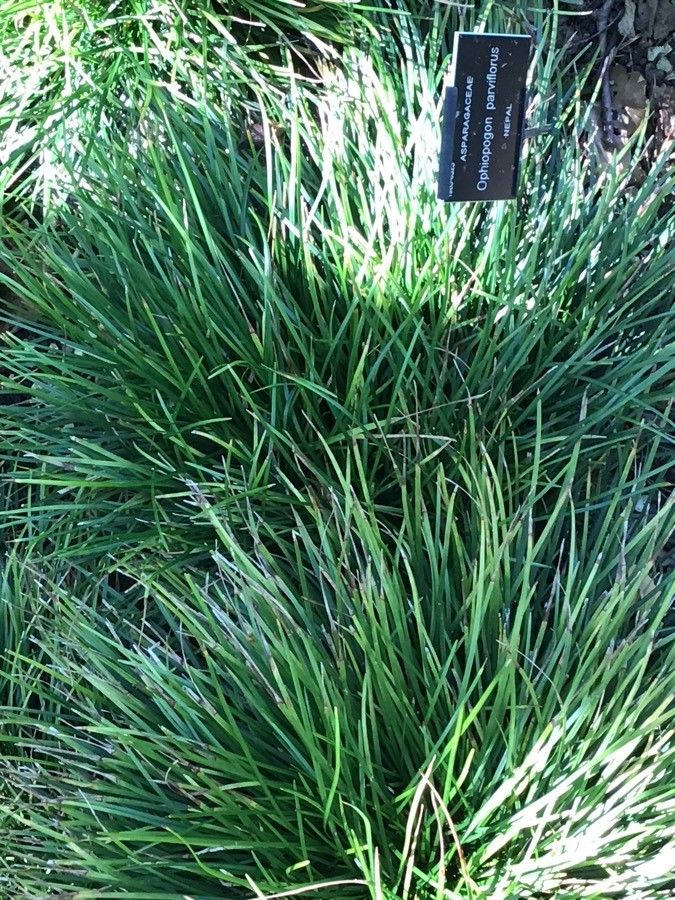
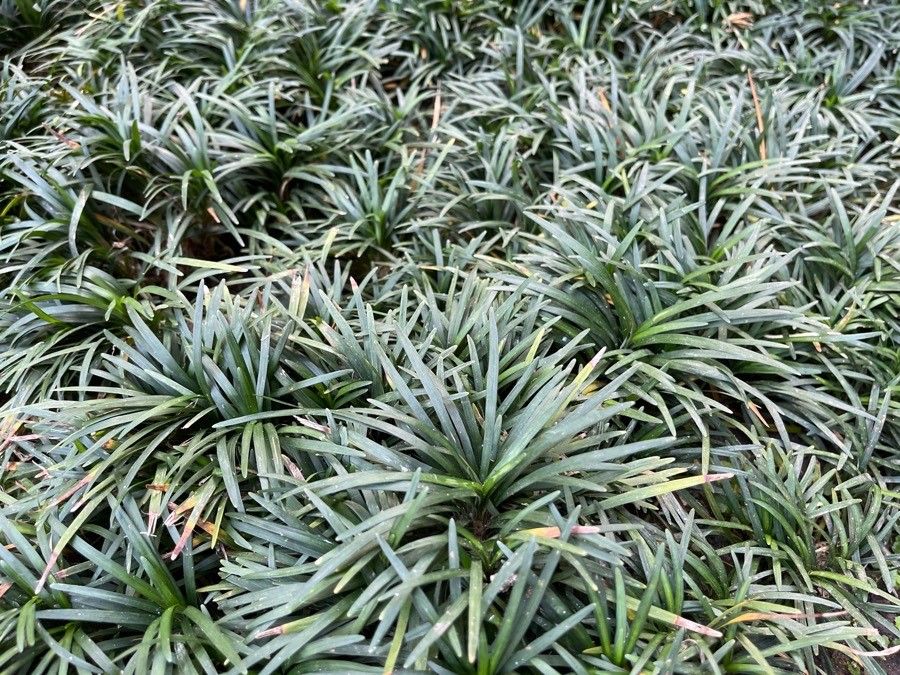
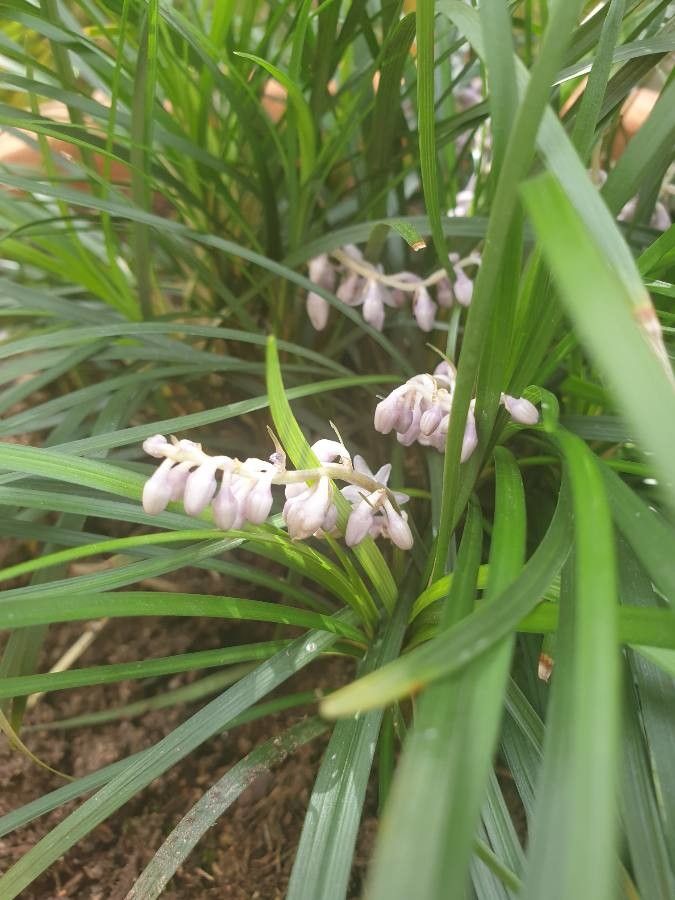
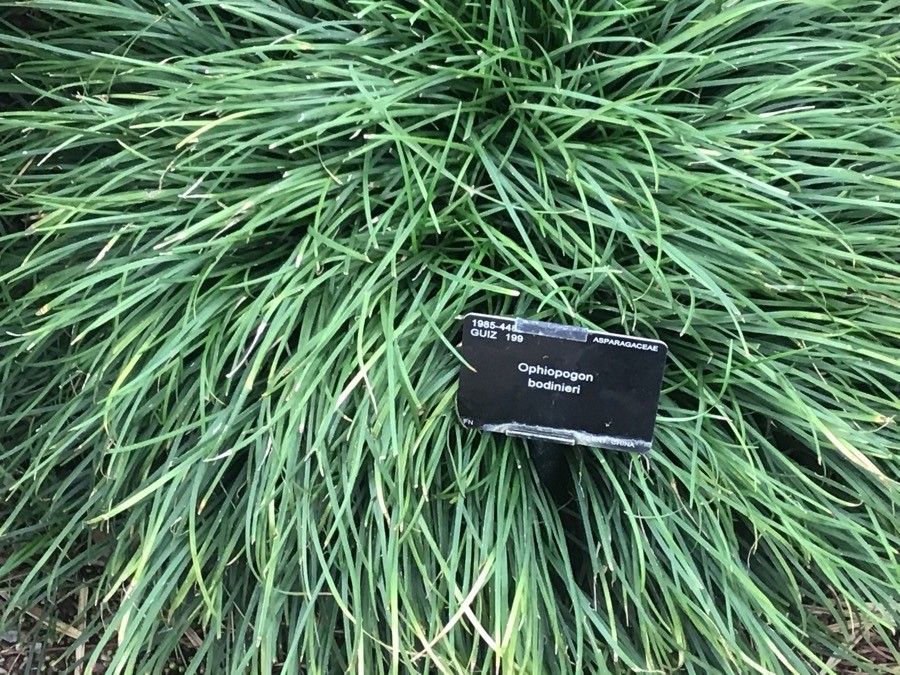
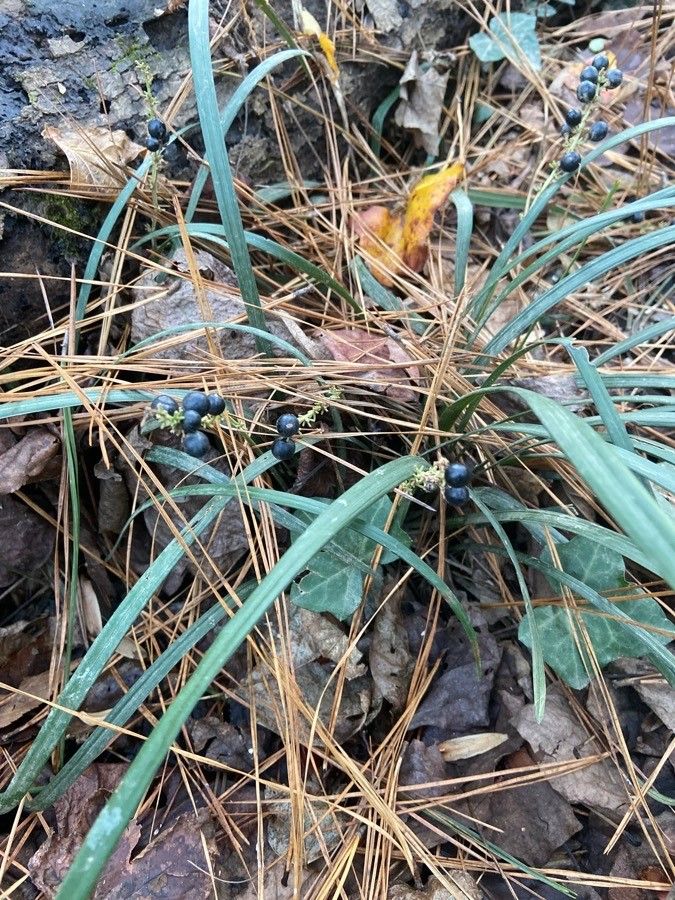
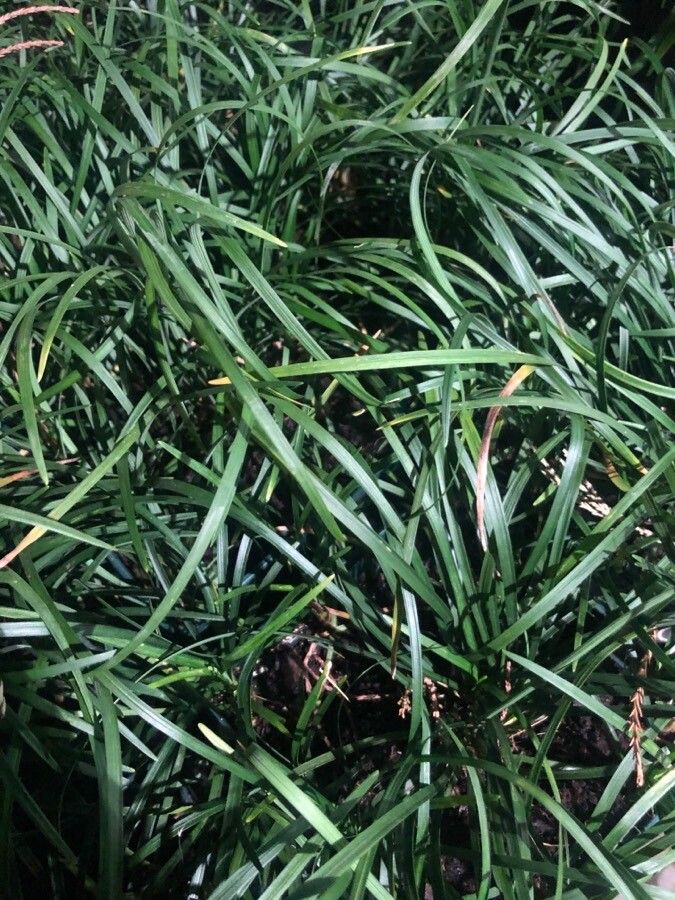
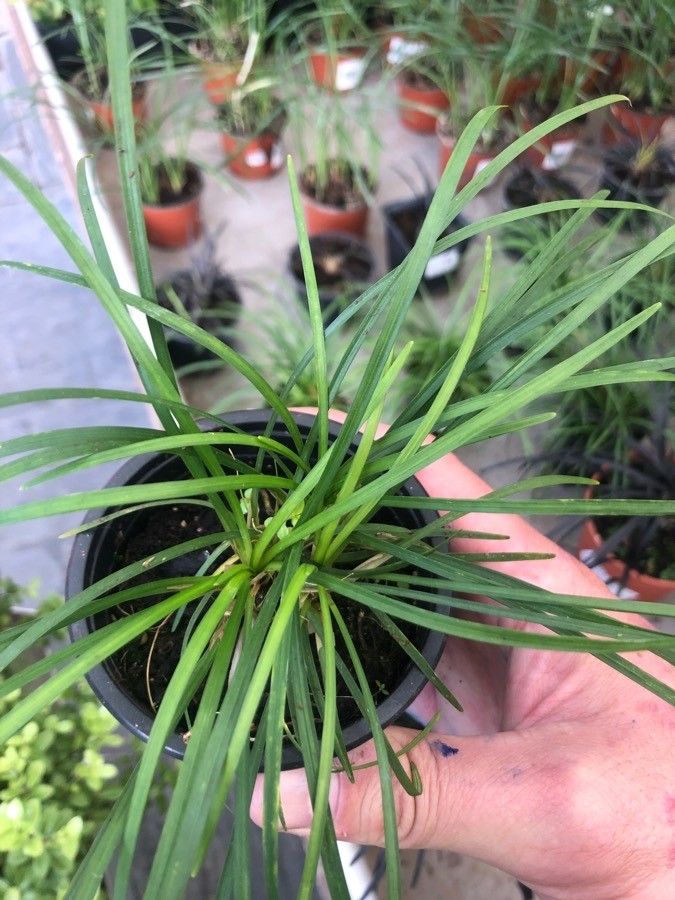
Himalayan lily turf shows strong resistance to disease and is generally not affected by illnesses. However, it can be vulnerable to pests or diseases present in its environment. These problems are usually mild. Regarding care, this plant requires a moderate amount of maintenance. It needs regular pruning to preserve a neat appearance and support healthy growth. Fertilizing can also encourage it to produce more flowers. Himalayan lily turf is well suited for anyone with outdoor areas like a garden or patio and does not demand extensive gardening experience. It may need extra attention when cultivated indoors.
How to keep Ophiopogon Intermedius.
Light
Himalayan lily turf comes from habitats such as forest understories and rocky locations that offer natural shade. It prefers Full Shade but can tolerate Partial Sun.
Water
Himalayan lily turf thrives in moist, shaded environments. It requires consistent moisture and evenly moist soil, so weekly watering is recommended. Once established, this evergreen perennial becomes moderately drought-tolerant. It grows particularly well in higher humidity, making it an excellent choice for indoor settings.
Temperature
Himalayan lily turf shows good temperature adaptability, able to endure higher heat and wide temperature fluctuations. In hot weather, attention should be paid to watering and providing suitable shade to avoid sunburn. Its tolerance of low temperatures is relatively poor; while it can tolerate some cold, excessively low temperatures may cause frost damage.
Fertilizer
Early spring, when Himalayan lily turf is coming out of dormancy and starting active growth, is the best time to apply fertilizer. Fertilizing supplies essential nutrients needed for healthy development. While Himalayan lily turf has relatively low fertilizer requirements, an annual feeding can improve its survival and encourage better, longer-lasting blooms.
Pruning
The Himalayan lily turf is a hardy ornamental grass known for its distinctive foliage and bluish flowers. To encourage growth and maintain its appearance, it's best to prune it from early to late spring. Regular pruning not only helps prevent disease but also enhances the plant's overall health. For the best results and to ensure the Himalayan lily turf thrives in your garden, always use clean pruning tools.
Botanical profile.
- Plant Type
- Herb
- Life Cycle
- Perennial
- Genus
- Ophiopogon
- Family
- Asparagaceae
- Hardiness Zone
- 7-11
- Mature Height
- 30 cm
- Mature Spread
- 30 cm
- Leaf Color
- Green
- Leaf Type
- Evergreen
- Flower Color
- White
- Flower Size
- 2.54 cm
- Bloom Time
- Summer
- Planting Time
- Spring, Summer, Autumn
- Harvest Time
- Late summer, Early fall, Mid fall
- Native Area
- Nepal, Sri Lanka, India, Cambodia, Vietnam, Myanmar, Bhutan, Bangladesh, Thailand, China
Reader questions.
What are the sunlight requirements for Himalayan lily turf?
The Himalayan lily turf (Ophiopogon intermedius) requires specific sunlight conditions to thrive. For plants that prefer 'Full shade,' they should receive less than 3 hours of sunlight daily. Those that require 'Partial sun' need about 3 to 6 hours of sunlight. It's important to observe the movement of sunlight in your garden to choose the best spots that provide the ideal balance of light and shade for your plants, ensuring their well-being.
What is the Himalayan lily turf?
The Himalayan lily turf, known botanically as Ophiopogon intermedius, is a plant species. Unfortunately, the provided information does not include details about its essentials, content, additional information, or symptoms associated with it.