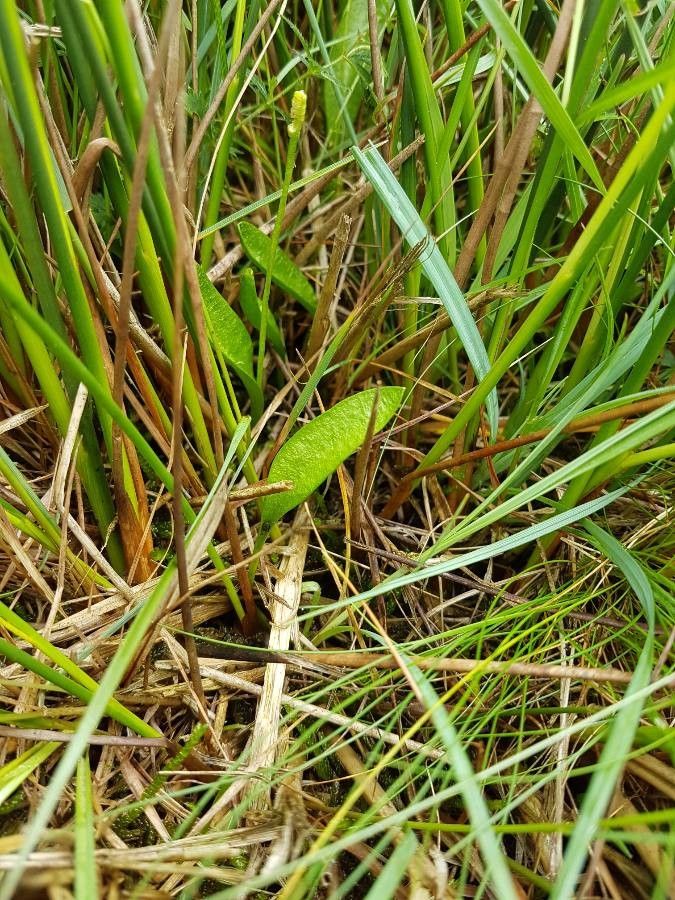
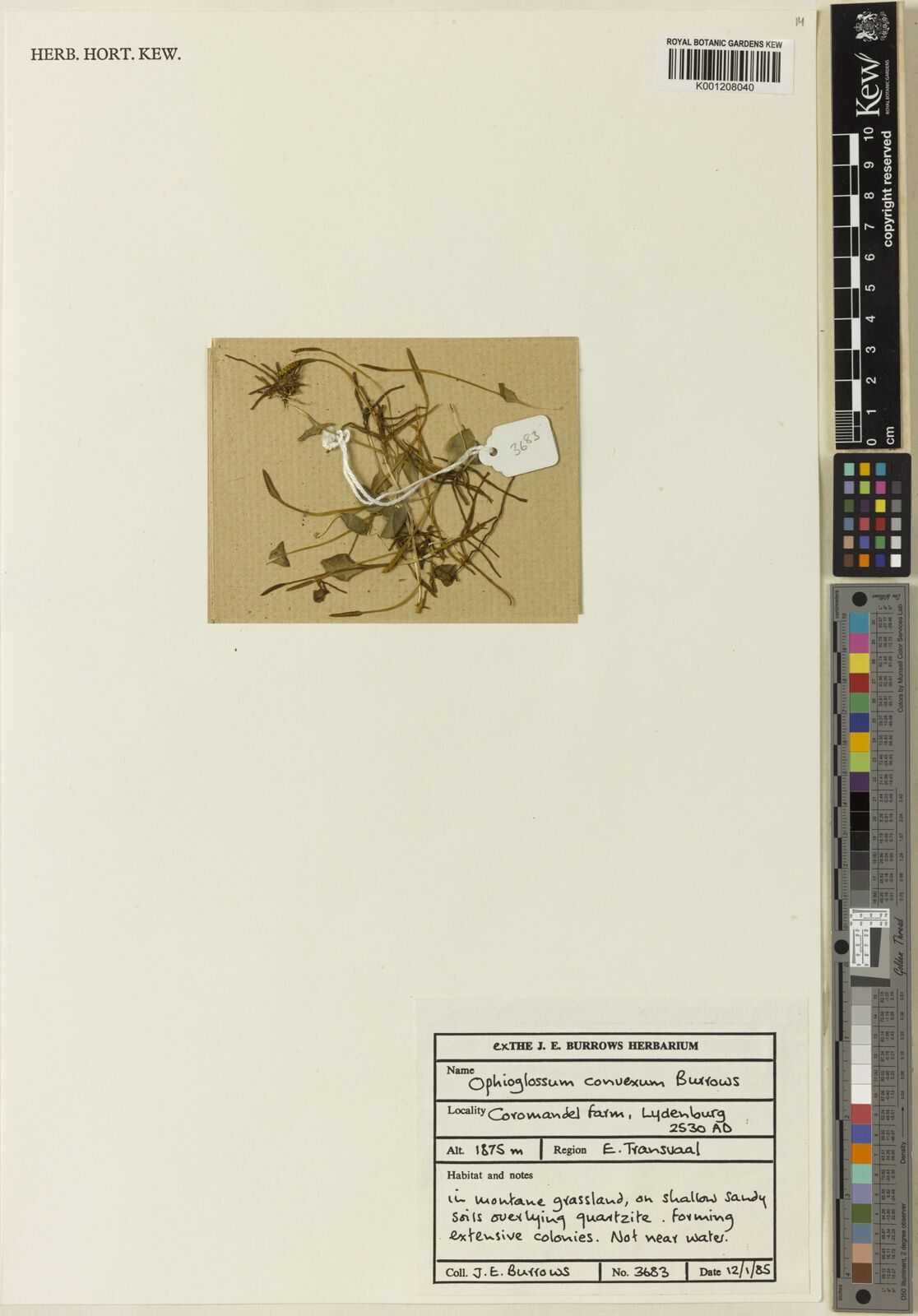
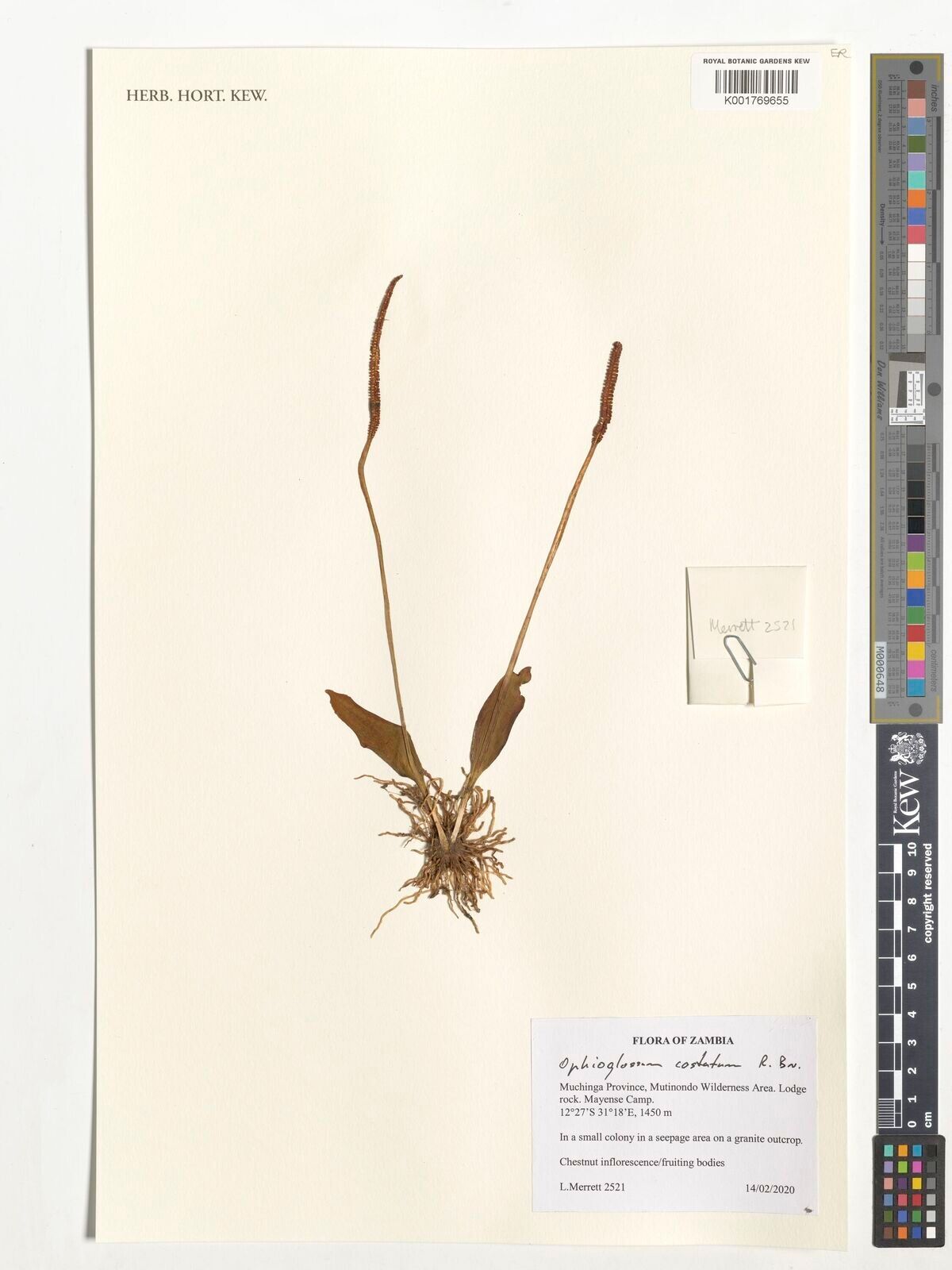
Ophioglossum engelmannii, commonly known as the limestone adder's-tongue, is a species of fern native to the Western Hemisphere. It is widespread and native to the United States, Mexico, and Central America. Its primary natural habitat is dry barrens and glades in calcareous areas.It is a small species that produces leaves in the spring and dies back in the summer. A second growth of leaves is sometimes produced with the fall rains.
Limestone adder's-tongue is fairly disease-resistant and usually not vulnerable to illnesses. Nonetheless, it can be affected by pests and diseases found in its surroundings. Such infections are generally mild. Regarding care, this plant needs a moderate level of maintenance. It should be pruned regularly to preserve a neat appearance and encourage healthy growth. Applying fertilizer can also assist in boosting flowering. Limestone adder's-tongue is appropriate for anyone with outdoor space, like a garden or patio, and does not demand extensive care experience. It may need more attention if grown indoors.
How to keep Ophioglossum Engelmannii.
Light
Limestone adder's-tongue is native to habitats such as forest understories or rocky areas, where it grows in natural shade. It prefers partial sun but can tolerate full sun or full shade, reflecting its versatile and hardy nature.
Temperature
Limestone adder's-tongue can tolerate a wide spectrum of temperatures, yet its distribution may still be restricted by particular combinations of moisture and heat. It performs best in warm summer conditions with sufficient rainfall or watering. Long periods of cloudy, rainy weather and extended high temperatures both raise the chance of Limestone adder's-tongue dying. In winter, adequate protection from cold can enhance the plant's survival rate.
Fertilizer
A single fertilization in spring is generally enough for Limestone adder's-tongue, although repeated feedings can maximize growth. Apply fertilizer about once every month to a month and a half. Fertilizing improves leaf appearance and function, helping maintain consistent color and a healthy texture. It also encourages root development and nutrient uptake for long-term plant health.
Pruning
Limestone adder's-tongue flourishes in limestone-rich soils and requires minimal pruning, which is best done from early to late spring. Focus on removing dead fronds to encourage growth and prevent disease. Conservative pruning improves air circulation and light penetration, ensuring optimal health without stressing the plant.
Botanical profile.
- Plant Type
- Herb
- Life Cycle
- Perennial
- Genus
- Ophioglossum
- Family
- Ophioglossaceae
- Hardiness Zone
- 6-9
- Mature Height
- 9 cm
- Mature Spread
- 9 cm
- Leaf Color
- Dark Green
- Leaf Type
- Deciduous
- Bloom Time
- Spring
- Planting Time
- Spring, Summer
- Native Area
- Honduras, Mexico, Costa Rica