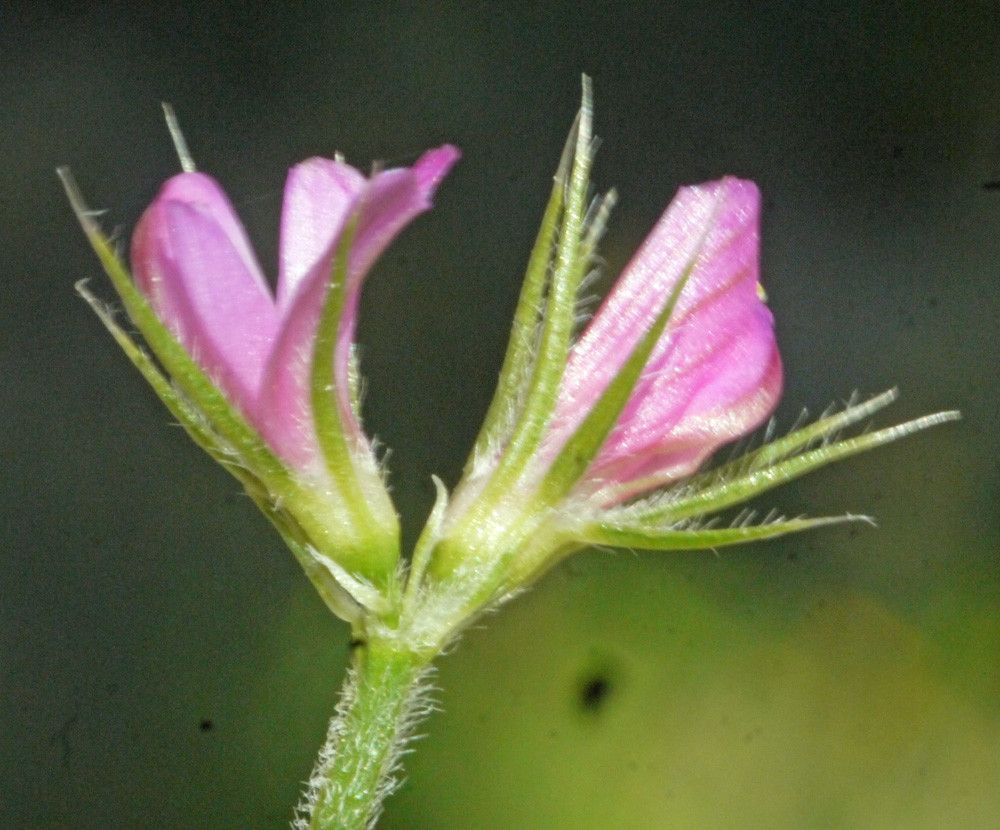
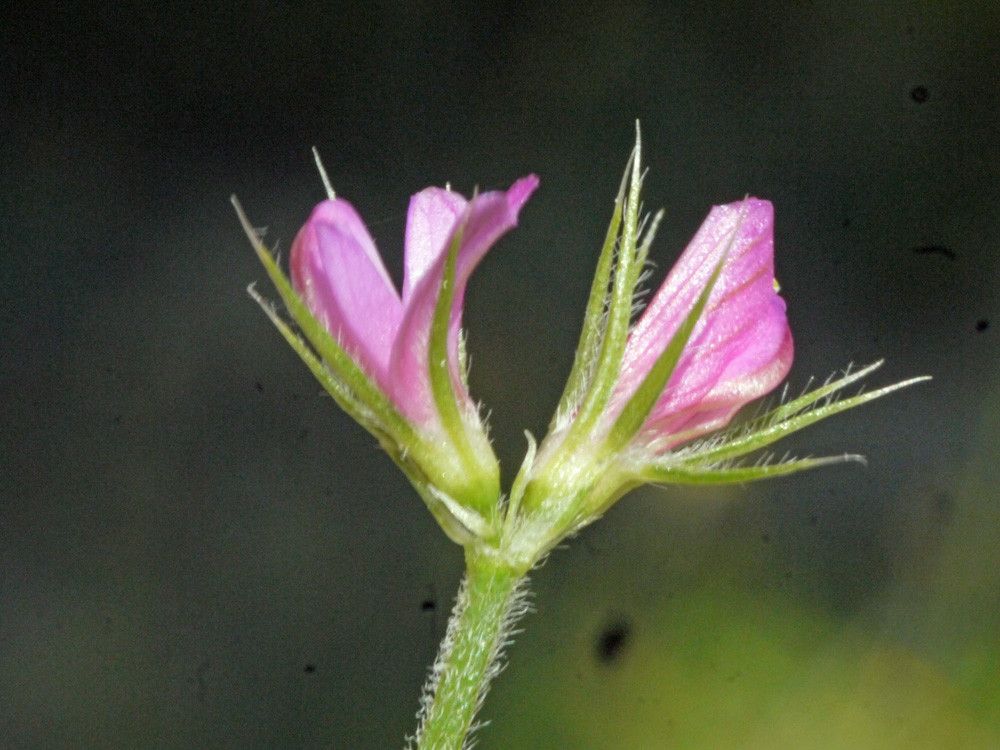
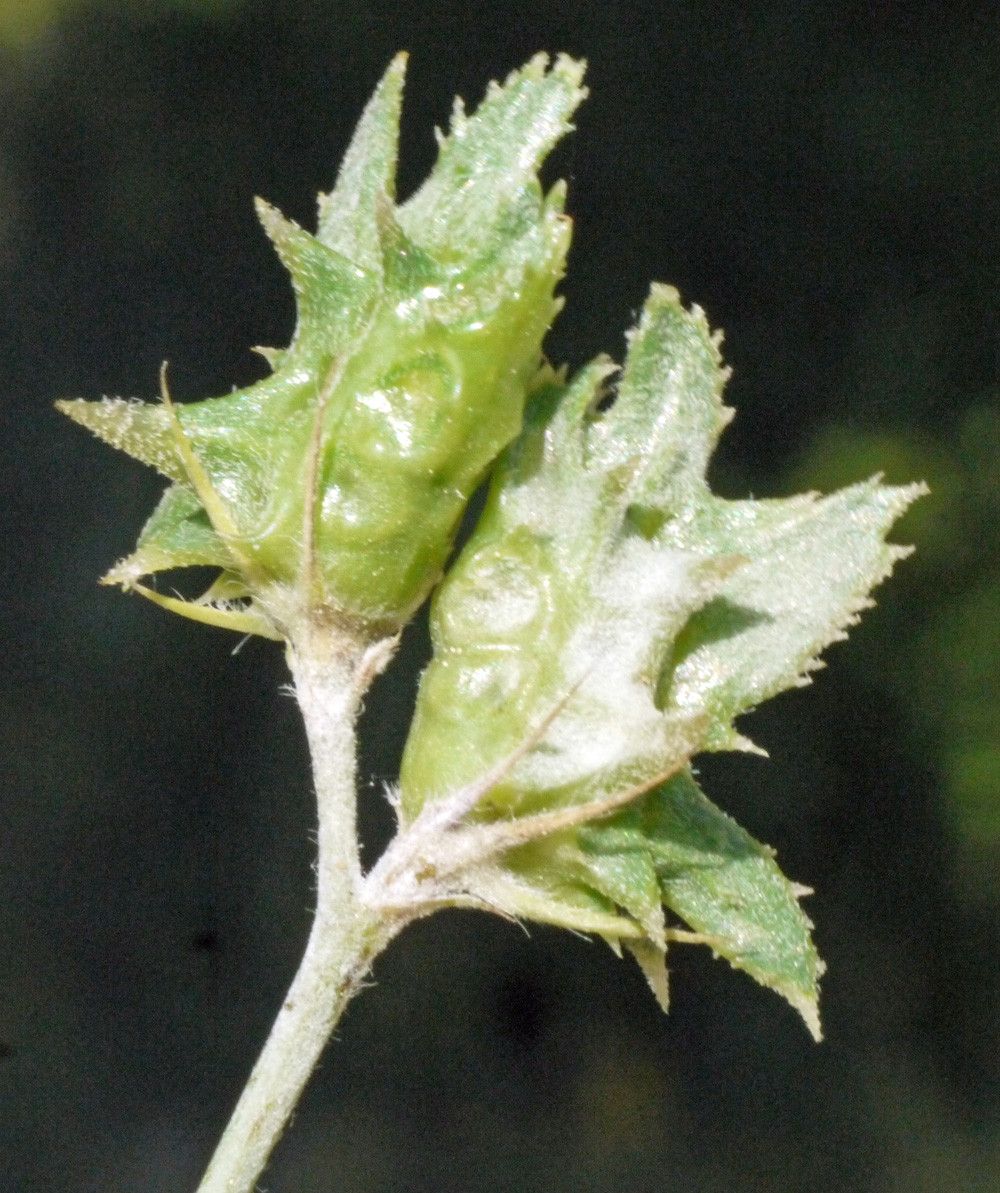
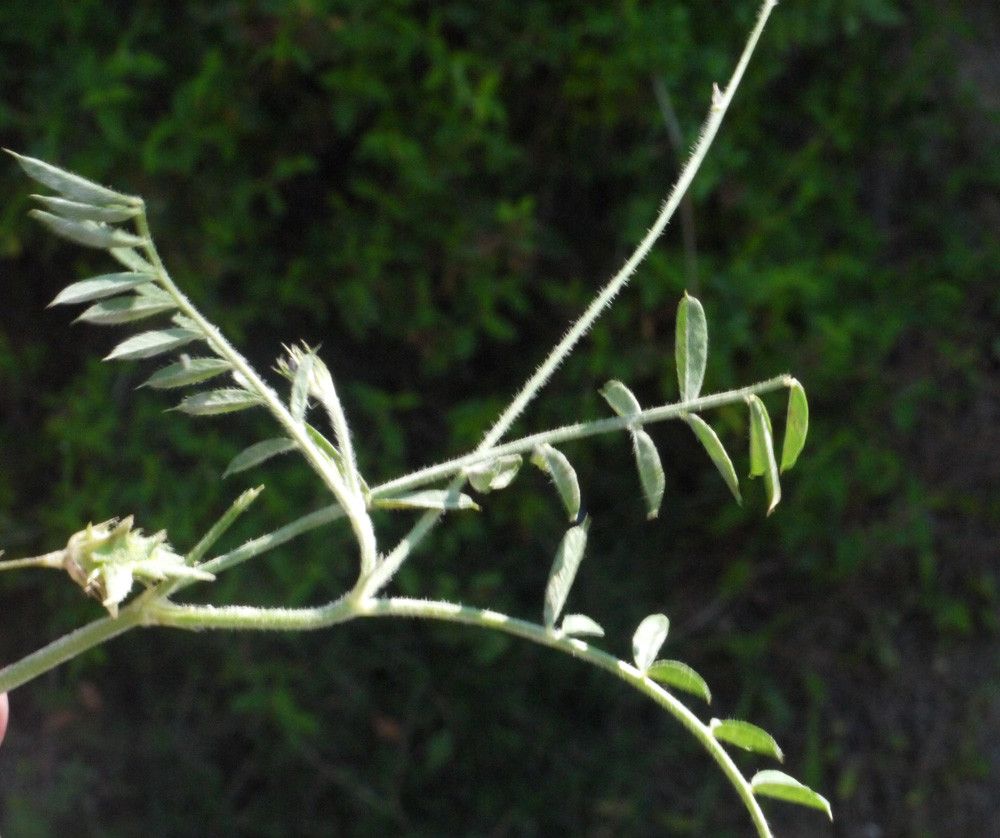
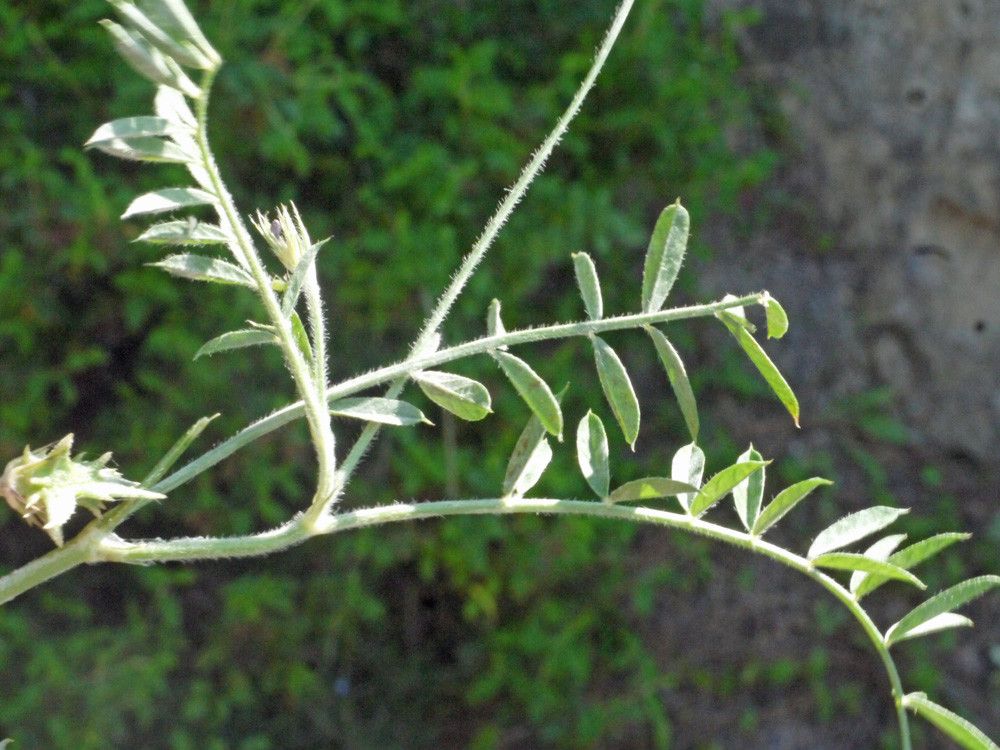
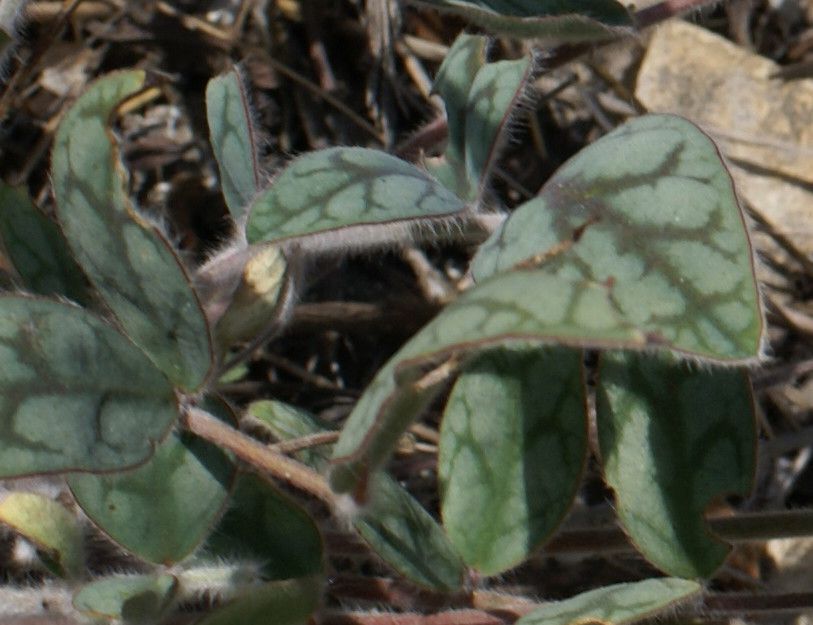
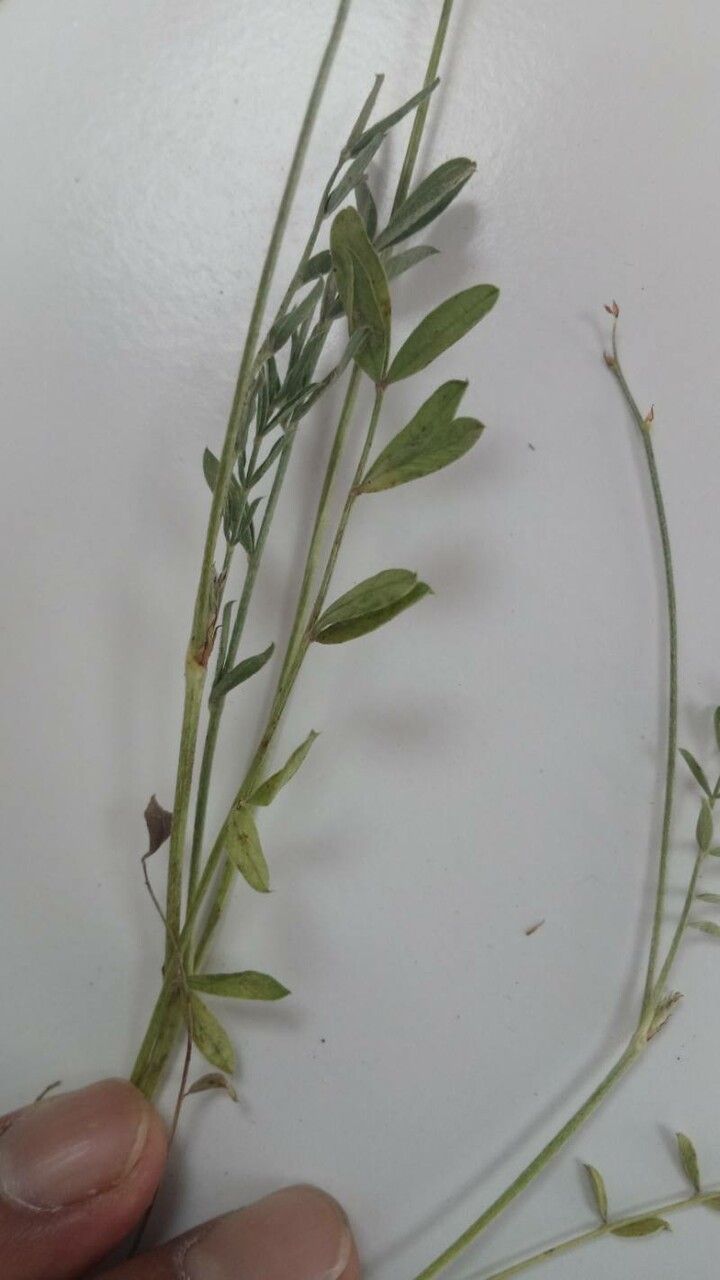
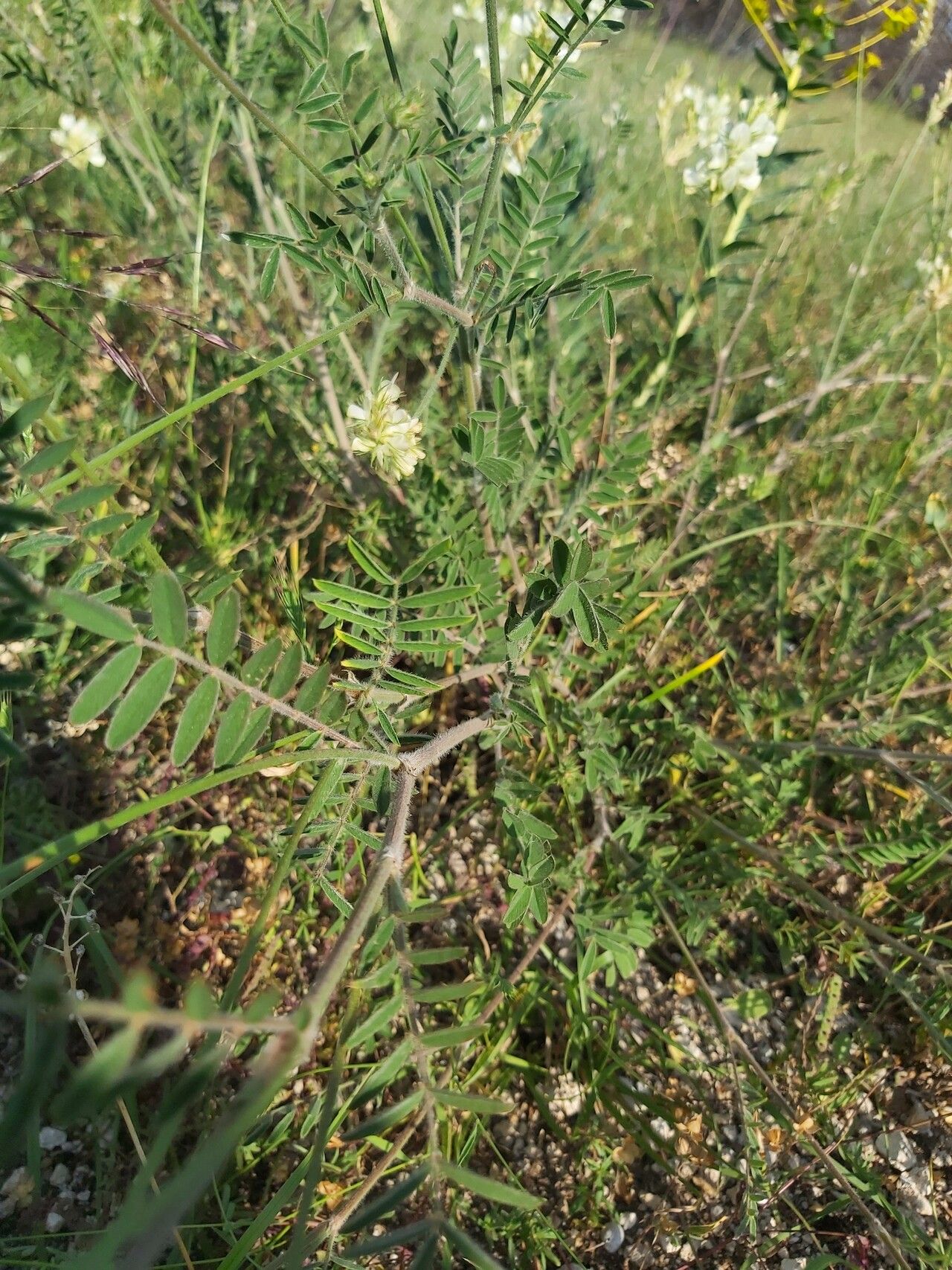
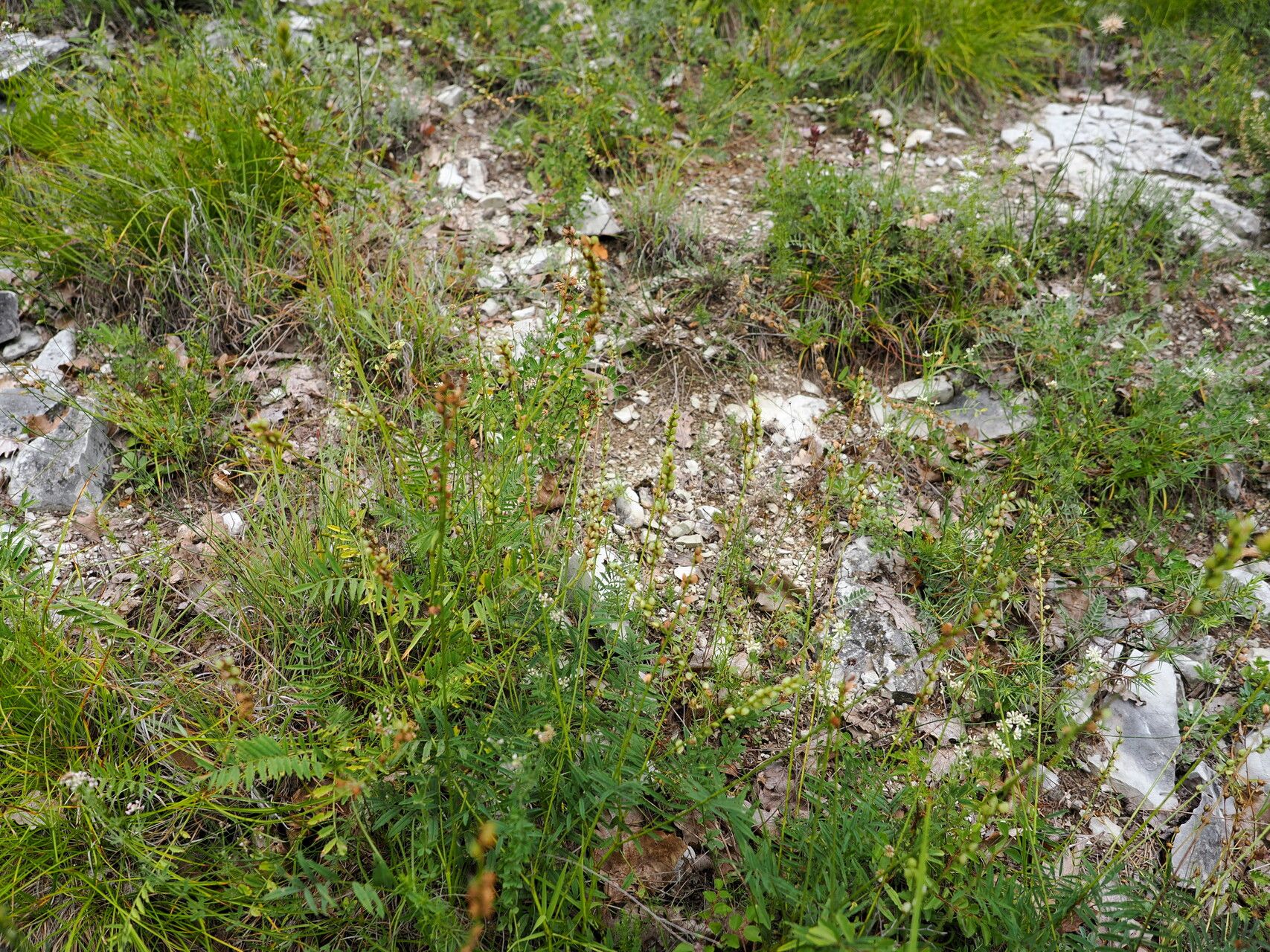
Cockscomb sainfoin has good disease resistance and is generally not prone to illnesses. However, it can be vulnerable to pests and diseases present in its surroundings. These infections are usually mild. In terms of care, this plant requires a moderate level of maintenance. It should be pruned regularly to maintain an attractive appearance and healthy growth. Fertilizing can also help encourage flowering. Cockscomb sainfoin is suitable for anyone with outdoor space, such as a garden or patio, and does not demand extensive care experience. It may need more attention when grown indoors.
How to keep Onobrychis Crista Galli.
Light
Cockscomb sainfoin is a perennial herbaceous plant that prefers sunny conditions and comes from open habitats, commonly growing in meadows and grasslands. It favors full sun but can also tolerate partial sun.
Water
Cockscomb sainfoin, native to temperate regions, thrives best with moderate moisture and good drainage. It grows well outdoors when watered consistently each week, which boosts its foliage and flowering potential. It is also resilient to occasional dry spells.
Temperature
Cockscomb sainfoin can tolerate a wide range of temperatures, though its range may still be constrained by different combinations of moisture and heat. It grows best in warm summer climates with sufficient rainfall or irrigation. Extended periods of cloudy, rainy weather or prolonged high temperatures can raise the likelihood of Cockscomb sainfoin dying. In winter, adequate protection from cold can enhance the plant's survival rate.
Fertilizer
Typically, one fertilizer application in spring is enough for Cockscomb sainfoin, though multiple feedings can enhance growth. Apply fertilizer every month to every month and a half. Fertilizing improves leaf appearance and function, helping maintain even color and a healthy texture. It also promotes root growth and nutrient absorption for long-term plant health.
Pruning
Cockscomb sainfoin thrives when it is regularly pruned to maintain its shape and encourage healthy growth. The best time for pruning is from early to late spring. Key pruning techniques include removing dead stems and thinning out the plant to improve airflow. It's important to avoid heavy pruning during peak growth periods, as this can cause stress to the plant. By following these practices, you can enhance flowering and reduce the risk of disease.
Botanical profile.
- Plant Type
- Herb
- Life Cycle
- Perennial
- Genus
- Onobrychis
- Family
- Fabaceae
- Hardiness Zone
- 5-9
- Leaf Type
- Deciduous
Other names.