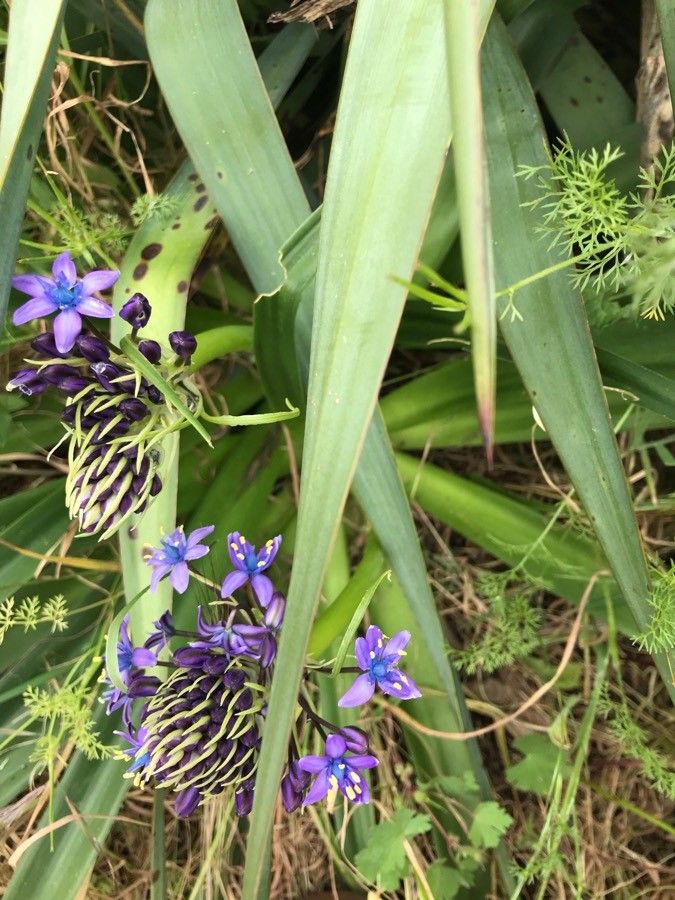
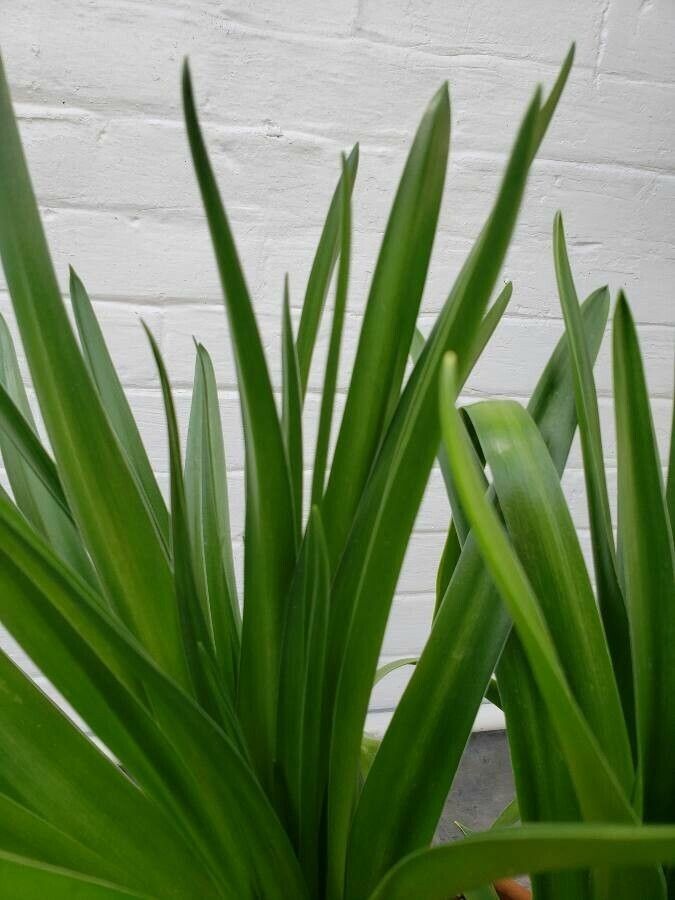
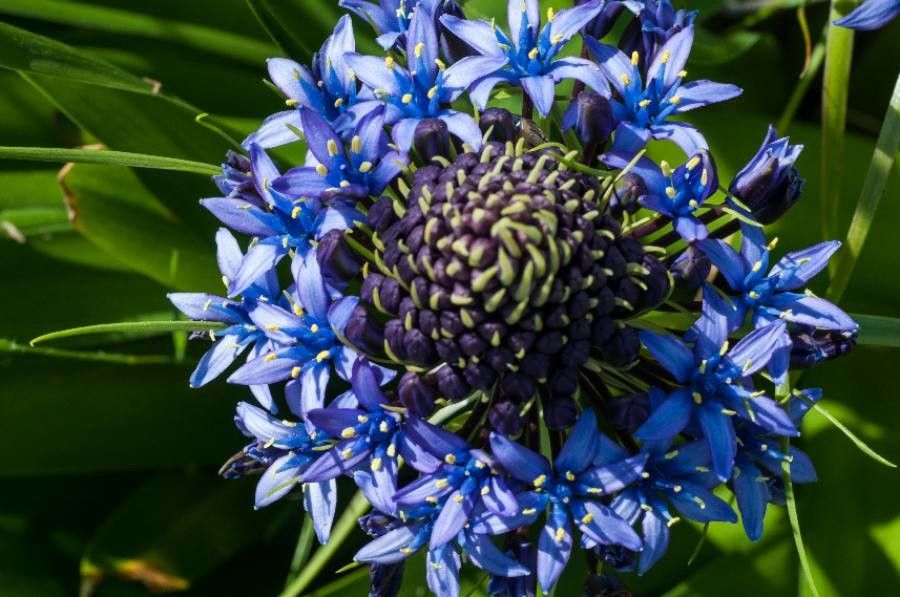
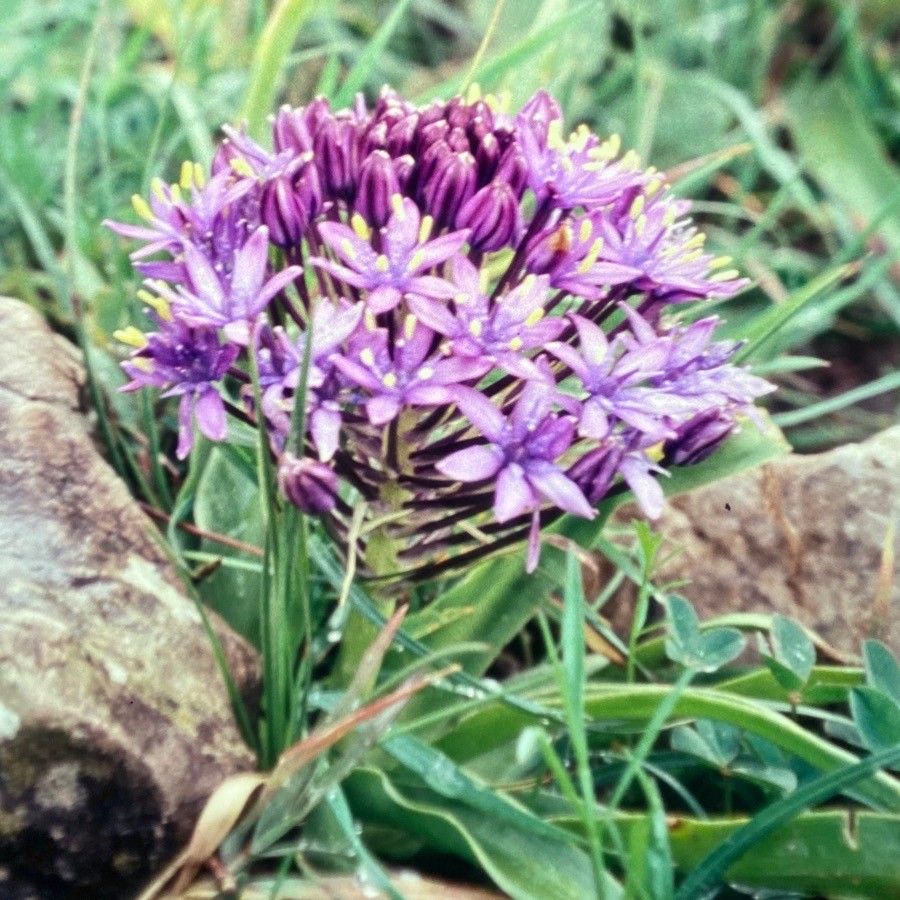
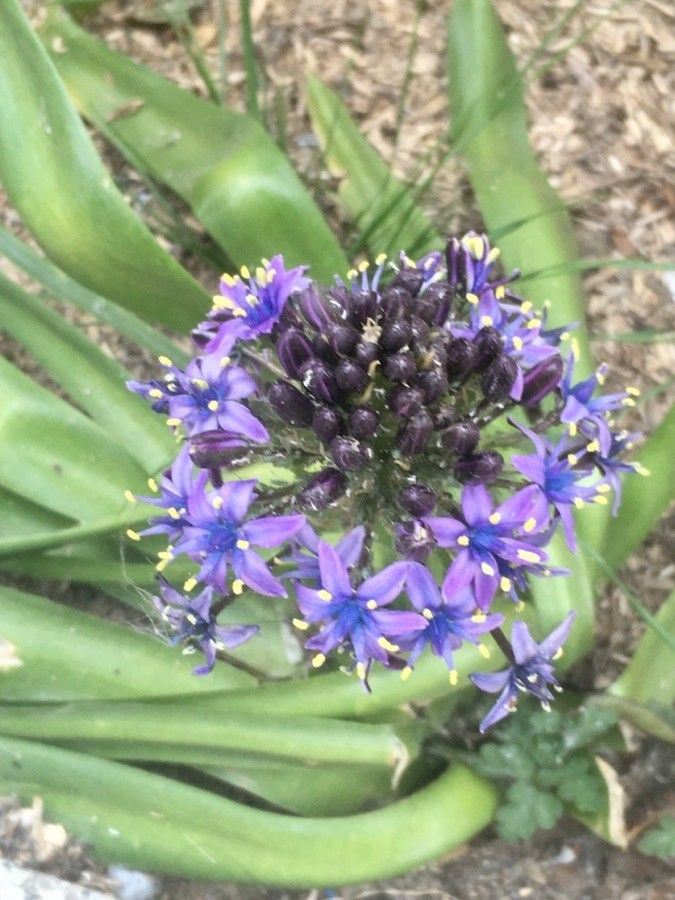
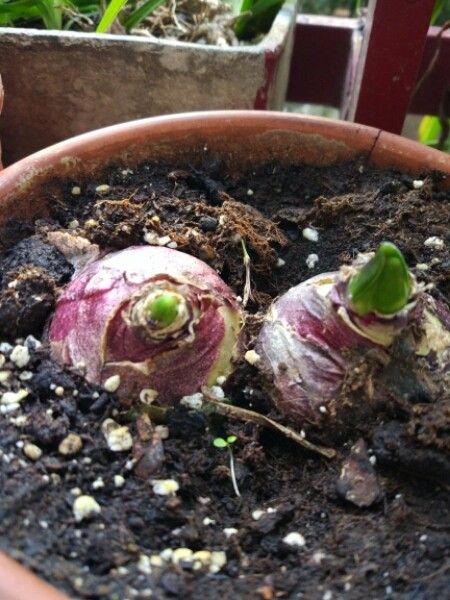
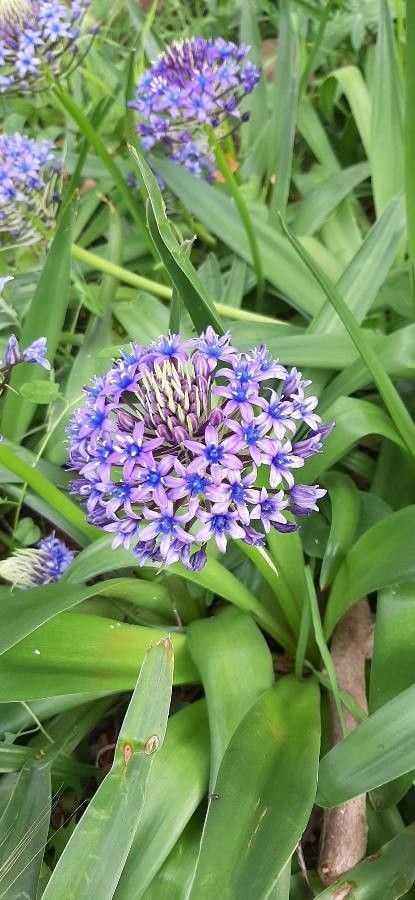
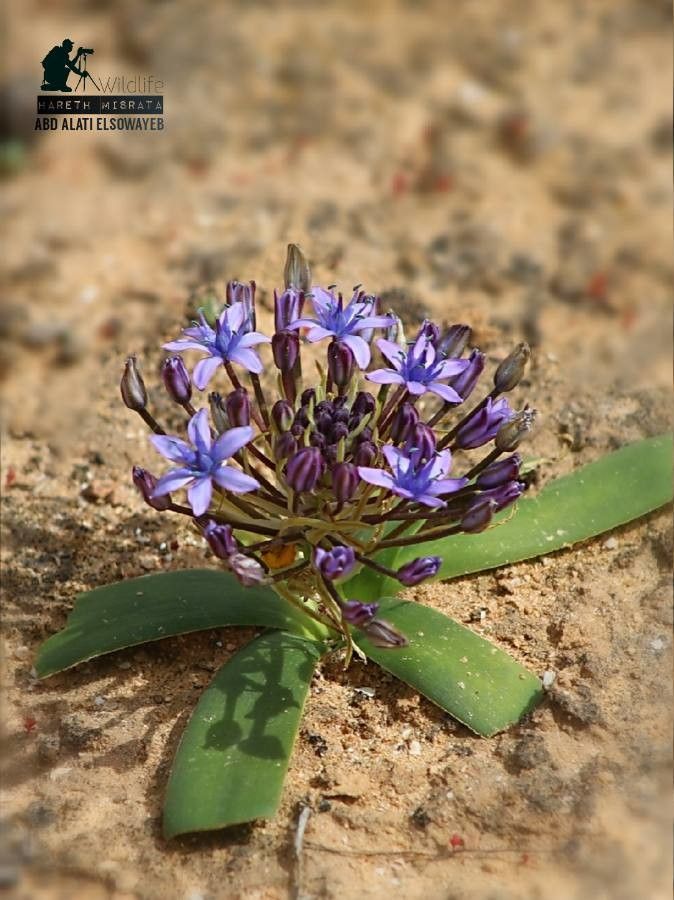
Oncostema peruviana, commonly known as the Peruvian oncostema or Peruvian daisy, is a flowering plant species in the Asteraceae family, native to South America. This plant typically reaches a height of 30-60 cm and produces vibrant yellow flowers with dark centers, blooming from late spring to early summer. Its lance-shaped leaves are arranged alternately along the stem.
Preferring well-drained soil and full sunlight, Oncostema peruviana is an excellent choice for rock gardens or borders. Once established, it is also drought-tolerant, lending itself to being a low-maintenance addition to any garden landscape.
Traditionally, Oncostema peruviana has been used in medicine for its anti-inflammatory properties and as a treatment for respiratory ailments such as asthma and bronchitis.
Overall, Oncostema peruviana is an attractive flowering plant that adds both color and texture to gardens. Additionally, it offers potential health benefits through its medicinal properties.
Portuguese squill is fairly disease-resistant and typically does not suffer from illnesses. Still, it can be vulnerable to pests and the diseases found in its environment. When infections do occur, they are generally mild. Regarding upkeep, this plant needs a moderate amount of care. It should be pruned on a regular basis to preserve its appearance and support healthy growth. Applying fertilizer can also assist in encouraging blooms. Portuguese squill is well suited for anyone who has an outdoor area, like a garden or patio, and does not demand extensive gardening experience. It may need extra attention if cultivated indoors.
How to keep Oncostema Peruviana.
Light
Portuguese squill grows best in a location that receives a consistent amount of sunlight throughout the day, which is essential for its healthy development. It can also do well in areas where light is variable. However, prolonged low light and excessive exposure can both have a detrimental effect on its growth.
Temperature
Portuguese squill is native to a climate where temperatures range from 59 to 95 °F (15 to 35 ℃). It does best in those conditions, so to grow it in other climates you should modify the temperature to replicate them, especially across different seasons.
Fertilizer
The primary time to fertilize Portuguese squill is in early spring, when the flowers are beginning to form. Using an appropriate fertilizer promotes stronger blooms and helps Portuguese squill produce attractive flowers. Fertilizing at that early-spring stage supports excellent flowering during the season and supplies energy for dormant growth phases.
Botanical profile.
- Plant Type
- Herb
- Life Cycle
- Perennial
- Genus
- Oncostema
- Family
- Asparagaceae
- Hardiness Zone
- 7-10
- Mature Height
- 10 cm to 25 cm
- Mature Spread
- 15 cm to 20 cm
- Leaf Color
- Green
- Leaf Type
- Evergreen
- Flower Color
- Blue, Purple
- Flower Size
- 1.02 cm to 2.03 cm
- Bloom Time
- Mid spring, Late spring
- Planting Time
- Spring
- Harvest Time
- Early summer, Mid summer
Other names.