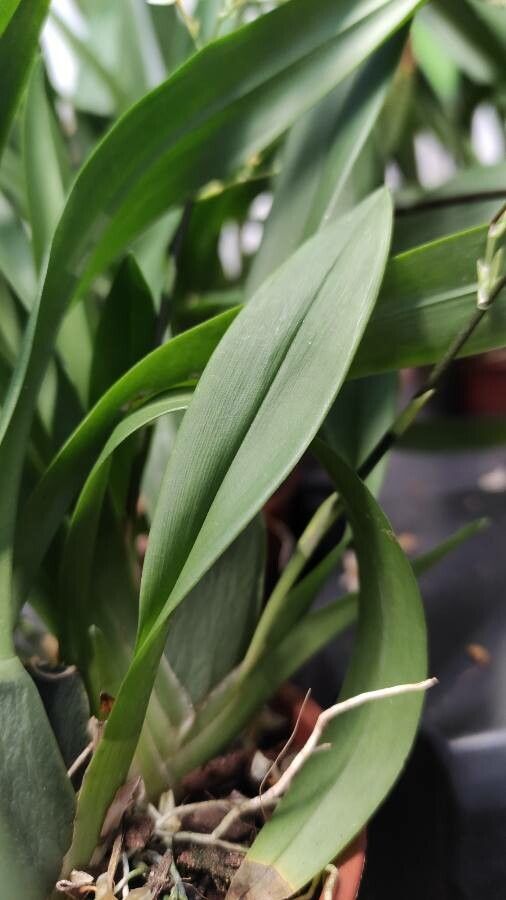
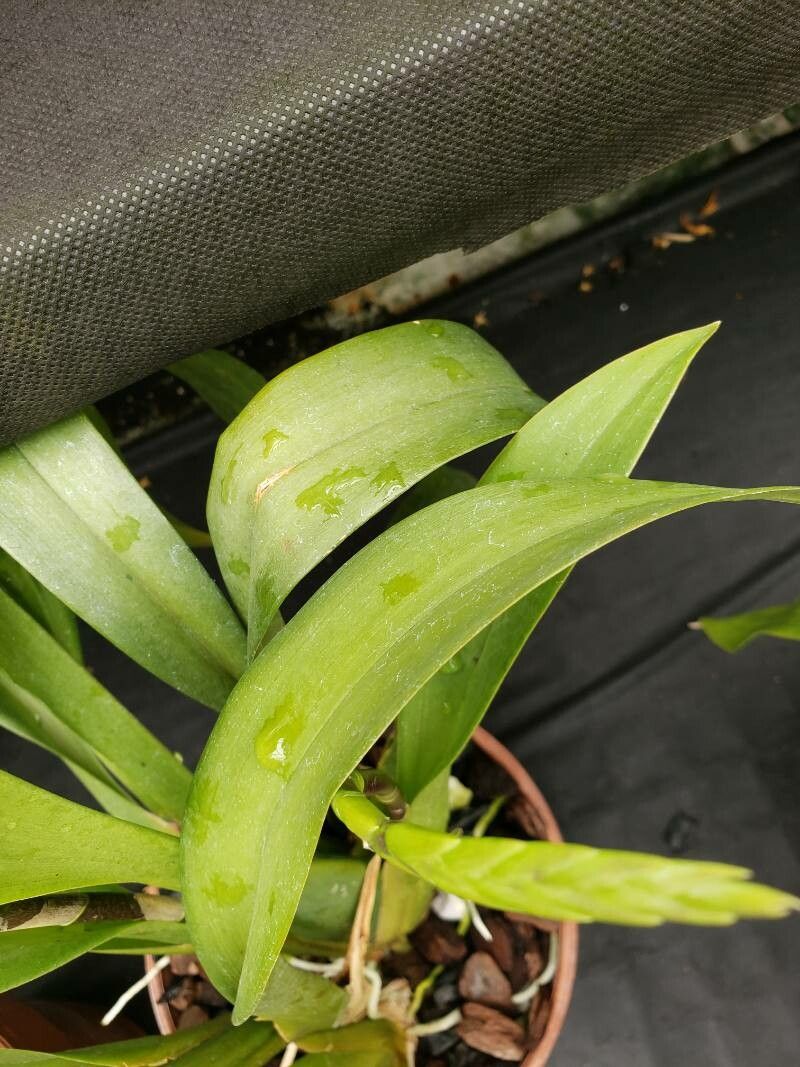
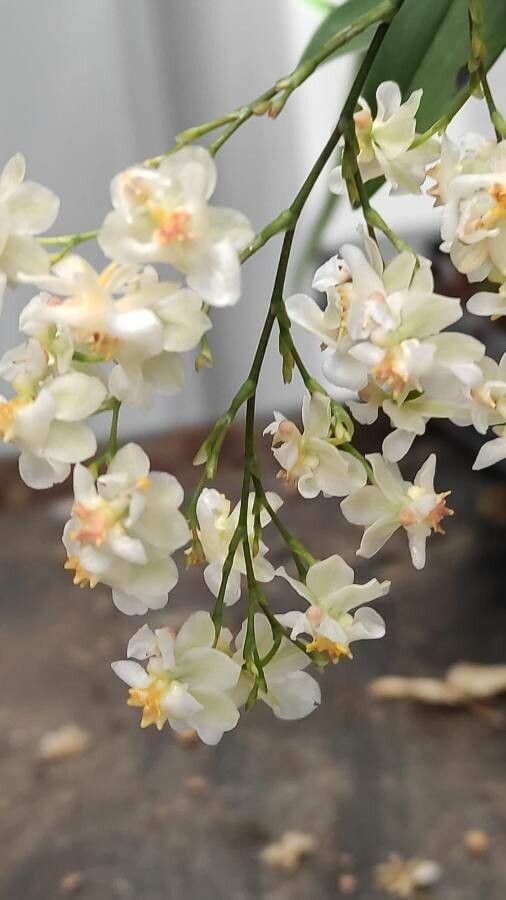
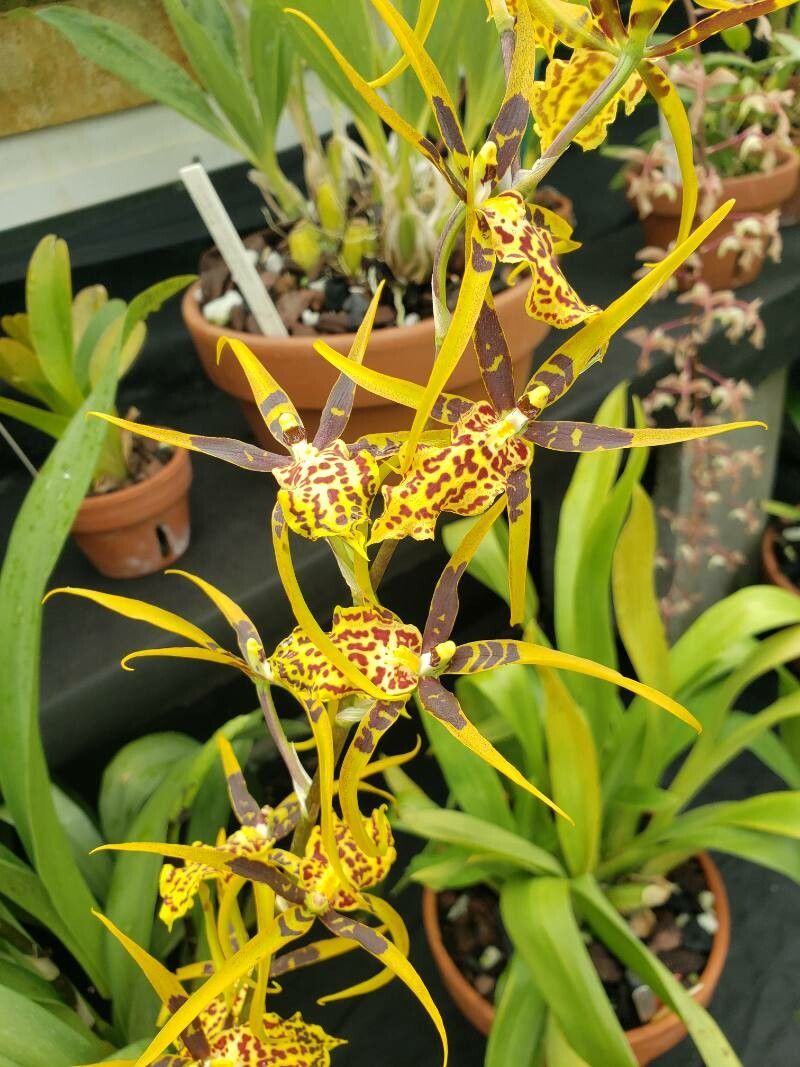
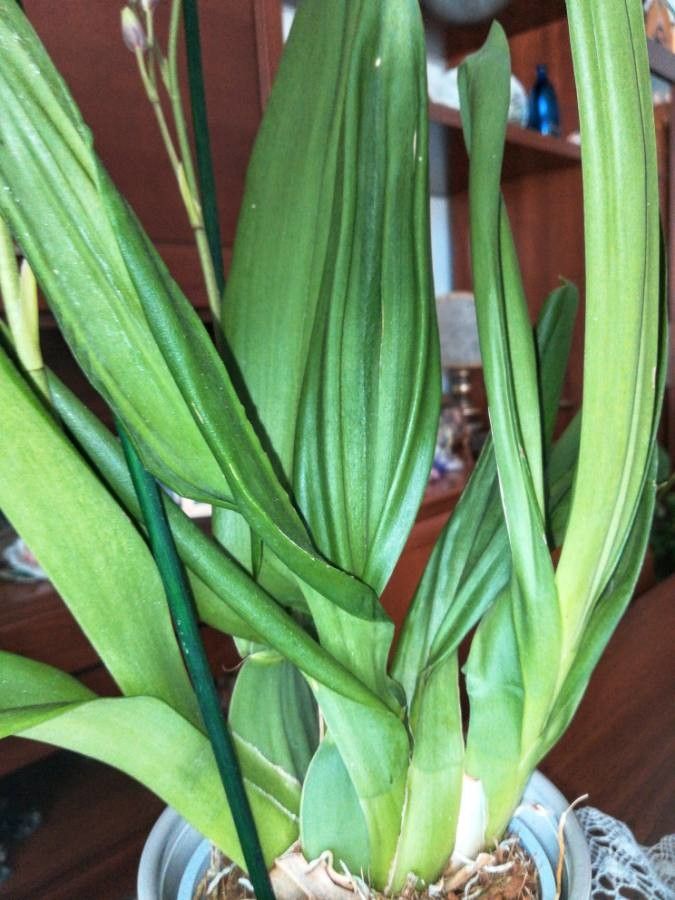
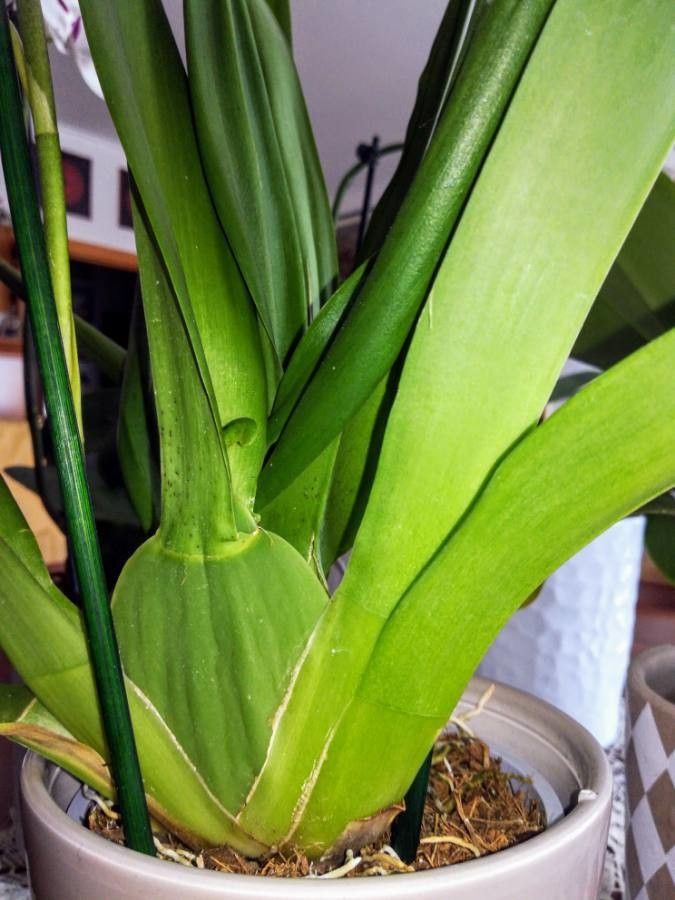
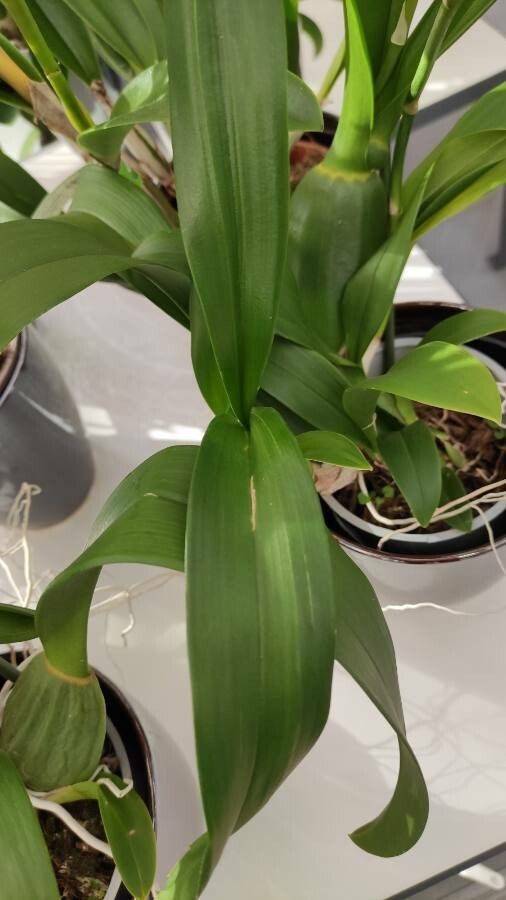
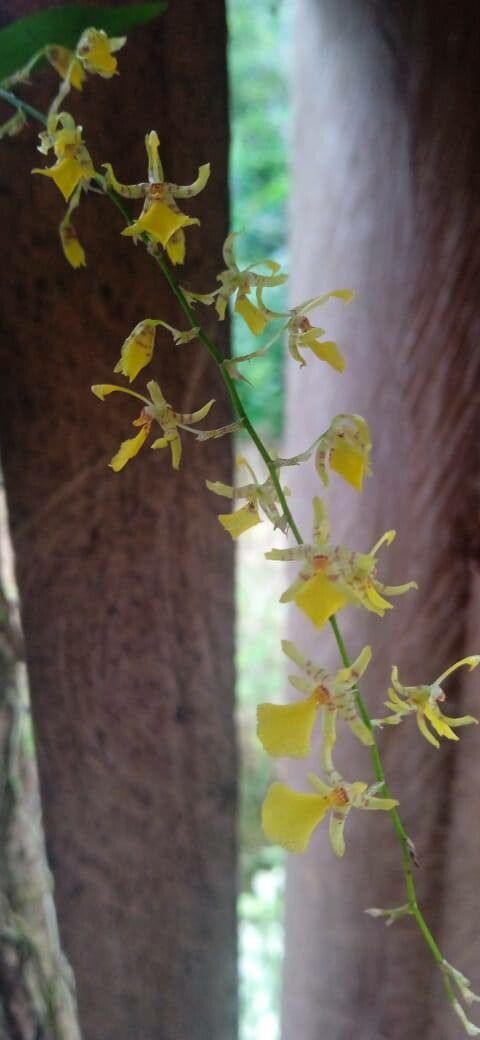
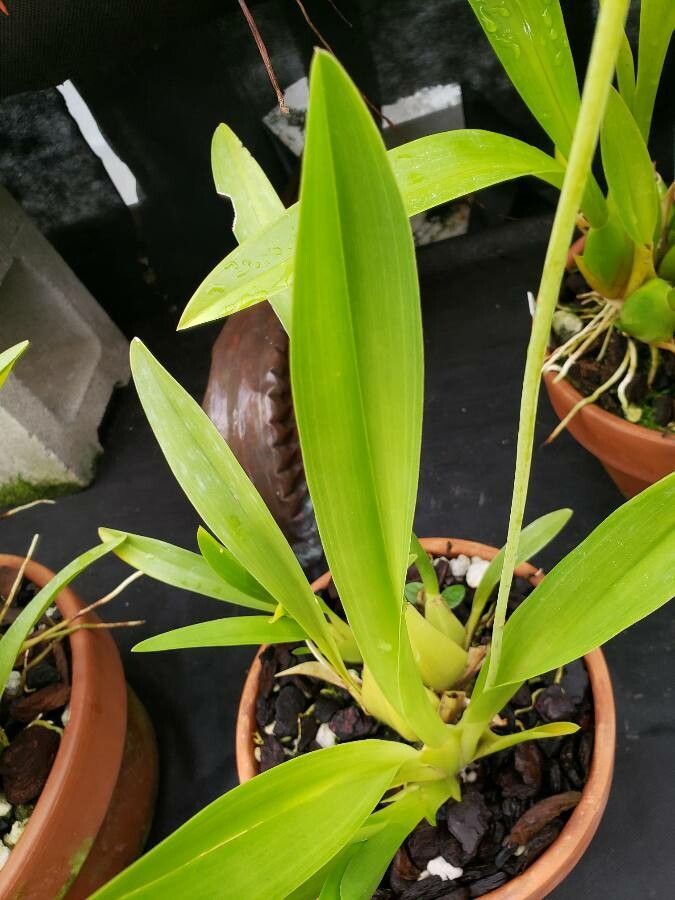
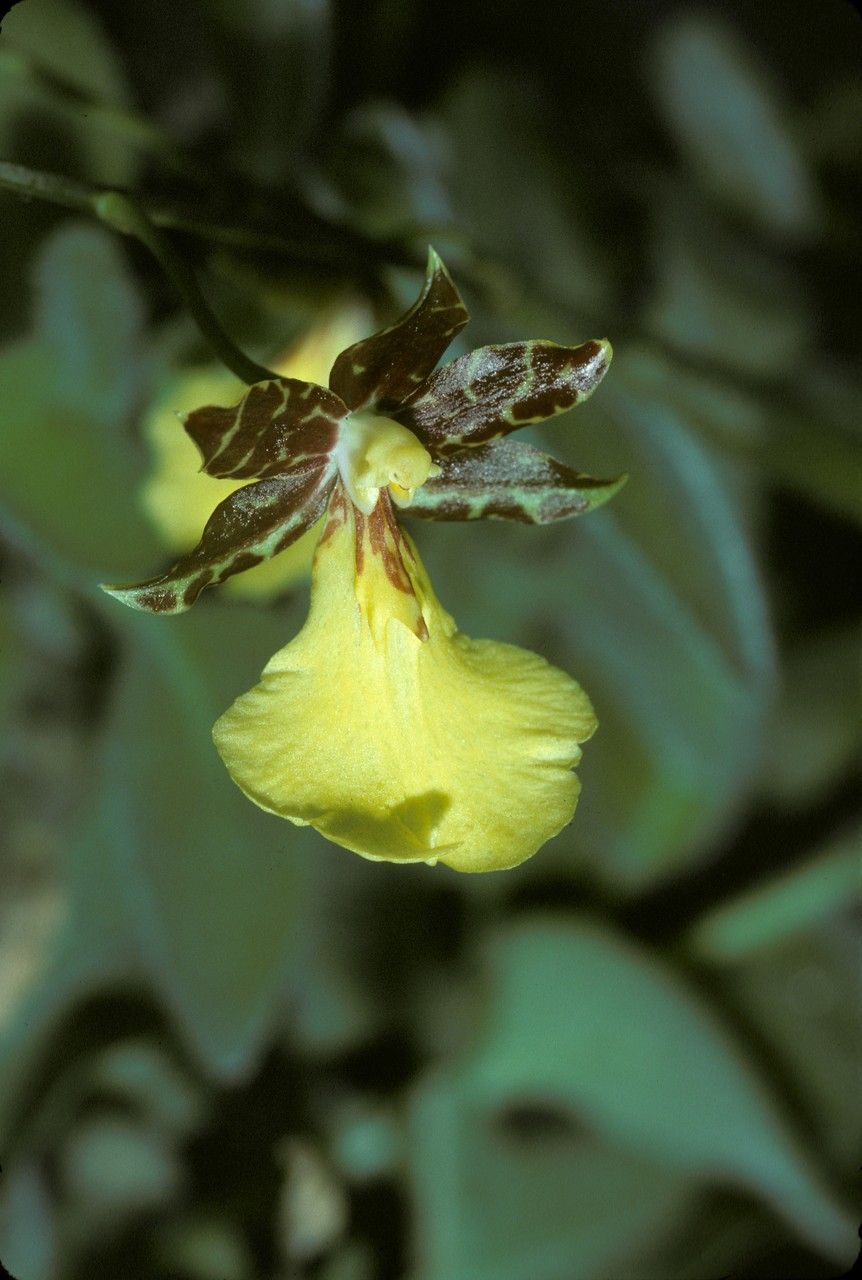
For good reason, oncidiums are popular indoor and florist orchids; their huge sprays of blossoms typically sag with dozens of blooms. They've been allowed to freely hybridize. There are hundreds of identified oncidium species, but the name isn't consistent, therefore there's a lot of flux as specialists reclassify plants. Under regular indoor conditions, the most common oncidium thrives. Large pseudobulbs (bulbous thickening areas of the stem) emerge from a multitude of thin white roots. The huge leaves that arise from the pseudobulbs can grow to be 2 feet long. In the fall, the oncidium blooms.
How to keep Oncidium Spp.
Water
Water regularly or every other day during the growing season. However, keep in mind that drainage is a top necessity. The potting medium must be completely drainable. Plants can also be planted in baskets or on slabs. Oncidiums are prone to decay due to their huge, fleshy pseudobulbs and masses of roots. If a pseudobulb begins to decay, remove it with sterile snippers and lessen the amount of water applied.
Temperature
Oncidiums can be found in a variety of environments, ranging from semi-arid subtropical lowlands to chilly, misty cloud forests. The most popular oncidiums are intermediate to warm orchids, with little yellow blooms, huge pseudobulbs, and strappy leaves. Avoid exposing them to chilly drafts or temperatures below 50 degrees Fahrenheit.
Fertilizer
Feed with a weak orchid fertilizer bimonthly during the growing season, or scatter slow-release pellets in the growing media at the start of the season. Despite the diversity of species, the larger the plant, the more heavily it will feed.
Pruning
When the last bloom on these types is about to die, count down three nodes—the bumps on the spike where the individual flowers emerge—and cut the end of the flower spike completely off with sterilized scissors.
Toxicity
The Oncidium orchid is not toxic to dogs, cats, and horses. This child- and pet-friendly orchid is safe to have as a houseplant, whether indoors or outdoors.
Further reading →
The toxicity and danger assessments provided are for reference only. We do not assure their accuracy, so it's crucial not to depend on them. Seek professional advice when necessary for accurate guidance.
Botanical profile.
- Genus
- Oncidium
- Family
- Orchidaceae
Other names.