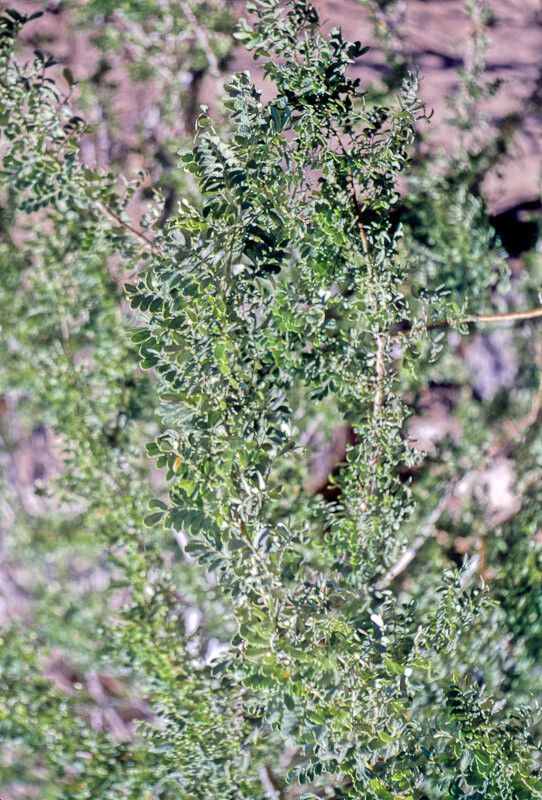
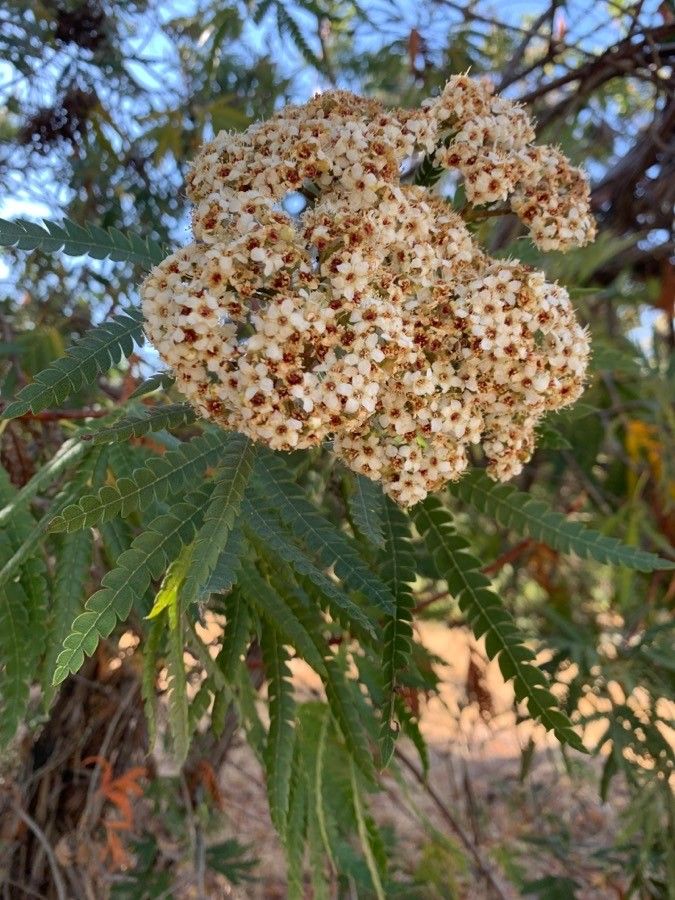
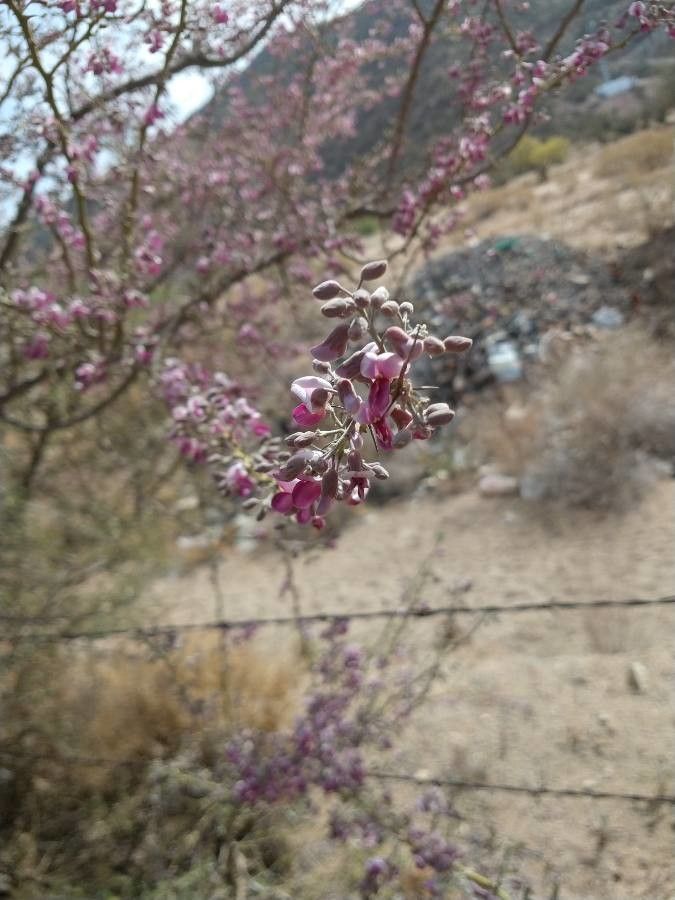
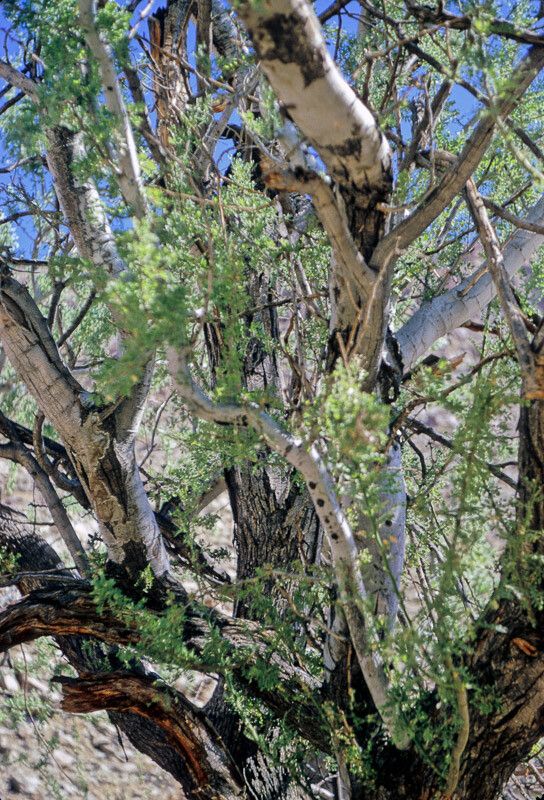
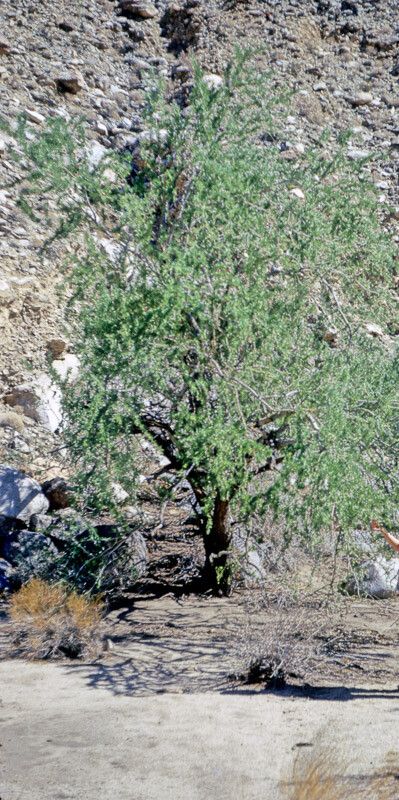
Olneya tesota is a perennial flowering tree of the family Fabaceae, legumes (peas, beans, etc.), which is commonly known as ironwood, desert ironwood, or palo fierro in Spanish. It is the only species in the monotypic genus Olneya. This tree is part of the western Sonoran Desert complex in the Southwestern United States.
Desert ironwood is resistant to disease and generally not susceptible to illnesses. In terms of care, this plant is fairly low-maintenance. Planted outdoors, it needs little watering, and larger specimens typically do not require pruning. Smaller plants, however, should be pruned after they bloom. Desert ironwood is appropriate for anyone with an outdoor area, such as a garden or deck, and does not demand extensive plant-care experience.
How to keep Olneya Tesota.
Light
Desert ironwood prefers locations that receive abundant sunlight for most of the day, though it can tolerate periods of reduced light. Originating from desert habitats, it is adapted to withstand intense sun exposure. Too much or too little light can affect its growth, potentially causing stunted development or damage to the leaves.
Water
Desert ironwood is well-suited to arid environments and requires minimal moisture. It thrives with infrequent watering, ideally every 2-3 weeks. This resilient plant flourishes in hot, dry regions and prefers well-draining soil to avoid waterlogging, which is crucial for its survival and drought tolerance.
Temperature
Desert ironwood comes from desert regions and prefers temperatures of 59 to 95 °F (15 to 35 °C). To promote healthy growth, regulate its ambient temperature across the four seasons so it stays within that range.
Fertilizer
The timing of fertilizing Desert ironwood is important. Apply fertilizer in early spring and continue monthly until early summer. Fertilizer promotes attractive blooms and supplies energy during both dormant and active growth phases.
Pruning
Desert ironwood flourishes in dry environments and benefits from strategic pruning during its dormant period, which lasts from early to late winter. To maintain a healthy and well-shaped plant, concentrate on removing dead or crossing branches and thinning out dense areas. This will improve air circulation, increase flowering, and reduce the risk of disease.
Botanical profile.
- Plant Type
- Tree
- Life Cycle
- Perennial
- Genus
- Olneya
- Family
- Fabaceae
- Hardiness Zone
- 8-10
- Mature Height
- 10.06 m
- Mature Spread
- 6.1 m to 9.14 m
- Leaf Color
- Gray, Steel Blue
- Leaf Type
- Evergreen
- Flower Color
- Lavender
- Flower Size
- 1.27 cm
- Bloom Time
- Mid spring, Late spring
- Planting Time
- Spring, Summer
- Harvest Time
- Summer
- Native Area
- Mexico
Other names.
Reader questions.
What are the requirements for sunlight exposure for plants?
Plants require different levels of sunlight exposure to thrive. Full sun refers to areas that receive above 6 hours of sunlight daily, while partial sun areas get about 3-6 hours of sunlight. It's important to observe your garden's sunlight patterns to ensure plants receive the necessary balance of light and shade for optimal growth. This approach helps in choosing the best spots that cater to the specific sunlight needs of your plants, ensuring their happiness and health.
What is the ideal temperature range for Desert Ironwood?
Desert ironwood thrives in temperatures between 59 to 95 °F (15 to 35 °C), native to desert regions. It's important to adjust the surroundings to maintain this temperature range across the four seasons for the plant's health. While desert ironwood exhibits some cold tolerance and doesn’t require special care if temperatures are above -5°C, precautions are necessary when temperatures are forecasted to drop below this point. Using plastic film, fabric, or other insulating materials temporarily can offer protection, but these should be removed once the temperature increases.
What are the essentials for growing Desert ironwood?
Desert ironwood, known botanically as Olneya tesota, is well-suited to environments with abundant sunlight, similar to its native desert regions. It thrives in full sunlight but can tolerate periods of reduced light. Intense sun exposure is essential for its growth, yet both excessive and insufficient sunlight can affect the plant's health, causing stunted growth or leaf damage. When natural light is not adequate, indoor plants may benefit from artificial lighting, such as LED lights, to stimulate growth. Proper lighting includes choosing the right type of light, setting the correct distance and duration to mimic natural sunlight conditions.
How does Desert Ironwood react to low temperatures?
Desert ironwood has a moderate tolerance to low temperatures, performing best when the temperature remains above 15°C. It should be protected during winter to ensure the temperature does not drop below -5°C. If the temperature falls below -10°C, you may notice the leaves drooping. This condition can be mild, where the plant recovers on its own, or severe, leading to wilting and leaf fall. The recommended solution for frost damage includes trimming off affected parts. To prevent further cold damage, wrap the plant with non-woven fabric or cloth and erect a wind barrier to shield it from cold winds.
What symptoms indicate a Desert ironwood is receiving inadequate light?
Desert ironwood shows several symptoms when exposed to suboptimal lighting, including smaller new leaves, leggy or sparse growth, faster leaf drop, slower or halted new growth, and paler new leaves. Excessive sunlight can lead to chlorosis (yellowing leaves due to chlorophyll breakdown), sunscald (damage from intense sunlight exposure), leaf curling (a defense mechanism against water loss), wilting (loss of turgor pressure), and leaf scorching (brown, dry edges on leaves). These symptoms reflect the plant's struggle with light conditions, either too little or too much.
How to care for Desert Ironwood during high temperatures?
During the summer, it's crucial to keep Desert ironwood's temperature below 35°C to prevent heat stress. Exposure to temperatures above 41°C can cause the leaves to lighten in color, dry out, and curl. Additionally, the plant becomes more vulnerable to sunburn under extreme heat. The care steps for such conditions include trimming away sunburned and dried parts of the plant. Relocating the plant to a shaded area or using a shade cloth can protect it from harsh midday and afternoon sun. Ensuring the soil remains moist by watering in the mornings and evenings is also beneficial.
How can one manage Desert ironwood's lighting needs indoors and outdoors?
To address lighting needs for Desert ironwood, a gradual adjustment method is recommended. For indoor plants, move them weekly towards a sunnier location until achieving at least 6 hours of direct sunlight daily. Utilizing south-facing windows and keeping curtains open during daylight maximizes sunlight exposure. If moving the plant is not feasible, supplementing with artificial light, like professional grow lights for at least 8 hours daily, is advisable. Outdoors, acclimatize your plants by progressively relocating them to brighter spots, avoiding abrupt changes to prevent sunburn. Removing obstructions and, if necessary, transplanting to sunnier locations can greatly benefit plant health. It's crucial to remember that parts of the plant already damaged by poor light may not recover, but proactive measures will ensure new growth is healthy.