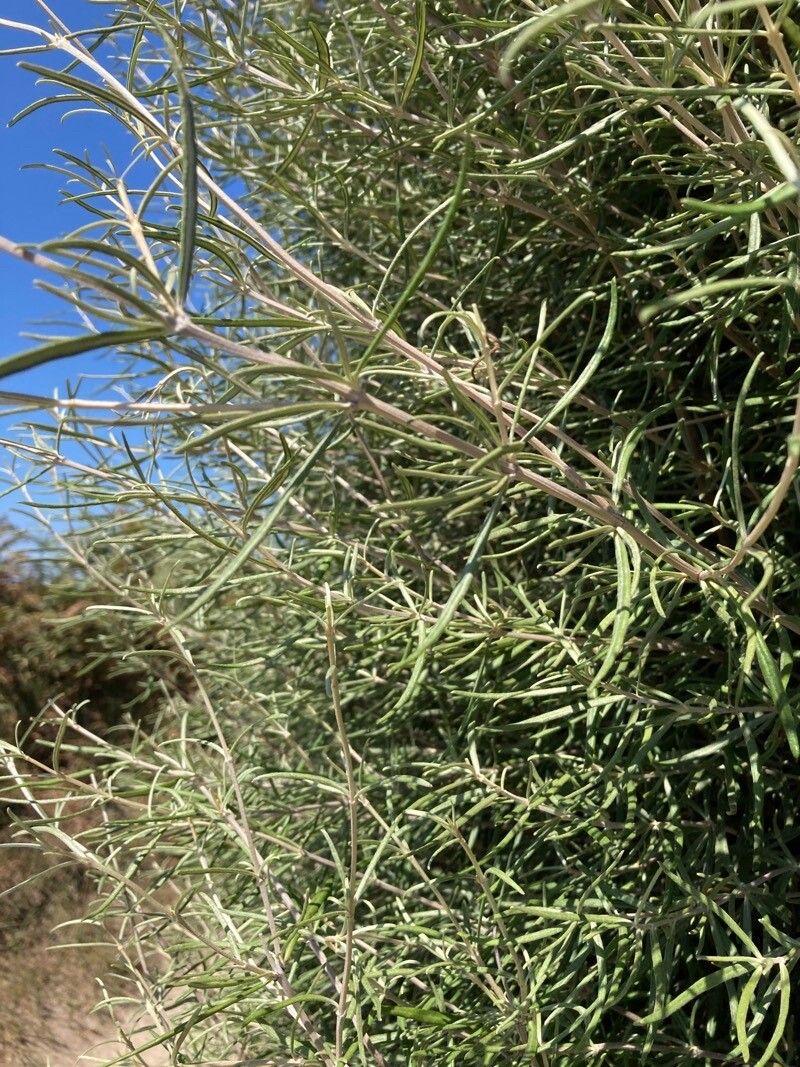
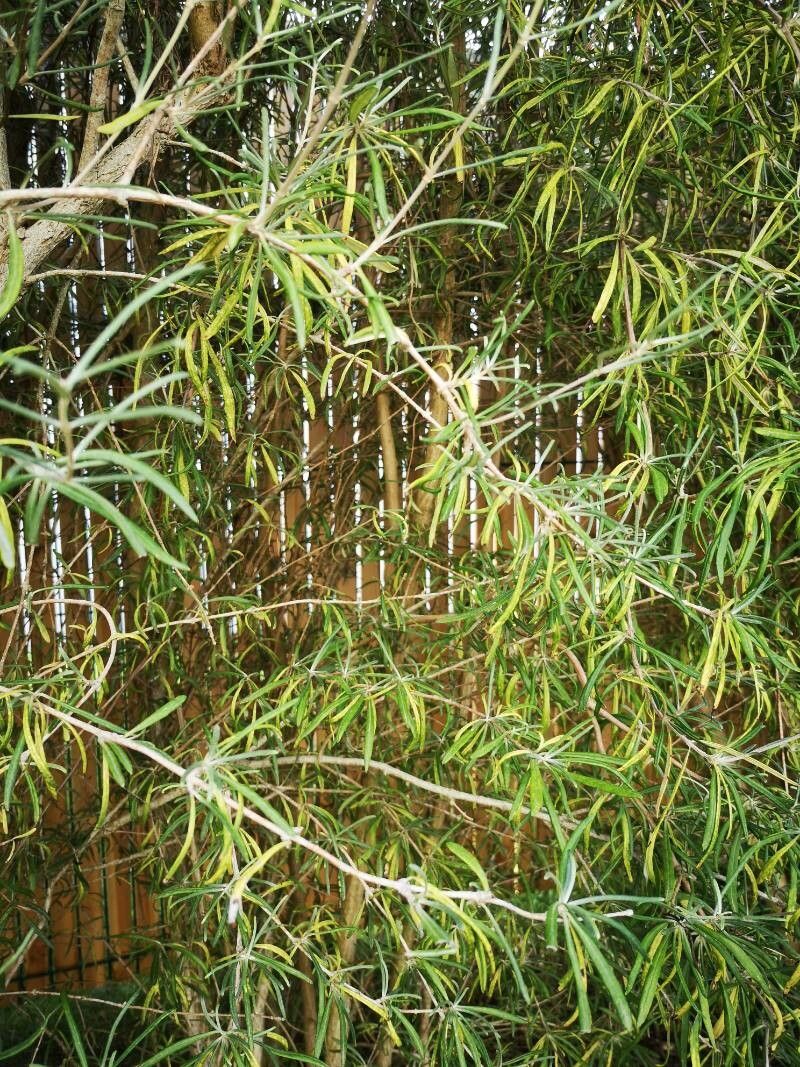
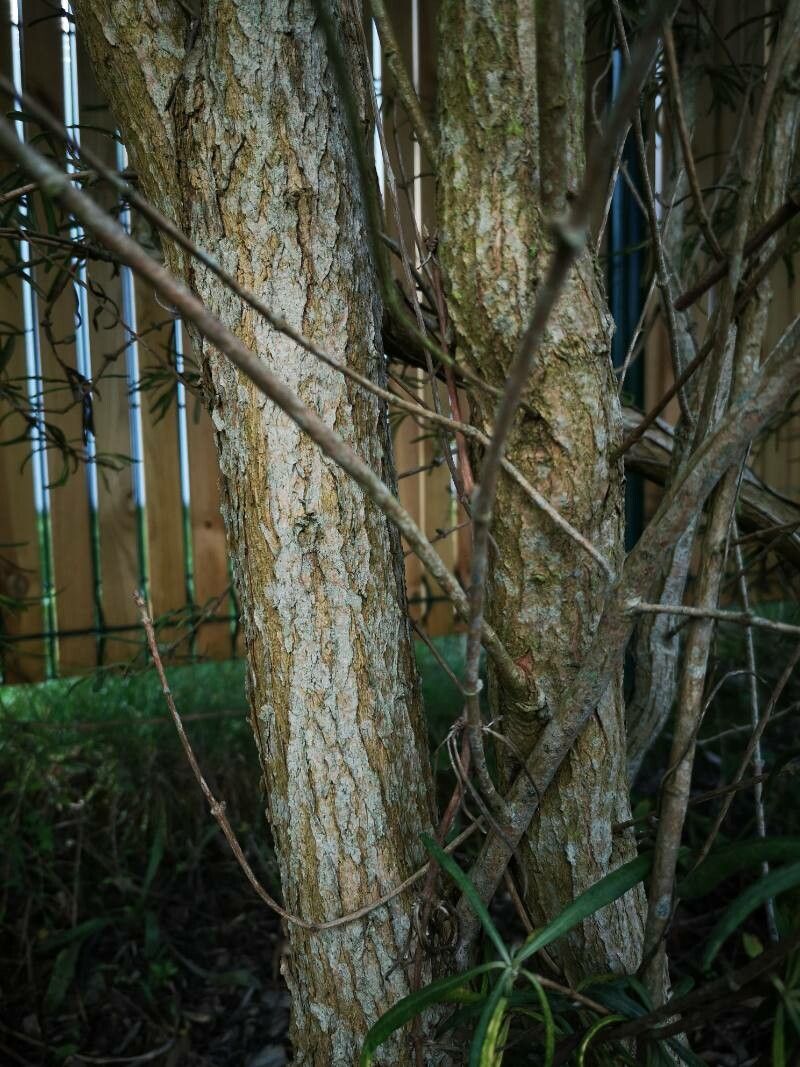
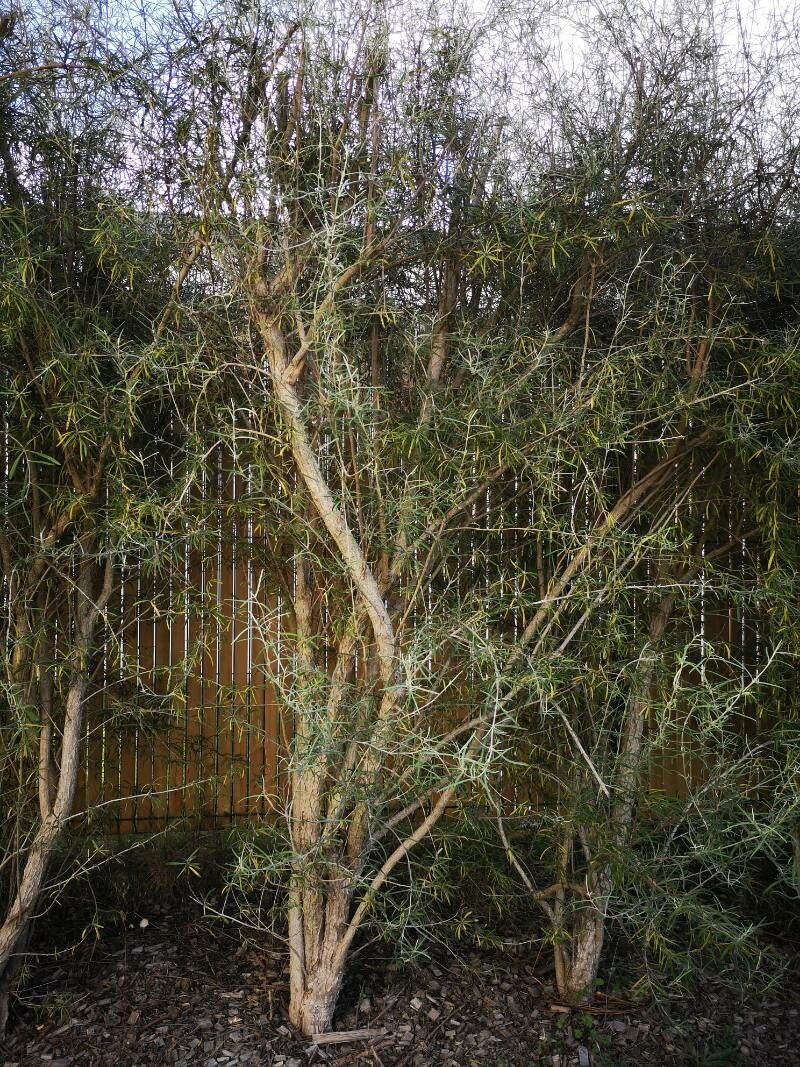
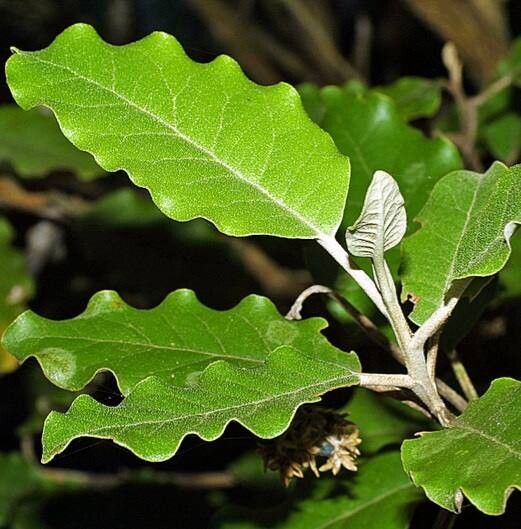
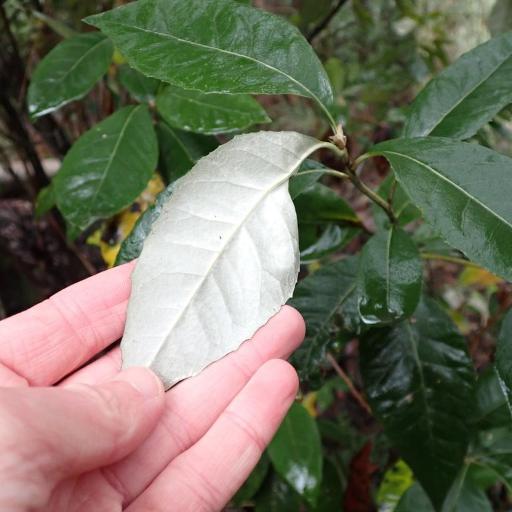
Olearia virgata, commonly known as Twiggy Daisy Bush, is a small evergreen shrub belonging to the Asteraceae family. Native to Australia and New Zealand, this plant thrives in various habitats, including coastal cliffs, heathlands, and forests. It typically grows up to 2 meters tall and features thin branches adorned with small, glossy green leaves that are narrow and elongated.
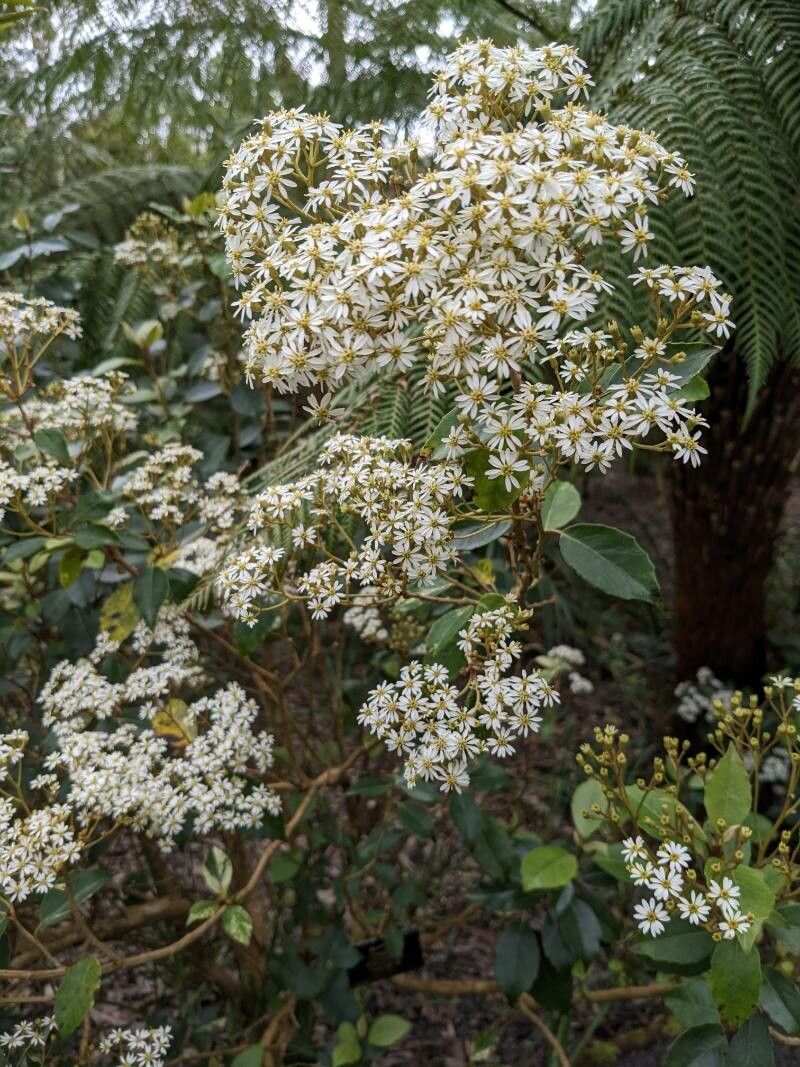
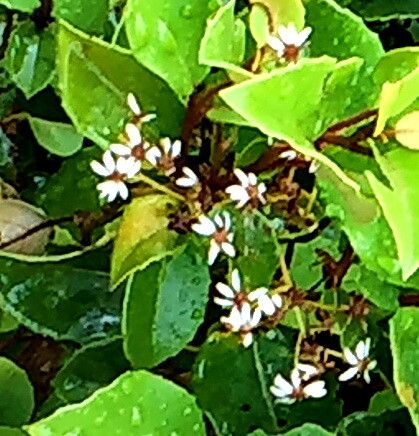
During spring and summer, the Twiggy Daisy Bush produces clusters of white or pale pink flowers that attract bees and butterflies for pollination. These daisy-like flowers have yellow centers surrounded by numerous petals.
Olearia virgata is an easy-to-grow plant requiring minimal care once established. It prefers well-drained soil in full sun or partial shade but can also tolerate some drought conditions. Pruning after flowering helps maintain its shape.
This versatile plant has multiple uses. Its dense growth makes it ideal for hedging, while its attractive foliage and flowers make it a popular choice for decorative containers.
Overall, Olearia virgata is an excellent option for gardeners seeking low-maintenance plants with appealing foliage and beautiful blooms throughout the year.
Olearia virgata displays good resistance to disease and is generally not susceptible to illnesses. Regarding care, this plant is fairly low-maintenance. When grown outdoors it needs minimal watering, and larger specimens usually do not need pruning. Smaller plants, however, should be pruned after they finish blooming. Olearia virgatat is suitable for anyone with an outdoor area, such as a garden or deck, and does not require much care experience.
How to keep Olearia Virgata.
Light
Olearia virgata is native to open habitats, such as sunny meadows and forest margins, which receive abundant light. It performs best in Full Sun but can also tolerate Partial Sun, adapting well to a range of sunlight conditions.
Water
Olearia virgata does well in full sunlight and can tolerate moderate drought. It should be watered every 1 to 2 weeks. To prevent root rot, it prefers well-draining soil, which makes it ideal for outdoor environments where it can make the most of the available water.
Temperature
Olearia virgata shows strong adaptability to a range of climatic conditions, from scorching summers to cold winters. However, it still has an optimal temperature range for growth. If temperatures become too high, the plant is susceptible to heat and humidity stress, which can lead to its death. In areas where temperatures reach the lower edge of its cold tolerance, it is necessary to use insulation to protect the plant.
Fertilizer
The timing of fertilizing Olearia virgata is important. Apply fertilizer in early spring and repeat monthly until early summer. Fertilizer encourages attractive blooms and supplies energy during both dormant and active growth phases.
Pruning
Olearia virgata has a slender growth habit. To improve its shape and encourage growth, it is best to prune it in early spring. Trim away any dead or crossing branches to improve air circulation. Regular thinning helps maintain healthy foliage, stimulates flowering, and keeps the plant vigorous. Make sure your cuts are clean to minimize stress on the plant.
Botanical profile.
- Plant Type
- Shrub
- Life Cycle
- Perennial
- Genus
- Olearia
- Family
- Asteraceae
- Hardiness Zone
- 7-10
- Mature Height
- 4.88 m
- Mature Spread
- 4.88 m
- Leaf Color
- Dark Green, Gray
- Leaf Type
- Evergreen
- Flower Color
- White
- Flower Size
- 1.02 cm to 1.52 cm
- Bloom Time
- Mid spring, Late spring
- Planting Time
- Spring, Summer, Autumn
- Harvest Time
- Early summer, Mid summer
- Native Area
- New Zealand
Other names.