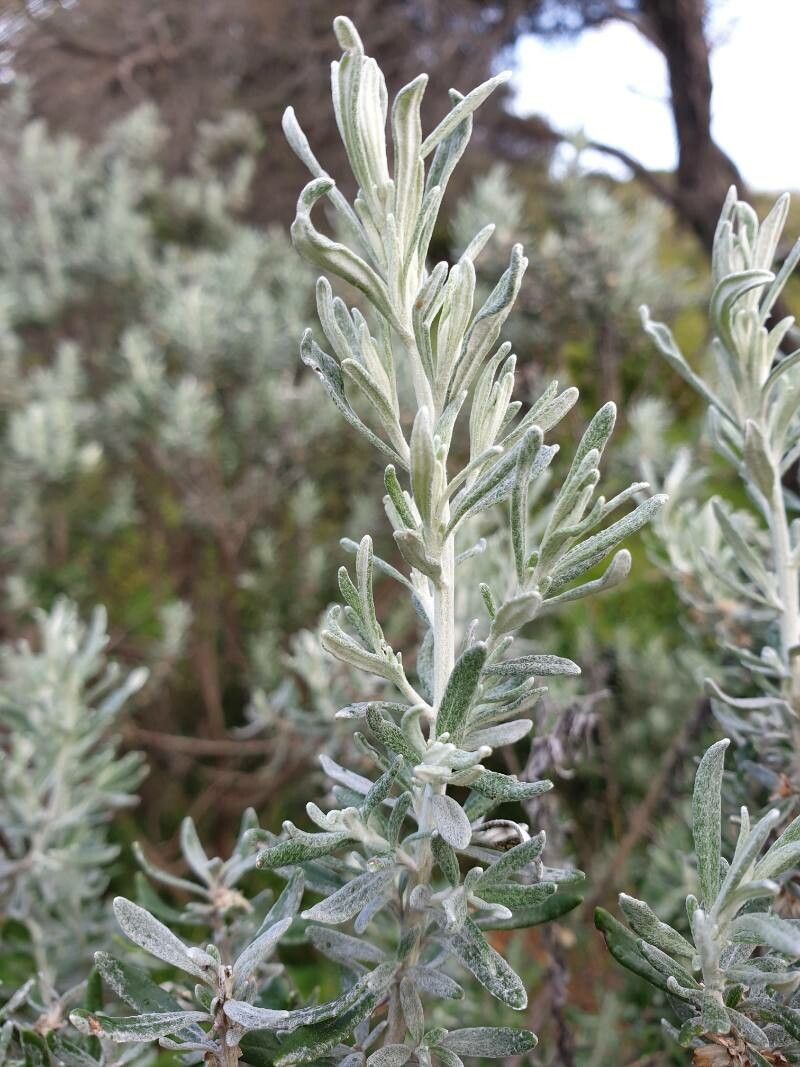
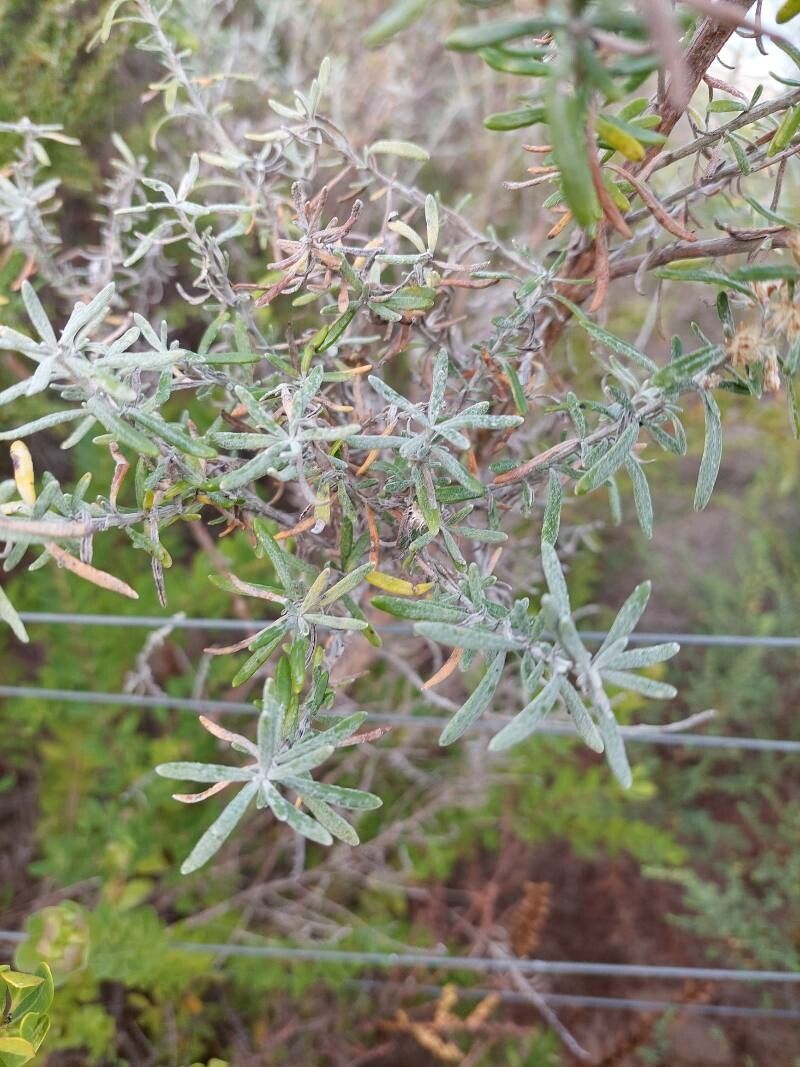
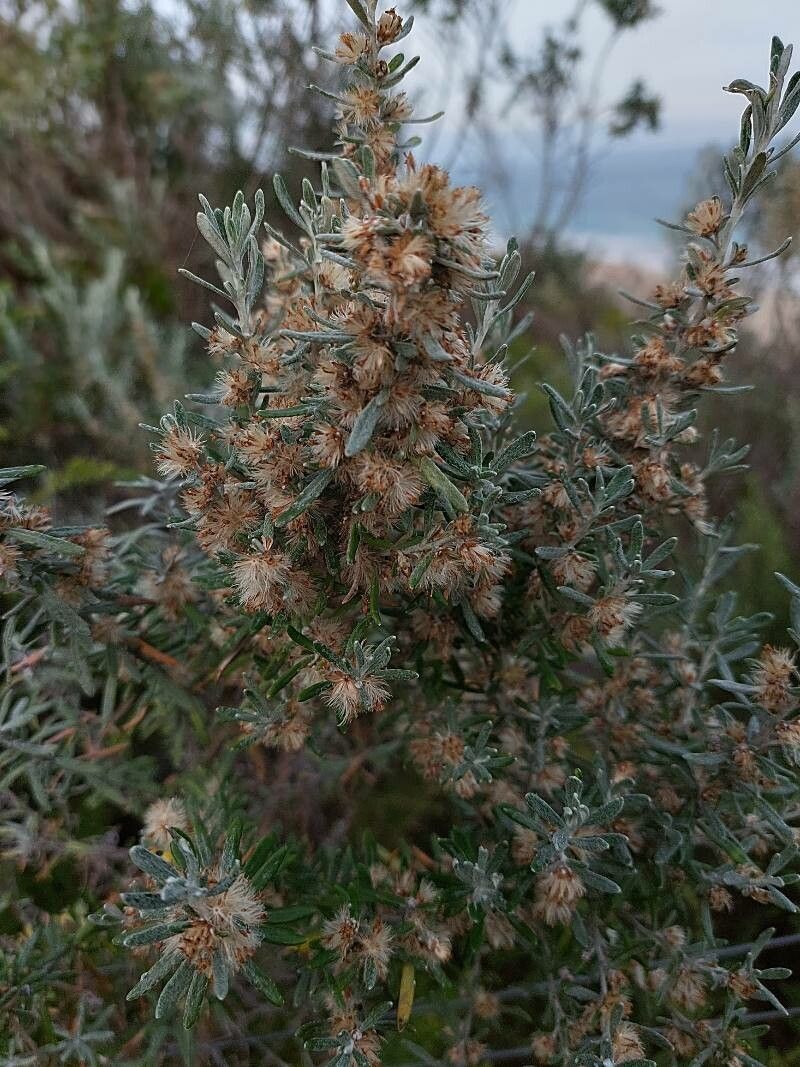
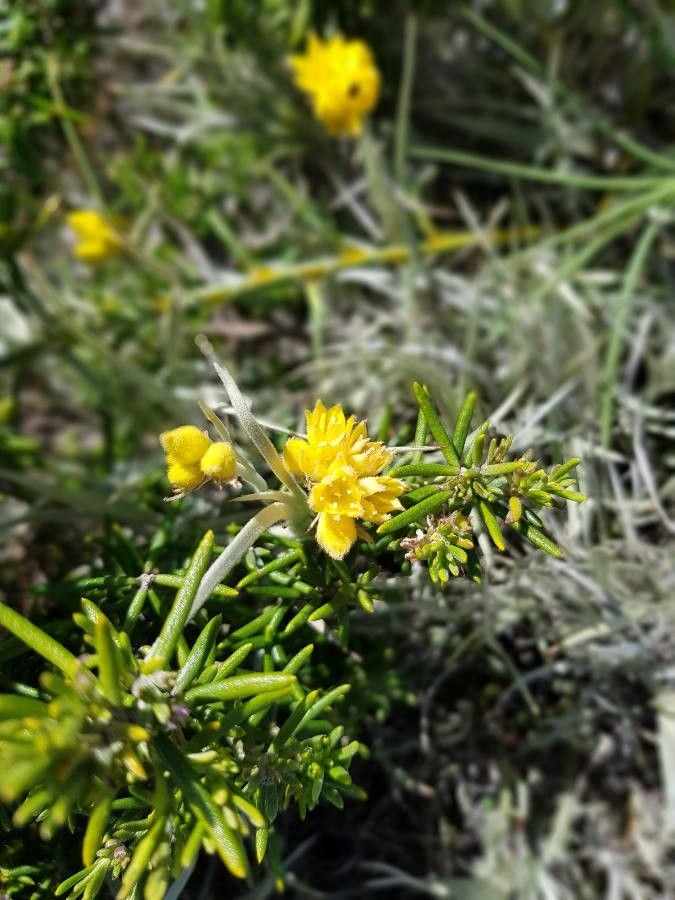
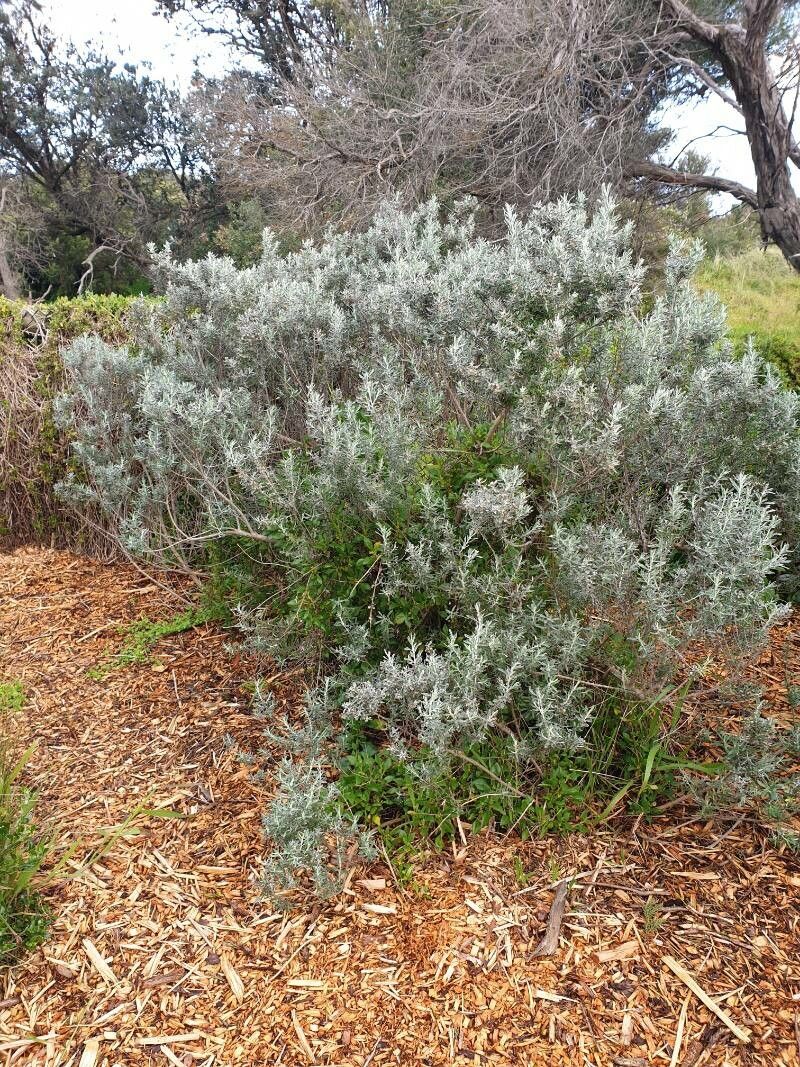
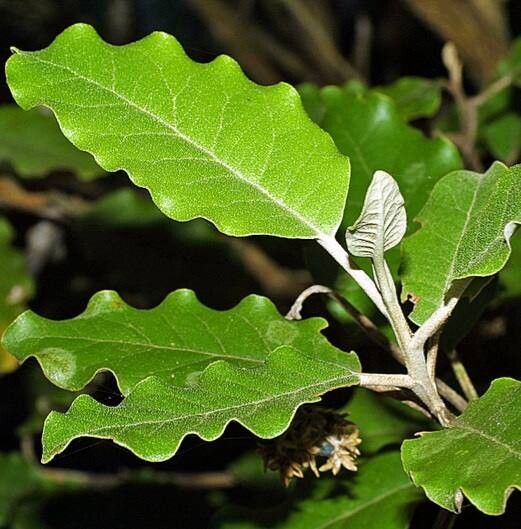
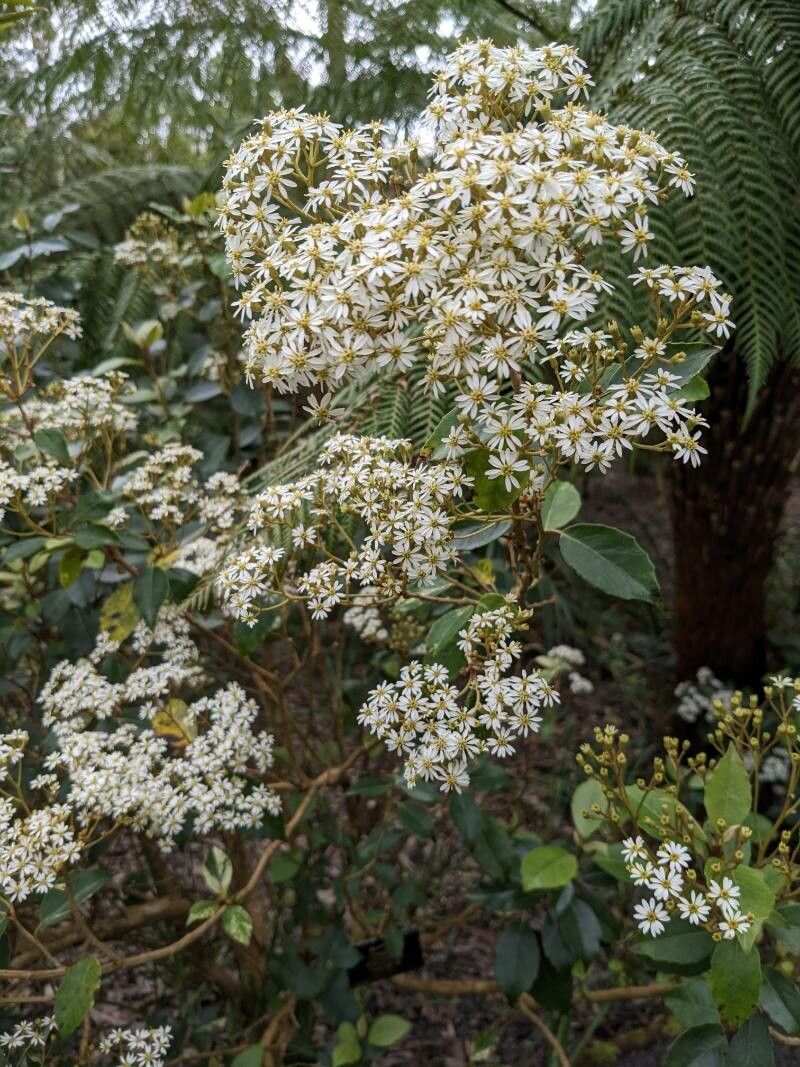
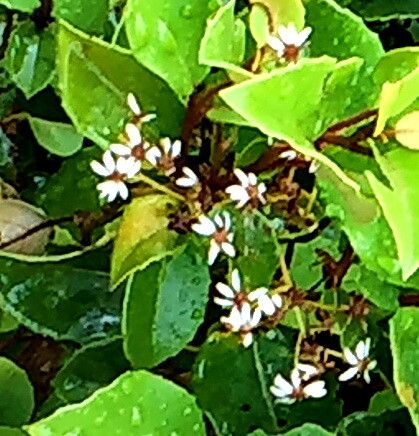
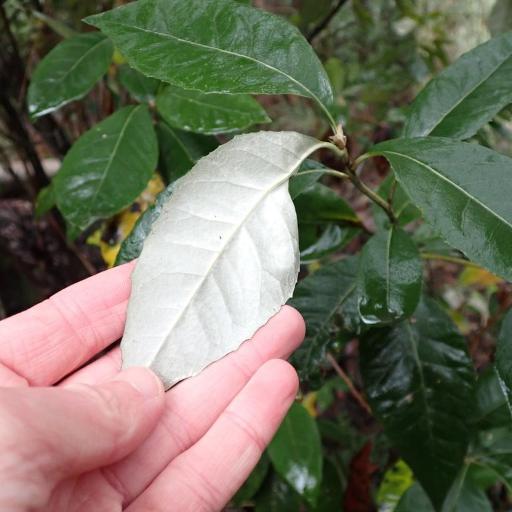
Olearia axillaris, commonly known as coastal daisy-bush, coast daisy-bush or coastal daisybush is a species of flowering plant in the family Asteraceae and is endemic to coastal areas of Australia. It is an erect, bushy shrub with densely cottony-hairy branchlets, aromatic, linear to narrowly elliptic or narrowly lance-shaped to egg-shaped leaves with the narrower end towards the base and small white and yellow, daisy-like inflorescences.
Coastal daisy-bush has strong resistance to disease and is typically not susceptible to illnesses. In terms of care, this plant is fairly low-maintenance. When grown outdoors it needs only light watering, and larger specimens generally do not need pruning. Smaller plants, however, should be pruned after they finish blooming. Coastal daisy-bush is suitable for anyone with outdoor space, such as a garden or a deck, and does not require much prior care experience.
How to keep Olearia Axillaris.
Light
Coastal daisy-bush comes from open habitats, such as sunlit meadows and forest edges, which receive plenty of light. It thrives in Full Sun but can also tolerate Partial Sun, showing good adaptability to various light conditions.
Temperature
Coastal daisy-bush is very adaptable to a variety of climate conditions, from scorching summers to cold winters. Still, it has a preferred temperature range for growth. If temperatures become too high, the plant is vulnerable to heat and humidity stress, which can cause it to die. In areas where temperatures approach the lower end of its cold tolerance, it is important to use insulation measures to protect the plant.
Fertilizer
Getting the timing right is important for fertilizing the Coastal daisy-bush. Apply fertilizer in early spring and continue once a month until early summer. Fertilizer promotes attractive blooms and supplies energy during both dormant and active growth periods.
Pruning
To promote the health and appearance of the coastal daisy-bush, perform annual pruning in early spring before the onset of new growth. Remove any dead branches to improve the plant's health and shape. Light shearing helps maintain a compact form and enhances air circulation, which helps prevent disease. These practices support a strong structure and encourage abundant flowering throughout the season.
Botanical profile.
- Plant Type
- Shrub
- Life Cycle
- Perennial
- Genus
- Olearia
- Family
- Asteraceae
- Hardiness Zone
- 8-11
- Mature Height
- 0.91 m to 3.05 m
- Mature Spread
- 0.91 m to 2.13 m
- Leaf Color
- Silver, Gray
- Leaf Type
- Evergreen
- Flower Color
- White
- Flower Size
- 1.02 cm to 1.52 cm
- Bloom Time
- Late summer, Early fall, Mid fall
- Planting Time
- Spring, Summer, Autumn
- Harvest Time
- Mid fall, Late fall, Early winter
Other names.