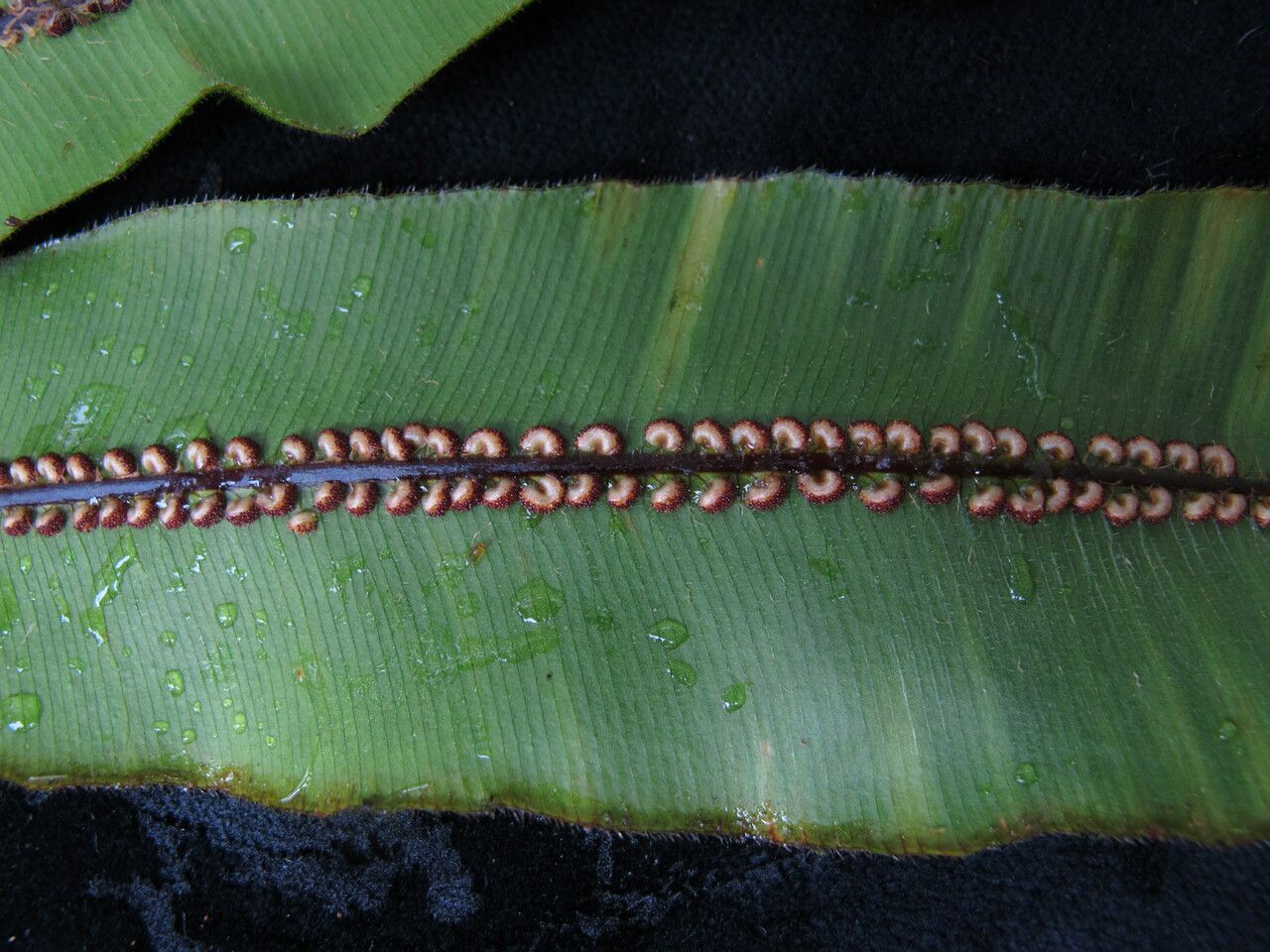
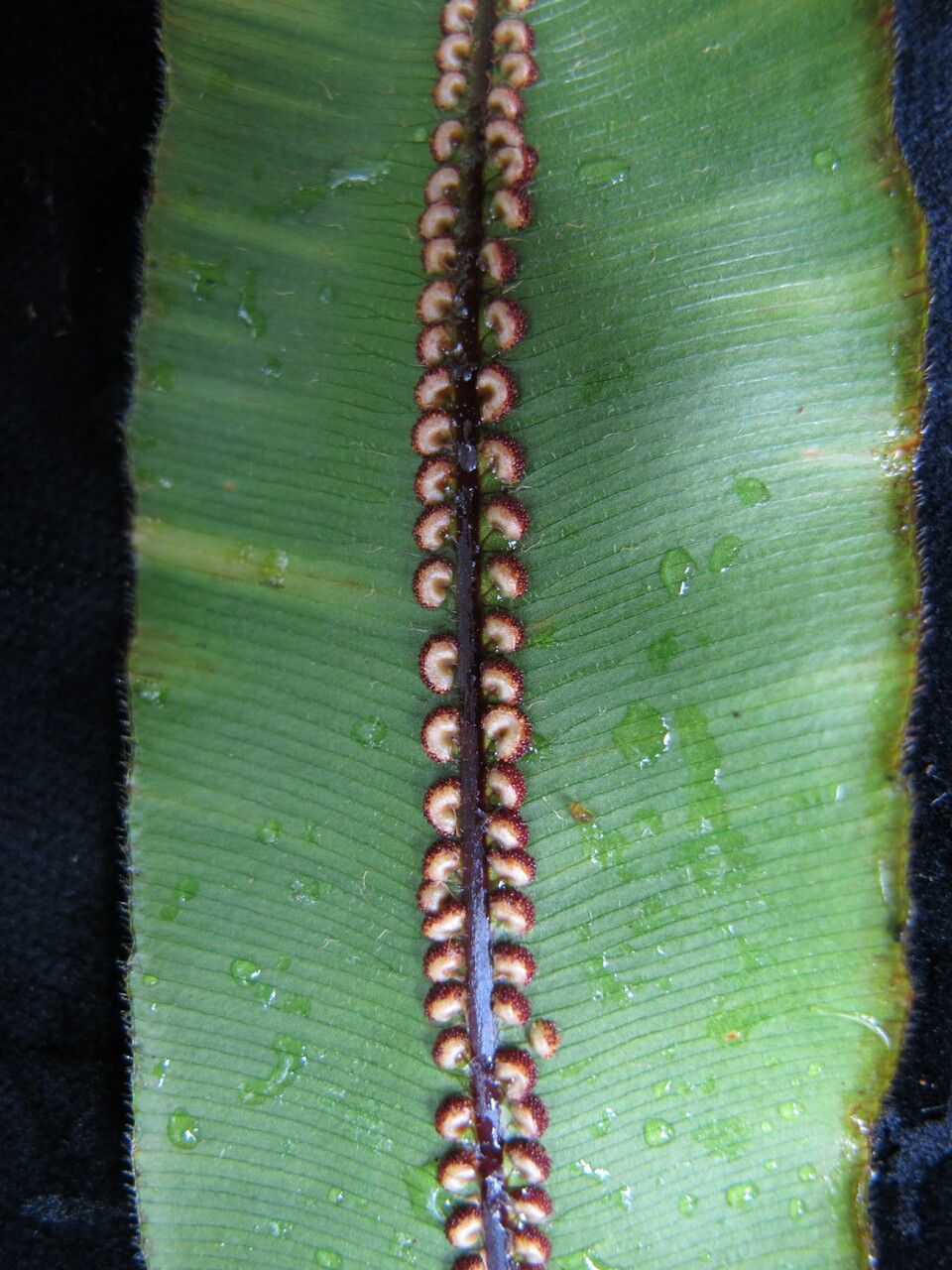
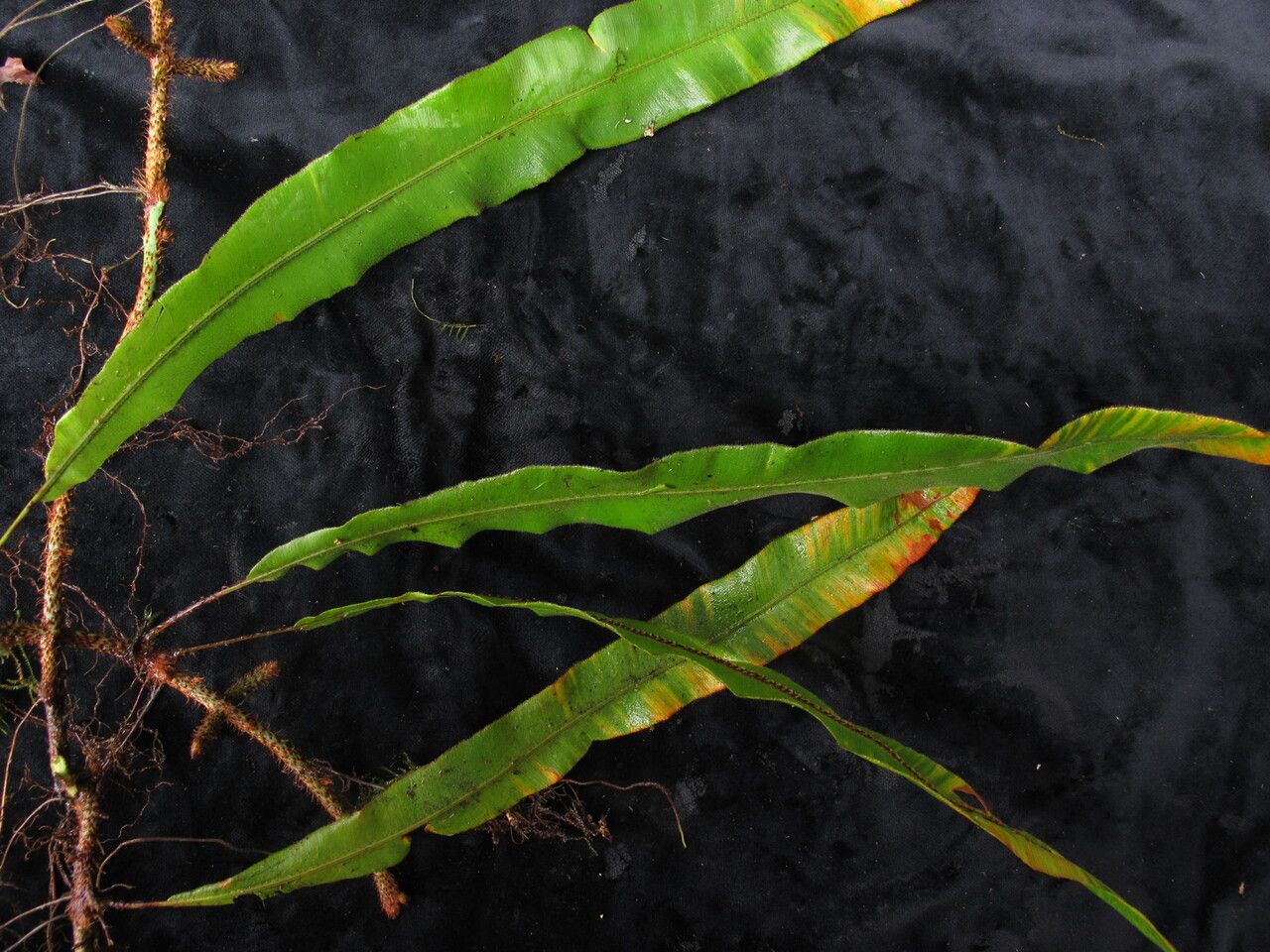
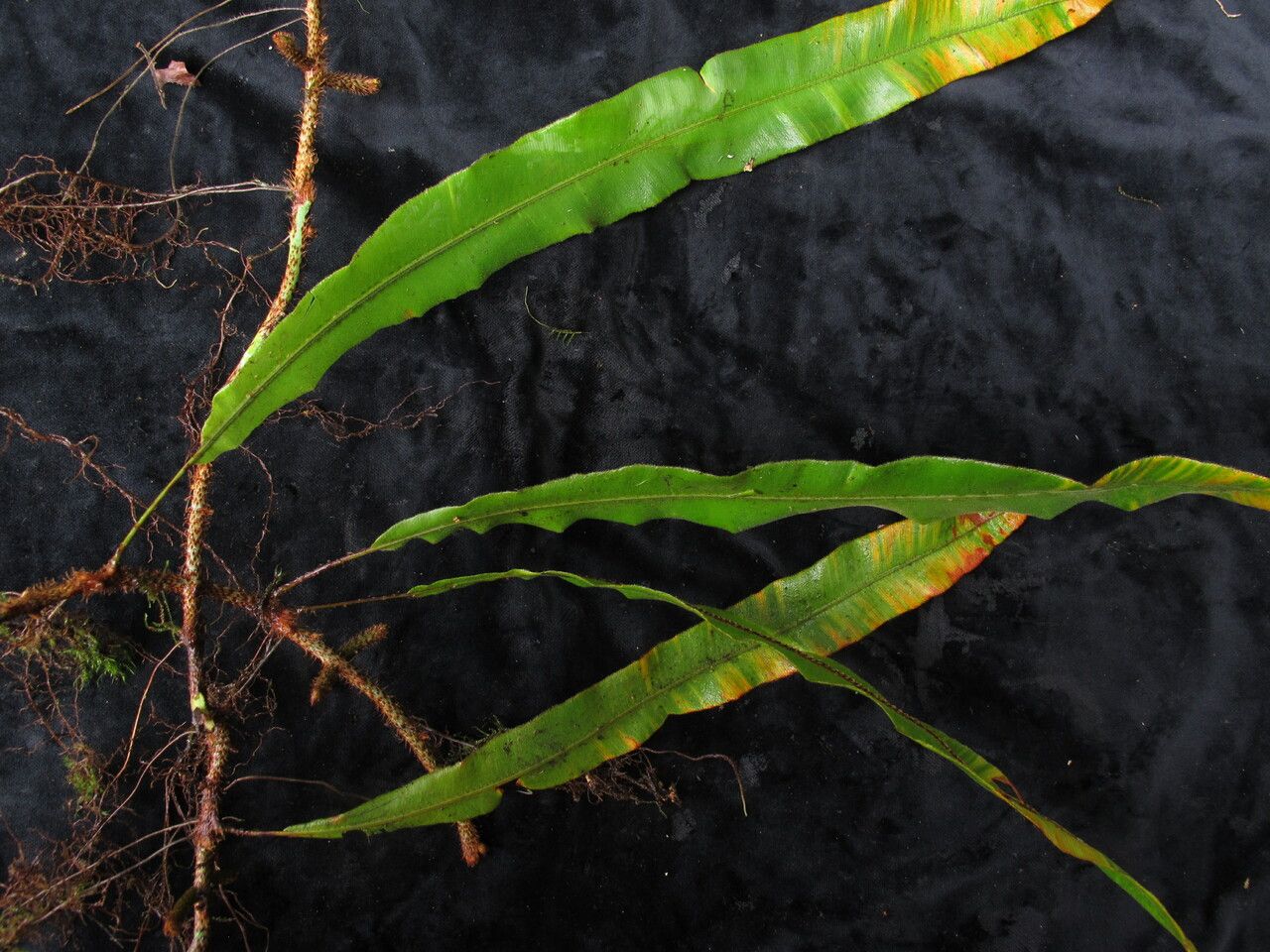
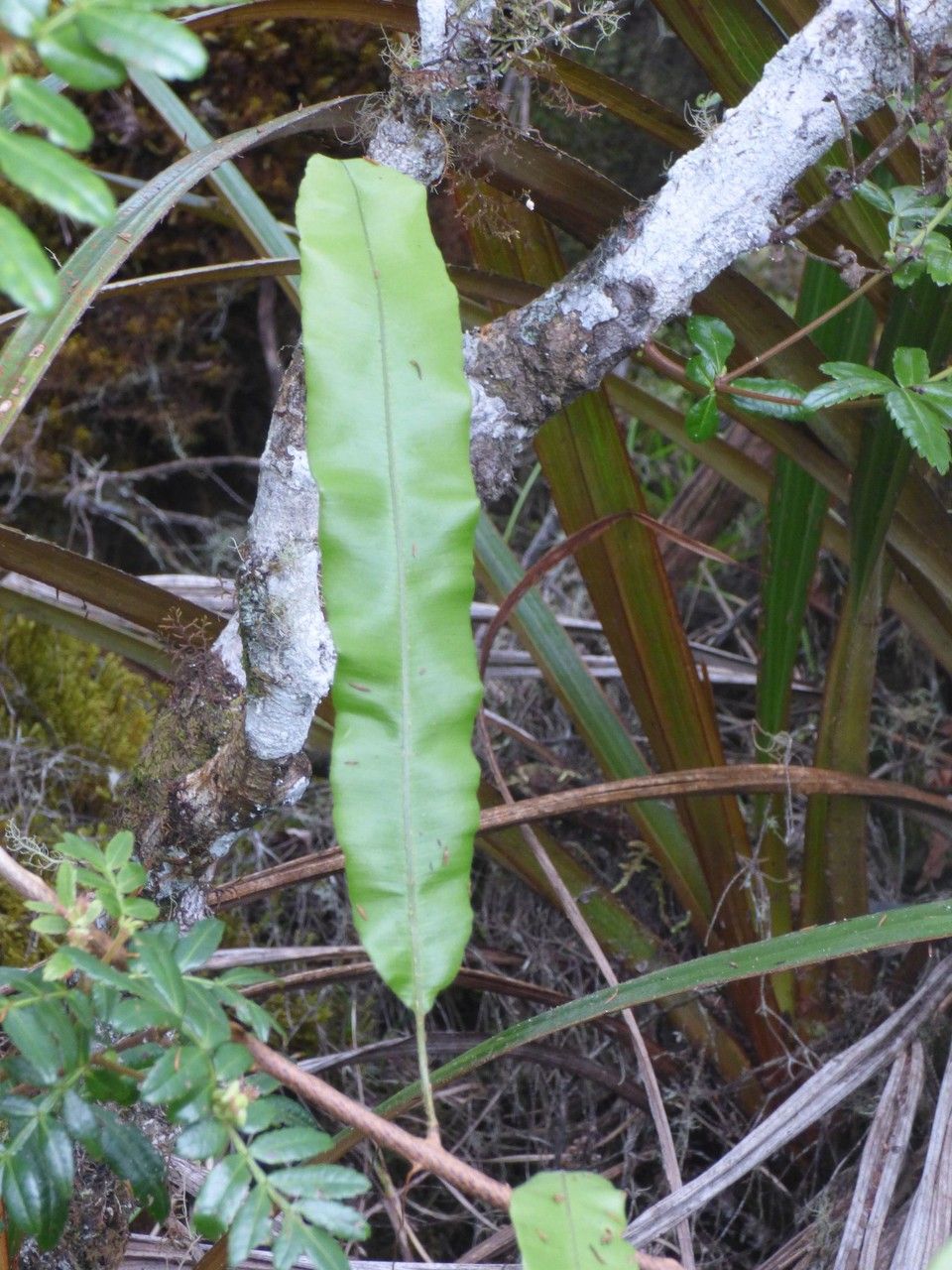
Catenulated shield-fern typically resists disease well and attracts relatively few insect pests. Its care is regarded as challenging because it needs a consistently moist environment and regular watering. The roots, though, can rot if the plant is overwatered or if the surroundings lack good ventilation. It is best suited to people with some growing experience, since most growers can keep it alive for a period. Still, the fern may struggle to prosper and its fronds can dry out and lose vigor over time.
How to keep Oleandra Wallichii.
Light
The catenulated shield-fern is native to environments such as forest understories or rocky terrains that naturally provide shade. It primarily thrives in Full Shade but has the capacity to withstand Partial Sun conditions.
Water
The catenulated shield-fern, native to the understories of tropical rainforests, thrives in high humidity and requires consistent moisture. It should be watered twice a week. Although it can withstand brief periods of dryness, the fern benefits from regular misting to maintain ambient moisture. This makes it an ideal evergreen plant for indoor cultivation.
Temperature
The Catenulated shield-fern is indigenous to temperate zones, thriving best in temperatures of 59 to 95°F (15 to 35℃). For maximized growth, adapt the temperature in accordance to the seasonal changes that it experiences in its original environment.
Pruning
The catenulated shield-fern is an evergreen plant with delicate fronds. For healthy growth, prune it in early spring to remove any dead or damaged fronds. This will also help improve air circulation and prevent disease. Be sure to use clean, sharp tools while pruning to promote robust growth and preserve its ornamental appeal.
Botanical profile.
Reader questions.
What is the native climate of the Catenulated shield-fern?
The Catenulated shield-fern, botanically known as Oleandra wallichii, is native to temperate regions and thrives in a temperature range between 59 to 95°F (15 to 35°C). To ensure optimal growth, it's important to adjust the temperature to reflect the seasonal variations in its natural habitat. The plant exhibits some level of cold tolerance and can generally withstand temperatures down to -5°C without requiring additional protective measures. However, if temperatures are expected to fall below -5°C, temporary cold protection measures, such as wrapping the plant in plastic film, fabric, or other suitable materials, should be implemented until temperatures rise again.
How does the Catenulated shield-fern react to low temperatures?
The Catenulated shield-fern has a moderate tolerance to chilly conditions, favoring temperatures above 15°C for optimal health. It's crucial to keep it above -5°C during the winter months. Should temperatures dip below -10°C, you may notice the fern's leaves beginning to droop. While the plant might recover from mild cases, severe exposure can lead to wilted and eventually fallen leaves. The recommended solution for frost damage includes trimming off the frost-damaged parts of the plant, wrapping it with insulating materials like non-woven fabric or cloth, and constructing a wind barrier to protect against cold winds.
What should be done if the Catenulated shield-fern is exposed to high temperatures?
During the hotter summer months, it's crucial to keep the Catenulated shield-fern below 35°C to prevent stress and damage. Exposure to temperatures above 41°C can cause the leaves to lighten in color, dry and wither at the tips, curl, and increase susceptibility to sunburn. To mitigate damage from excessive heat, sunburned and dried-up parts of the plant should be trimmed away. It's advisable to move the fern to a shaded location, away from direct midday and afternoon sun, or utilize a shade cloth. Ensuring the soil remains moist through morning and evening watering can also help protect the plant in high temperatures.