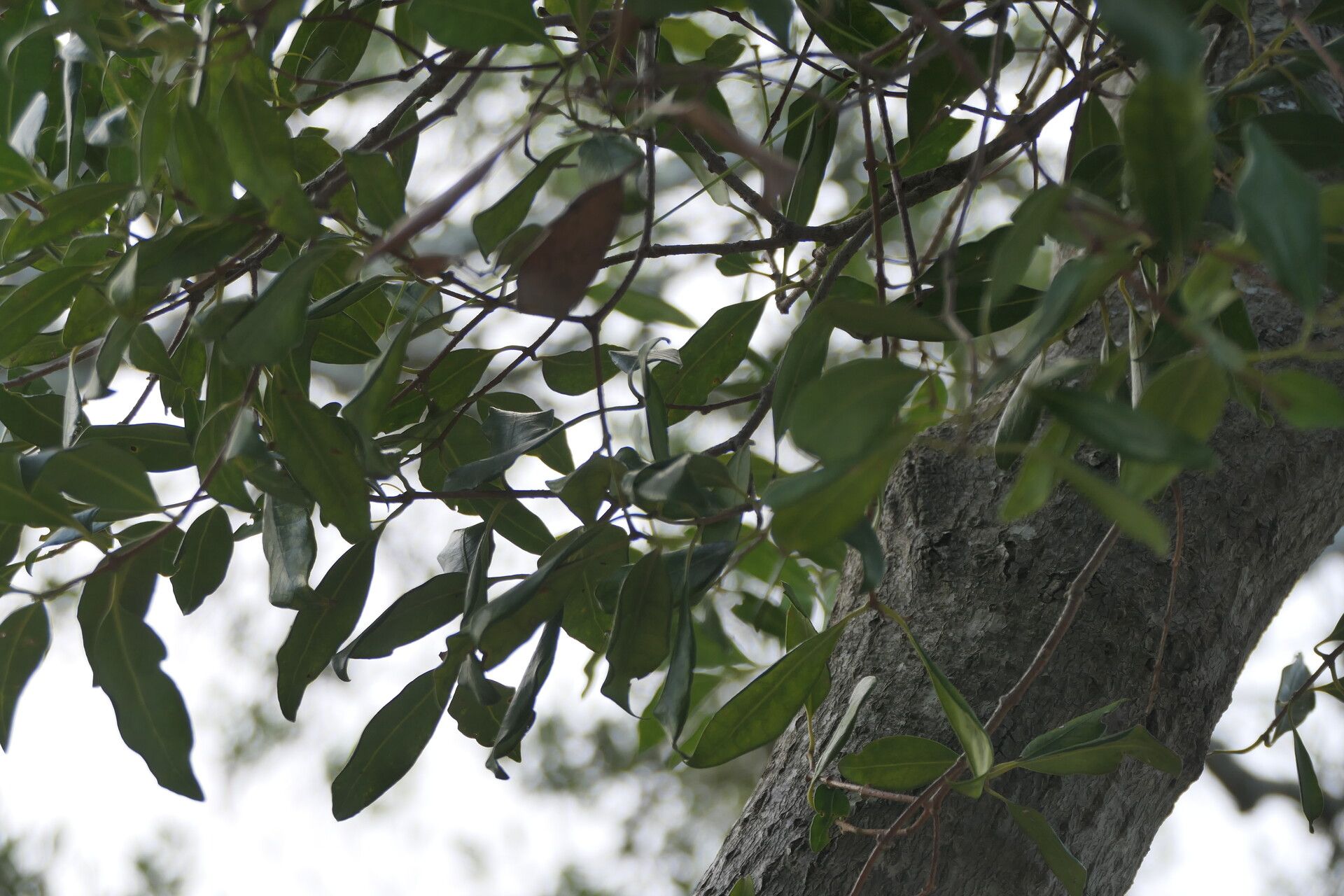
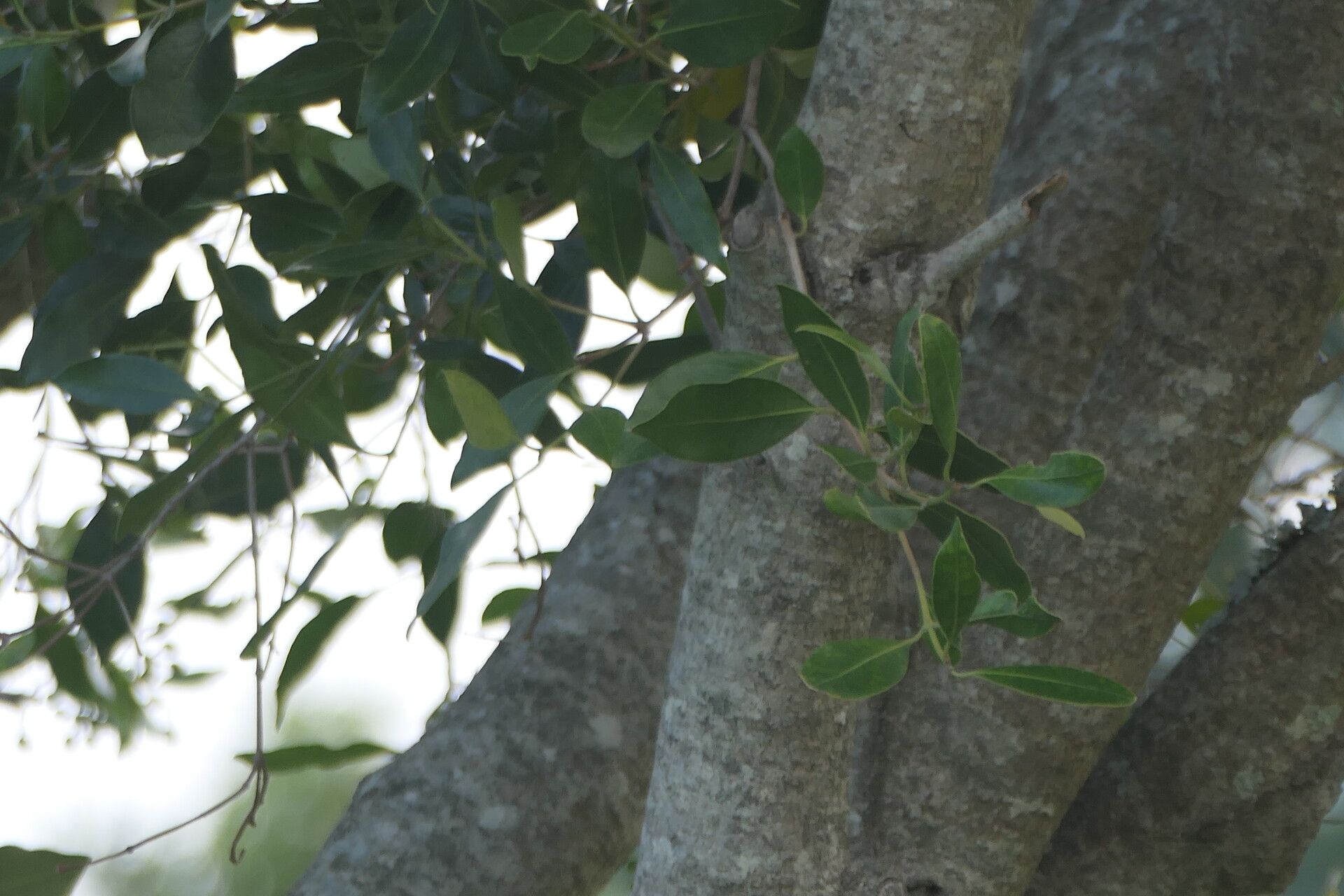
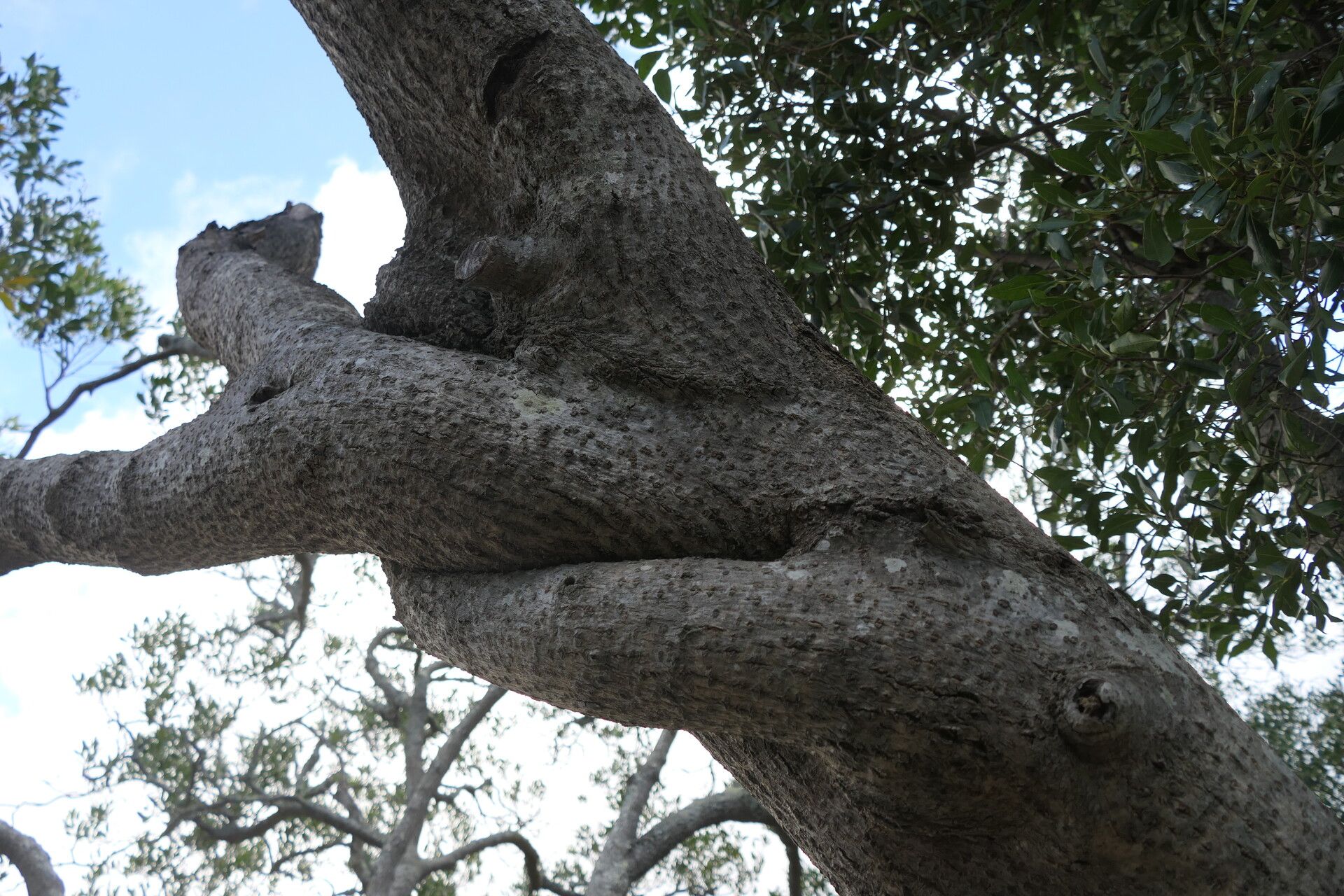
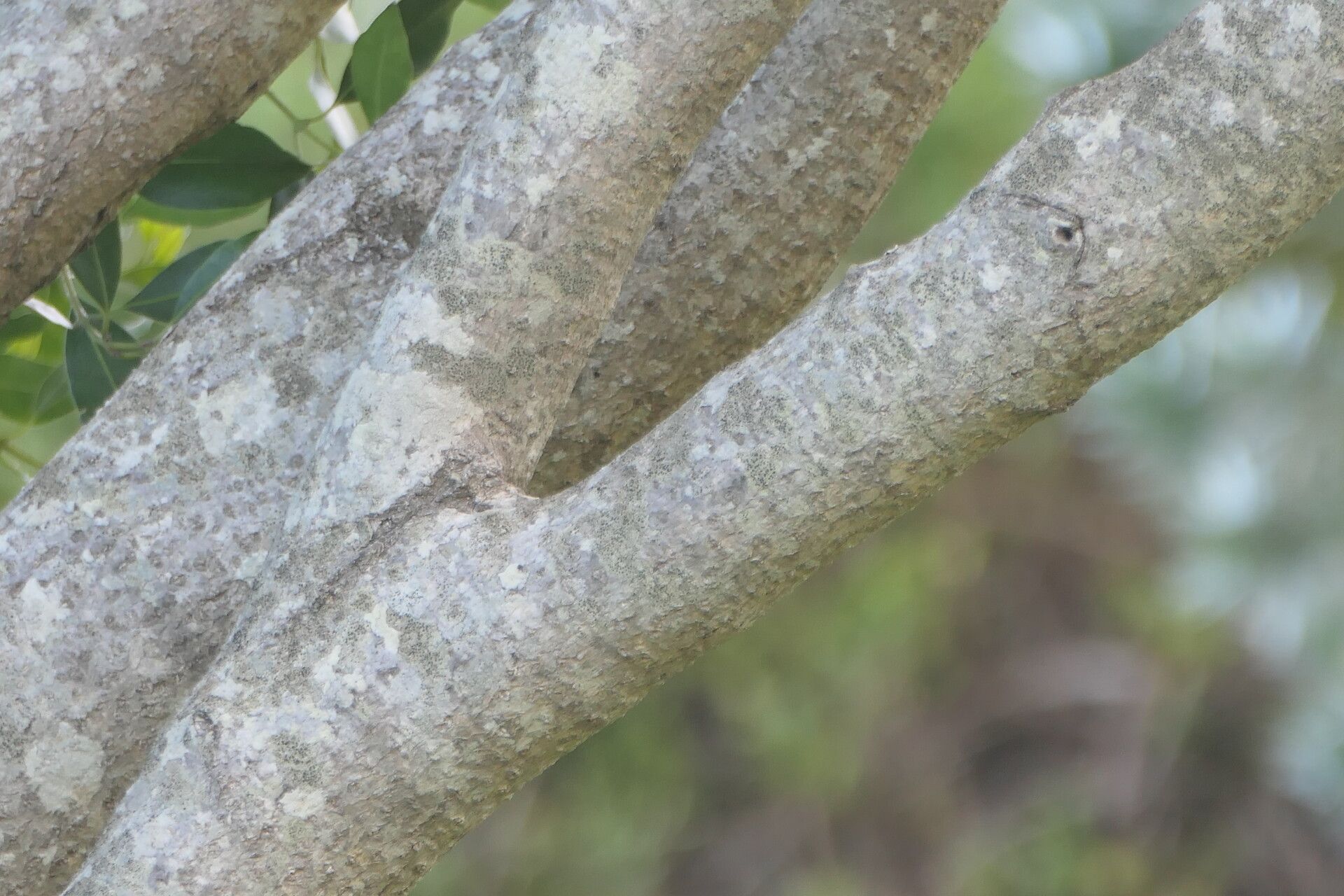
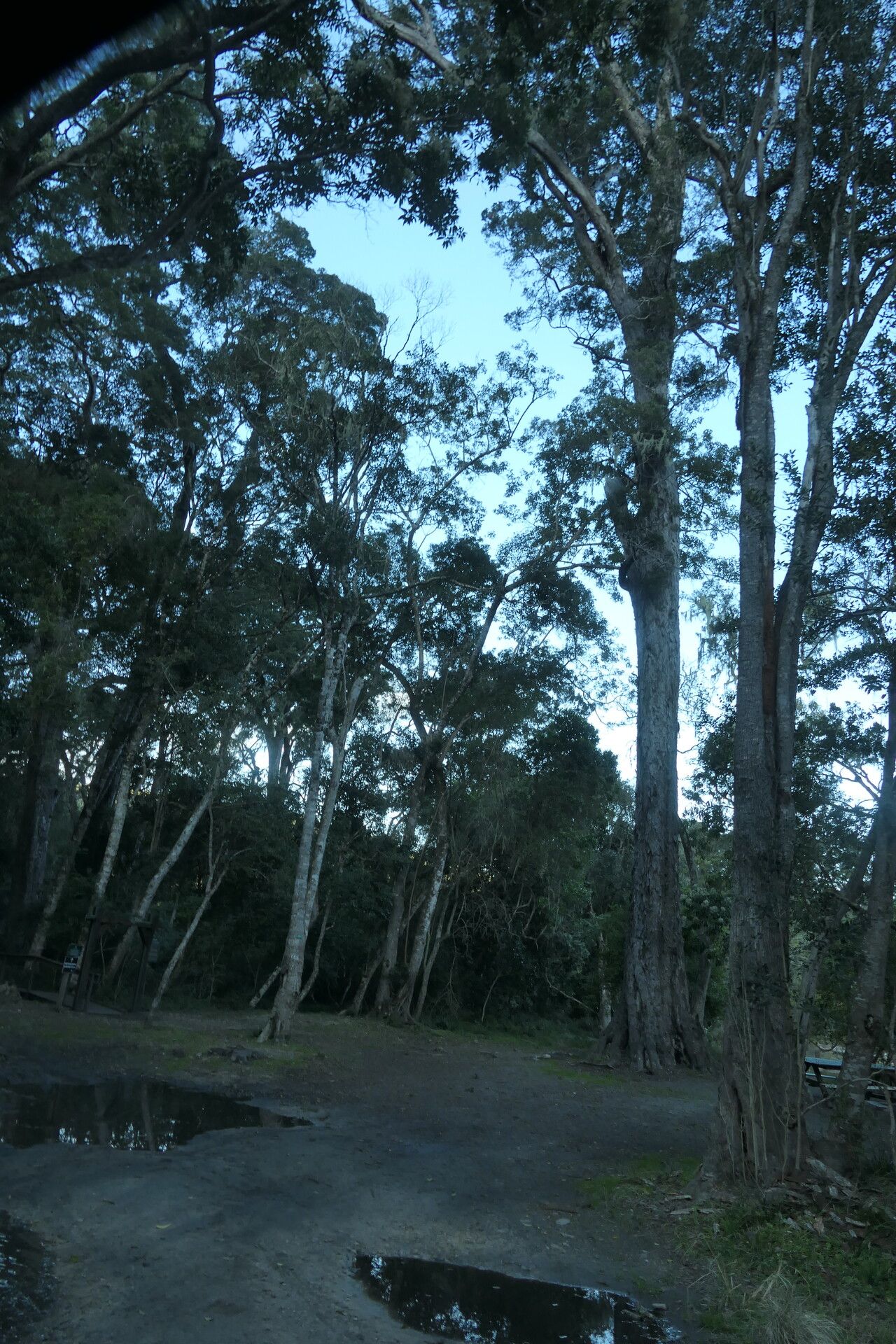
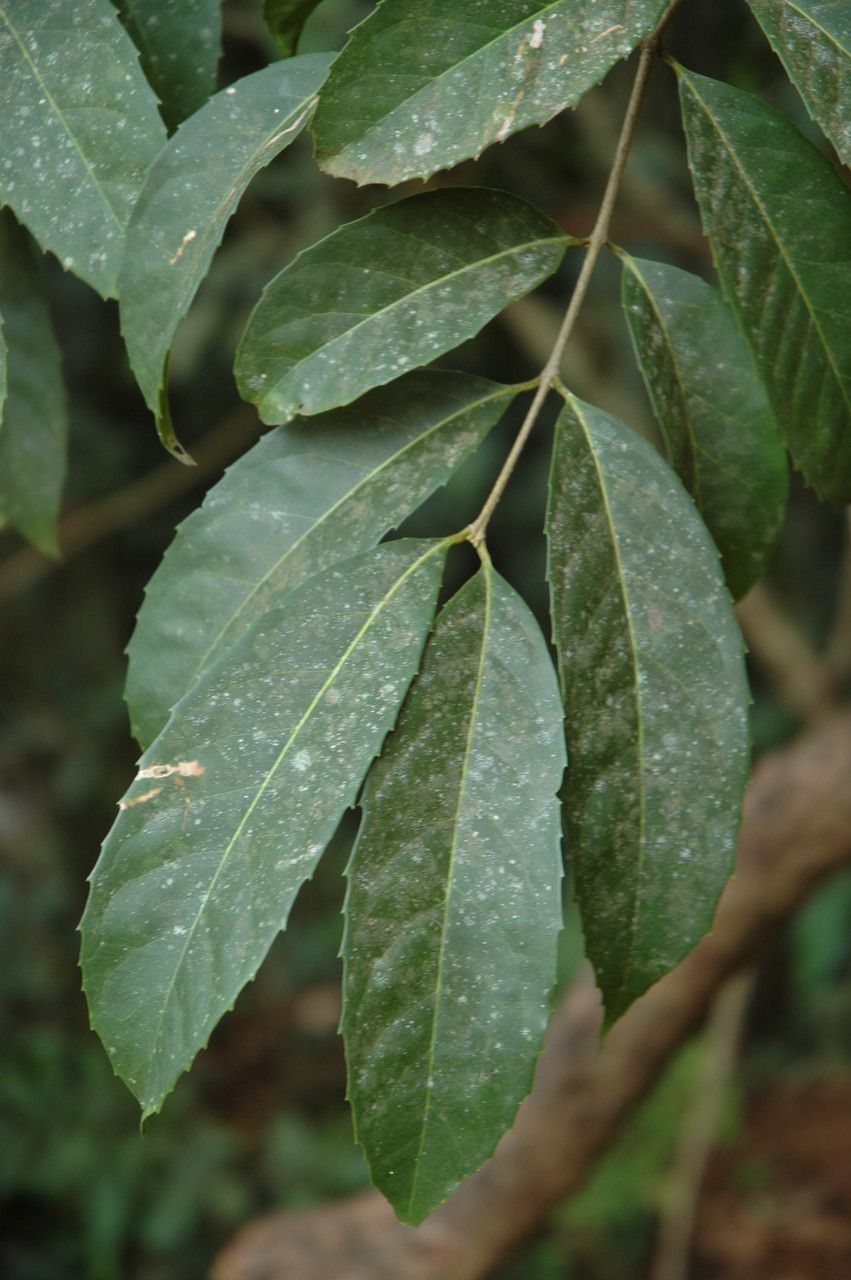
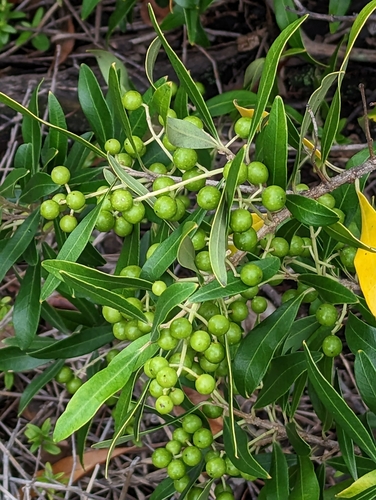
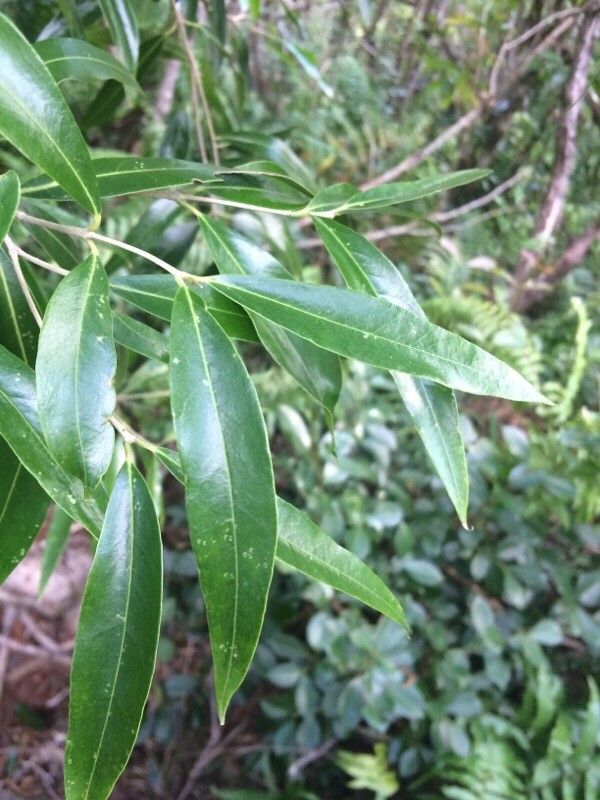
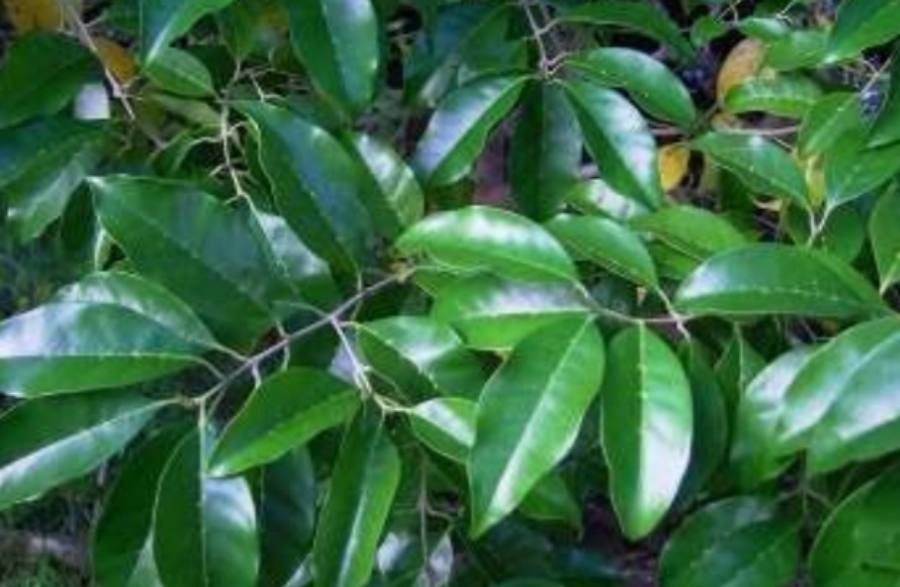
Olea capensis, the black ironwood, is an African tree species in the olive family Oleaceae. It is widespread in sub-Saharan Africa: from the east in Somalia, Ethiopia and Sudan, south to the tip of South Africa, and west to Cameroon, Sierra Leone and the islands of the Gulf of Guinea, as well as Madagascar and the Comoros. It occurs in bush, littoral scrub and evergreen forest.Other common names in English include ironwood, ironwood olive, East African olive and Elgon olive.
Black ironwood has strong disease resistance and is generally not susceptible to diseases. Care-wise, this plant is fairly low-maintenance. When grown outdoors it needs minimal watering, and larger specimens typically do not require pruning. Smaller plants, however, should be pruned after they finish blooming. Black ironwood is appropriate for anyone with an outdoor area, like a garden or deck, and does not demand extensive gardening experience.
How to keep Olea Capensis.
Light
Black ironwood comes from open habitats, for example sunny meadows and the edges of forests, which offer plenty of light. It does best in Full Sun but can also tolerate Partial Sun, adapting well to different sunlight conditions.
Water
Black ironwood is drought-tolerant and thrives with minimal watering every 2 to 3 weeks. Letting the soil dry out between waterings helps prevent root rot. Its deep root system allows it to access moisture effectively, making it ideal for xeric landscapes.
Temperature
Black ironwood demonstrates good temperature adaptability, tolerating higher heat and wide temperature fluctuations. During hot periods, it’s important to monitor watering and provide adequate shade to avoid sunburn. Its tolerance to low temperatures is relatively limited; it can endure some cold, but very cold conditions may cause frost damage.
Fertilizer
Fertilize your Black ironwood in early spring to encourage healthy growth. Regular feeding improves its overall health, producing vigorous growth, increased tolerance of harsh conditions, and better resistance to disease and pests. Keep to a consistent fertilization schedule for your Black ironwood to maintain foliage that is vibrant, deeply colored, and lush in appearance.
Pruning
Black ironwood is known for its dense foliage and hard wood, making it ideal for use in ornamental settings and as timber. To promote healthy regrowth, pruning techniques such as crown thinning and selective limb removal should be carried out from early to late winter. Regular pruning strengthens the tree's structure and helps reduce disease. Additionally, pruning young trees enhances their longevity and aesthetics.
Botanical profile.
- Plant Type
- Tree
- Life Cycle
- Perennial
- Genus
- Olea
- Family
- Oleaceae
- Hardiness Zone
- 8-11
- Mature Height
- 10.06 m to 39.93 m
- Mature Spread
- 3.96 m to 7.92 m
- Leaf Color
- Green
- Leaf Type
- Evergreen
- Flower Color
- White
- Flower Size
- 3.05 cm to 15.24 cm
- Bloom Time
- Late spring, Early summer
- Planting Time
- Spring, Summer, Autumn
- Harvest Time
- Late summer, Early fall, Mid fall
Other names.
Reader questions.
What are the sunlight requirements for Black Ironwood?
Black Ironwood, known botanically as Olea capensis, thrives best in full sun, meaning it requires more than 6 hours of direct sunlight daily. However, it can also tolerate partial sun conditions, where it receives about 3-6 hours of sunlight per day. It's important to observe how sunlight moves through your garden to ensure that you place your plants in spots that offer an optimal balance of light and shade, guaranteeing their growth and happiness.
What is Black Ironwood?
Black ironwood, known scientifically as Olea capensis, is a species of tree. Unfortunately, the provided information does not include details about its physical characteristics, habitat, or uses. For more specific information, further research would be needed.
How does Black Ironwood adapt to different lighting conditions?
Originating from open environments such as sunny meadows and forest edges, Black Ironwood is well-adapted to various sunlight conditions. It can grow in full sun but is also tolerant of partial sun, making it versatile for different garden locations. For indoor plants, when natural sunlight is insufficient, especially during winter or in less sunny spaces, artificial lighting can be a crucial alternative. Using artificial lights like LED, which can provide 30-50W/sq ft for full sun plants, 20-30W/sq ft for partial sun plants, and 10-20W/sq ft for full shade plants, helps in promoting healthier growth. Ensuring the artificial light is placed 12-36 inches above the plant and mimicking natural daylight hours, usually 8-12 hours per day, is essential.
What are the symptoms of insufficient light for Black Ironwood?
When Black Ironwood does not receive adequate sunlight, it may display several symptoms indicating light deficiency. These include smaller new leaves, leggy or sparse growth, quicker leaf drop, slowed or halted growth, lighter-colored new leaves, chlorosis (yellowing of leaves), sunscald, leaf curling, wilting, and leaf scorching. Each of these symptoms suggests that the plant is struggling with the current light conditions, impacting its overall health and development.
How can I improve the light conditions for my Black Ironwood?
Improving light conditions for Black Ironwood involves both indoor and outdoor strategies. Indoors, gradually moving your plants to sunnier spots by at least 6 hours of direct sunlight daily and considering the use of artificial light, like desk or ceiling lamps, for at least 8 hours daily can be beneficial. For outdoor plants, it's crucial to adapt them gradually by moving them to sunnier locations each week to avoid sunburn. Reducing obstructions, such as pruning trees that block sunlight, and transplanting smaller plants during their dormant period to sunnier locations with good drainage, are effective methods. It's important to note that parts of the plant adversely affected by insufficient sunlight may not recover, but new growth will be healthy following these adjustments.