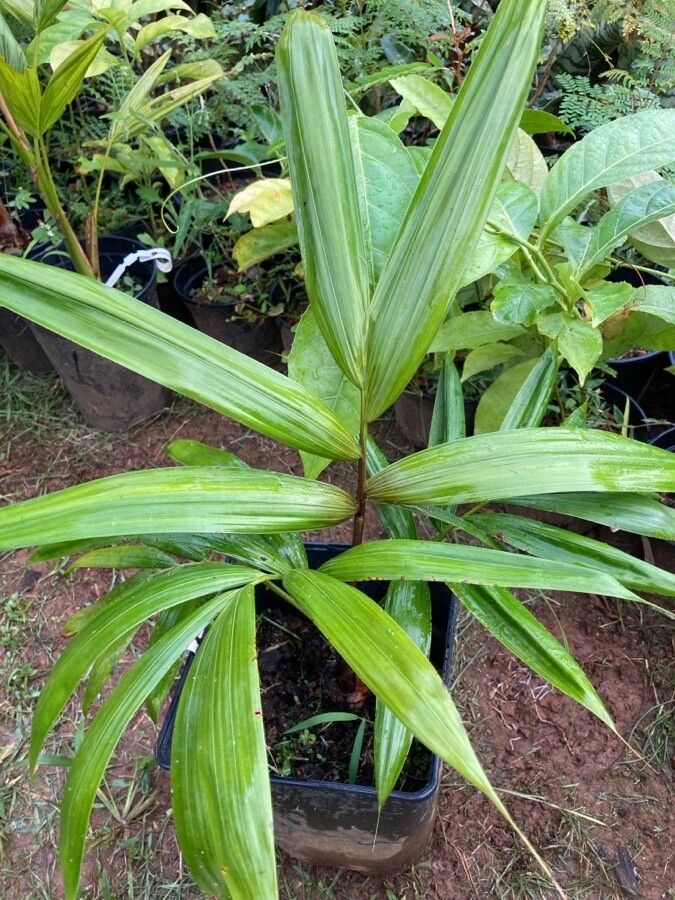
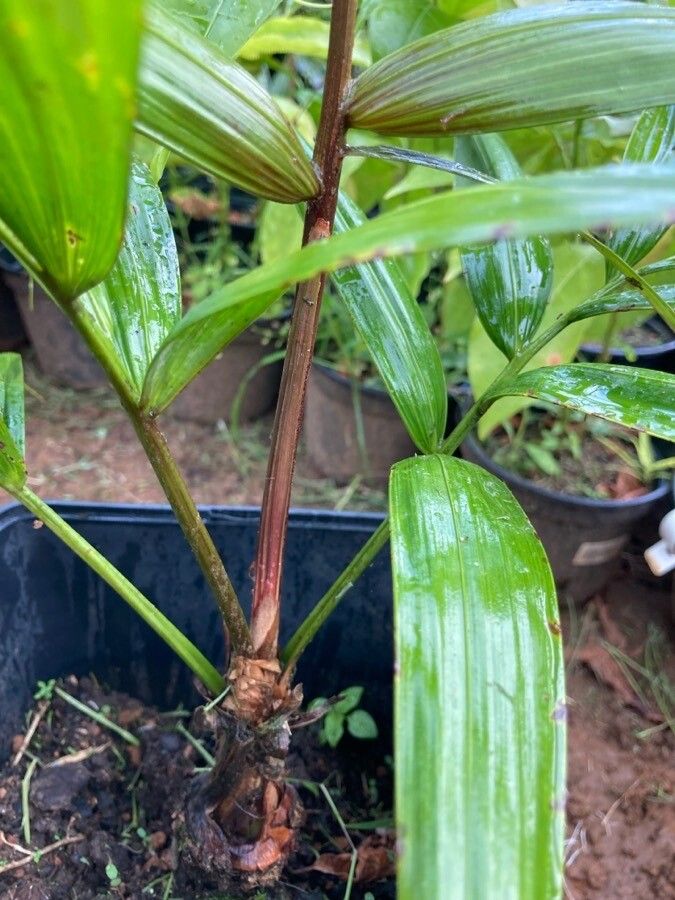
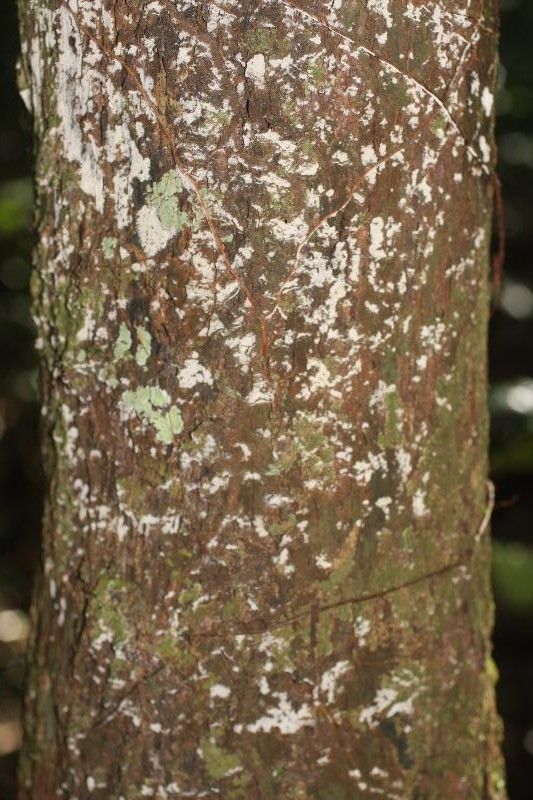
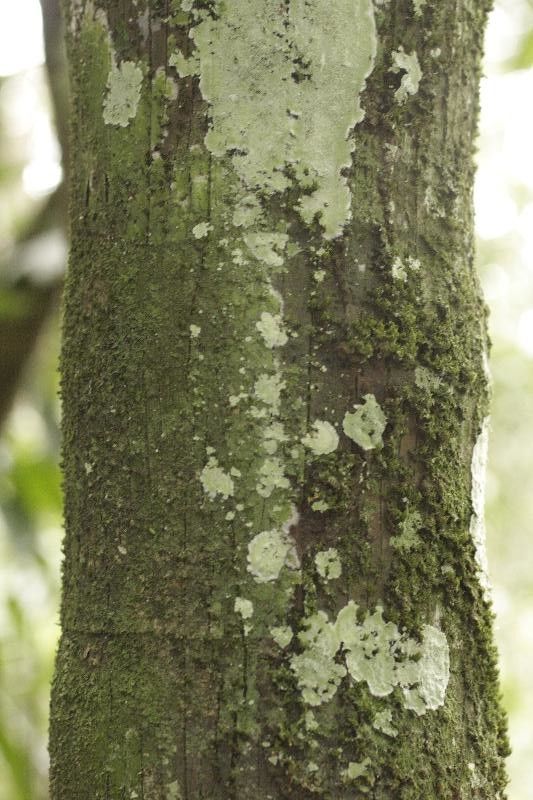
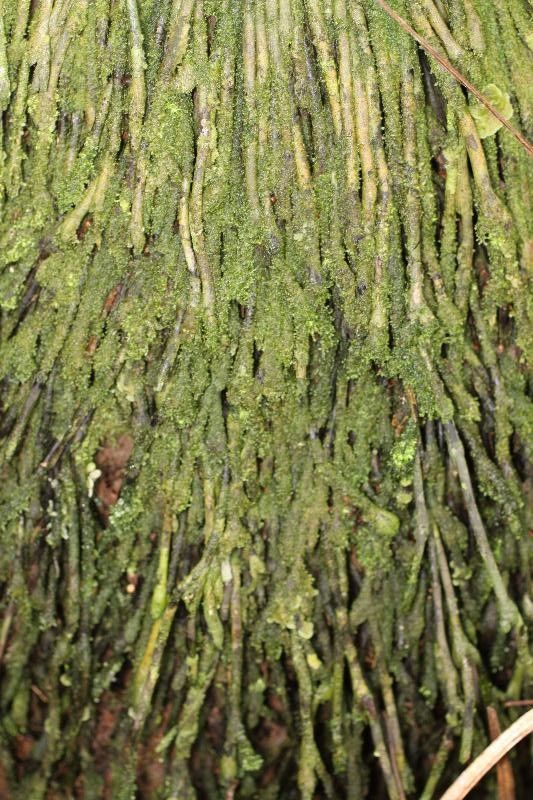
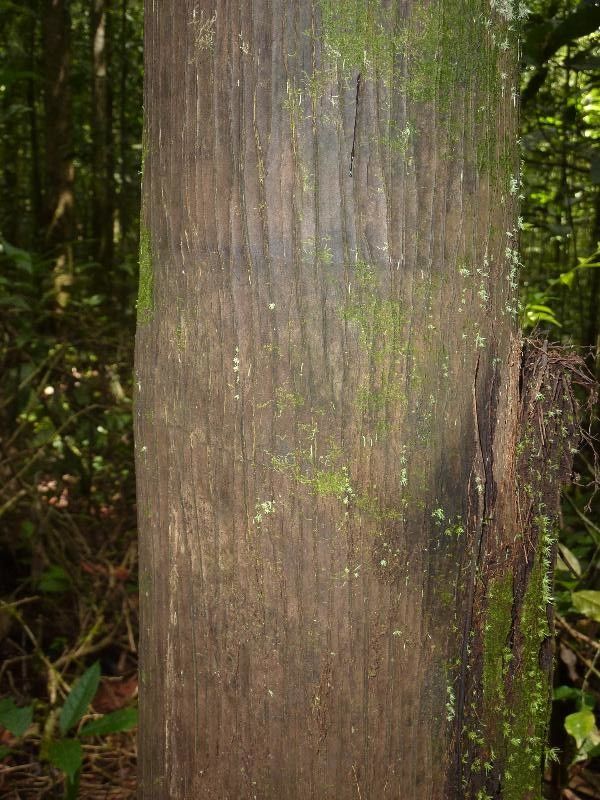
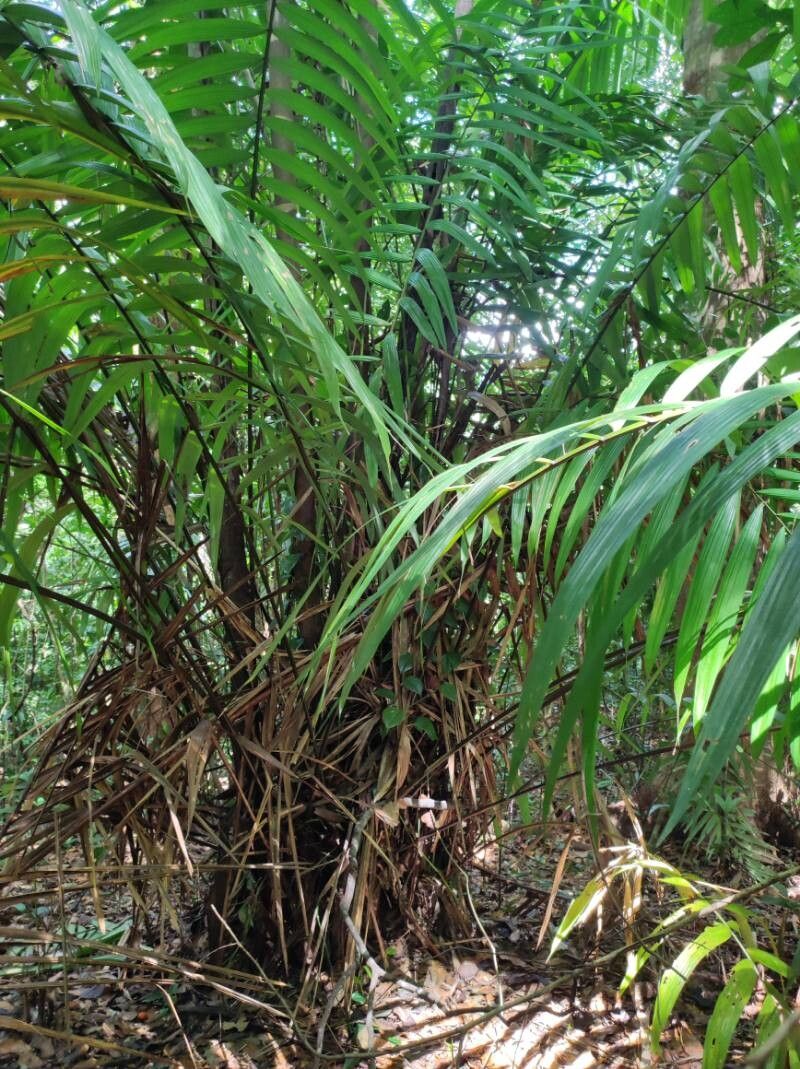
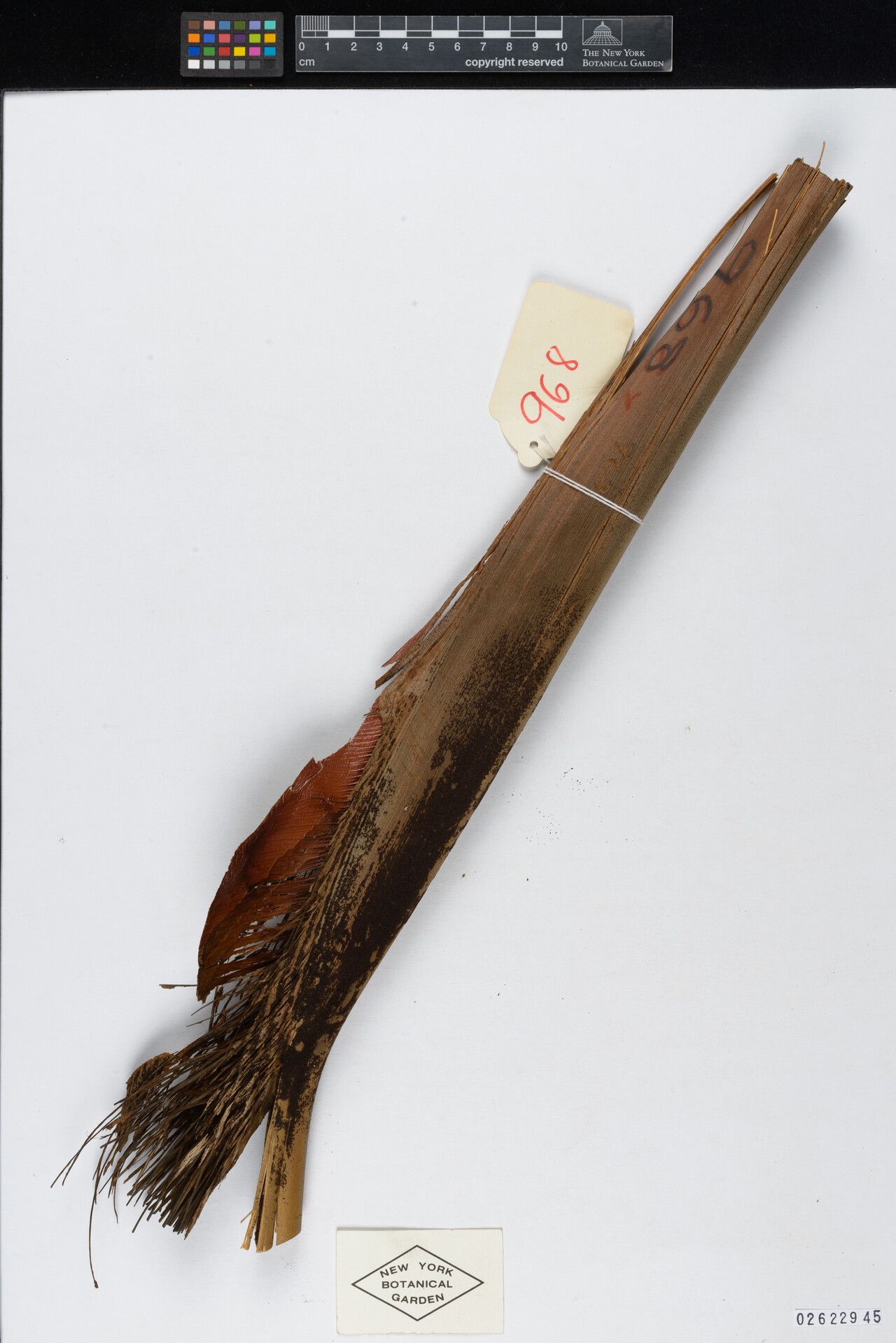
Oenocarpus bacaba is an economically important monoecious fruiting palm native to South America and the Amazon Rainforest, which has edible fruits. This plant is cited in Flora Brasiliensis by Carl Friedrich Philipp von Martius. It can reach up to 20–25 metres tall and 15–25 cm in diameter. It grows in well-drained sandy soils of the Amazon basin.
The Bacaba palm has strong disease resistance and is generally not susceptible to illnesses. In terms of care, this plant is fairly low maintenance. When grown outdoors, it needs only minimal watering, and larger plants typically do not require pruning. Smaller plants, however, should be pruned after they finish blooming. The Bacaba palm is well suited to anyone with an outdoor area, such as a garden or deck, and does not demand extensive gardening experience.
How to keep Oenocarpus Bacaba.
Light
The bacaba palm is native to habitats like forest understories or rocky areas where it grows in natural shade. It prefers partial sun but can tolerate full sun or full shade, showing its versatility and hardiness.
Water
The Bacaba palm thrives in warm, humid tropical environments. It needs watering every 2 to 3 weeks, with the soil allowed to dry slightly between waterings. This palm is best grown outdoors, where a regular watering schedule during its active growth period can help support healthy foliage and fruit production.
Temperature
The bacaba palm comes from tropical areas, where the climate is generally warm and humid. As a result, it is adapted to high temperatures and humidity. It is sensitive to sudden temperature changes and prefers a steady thermal environment, so avoiding temperature fluctuations indoors is important. It typically cannot tolerate cold and needs warmer conditions to grow. If the ambient temperature falls too low, the plant may stop growing or even die.
Fertilizer
Use organic fertilizers (for example, fish emulsion or compost) rather than chemical ones for the Bacaba palm. Supply higher amounts of nitrogen and phosphorus to young plants in spring. Mix compost or fertilizer into the soil before or after planting. For mature plants, apply a balanced fertilizer or one that addresses specific deficiencies in spring. Nutrient deficiency leads to small leaves, short branches, yellow or bronze foliage, acidic fruits, premature fruit drop, and fruit splitting.
Pruning
The Bacaba palm benefits from regular pruning, which is best done in early spring. By removing dead or diseased fronds, you can improve airflow and reduce the risk of disease. This practice encourages healthier growth and boosts fruit production. To ensure precise cuts and minimize stress on the plant, use clean, sharp tools. This will also aid in the palm's recovery.
Botanical profile.
- Plant Type
- Tree
- Life Cycle
- Perennial
- Genus
- Oenocarpus
- Family
- Arecaceae
- Hardiness Zone
- 10-12
- Mature Height
- 14.94 m to 24.99 m
- Mature Spread
- 4.88 m to 7.92 m
- Leaf Color
- Dark Green
- Leaf Type
- Evergreen
- Flower Color
- Yellow, Green
- Flower Size
- 0.25 cm to 0.51 cm
- Bloom Time
- All year round
- Planting Time
- Summer, Autumn
- Harvest Time
- All year round
- Native Area
- Guyana, Colombia, Venezuela, Brazil
Other names.