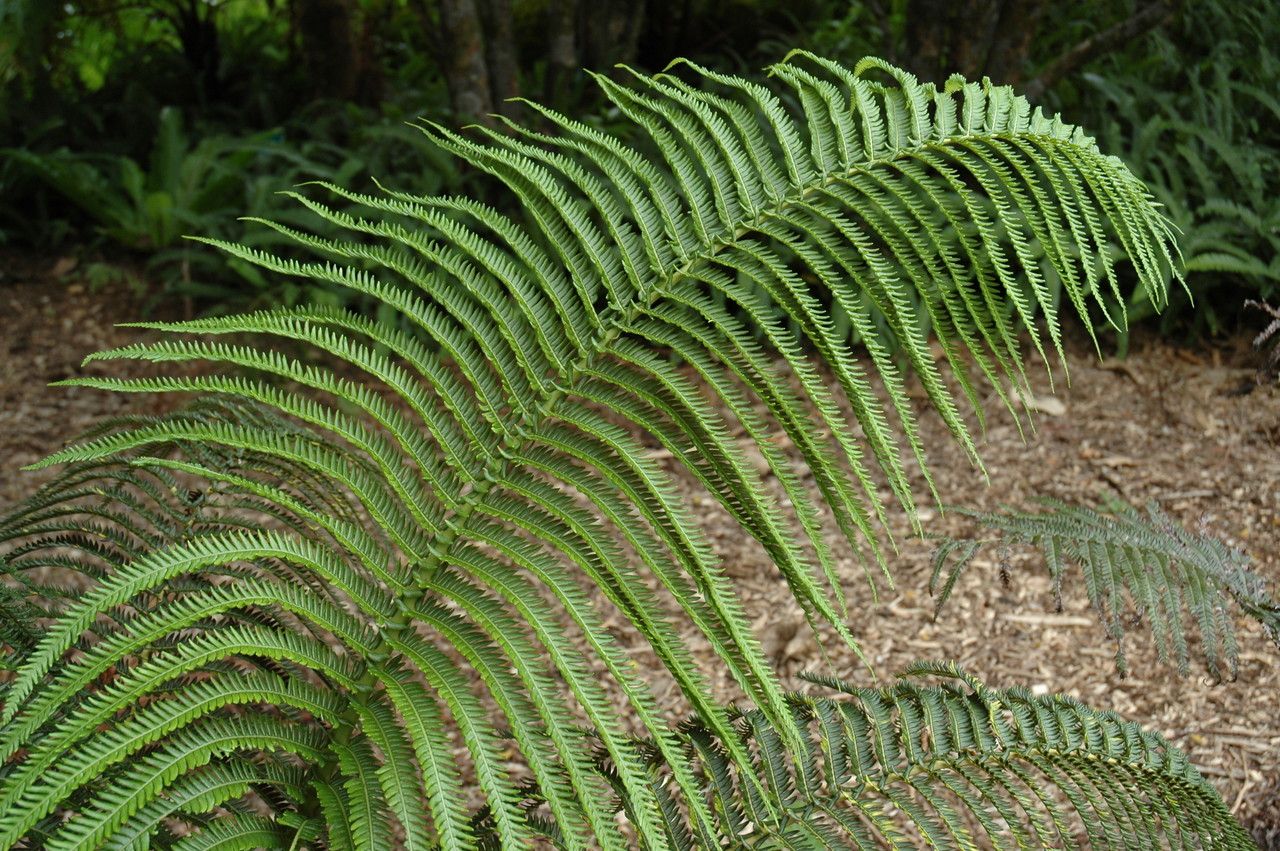
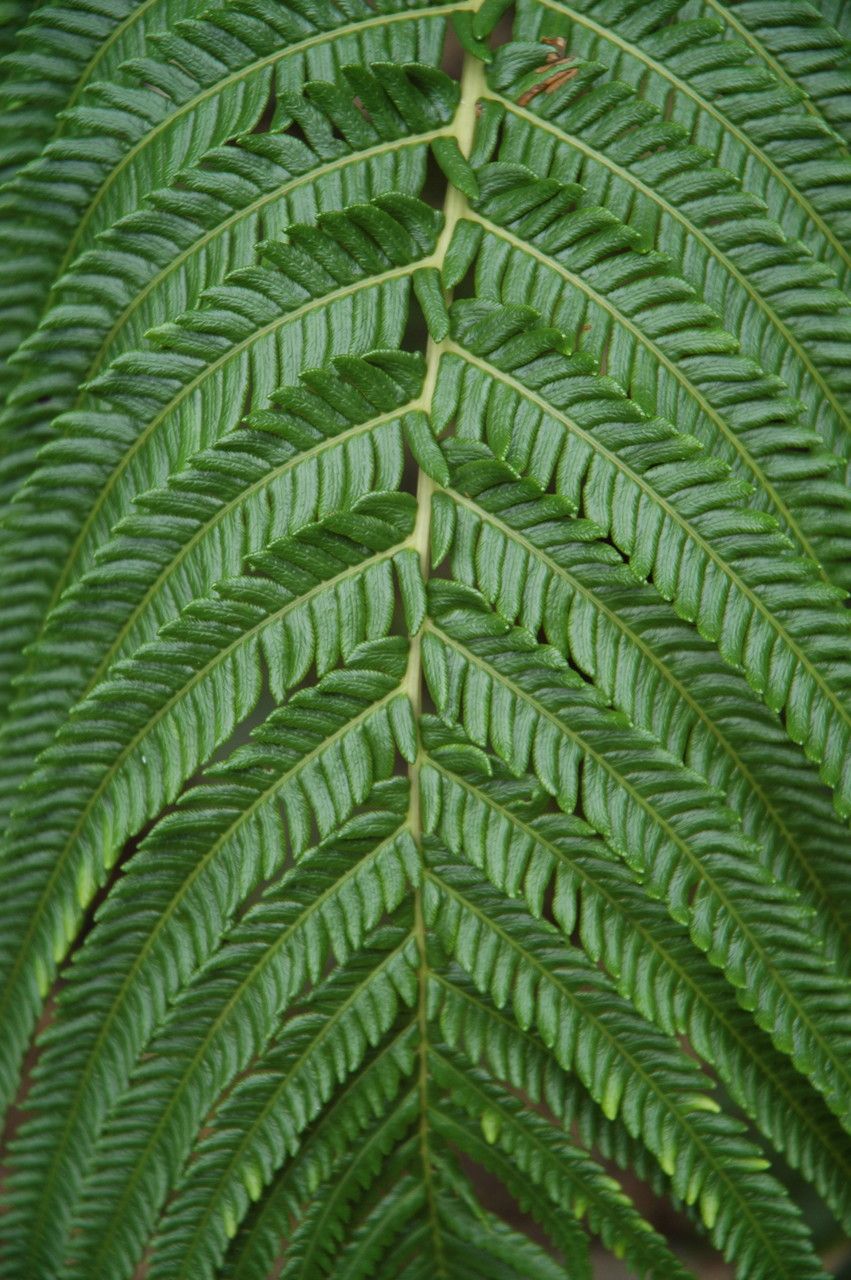
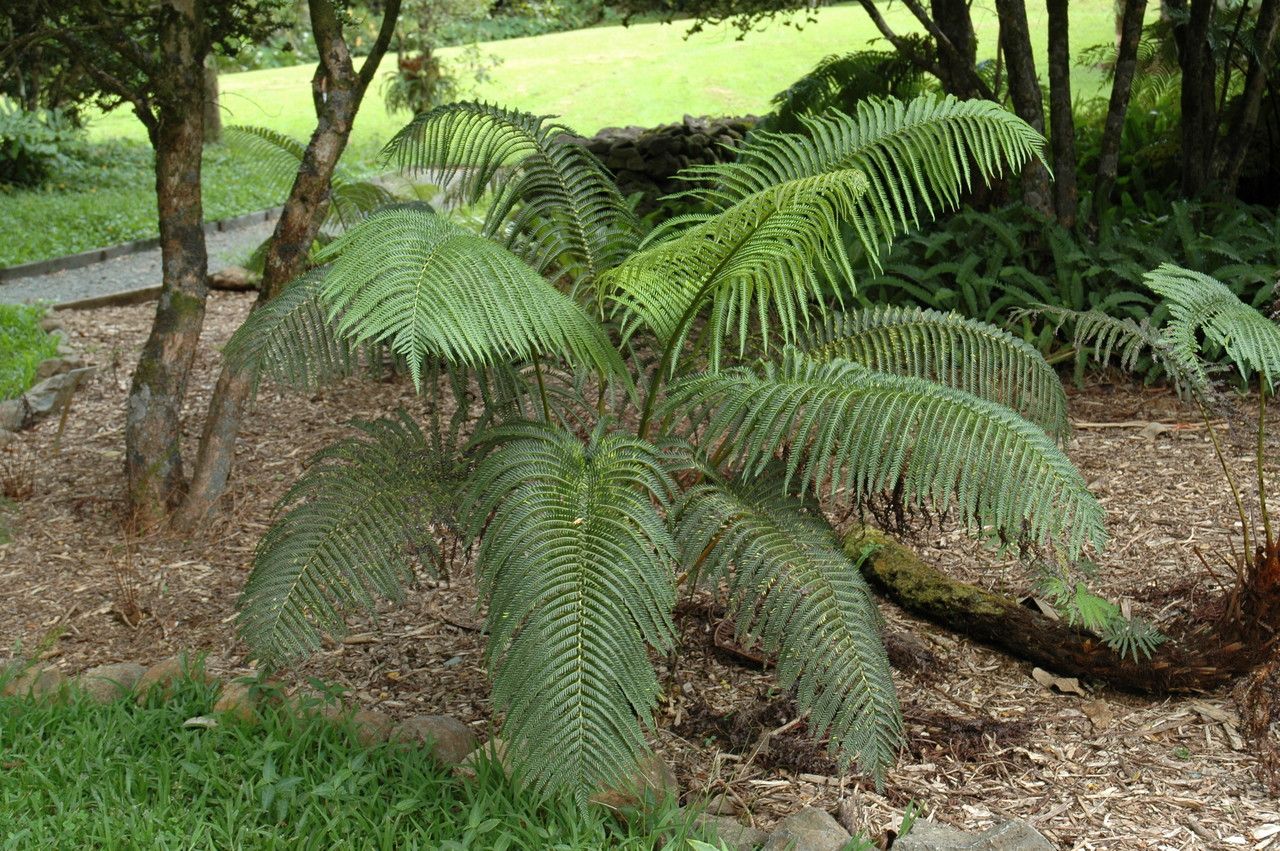
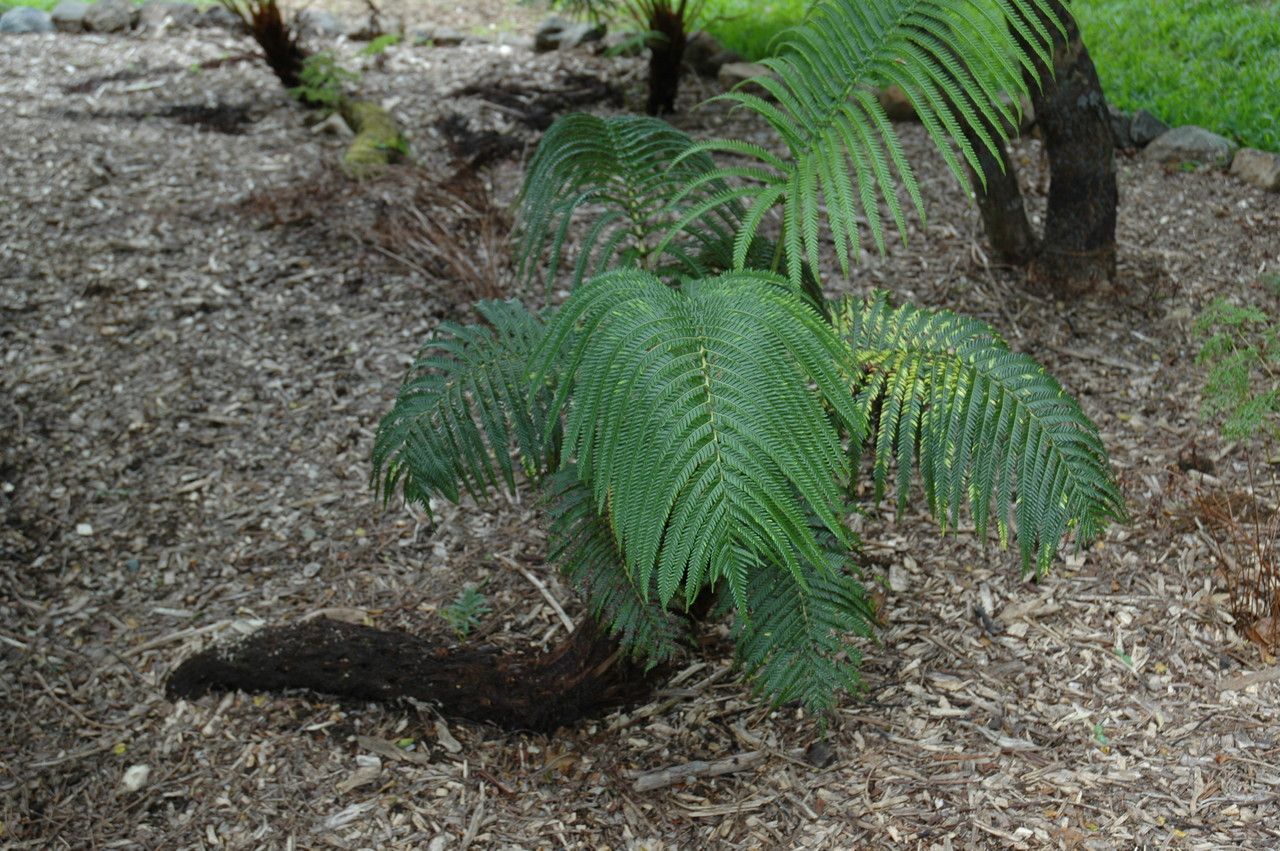
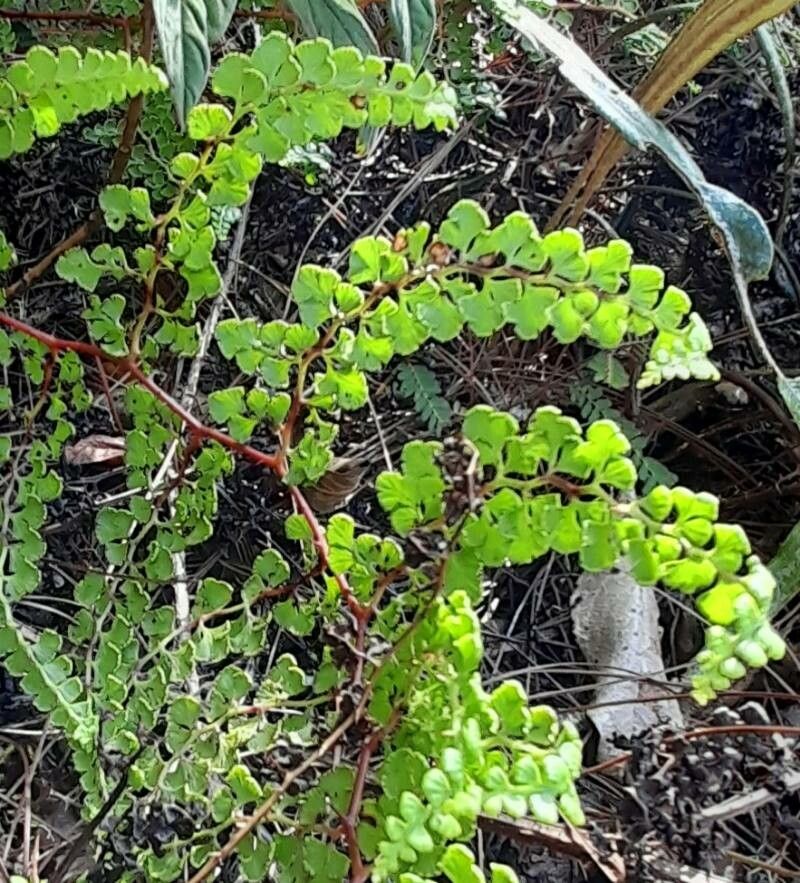
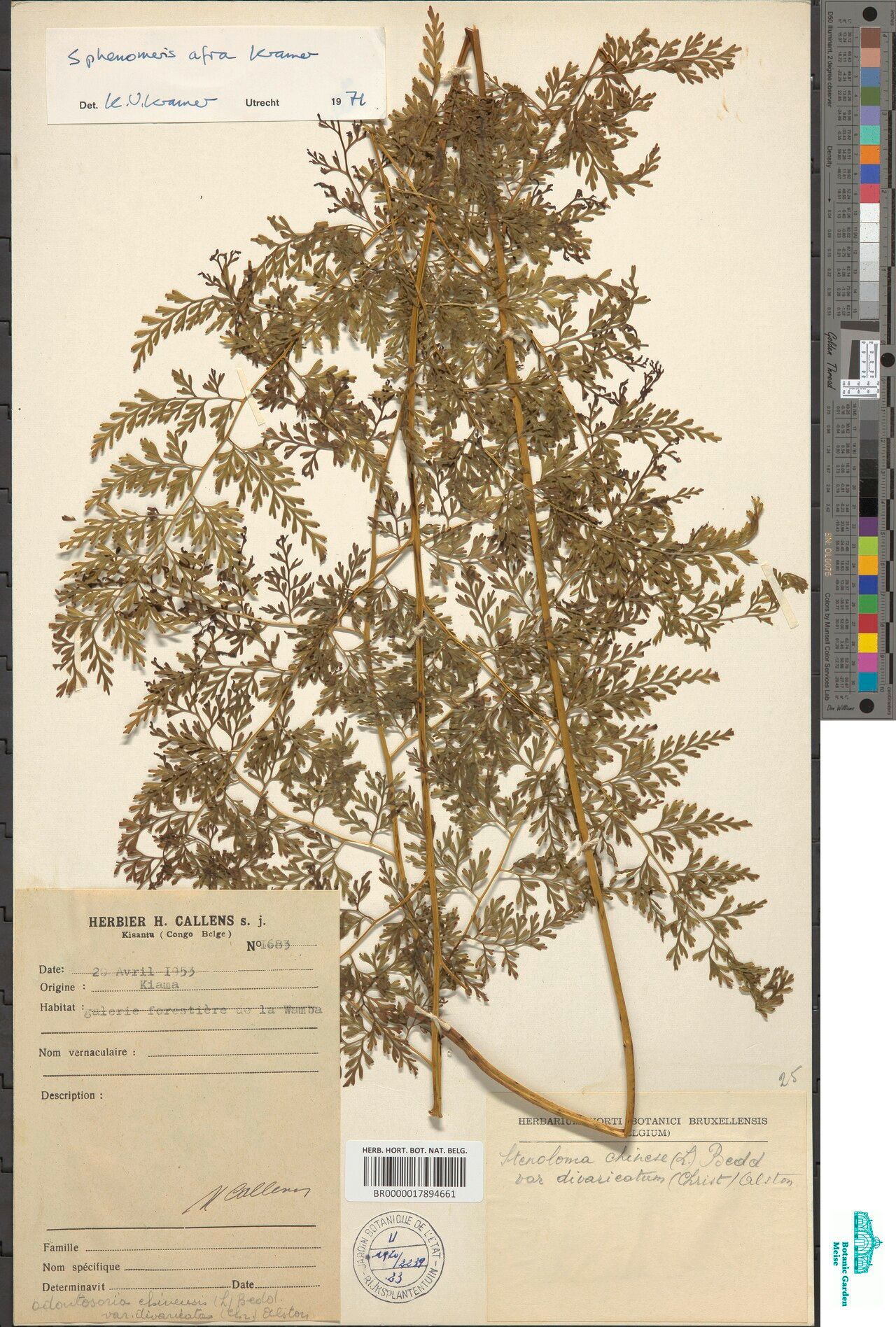
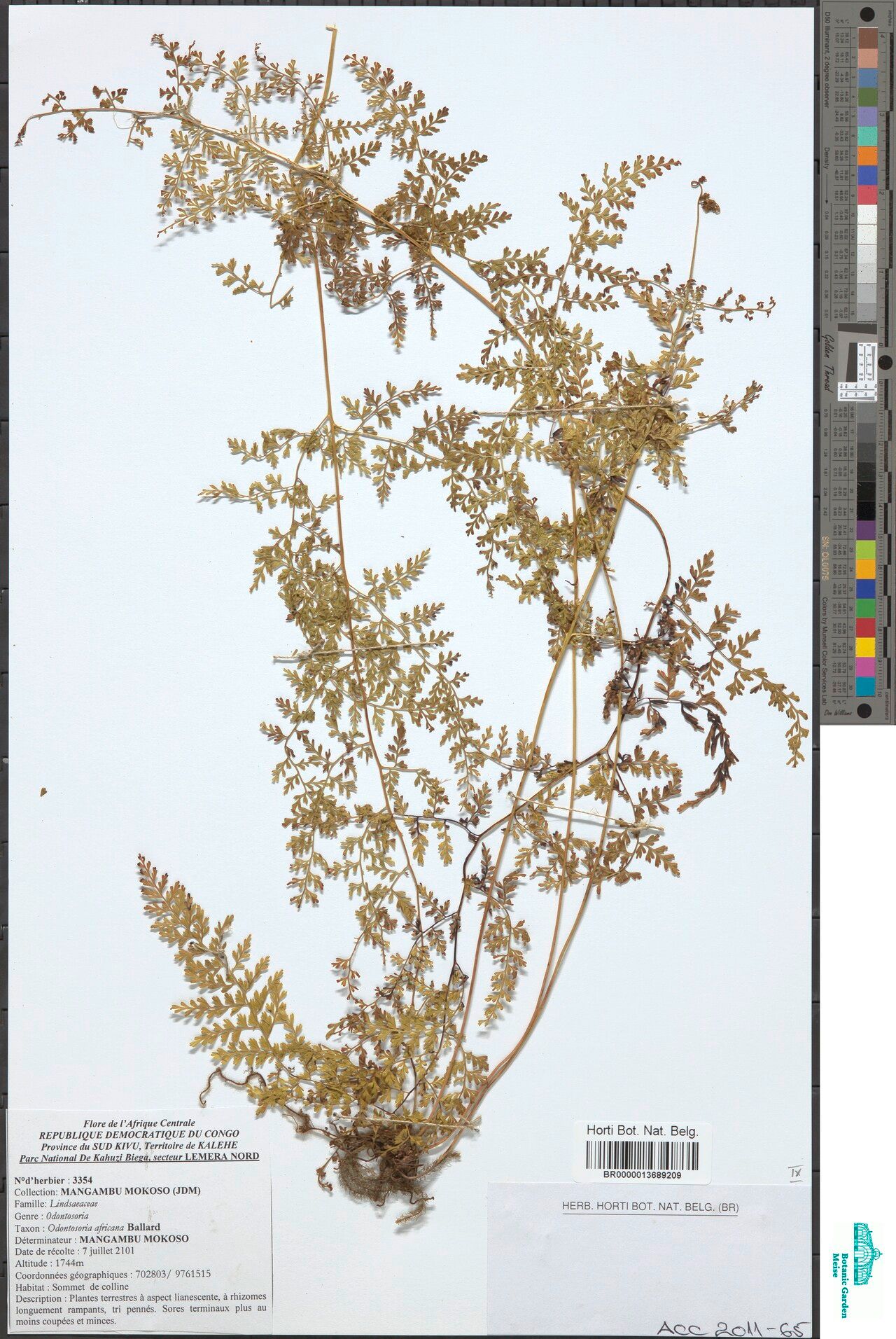
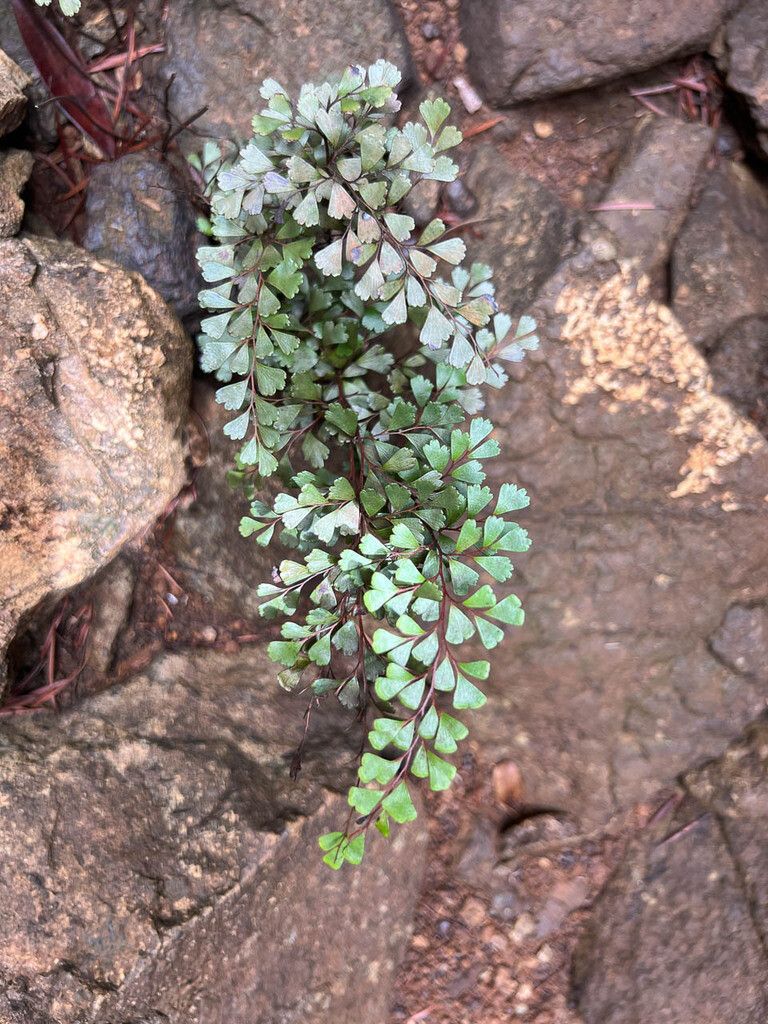
Odontosoria chinensis is a fern in the family Lindsaeaceae. Commonly called lace fern (Hawaiian: pala'ā, palae, or palapala'ā), it is native from India to Hawai'i, and south to Sumatra, Borneo and the Philippines, as well as other parts of the tropics and sub-tropics. It is commonly found in forest openings and disturbed areas such as landslides, along trails or roads. It grows in moist, shady areas from sea level to an elevation of 4,000 feet.
Lace fern is fairly resistant to disease and generally does not often suffer from illnesses. However, it can be vulnerable to pests and diseases present in its environment. These problems are usually mild. For care, this plant needs moderate maintenance. It should be pruned regularly to keep a good appearance and encourage healthy growth. Fertilizing can also help stimulate flowering. Lace fern is appropriate for anyone with an outdoor area, such as a garden or patio, and does not require extensive care experience. It may need more attention when grown indoors.
How to keep Odontosoria Chinensis.
Light
Lace fern naturally grows in habitats like forest understories or rocky locations, where it is exposed to natural shade. It favors partial sun but can tolerate both full sun and full shade, illustrating its versatility and hardiness.
Water
Lace fern flourishes in humid environments that provide consistent moisture, and it is moderately drought-tolerant. To maintain its lush foliage, keep the soil evenly moist and water the plant weekly. Being an evergreen, lace fern retains water in its leaves throughout the year, making it an excellent choice for indoor cultivation where humidity levels remain steady.
Temperature
Lace fern comes from tropical areas, where the climate is generally warm and humid. Therefore it is well suited to high temperatures and humidity. It does not tolerate sudden temperature changes and prefers a stable thermal environment, so avoiding temperature fluctuations indoors is important. It typically cannot withstand cold and needs warmer conditions to grow; if the temperature drops too low, the plant may stop growing or even die.
Fertilizer
The lace fern requires the most fertilizer during its active growth period, which takes place mainly in spring, summer, and early fall. Fertilizing supplies essential nutrients the soil might lack, supporting healthy root and stem growth and the attractive foliage that is characteristic of this plant.
Pruning
The lace fern has delicate foliage and benefits from light pruning for ornamental upkeep. Key techniques include removing damaged fronds and thinning crowded areas to improve air circulation. Pruning should be done from early to late spring to promote the plant's health and vigor. It's also important to ensure that your tools are properly sanitized to prevent disease.
Botanical profile.
- Plant Type
- Herb
- Life Cycle
- Perennial
- Genus
- Odontosoria
- Family
- Lindsaeaceae
- Hardiness Zone
- 9-11
- Mature Height
- 91 cm
- Mature Spread
- 91 cm
- Leaf Color
- Light Green, Forest Green
- Leaf Type
- Evergreen
- Planting Time
- Spring, Summer, Autumn
Other names.
Reader questions.
What are the sunlight requirements for Lace fern?
Lace fern prefers partial sun, receiving about 3-6 hours of sunlight daily, but can also thrive in full shade, where it gets less than 3 hours of sunlight. It's essential to monitor how sunlight moves through your garden throughout the day to find the ideal spots that offer a good balance of light and shade for your plants, ensuring they grow happily and healthily.
Can Lace fern grow in artificial lighting?
Yes, Lace fern can grow under artificial lighting, which becomes crucial especially in environments where natural sunlight is insufficient, such as during winter or in spaces that receive minimal sunlight. When choosing artificial lights, LED lights are recommended due to their efficiency and ability to be customized to provide specific wavelengths needed by plants. For optimal growth, full sun plants require 30-50W per square foot, partial sun plants need 20-30W per square foot, and full shade plants need 10-20W per square foot. The light source should be placed 12-36 inches above the plant and be left on for 8-12 hours a day to mimic natural daylight hours.
What are common symptoms of insufficient light in Lace fern?
Lace fern may show several symptoms when it doesn't receive enough light, including smaller new leaves than the previous ones, leggy or sparse growth, premature leaf drop, slower or halted growth, lighter-colored new leaves, chlorosis (leaves turn yellow), sunscald, leaf curling, wilting, and leaf scorching. These symptoms indicate that the plant is struggling to adapt to its light conditions and might need better light exposure or support through artificial lighting.
How can I address insufficient light for my Lace fern?
To tackle insufficient light for Lace fern, consider gradually moving the plants to areas with better sunlight exposure or using artificial light if the plant is large or not easily movable. For outdoor plants, transition them to sunnier spots weekly to avoid shock and potential sunburn. For indoor plants, using a desk or ceiling lamp for at least 8 hours a day or investing in professional plant grow lights can significantly improve light availability. Additionally, reducing obstructions like pruning trees that block sunlight and transplanting smaller plants during their dormant period to brighter locations can help enhance light exposure.