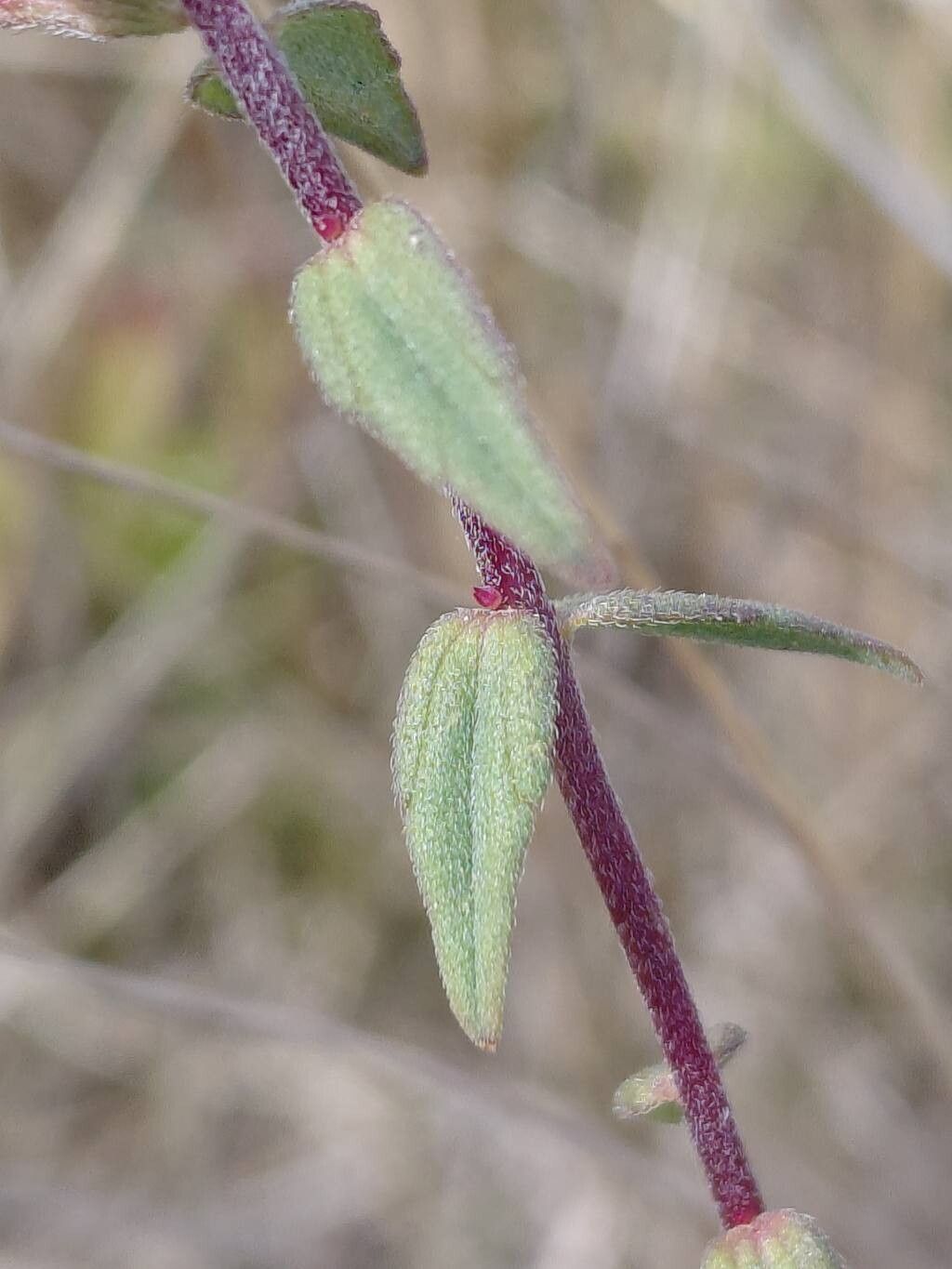
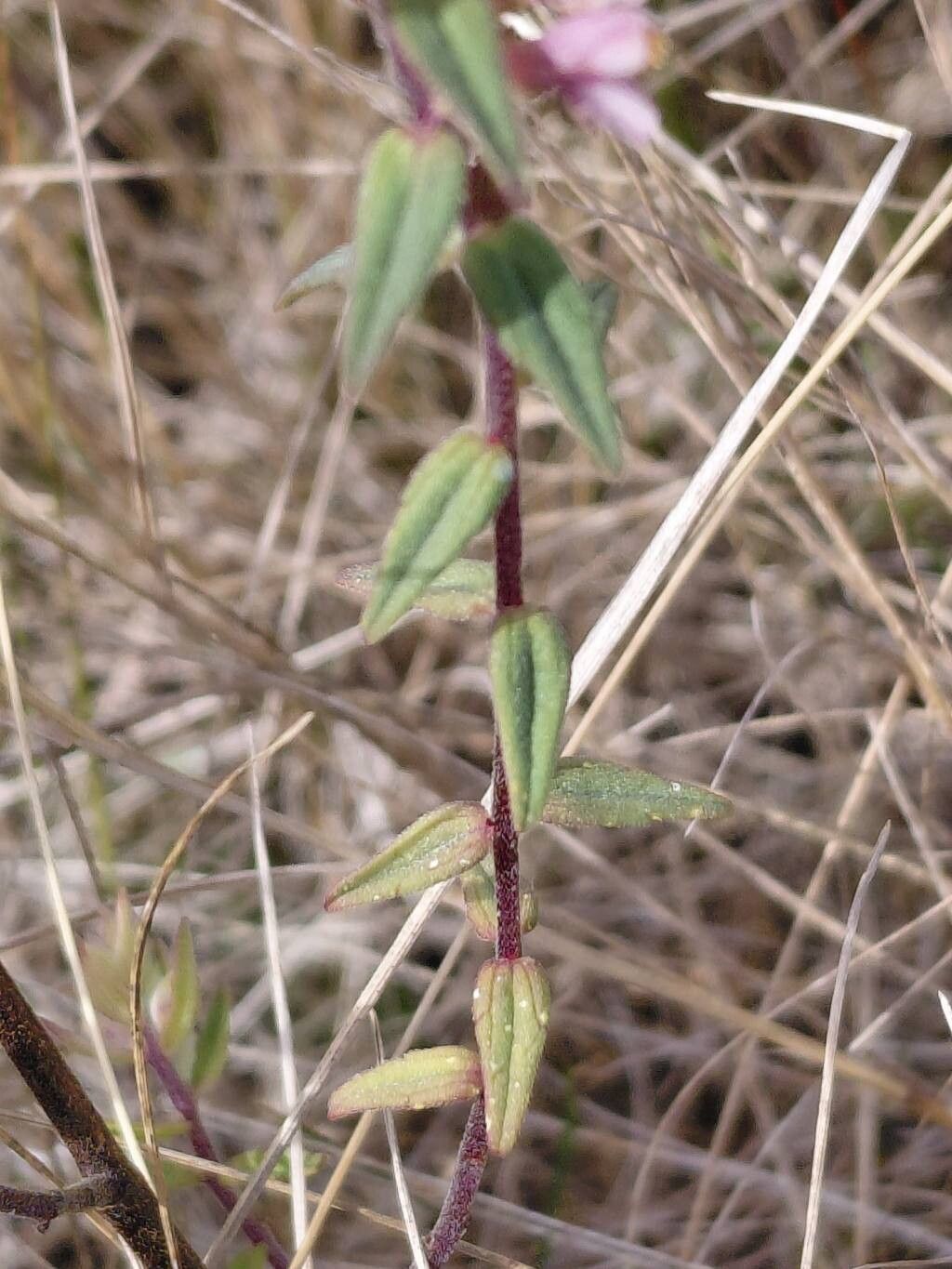
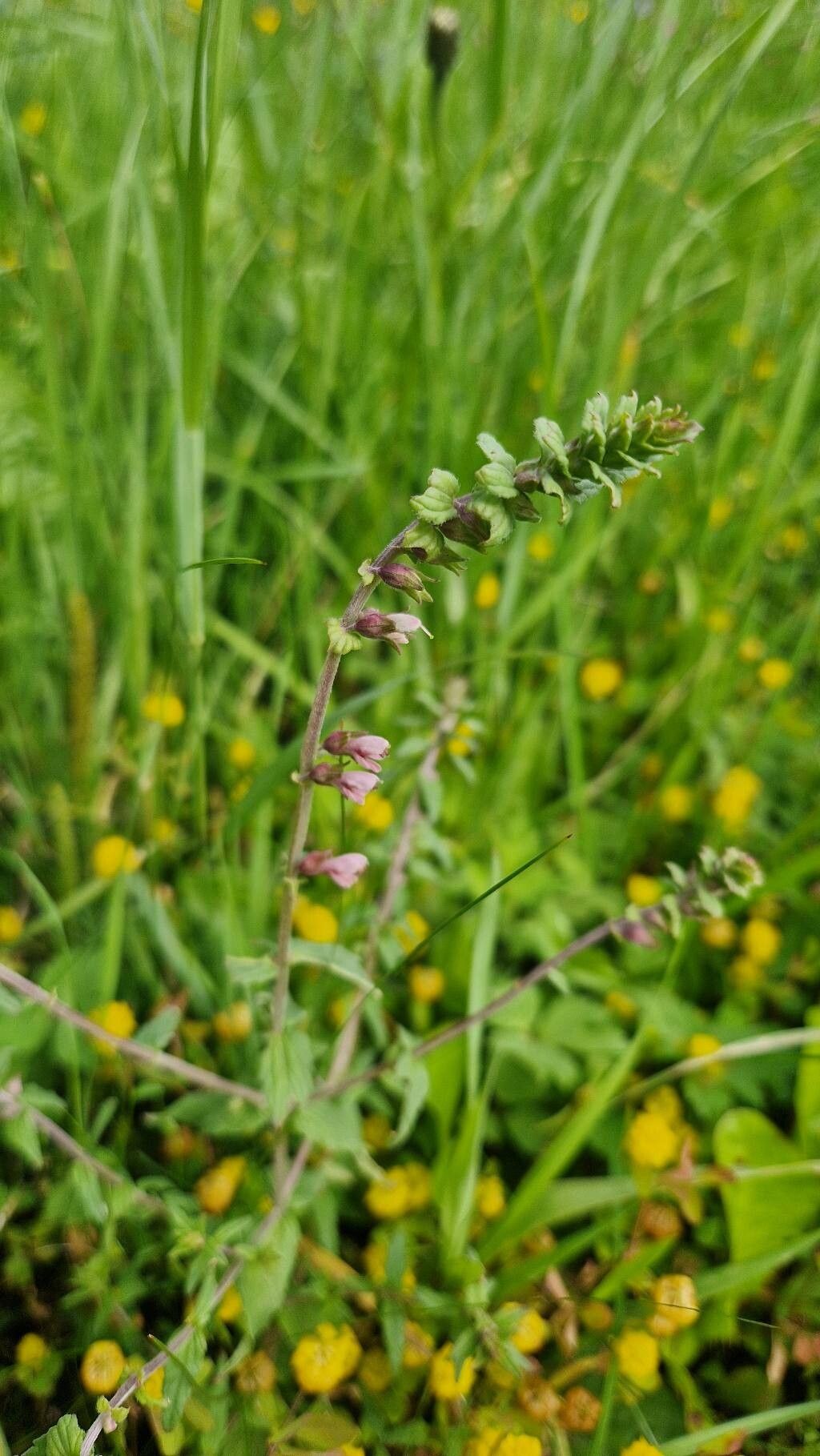
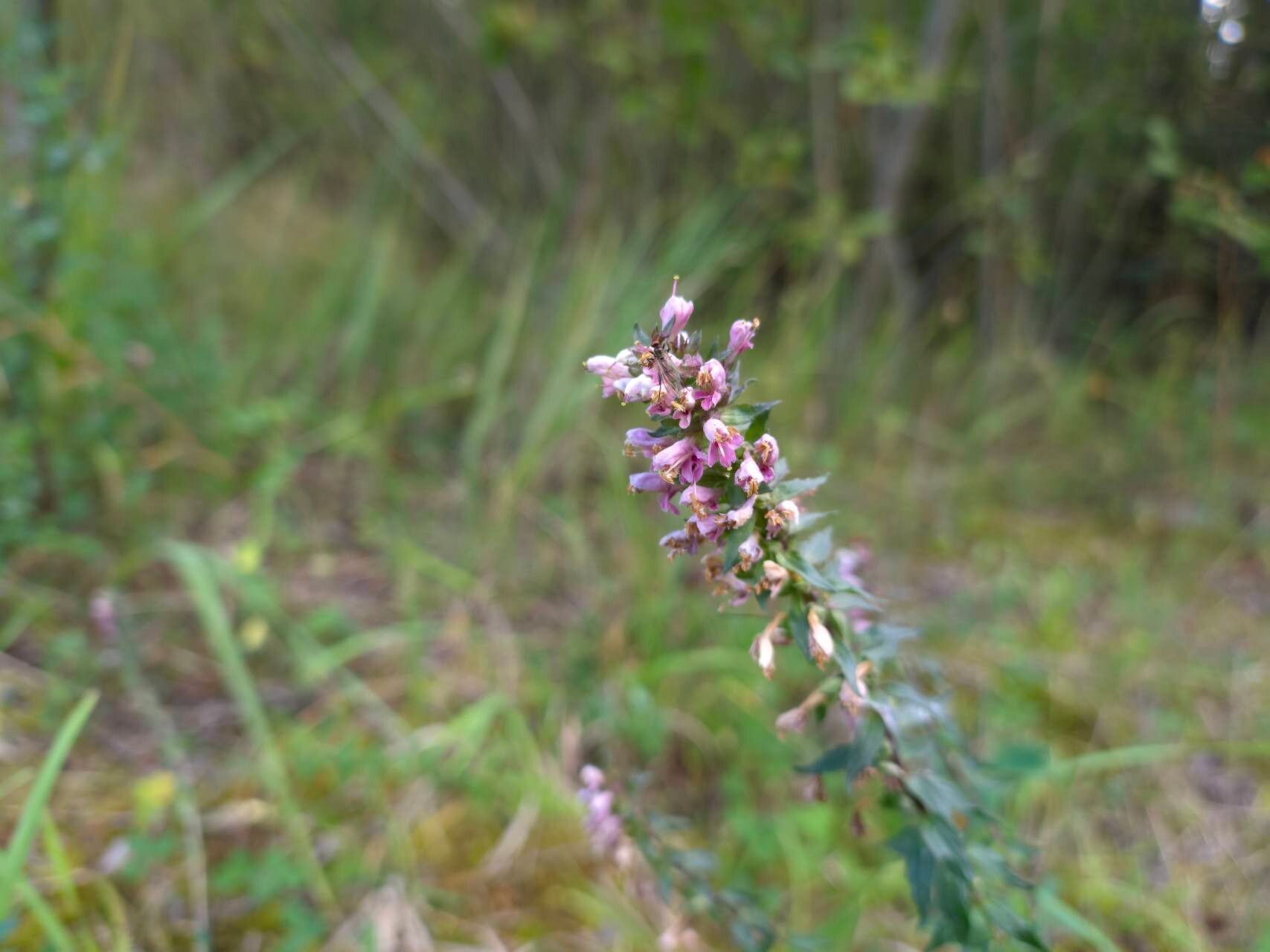
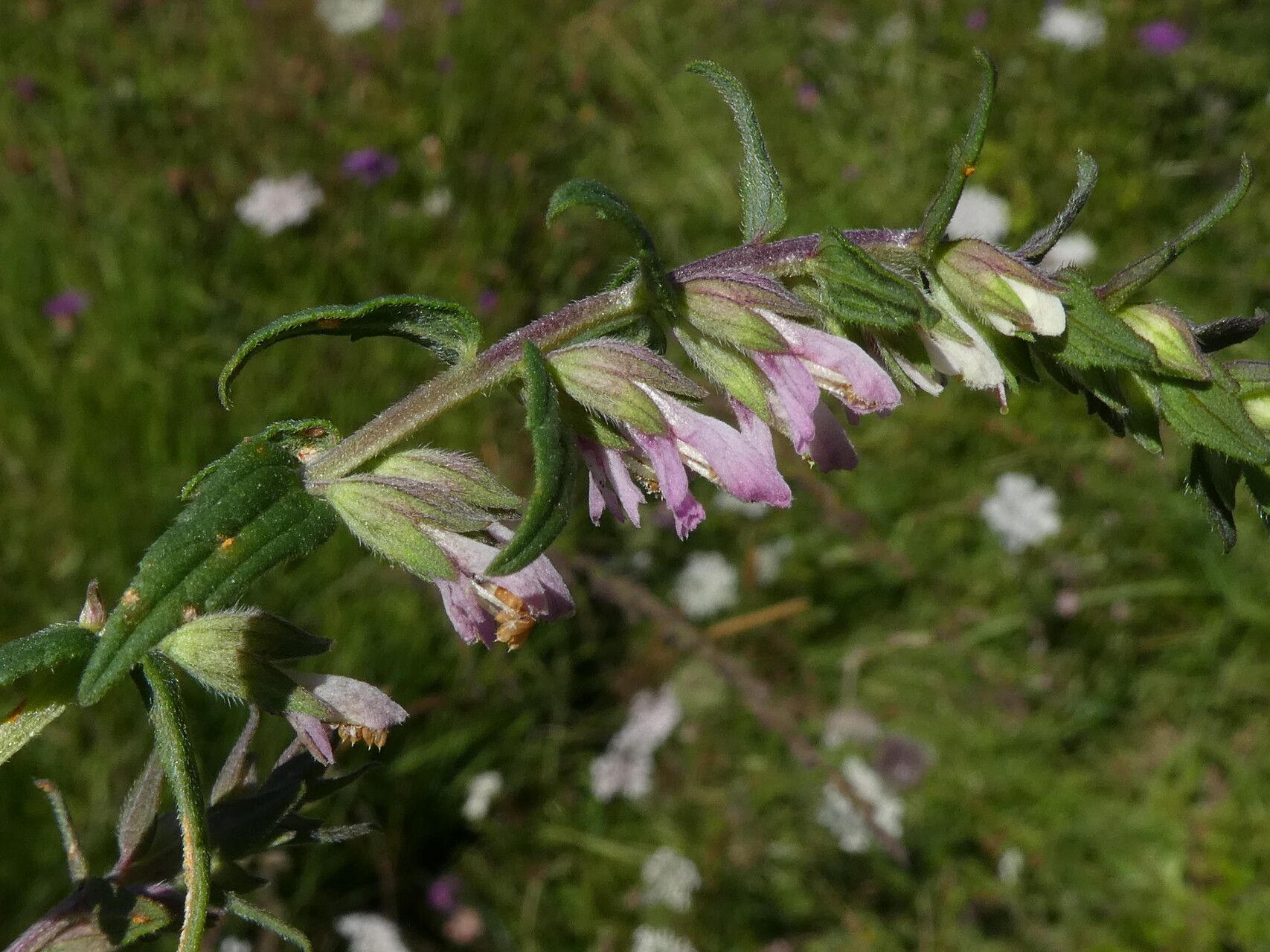
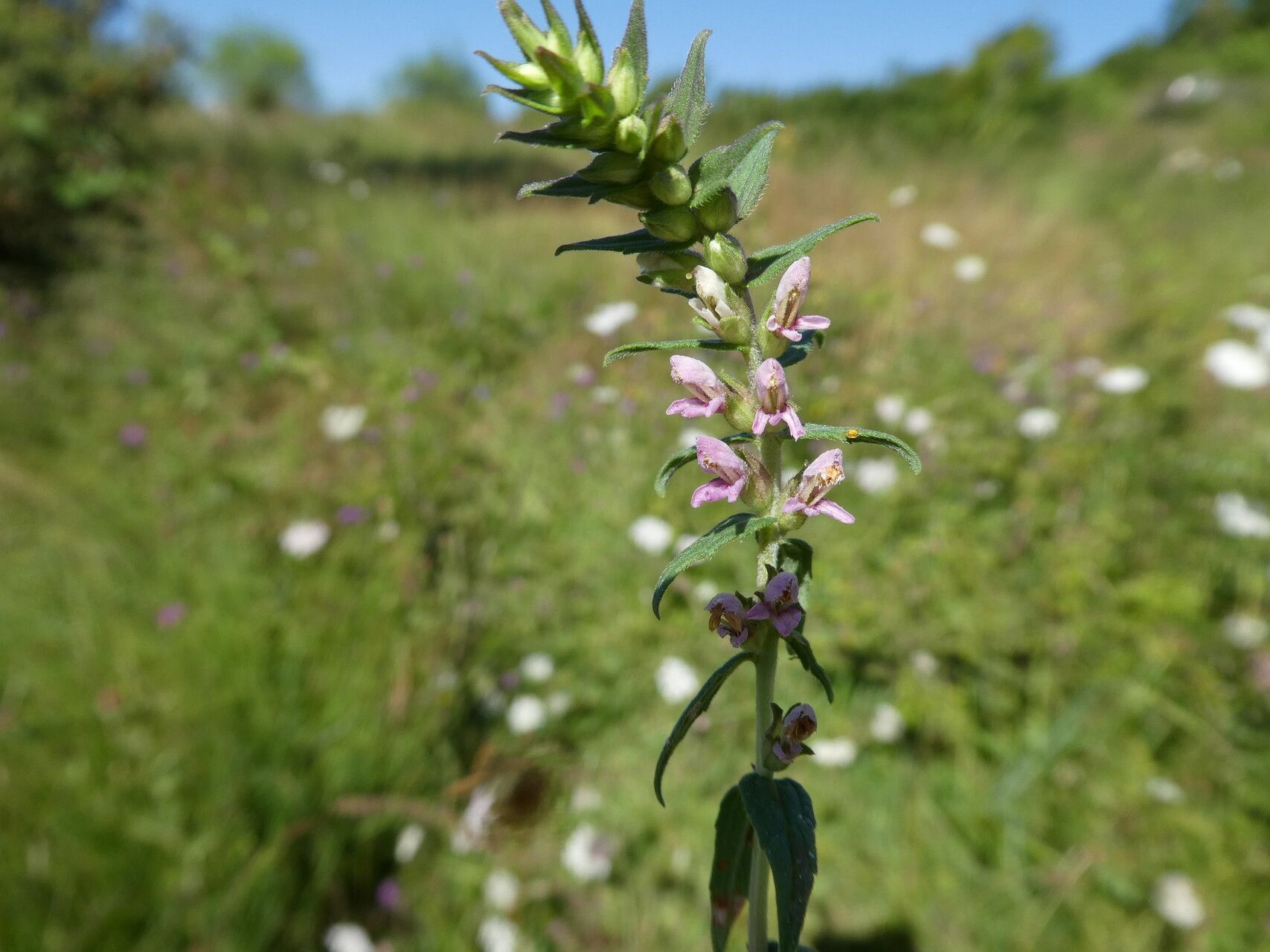
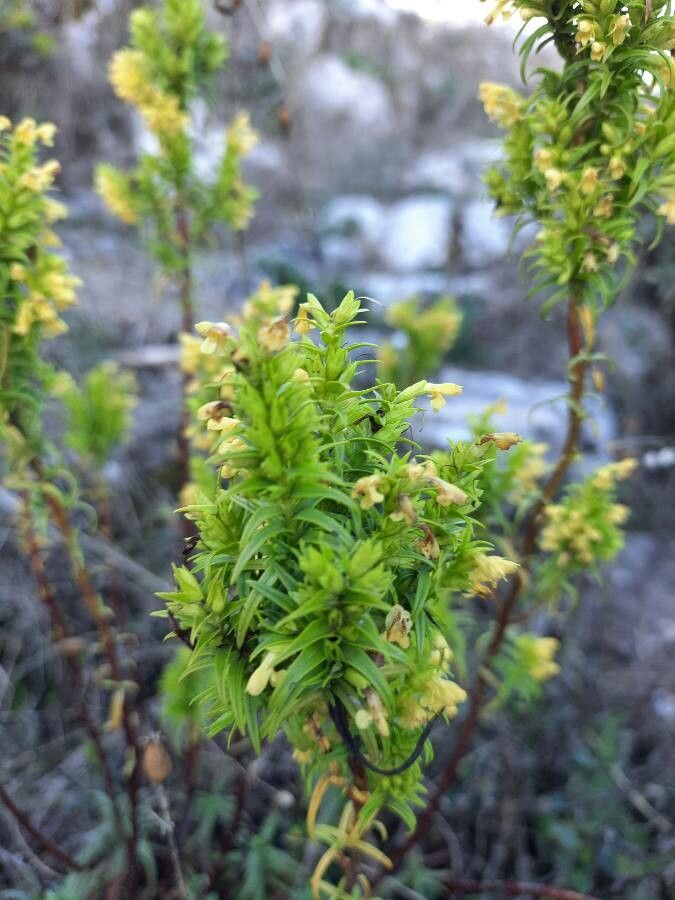
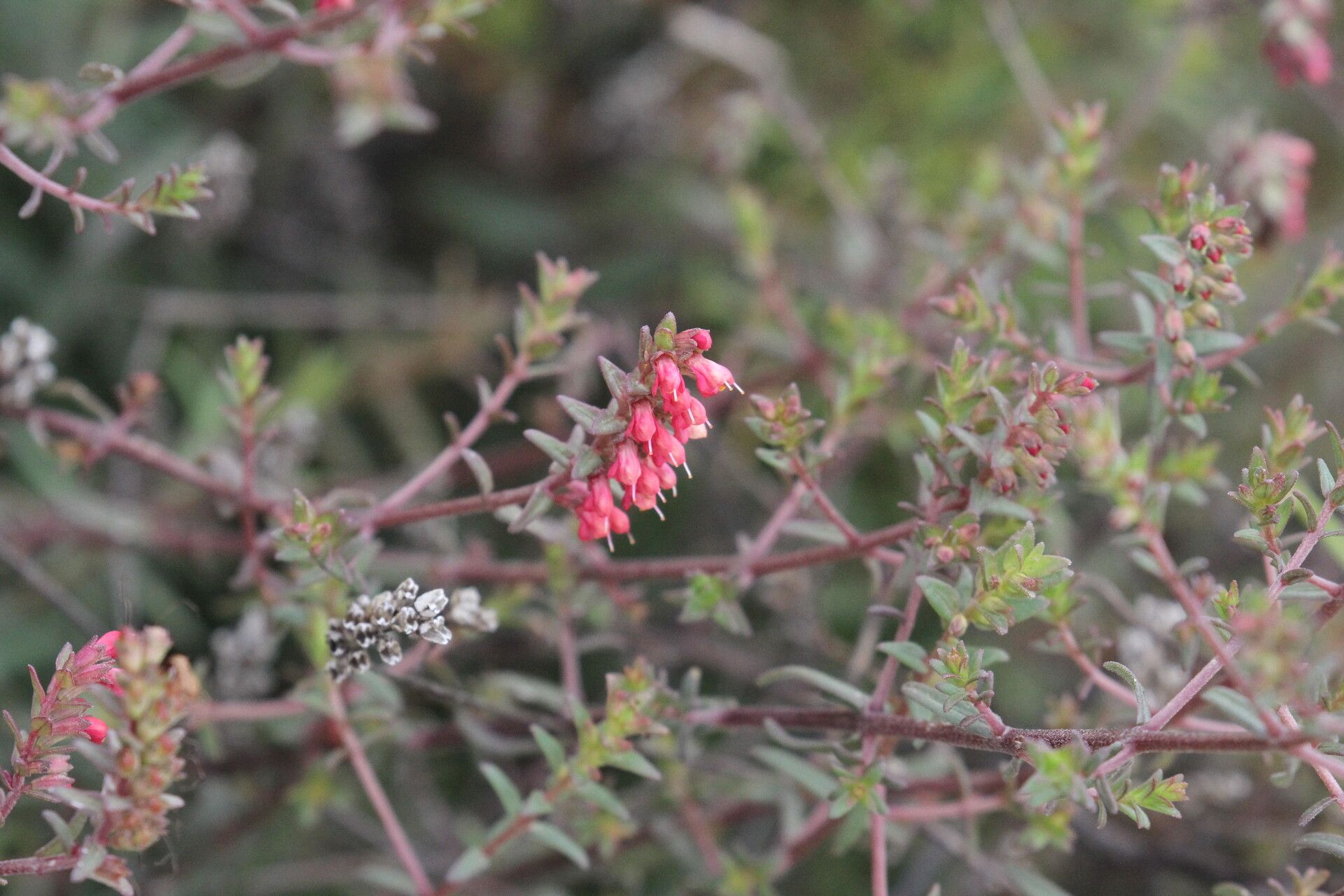
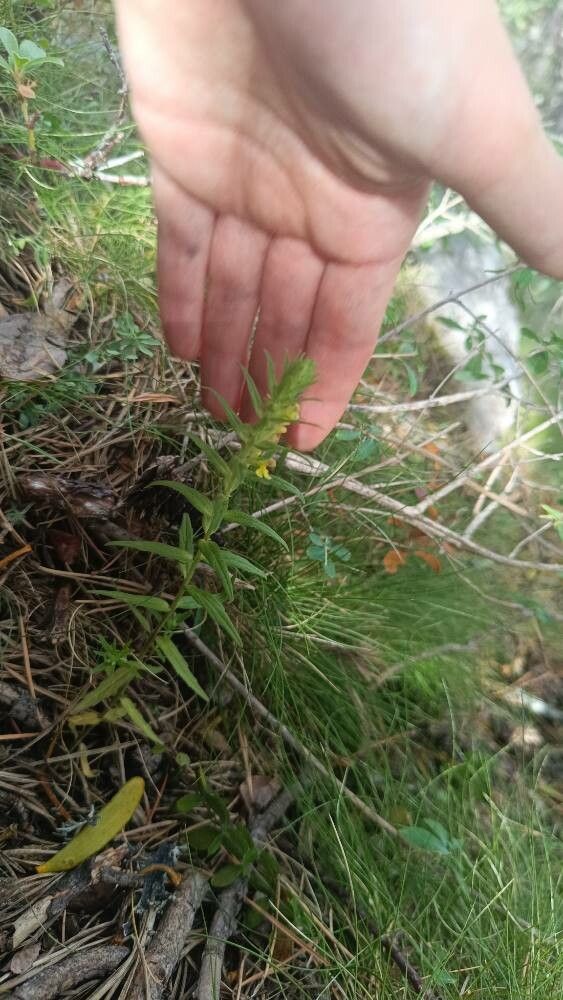
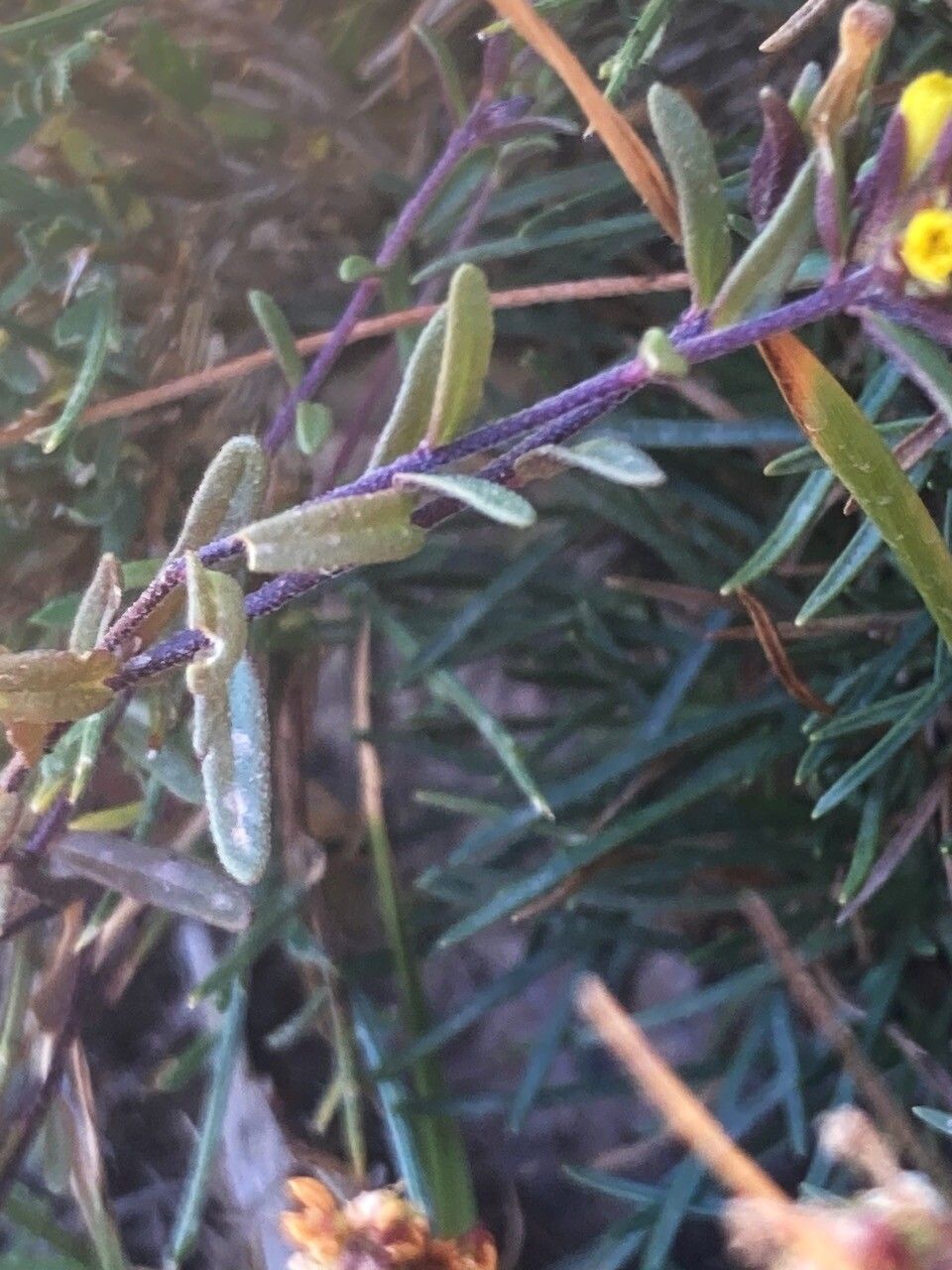
Odontites vulgaris is a species of flowering plant belonging to the family Orobanchaceae.Its native range is Europe to Siberia and China.
Red odontites has strong resistance to disease and is typically not vulnerable to illnesses. Still, it can be affected by pests and diseases present in its environment. Such infections are generally mild. Regarding care, this plant needs moderate maintenance. It should be trimmed regularly to preserve an attractive appearance and healthy growth. Applying fertilizer can also encourage flowering. Red odontites is appropriate for anyone with an outdoor area, like a garden or patio, and does not demand extensive gardening experience. It may need more attention when cultivated indoors.
How to keep Odontites Vulgaris.
Light
Red odontites does best with a generous amount of sunlight, reflecting the exposure of its native habitat. The plant prefers uninterrupted sun throughout its growth cycle. However, too much exposure can cause stress and harm its health, while too little light can diminish its vigor and flowering.
Water
Red odontites thrive in moist and humid environments, usually found near bodies of water. These plants need regular watering, ideally on a weekly basis, and they exhibit significant growth during the rainy season. This makes them an excellent choice for gardeners looking for vibrant plants that flourish in wet conditions. Additionally, red odontites have a moderate tolerance to drought.
Temperature
Red odontites is a plant that grows best in temperatures between 68 and 95 °F (20 and 35 °C), typical of its native temperate habitat. To replicate its natural conditions, change temperatures in line with seasonal shifts.
Fertilizer
Red odontites respond well to regular, light applications of fertilizer to encourage healthy leaf development. Fertilize approximately once a month during the summer. Nitrogen is essential for foliage, and supplying nitrogen-rich sources helps Red odontites thrive.
Pruning
The Red Odontites is a semi-parasitic herb known for its vibrant red flowers. To maintain its health and appearance, it is best to prune this plant from early to late spring. During the pruning process, focus on shaping the plant, removing dead stems, and thinning out crowded areas to improve air circulation. Be sure to use clean, sharp tools for pruning to prevent infections and promote blooming.
Botanical profile.
- Plant Type
- Herb
- Life Cycle
- Annual, Biennial
- Genus
- Odontites
- Family
- Orobanchaceae
- Hardiness Zone
- 7
- Mature Height
- 15 cm to 30 cm
- Mature Spread
- 15 cm to 30 cm
- Leaf Color
- Green
- Leaf Type
- Semi-evergreen
- Flower Color
- Pink
- Flower Size
- 0.76 cm to 1.27 cm
- Bloom Time
- Mid summer, Late summer, Early fall
- Planting Time
- Spring
- Harvest Time
- Early fall, Mid fall
Other names.