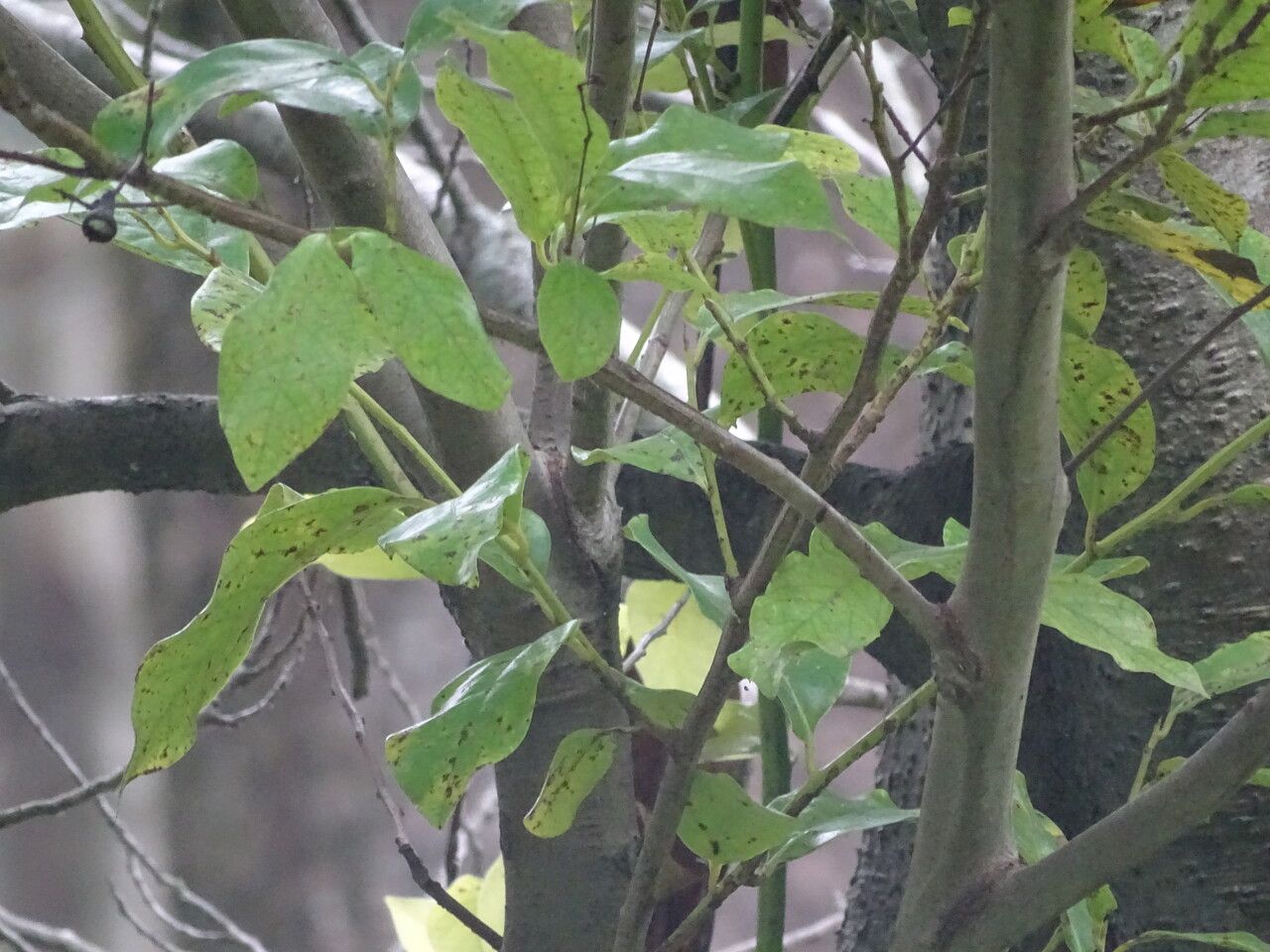
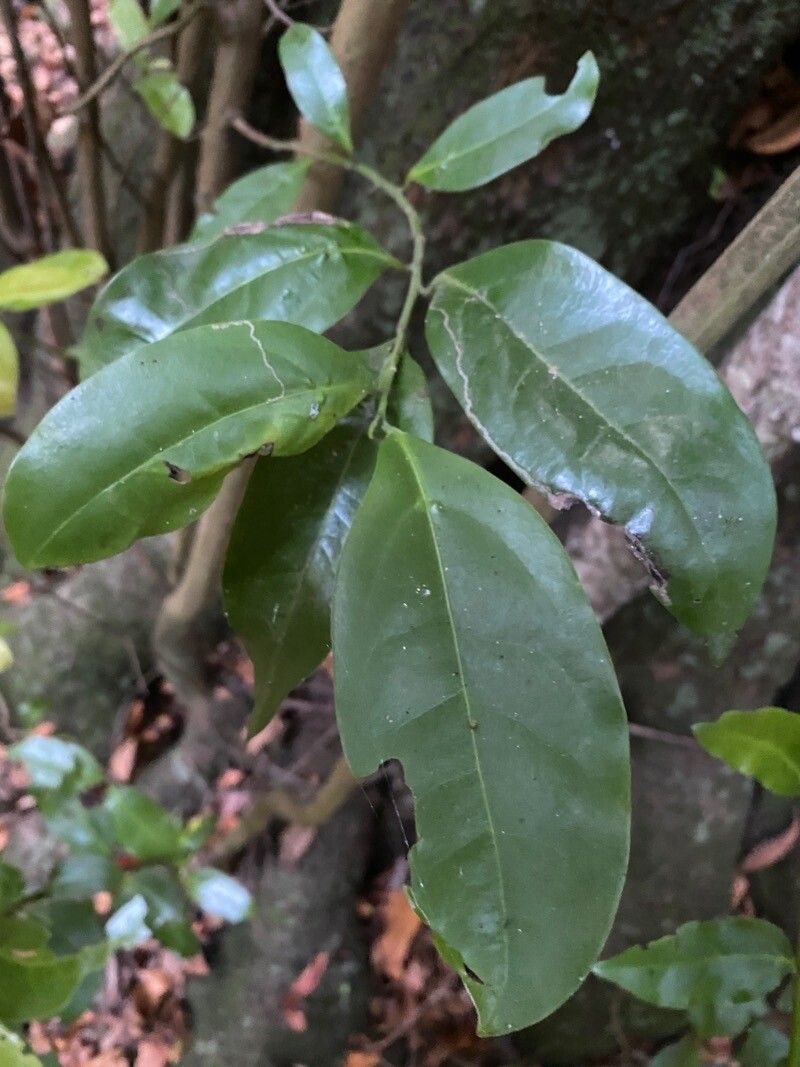
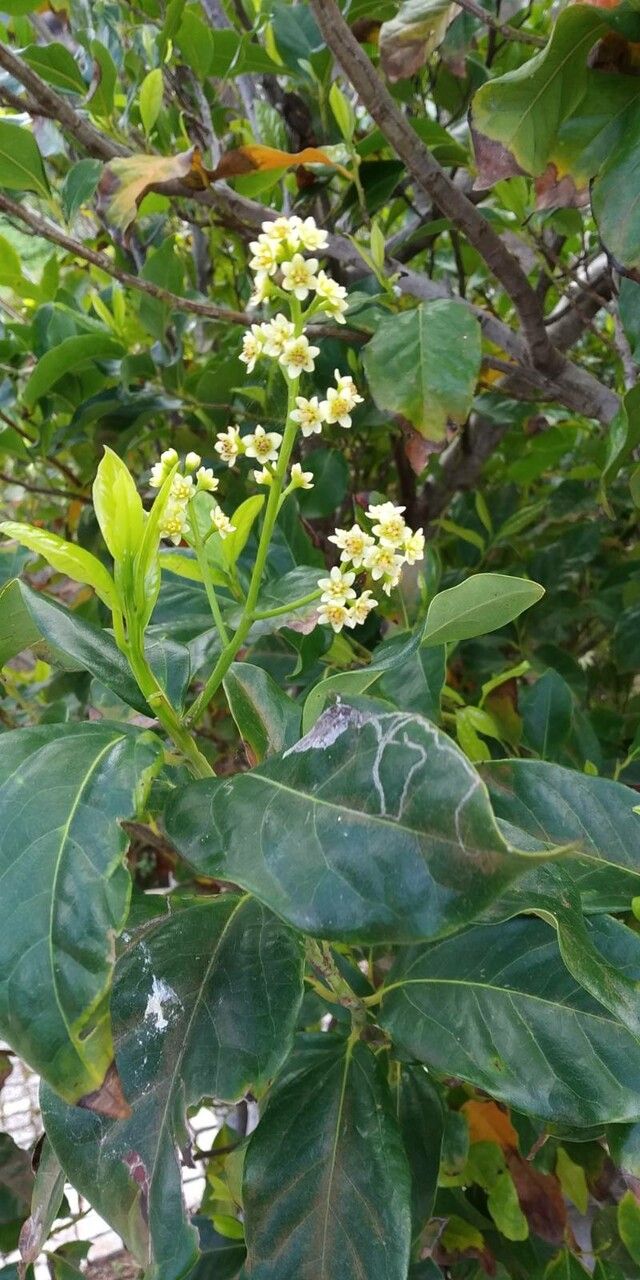
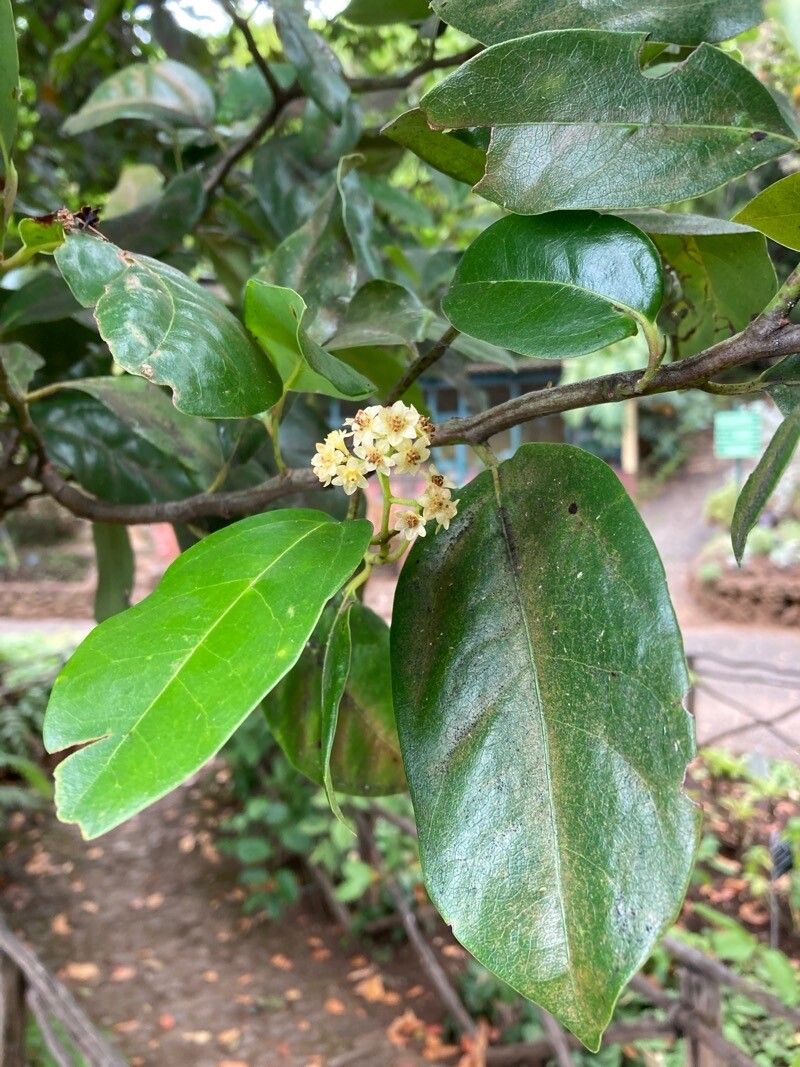
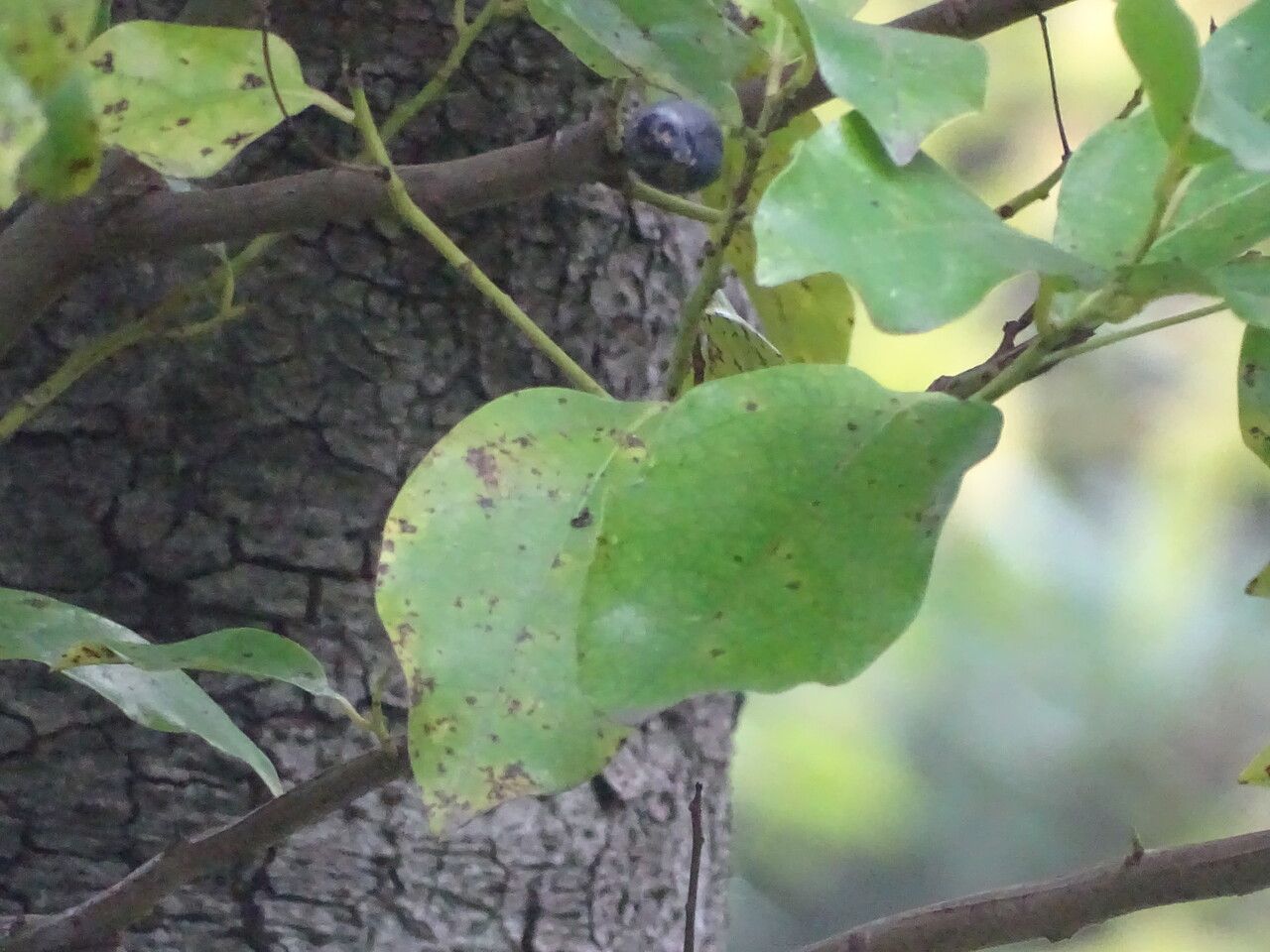
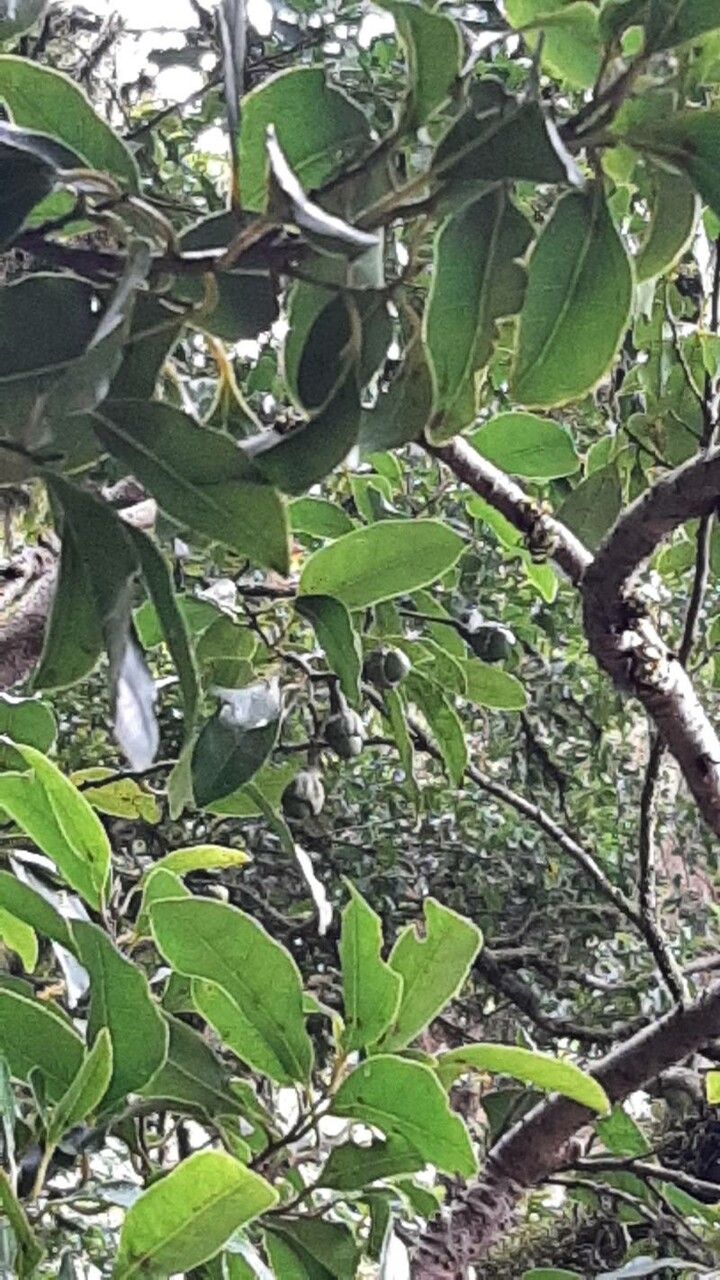
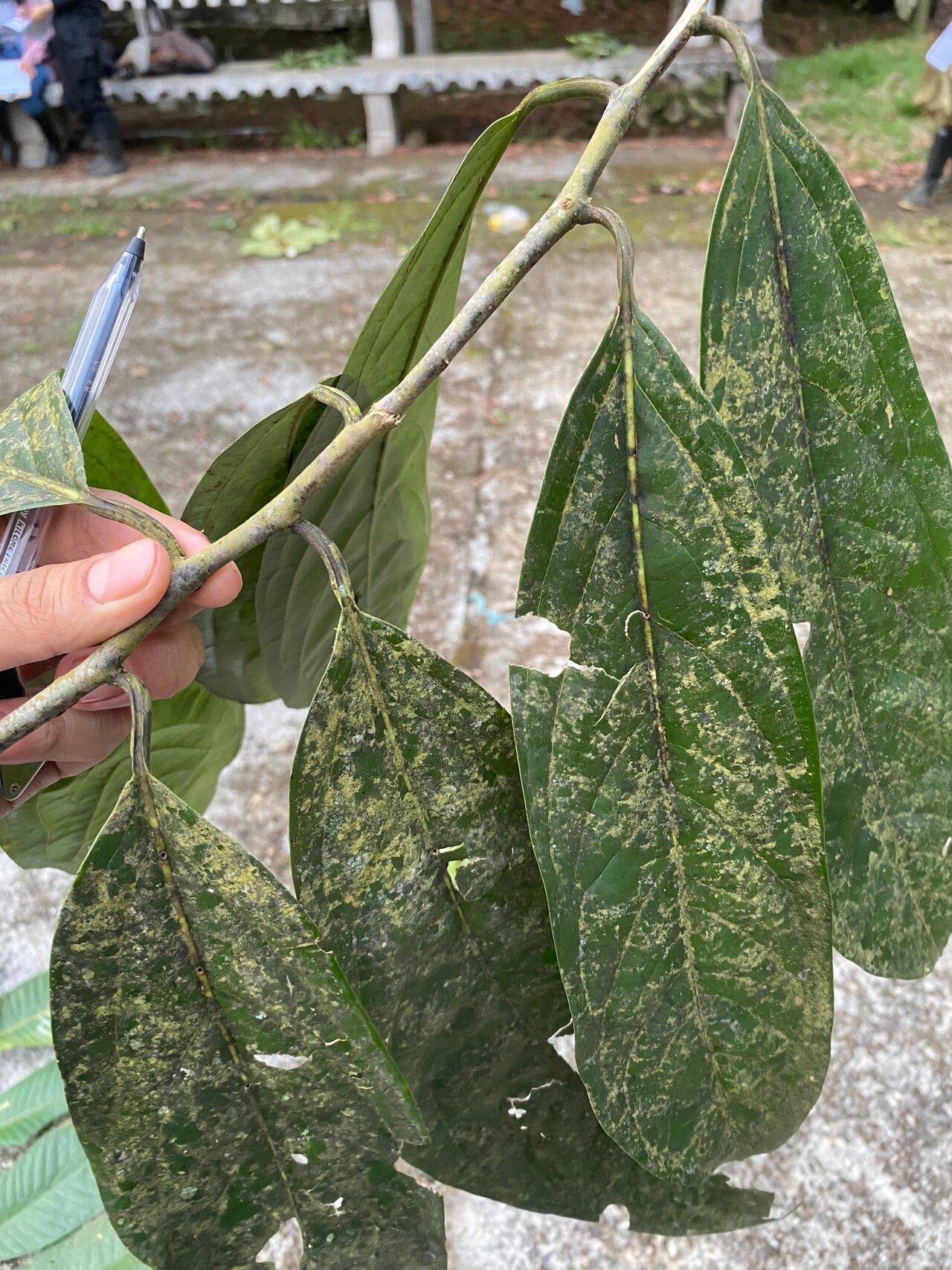
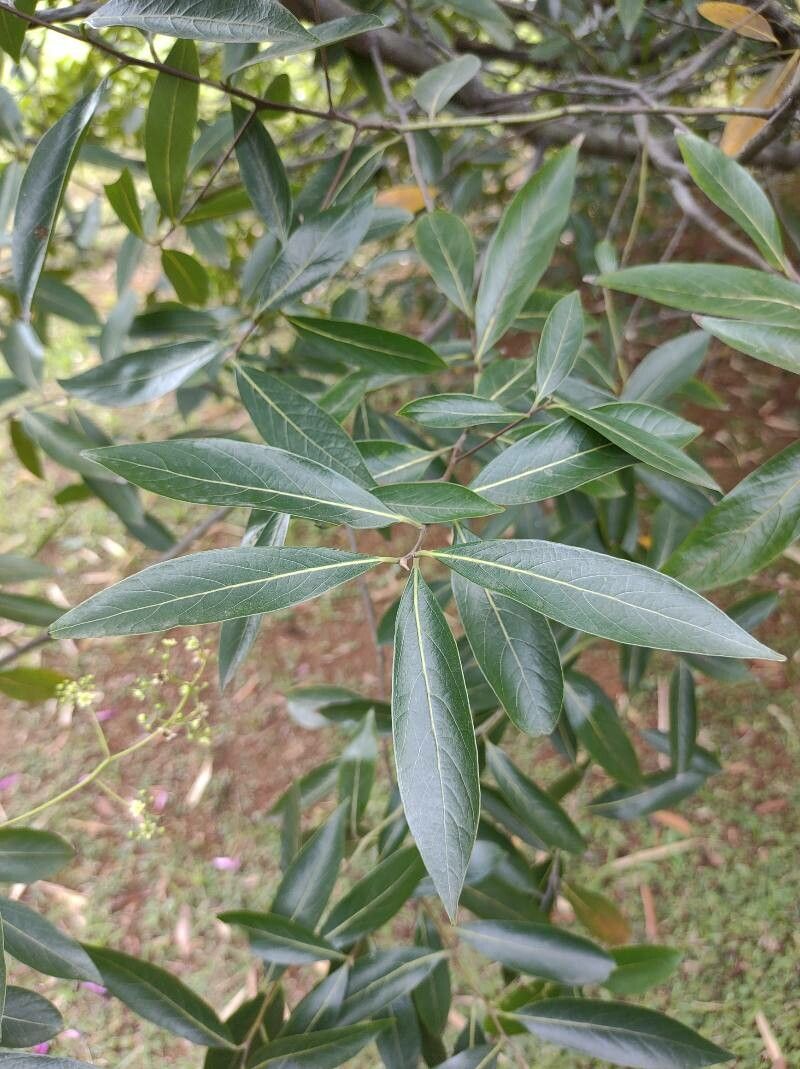
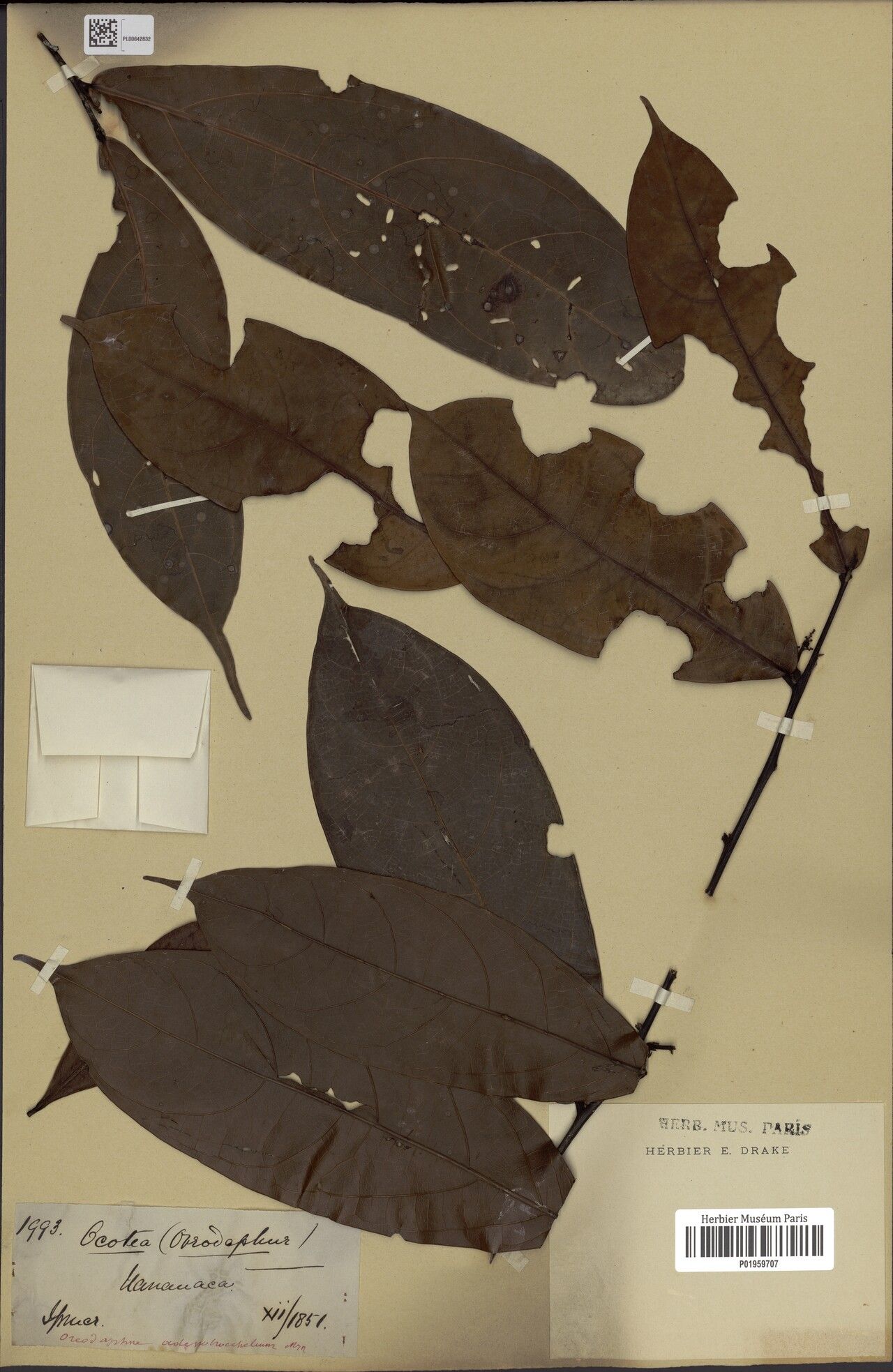
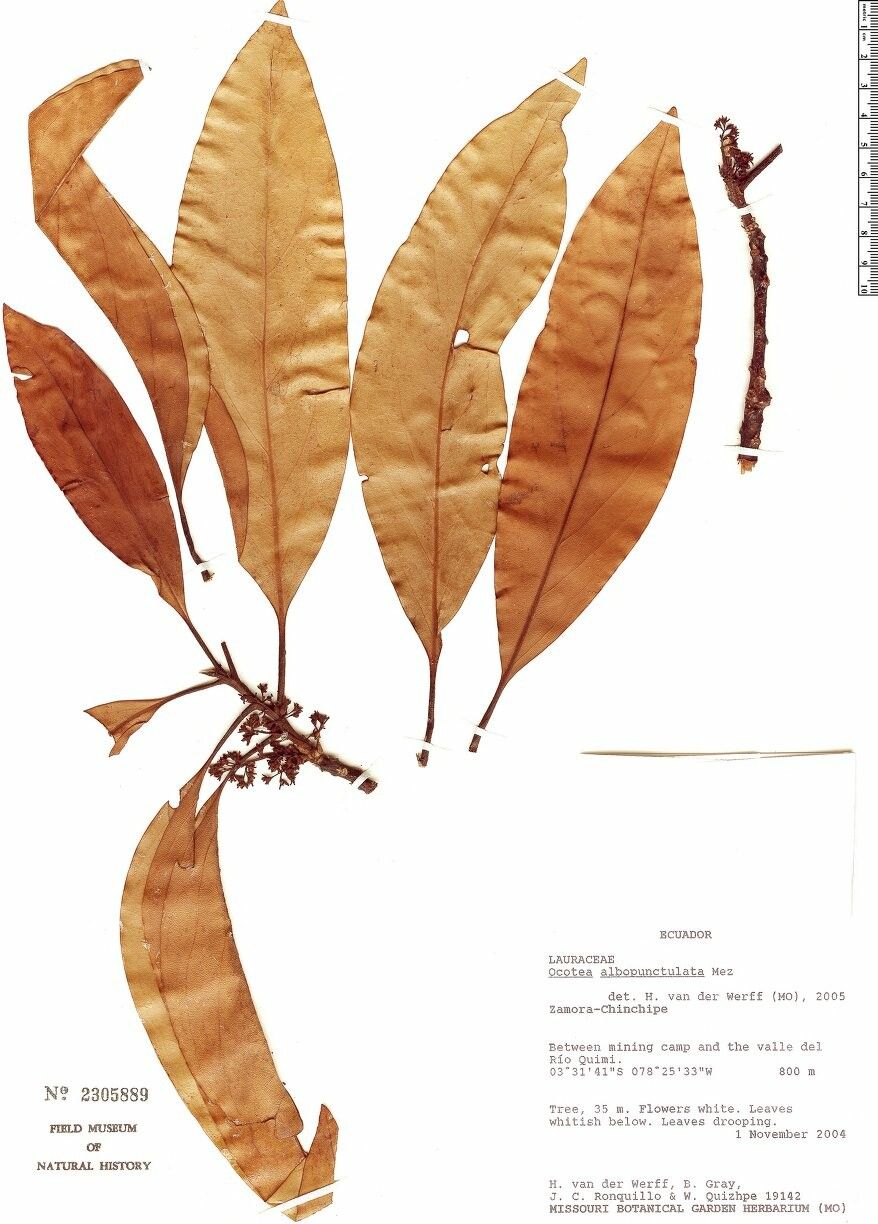
Ocotea foetens, commonly called til or stinkwood is a species of tree in the family Lauraceae. It is evergreen and grows up to 40 m tall. It is a common constituent of the laurisilva forests of Madeira and the Canary Islands. Leaf fossils of this species are known from the Mio-Pleistocene of Madeira Island.
Rain tree is highly resistant to disease and typically does not easily get sick. Regarding care, this plant is fairly low-maintenance. When grown outdoors it needs only light watering, and larger plants usually do not require pruning. Smaller plants, however, should be pruned after they finish blooming. Rain tree is appropriate for anyone who has an outdoor area, like a garden or a deck, and it does not demand much experience in plant care.
How to keep Ocotea Foetens.
Light
The Rain tree is native to habitats like forest understories and rocky areas, where it grows in natural shade. It prefers partial sun but can tolerate full sun or full shade, illustrating its versatile and hardy nature.
Water
Originating from humid subtropical regions, the rain tree thrives when it receives consistent moisture without becoming waterlogged. It requires watering once a week. As an evergreen, it also benefits from regular misting to maintain humidity, especially in dry indoor settings.
Temperature
The rain tree is very adaptable to different climates, enduring both hot summers and cold winters. Still, it has a preferred temperature range for healthy growth. If temperatures rise too much, the tree can undergo heat and humidity stress that may kill it. In places where temperatures get close to its minimum cold tolerance, insulating the plant is necessary to protect it.
Fertilizer
To encourage healthy growth, fertilize your Rain tree in early spring. Routine fertilization strengthens overall health, leading to vigorous growth, better tolerance of harsh conditions, and enhanced resistance to pests and diseases. Adhere to a specific fertilization schedule for your Rain tree to promote foliage that is vibrant, richly colored, and lush in appearance.
Pruning
The rain tree is known for its aromatic leaves and dense canopy. To keep it healthy, prune the tree between early and late winter. Focus on removing dead or diseased branches and thinning out crowded areas. This helps improve air circulation, maintains the tree’s natural shape, and encourages healthier growth. Regular pruning also prevents damage caused by heavy limbs.
Botanical profile.
- Plant Type
- Tree
- Life Cycle
- Perennial
- Genus
- Ocotea
- Family
- Lauraceae
- Hardiness Zone
- 9-11
- Mature Height
- 14.94 m to 24.99 m
- Mature Spread
- 7.92 m to 11.89 m
- Leaf Color
- Green
- Leaf Type
- Evergreen
- Flower Color
- White, Yellow, Green
- Flower Size
- 0.51 cm to 0.76 cm
- Bloom Time
- Mid spring, Late spring
- Planting Time
- Spring, Summer, Autumn
- Harvest Time
- Late summer, Early fall, Mid fall
Other names.
Reader questions.
What are the sunlight requirements for a Rain tree (Ocotea foetens)?
The Rain tree, or Ocotea foetens, requires full sun exposure, which means it needs above 6 hours of sunlight daily. It's important to observe how sunlight moves through your garden, selecting locations that provide a harmonious balance of light and shade. This careful placement ensures the plant's well-being and happiness.