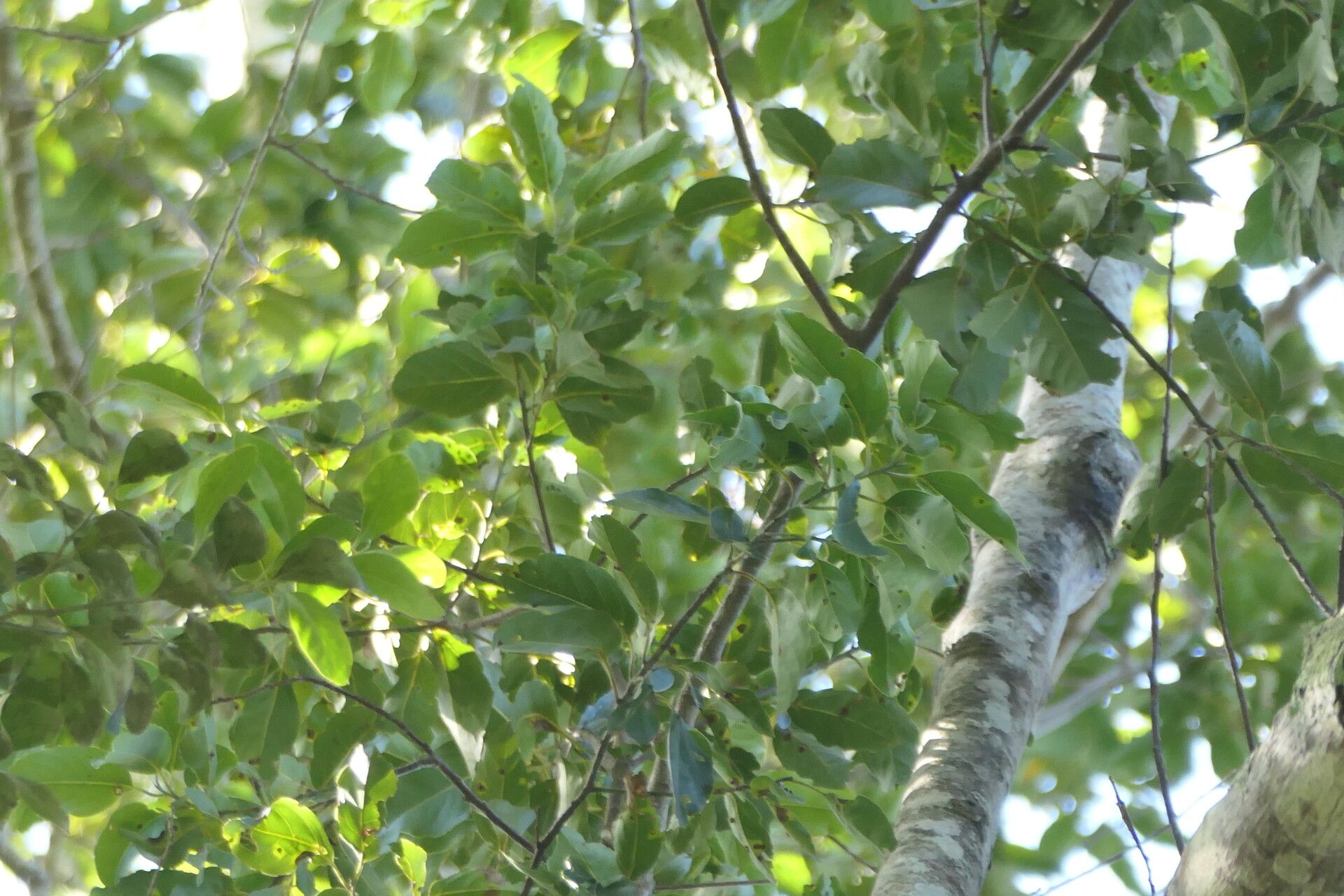
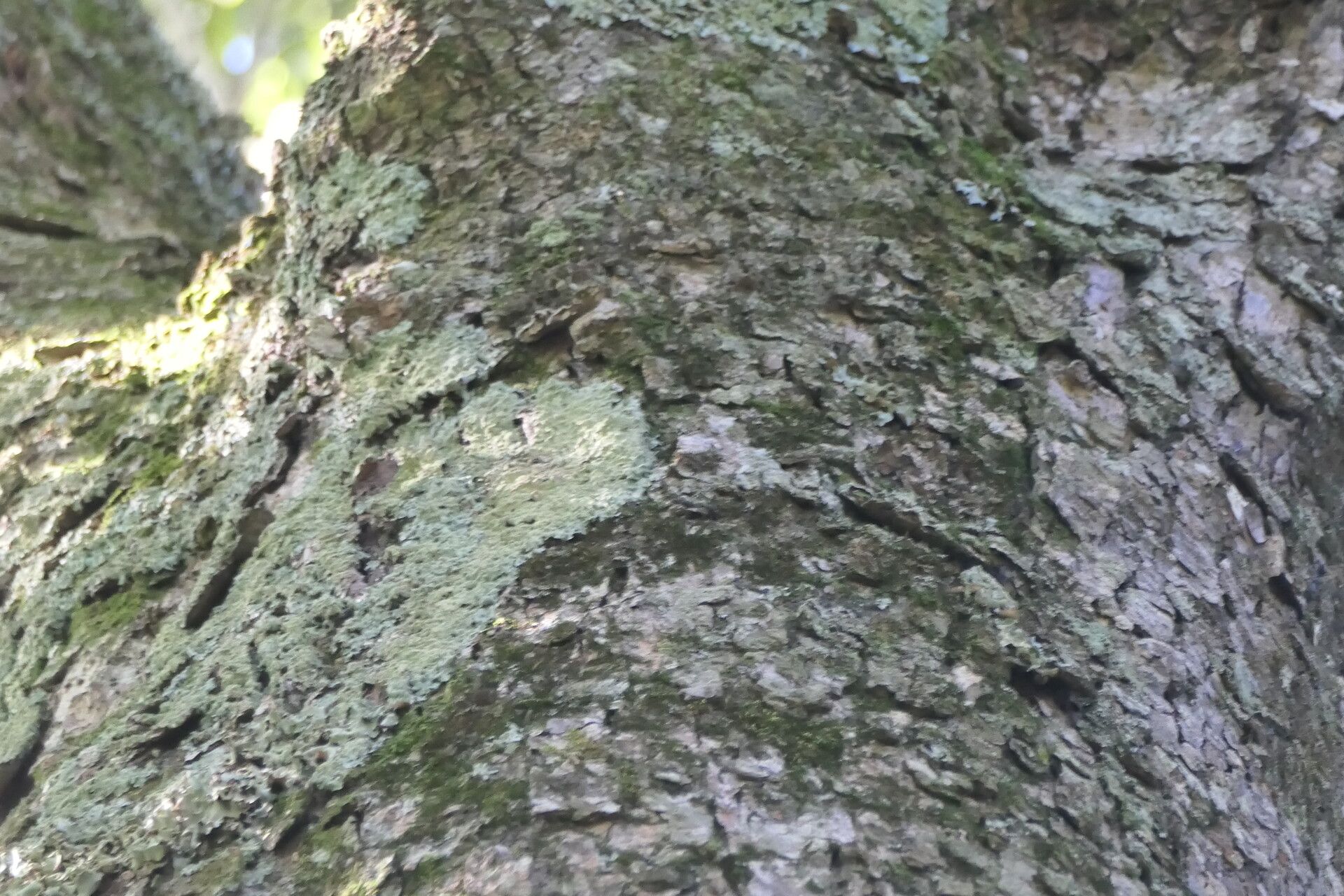
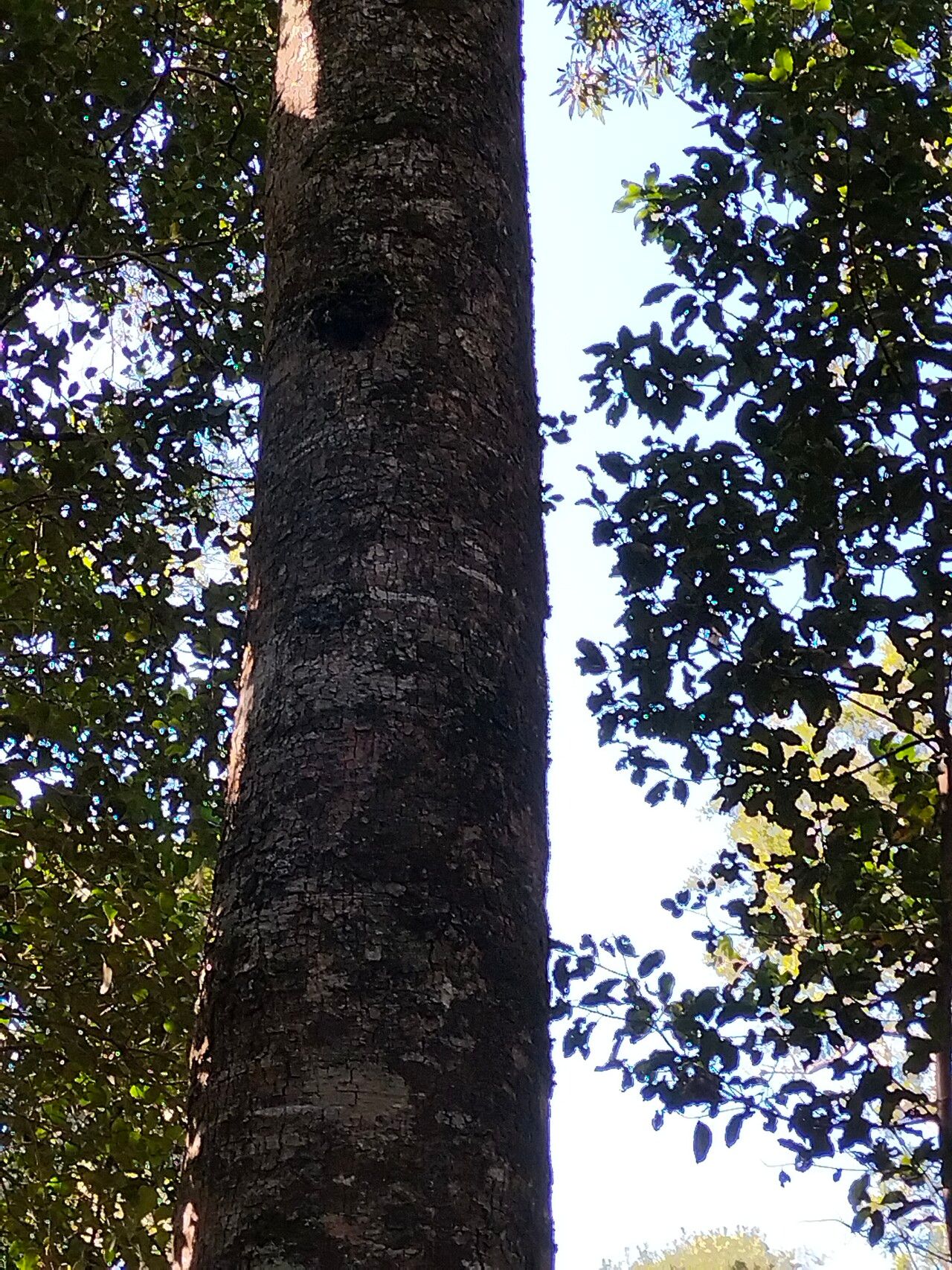
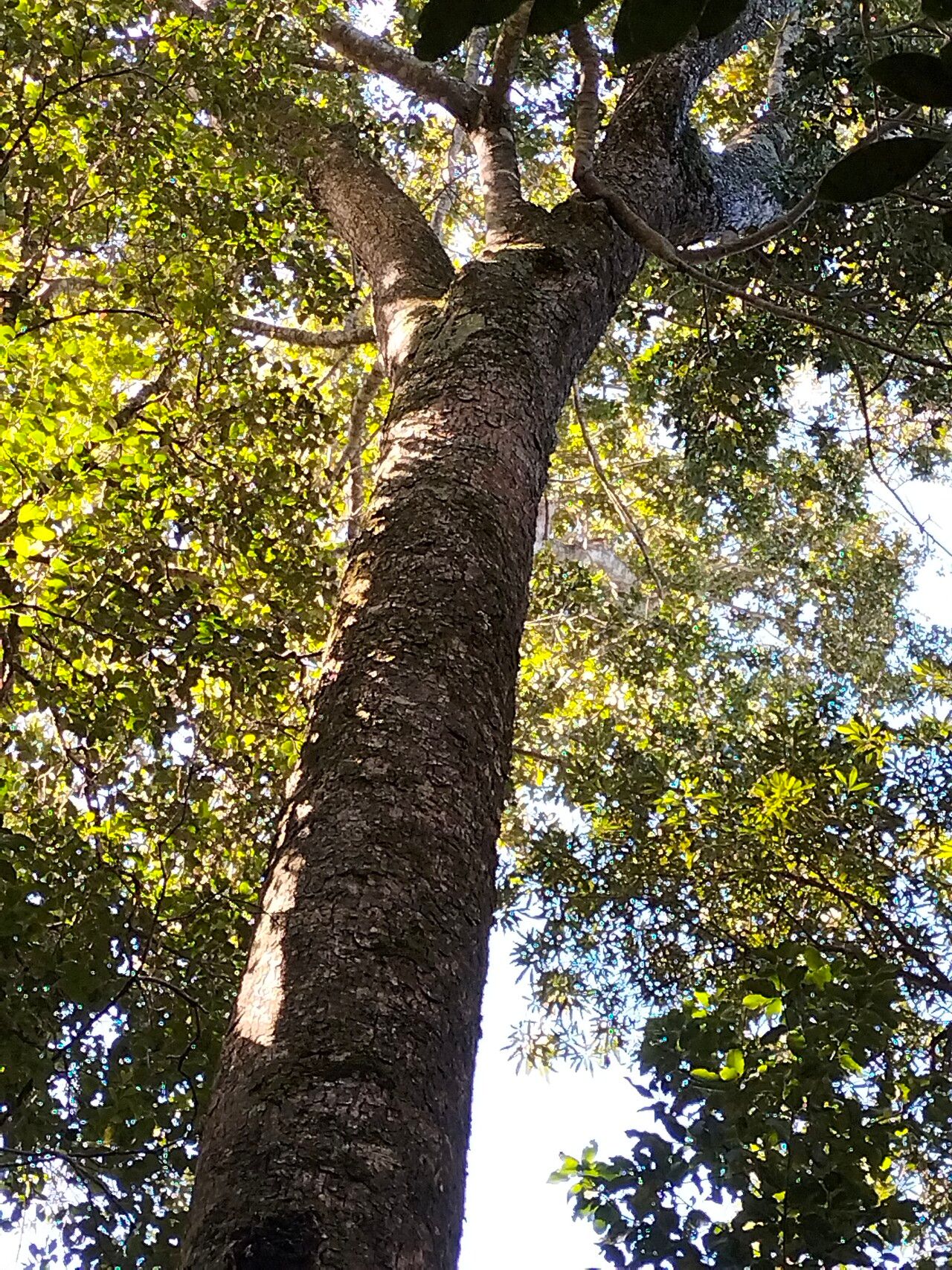
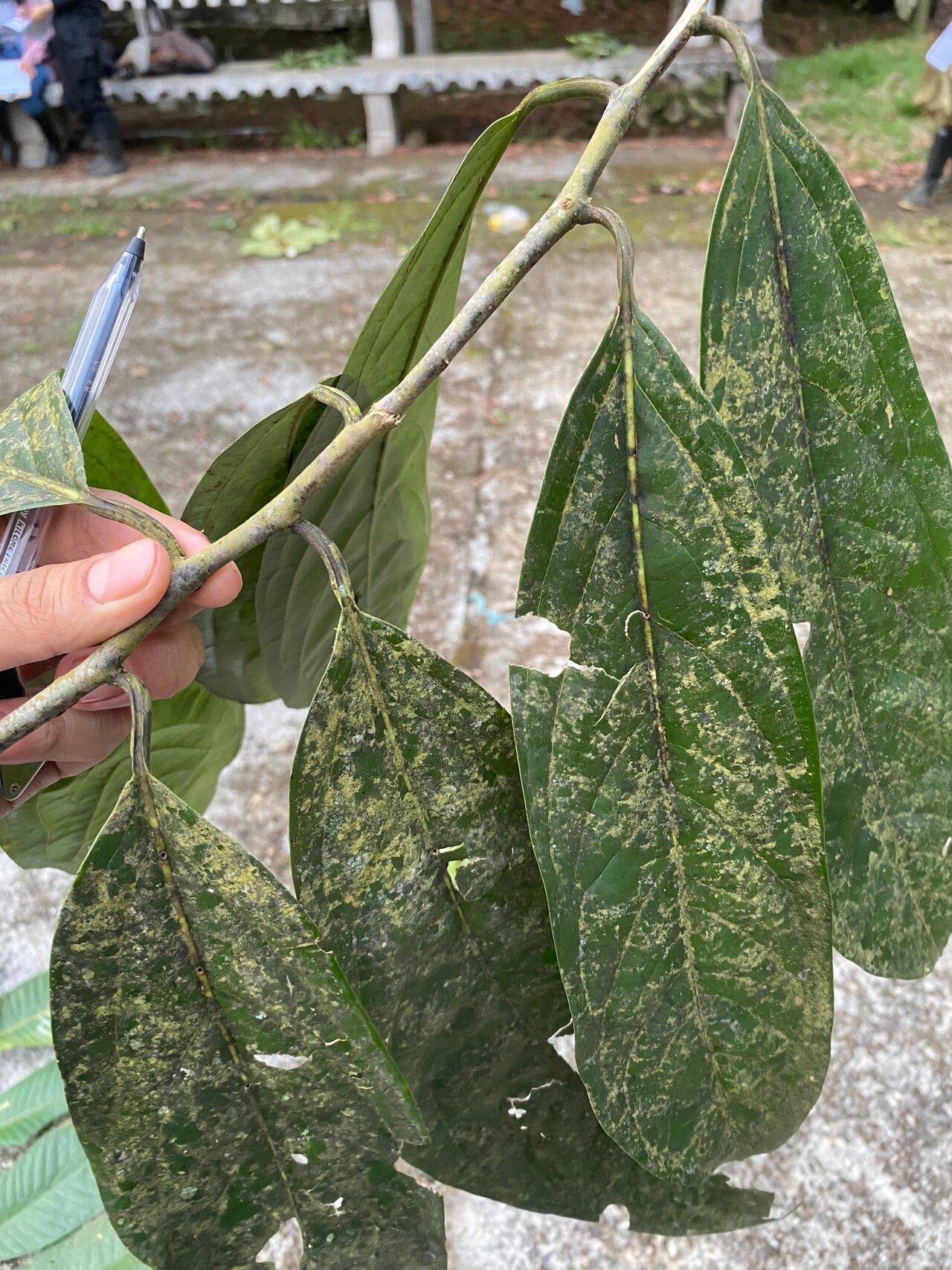
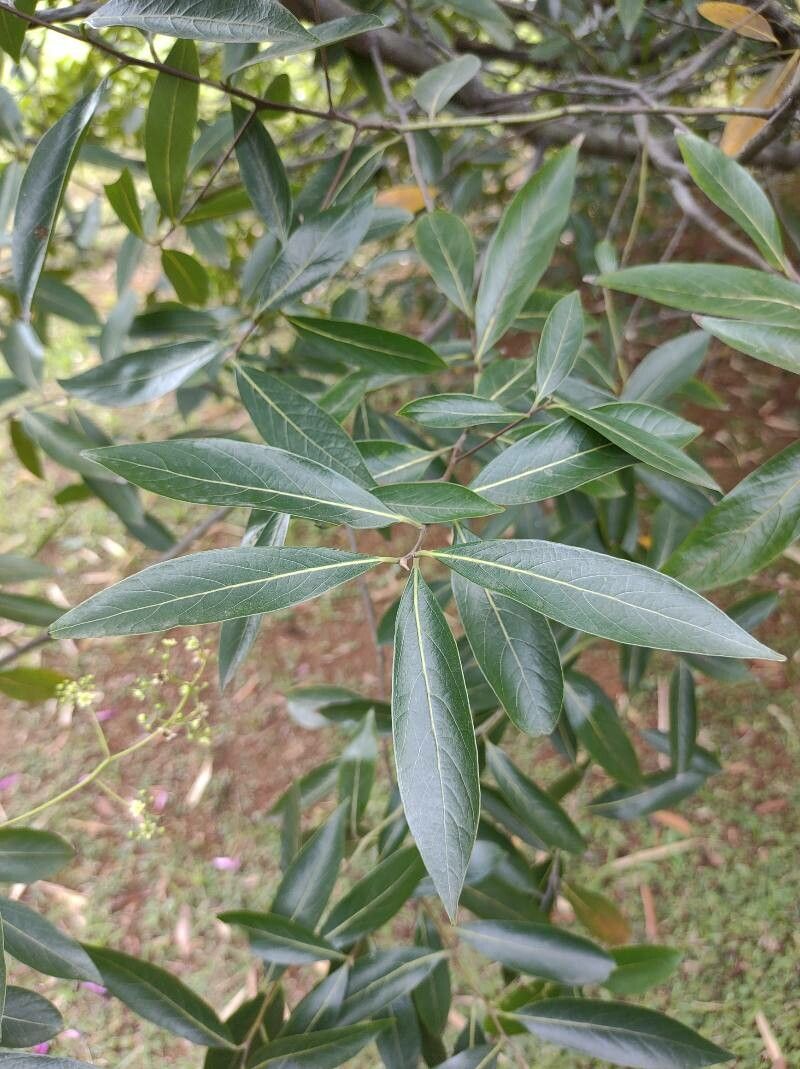
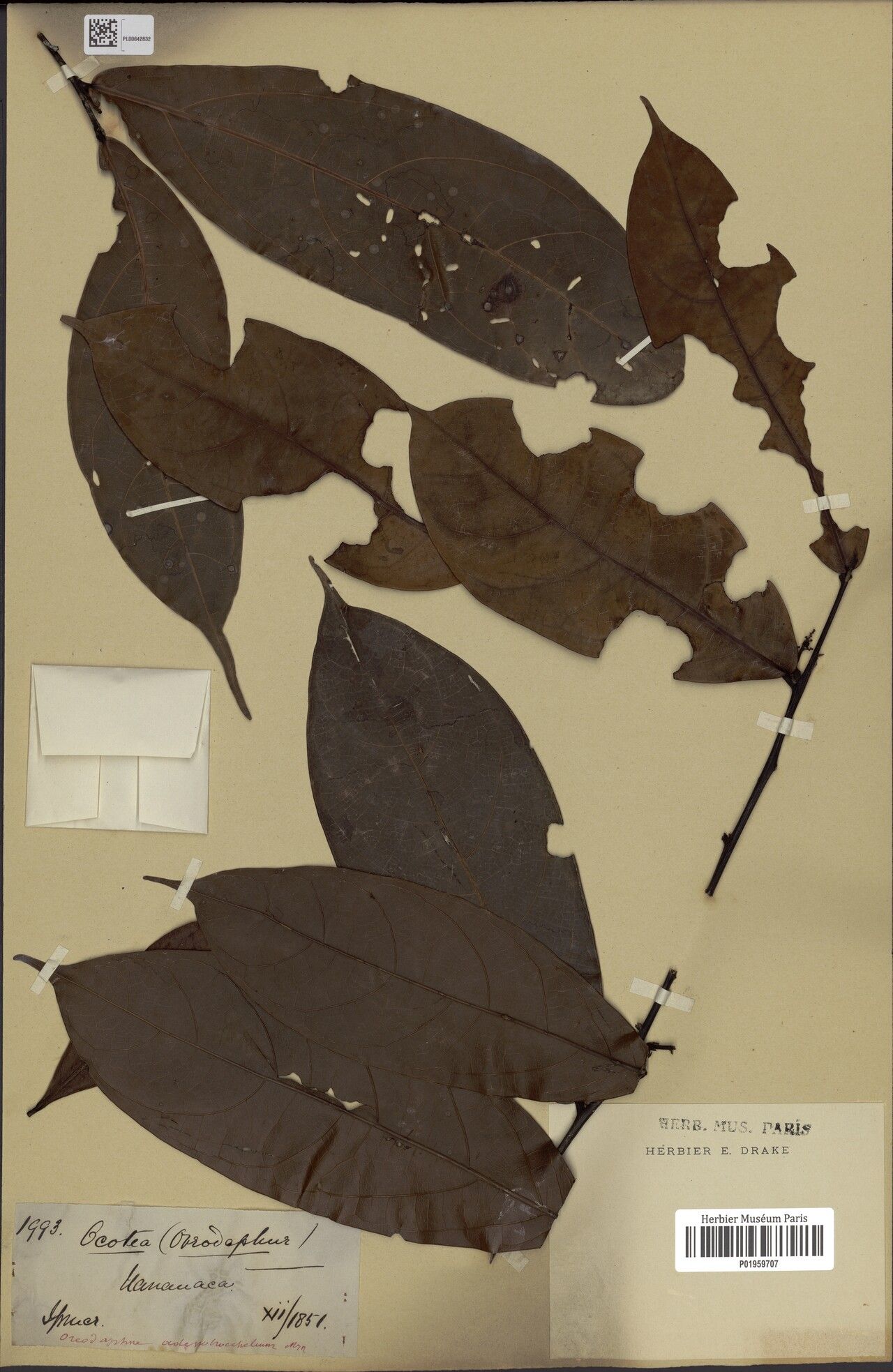
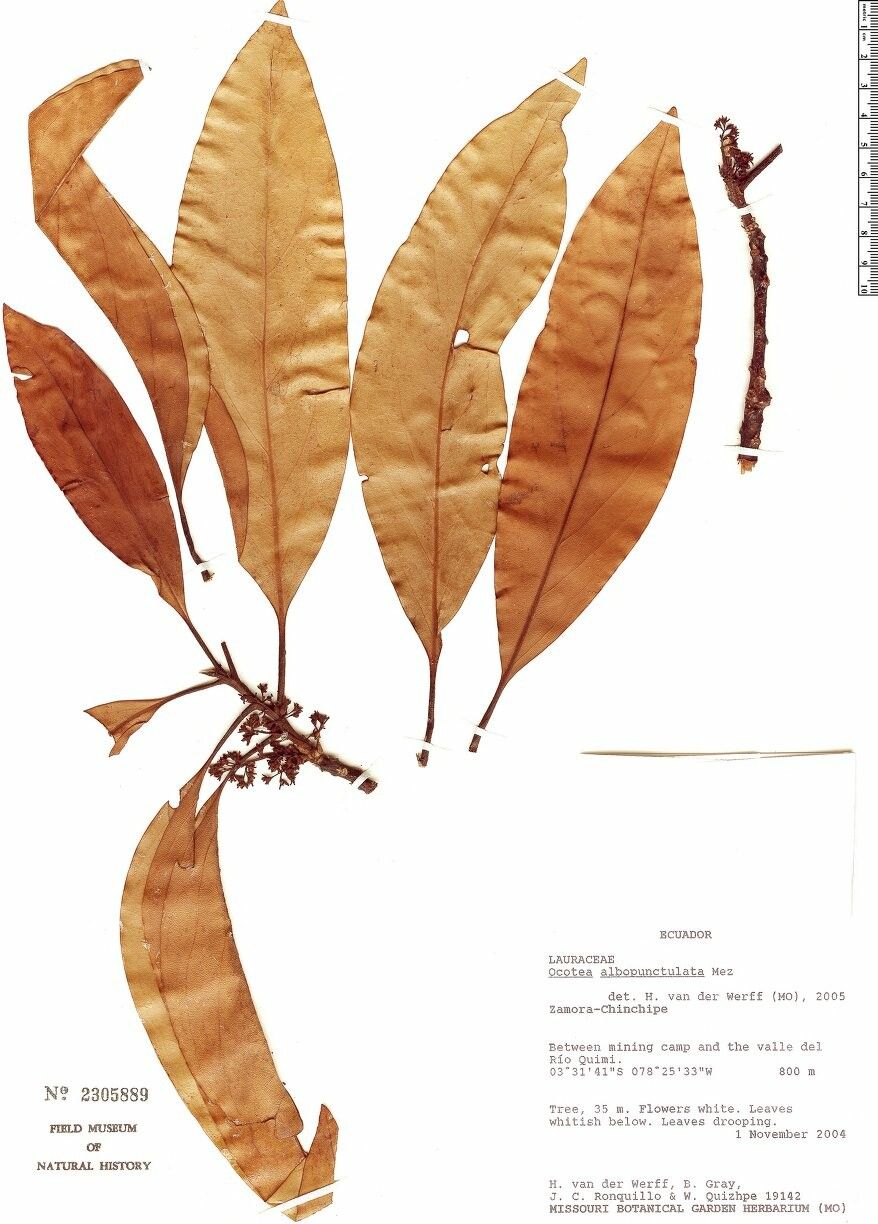
Ocotea bullata, is a species of flowering tree native to South Africa. It produces very fine and valuable timber which was formerly much sought after to make furniture. Due to over-exploitation it is now a protected species. Other names for it are Cape Walnut, Cape laurel, and laurel wood. The name "stinkwood" comes from a strong smell that is released when it is fresh felled.
Black stinkwood is well resistant to disease and usually not susceptible to infections. Regarding care, this plant is fairly low-maintenance. Planted outdoors it needs little watering, and larger specimens typically do not require pruning; however, smaller plants should be pruned after they finish flowering. Black stinkwoodt is appropriate for anyone with an outdoor area, such as a garden or deck, and does not demand much gardening experience.
How to keep Ocotea Bullata.
Light
Black stinkwood naturally occurs in habitats like forest understories or rocky areas where it grows in natural shade. It prefers partial sun but can also adapt to full sun or full shade, reflecting its versatile, hardy nature.
Temperature
Black stinkwood shows strong adaptability to a variety of climate conditions, whether in very hot summers or cold winters. However, it does have an optimal temperature range for growth. If temperatures rise too high, the plant is susceptible to heat and humidity stress, which can lead to its death. In areas where temperatures approach the lower limit of its cold tolerance, it is important to use insulation measures to protect the plant.
Fertilizer
Fertilize your Black stinkwood in early spring to support healthy growth. Regular fertilization boosts overall health, producing vigorous growth, improved tolerance of harsh conditions, and increased resistance to diseases and pests. Keep a consistent fertilization schedule for your Black stinkwood to preserve vibrant, deeply colored foliage and a lush appearance.
Pruning
Black stinkwood trees have glossy leaves and aromatic wood. To maintain their health, it's important to prune them in early spring. Pruning techniques include removing dead branches, thinning out areas to improve airflow, and shaping the tree for better aesthetics. These practices not only support the tree's growth but also enhance its structural integrity. By regularly pruning black stinkwood, you help ensure the tree remains healthy and strong.
Botanical profile.
- Plant Type
- Tree
- Life Cycle
- Perennial
- Genus
- Ocotea
- Family
- Lauraceae
- Hardiness Zone
- 9-11
- Mature Height
- 20.12 m to 29.87 m
- Mature Spread
- 10.06 m to 14.94 m
- Leaf Color
- Dark Green
- Leaf Type
- Evergreen
- Flower Size
- 0.51 cm to 0.76 cm
- Bloom Time
- Mid fall, Late fall, Early winter
- Planting Time
- Summer
- Harvest Time
- Late winter, Early spring, Mid spring
Other names.