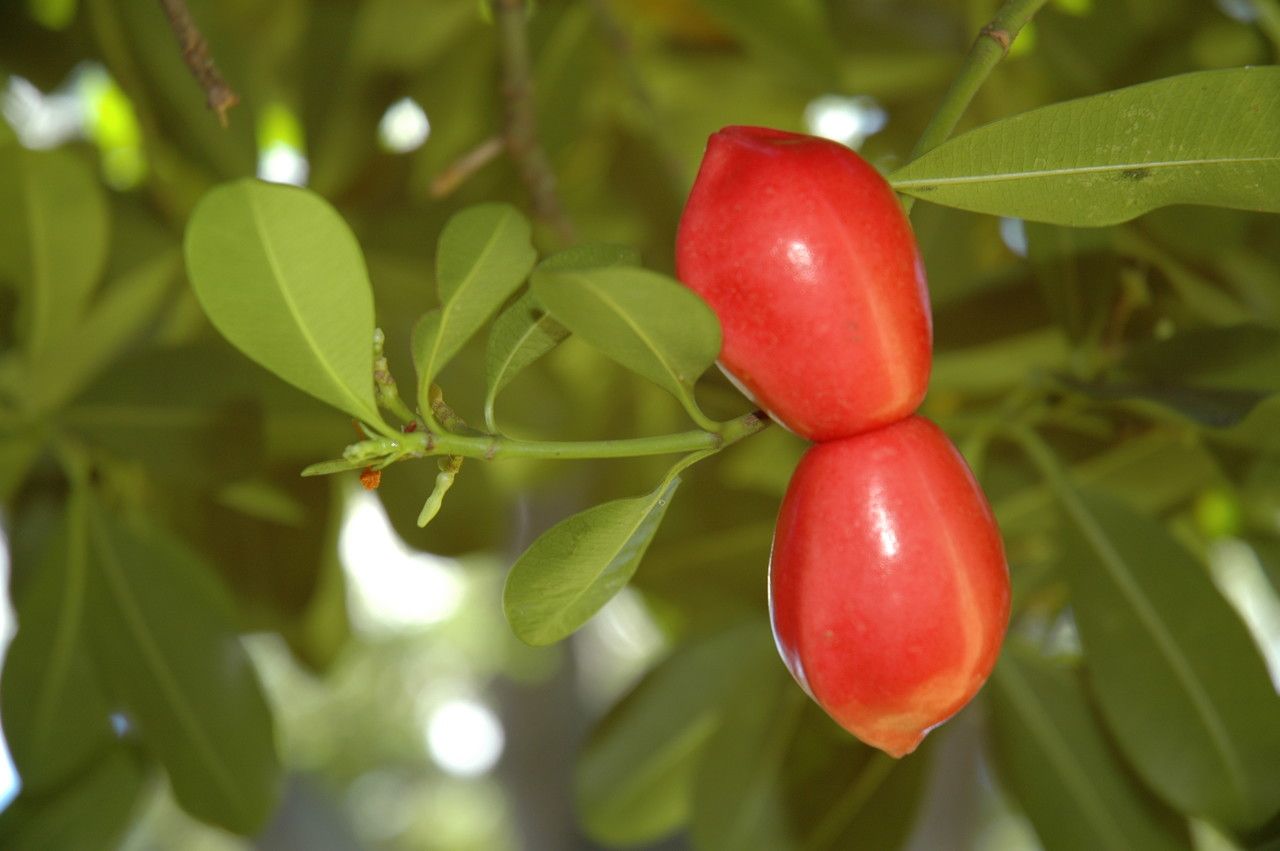
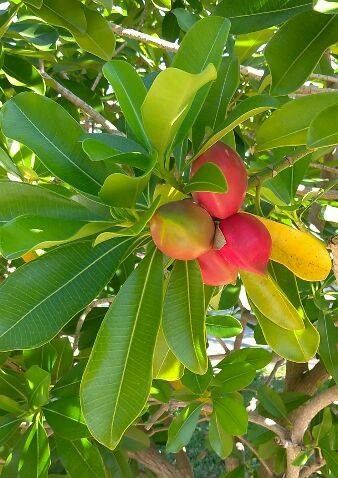
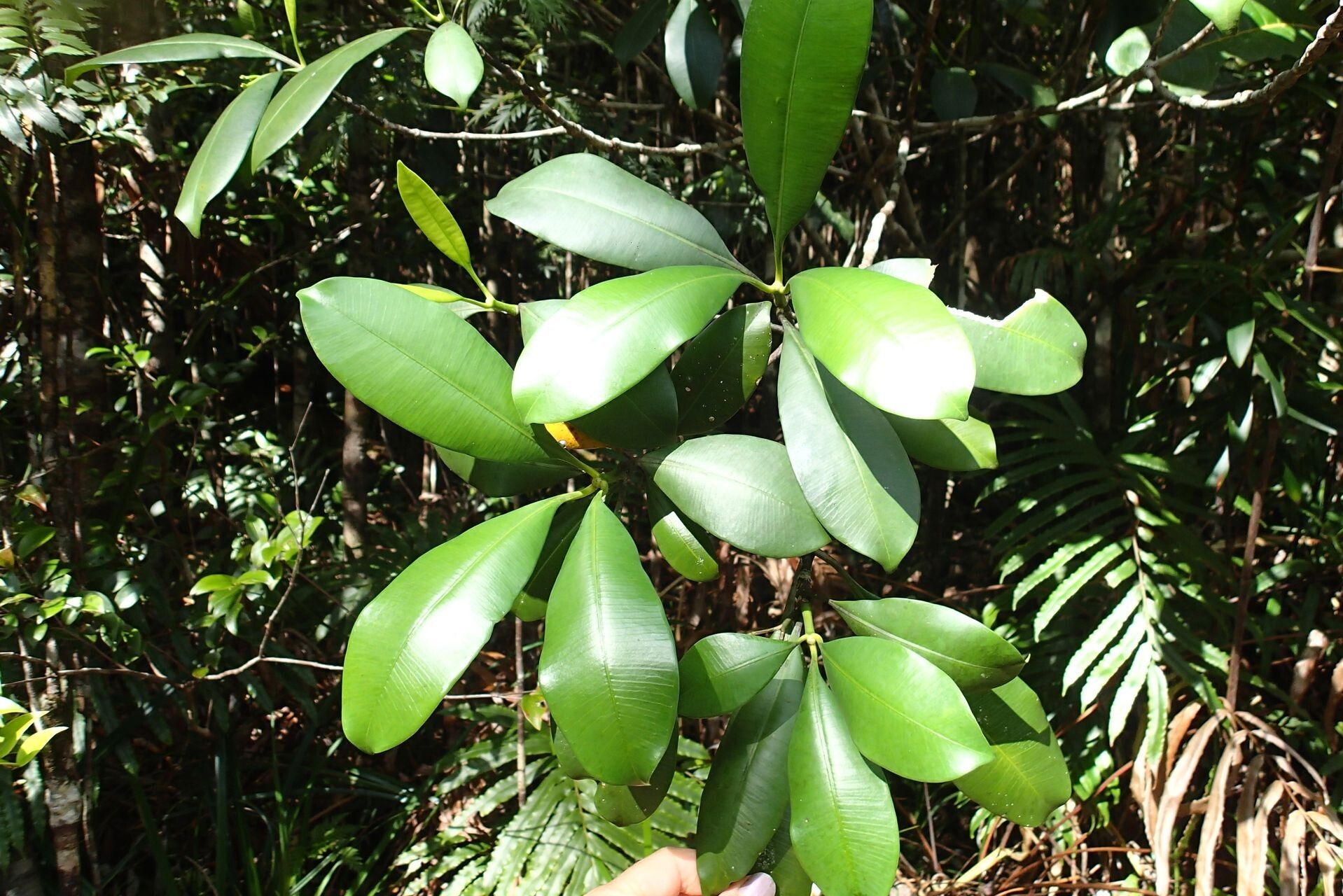
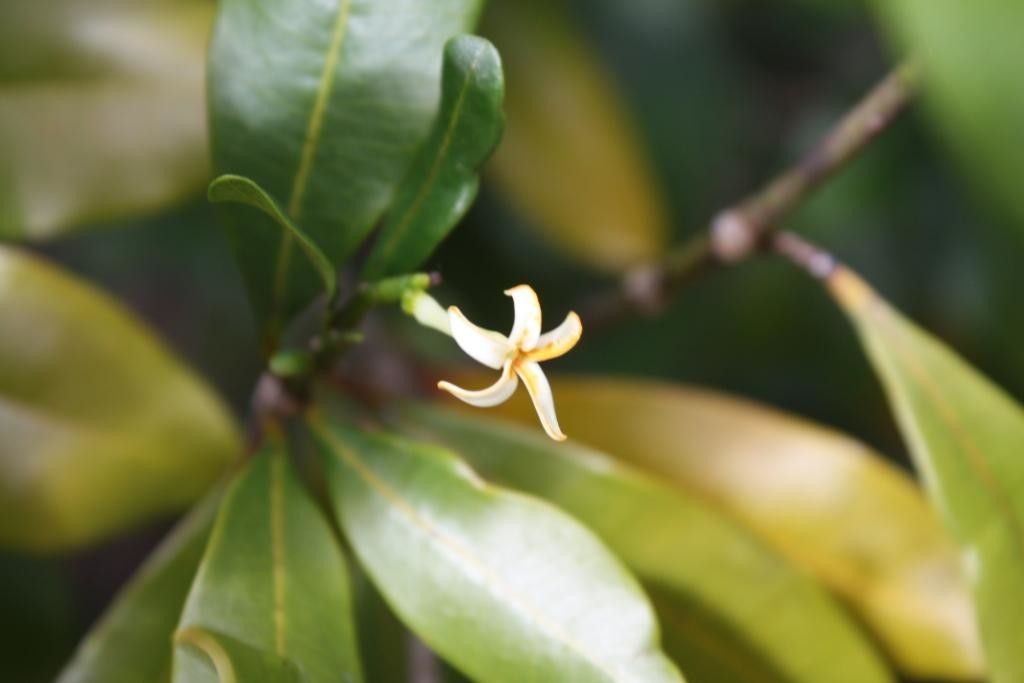
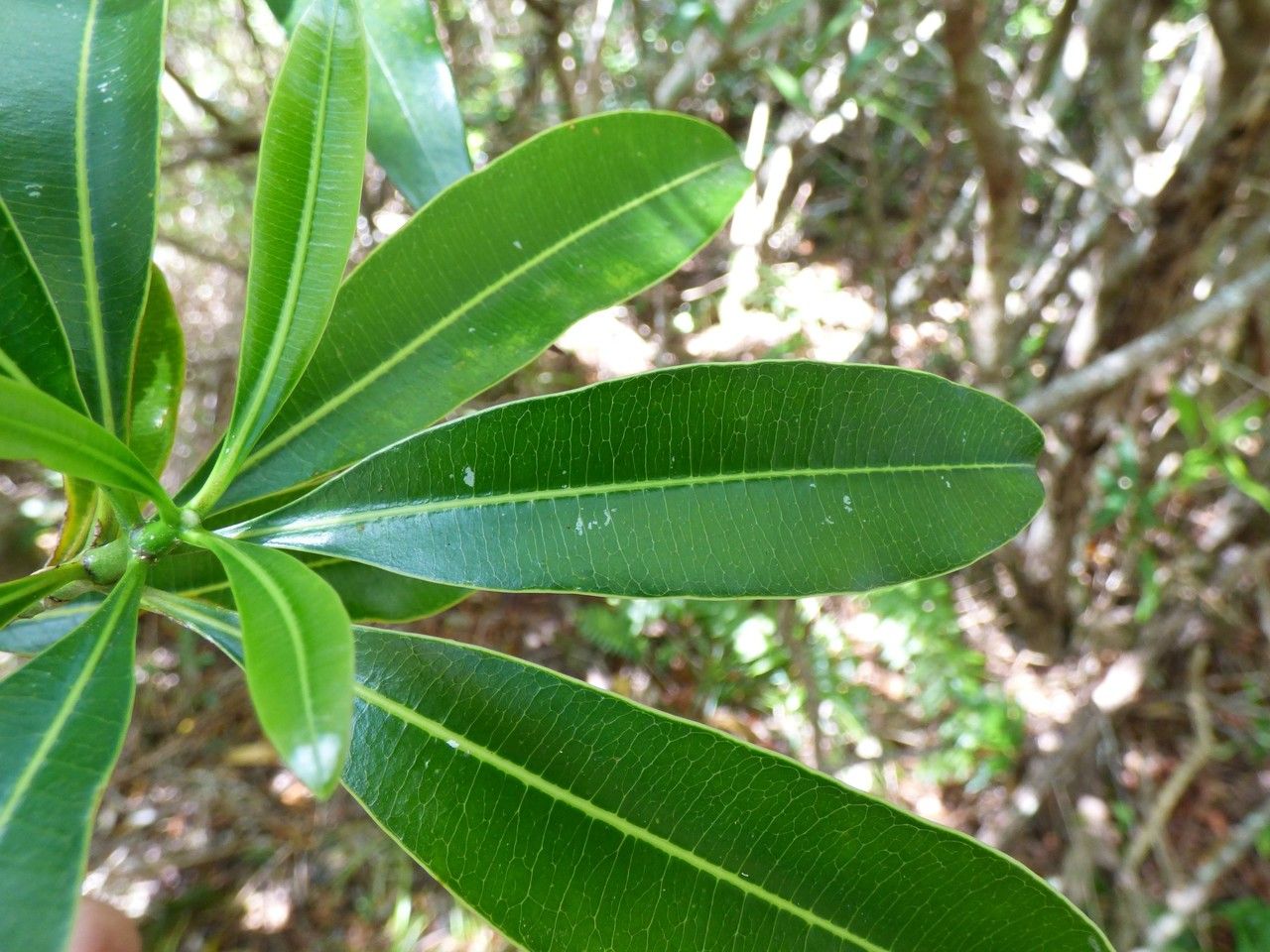
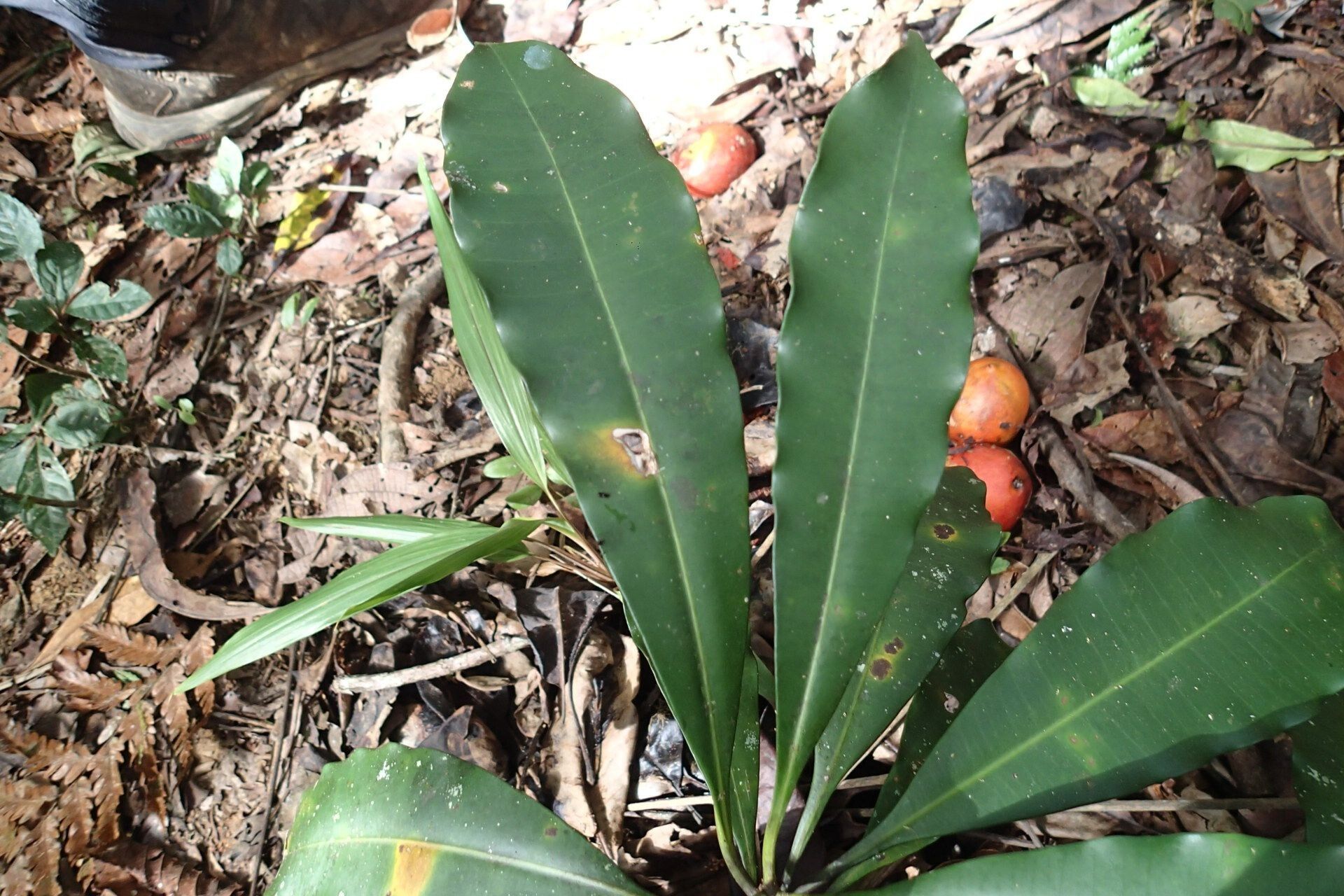
Ochrosia elliptica is a tropical evergreen tree that belongs to the Apocynaceae family. It is commonly found in Southeast Asia, including Malaysia, Indonesia, and the Philippines. The tree can grow up to 20 meters tall and has a straight trunk with smooth bark.
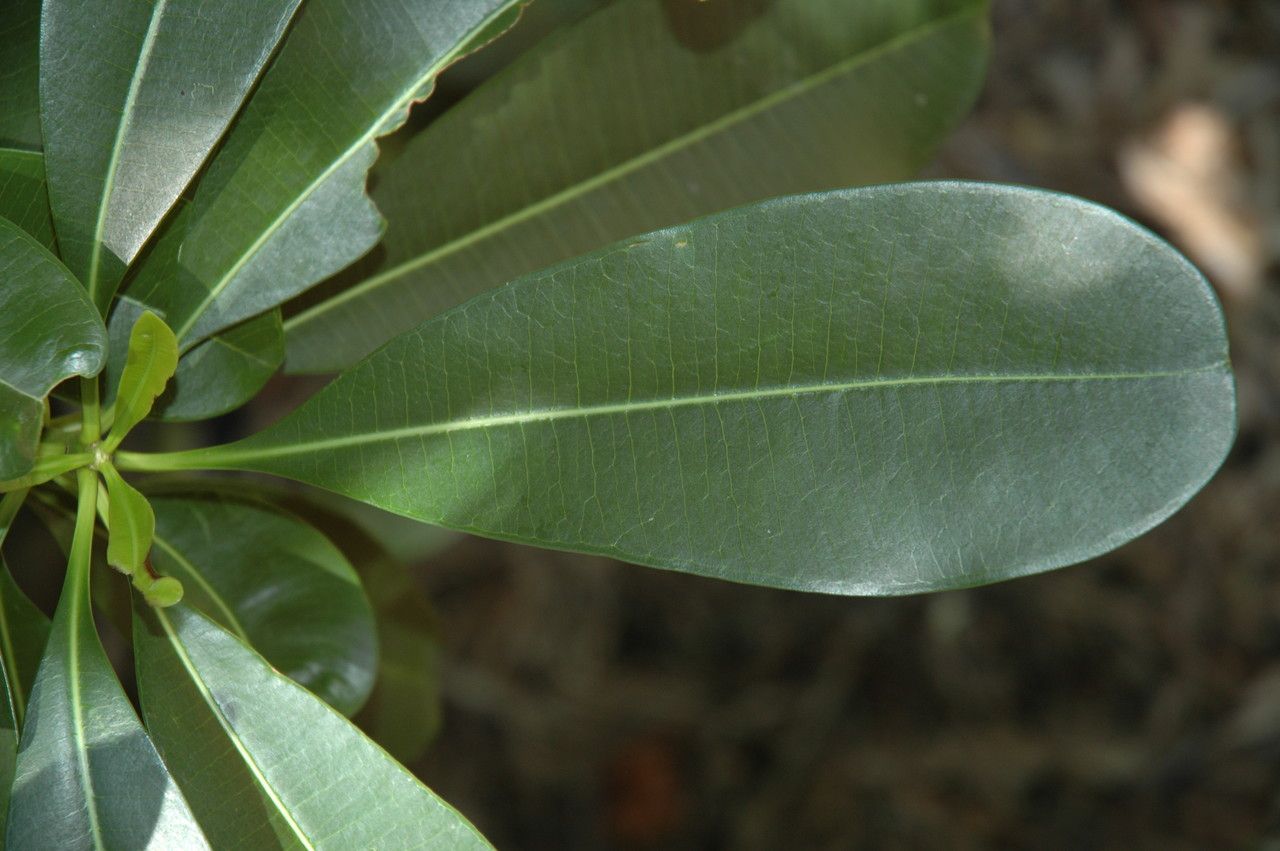
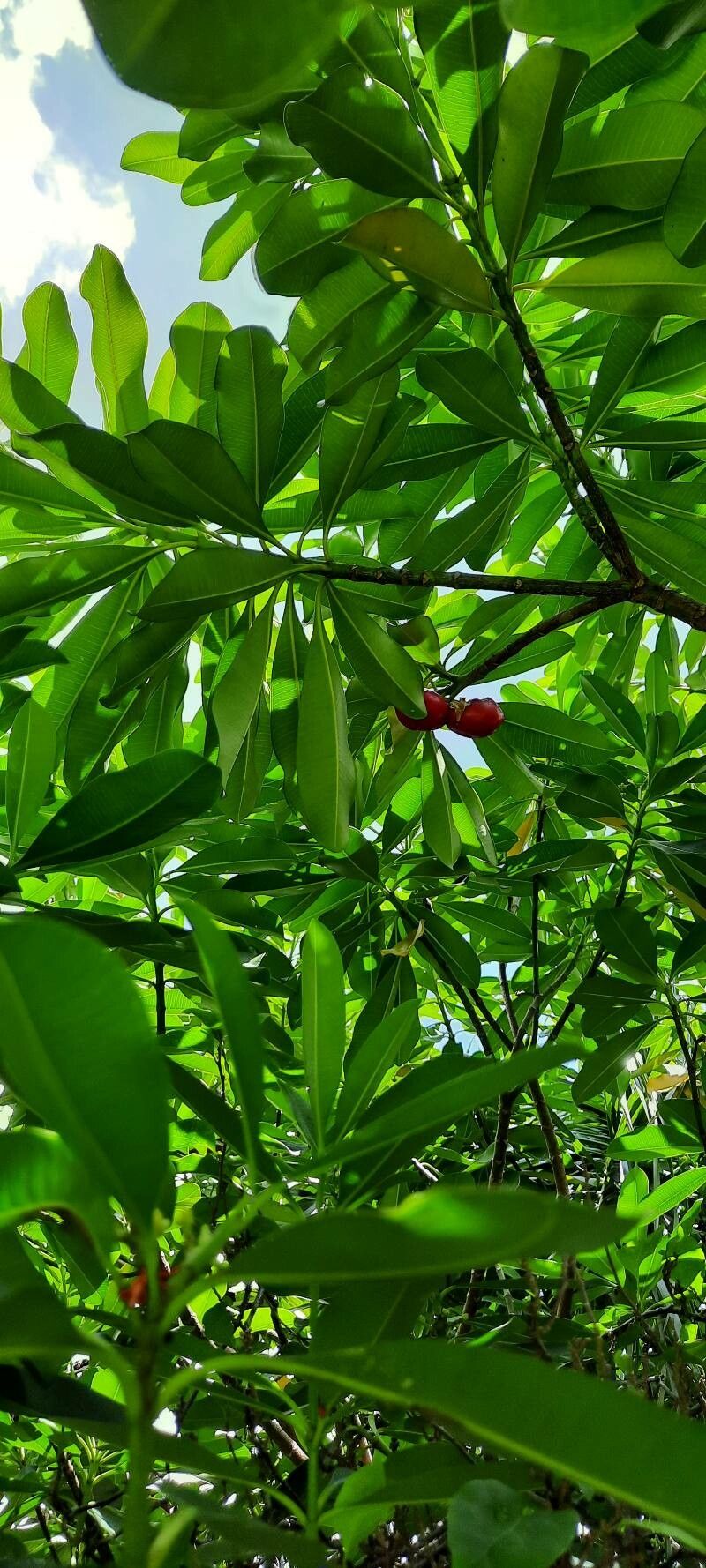
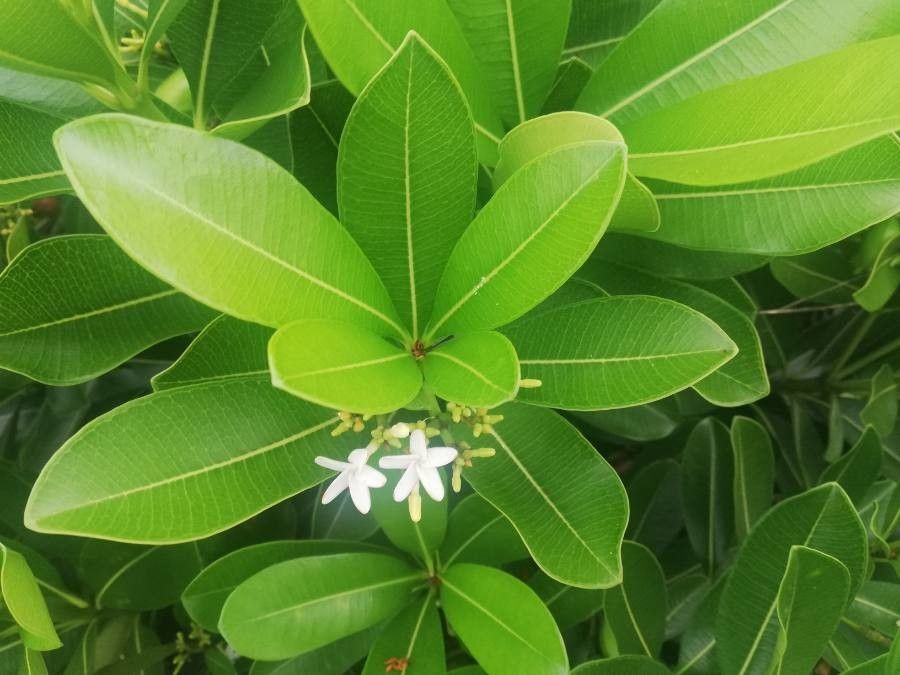
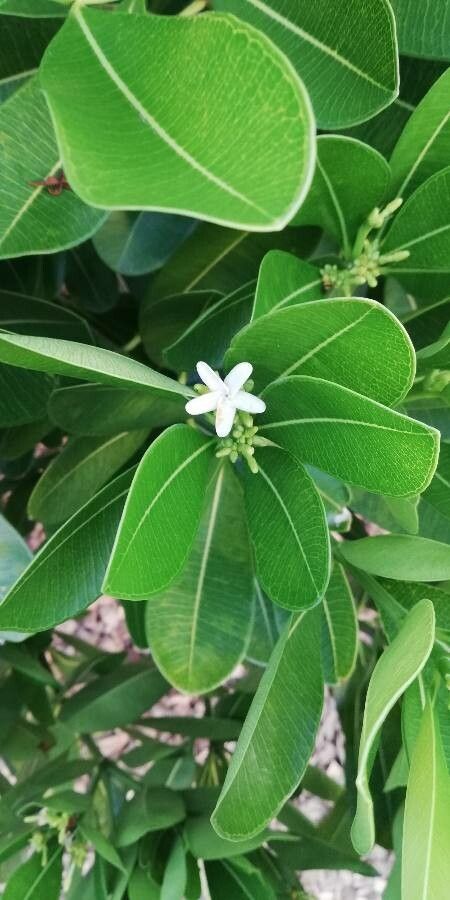
The leaves of Ochrosia elliptica are glossy green, oval-shaped, and have pointed tips. The flowers are small and white or cream-colored, growing in clusters at the ends of the branches. The fruit is a greenish-yellow berry that contains numerous seeds.
Traditionally, indigenous communities in Southeast Asia have used Ochrosia elliptica for medicinal purposes to treat various ailments such as fever, coughs, asthma, diarrhea, and snake bites.
However, it should be noted that Ochrosia elliptica contains toxic compounds, such as alkaloids, which can be harmful if ingested or used improperly without medical supervision.
Overall, Ochrosia elliptica is an interesting plant species with potential medicinal properties, but it should be handled with caution due to its toxicity.
Elliptic yellowwood has strong resistance to disease and is usually not susceptible to illness. In terms of care, this plant is fairly low-maintenance. When planted outdoors it needs only minimal watering, and larger plants typically do not require pruning. Smaller plants, however, should be pruned after they have bloomed. Elliptic yellowwood is suitable for anyone with an outdoor area, such as a garden or deck, and does not demand extensive plant-care experience.
How to keep Ochrosia Elliptica.
Light
The elliptic yellowwood thrives beneath a sky richly lit by the sun's rays, since this encourages the plant's healthy growth and development. At every stage of growth, steady exposure to unobstructed sunlight is regarded as optimal. Nevertheless, too much light can cause problems for the elliptic yellowwood, such as leaf scorch. In its native open landscapes, abundant sunlight is common.
Water
The elliptic yellowwood thrives best in conditions that resemble its natural coastal and forest habitats, exhibiting a moderate tolerance to drought. It is recommended to water the plant every 2 to 3 weeks, allowing the soil to partially dry out between waterings. As an evergreen, the elliptic yellowwood maintains its leaf hydration all year round, making it an excellent choice for indoor environments with consistent humidity.
Temperature
Elliptic yellowwood grows naturally in areas where temperatures generally range from 68 to 100 °F (20 to 38 ℃). This plant favors a warm climate and should be maintained within that temperature range for optimal growth. In colder seasons, suitable protective measures should be taken.
Fertilizer
The best time to fertilize an Elliptic yellowwood is in early spring as it comes out of dormancy. This supports overall growth and the development of flowers. Fertilization improves foliage, stems, and branches, while encouraging flowers that are large, vibrant, and long-lasting. It helps move nutrients from the roots to the flowers and enhances the plant’s health and resistance to disease.
Pruning
The elliptic yellowwood is an evergreen plant known for its vibrant yellow fruits and glossy leaves. To maintain its health and appearance, prune the plant from early to late winter. Be sure to remove any dead branches to improve airflow. Shaping the plant encourages bushier growth, which enhances both its foliage and flowering. Always use clean tools during pruning to prevent infection and support the plant's health and aesthetics.
Botanical profile.
- Plant Type
- Tree, Shrub
- Life Cycle
- Perennial
- Genus
- Ochrosia
- Family
- Apocynaceae
- Hardiness Zone
- 10-11
- Mature Height
- 6.1 m to 7.62 m
- Mature Spread
- 4.57 m to 7.62 m
- Leaf Color
- Red
- Leaf Type
- Evergreen
- Flower Color
- White
- Flower Size
- 1.27 cm to 1.52 cm
- Bloom Time
- Late spring, Summer, Early fall, Mid fall
- Planting Time
- Spring, Summer, Autumn
- Harvest Time
- Late summer, Fall, Early winter, Mid winter
Other names.
Reader questions.
How should I water my Elliptic yellowwood tree to keep it healthy?
Your Elliptic yellowwood is not very choosy when it comes to watering methods. You can use any common tool like a watering can, hose, or even a cup to water this plant. The important thing is to water the soil directly and make sure all areas are moistened evenly to nourish the entire root system. To protect the plant, it's helpful to use filtered water instead of tap water, as tap water may contain harmful particles. Additionally, it's best to use water at or slightly above room temperature, as extremely cold or hot water can shock the Elliptic yellowwood. However, overall, the plant will usually respond well to any kind of water you provide.
What are the sunlight requirements for Elliptic Yellowwood?
Elliptic Yellowwood requires full sun, meaning it needs above 6 hours of sunlight daily to thrive. It's important to watch how sunlight moves through your garden, choosing spots that provide a balance of light and shade, ensuring the plant's happiness. This careful placement in the garden, supplemented by artificial lighting when natural sunlight is insufficient, especially during winter or in less sunny spaces, helps in the plant's growth and development. Artificial lighting, such as LED lights, can be used to provide the necessary wavelengths of light, mimicking natural sunlight's duration and intensity for optimal growth.
What is the optimal temperature range for Elliptic yellowwood?
Elliptic yellowwood thrives in warm climates, with optimal temperatures ranging between 68 to 100 °F (20 to 38 °C). This plant is native to environments that typically fall within this temperature range, ensuring its growth is optimal. During colder seasons, it is crucial to take measures to protect the plant from cold, such as bringing outdoor plants indoors and placing them near a bright window while keeping them away from heaters to maintain temperatures above 20°C. Temperatures nearing 5°C or lower are harmful to the plant.
What should I do if I give too much or too little water to my Elliptic yellowwood?
Outdoor plants, especially newly planted ones or seedlings, are often at risk of not receiving enough water. It is important to consistently water them for a few months until they establish their roots. Once the roots are established, the Elliptic yellowwood tree can rely on rain most of the time. When Elliptic yellowwood is planted in pots, overwatering is more likely to occur. If you accidentally overwater your plant, it is important to address the issue promptly. Stop watering the plant immediately to minimize the effect of overwatering. Then, remove the plant from its pot and inspect the roots. If no root rot is found, you can return the plant to its container. However, if root rot is present, trim the affected roots and consider using a fungicide to prevent further damage. Finally, replant the Elliptic yellowwood in well-draining soil. Conversely, if the Elliptic yellowwood is not receiving enough water, simply water it more frequently. Underwatering can be easily resolved, as the leaves will droop, dry out, and fall off. With sufficient watering, the leaves will regain their fullness. Correct the watering frequency promptly if underwatering occurs.
How does insufficient sunlight affect Elliptic Yellowwood?
When Elliptic Yellowwood is placed in rooms with insufficient lighting, especially during winter, it displays noticeable symptoms. These include smaller new leaves, leggy or sparse growth, faster leaf drop, slower or no new growth, lighter-colored new leaves, chlorosis, sunscald, leaf curling, wilting, and leaf scorching. These symptoms indicate the plant's struggle with low light conditions, affecting its health, growth, and ability to photosynthesize properly.
What should I do if my Elliptic yellowwood is exposed to low temperatures?
If your Elliptic yellowwood is exposed to low temperatures, showing symptoms like leaves lightening in color after the temperature falls below 1°C and eventually turning brown or black with wilting and drooping post-frost, you should take immediate action. Trim off the frost-damaged parts of the plant and move it to a warm indoor environment for protection against the cold. Placing the plant near a south-facing window is ideal to ensure it receives ample sunlight, but avoid placing it near heaters or air conditioning vents to prevent the air around it from becoming excessively dry.
How often do I need to water my Elliptic yellowwood?
Most outdoor plants can grow naturally with rainfall. If your area doesn't get much rain, you should water your plants every 2 weeks in spring and fall. In the summer, you'll need to water them more often. In the winter, when plants grow slower and need less water, you should water them less frequently, or not at all. If your Elliptic yellowwood is young or newly planted, water it more often to help it grow and become more adaptable to drought. For potted plants, there are two main ways to determine how often to water your Elliptic yellowwood. The first way is to have a set watering schedule, like once a week or once every two weeks. However, this may not always work because it doesn't consider the specific growing conditions for your Elliptic yellowwood. Watering frequency can also change depending on the season. In the summer, when the plant needs more water, a set schedule may not be enough. An alternative approach is to check the soil moisture before watering. Generally, you should wait until the top two to four inches of soil (about ⅓ to ½ depth of the pots) is completely dry before watering again.
What solutions are available for Elliptic Yellowwood struggling with insufficient sunlight?
For indoor Elliptic Yellowwood plants, gradually move them to sunnier locations each week until they receive at least 6 hours of direct sunlight daily, using south-facing windows for maximum exposure. Artificial lights can also be used, ensuring they're on for at least 8 hours daily. For outdoor plants, move them gradually to sunnier spots to avoid sunburn, adapting to increases in light intensity. Obstructions to sunlight, like overhanging branches, should be minimized. For plants in the ground that can be moved, transplanting them during their dormant period into a location with ample sunlight and good drainage is advised. Though parts of the plant affected by insufficient sunlight may not recover, new growth after adapting to better light conditions will be healthy.
How should I care for my Elliptic yellowwood during high temperatures?
During the summer when temperatures can soar, it's important to keep Elliptic yellowwood below 38°C to prevent heat stress. Exposure to temperatures above 43°C can lighten the color of the leaves and increase susceptibility to sunburn. To care for your plant under these conditions, trim away any sunburned or dried-up parts of the plant. Move the plant to a location where it can be protected from the intense midday and afternoon sun. Ensure you water the plant in the morning and evening to maintain soil moisture and keep the plant healthy.
How much water does my Elliptic yellowwood tree need?
To water your Elliptic yellowwood effectively, keep in mind that it doesn't always require a high volume of water. If only a few inches of soil have dried since the last watering, giving it about five to ten ounces of water should promote healthy growth. You can also gauge the water volume based on soil moisture. Remember to observe how many inches of soil have dried between waterings. To ensure your Elliptic yellowwood receives adequate moisture, it's recommended to water enough to dampen all the dry soil layers since the previous watering. If over half of the soil has dried out, it may be necessary to provide more water than usual. In such cases, continue watering until you see excess water draining from the pot's drainage holes. If your Elliptic yellowwood is planted in an area with sufficient outdoor rainfall, additional watering may not be necessary. When the tree is young or establishing itself, aim for 1-2 inches of rain per week. As it grows and becomes established, it can rely solely on rainwater, except during hot weather with no rainfall for 2-3 weeks. In such situations, it's wise to give your Elliptic yellowwood a thorough watering to prevent stress.
How can I know if I'm giving enough water to my Elliptic yellowwood?
The Elliptic yellowwood is commonly overwatered, and there are clear signs to watch for. If overwatered, the leaves will turn yellow and may fall off. Additionally, overwatering can cause the plant to shrink and may lead to root rot. On the other hand, an underwatered Elliptic yellowwood will start to wilt and its leaves may turn brown or become fragile. Regardless of whether you see signs of overwatering or underwatering, you need to take action to revive the health of your Elliptic yellowwood.
How do I give water to my Elliptic yellowwood as it grows?
When the Elliptic yellowwood is young, especially when it is a seedling, you should give it more water compared to when it is more mature. It is important to consistently keep the soil moist during the early stages of the plant's life to encourage root development. This applies to any Elliptic yellowwood that you have transplanted as well. Additionally, if you want the Elliptic yellowwood to produce showy flowers and fruits, proper care is needed. During its flowering or fruiting phase, you may need to provide a bit more water than usual to support these structures.