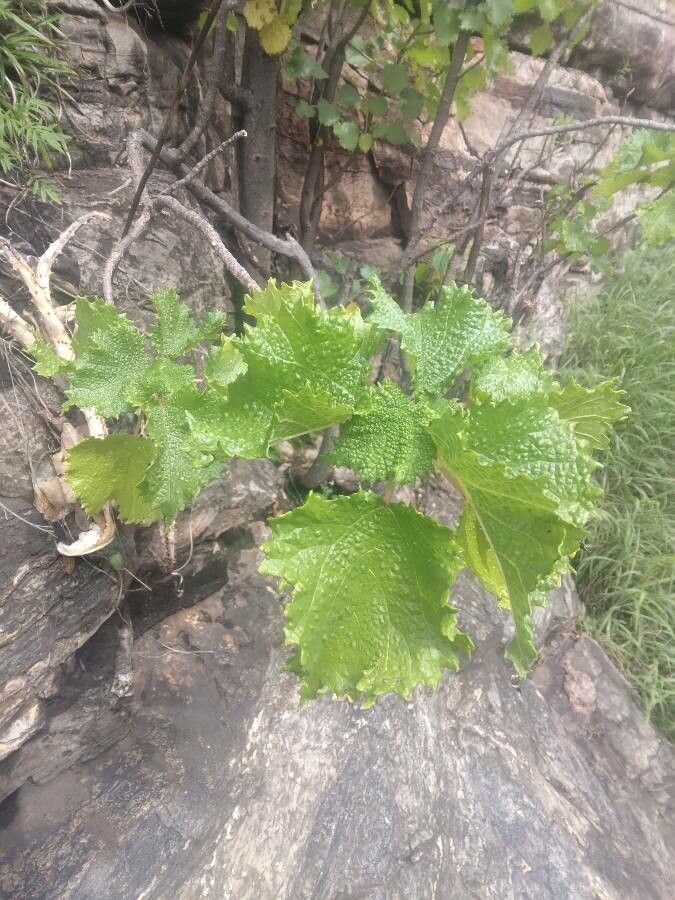
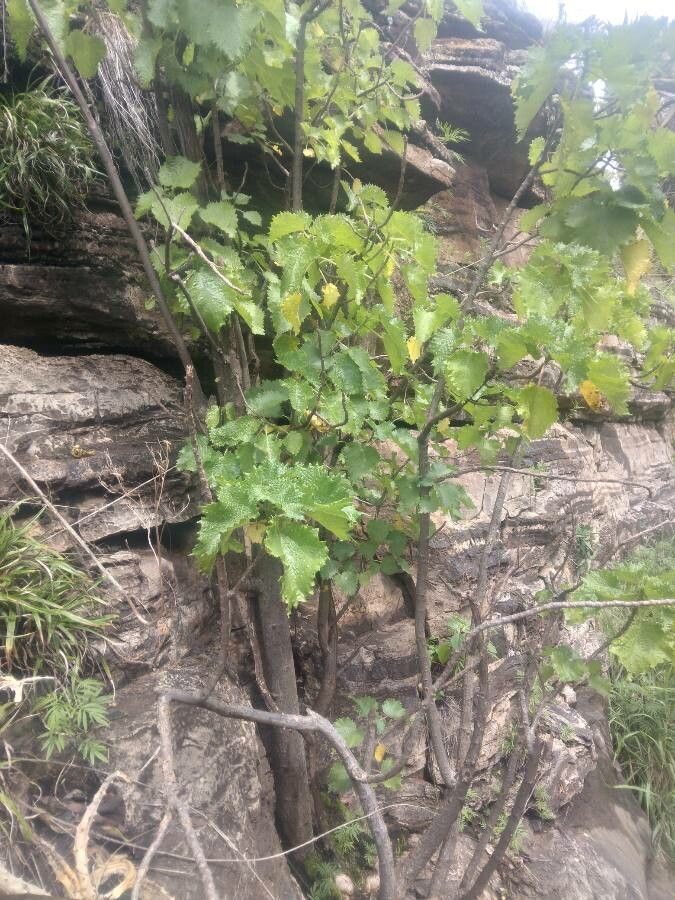
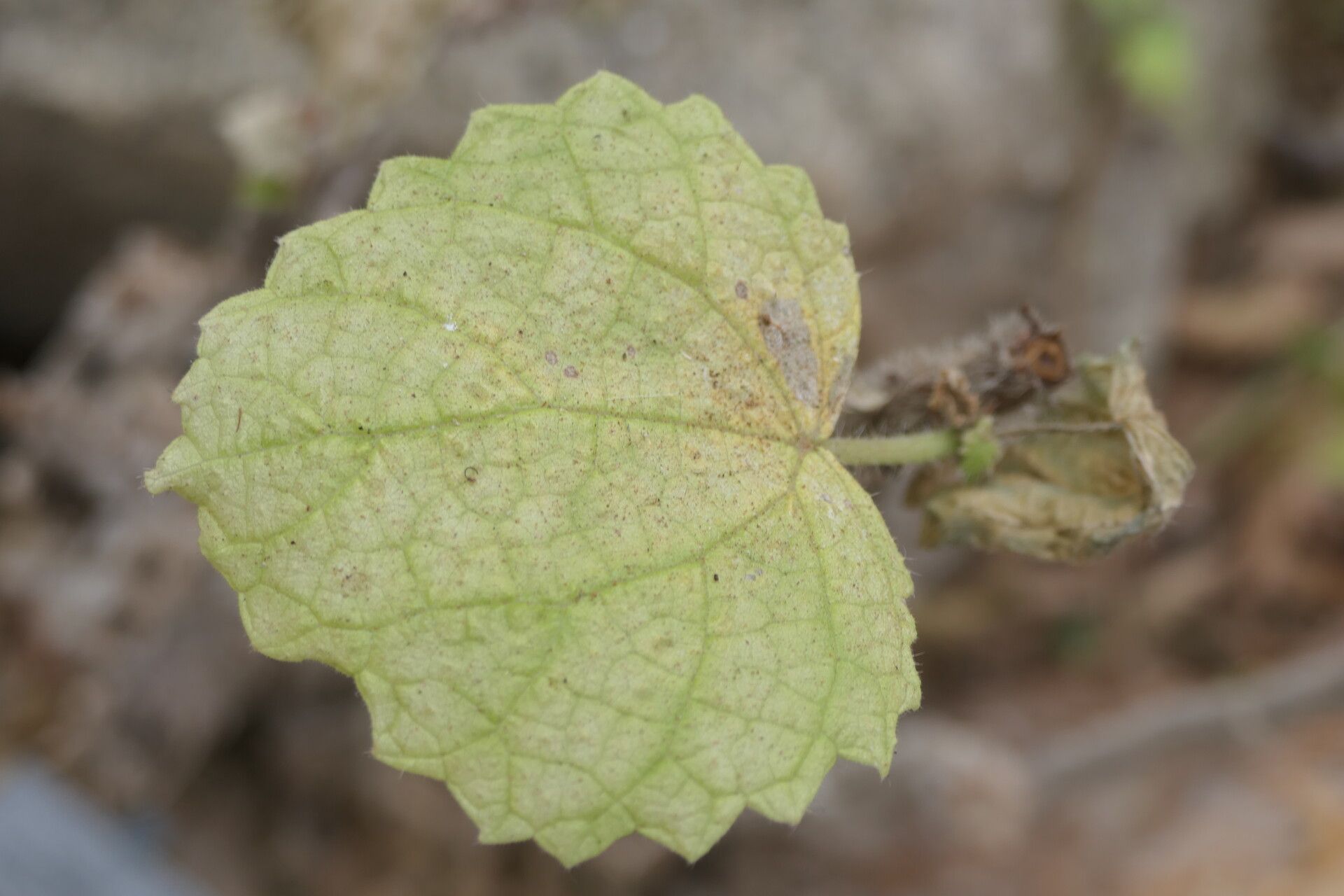
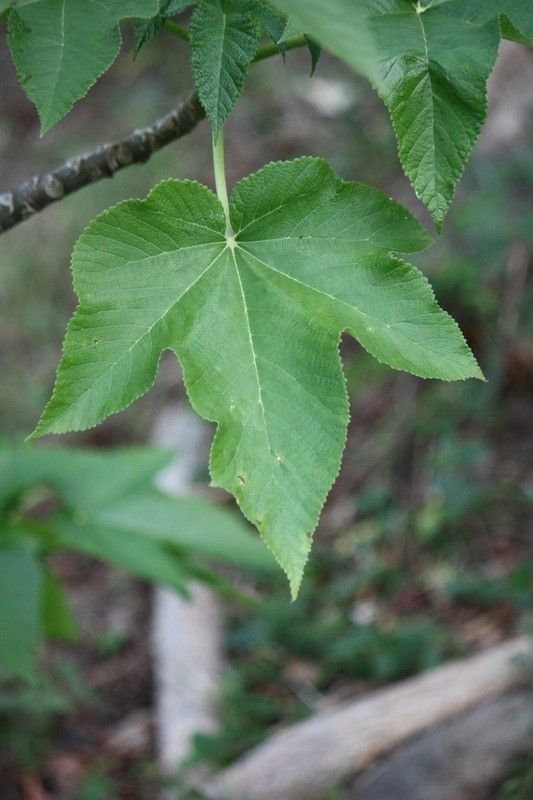
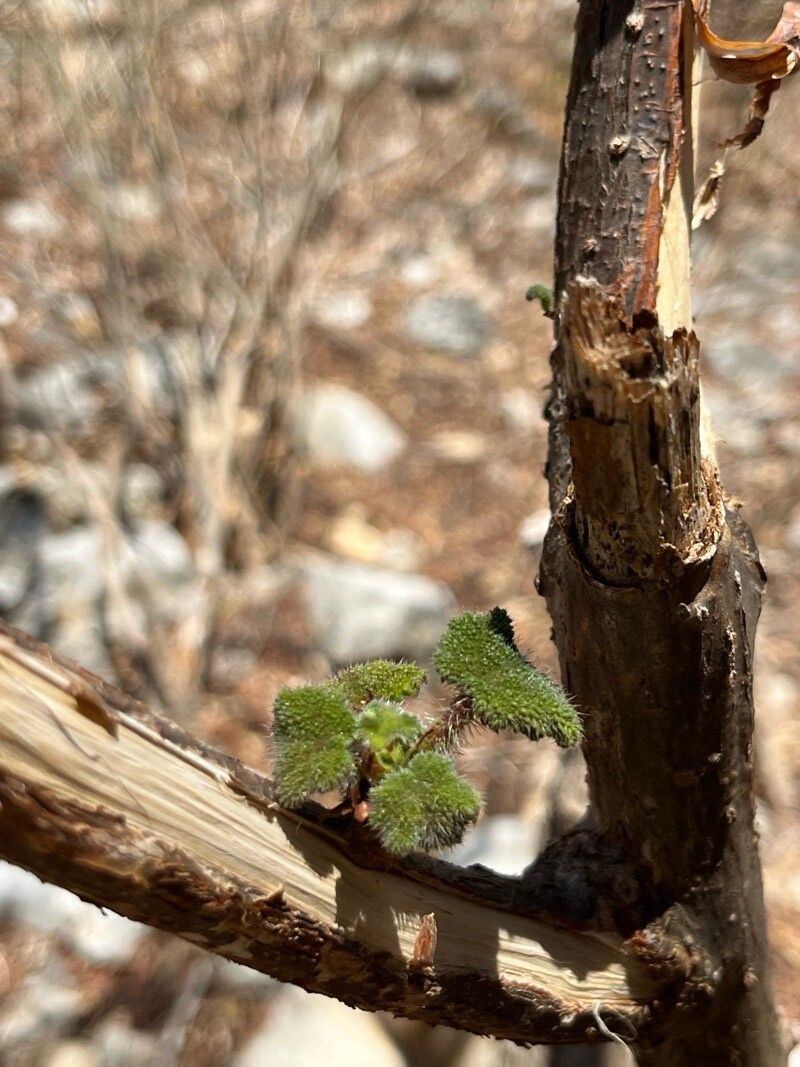
Obetia tenax, commonly known as the False Almond, is an evergreen tree or shrub belonging to the Rosaceae family. Native to the Mediterranean region, it can be found in countries such as Spain, Italy, Greece, and Turkey. The plant can grow up to 5 meters tall and features a dense crown of dark green leaves that are glossy on top and hairy underneath. The leaves are oval-shaped with serrated edges.
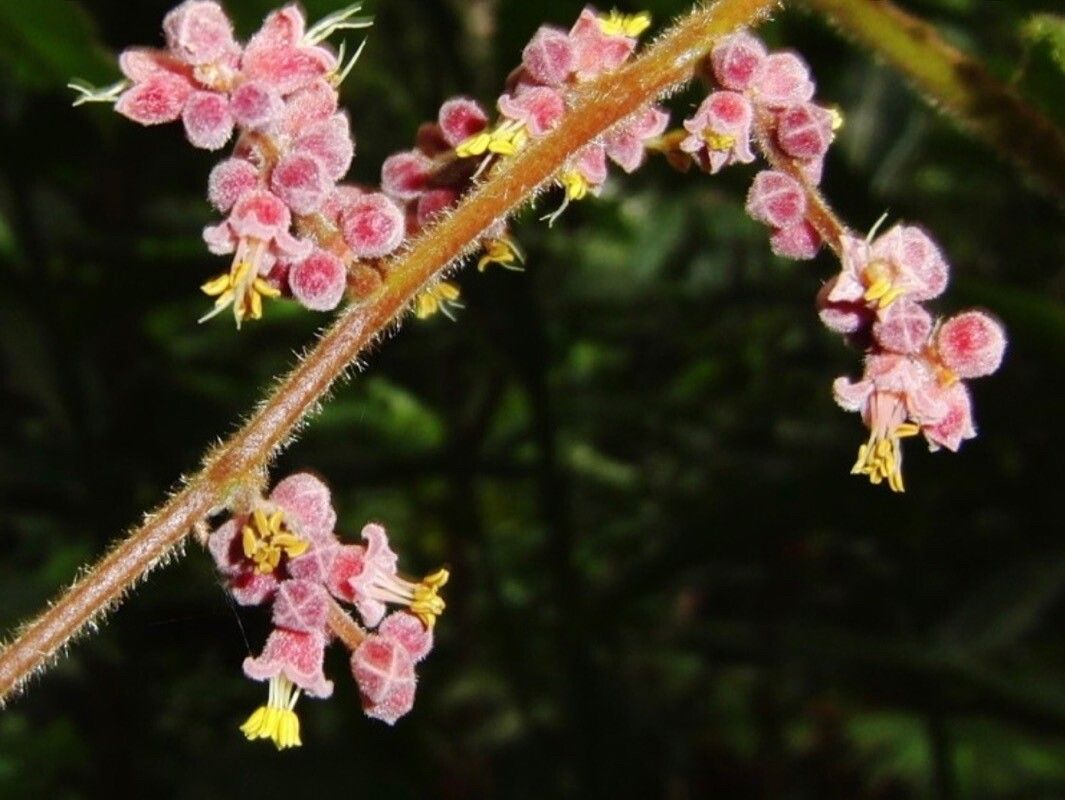
The False Almond produces small white or pink flowers that bloom in springtime, typically from March to May. These flowers are followed by edible fruits that resemble almonds but have a bitter taste.
Due to its attractive foliage and flowers, Obetia tenax is commonly used for ornamental purposes. Additionally, it has medicinal properties; its bark contains tannins that have been used to treat diarrhea, dysentery, and other gastrointestinal disorders.
The plant prefers well-drained soils with full sun exposure but can also tolerate partial shade. It is drought-tolerant once established but requires regular watering during its initial growth period.
Overall, Obetia tenax is a visually appealing evergreen shrub with both ornamental and medicinal value, making it a noteworthy addition to any garden or landscape design project.
Mountain nettle has moderate disease resistance and is relatively sensitive to humidity and overwatering. It becomes more prone to illness when it receives insufficient light and is overwatered. Regarding care, Mountain nettle is drought-tolerant and can withstand extended periods without watering. It requires little fertilizer and only occasional pruning. For these reasons, it is suitable for plant owners of any skill level, particularly those who prefer to spend less time on upkeep and who may be away from home for extended periods. It is a good option for people who do not want to devote a lot of time to plant care but still want an easy-to-maintain plant.
How to keep Obetia Tenax.
Light
Mountain nettle comes from habitats with dappled light, like the understory of forests or rocky sites that provide natural shade. It favors partial sun but can also tolerate full sun.
Temperature
Mountain nettle prospers in warm conditions and needs higher temperatures during the growing season to support growth and metabolism. It prefers abundant sunlight, adequate moisture, and good air circulation. However, it can be damaged by very low temperatures and by overwatering. It is also important to avoid excessively high temperatures and overly dry conditions.
Fertilizer
For Mountain nettle, apply light amounts of fertilizer once or twice a year during the growing season. Do not fertilize in winter or summer when the plant is dormant. Cut back on fertilizer for plants that have been repotted, and wait a couple of months after repotting before you begin feeding again. Regular fertilizing helps maintain healthy growth and promotes flowering.
Botanical profile.
- Plant Type
- Shrub
- Life Cycle
- Perennial
- Genus
- Obetia
- Family
- Urticaceae
- Hardiness Zone
- 10-12
- Mature Height
- 3.05 m to 4.88 m
- Mature Spread
- 2.13 m to 3.05 m
- Leaf Color
- Green, Dark Green
- Leaf Type
- Deciduous
- Flower Size
- 0.25 cm to 0.51 cm
- Bloom Time
- Late spring, Summer
- Planting Time
- Spring, Summer
- Harvest Time
- Mid summer, Late summer, Early fall, Mid fall
- Native Area
- Mozambique, South Africa, Eswatini, Botswana, Zimbabwe
Other names.