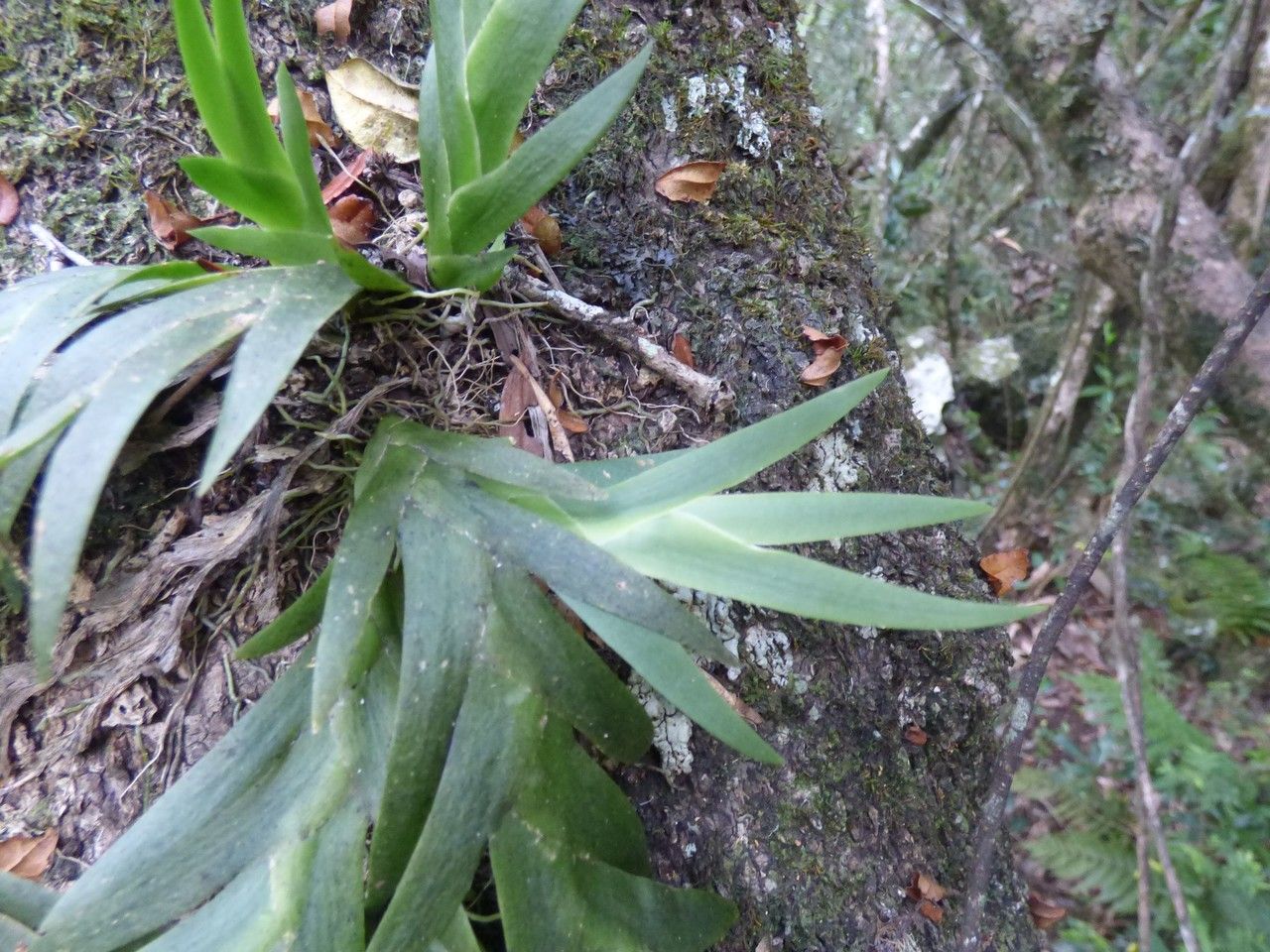
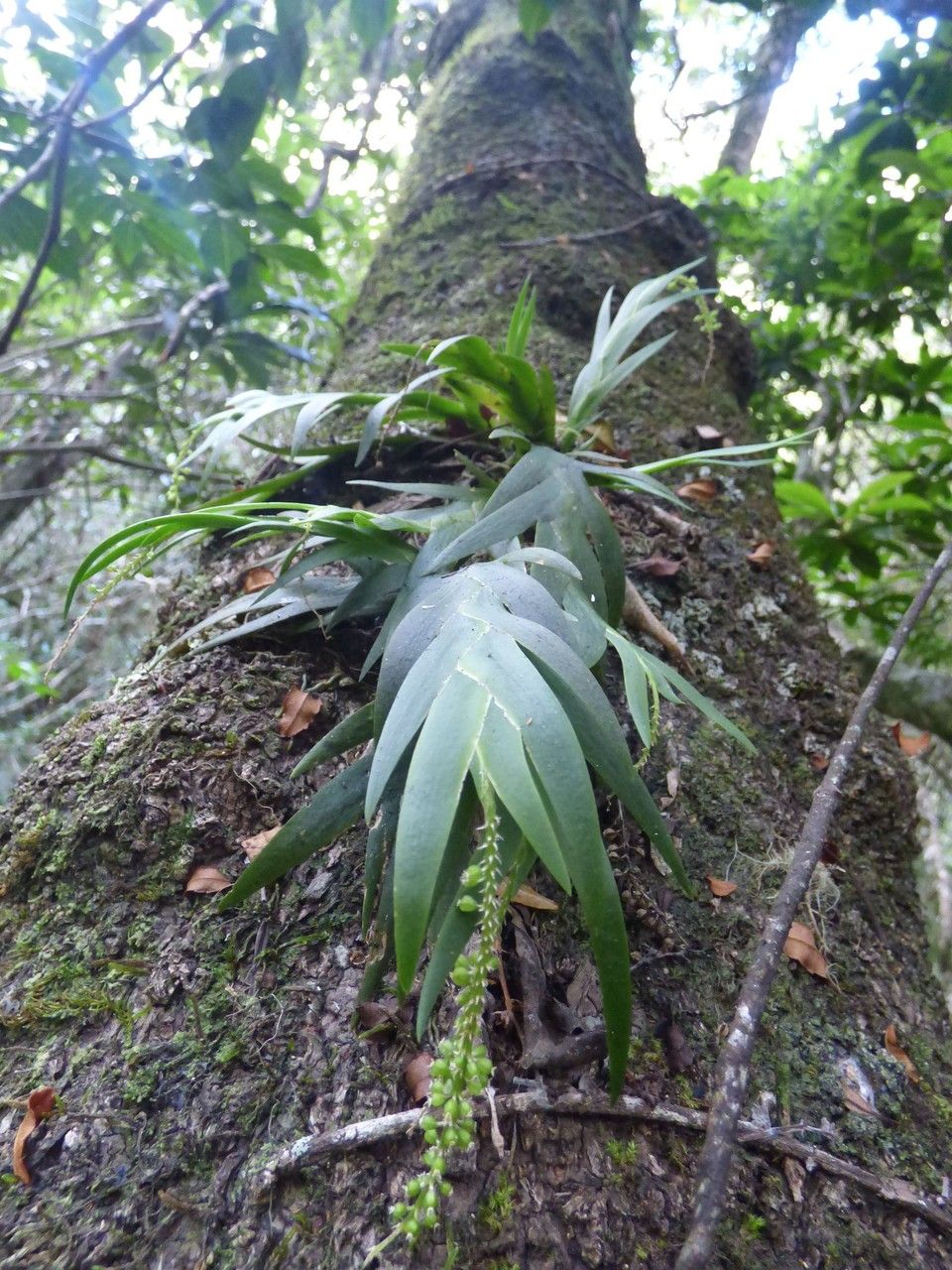
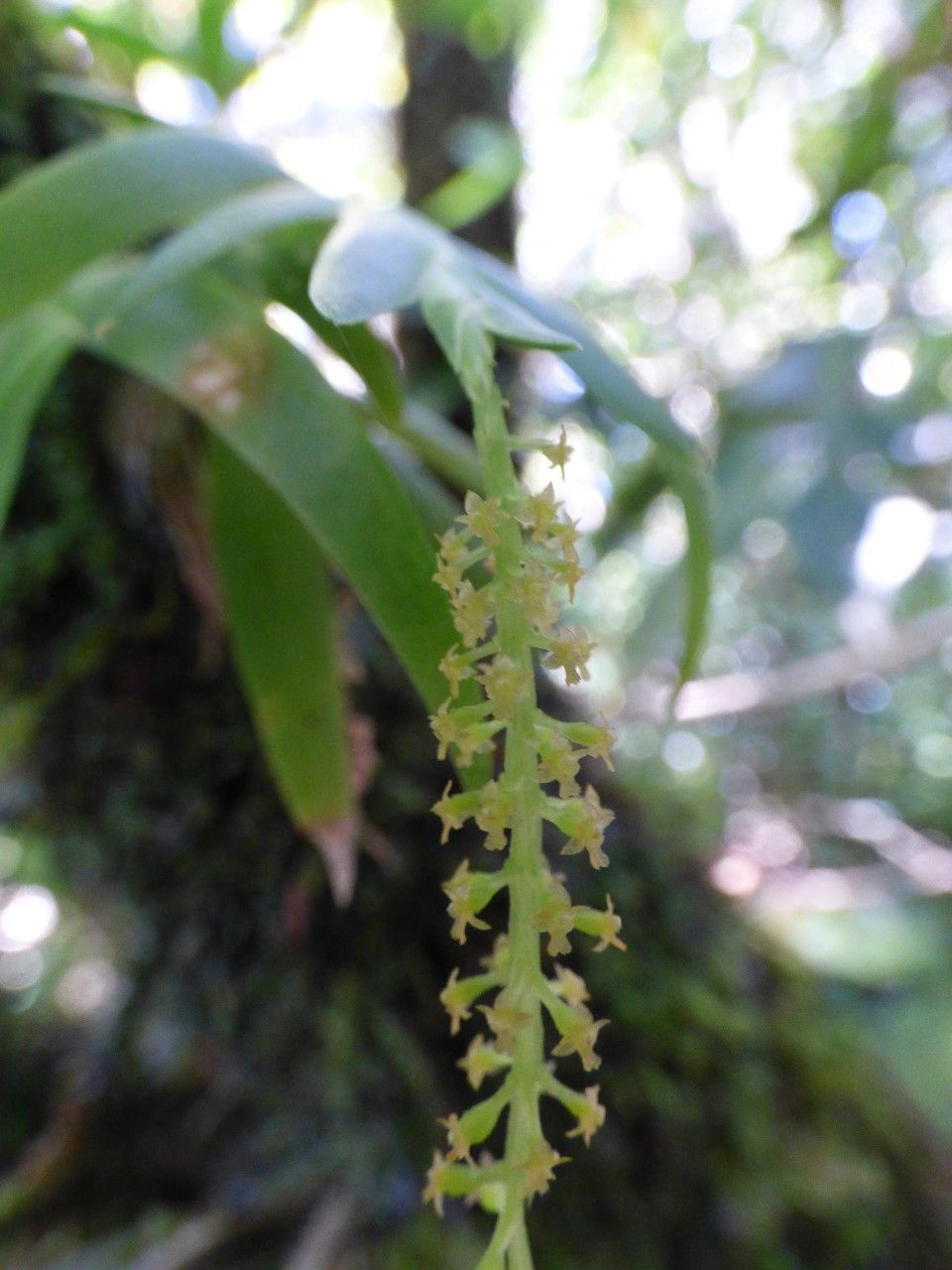
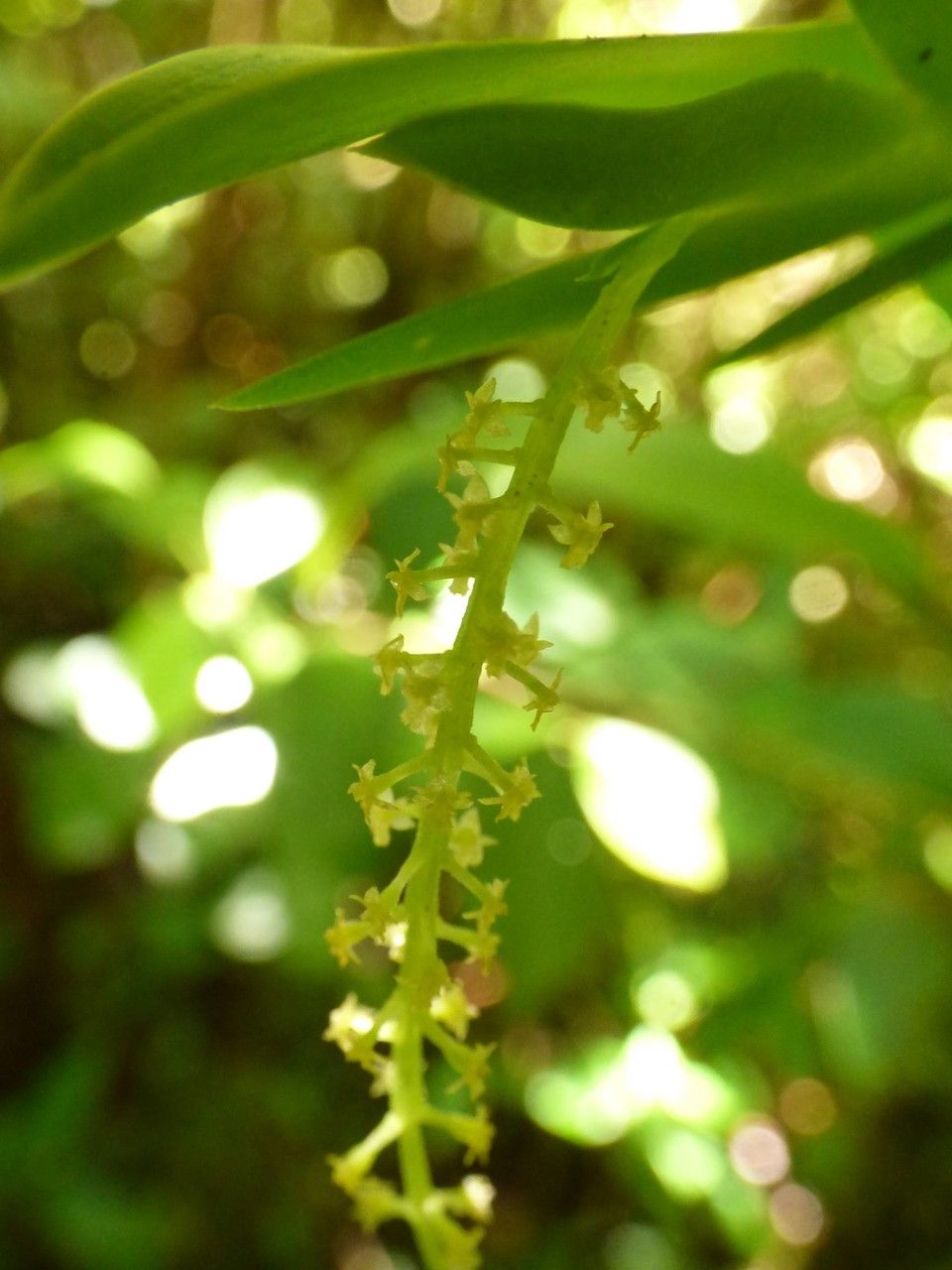
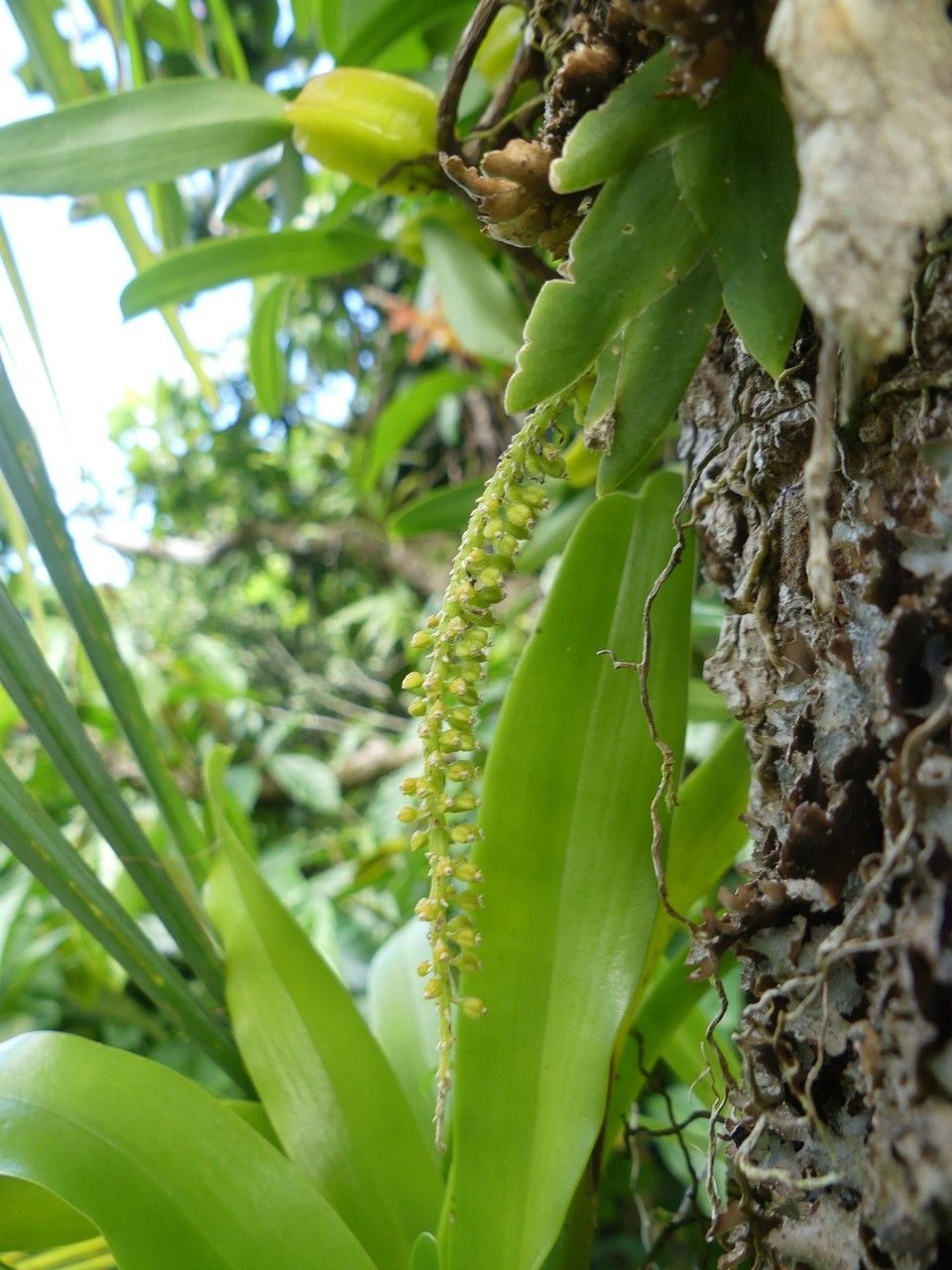
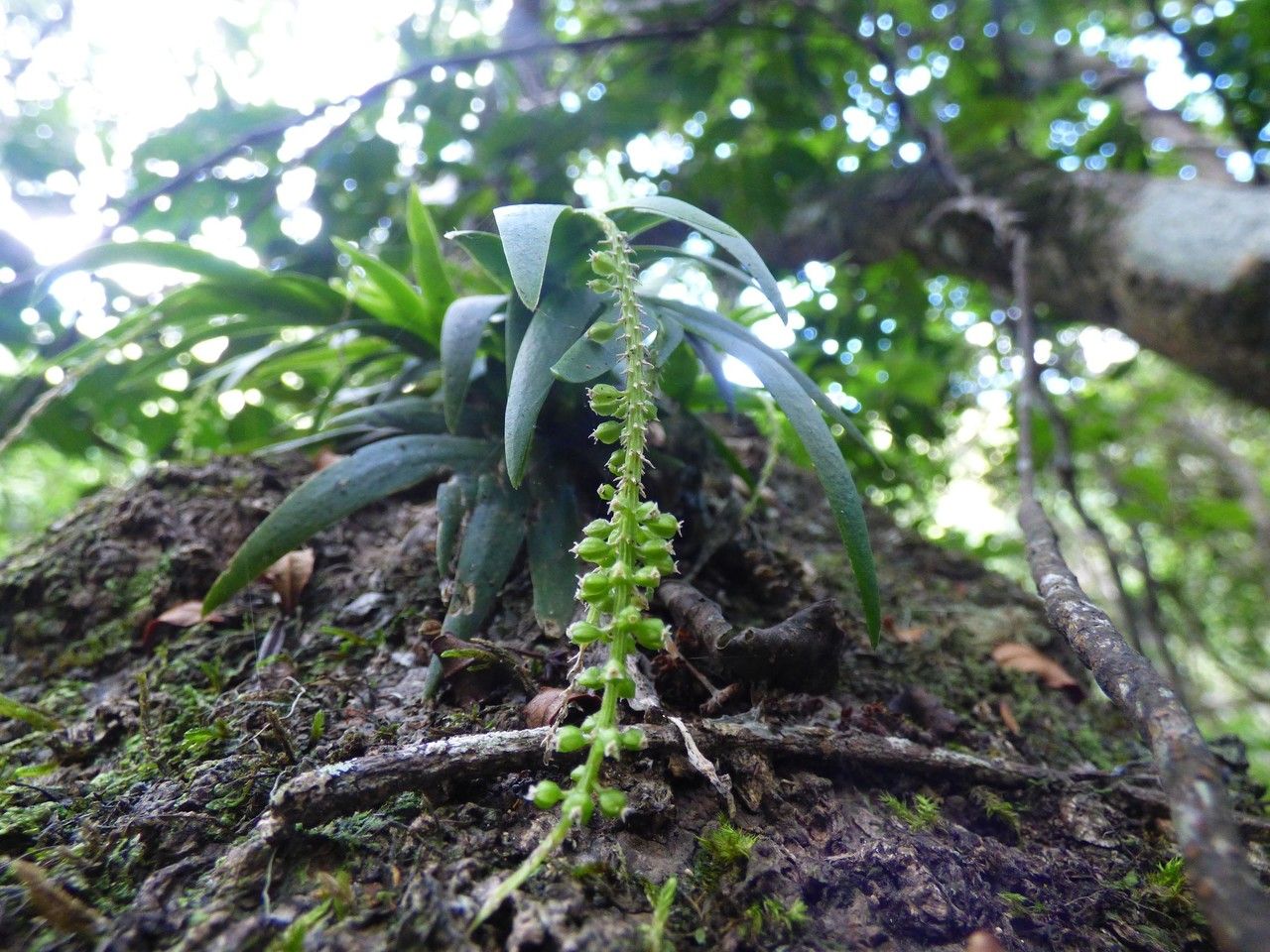
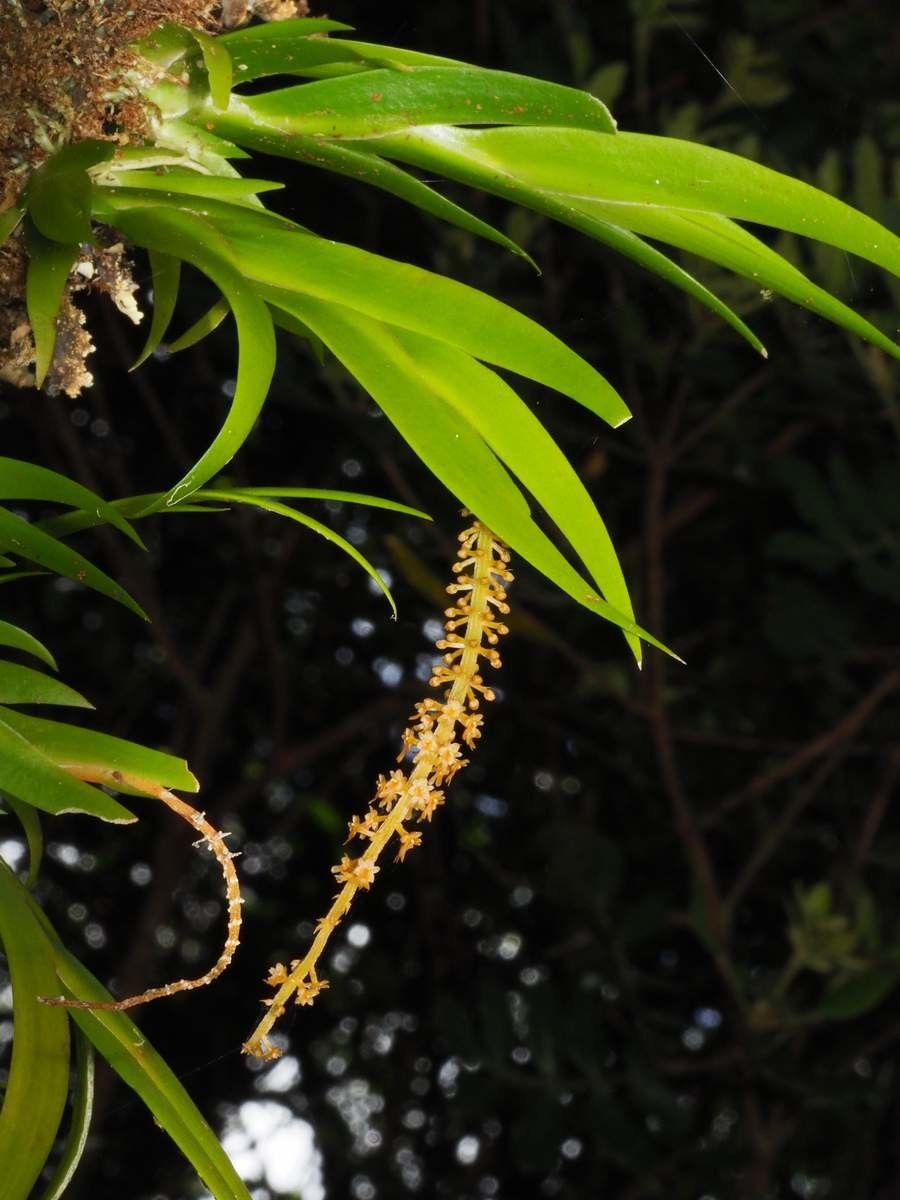
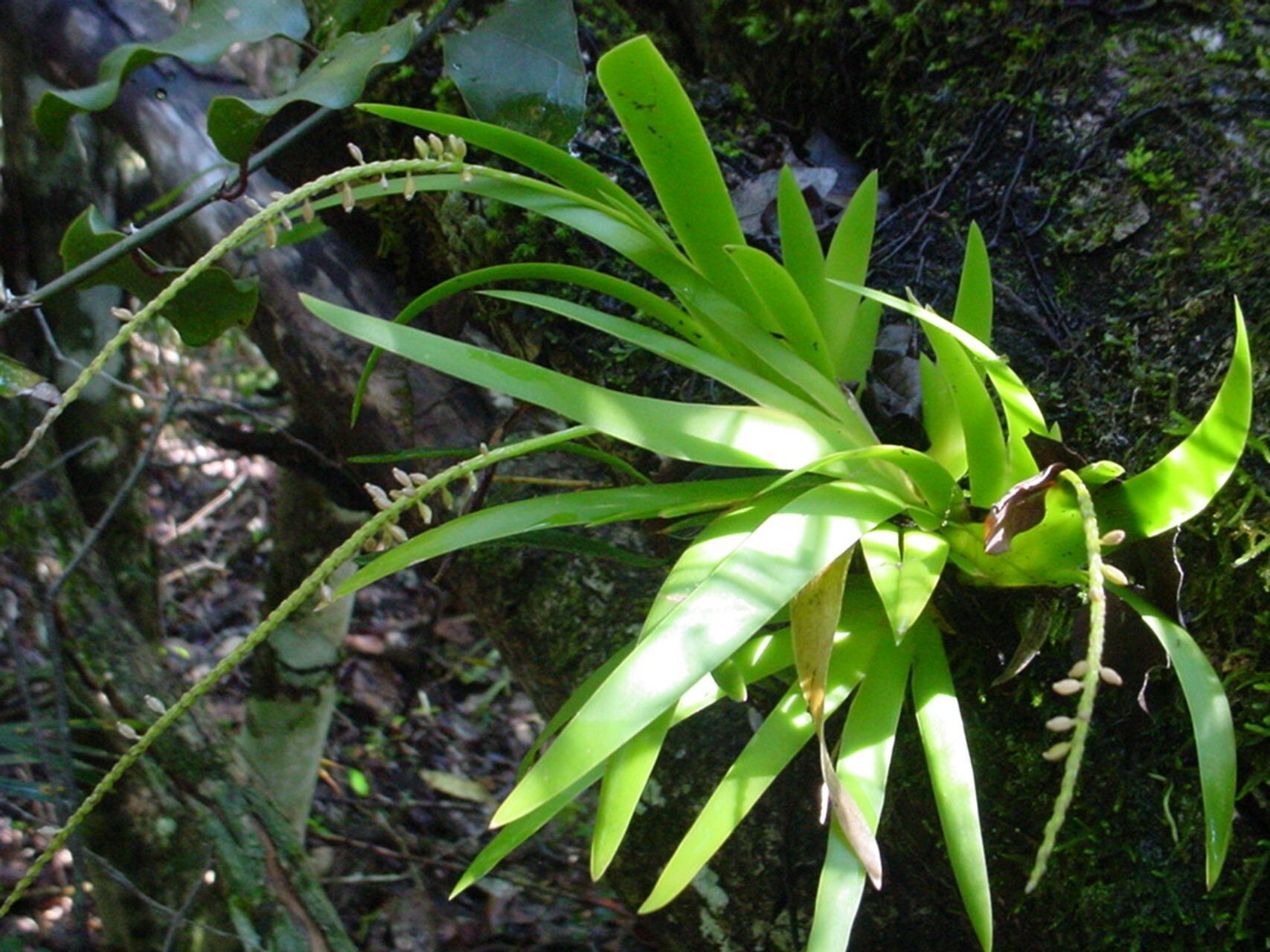
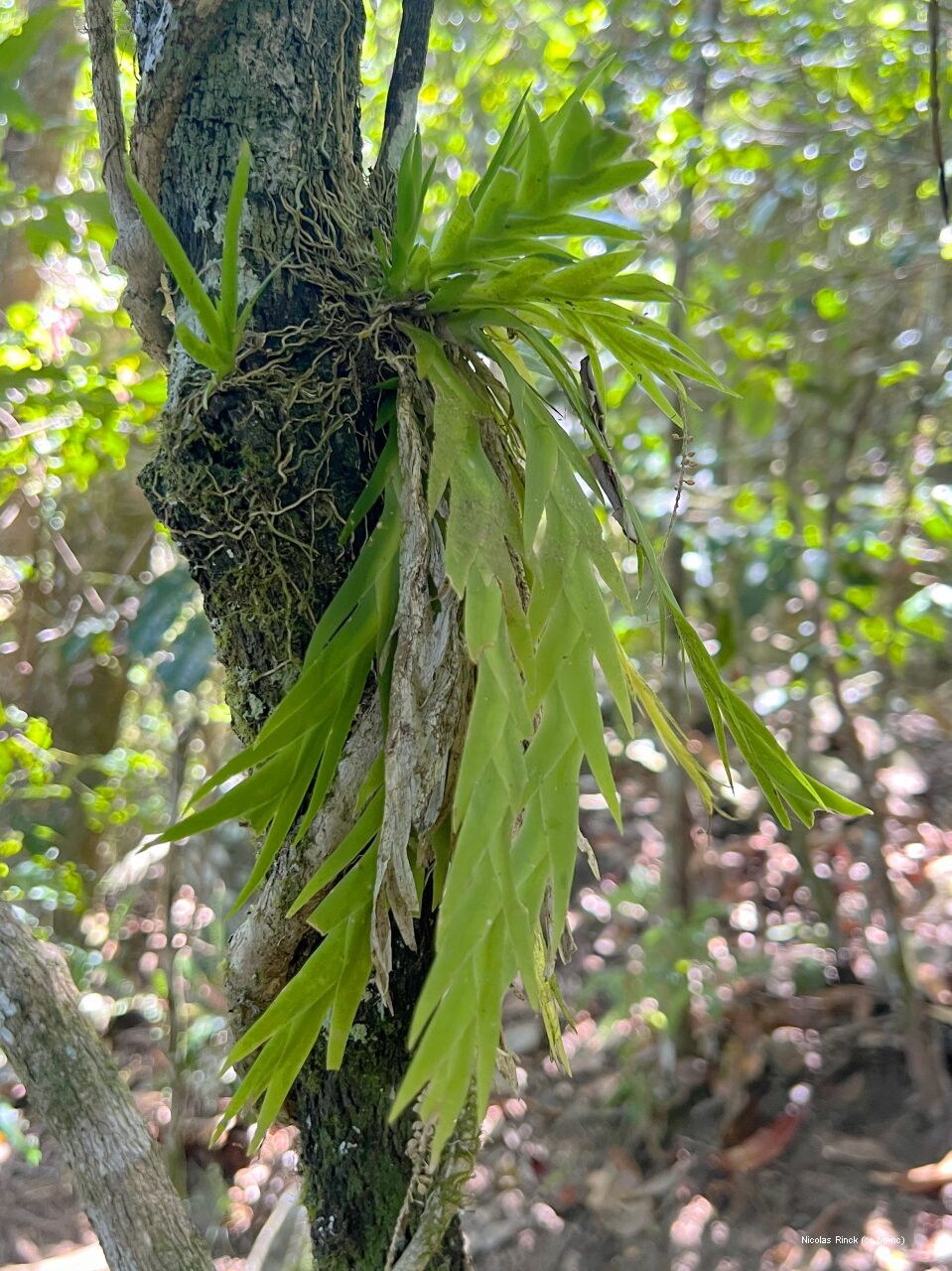
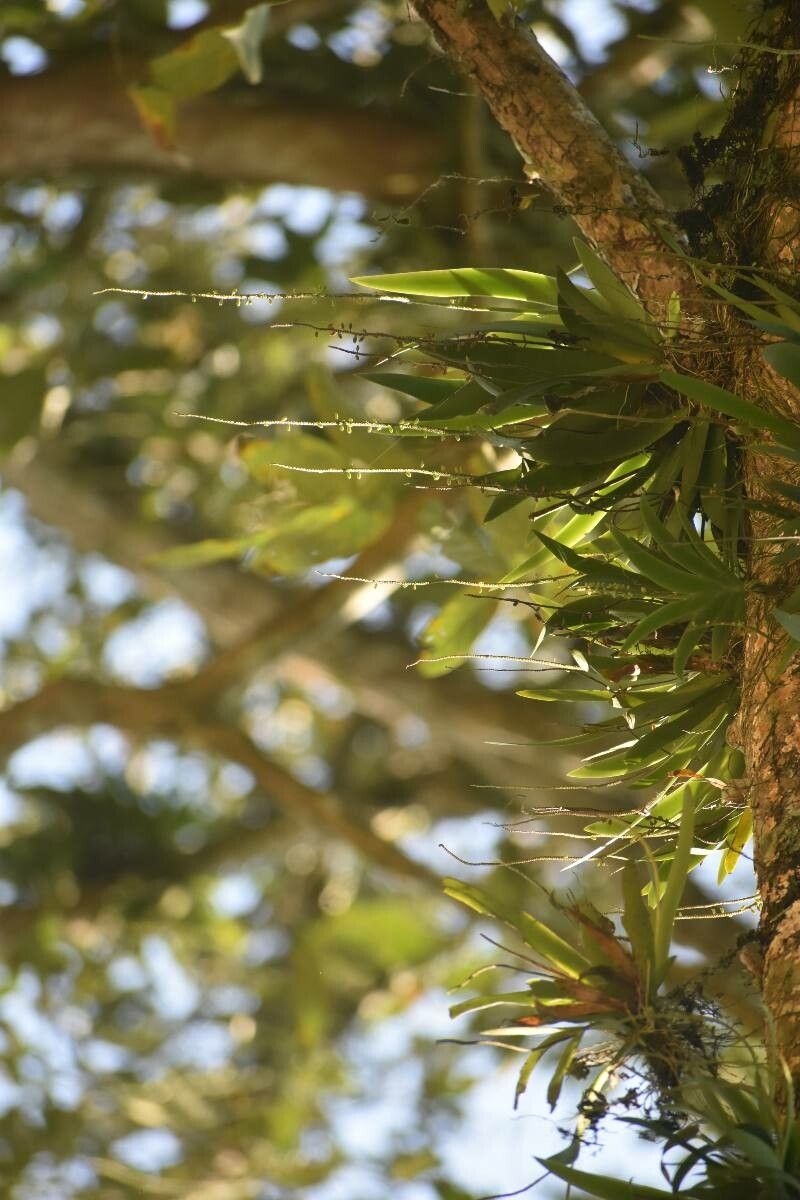
Oberonia disticha is a species of orchid native to tropical and southern Africa and islands in the west Indian Ocean.
Two rowed oberonia typically shows strong disease resistance and has relatively few insect pests. Its care is rated difficult, since it needs high humidity combined with good ventilation and minimal harmful pathogens. Overwatering may cause root rot. While anyone can grow Two rowed oberonia, maintaining its health and achieving repeat flowering demands greater cultivation experience.
How to keep Oberonia Disticha.
Light
Two rowed oberonia originates from habitats like forest understories and rocky areas that offer natural shade. It prefers partial sun but can tolerate full sun or full shade, demonstrating its adaptable and hardy nature.
Water
Two-rowed Oberonia, a plant native to humid environments, thrives with consistent moisture and requires soil that is evenly moist but not waterlogged. For optimal growth, water it weekly. This plant is well-suited for indoor conditions as it can absorb moisture from the air, making it an excellent choice for homes with drier climates.
Temperature
Two rowed oberonia prefers warm conditions. It does best at moderately high temperatures but not in overly hot, humid weather. Sunlight warms the plant and encourages flowering. Still, extended direct sun in summer can cause sunburn, so the amount of light received then should be limited. The plant is generally sensitive to cold and needs protection and warmer conditions in winter to avoid freezing.
Fertilizer
Proper fertilization is essential for the health and appearance of Two rowed oberonia. Fertilize Two rowed oberonia in summer, applying fertilizer monthly throughout the season. Nutrients provide the energy for growth and support the plant's parts. Fertilization improves Two rowed oberonia's flower display, ensuring the best blooms.
Pruning
The Two Rowed Oberonia is characterized by its distinctive two-row leaf arrangement. To maintain its health and appearance, prune the plant from early to late spring. Use clean, sharp tools to remove dead or damaged leaves and spent flowers. This practice promotes healthy growth, improves air circulation, and enhances the overall look of the plant for optimal health and aesthetics.
Pot & Repot
When repotting Two rowed oberonia, select a slightly larger pot with good drainage, preferably a clear orchid pot. Use a well-draining, orchid-specific mix that includes bark or moss. Gently clean the roots and trim any that are dead or rotting. Repot after flowering, usually in spring or fall, water thoroughly, and place in bright, indirect light. Avoid disturbing the roots once repotted.
Botanical profile.
- Plant Type
- Herb
- Life Cycle
- Perennial
- Genus
- Oberonia
- Family
- Orchidaceae
- Hardiness Zone
- 10-12
- Mature Height
- 10 cm to 20 cm
- Mature Spread
- 5 cm to 10 cm
- Leaf Color
- Light Green
- Leaf Type
- Evergreen
- Flower Size
- 0.20 cm to 0.25 cm
- Bloom Time
- Summer, Early fall, Mid fall
- Harvest Time
- Fall, Early winter, Mid winter
- Native Area
- Malawi, Cameroon, Mozambique, Zimbabwe, South Africa, Ghana, Madagascar, Ethiopia, Kenya, Congo (DRC), Uganda, Tanzania, Gabon
Reader questions.
What are the sunlight requirements for Two Rowed Oberonia?
Two Rowed Oberonia, also known as Oberonia disticha, has specific sunlight requirements to thrive. It requires partial sun, meaning about 3-6 hours of sunlight per day. Alternatively, it can grow in full shade, which is characterized by receiving less than 3 hours of sunlight. It's important to observe how sunlight moves through your garden throughout the day to find spots that offer a balance of light and shade, ensuring the optimal growth and happiness of your plants.
What is the botanical name of the Two-rowed Oberonia?
The botanical name of the Two-rowed Oberonia is Oberonia disticha. This species belongs to the Oberonia genus and is known for its distinctive characteristics.