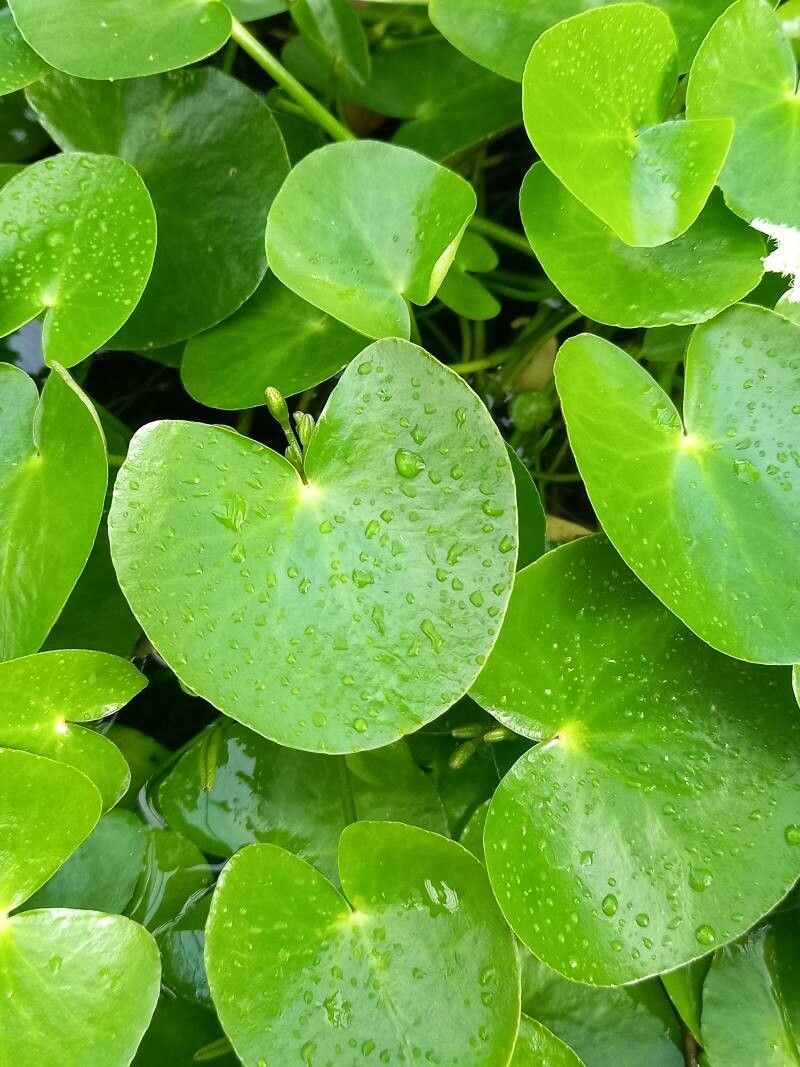
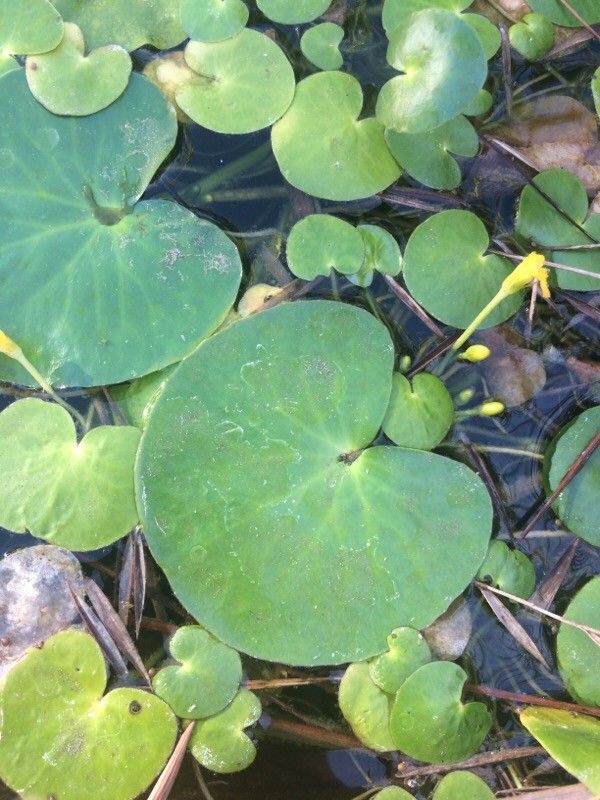
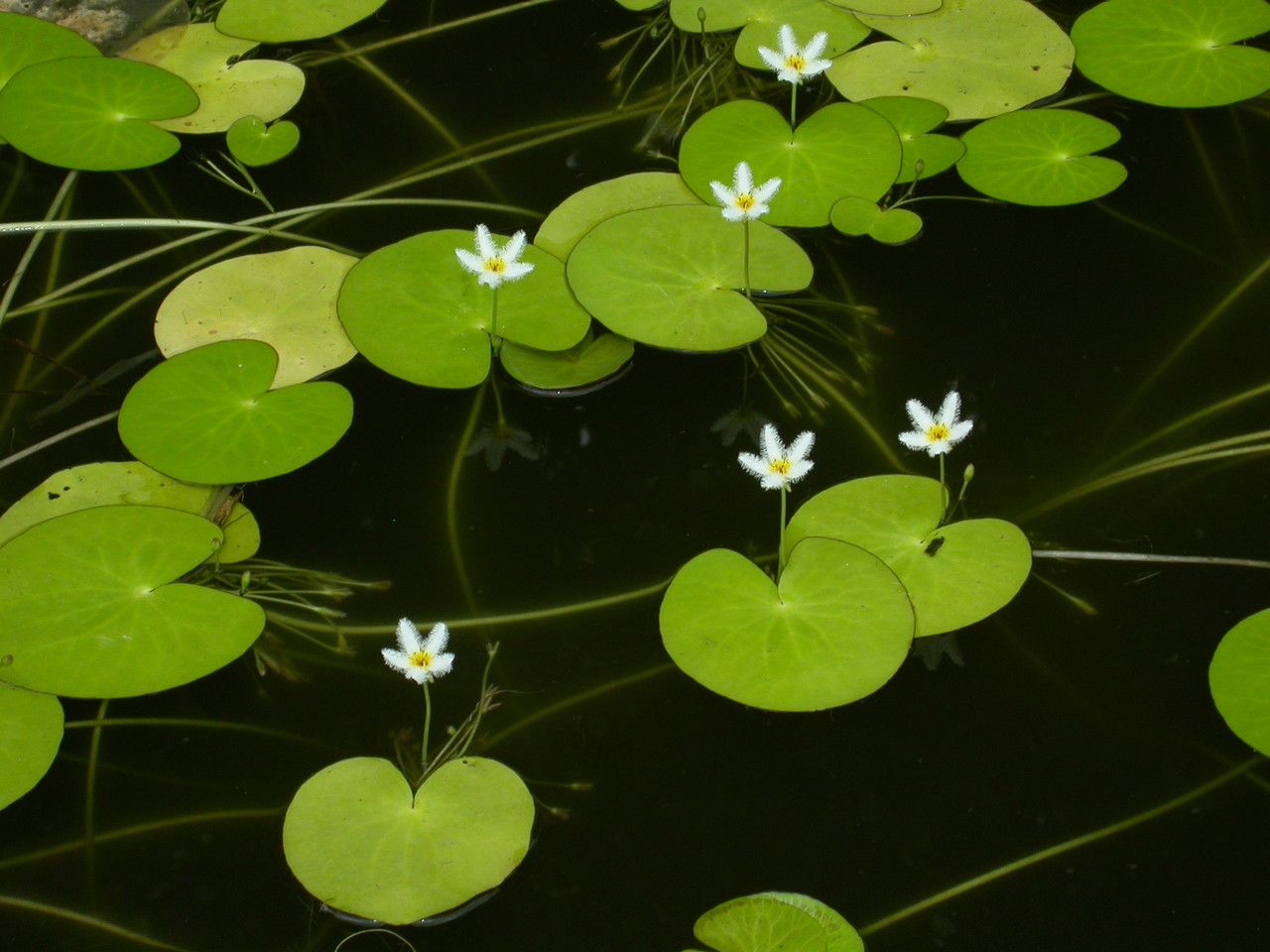
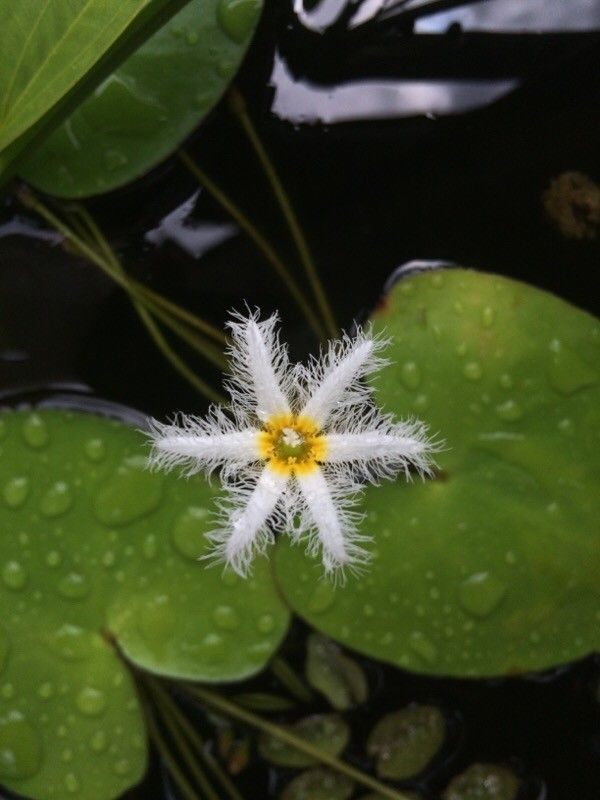
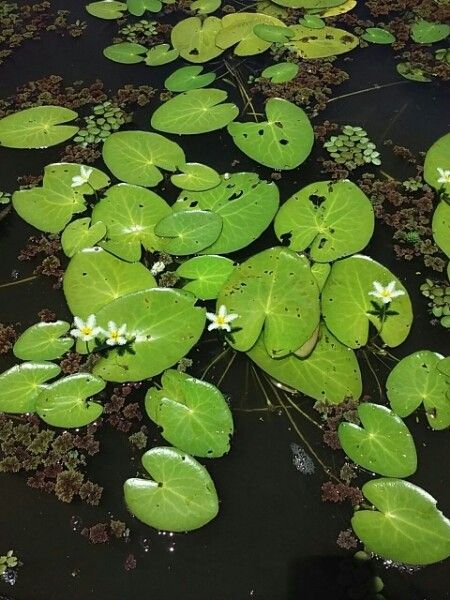
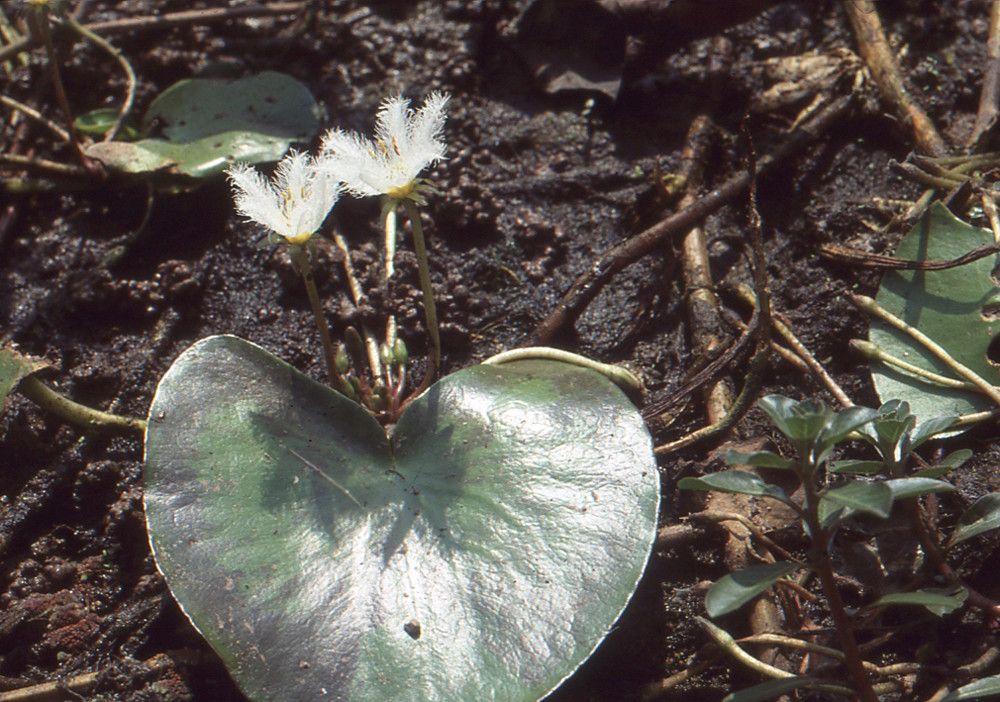
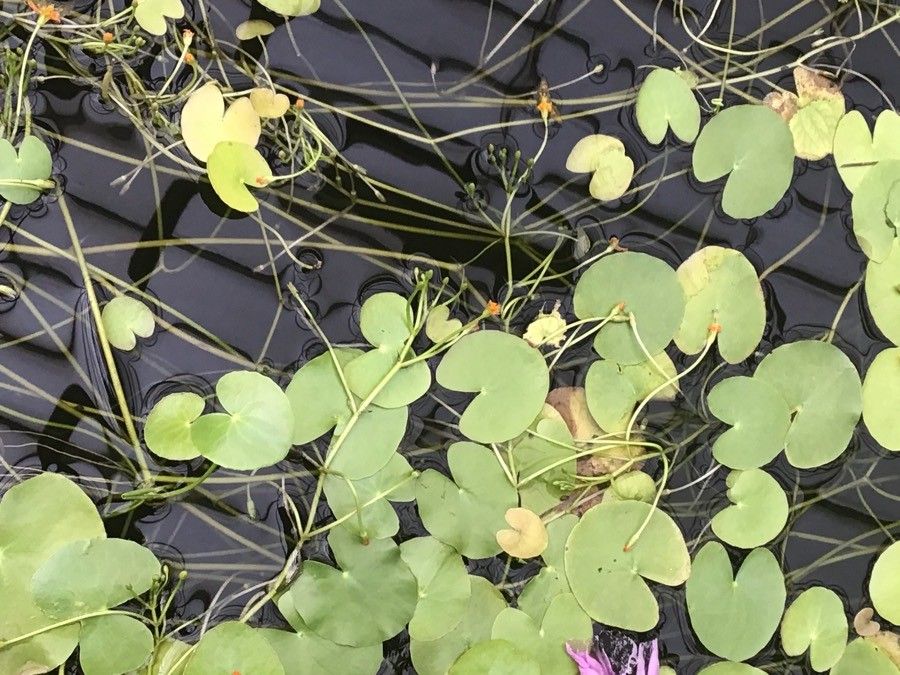
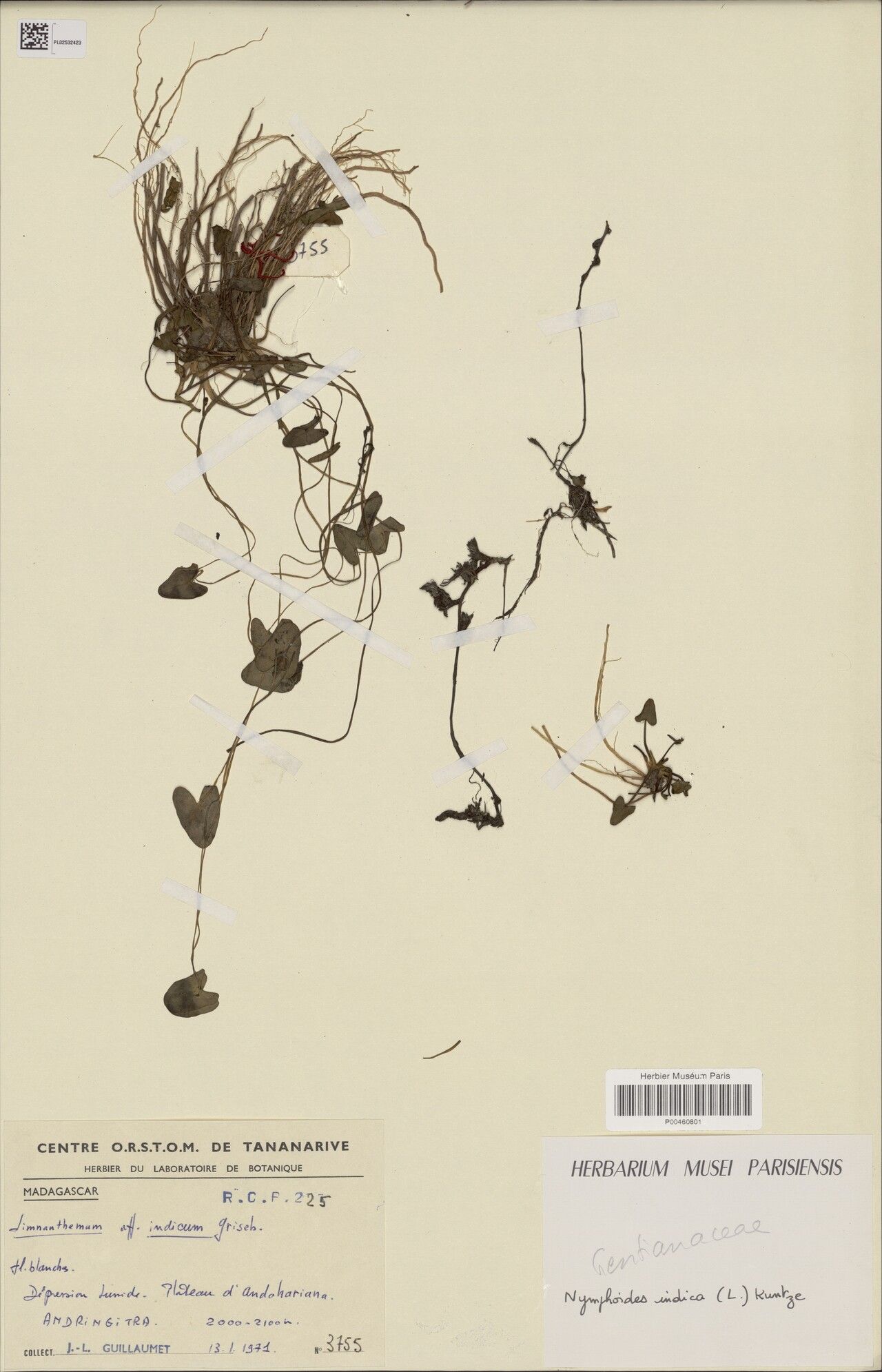
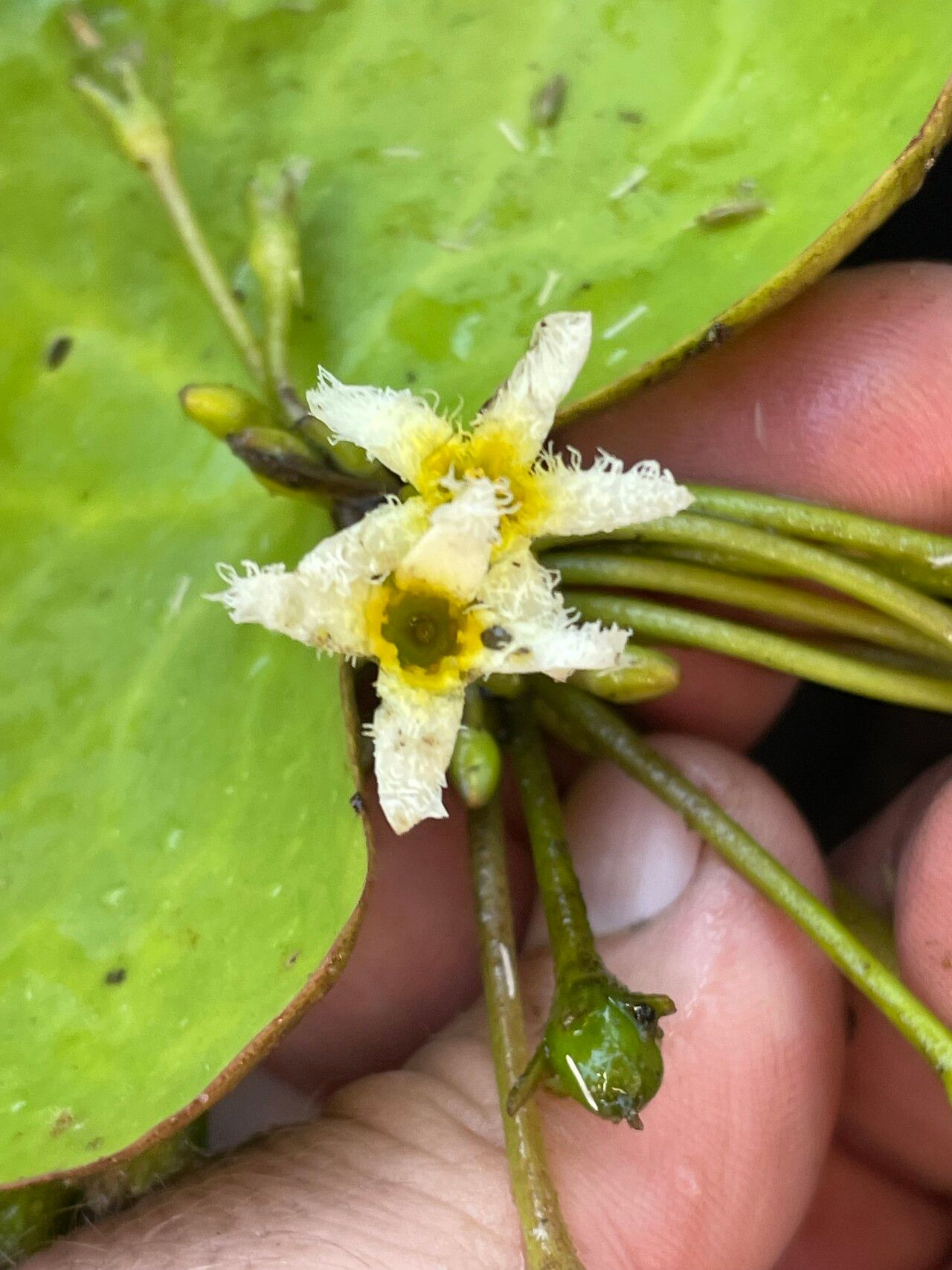
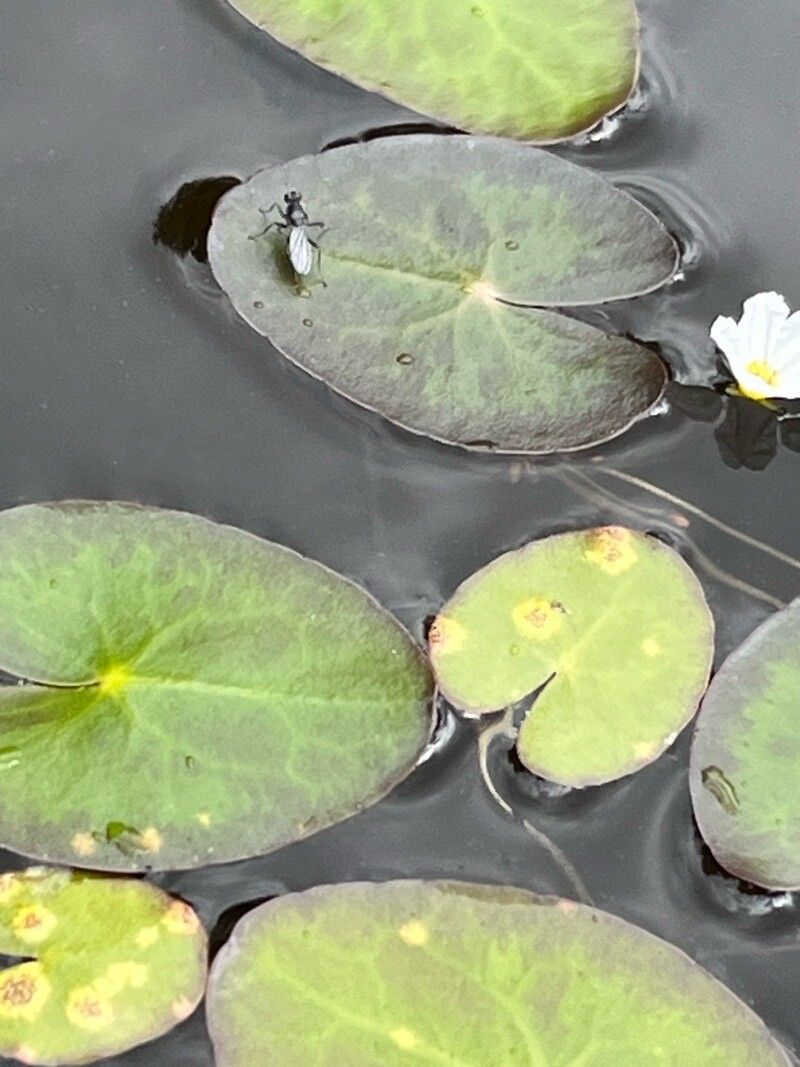
Nymphoides indica is an aquatic plant in the Menyanthaceae, native to tropical areas around the world. It is sometimes cultivated, and has become a minor weed in Florida, where it resembles the native Nymphoides aquatica. Common names include banana plant, robust marshwort, and water snowflake; {In Bengali: চাঁদমালা (Chandmala)}.
Water snowflake has strong disease resistance and is generally unlikely to develop illnesses. However, it can be vulnerable to pests and diseases found in its environment. These problems are typically not serious. Regarding care, this plant needs moderate maintenance. It should be pruned regularly to preserve its appearance and support healthy growth. Fertilizing can also encourage flowering. Water snowflake is appropriate for anyone with outdoor space, such as a garden or patio, and does not demand extensive care experience. It may need more attention when kept indoors.
How to keep Nymphoides Indica.
Light
The water snowflake prefers ample sunlight, though it can tolerate reduced light when necessary. Its healthy growth depends largely on sufficient sun exposure, and both too much and too little can negatively affect its development. In its native habitat, it prospers when bathed in sunlight.
Water
Originating from tropical and subtropical regions, the water snowflake thrives in consistently moist aquatic environments. It prefers high humidity and needs to be watered weekly. Well-suited for outdoor growth, the water snowflake adapts with floating leaves, staying lush year-round due to consistent access to water.
Temperature
Water snowflake naturally occurs in habitats like ponds and lakes, where temperatures vary from 59 to 100.4°F (15 to 38°C). It favors warmer conditions and may need temperature adjustments in colder seasons to thrive.
Pruning
The Water Snowflake, known for its star-shaped floating leaves and delicate white flowers, thrives in aquatic environments. To manage its growth and promote better blooming, it's best to prune the plant from early to late spring. Regular pruning helps prevent overcrowding, supports the plant's health, and enhances the visual appeal of your water garden.
Botanical profile.
- Plant Type
- Herb
- Life Cycle
- Perennial
- Genus
- Nymphoides
- Family
- Menyanthaceae
- Hardiness Zone
- 8-11
- Mature Height
- 8 cm to 15 cm
- Mature Spread
- 30 cm to 61 cm
- Leaf Color
- Green, Dark Green
- Leaf Type
- Semi-evergreen
- Flower Color
- White, Yellow
- Flower Size
- 1.02 cm
- Bloom Time
- Late spring, Summer, Fall
- Planting Time
- Winter
- Harvest Time
- Summer, Fall, Early winter
- Native Area
- Sri Lanka, Belize, India, Malaysia, Mexico, Vanuatu, Fiji, Jamaica, Iraq, Cuba, Indonesia, Cambodia, Venezuela, South Korea, Nepal, Honduras, Peru, Philippines, Bangladesh, Laos, Panama, China, Colombia, Bolivia, Vietnam, Myanmar, Japan, Guyana, El Salvador, Nicaragua, Singapore, Iran, Ecuador, Costa Rica
Other names.
Reader questions.
How should I water my Water snowflake plant to keep it healthy?
To effectively water the Water snowflake plant, it is recommended to use filtered water at room temperature or slightly warmer. This is because tap water may contain harmful particles that could negatively affect the plant's health. The Water snowflake plant is accustomed to a warm environment, so using cold water can cause it some distress. It is best to avoid overhead watering as it can lead to issues with the plant's foliage. Instead, it is preferable to apply the filtered room temperature water directly to the soil until it is completely saturated. This allows the roots to absorb the moisture and encourages their growth and nutrient absorption.
Why do I have to add fertilizer to my Water snowflake plant?
Fertilization is important for the Water snowflake and other plants for various reasons. It provides key nutrients that promote growth above and below ground. Although the Water snowflake has relatively low fertilization needs and can survive without it, annual fertilization can greatly benefit the plant. It helps keep the plant alive and may enhance the development of longer-lasting flowers. Therefore, those who want their Water snowflake to thrive should prioritize annual fertilization to ensure it looks its best.
What kind of sunlight does Water snowflake require?
Water snowflake requires full sun daily, needing at least six hours of sunlight to keep its leaves, roots, and blooms healthy. While most perennials also need six hours of sunlight daily, plants like the Orange Daylily or Giant Coreopsis can survive on just three hours of sun. However, these flowering plants will not thrive as they would in sunnier conditions with more direct sunlight.
What is the native environment of Water snowflake?
Water snowflake is native to pond and lake environments where temperatures fluctuate between 59°F (15°C) and 100.4°F (38°C). It thrives in warmer climates, indicating a preference for such environmental conditions. In colder seasons, it may necessitate temperature adjustments to ensure its survival.
What do I need to do if I give my Water snowflake too much water or too little water?
Both overwatering and underwatering can harm the health of your Water snowflake, but overwatering is more common. When this species gets too much water, its stems and leaves may wilt and turn yellow. Overwatering over time can also cause diseases like root rot, mold, and mildew, which can be fatal for your plant. Underwatering is less likely for the Water snowflake since it can tolerate drought fairly well. However, it is still possible, and in such cases, you may notice brittle and brown leaves. It is crucial to identify signs of overwatering early when taking care of your Water snowflake. Some diseases like root rot may not be fixable if left too long. If you notice early signs of overwatering, reduce watering immediately. Assess the soil quality where your plant grows - if it doesn't drain well, replace it with loose, well-draining potting mix. Conversely, if you observe signs of insufficient water, simply increase your watering frequency until the signs subside.
When should I fertilize my Water snowflake?
The best time to fertilize a Water snowflake is in late winter to early spring when it is transitioning from dormancy to active growth. This promotes healthy growth at the start of the season. Fertilizing during the early spring is generally most beneficial, but it is also acceptable to fertilize in the fall. However, it is not recommended to feed the plant during summer or winter.
Can the sun harm a water snowflake? How can we keep a water snowflake safe from sun and heat damage?
In warm climates, some Perennial Flowering Plants may struggle with excessive heat and suffer from sun damage. They can wilt, dry out, or even experience growth problems if they are consistently exposed to the intense afternoon sun. However, not all plants require protection from the light afternoon sun. For those that are harmed by intense afternoon exposure, it is recommended to provide them with some shade in warmer climates. Gardeners can achieve this by planting these plants in areas that do not receive direct heat during the afternoon, such as under trees or behind bushes.
How does Water snowflake handle cold temperatures?
Water snowflake exhibits some degree of cold tolerance, generally not requiring additional measures when temperatures stay above -5°C. Yet, if temperatures are forecast to plummet below -5°C, temporary cold protection methods should be employed. This can include wrapping the plant in materials like plastic film, fabric, or other suitable substances. Such protective measures must be removed as soon as temperatures begin to rise to prevent any potential damage to the plant.
How frequently do I need to water my Water snowflake?
If your Water snowflake plant is in a pot, the most accurate way to determine if it needs water is to stick your finger into the soil. If the top two to three inches of soil feel dry, it's time to water. If you're growing the plant outdoors in the ground, you can use a similar method to test the soil. Once you find that the first few inches of soil have dried out, it's time to water. Typically, during spring and early fall, you'll need to water this plant about once a week using this method. However, in extremely hot weather, you may need to increase watering to two or more times per week. Nonetheless, mature and well-established Water snowflake plants have the ability to withstand drought.
When is the best time to not fertilize my Water snowflake?
To prevent overfertilization and complications, the Water snowflake plant should only be fertilized in late winter and early spring. A single annual feeding during this time is sufficient. It is important to avoid fertilizing during the spring, summer, and fall as it can easily lead to overfertilization, unless it was not fertilized in spring, in which case fall fertilization is allowed. Additionally, it is unnecessary to fertilize the plant during winter as it is in a dormant growth phase and does not develop new growth at that time.
Should I keep Water snowflake away from the sun?
Certain perennial plants require ample sunlight to reach their maximum bloom. However, in warmer climates, some of these plants actually benefit from less sun. For instance, individuals residing in hotter regions might find it beneficial to shade their flowering perennials during the intense afternoon sun, especially during summer months. Although many perennial flowering plants prefer partial shade in the hottest climates, there are exceptions. Take the Giant Coreopsis, for example, as it is not bothered by excessive sun exposure. These plants can flourish even when placed in the full sun during scorching weather.
What are the symptoms of low temperature exposure in Water snowflake, and how can they be managed?
When exposed to low temperatures, particularly below 15°C, Water snowflake may present symptoms such as drooping leaves which can occur if temperatures drop below -10°C. Mild exposure can allow for recovery, but severe cold can lead to leaves wilting and falling off. The solution for frost damage involves trimming off the affected parts. To prevent future damage, wrapping the plant with non-woven fabric or cloth and constructing a wind barrier can protect it from cold winds.