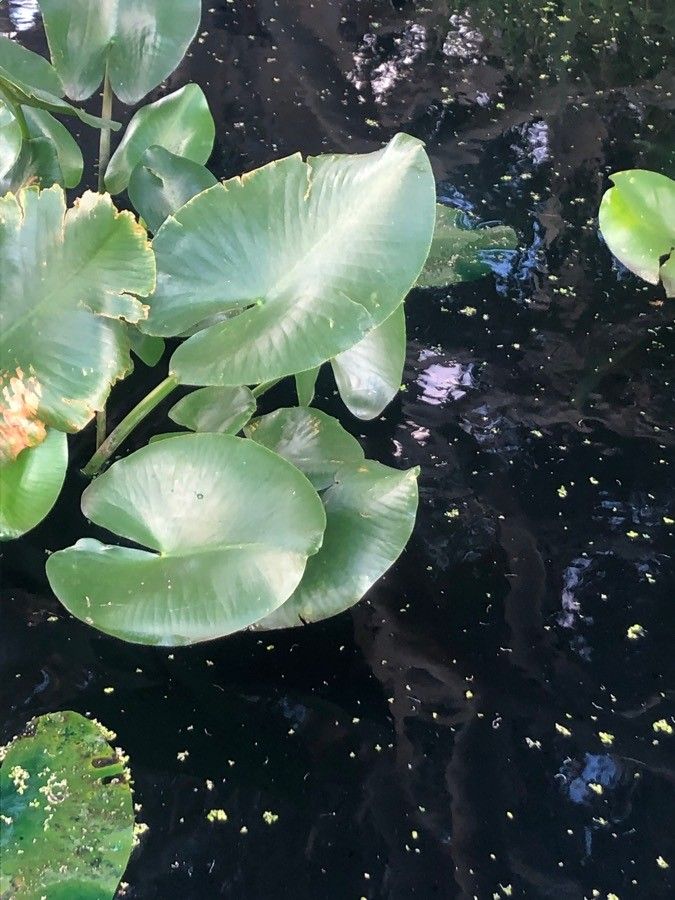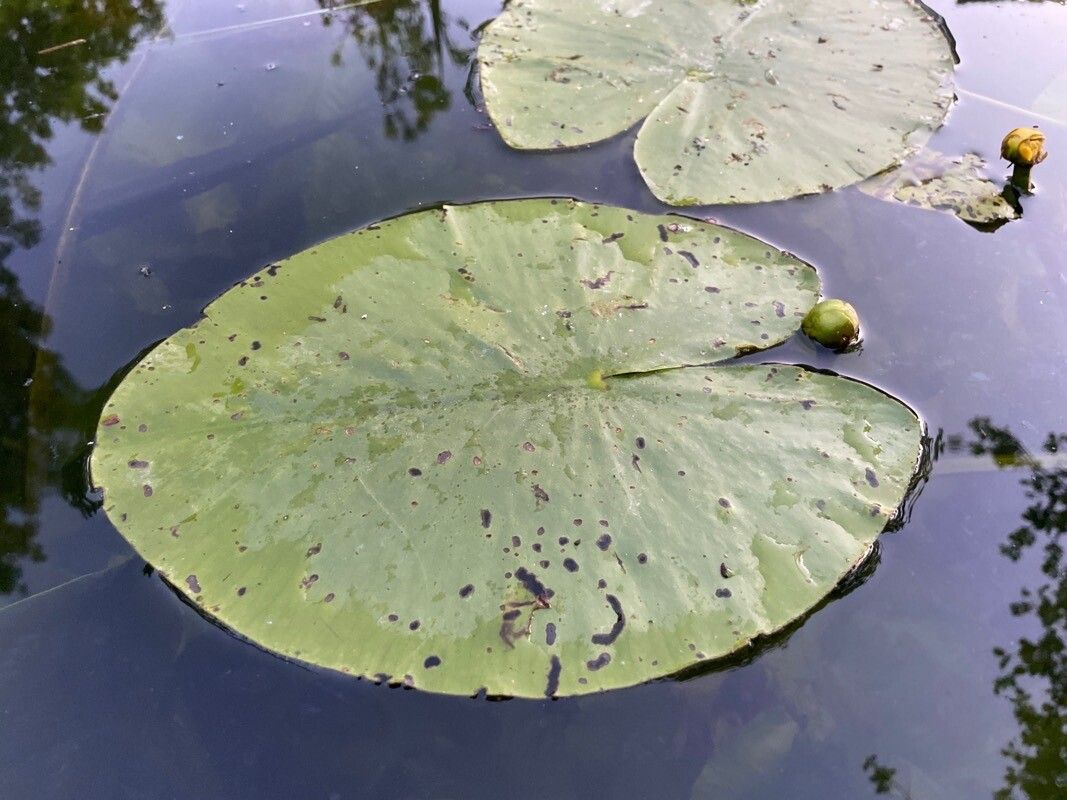
Nuphar sagittifolia, also known as Arrowleaf Pond-lily, Cape Fear spatterdock, or Narrow-leaved Spatterdock, is a perennial, rhizomatous, aquatic herb in the family Nymphaeaceae with unique narrowly lanceolate leaves known only from North Carolina, South Carolina, and Virginia.
Cape fear spatterdock is fairly disease-resistant and usually not prone to illnesses. Nevertheless, it can be affected by pests and diseases present in its environment, although these problems are typically mild. For care, the plant requires moderate maintenance. It should be pruned regularly to preserve a neat appearance and healthy growth. Fertilizing can also encourage flowering. Cape fear spatterdock is appropriate for anyone with outdoor space, such as a garden or patio, and does not demand extensive care experience. It may need more attention when grown indoors.
How to keep Nuphar Sagittifolia.
Light
Cape Fear spatterdock comes from habitats with abundant sunlight, such as the shallow margins of ponds and lakes. It prefers full sun, although it can tolerate partial sun as well.
Temperature
Cape fear spatterdock can tolerate a wide range of temperature conditions, though its distribution may still be constrained by specific combinations of water and heat. It does best in warm summer climates with adequate rainfall or watering. Extended periods of cloudy, rainy weather and prolonged high temperatures can increase the risk of Cape fear spatterdock dying. In winter, providing proper protection from cold can boost the plant's chances of survival.
Botanical profile.
- Plant Type
- Herb
- Life Cycle
- Perennial
- Genus
- Nuphar
- Family
- Nymphaeaceae
- Hardiness Zone
- 5-9
- Mature Height
- 30 cm to 61 cm
- Mature Spread
- 49 cm to 91 cm
- Leaf Color
- Dark Green, Olive Drab
- Leaf Type
- Deciduous
- Flower Color
- Yellow
- Flower Size
- 3.05 cm to 5.08 cm
- Bloom Time
- Late spring, Summer
- Planting Time
- Spring, Summer, Autumn
- Harvest Time
- Mid summer, Late summer, Early fall, Mid fall