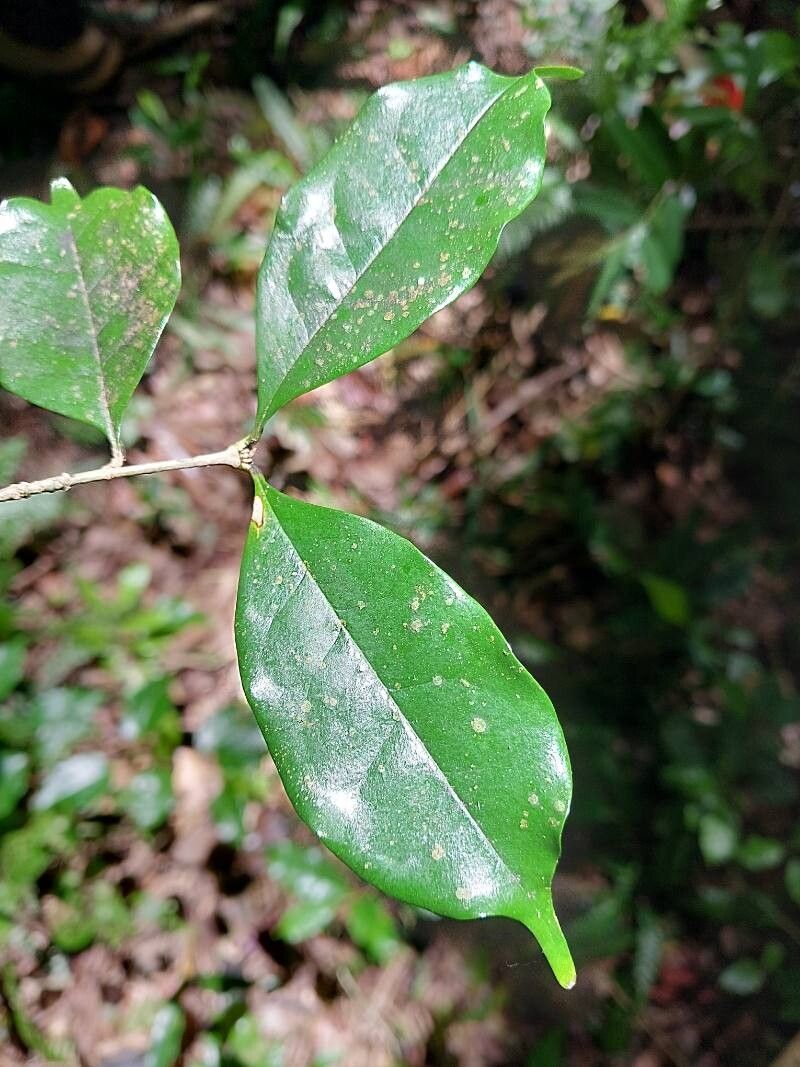
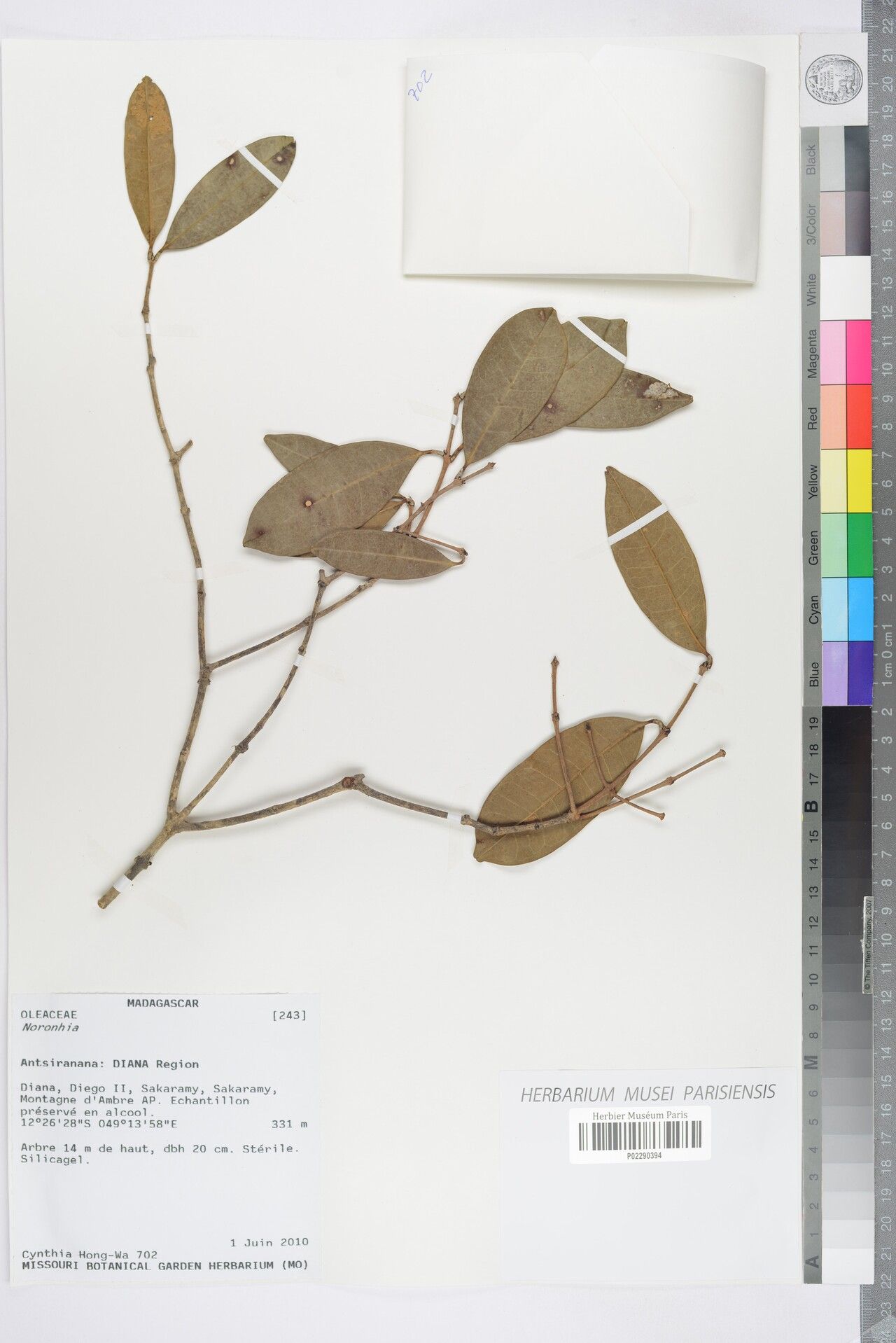
Noronhia emarginata, commonly known as the St. Helena olive, is a species of flowering plant in the family Oleaceae. It is endemic to the island of St. Helena in the South Atlantic Ocean, where it thrives in dry and rocky areas at elevations between 150 and 600 meters above sea level.
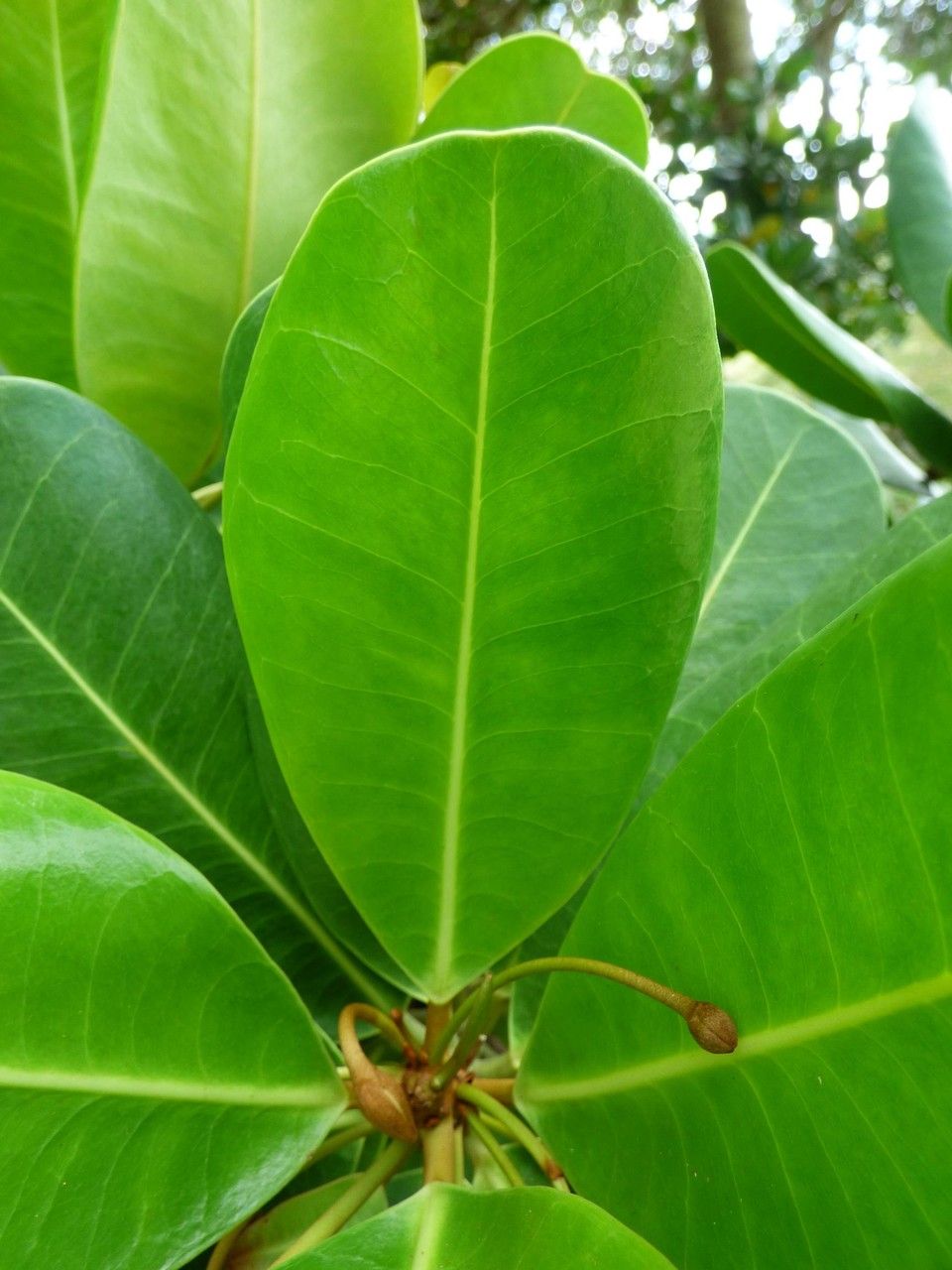
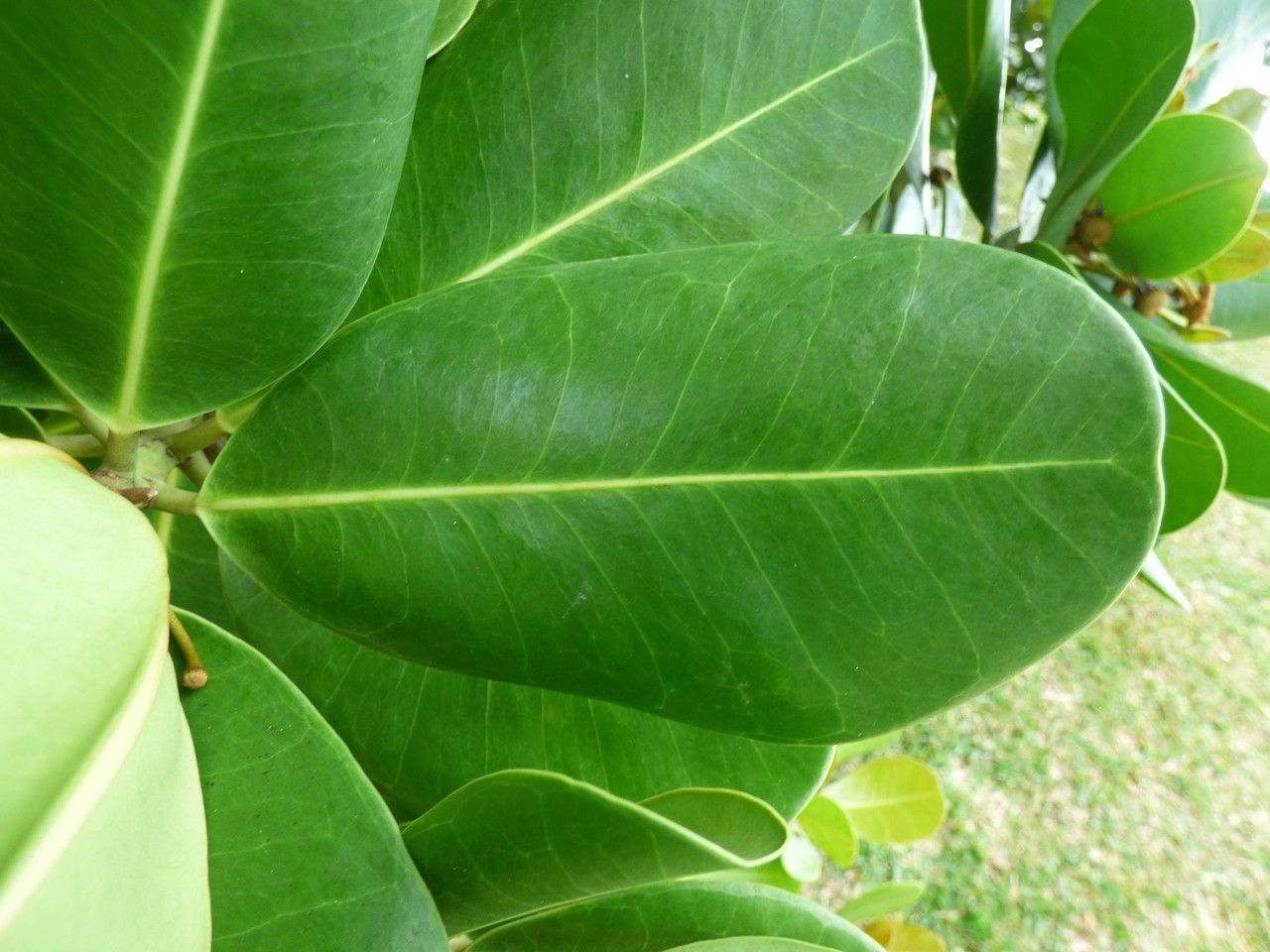
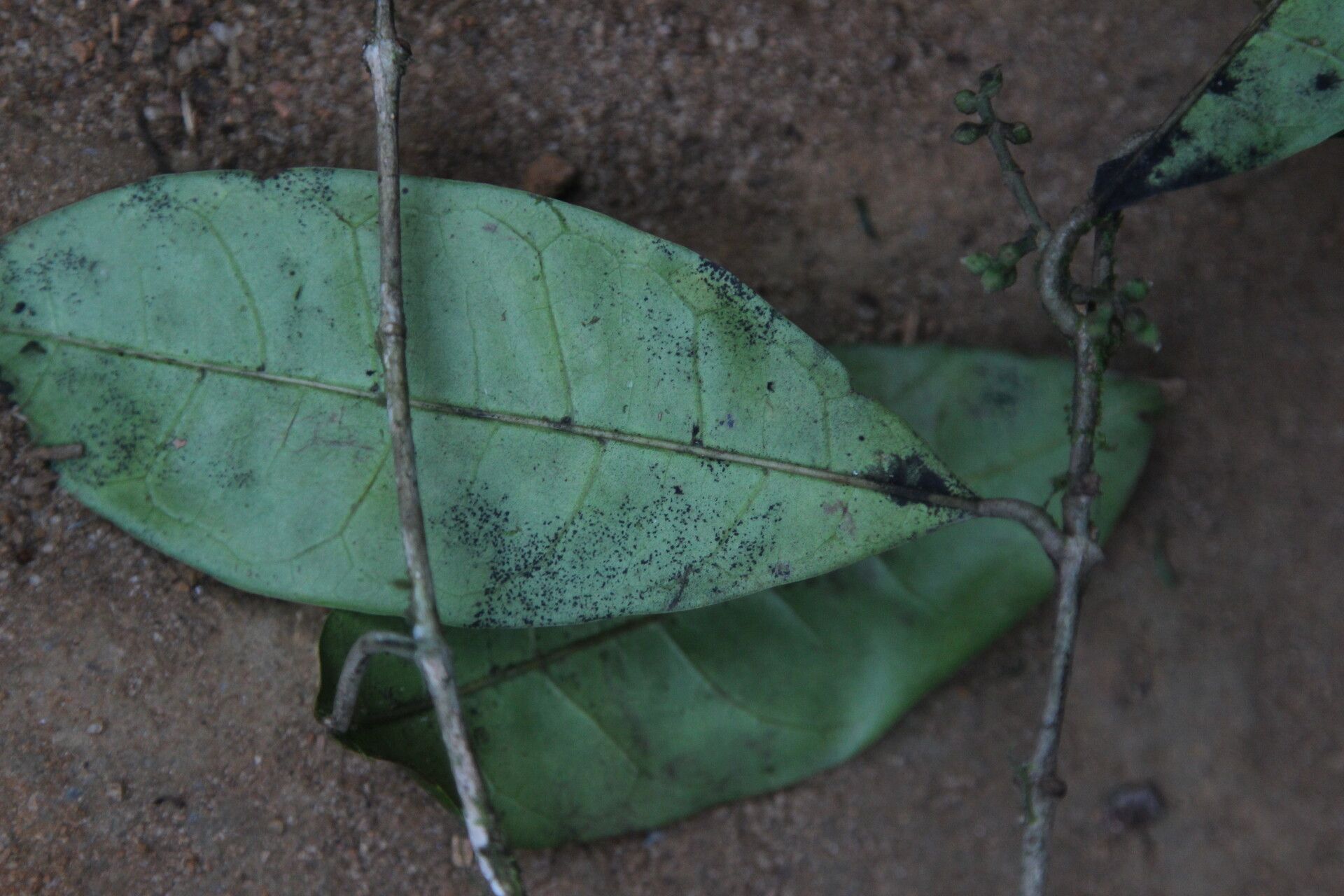
This plant can grow as a small tree or shrub, reaching up to 6 meters in height and having a trunk diameter of up to 30 cm. Its dark green leaves are leathery and glossy, with an elliptical shape and smooth margins.
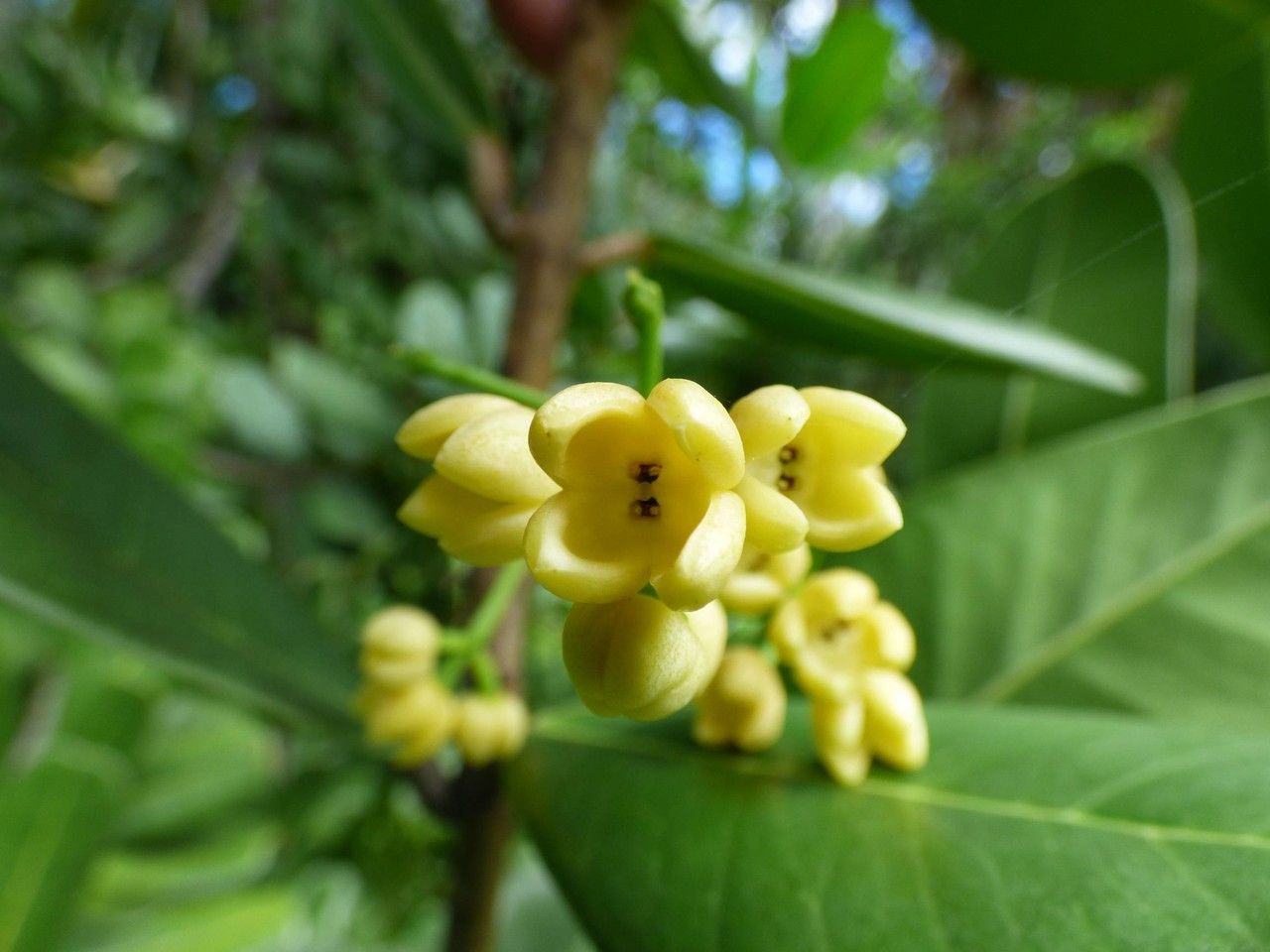
The flowers, which bloom from October to December, are small, white or cream-colored, and fragrant, with four petals arranged in a cross shape.
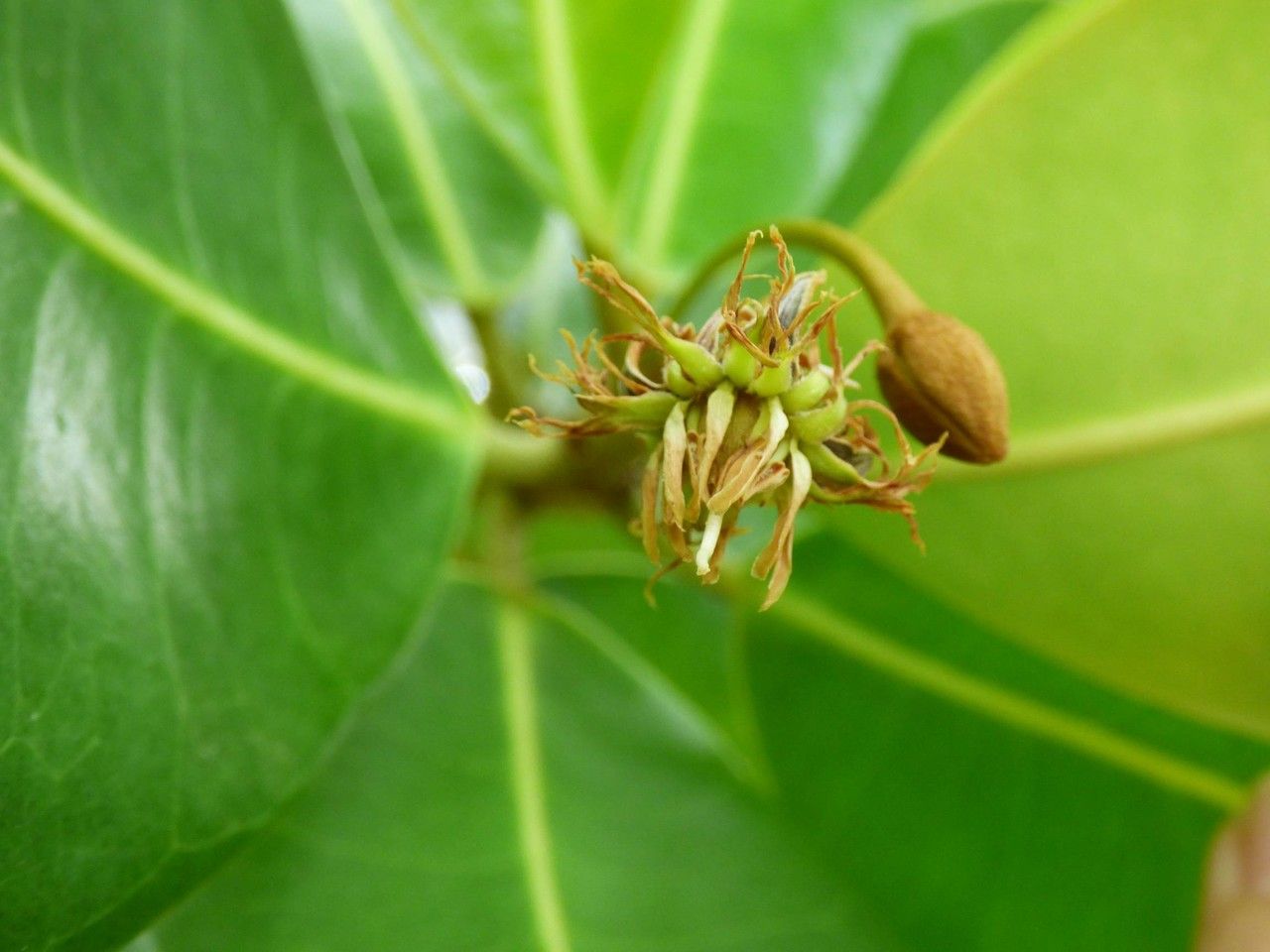
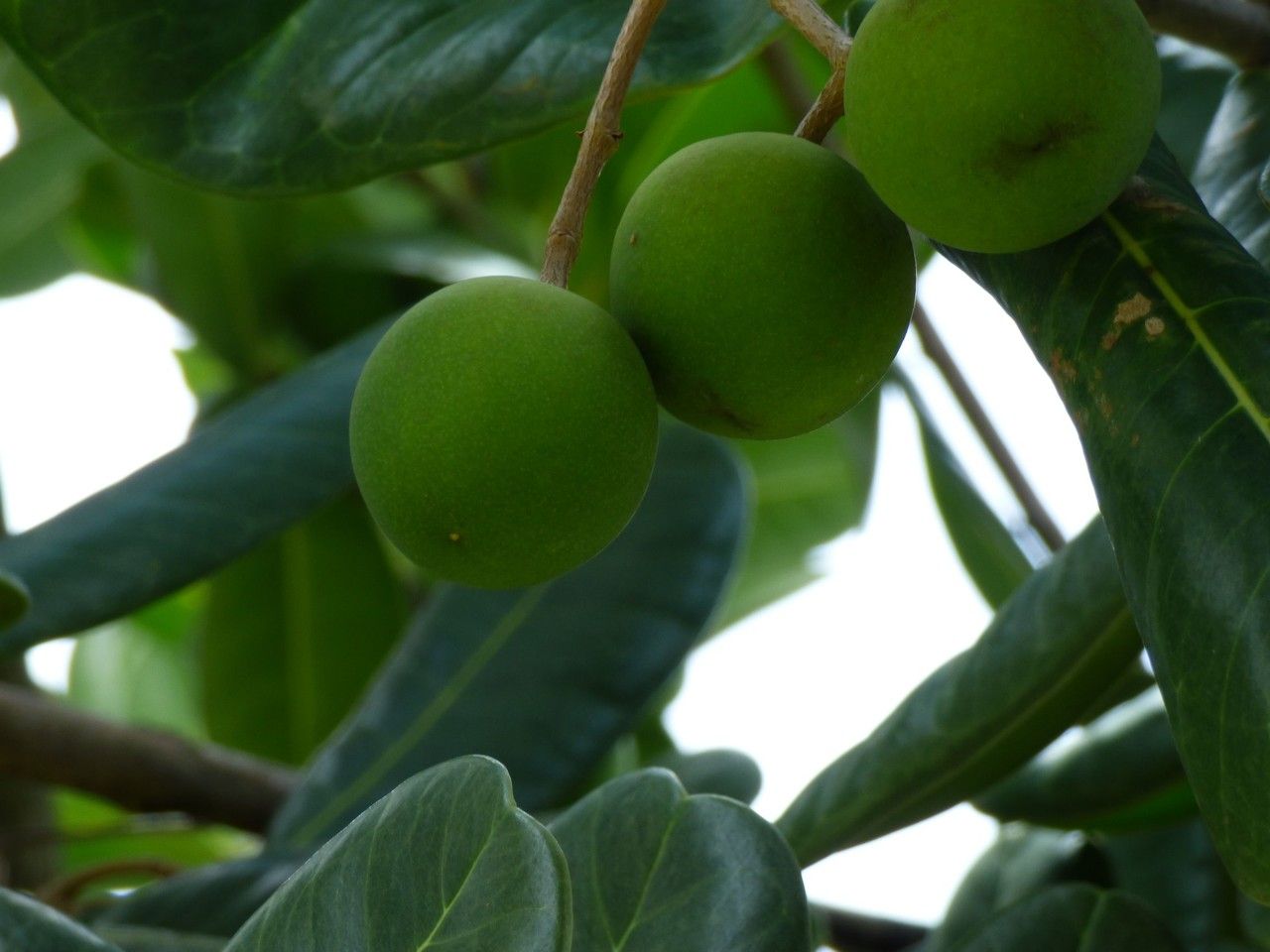
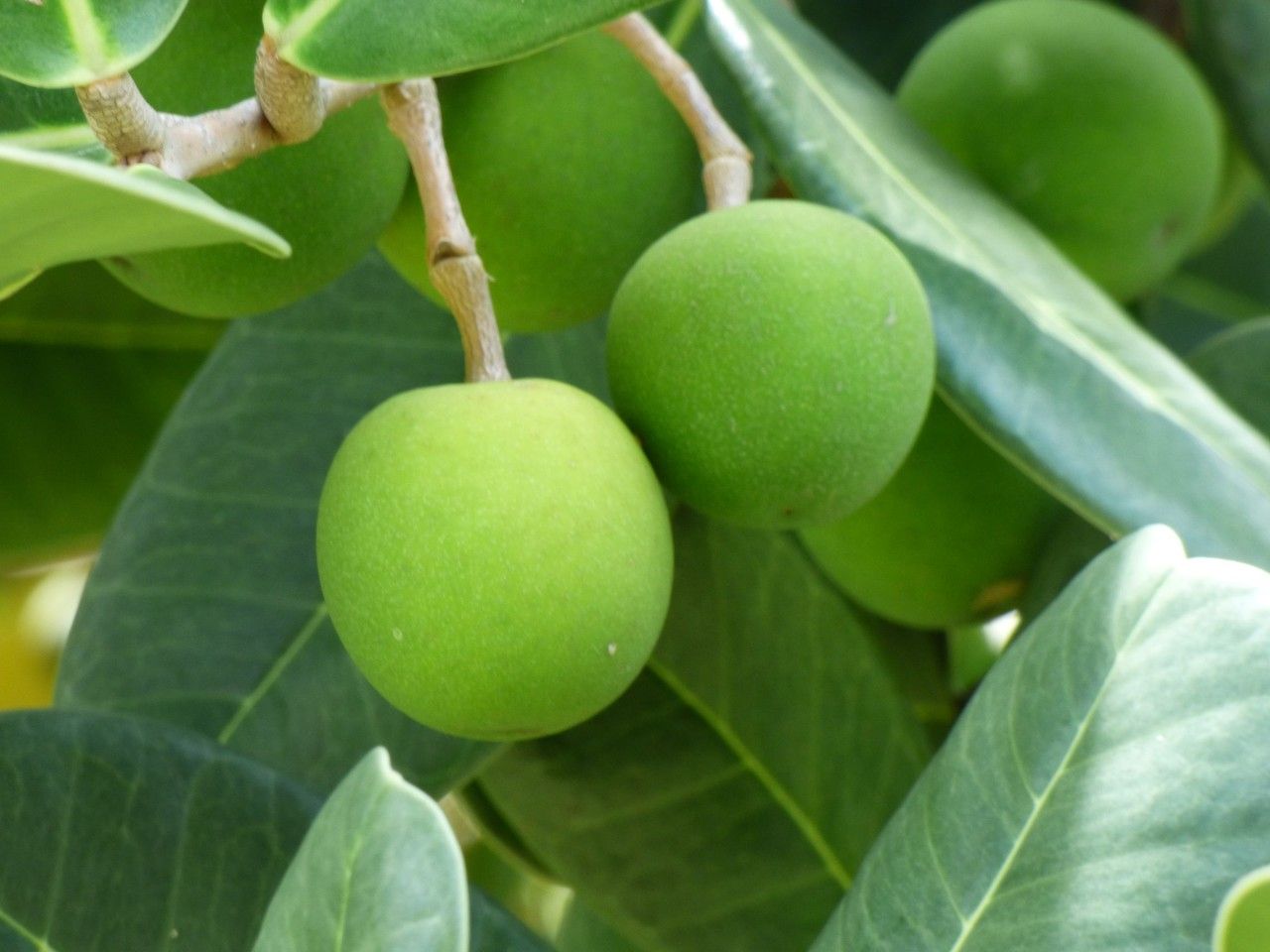
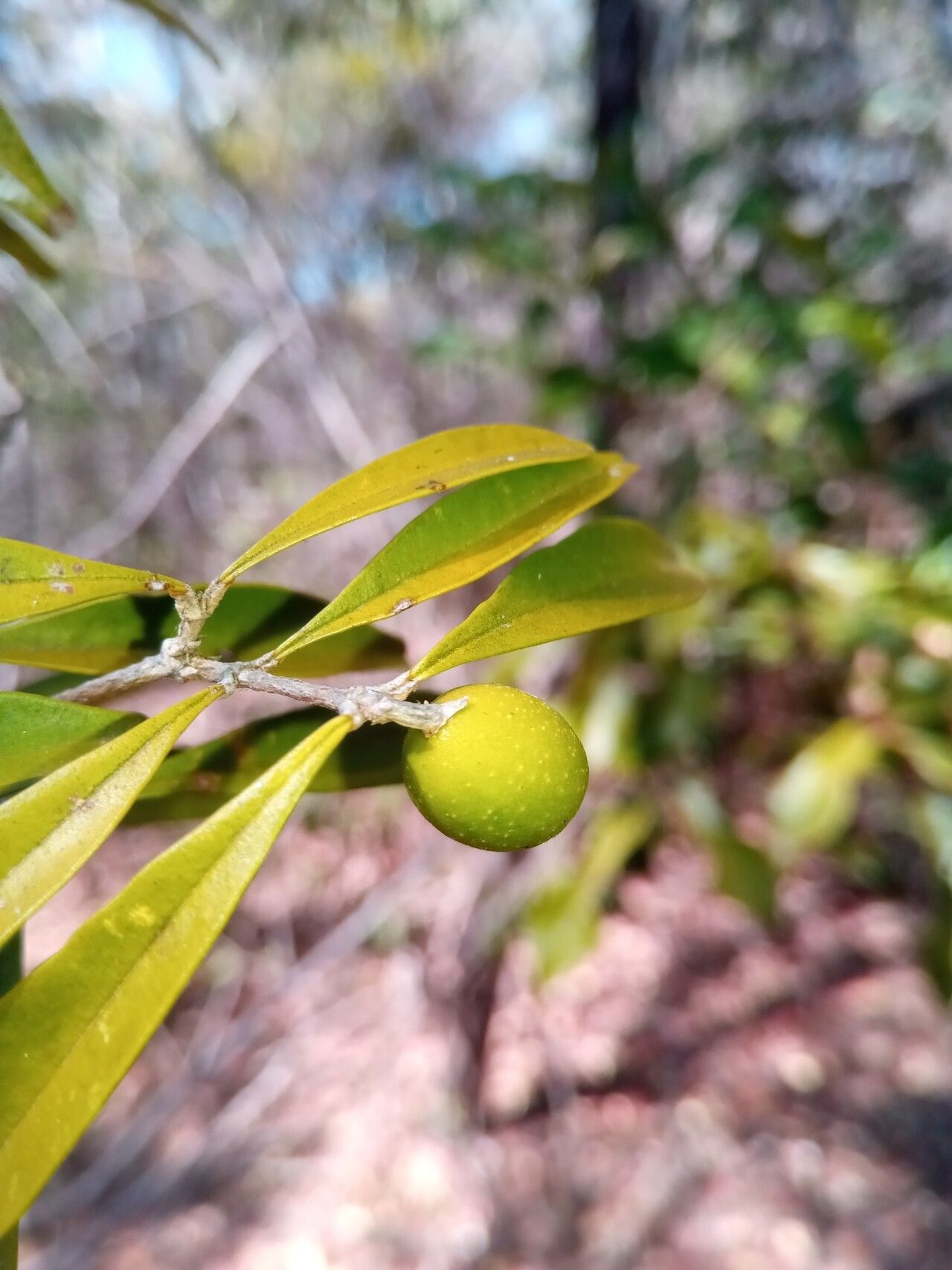
The fruit of Noronhia emarginata is an olive-like drupe that changes from green to black when ripe. Each fruit contains a single seed that can be used for propagation.
Due to significant habitat loss caused by human activities such as deforestation for agriculture, Noronhia emarginata has been classified as endangered by the IUCN Red List since 1998.
To conserve this species for future generations, conservationists on St. Helena Island have initiated planting programs aimed at restoring the degraded habitats where Noronhia emarginata naturally grows.
The Madagascar olive has strong resistance to diseases and is generally not susceptible to them. Regarding care, this plant is fairly low-maintenance. When grown outdoors it needs little watering, and larger plants typically do not require pruning. However, smaller plants should be pruned after they have bloomed. The Madagascar olive is appropriate for anyone with outdoor space, such as a garden or deck, and does not require much plant-care experience.
How to keep Noronhia Emarginata.
Light
Madagascar olive is native to habitats like forest understories and rocky areas, where it grows in natural shade. It prefers partial sun but can adjust to full sun or full shade, showing its versatility and hardiness.
Water
The Madagascar olive thrives with consistent moisture, needing a balanced approach of hydration and drainage. To prevent waterlogging and maintain its evergreen foliage, it is essential to water it weekly. This is particularly important in outdoor environments where the plant adapts to various climates.
Temperature
Madagascar olive comes from tropical areas, where the climate is generally warm and humid. As a result, it is well suited to high temperatures and humidity. It does not tolerate sudden temperature shifts and prefers a consistent thermal environment, so it is important to avoid indoor temperature fluctuations. It usually cannot endure cold conditions and needs warmer temperatures for growth. If the surrounding temperature falls too low, the plant may stop growing or even die.
Fertilizer
The best time to fertilize a Madagascar olive is in early spring as it comes out of dormancy. This encourages overall growth and flower development. Fertilization improves the foliage, stems, and branches, while encouraging large, vibrant, long-lasting flowers. It helps move nutrients from the roots to the flowers and enhances the plant's health and resistance to disease.
Pruning
The Madagascar olive is an evergreen shrub or small tree that benefits from pruning between early and late winter. During this time, it's important to remove dead wood, crossing branches, and excess growth to enhance air circulation and improve the plant's appearance. Pruning during the dormant season reduces stress and the risk of pests, promoting overall health and flowering throughout the year.
Botanical profile.
- Plant Type
- Tree, Shrub
- Life Cycle
- Perennial
- Genus
- Noronhia
- Family
- Oleaceae
- Hardiness Zone
- 10-12
- Mature Height
- 6.1 m to 7.62 m
- Mature Spread
- 4.57 m to 6.1 m
- Leaf Color
- Dark Green
- Leaf Type
- Evergreen
- Flower Color
- White
- Flower Size
- 1.02 cm to 1.52 cm
- Bloom Time
- Summer
- Planting Time
- Spring, Summer
- Harvest Time
- Late summer, Fall
- Native Area
- Madagascar
Other names.