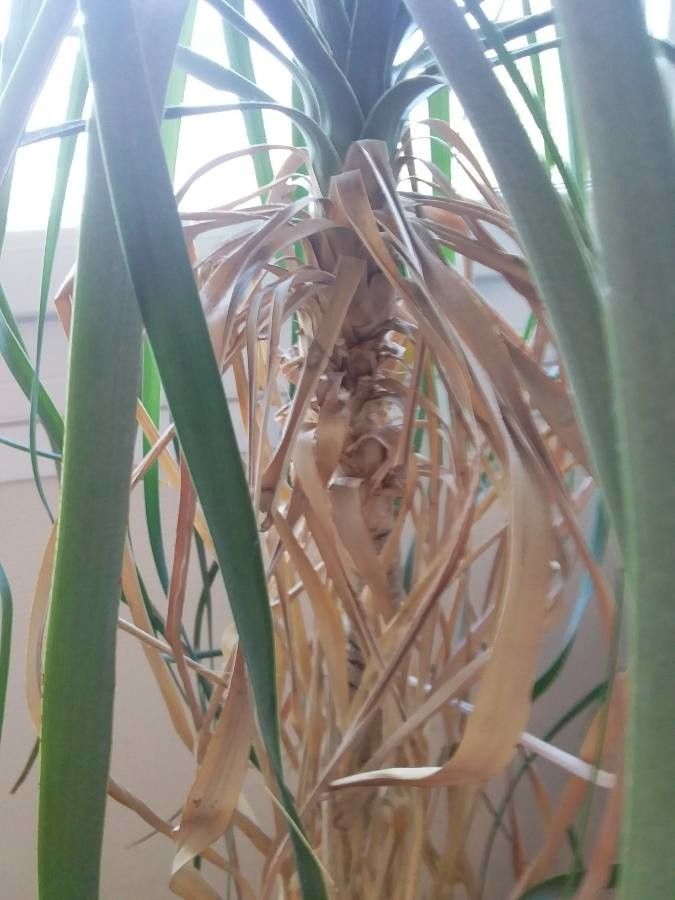
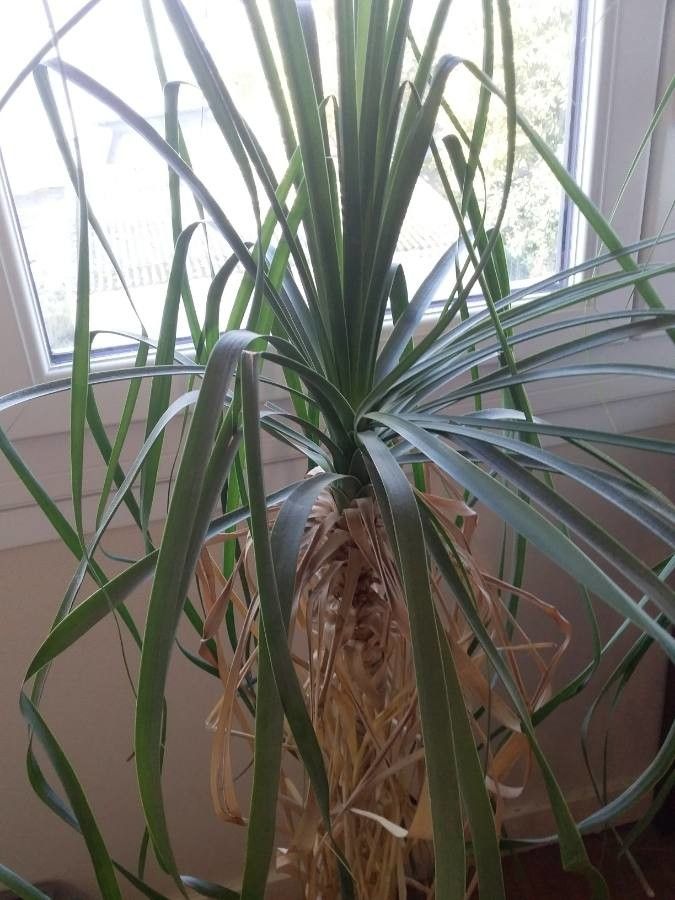
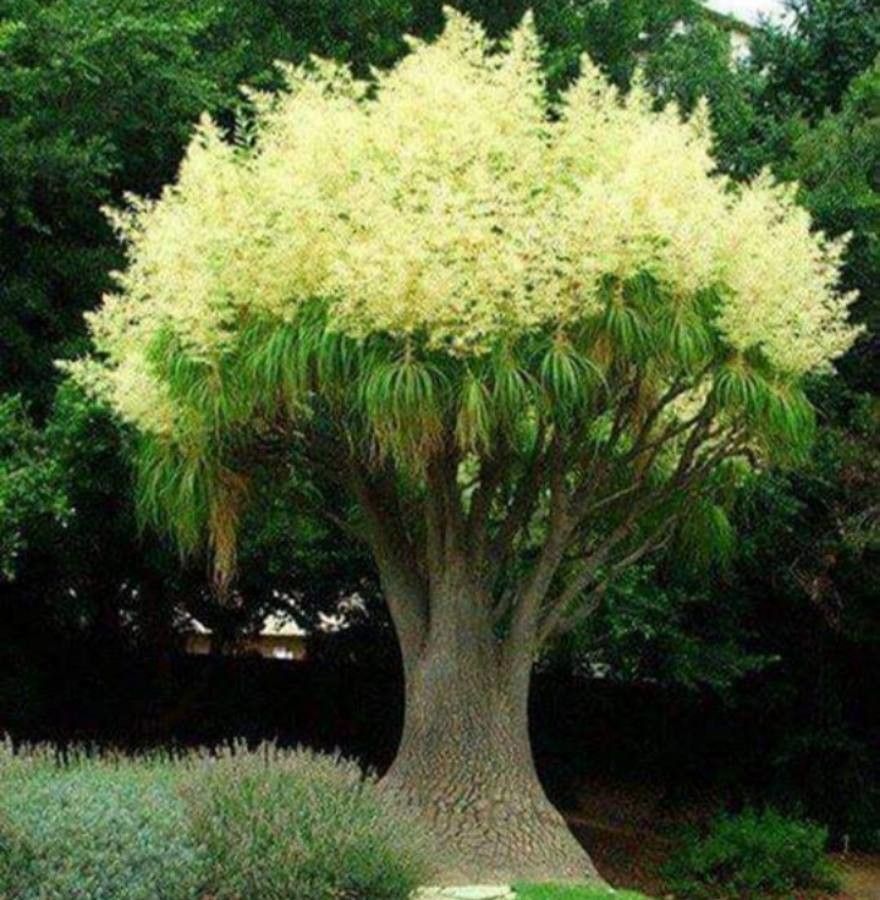
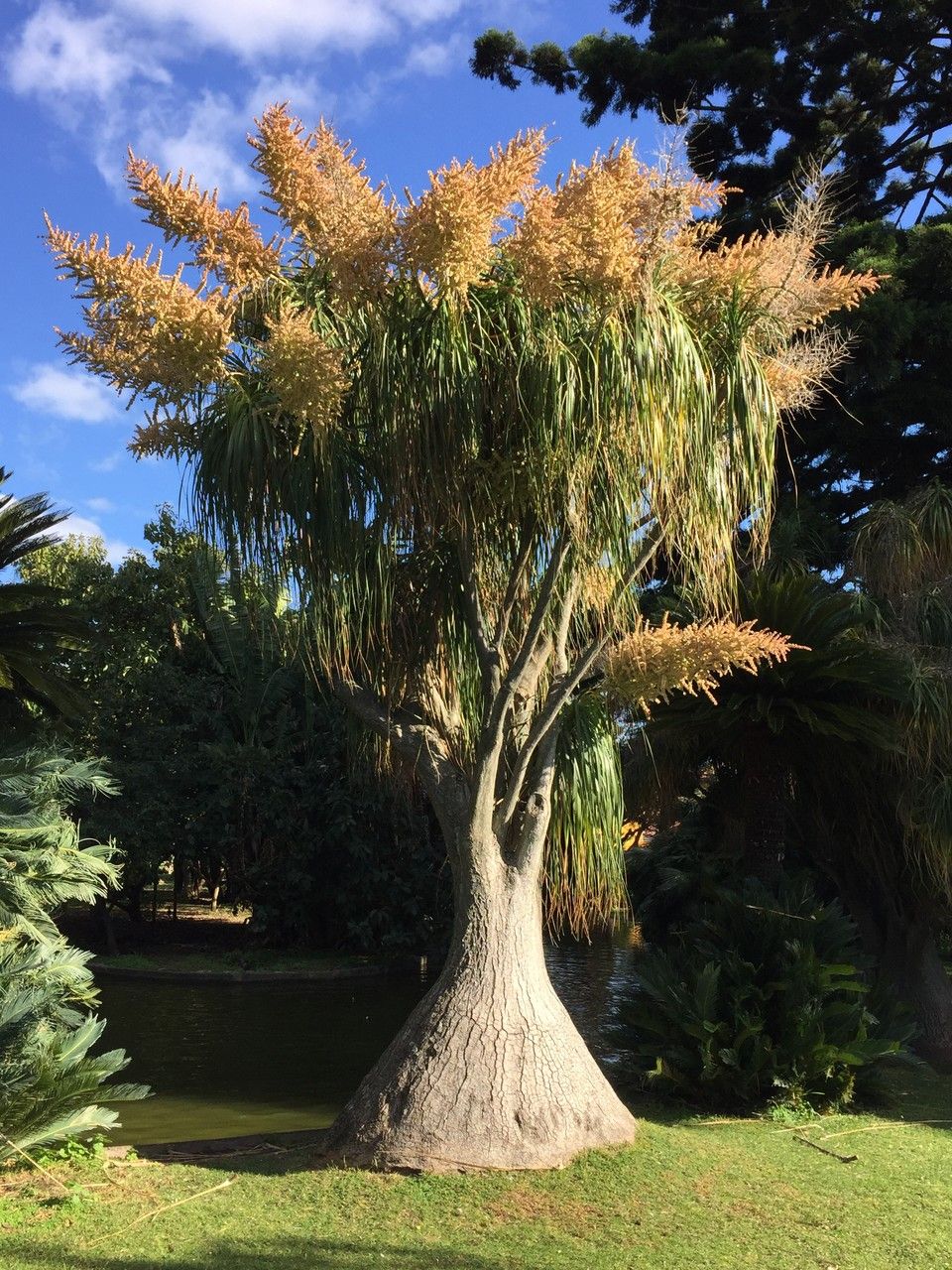
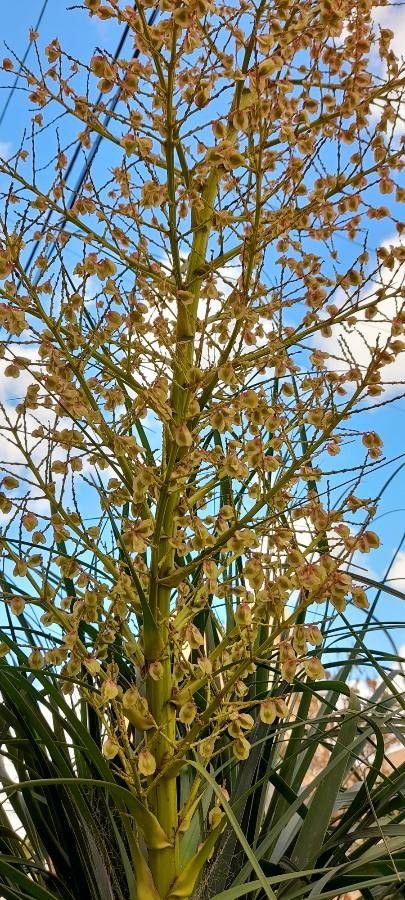
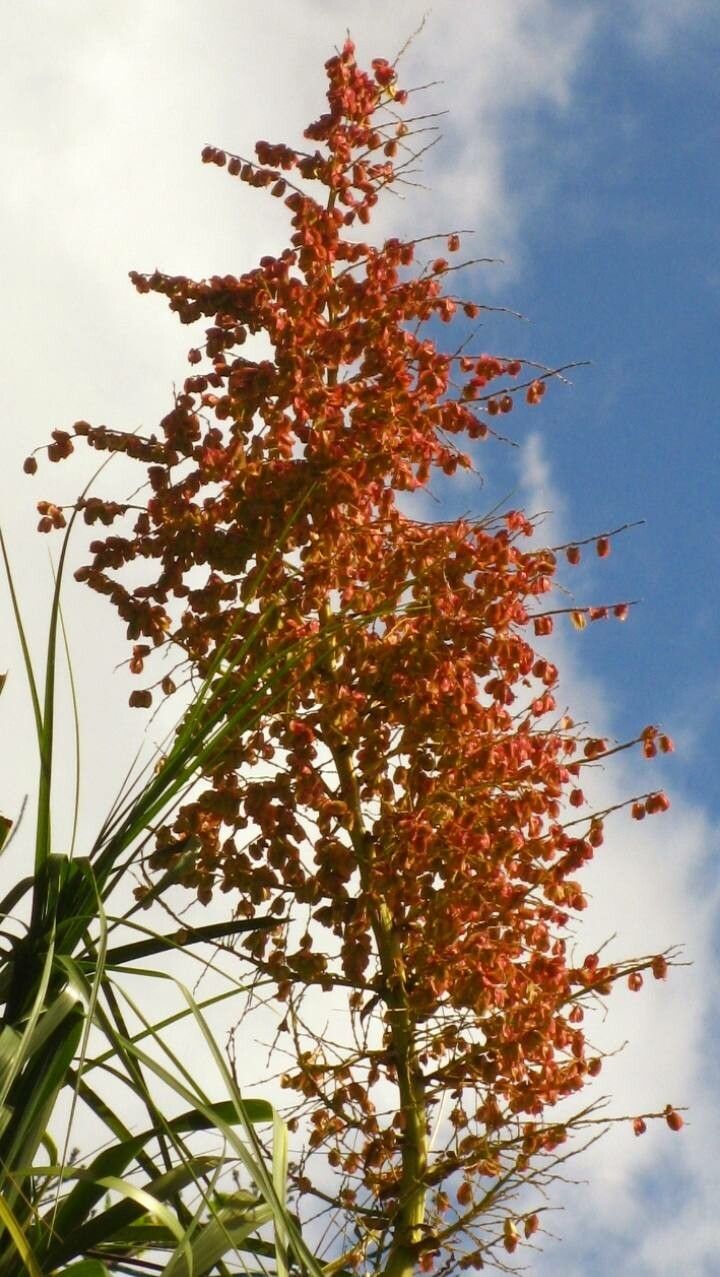
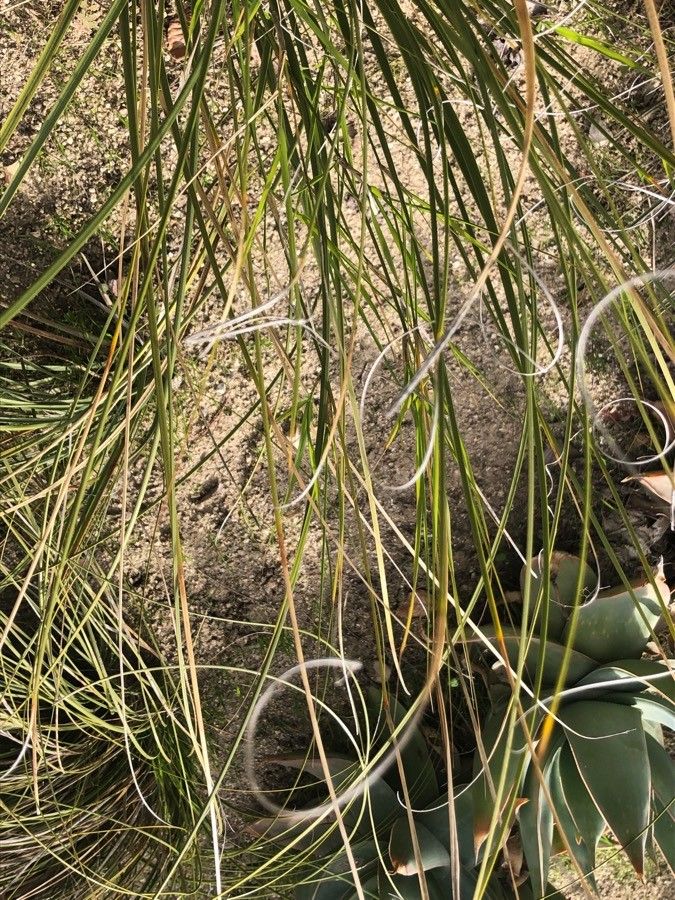
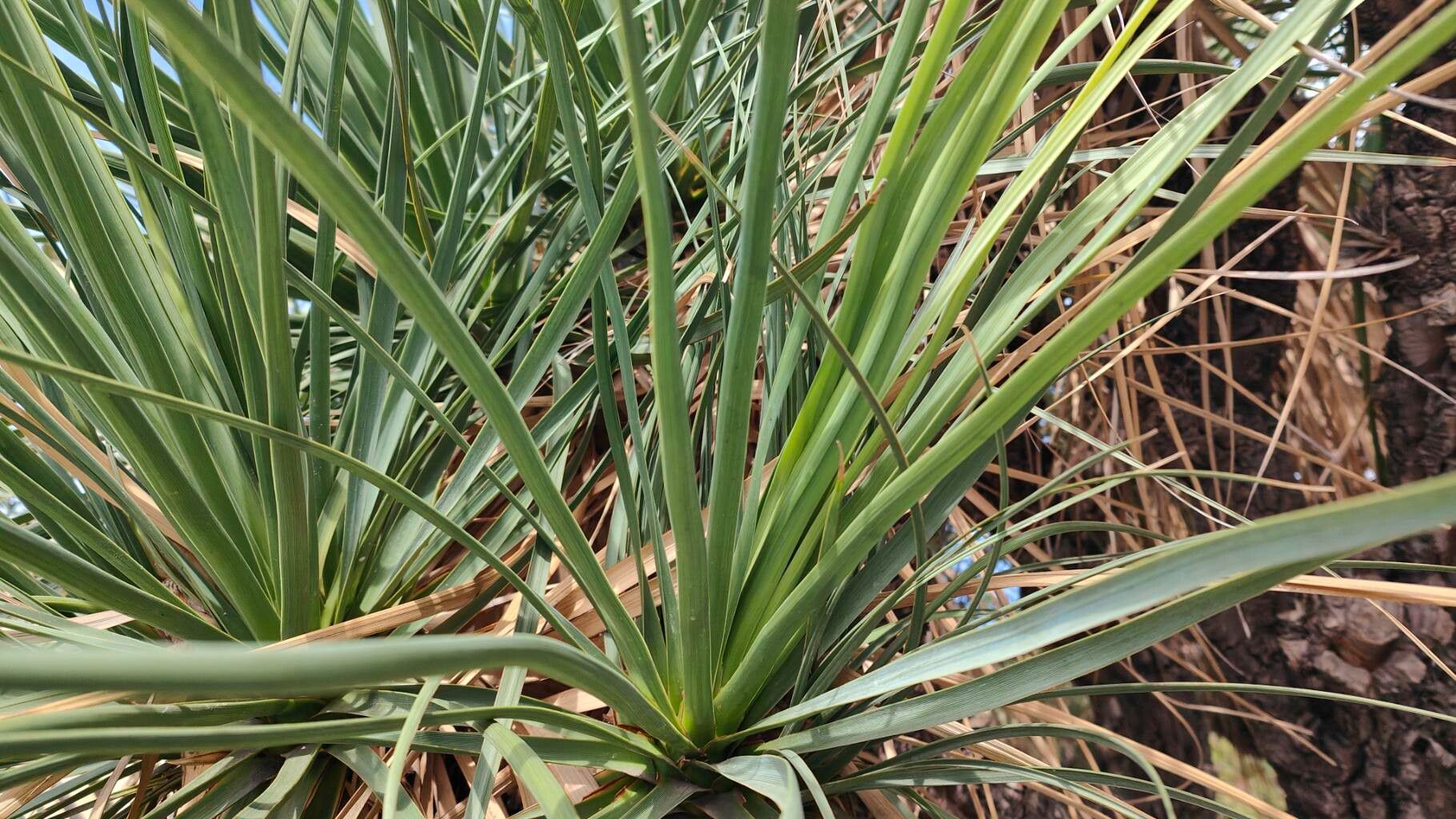
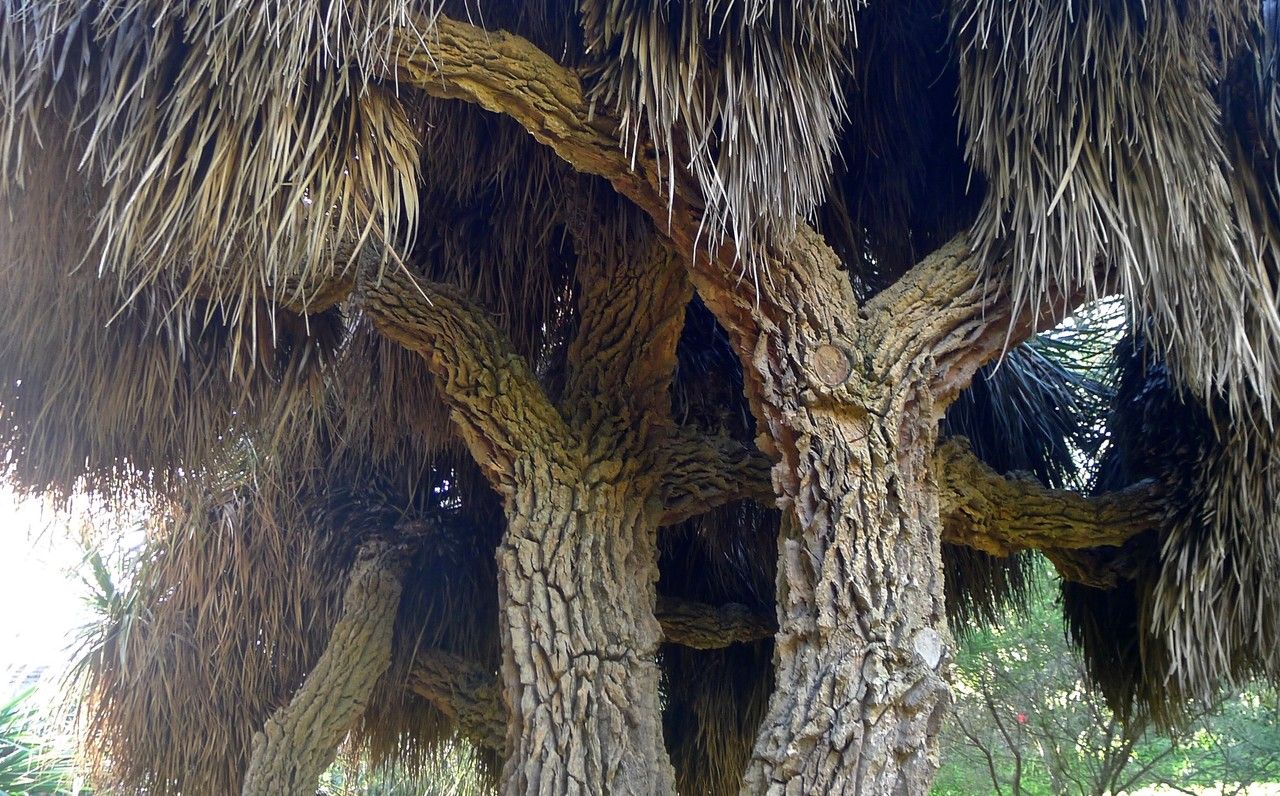
Beaucarnea recurvata, the elephant's foot or ponytail palm, is a species of plant in the family Asparagaceae. The species was native to numerous states of eastern Mexico but is now confined to the state of Veracruz. Despite its common name, it is not closely related to the true palms (Arecaceae). It has become popular in Europe and worldwide as an ornamental plant. There are 350-year-old Beaucarneas registered in Mexico.
Ponytail palm has moderate disease resistance and is more sensitive to humidity and excessive watering. It is also more prone to illness when it does not get enough light and is overwatered. In terms of care, Ponytail palm is drought-tolerant and can go long periods without water. It needs little fertilizer and only occasional pruning. This makes it suitable for people of all experience levels, especially those who prefer to spend less time on plant care and who may sometimes be away from home for long periods. It is a good option for people who do not want to devote a lot of time to their plants but still want an easy-to-maintain plant.
How to keep Nolina Recurvata.
Light
Ponytail palm is generally adapted to environments with consistent moderate sunlight and can tolerate both full sun and shaded conditions. Too much sun can cause sunburn, while insufficient light can result in pale foliage and stopped growth.
Temperature
The ponytail palm favors a natural growing environment with temperatures between 21 and 29 ℃ (70 to 85 ℉). Its usable temperature range is 20 to 41 ℃ (68 to 106 ℉), allowing it to tolerate a wide span of temperatures. In colder months, temperature adjustments may be required to keep conditions within 15 to 23 ℃ (59 to 73 ℉).
Fertilizer
For Ponytail palm, light applications of fertilizer once or twice a year during the growing season are sufficient. Avoid feeding in winter and in summer when the plant is dormant. Cut back on fertilizer for repotted plants and wait a couple of months after repotting before applying fertilizer. Fertilizing supports healthy growth and helps encourage blooms.
Pot & Repot
When repotting a Ponytail palm, choose a pot just slightly larger than the current one that provides good drainage. Use a gritty, well-draining succulent or cactus mix. Gently remove the plant from its old pot, brush off excess soil, and place it at the same depth in the new container. Wait several days before watering so any root damage can heal. Repot in spring or fall, and set the plant in a brightly lit spot.
Botanical profile.
- Plant Type
- Succulent, Shrub, Tree
- Life Cycle
- Perennial
- Genus
- Nolina
- Family
- Asparagaceae
- Hardiness Zone
- 9-13
- Mature Height
- 3.96 m to 14.94 m
- Mature Spread
- 0.91 m to 1.52 m
- Leaf Color
- Green
- Leaf Type
- Evergreen
- Flower Color
- White
- Flower Size
- 1.02 cm to 1.52 cm
- Bloom Time
- Mid summer
- Planting Time
- Spring, Summer, Autumn
- Harvest Time
- Mid summer, Late summer
- Native Area
- Mexico
Other names.