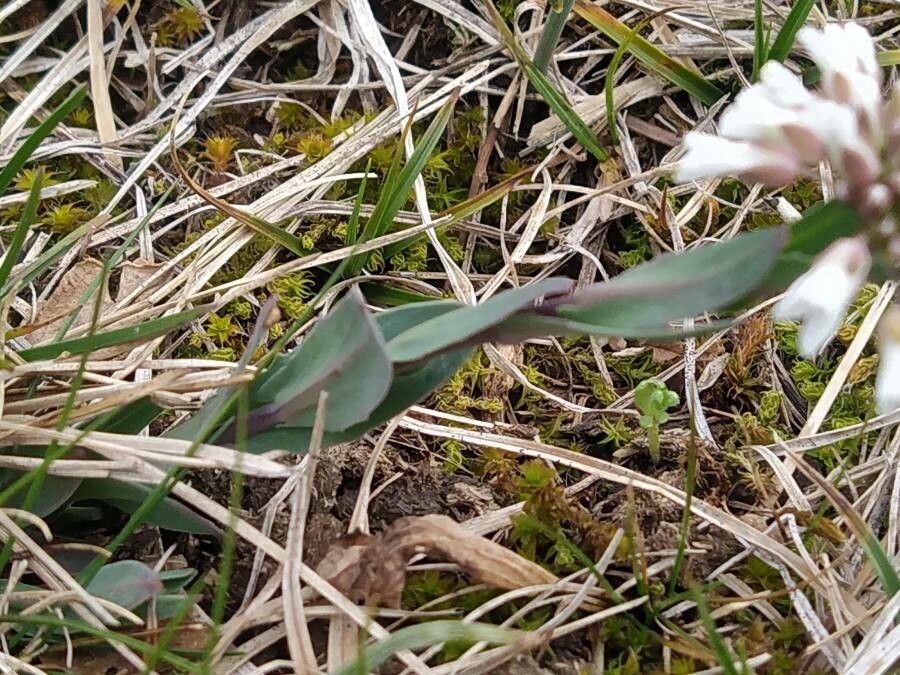
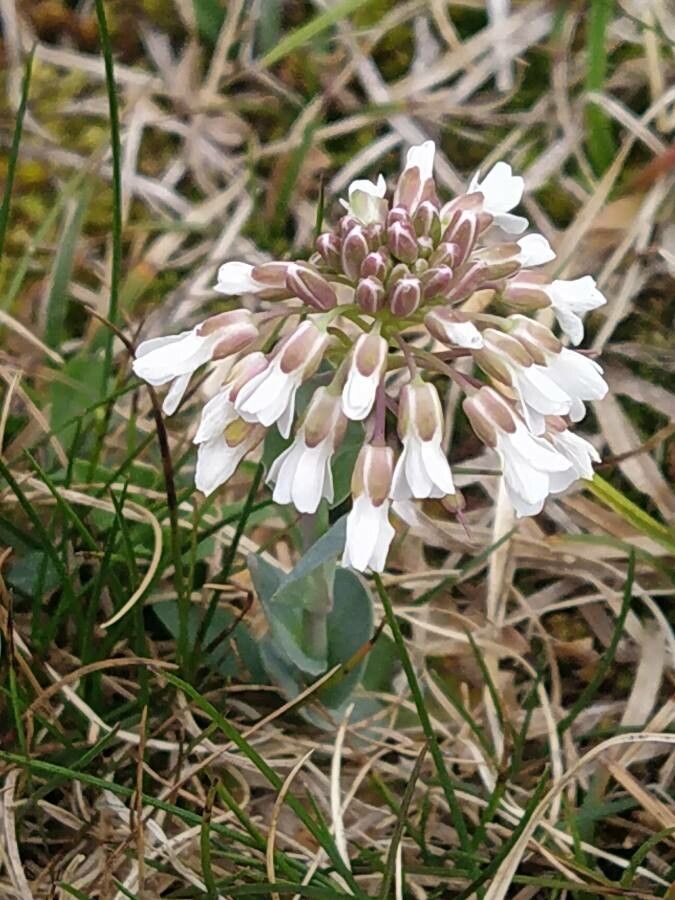
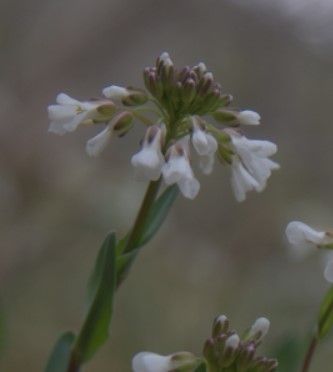
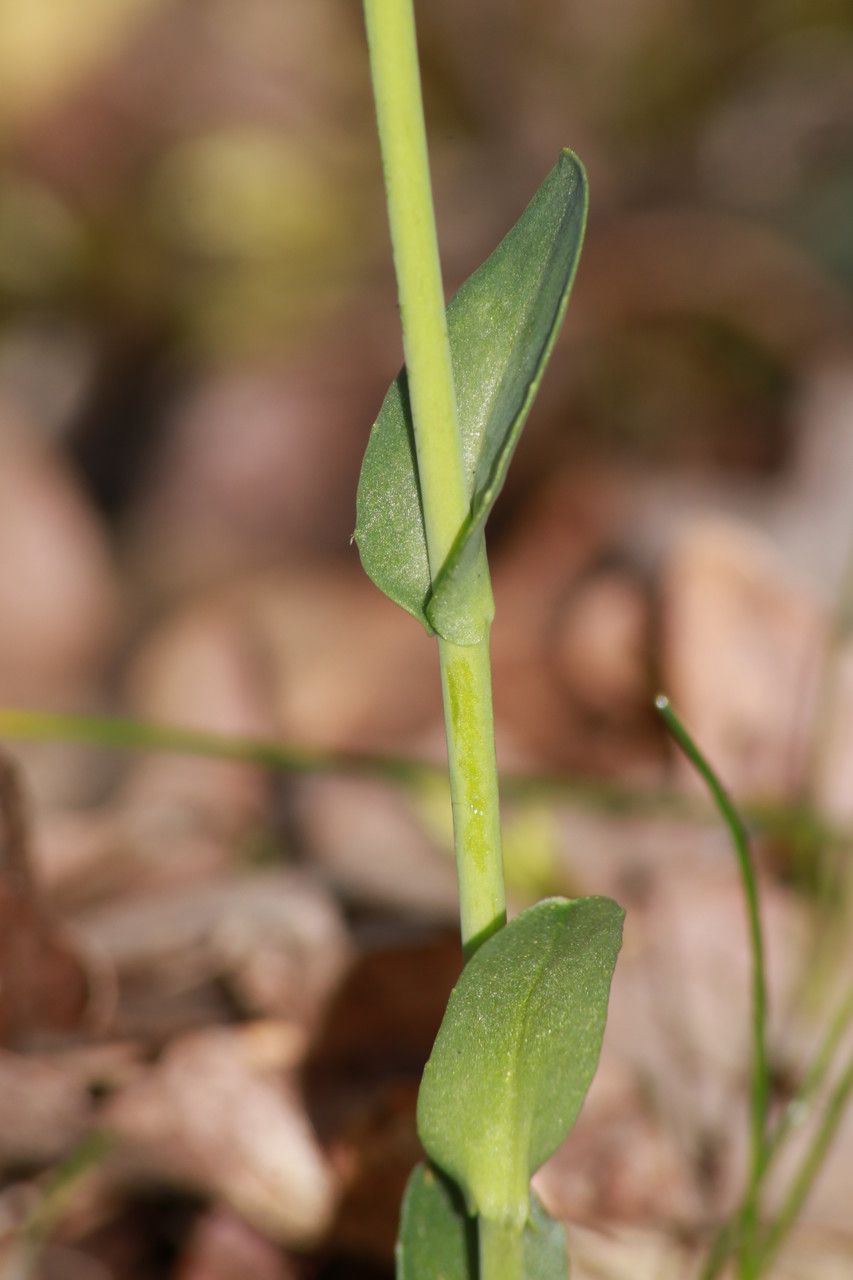
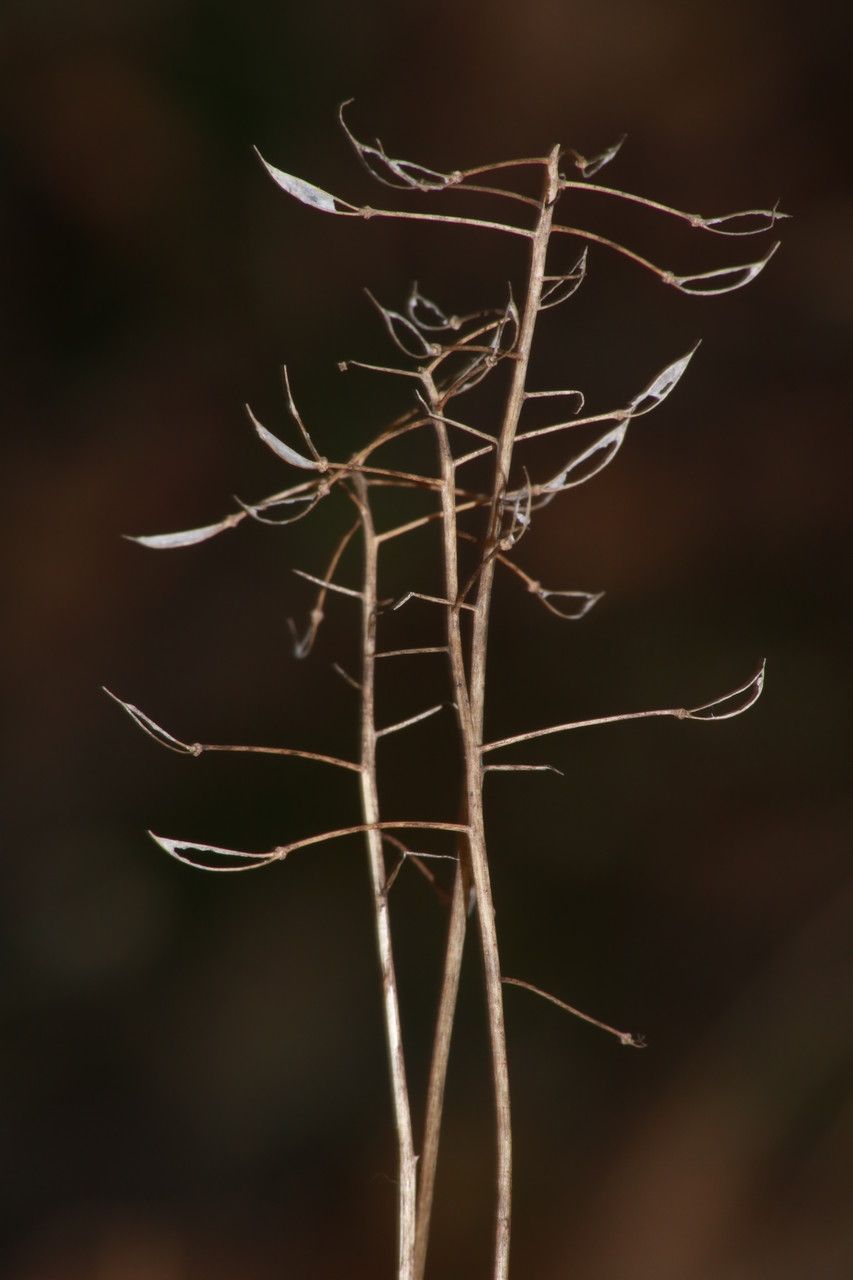
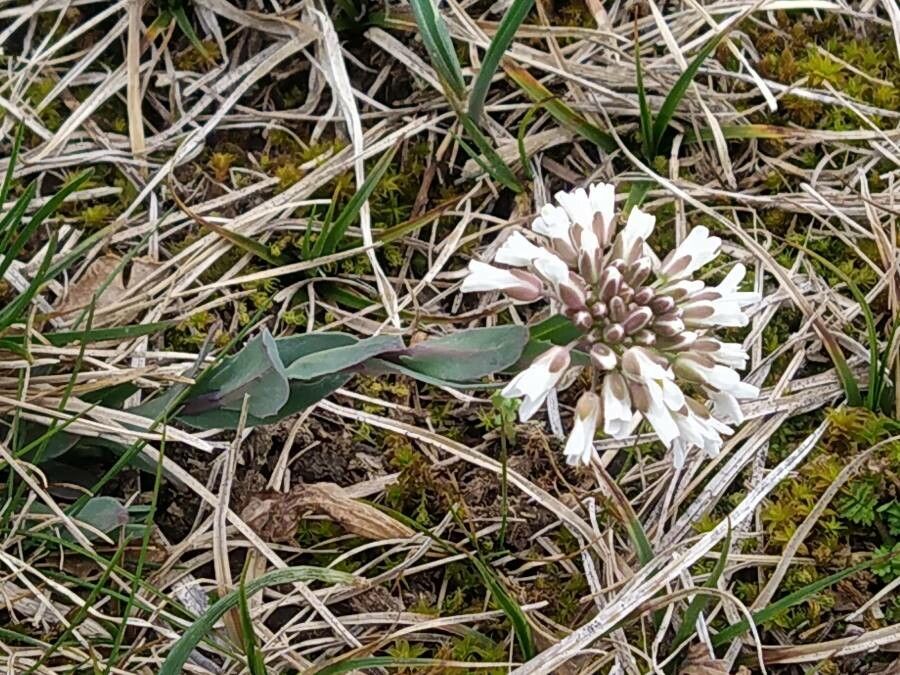
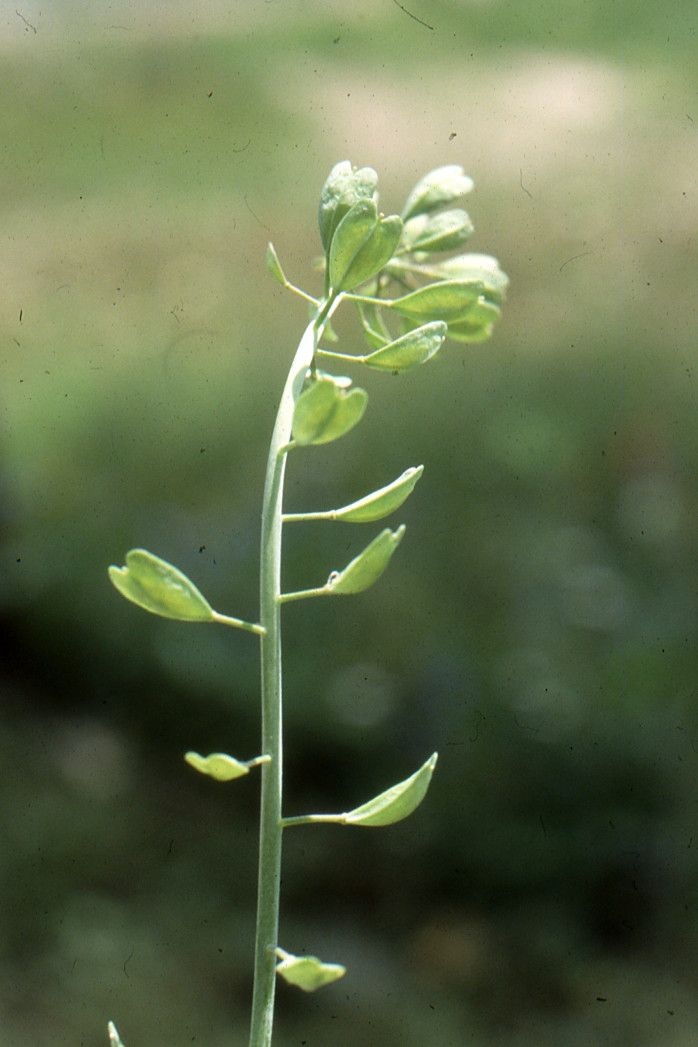
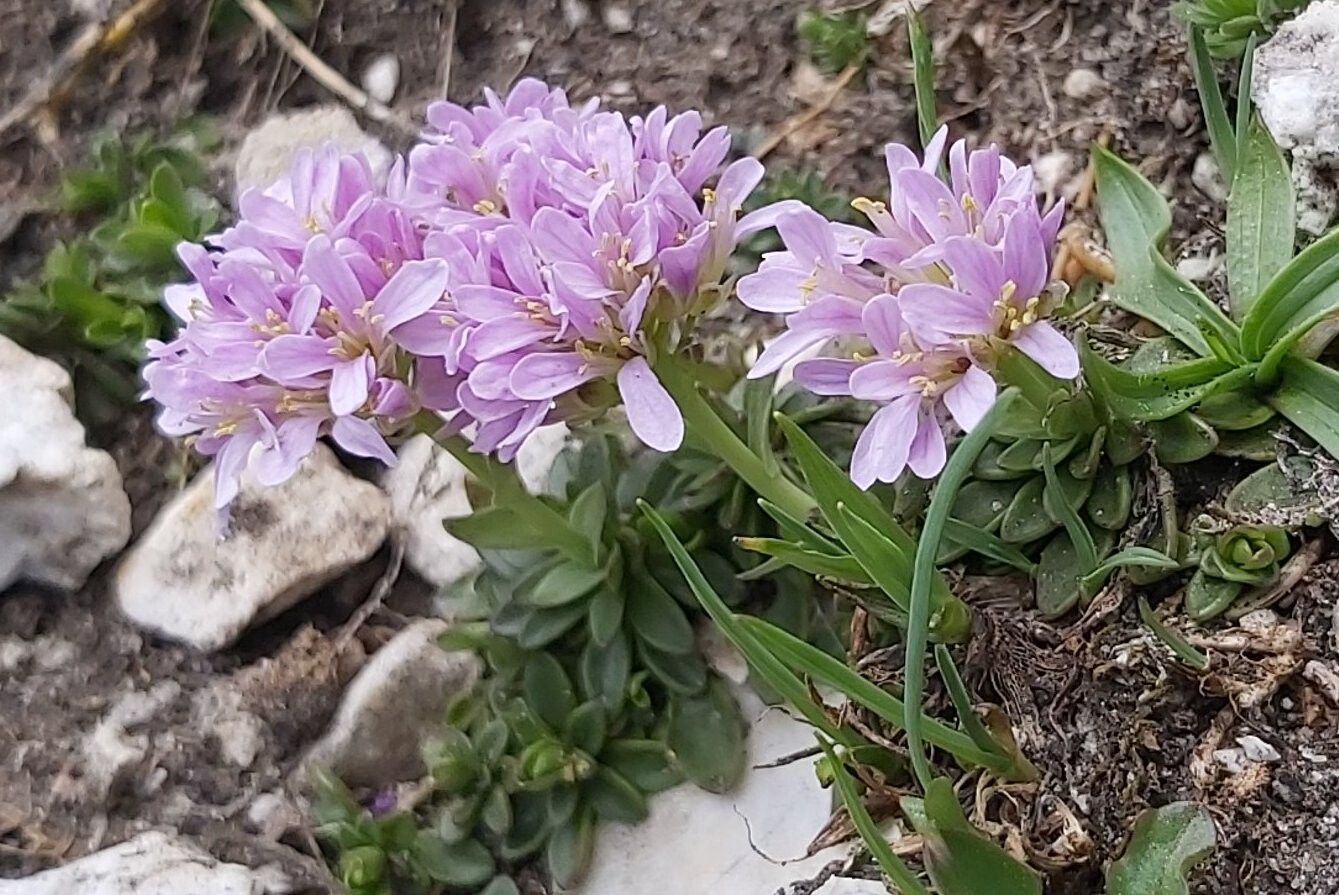
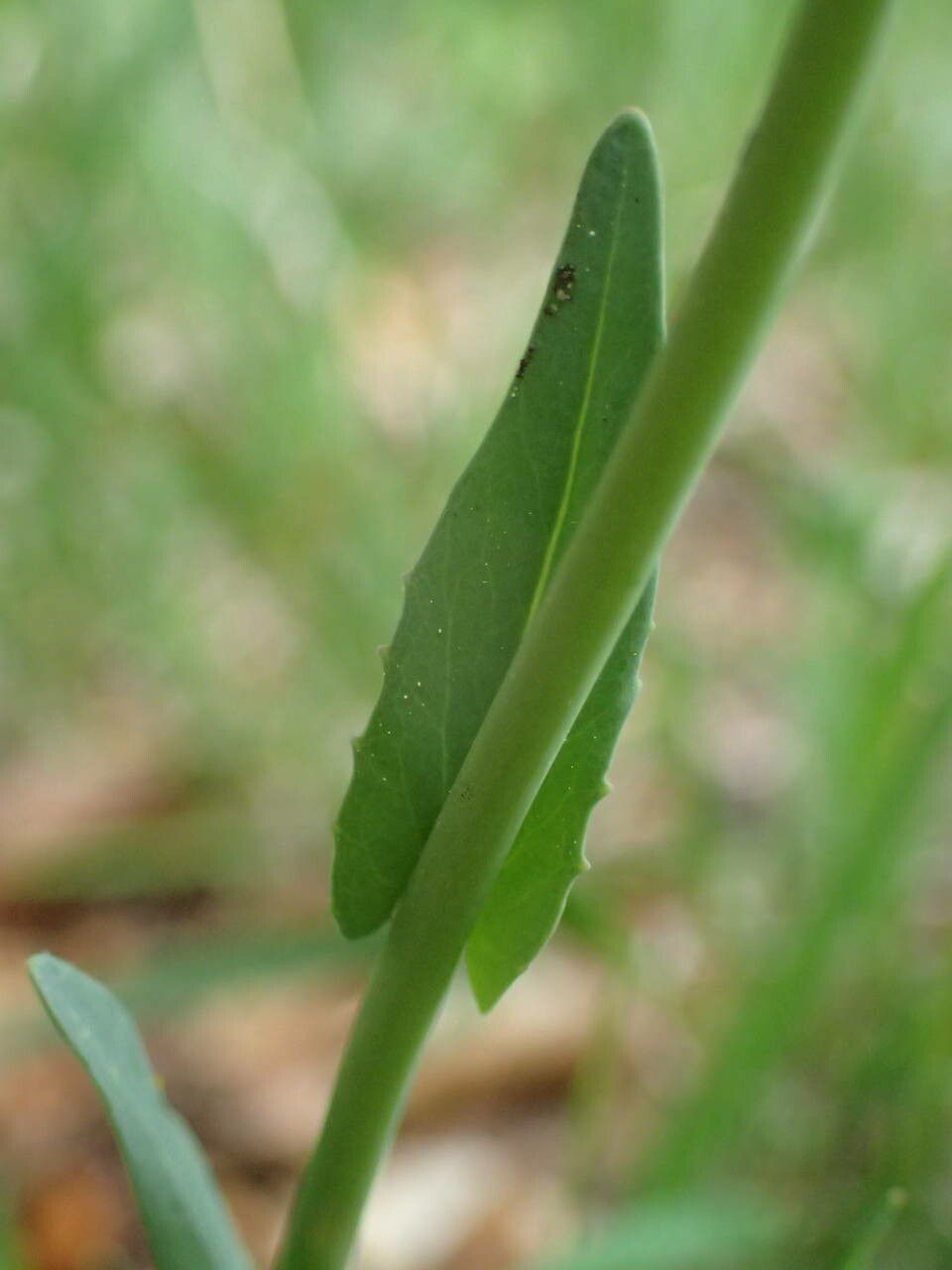
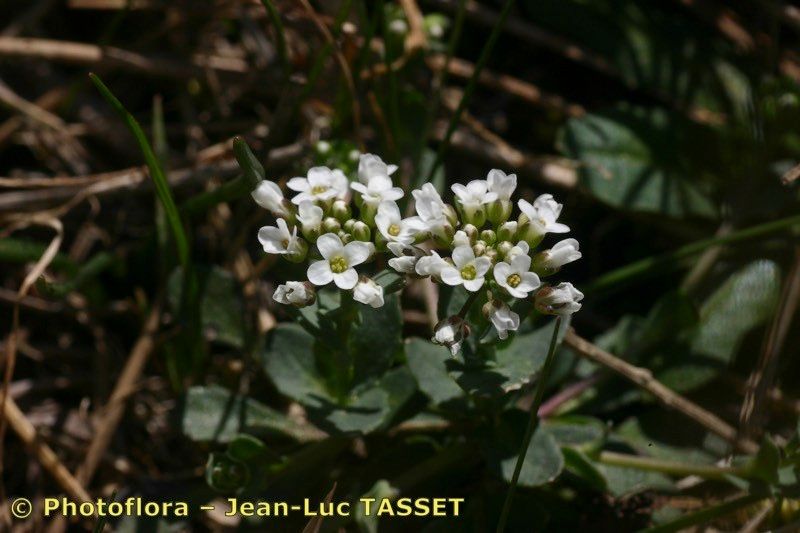
Early penny-cress has good resistance to diseases and is usually not susceptible to them. Nevertheless, it can be vulnerable to pests and diseases present in its environment. These infections are typically mild. For care, the plant requires moderate maintenance. It should be pruned regularly to maintain a neat appearance and healthy growth. Fertilizing can also help encourage flowering. Early penny-cress is appropriate for anyone with outdoor space, such as a garden or patio, and does not demand extensive plant-care experience. It may need more attention when kept indoors.
How to keep Noccaea Praecox.
Light
Early penny-cress comes from bright, open habitats and performs best in full sun. It can withstand partial shade but favors direct sunlight for peak growth. This plant, which can be annual or biennial, is recognized for its sun-loving habit.
Fertilizer
Early penny-cress are regarded as heavy nutrient feeders. They require frequent, low-rate applications of nitrogen and potassium fertilizers and periodic applications of phosphorus, micronutrients, sulfur, and magnesium to sustain good growth and bright coloration. Continuous fertilization throughout the growing season is necessary to prevent deficiency symptoms and maintain optimal growth.
Botanical profile.
- Plant Type
- Herb
- Life Cycle
- Biennial
- Genus
- Noccaea
- Family
- Brassicaceae
- Hardiness Zone
- 4-8
- Mature Height
- 10 cm to 30 cm
- Mature Spread
- 5 cm to 15 cm
- Leaf Color
- Green, Dark Green
- Leaf Type
- Evergreen
- Flower Color
- White
- Flower Size
- 0.25 cm to 0.51 cm
- Bloom Time
- Late winter, Early spring
- Planting Time
- Spring, Summer
- Harvest Time
- Mid spring, Late spring
- Native Area
- Russia, Austria, Italy, Kazakhstan, Montenegro, Bulgaria, Albania, Croatia, Slovenia, Serbia
Other names.