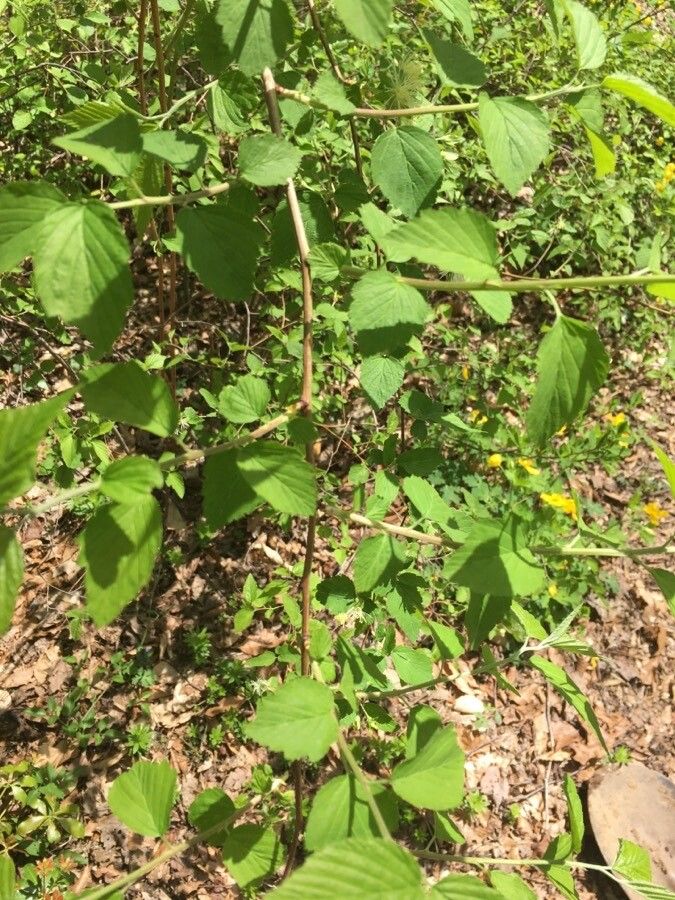
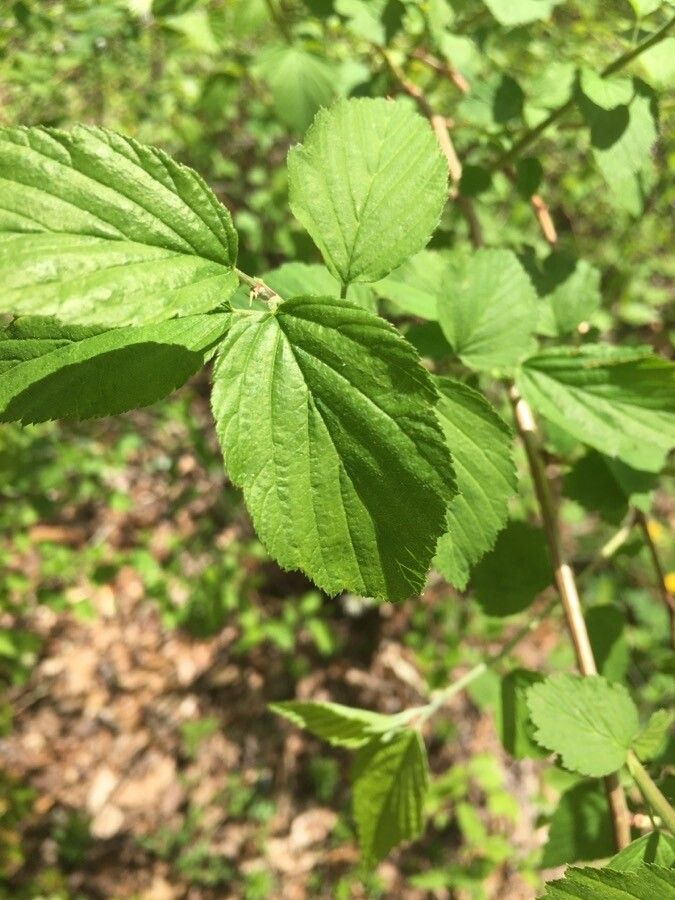
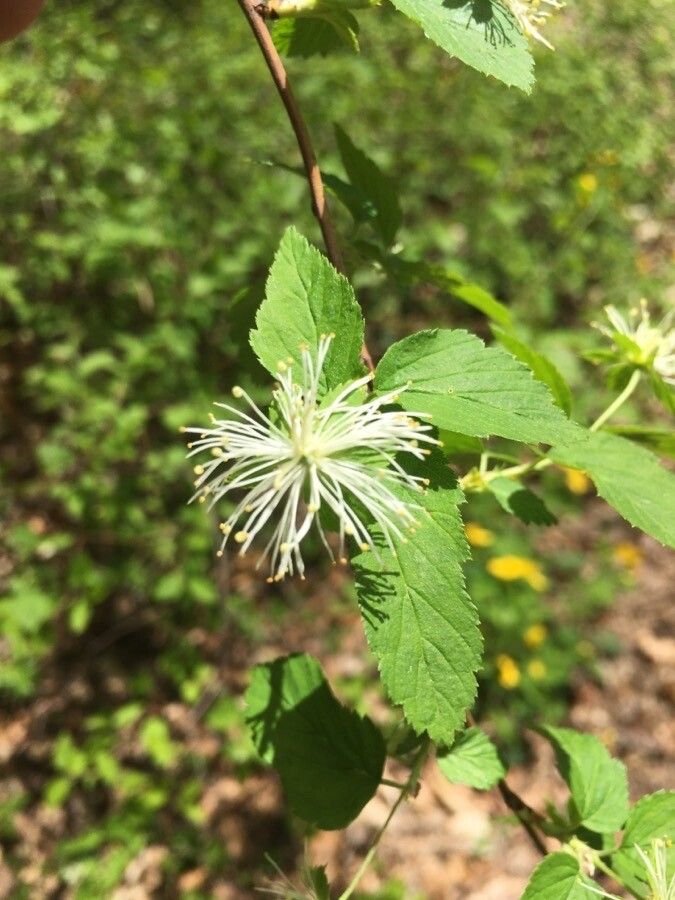
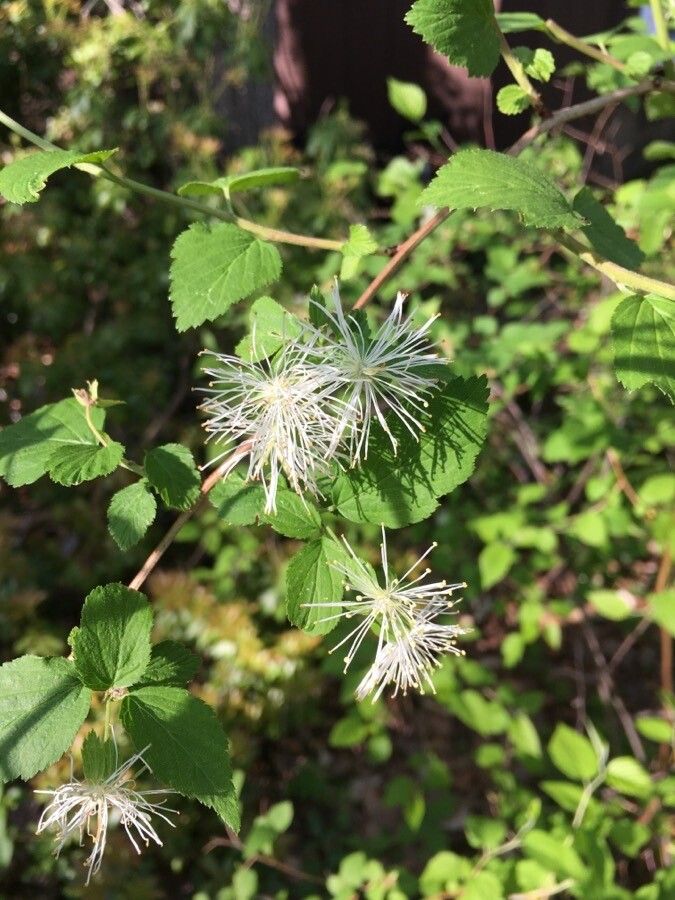
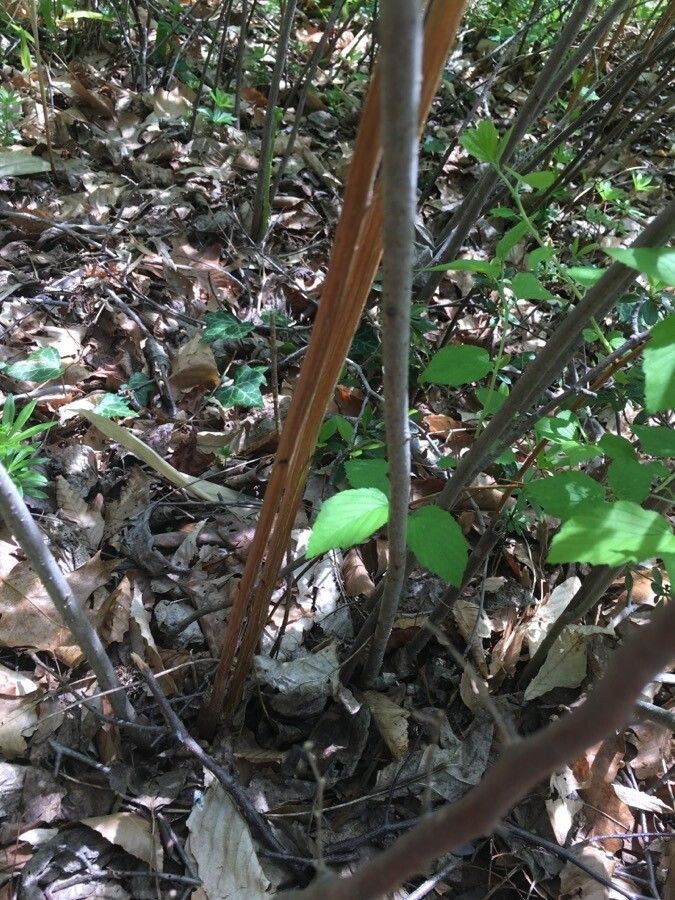
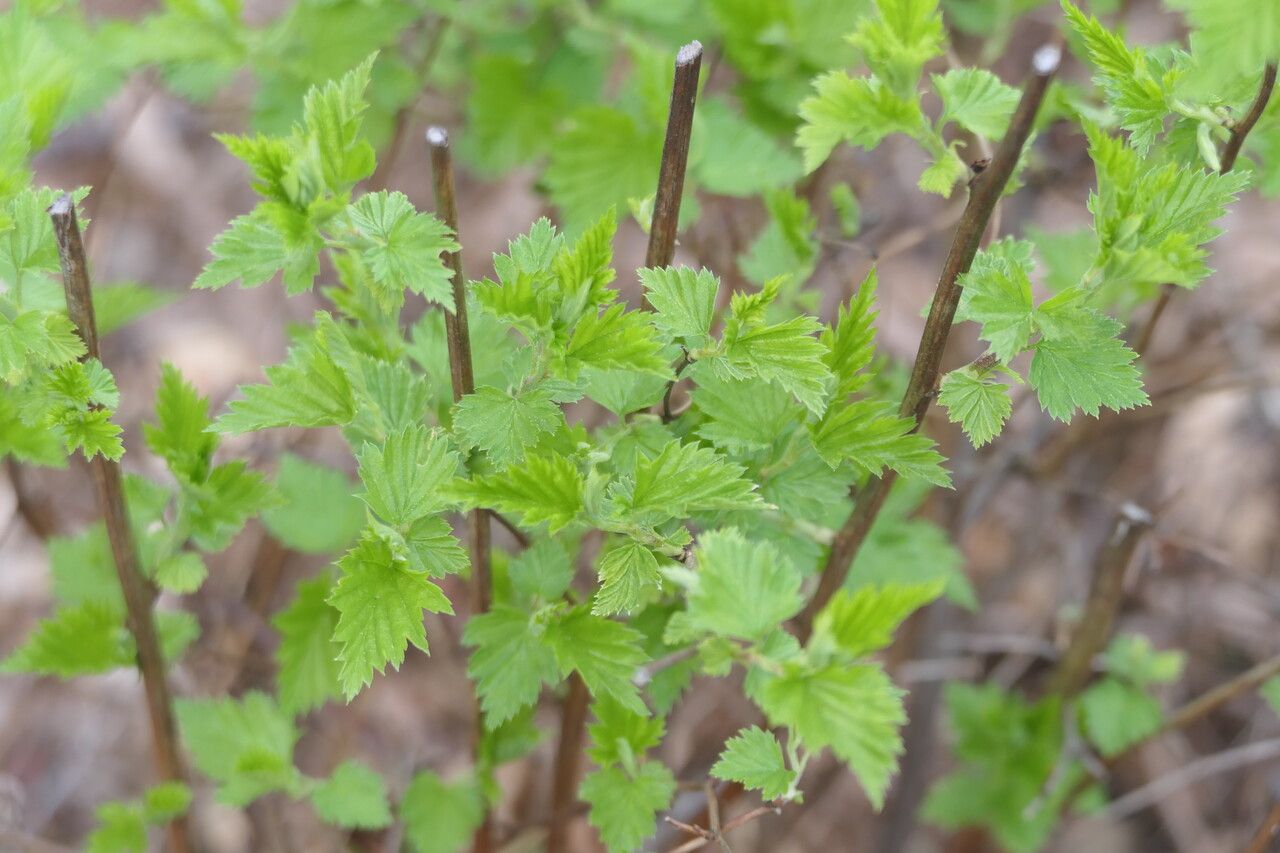
Neviusia alabamensis, commonly known as Alabama snow-wreath, is a deciduous shrub native to the southeastern United States. It typically reaches a height of 1-2 meters and has a spreading growth habit. The leaves are alternate and compound, with 3-7 elliptic leaflets that have serrated margins. In late spring or early summer, small white flowers appear in clusters at the ends of the branches. The fruit is a small capsule containing several seeds.
Neviusia alabamensis prefers moist soils in partial shade but can tolerate full sun if given adequate moisture. It is an excellent choice for woodland gardens or naturalized areas, where it can spread freely by suckering from its roots.
Although this plant has limited ornamental value, its delicate white flowers make it an attractive addition to naturalized areas or woodland gardens. It also provides habitat for wildlife such as birds and butterflies.
Overall, Neviusia alabamensis is an intriguing native shrub with unique foliage that adds diversity to any landscape design while offering ecological benefits like habitat creation for various wildlife species.
Alabama snow wreath has strong resistance to disease and is generally not susceptible to illnesses. As for care, this plant is fairly low-maintenance. When grown outdoors it needs little watering, and larger specimens usually do not require pruning. Smaller plants, however, should be trimmed after they finish blooming. The Alabama snow wreath is suitable for anyone with an outdoor area, such as a garden or deck, and does not require a great deal of plant-care experience.
How to keep Neviusia Alabamensis.
Light
Alabama snow wreath grows naturally in places like forest understories or rocky sites, where it receives natural shade. It prefers partial sun but can tolerate both full sun and full shade, showing its versatile and hardy nature.
Water
The Alabama snow wreath thrives in moist woodland habitats and requires consistent moisture, usually needing to be watered twice a week. Typically grown outdoors, it benefits from natural rainfall. As a deciduous plant, its water needs decrease during the cooler months when it enters dormancy.
Temperature
The Alabama snow wreath is highly adaptable to a variety of climates, from scorching summers to chilly winters. However, it does have an optimal temperature range for growth. If temperatures become too high, the plant is susceptible to heat and humidity stress, which can kill it. In areas where temperatures approach the lower limit of its cold tolerance, it is necessary to provide insulation to protect the plant.
Fertilizer
Timing is important when fertilizing Alabama snow wreath. Begin fertilizing in early spring and continue once a month until early summer. Fertilizer encourages attractive blooms and supplies energy during both dormant and active growth periods.
Pruning
For optimal health, prune the Alabama Snow Wreath, a deciduous shrub, in early spring before new growth begins. Remove any dead, damaged, or overcrowded branches to improve air circulation and encourage blooming. Use clean, sharp tools to make precise cuts, which will help the shrub recover quickly and reduce the risk of disease.
Botanical profile.
- Plant Type
- Shrub
- Life Cycle
- Perennial
- Genus
- Neviusia
- Family
- Rosaceae
- Hardiness Zone
- 5-9
- Mature Height
- 0.91 m to 1.83 m
- Mature Spread
- 0.91 m to 1.83 m
- Leaf Color
- Green
- Leaf Type
- Semi-evergreen
- Flower Color
- White
- Flower Size
- 2.03 cm to 3.05 cm
- Bloom Time
- Early spring, Mid spring
- Planting Time
- Spring, Summer, Autumn
- Harvest Time
- Early summer, Mid summer
Other names.