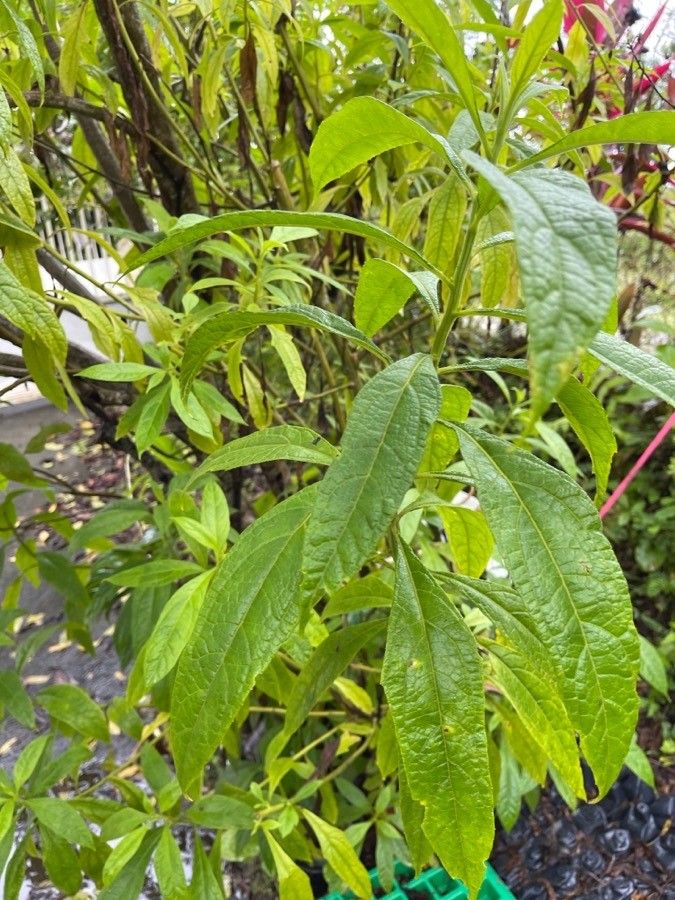
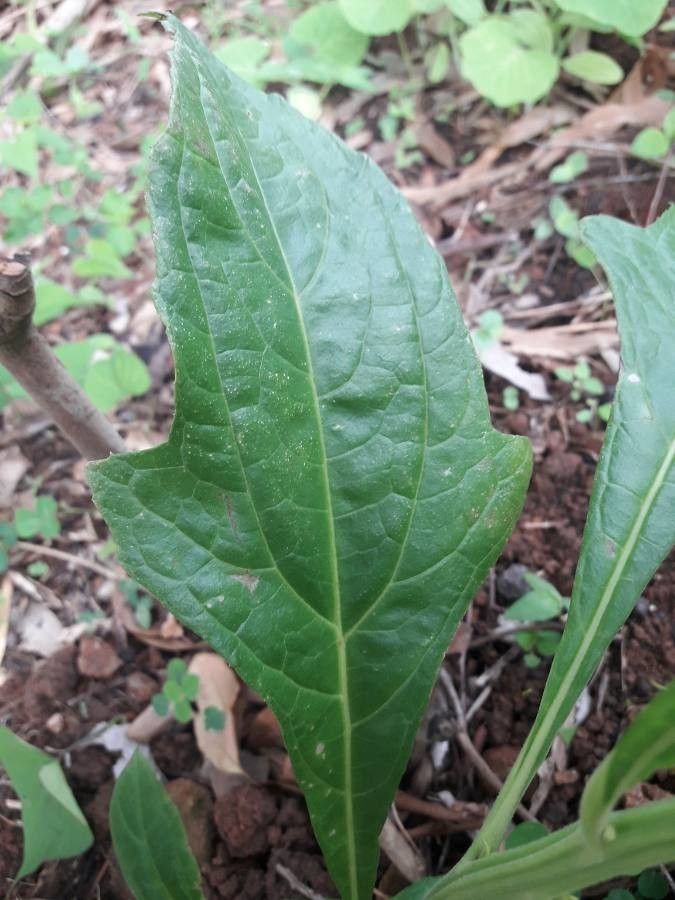
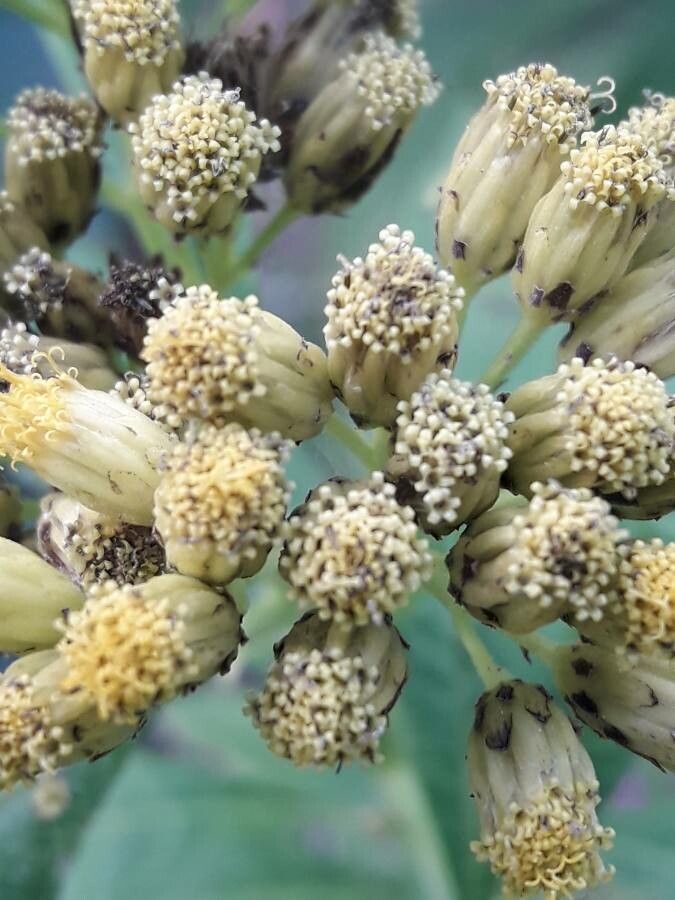
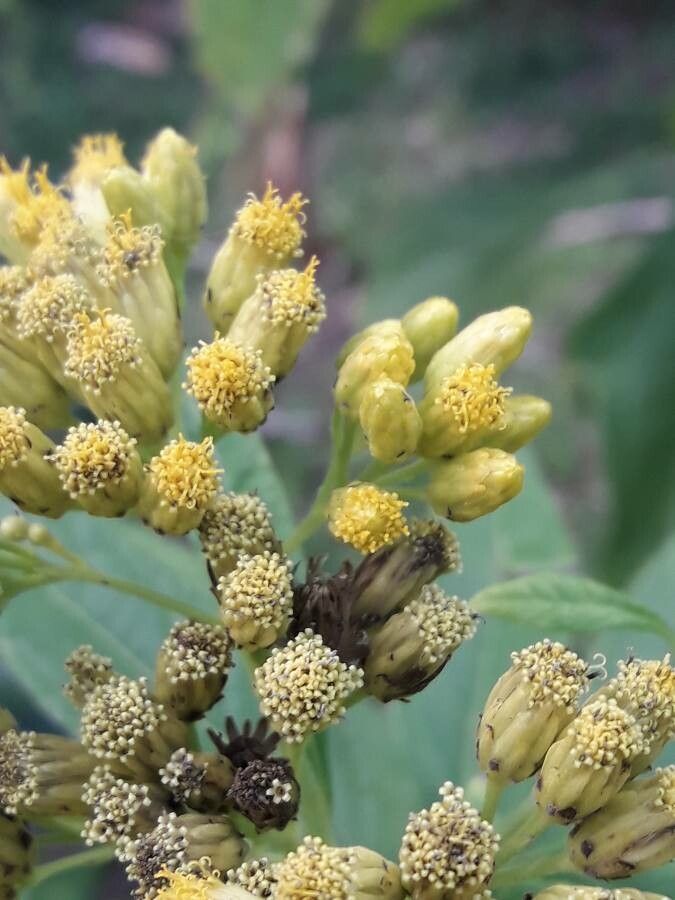
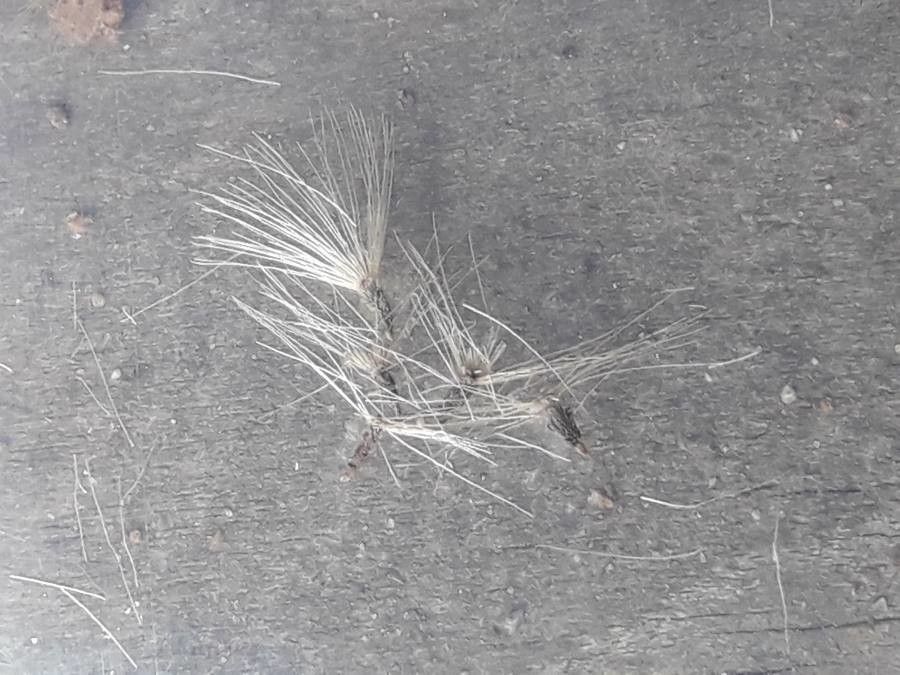
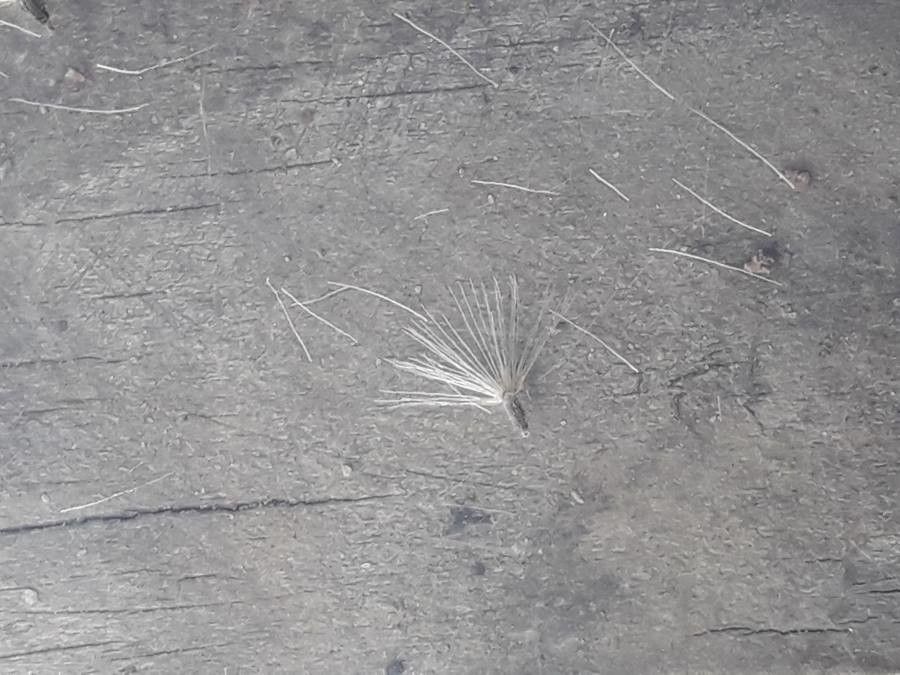
Neurolaena lobata, commonly known as "Jackass Bitters," is a tropical plant species that belongs to the Asteraceae family. Native to Central and South America, it thrives in various habitats such as rainforests, savannas, and disturbed areas.
The plant features a woody stem that can grow up to 3 meters tall, and its leaves are simple, alternate, and ovate. The leaves have a dark green upper surface and lighter green undersides. Neurolaena lobata produces small yellow or white flowers arranged in clusters at the ends of its branches.
For centuries, indigenous people have used this plant for its medicinal properties. Its anti-inflammatory characteristics make it effective in treating various ailments, including fever, headaches, stomach problems, and skin conditions.
In addition, Neurolaena lobata is known for its insecticidal properties, making it useful for controlling pests like mosquitoes.
Overall, Neurolaena lobata is an important medicinal plant with potential applications in traditional medicine and modern pharmaceutical research due to its numerous health benefits.
Sepi has good resistance to disease and is generally not prone to illnesses. However, it can be vulnerable to pests and diseases present in its surroundings. These infections are typically not serious. In terms of care, this plant needs moderate maintenance. It should be pruned regularly to keep a neat appearance and support healthy growth. Fertilizing can also help encourage flowering. Sepi is suitable for anyone with an outdoor area, such as a garden or patio, and does not demand extensive care experience. It may need more attention when grown indoors.
How to keep Neurolaena Lobata.
Light
Sepi naturally occurs in habitats such as forest understories or rocky sites, where it lives under natural shade. It prefers partial sun but can tolerate full sun or full shade, showing its adaptable and hardy character.
Temperature
Sepi comes from tropical regions, where the climate is generally warm and humid. Consequently, it is well-suited to high temperatures and moisture. It is sensitive to sudden temperature shifts and prefers a stable temperature environment, so avoiding temperature fluctuations indoors is important. It usually does not tolerate cold and requires higher temperatures for growth. If the surrounding temperature drops too low, the plant may stop growing or even die.
Fertilizer
Sepi needs the most fertilizer during its active growth period, which occurs mainly in spring, summer, and early fall. Fertilization supplies essential nutrients the soil may lack, supporting healthy root and stem growth and encouraging attractive foliage, which is an important characteristic of this plant.
Pruning
Sepi is a hardy and aromatic shrub, celebrated for its medicinal properties. For optimal growth, prune it from early to late spring. During pruning, remove any dead branches and shape the plant to encourage strong development. Regular pruning improves the density of the foliage and boosts air circulation. To minimize stress on the plant, be sure to use clean and sharp tools.
Botanical profile.
- Plant Type
- Herb, Shrub
- Life Cycle
- Perennial
- Genus
- Neurolaena
- Family
- Asteraceae
- Hardiness Zone
- 10-12
- Mature Height
- 0.91 m to 2.13 m
- Mature Spread
- 61 cm to 91 cm
- Leaf Color
- Green, Dark Green
- Leaf Type
- Evergreen
- Flower Color
- Yellow
- Flower Size
- 0.51 cm to 1.02 cm
- Bloom Time
- Mid summer, Late summer, Early fall, Mid fall
- Planting Time
- Spring, Summer, Autumn
- Harvest Time
- Fall, Early winter
- Native Area
- Colombia, Bahamas, Belize, Cuba, Honduras, Mexico, Bolivia, Venezuela, Peru, El Salvador, Nicaragua, Ecuador, Costa Rica, Panama, Jamaica
Other names.