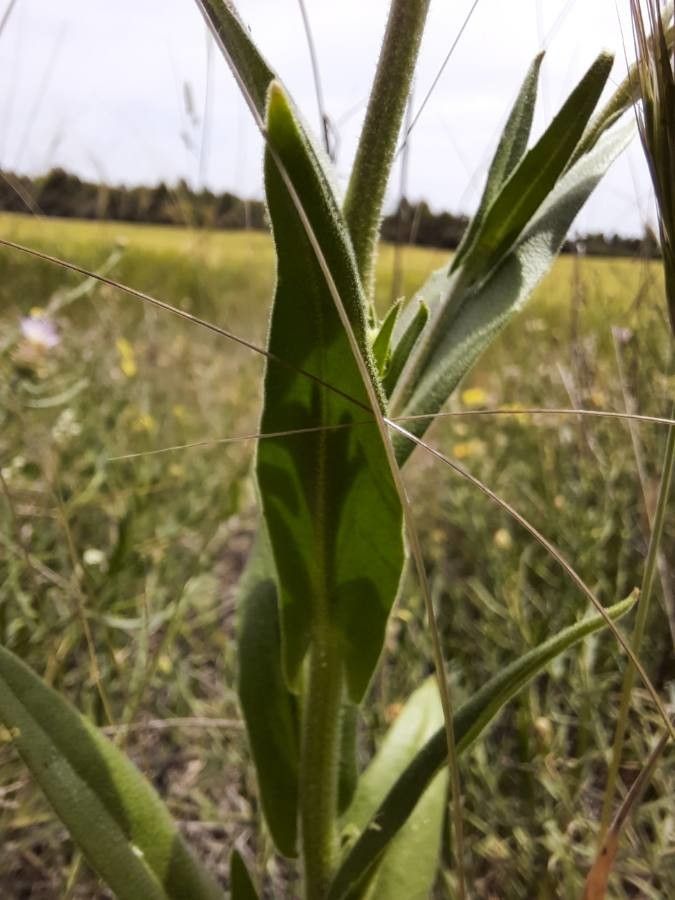
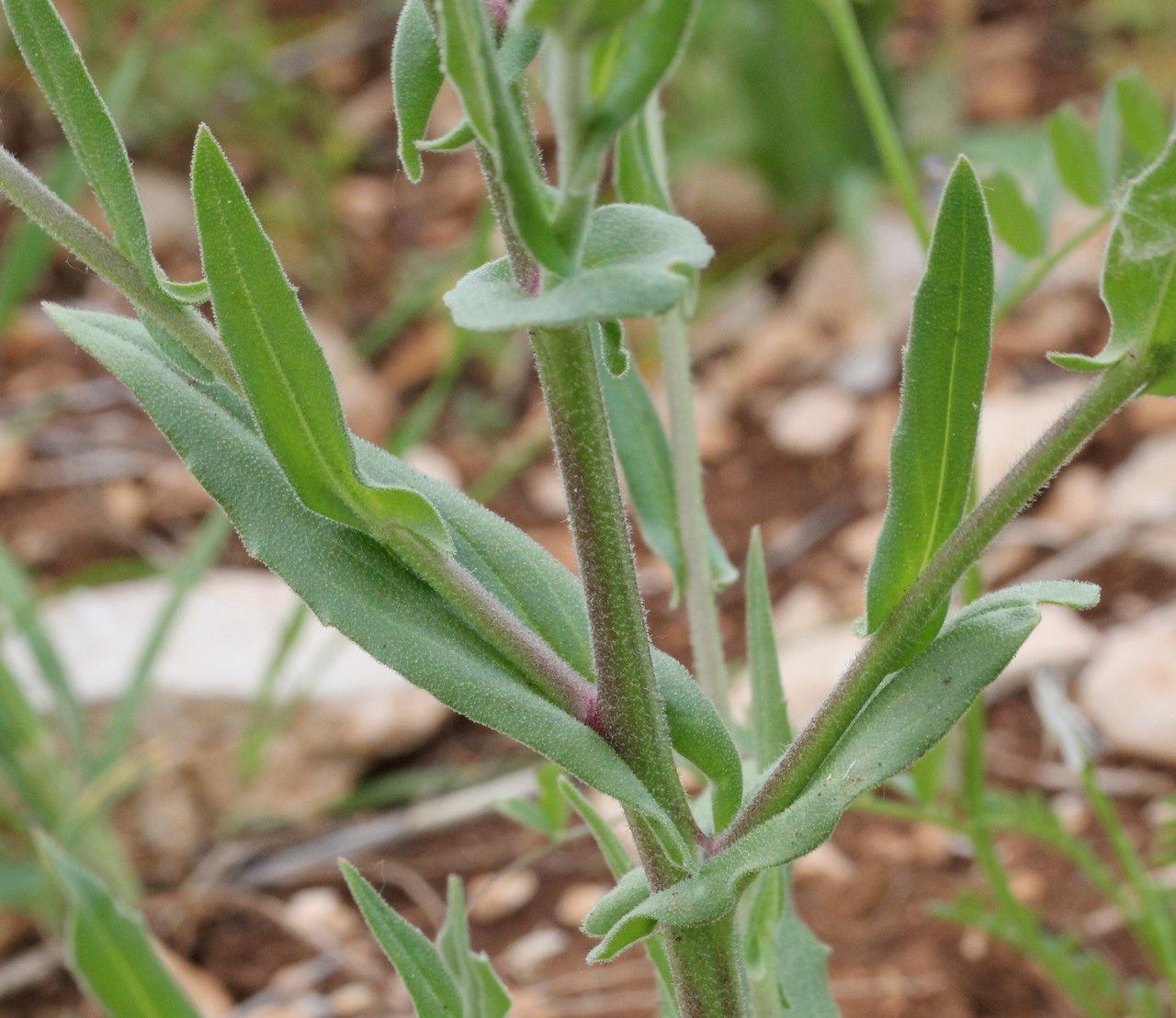
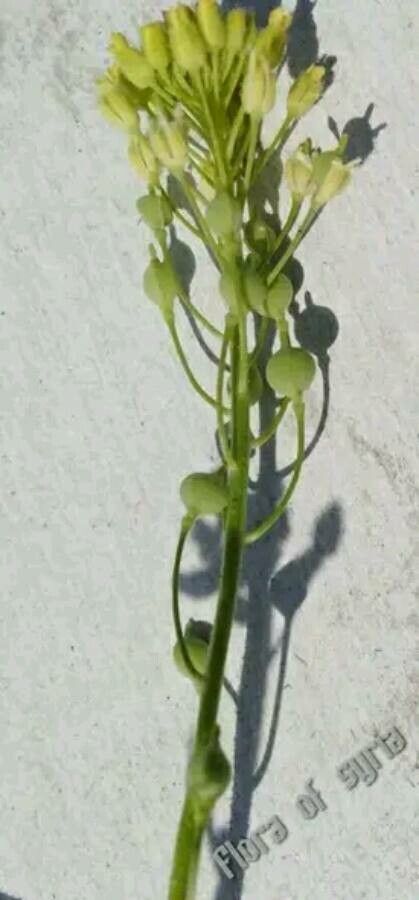
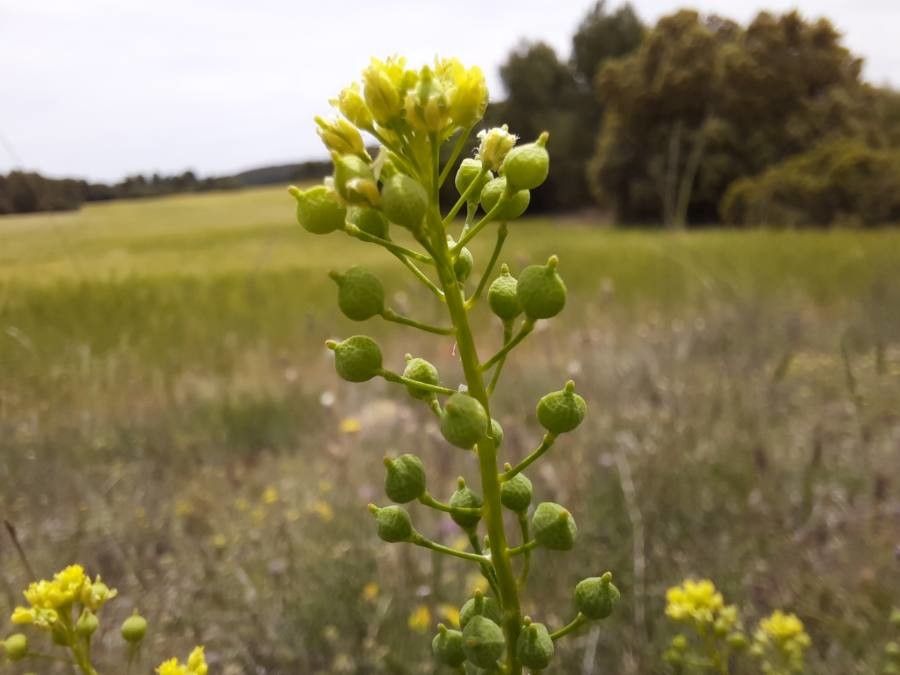
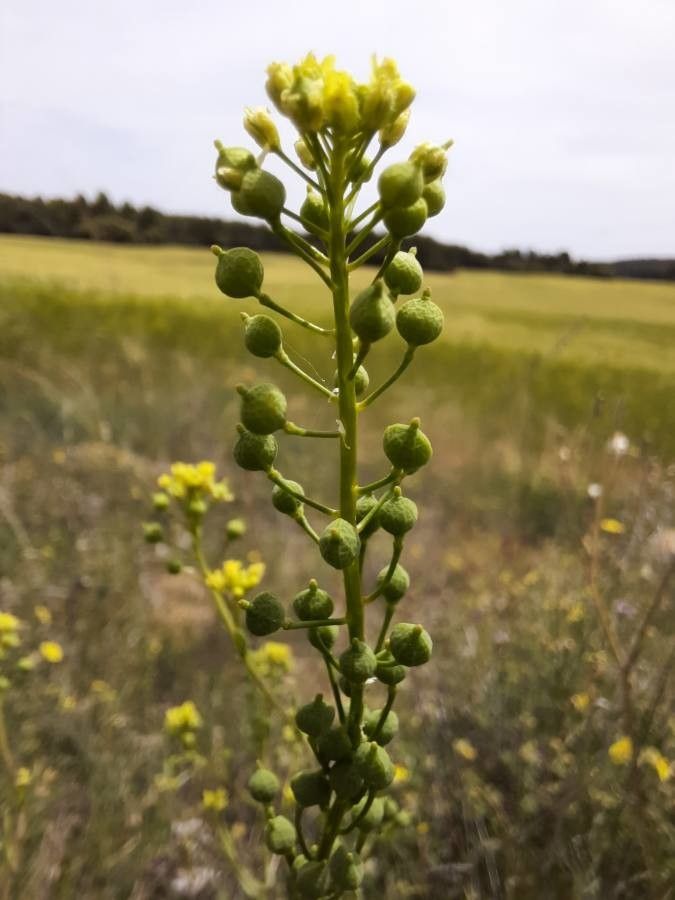
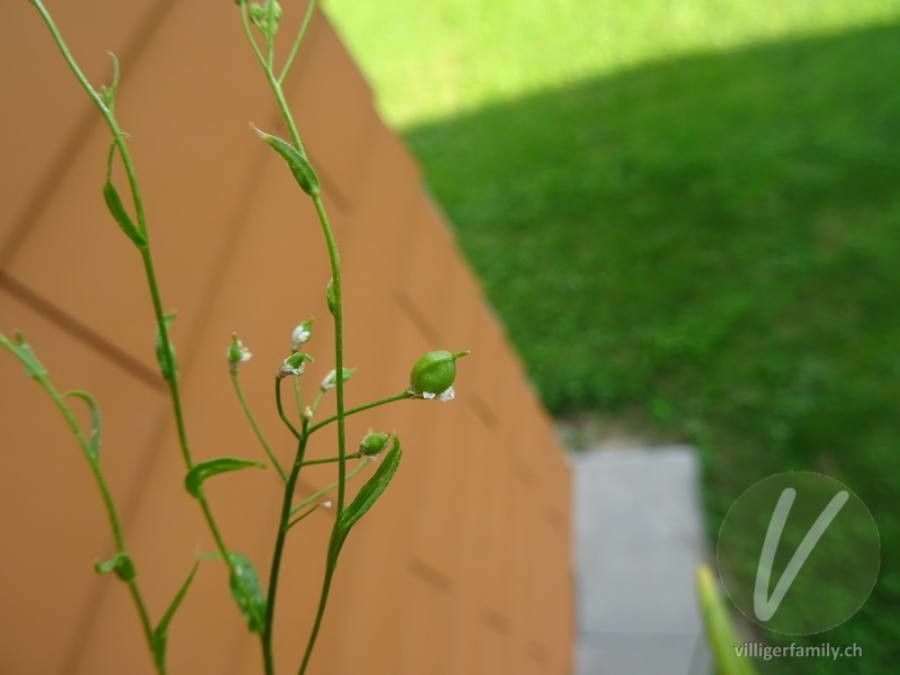
Neslia paniculata, commonly known as ball mustard or neslia, is a flowering plant in the Brassicaceae family. Native to Europe and Western Asia, it has also been introduced to North America. The plant can grow up to 60 cm tall and features small yellow flowers that bloom from May to August. Its leaves are deeply lobed with toothed edges, giving the plant a fern-like appearance.
Ball mustard is an annual or biennial herb that thrives in disturbed areas such as roadsides, fields, and waste places. It prefers well-drained soils with full sun exposure but can also tolerate some shade.
The seeds of Neslia paniculata are edible and have been used in traditional medicine for their anti-inflammatory properties. They can also serve as a condiment or spice due to their pungent flavor.
Despite its medicinal and culinary uses, Neslia paniculata is considered an invasive species in some areas. It can outcompete native plants for resources such as water and nutrients, posing a threat to local ecosystems.
Overall, Neslia paniculata is a fascinating plant with both beneficial properties and potential negative impacts on ecosystems where it becomes invasive.
Ball mustard is fairly disease-resistant and typically does not suffer from illnesses. Still, it can be affected by pests and diseases present in its surroundings. Such infections are usually mild. In terms of care, the plant requires moderate maintenance. Regular pruning is needed to maintain an attractive appearance and healthy growth. Fertilizing can also help encourage flowering. Ball mustard is suitable for anyone with outdoor space, such as a garden or patio, and does not demand extensive care experience. It may require more attention when grown indoors.
How to keep Neslia Paniculata.
Light
Ball mustard comes from sunny, open habitats where it does best in full sun. It can tolerate some shade but favors direct sunlight for optimal growth. This plant, which can be annual or biennial, is known for its sun-loving nature.
Water
Ball mustard thrives in temperate zones and requires regular hydration, preferably being watered once a week. It is important to avoid waterlogging. Although it has moderate drought tolerance, this plant benefits from natural rainfall during its growing season. As an annual herb commonly grown outdoors, ball mustard's moisture needs align well with its usual growing conditions.
Temperature
Ball mustard originates from areas where temperatures range from 68 to 100 °F (20 to 38 ℃). The plant favors moderate to high temperatures, indicating that adjustments may be needed to maintain ideal conditions during cooler months.
Fertilizer
Ball mustard does well with regular, light fertilizer applications to encourage healthy leaf development. Fertilize Ball mustard about once a month during the summer. Nitrogen is important for foliage, and providing nitrogen-rich sources helps Ball mustard thrive.
Pruning
Ball mustard is an annual plant that features small yellow flowers and branching stems. To encourage growth, it's best to prune it from early to late spring. Pruning not only helps remove dead stems but also improves light exposure. Regular pruning enhances air circulation, reduces pest infestations, and supports a strong structure, all of which contribute to healthy development.
Botanical profile.
- Plant Type
- Herb
- Life Cycle
- Annual
- Genus
- Neslia
- Family
- Brassicaceae
- Hardiness Zone
- 5-11
- Mature Height
- 91 cm
- Mature Spread
- 15 cm to 30 cm
- Leaf Color
- Green, Yellow Green
- Leaf Type
- Semi-evergreen
- Flower Color
- Yellow
- Flower Size
- 0.51 cm
- Bloom Time
- Mid spring, Late spring, Early summer
- Planting Time
- Summer, Autumn
- Harvest Time
- Summer
- Native Area
- Turkey, Austria, Slovakia, Montenegro, Croatia, Slovenia, Belarus, Russia, Germany, Estonia, Romania, Latvia, France, Tajikistan, Czech Republic, Cyprus, Bulgaria, Poland, Armenia, Ukraine, Serbia, China, Lithuania, Kyrgyzstan, Kazakhstan, Italy, Switzerland, Mongolia, Albania, Azerbaijan, Hungary, Turkmenistan
Other names.
Reader questions.
How should I water my Ball mustard plant?
Watering Ball mustard is easy to do using a garden hose with a spray nozzle, a watering can, or any other common watering tool. This plant is not overly particular about the type of water it receives, as it can survive on rainwater, tap water, or filtered water. However, it is generally recommended to avoid watering from overhead as it may harm the leaves and flowers and potentially cause disease. Using a drip irrigation system is often the best method for watering Ball mustard, as it ensures even and direct watering of the soil. When growing Ball mustard in a container, you can follow a similar watering approach but adjust the tools used, such as using a cup, watering can, or tap to water the soil directly.
What are the sunlight requirements for Ball mustard?
Ball mustard requires full sun, meaning it thrives in conditions where it receives more than 6 hours of sunlight daily. It can also tolerate partial sun, which amounts to about 3-6 hours of sunlight each day. It's essential to observe how sunlight interacts with your garden throughout the day to find the ideal spots that offer a perfect balance of light and shade, ensuring your plants thrive.
What is the native temperature range for Ball mustard?
Ball mustard, botanically known as Neslia paniculata, thrives in regions where the temperature varies between 68 to 100°F (20 to 38°C). This indicates that the plant prefers moderate to high temperatures. To ensure it maintains the ideal conditions, adjustments may be required during cooler months to cater to its temperature preferences.
What should I do if I give my Ball mustard plant too much water or too little water?
If you notice that your Ball mustard plant is not getting enough water, the solution is simple - water it more frequently. However, overwatering can be a more serious issue if not caught early. This can lead to disease and ultimately the death of the plant. To avoid this, choose a growing location with plenty of sunlight to dry out the soil and good drainage to prevent water from pooling. If your potted Ball mustard is overwatered, consider transferring it to a new pot with better drainage. When repotting, use loose soils and a pot that drains efficiently.
How does Ball mustard grow and what are its essentials?
Originating from bright, open environments, Ball mustard is known for its preference for full sun, although it can also grow in partial sun. As an annual and biennial plant, it performs best when it receives direct sunlight, which is crucial for optimal growth. In cases where natural sunlight is insufficient, especially during winter or in less sunny spaces, supplementing with artificial lighting can be beneficial. LED lights are recommended for indoor plant lighting as they can be tailored to provide specific light wavelengths needed by plants.
Does Ball mustard require frost protection measures?
While Ball mustard exhibits strong cold resistance, it generally does not need special frost protection measures during the winter. However, in extreme cases where winter temperatures are expected to plummet below -25°C, it becomes important to provide the plant with cold protection. This can be achieved through methods such as covering the plant with soil or straw. Additionally, watering the plant abundantly before the first freeze in autumn is recommended to keep the soil moist and help it enter a frozen state, which aids in preventing drought and water scarcity for the plant during winter and early spring.
How often do I need to water my Ball mustard?
Ball mustard requires regular watering throughout the growing season. To start, water this plant once a week in spring. As the season progresses and temperatures rise, you may need to increase watering to two or three times per week. However, watering more than this can harm the plant. It's important to keep the soil relatively moist but not wet, regardless of the frequency of watering. Watering Ball mustard in a pot requires a different approach. Generally, you'll need to water more often for container-grown plants as the soil in pots can heat up and dry out faster than in-ground soil. In most cases, plan to water a potted Ball mustard a few times per week, compared to once per week for plants in the ground.
What are the symptoms of inadequate light for Ball mustard?
When Ball mustard does not receive enough light, several symptoms can manifest. These include smaller new leaves, leggy or sparse growth, faster leaf drop, slower or no new growth, lighter-colored new leaves, chlorosis (yellowing leaves), sunscald, leaf curling, wilting, and leaf scorching. Such symptoms indicate that the plant is struggling with light deficiency.
How does Ball mustard react to low and high temperatures, and what are the solutions?
In terms of temperature sensitivity, Ball mustard is cold-tolerant and fares best when temperatures remain above 20°C. During the winter, it is crucial for the temperature to stay above 0°C. In cases where temperatures fall below -25°C, the plant may not exhibit noticeable changes during the winter but might experience decreased sprouting or fail to sprout in spring. The recommended solution for this is to remove parts of the plant that have failed to sprout in spring. On the other hand, during summer, it is important to keep Ball mustard below 38°C. Temperatures exceeding 43°C can cause the leaves to lighten in color, become prone to curling, experience sunburn, and in severe cases, result in the plant wilting and drying. Solutions include trimming away the sunburned and dried parts, moving the plant to a shaded location during midday and afternoon, or utilizing a shade cloth. Additionally, watering the plant in the morning and evening helps keep the soil moist and supports the plant's health during high temperatures.
How much water does my Ball mustard plant require?
There are a few ways to determine how much water to give your Ball mustard. Some gardeners rely on feeling the soil to gauge moisture levels. They suggest watering until the top six inches of soil feel moist. Another method is to use a set measurement, usually around two gallons per week, adjusting for temperature and soil dryness. However, following strict guidelines may overwater your plant if it needs less. For containers, moisten all dry soil layers by sticking your finger in or until water trickles out of drainage holes.
How can I address insufficient sunlight for Ball mustard?
To counteract insufficient sunlight, gradually move plants to sunnier locations to ensure they receive at least 6 hours of direct sunlight daily. For indoor plants, consider using artificial lighting, keeping lamps on for at least 8 hours daily or investing in professional grow lights. Outdoors, acclimate your plants to increased sunlight gradually to prevent sunburn. Pruning obstructive branches or transplanting to sunnier spots can also improve sunlight exposure. Note that parts of the plant damaged by insufficient light may not recover, but new growth should be healthy with proper light.
How do I know if I am watering my Ball mustard plant enough?
Avoiding overwatering your Ball mustard can be challenging. Although these plants have deep roots that need to be watered weekly, they are prone to root rot and browning if overwatered. Underwatering is less of a concern as Ball mustard can survive without supplemental watering for a period of time. However, if you wait too long to water this plant, it will likely wilt and develop dry leaves.