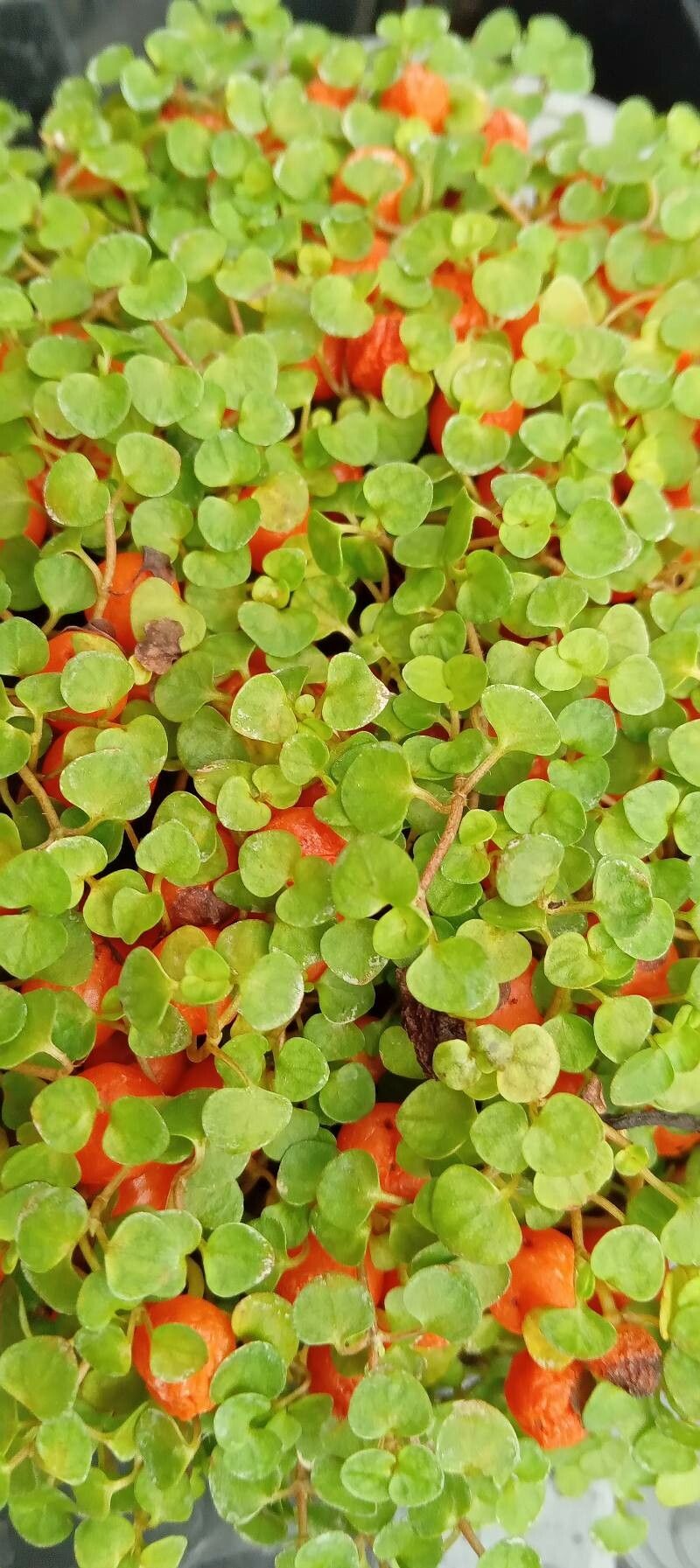
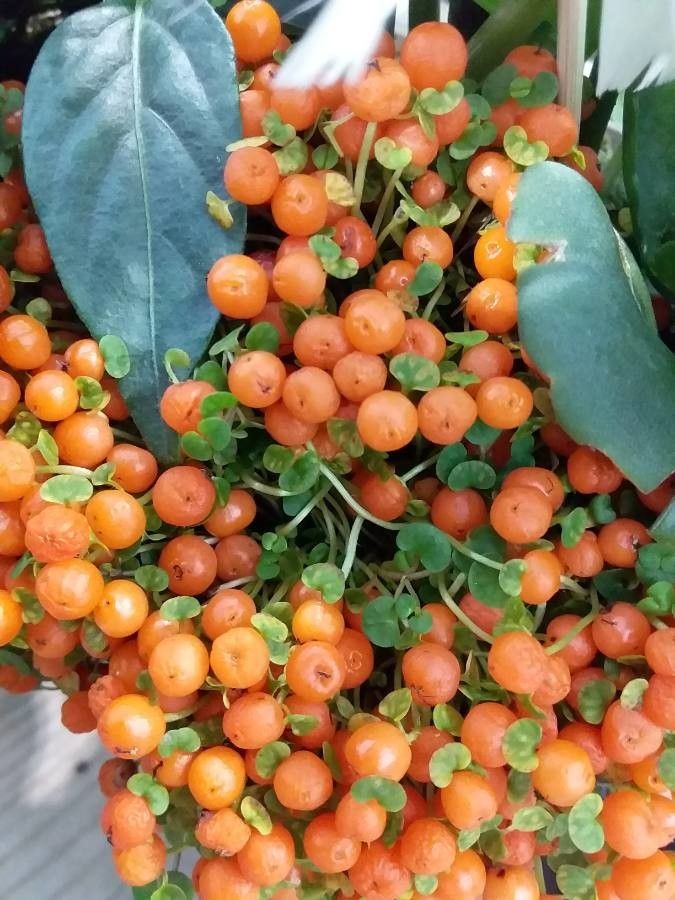
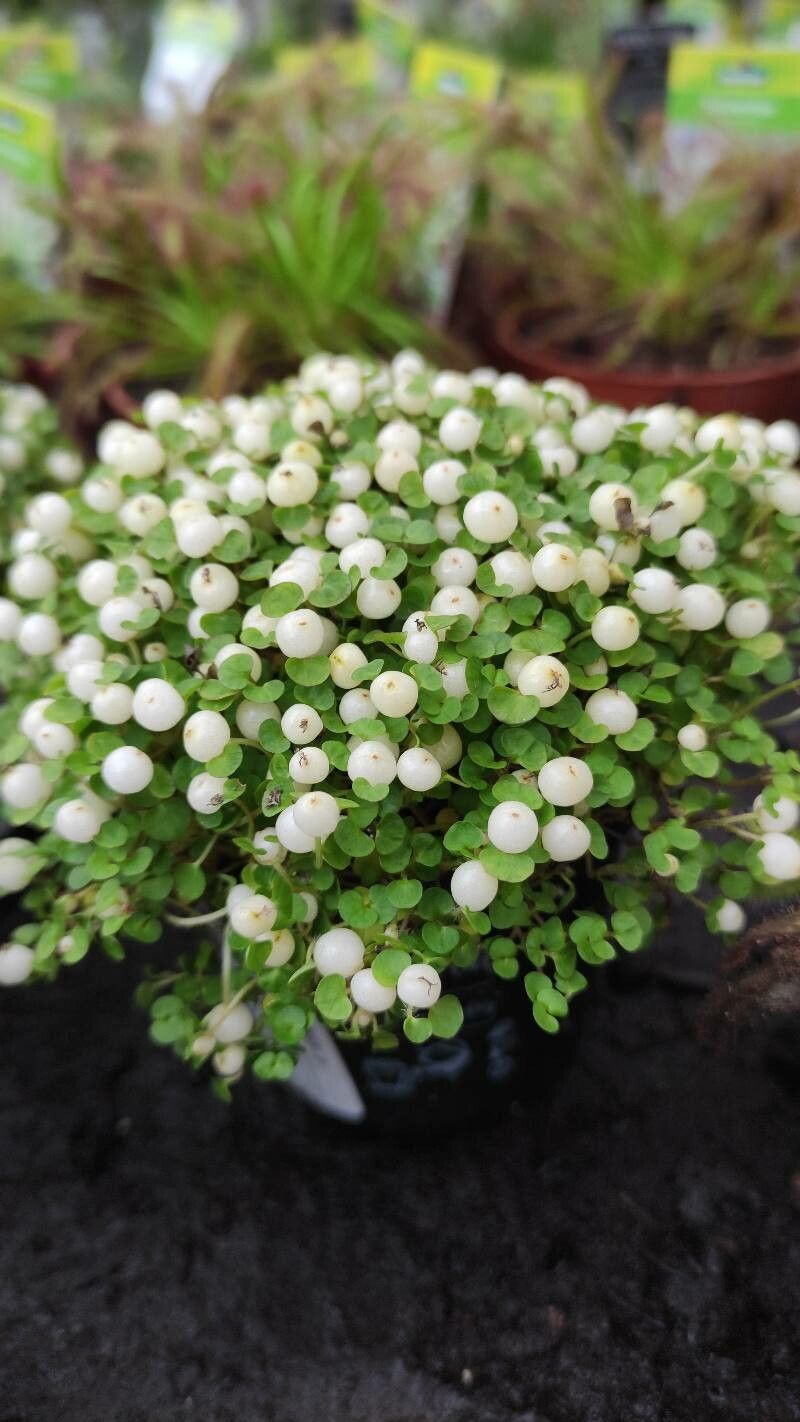
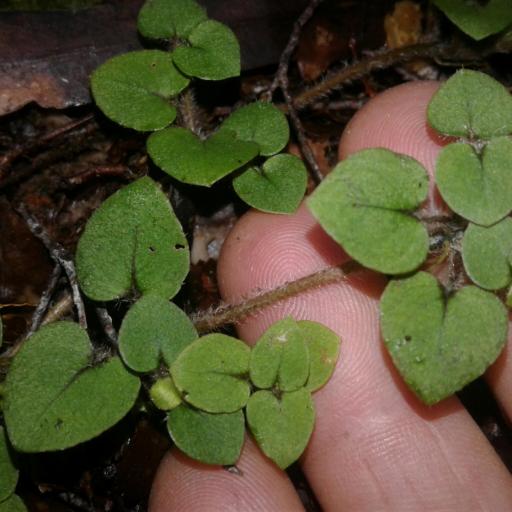
Nertera granadensis, commonly known as the Coral Bead Plant or simply the Bead Plant, is a small perennial belonging to the Rubiaceae family. Native to South America, it is found in countries such as Colombia, Ecuador, Peru, and Chile. This charming plant typically grows up to 10 cm in height and features small, oval-shaped green leaves with a glossy texture.
The most distinctive feature of Nertera granadensis is its bright orange-red berries, which resemble tiny beads. These attractive berries appear on long stalks from late summer through fall and are often used decoratively in floral arrangements or as indoor plants.
Nertera granadensis thrives in moist soil with good drainage and prefers partial shade. It can be propagated either through seeds or stem cuttings during the spring or summer months.
Traditionally, the Coral Bead Plant has been used for medicinal purposes, such as treating skin conditions like eczema, due to its anti-inflammatory properties. However, it's important to note that ingesting the berries can cause gastrointestinal distress.
Overall, Nertera granadensis is an appealing ornamental plant with unique features, making it a popular choice for gardeners seeking something different from traditional houseplants.
Coral moss is fairly disease-resistant and typically does not become ill easily. However, it can be vulnerable to pests and diseases present in its surroundings. These infections are generally mild. In terms of care, this plant needs moderate maintenance. It should be pruned regularly to maintain a neat appearance and healthy growth. Fertilizing can also help encourage flowering. Coral moss is suitable for anyone with outdoor space, such as a garden or patio, and does not require extensive care experience. It may need more attention when kept indoors.
How to keep Nertera Granadensis.
Light
Coral moss prefers a fairly bright location but must be shielded from intense sunlight. Its roots originate from environments where taller plants filter the light. For healthy growth it needs moderate light levels. Excessive sun can burn the coral moss, while too little light can limit its development.
Water
Coral moss flourishes in humid, tropical environments, needing consistent moisture but without being waterlogged. To maintain its lush appearance and vitality, especially indoors where higher humidity levels are replicated, it is important to water it weekly and keep the soil evenly moist during the growing season.
Humidity
This plant will thrive in moderate humidity, which is probably the level in your home. However, misting it a few times a week can be very beneficial. Make sure the room has good ventilation.
Temperature
Coral moss comes from habitats where temperatures range between 68 and 100℉ (20 and 38℃). The plant generally favors warmer climates but can adapt with proper care. In colder periods, keep coral moss within its preferred temperature range so it can thrive.
Fertilizer
Correct fertilization is essential for Coral moss's health and appearance. Fertilize Coral moss during the summer, repeating the treatment monthly throughout the season. Nutrients drive growth and sustain the plant's parts. Fertilization improves Coral moss's floral display, ensuring the best blooms.
Pruning
To improve the health and appearance of coral moss, it's best to prune it in early spring. This practice removes dead growth and encourages new shoots, enhancing its overall look. Pruning also promotes better air circulation and lowers the risk of disease. Make sure to use clean tools to keep the plant healthy and to ensure a vibrant display of berries.
Pot & Repot
When repotting Coral moss, select a pot 1-2 inches (2.5–5.1 cm) larger that has ample drainage. Use a well-draining potting mix. Repot in spring or fall, making sure the root ball sits slightly below the rim of the flower pot. Water thoroughly after repotting and place the pot in a warm spot with indirect sunlight.
Toxicity
The berries of this plant are known to be mildly poisonous, creating only mild poisoning symptoms in children and animals who have been known to consume more than a dozen of the berries. It's also harmful when ingested by pets.
Further reading →
The toxicity and danger assessments provided are for reference only. We do not assure their accuracy, so it's crucial not to depend on them. Seek professional advice when necessary for accurate guidance.
Botanical profile.
- Plant Type
- Herb
- Life Cycle
- Perennial
- Genus
- Nertera
- Family
- Rubiaceae
- Hardiness Zone
- 9-11
- Mature Height
- 30 cm
- Mature Spread
- 30 cm
- Leaf Color
- Green
- Leaf Type
- Evergreen
- Flower Color
- White
- Flower Size
- 2.54 cm
- Bloom Time
- Late spring, Early summer, Mid summer
- Planting Time
- Spring, Summer, Autumn
- Harvest Time
- Mid summer, Late summer, Early fall, Mid fall
- Native Area
- Malaysia, Honduras, Mexico, Guatemala, Peru, Vanuatu, Philippines, Panama, New Zealand, China, Colombia, Cuba, Indonesia, Bolivia, Japan, Venezuela, El Salvador, Nicaragua, Ecuador, Costa Rica
Other names.
Reader questions.
How should I water my Coral moss?
To properly water Coral moss, it is recommended to use filtered water at room temperature. Tap water may contain harmful particles, so filtered water is preferable. Coral moss originates from a warm environment, so using cold water can be a bit of a shock. It is best to avoid overhead watering, as it can lead to problems with the foliage. Instead, apply filtered room temperature water directly to the soil until it is completely soaked. This helps moisten the roots and allows them to spread throughout the soil to collect the necessary nutrients.
Why is it important to put fertilizer on my Coral moss?
All plants, including Coral moss, need soil nutrients for growth. However, it's not always guaranteed that the soil will have all the necessary nutrients. Fertilization and soil amendments are important to ensure that your garden plants get the basic nutrients they need, as well as those specific to their requirements. Coral moss needs fertilizer for healthy root and stem development. Fertilization also helps this plant produce beautiful leaves, which are its main attractive feature.
What are the sunlight requirements for Coral Moss?
Coral Moss, or Nertera granadensis, thrives in conditions of partial sun, receiving about 3-6 hours of sunlight daily. It's crucial to watch how sunlight moves through your garden to select spots that offer a balance of light and shade, ensuring the plant's wellbeing. In its natural habitat, Coral Moss is accustomed to light that is filtered through taller vegetation, protecting it from extreme sunlight. Adequate exposure without direct harsh rays is essential for its healthy growth.
What is the native environment of Coral Moss?
Coral Moss, also known by its botanical name Nertera granadensis, thrives in native environments where temperatures range between 68 to 100°F (20 to 38°C). This plant has a preference for warmer climates but can adapt to different conditions with proper care. It's crucial, especially in colder seasons, to maintain the plant within its preferred temperature range to ensure its growth and health.
What if I give my Coral moss too much water or too little water?
Overwatering is a common problem for Coral moss and can cause wilting, yellowing, and diseases like root rot, mold, and mildew. Underwatering is less common, but can cause brittle and brown leaves. It's important to recognize and address signs of overwatering early, as some diseases may not be fixable if left too long. Reduce watering and assess the soil's drainage if you notice overwatering signs. If underwatering is the issue, simply water more regularly until the signs improve.
When should I fertilize my Coral moss?
Coral moss requires the most fertilizer when it is actively growing, which is usually during spring, summer, and early fall. Starting from the end of winter, you should feed your Coral moss every two to four weeks until fall. When fall arrives, gradually reduce the amount of fertilizer you give until you stop completely in preparation for winter, when the Coral moss growth slows down.
How should indoor Coral Moss be cared for in terms of lighting?
Indoor Coral Moss benefits from adequate lighting, especially when natural sunlight is insufficient. During winter or in less sunny spaces, artificial lights become necessary for fostering faster, healthier growth. LED lights, customizable to specific light wavelengths needed by plants, are a preferred option. The light's intensity should be adjusted according to the plant's requirements: 30-50W/sq ft for full sun plants, 20-30W/sq ft for partial sun, and 10-20W/sq ft for full shade plants. The artificial light source should be positioned 12-36 inches above the plant, mimicking natural sunlight for 8-12 hours per day.
How does cold weather affect Coral Moss, and what measures should be taken?
Coral Moss is particularly sensitive to cold temperatures, which can cause significant harm. When temperatures drop, especially in autumn, it's advised to bring outdoor Coral Moss indoors, placing it near a bright window yet at a safe distance from heaters to avoid excessive dryness. During winter, keeping temperatures above 20°C is key for plant survival, as temperatures nearing 0°C can be detrimental. Should the temperature fall below -5°C, the plant's leaves may lighten in color, turn brown or black after frost damage, and show wilting or drooping symptoms. In such cases, it is crucial to trim off frost-damaged parts and move the plant to a warm environment, preferably near a south-facing window for optimum sunlight, while ensuring it's not placed near heaters or air conditioning vents.
How much water does Coral moss need?
If your Coral moss is planted in a pot, the most precise way to determine if it needs water is to check the soil by inserting your finger into it. If the top two to three inches of soil feel dry, it means it's time to water the plant. If you have Coral moss planted in the ground outdoors, you can use a similar method to check the soil. Once again, if the top few inches of soil are dry, it's time to water. Typically, during the spring and early fall, you will need to water this plant about once a week using this method. However, in extremely hot weather, you may need to water it two or more times per week. It's important to note that mature and well-established Coral moss has the ability to withstand drought conditions.
When should I not add fertilizer to my Coral moss?
During most of the year, including spring, summer, and most of fall, you should regularly feed your Coral moss. However, if you have noticed that your Coral moss has received too much fertilizer or if you have fertilized it incorrectly, causing fertilizer burn or other issues, you should address those problems before returning to the regular feeding schedule. The only time you should not fertilize Coral moss is during winter. If you grow this plant indoors in a cold area, it will go dormant during winter. Feeding the plant during its dormant phase is unnecessary and unhelpful for its growth, and it is highly likely to cause fertilizer burn.
What are common symptoms of improper lighting in Coral Moss?
Coral Moss exhibits several symptoms when lighting conditions are not optimal. Indoors, insufficient light can lead to smaller new leaves, leggy or sparse growth, accelerated leaf drop, halted growth, lighter-colored new leaves, and conditions such as chlorosis and sunscald. On the other hand, excessive sunlight may cause symptoms like leaf curling, wilting, and leaf scorching. These symptoms can negatively impact the plant's health and growth, so monitoring and adjusting light exposure is key.
What should be done if Coral Moss experiences high temperatures?
During the summer, it is important to ensure that the temperature around Coral Moss does not exceed 38°C. Exposure to temperatures above 43°C can lead to a lightening of the leaves and increase the risk of sunburn. In such scenarios, affected parts of the plant should be trimmed away. Additionally, to protect the plant from excessive heat, it should be relocated to a spot where it can enjoy shade, particularly during the midday and afternoon sun. To keep the soil adequately moist, watering in the morning and evening is recommended.