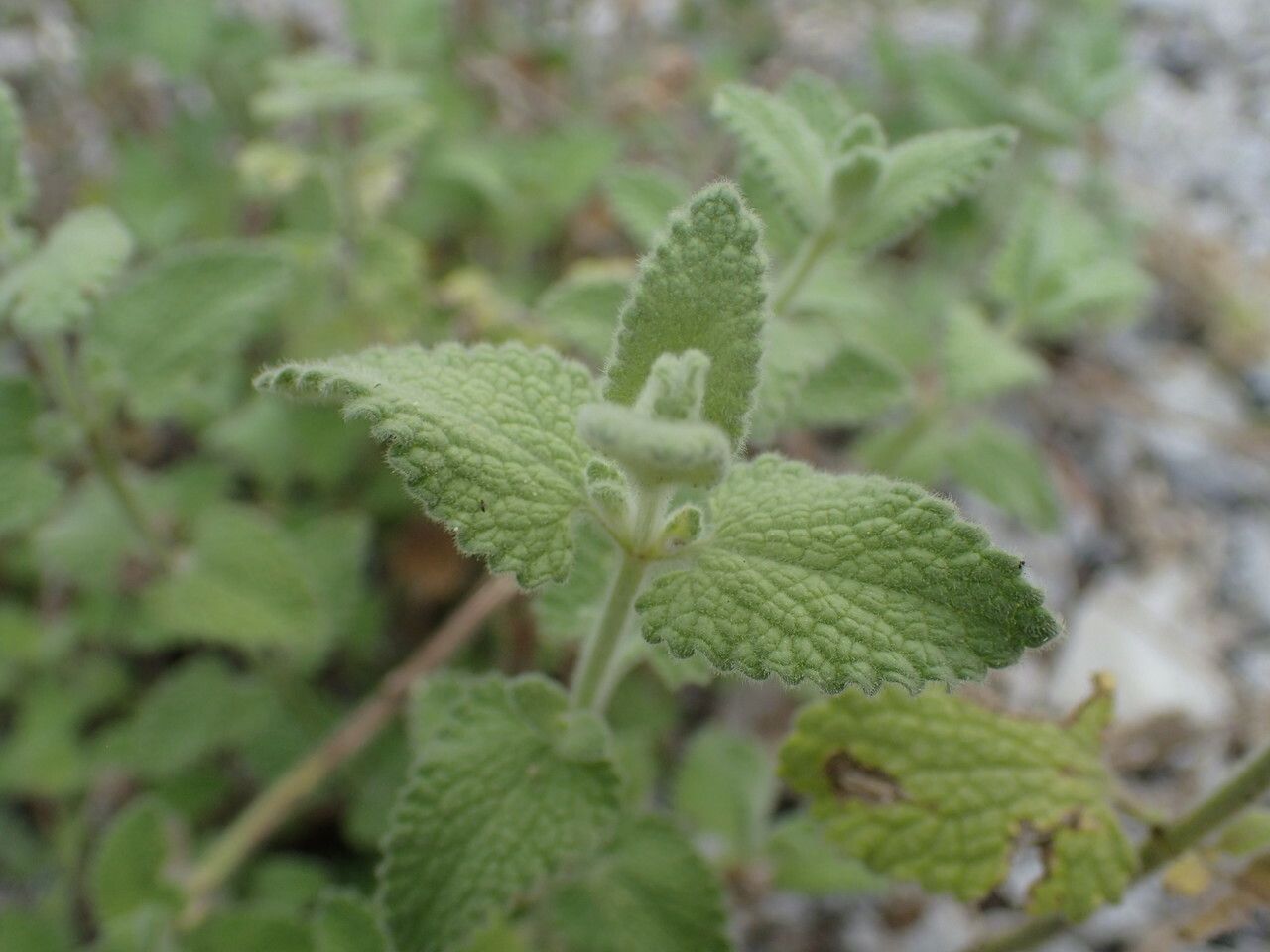
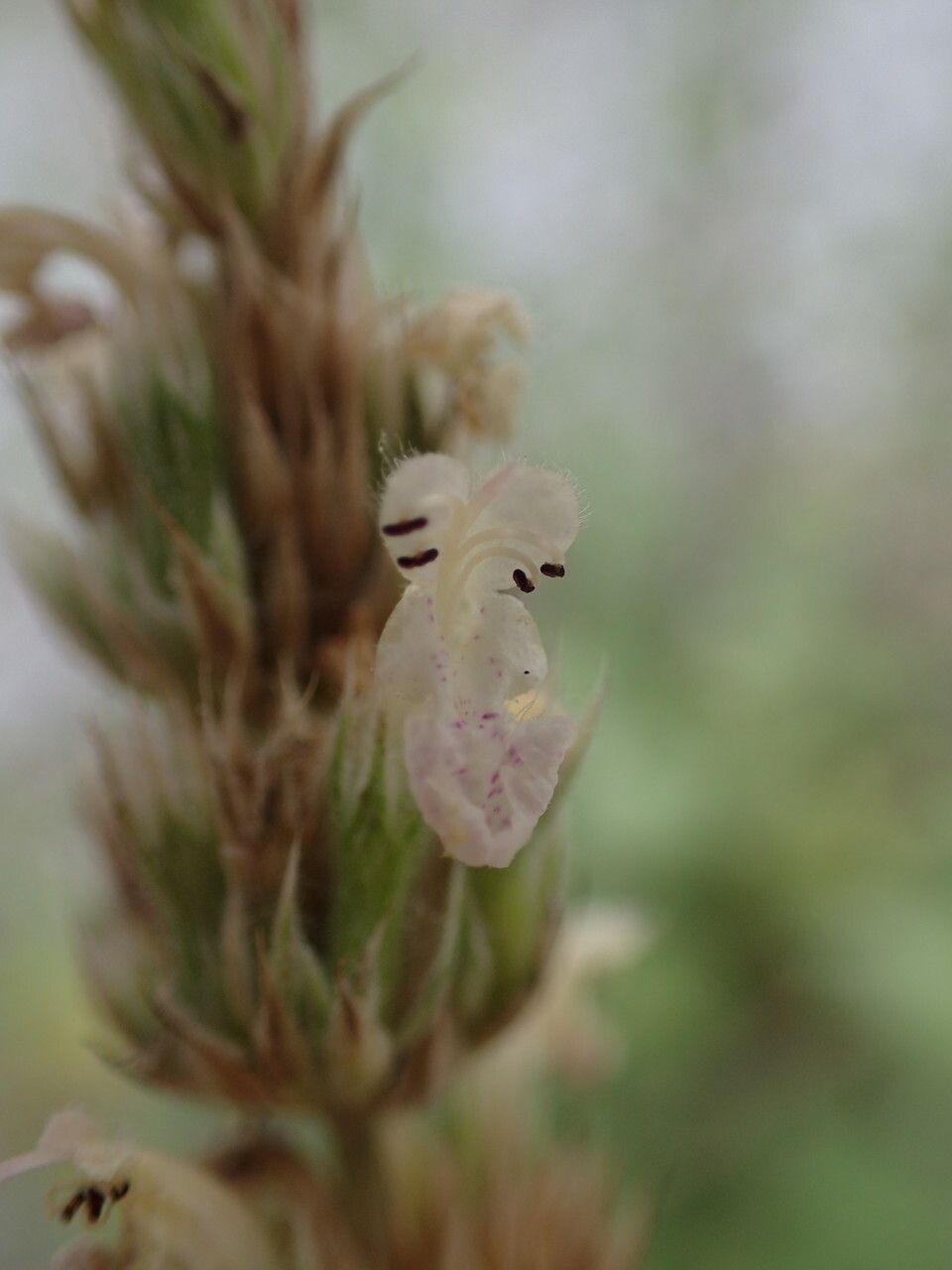
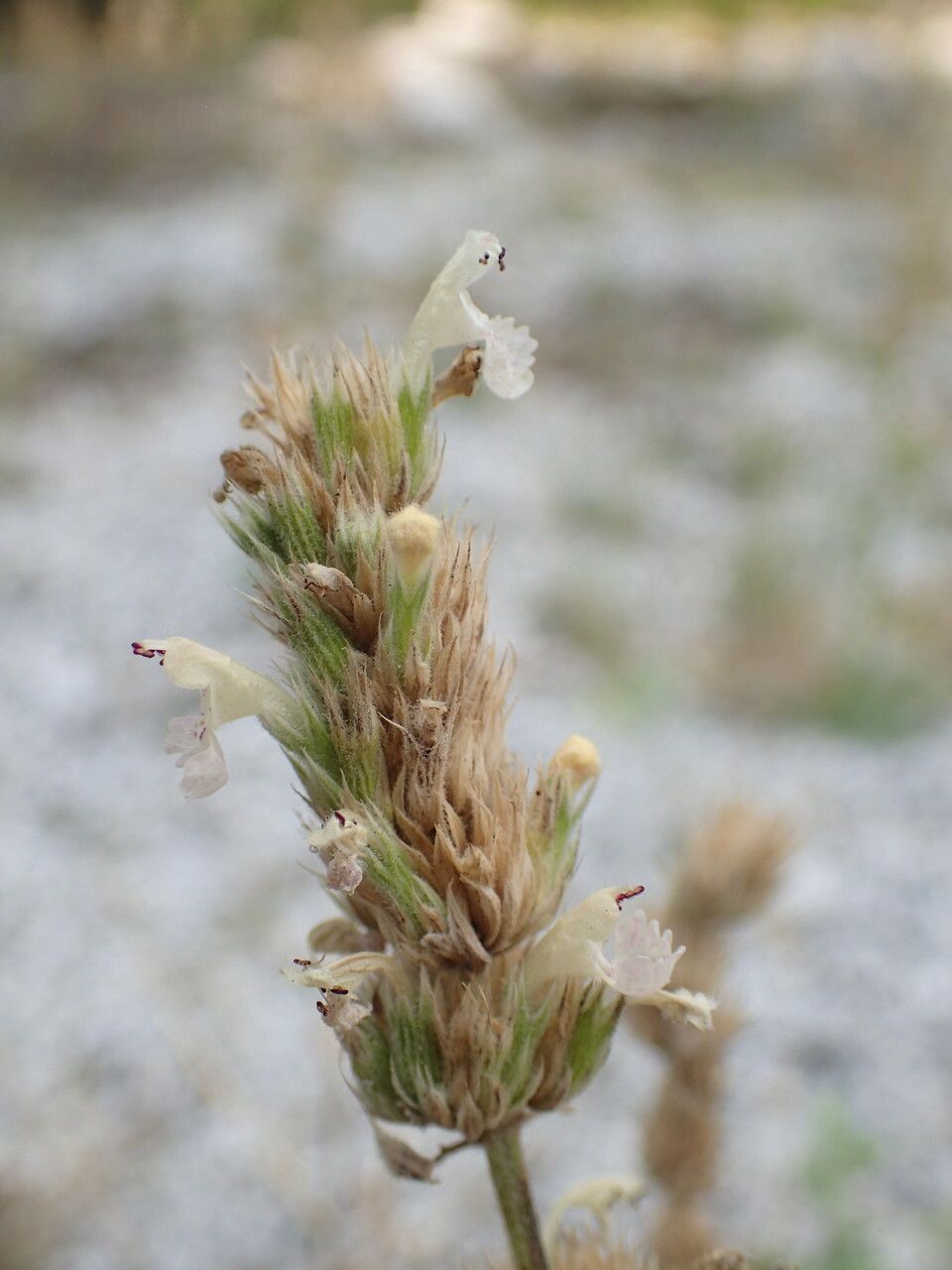
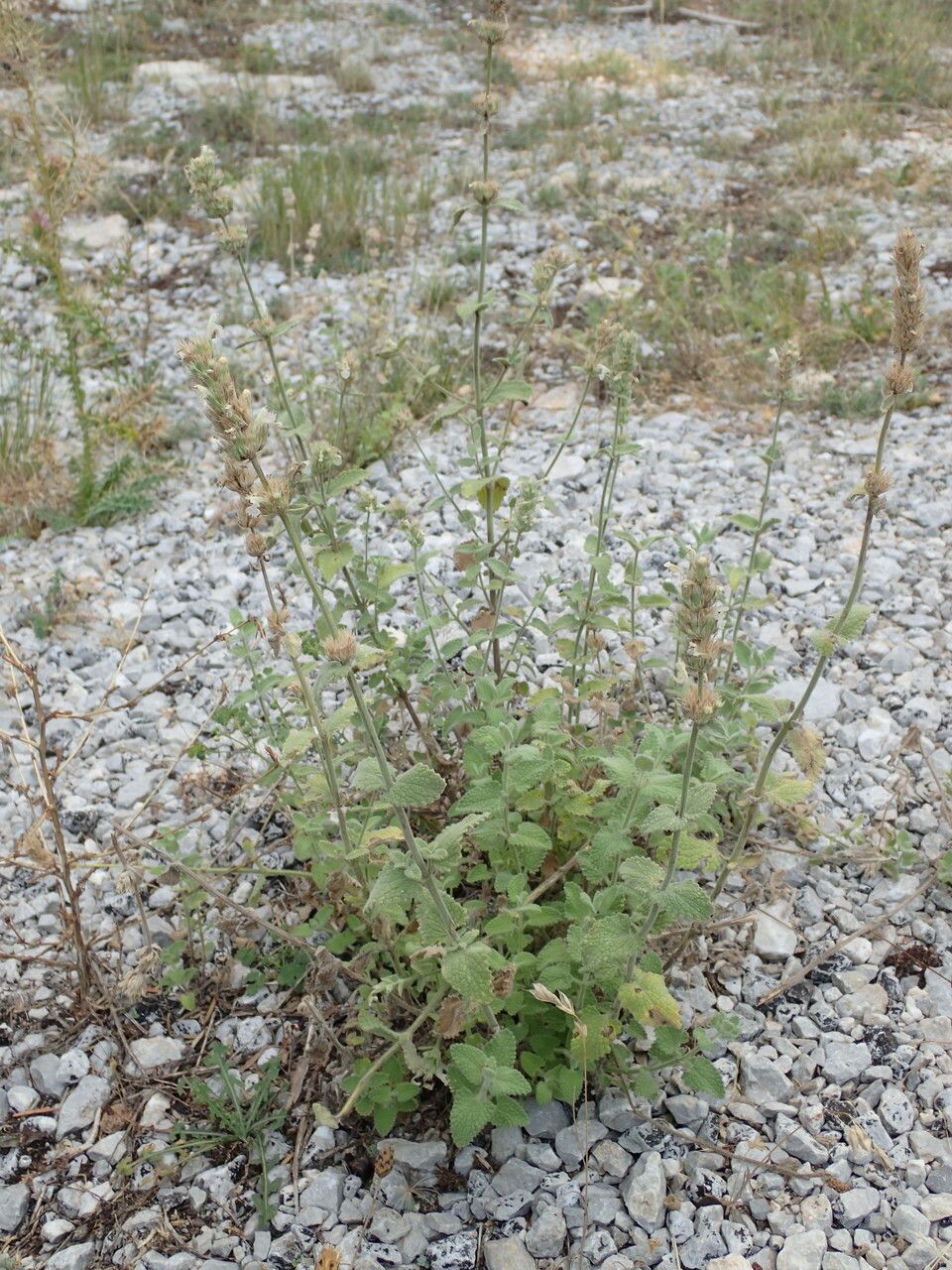
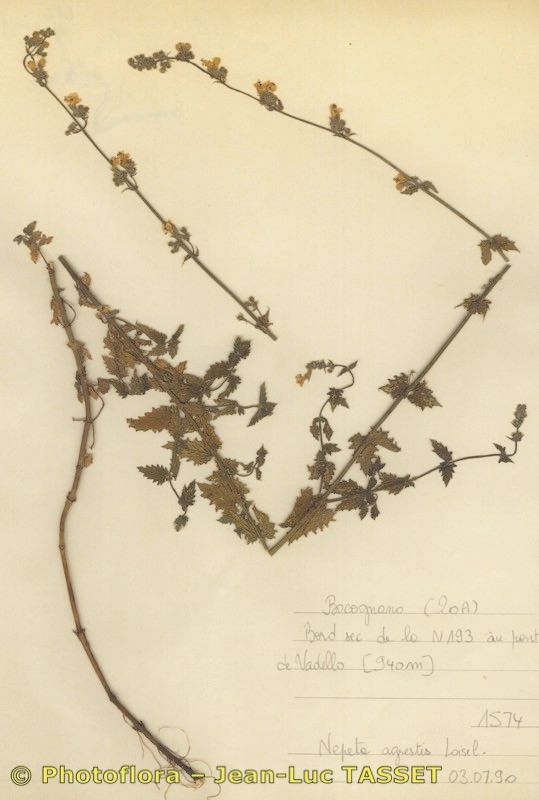
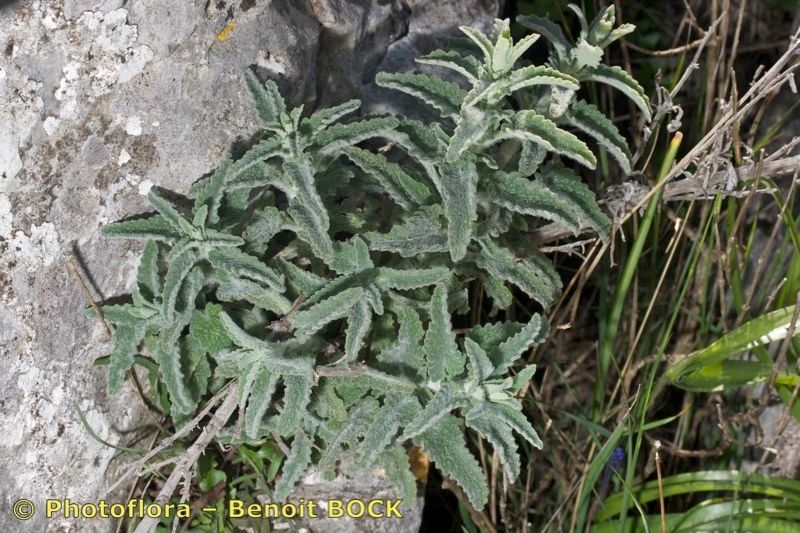
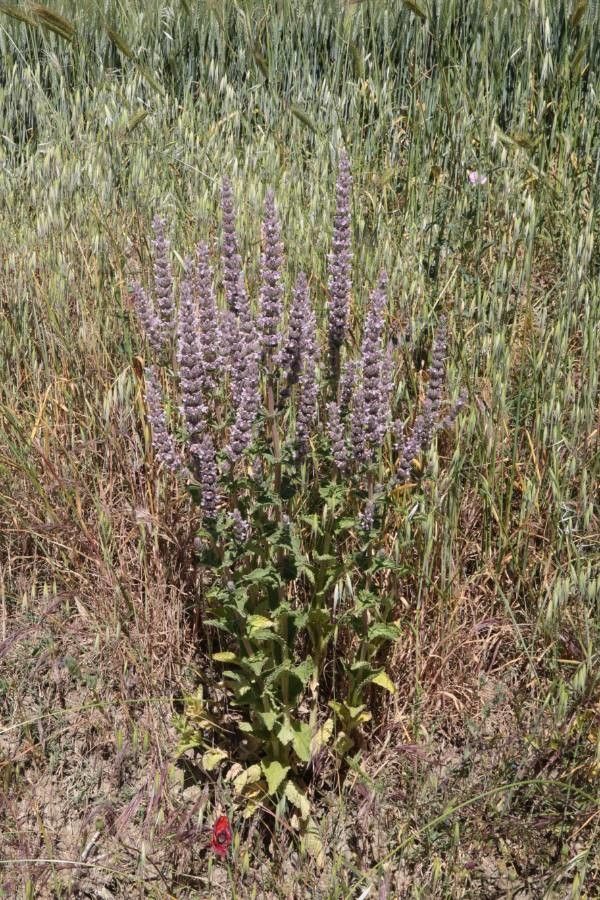
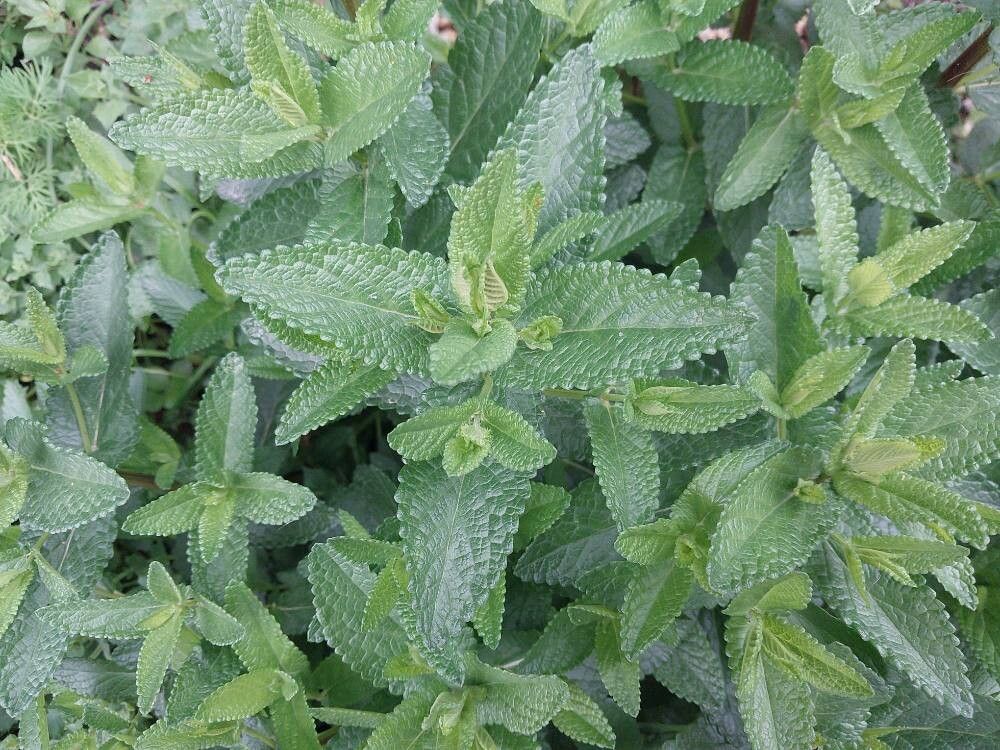
Greek catmint is fairly resistant to disease and typically does not suffer from many illnesses. Still, it can be affected by pests and diseases found nearby. When infections do occur, they are generally mild. Regarding maintenance, this plant needs a moderate level of care. Regular pruning is necessary to preserve an attractive appearance and support healthy growth. Applying fertilizer can also encourage more blooms. Greek catmint is a good choice for anyone with outdoor areas like a garden or patio and does not demand extensive gardening experience. It can, however, need extra attention if kept indoors.
How to keep Nepeta Parnassica.
Light
Greek catmint is an herbaceous perennial that favors sunny sites and originates from open habitats, frequently occurring in meadows and grasslands. It prefers full sun but can tolerate partial sun.
Water
When planting Greek catmint, it is important to wait until the surface soil is dry before watering. Remember that pots need to be watered more frequently than garden plants. During the summer, water the plants daily. However, during the winter dormancy period, you can skip watering altogether.
Temperature
Greek catmint can tolerate a broad range of temperatures, though its presence may still be constrained by particular combinations of moisture and heat. It does best in warm summer conditions with sufficient rainfall or irrigation. Extended stretches of overcast, rainy weather or sustained high temperatures raise the risk of Greek catmint dying. During winter, shielding the plant from cold improves its chances of survival.
Fertilizer
A single fertilizer application in spring is generally enough for Greek catmint, though multiple feedings can boost growth. Apply it about once every one to one and a half months. Fertilizing improves leaf appearance and function, maintaining even color and a healthy texture. It also encourages root development and increases nutrient uptake for lasting plant health.
Pruning
To encourage fuller growth, pinch back Greek catmint seedlings when they reach 6 to 8 inches (15 to 20 centimeters) in height. For established plants, prune them regularly by cutting back 20% to 25% of the upper branches after they have flowered. To control the spread of Greek catmint, prune the flowers after they bloom to prevent seed dispersal.
Botanical profile.
- Plant Type
- Herb
- Life Cycle
- Perennial
- Genus
- Nepeta
- Family
- Lamiaceae
- Hardiness Zone
- 5-9
- Mature Height
- 30 cm to 61 cm
- Mature Spread
- 30 cm to 46 cm
- Leaf Color
- Light Green, Gray
- Leaf Type
- Deciduous
- Flower Color
- Lavender
- Flower Size
- 1.02 cm to 1.52 cm
- Bloom Time
- Summer
- Planting Time
- Spring, Summer, Autumn
- Harvest Time
- Late summer, Early fall, Mid fall
- Native Area
- Greece
Other names.