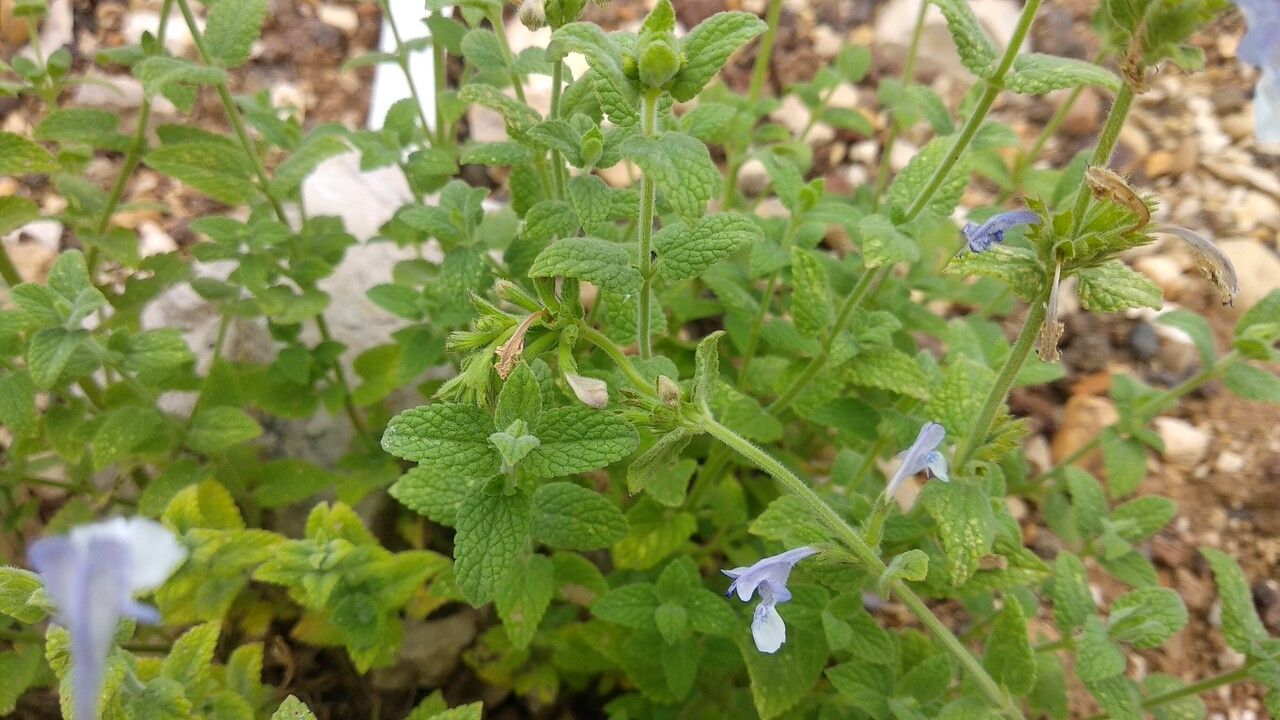
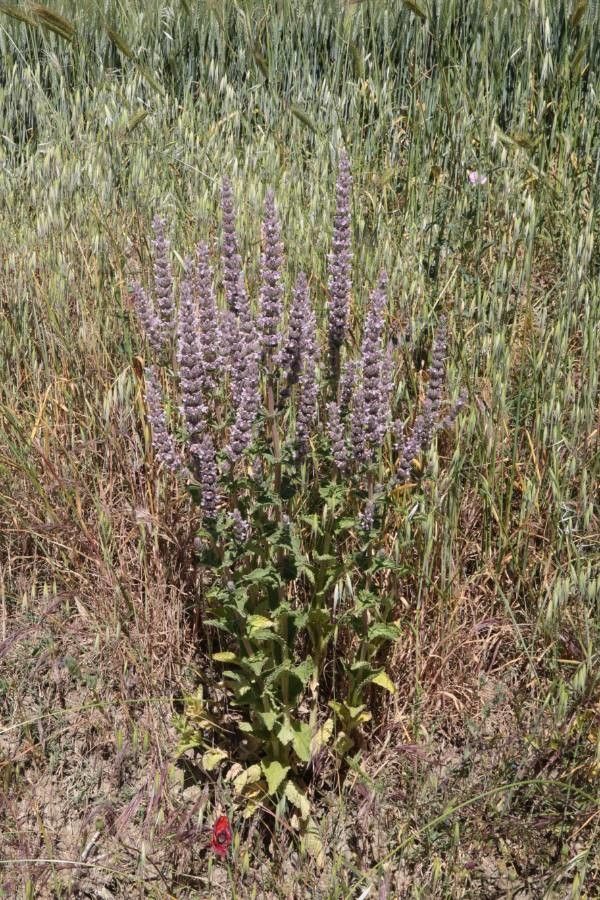
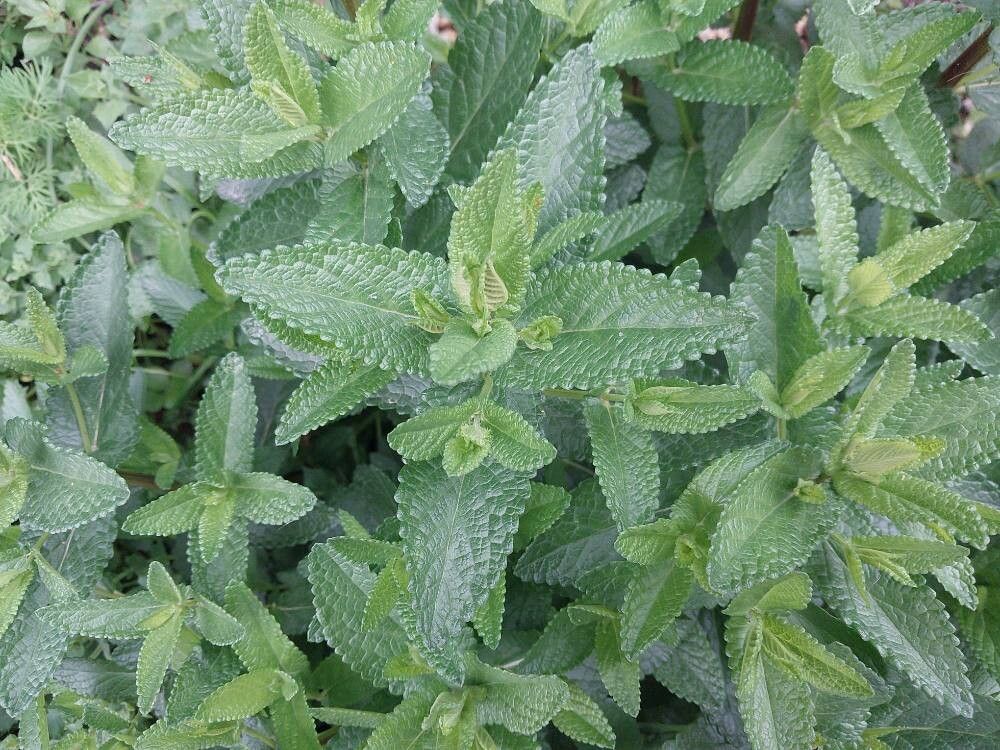
Nepeta clarkei has strong resistance to disease and is generally not prone to illnesses. Still, it can be vulnerable to pests and diseases that exist in its environment. Such infections are typically mild. In terms of care, this plant needs moderate maintenance. It should be pruned regularly to keep a neat appearance and support healthy growth. Applying fertilizer can also encourage flowering. Nepeta clarkei is well suited to anyone with outdoor areas like a garden or patio and does not demand extensive gardening experience. It may need more attention if grown indoors.
How to keep Nepeta Clarkei.
Light
Nepeta clarkei is a sun-loving perennial herbaceous plant native to open habitats, frequently flourishing in meadows and grasslands. It prefers full sun but can also tolerate partial sun.
Water
When planting Nepeta clarkei, water the plant only after the surface soil has dried out. Keep in mind that pots lose moisture more quickly, so they may need daily watering during the summer. However, in the winter, while the plant is dormant, you likely won't need to water at all. When you do water, make sure to do so thoroughly to maintain the plant's optimal health.
Temperature
Nepeta clarkei can tolerate a broad range of temperatures, though its range may still be restricted by various combinations of moisture and heat. It grows best in warm summer conditions with sufficient rainfall or irrigation. Extended periods of cloudy, rainy weather or prolonged high temperatures increase the risk of Nepeta clarkei dying. In winter, adequate protection from cold improves the plant's chances of survival.
Fertilizer
The optimal period to apply fertilizer to a Nepeta clarkei is early spring, just as it comes out of dormancy and begins its active growth phase. This is when it can most use the key nutrients that fertilization provides for its healthy development. While the Nepeta clarkei doesn’t require a large amount of fertilizer, a yearly application can boost its longevity and encourage the production of more robust and enduring blossoms.
Pruning
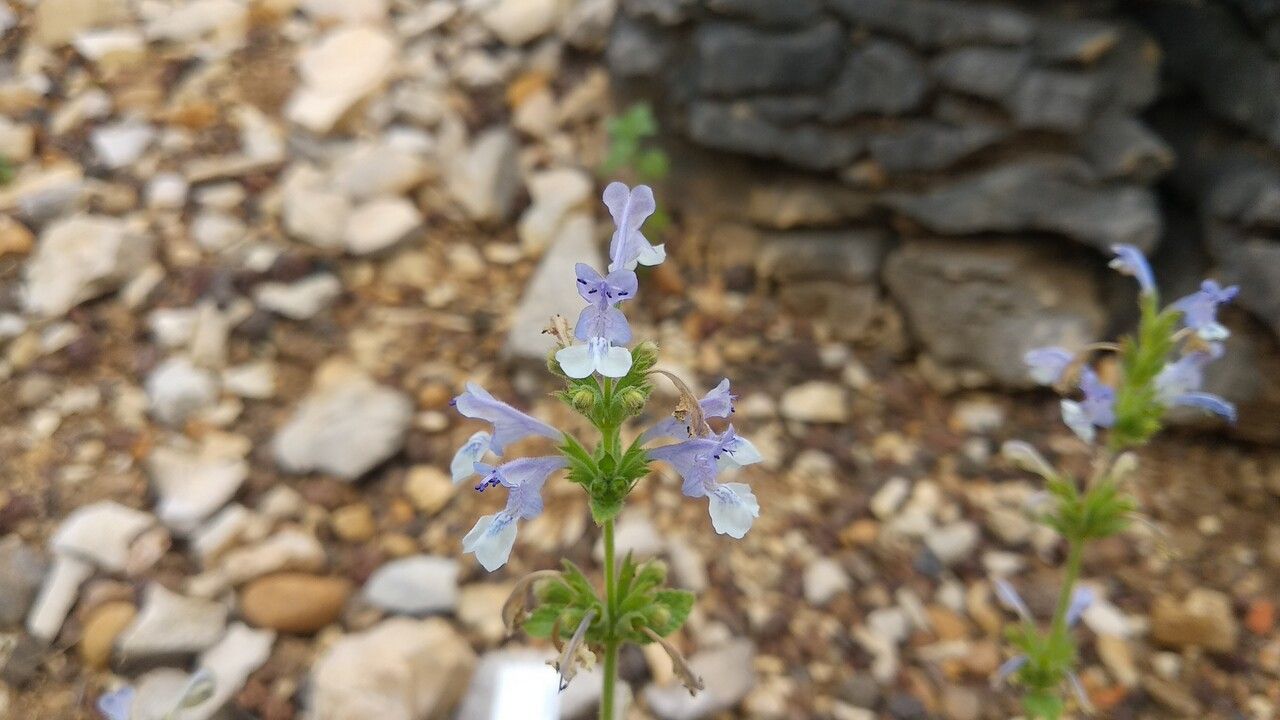
Nepeta clarkei is a robust perennial herb known for its aromatic leaves and lavender-blue flowers. To keep the plant healthy and encourage bushy growth, it is best to prune it in early spring, removing any dead stems. Proper pruning not only improves air circulation but also helps prevent disease and extends the blooming period, enhancing the plant's overall health and appearance.
Botanical profile.
- Plant Type
- Herb
- Life Cycle
- Perennial
- Genus
- Nepeta
- Family
- Lamiaceae
- Hardiness Zone
- 5-9
- Mature Height
- 30 cm to 61 cm
- Mature Spread
- 30 cm to 46 cm
- Leaf Color
- Green
- Leaf Type
- Semi-evergreen
- Flower Color
- Lavender
- Flower Size
- 1.02 cm to 1.52 cm
- Bloom Time
- Late spring, Early summer, Mid summer
- Planting Time
- Spring, Summer, Autumn
- Harvest Time
- Mid summer, Late summer, Early fall
- Native Area
- Pakistan, India, Afghanistan, China